Kamini Kaushal
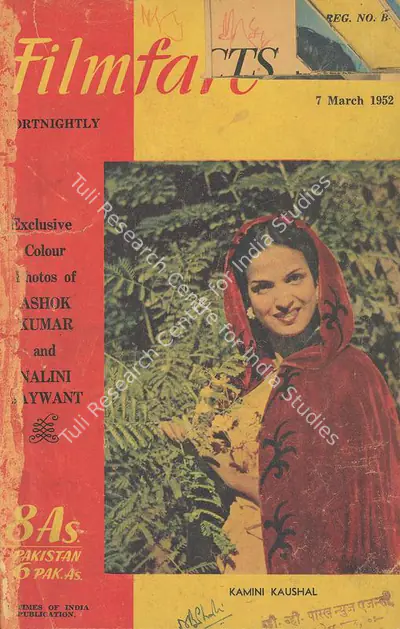
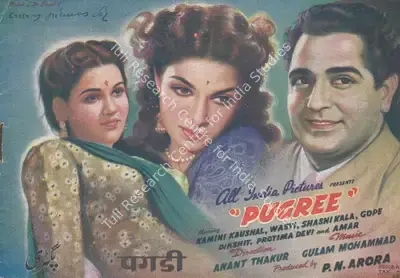
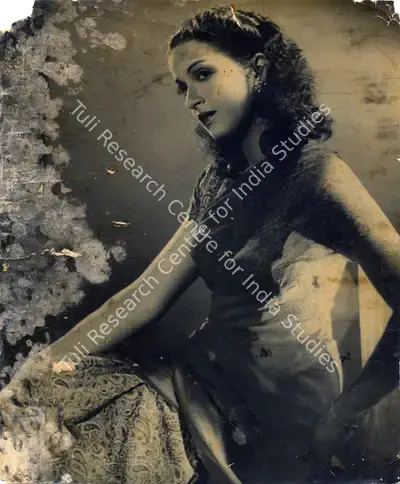
Born Uma Kashyap, the legendary artist who would capture the imagination of generations came to be known to the world as Kamini Kaushal—a nomenclature bestowed upon her by the visionary filmmaker Chetan Anand to avoid confusion with his wife, who shared her given name. Over a monumental career extending across seven decades in Hindi cinema and television, Kaushal established herself as a titan of classic Indian performing arts, widely revered for the subtle grace, emotional resonance, and dignity she brought to every portrayal.
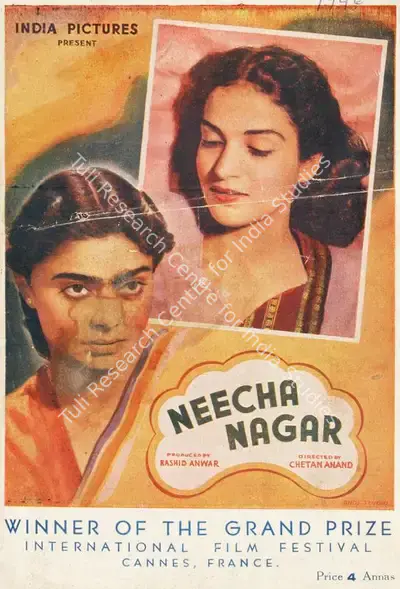
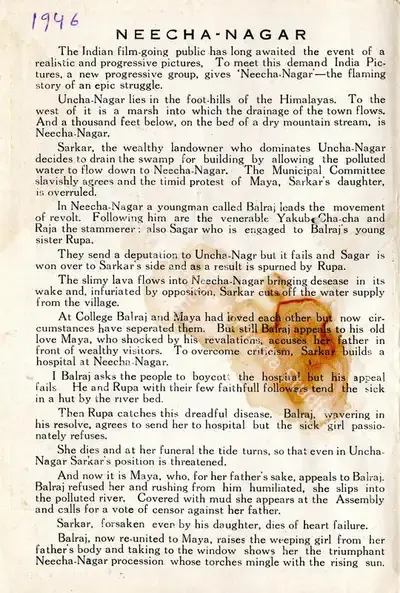
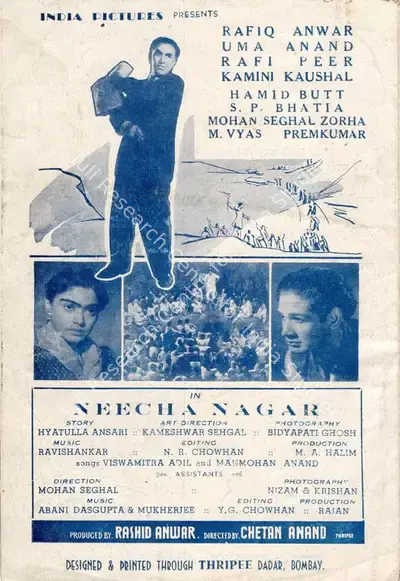
Her journey in performance art began far from the silver screen, within the sound studios of All India Radio in pre-Partition Lahore. What began as a youthful endeavor undertaken for modest pocket money—reading scripts, performing behind the microphone, and departing with a modest paycheck—soon set the foundation for an extraordinary trajectory. It was during this period that Chetan Anand recognized her rare spark, casting her in the landmark cinematic work Neecha Nagar (1946). The film achieved international renown by securing the Grand Prix (Palme d'Or) at the inaugural Cannes Film Festival, instantly catapulting the young artist into the spotlight.
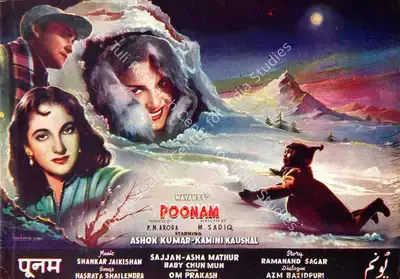
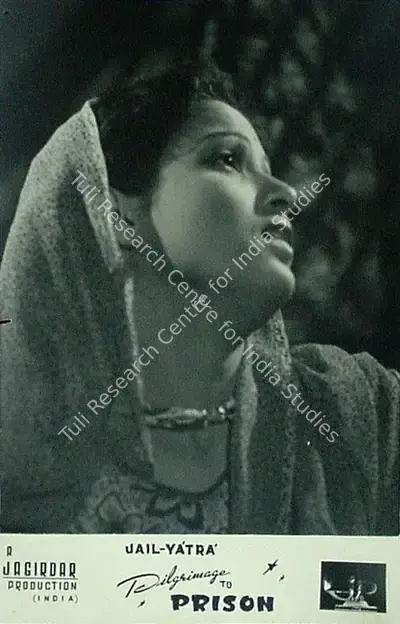
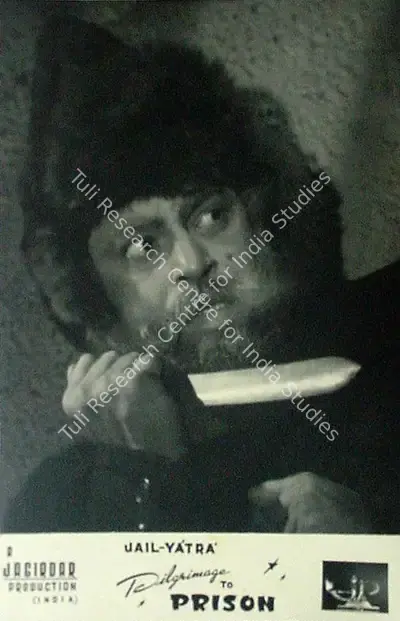
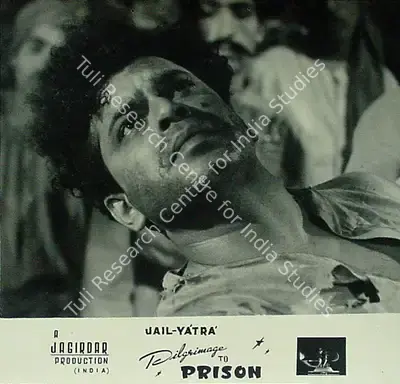
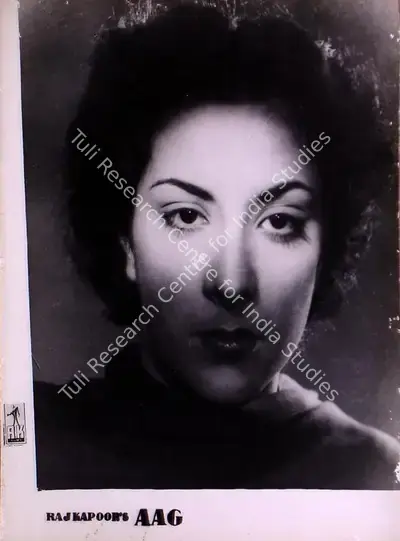
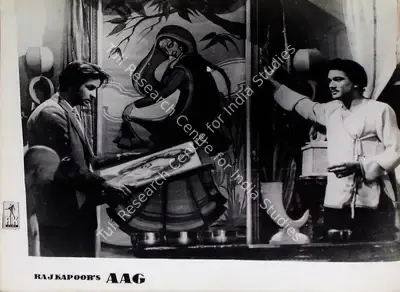
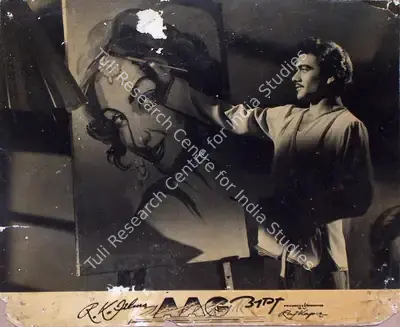
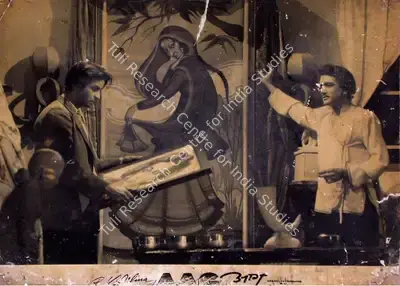
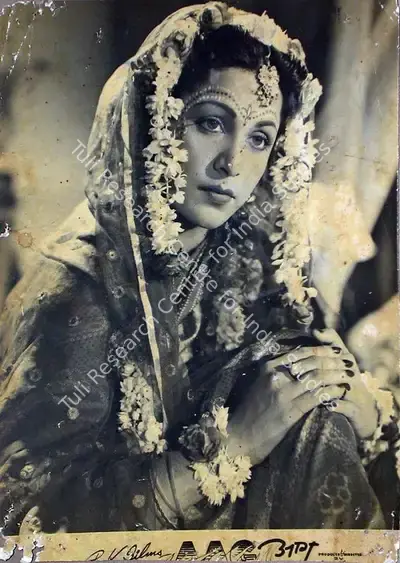
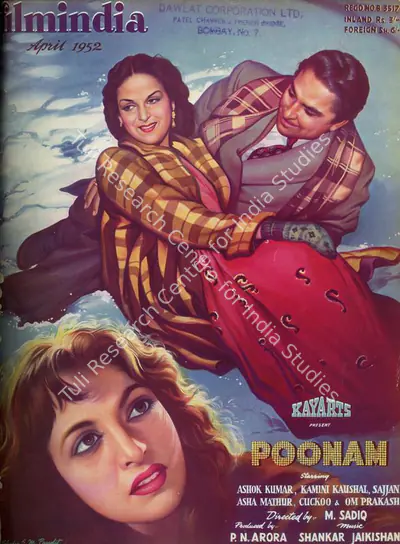
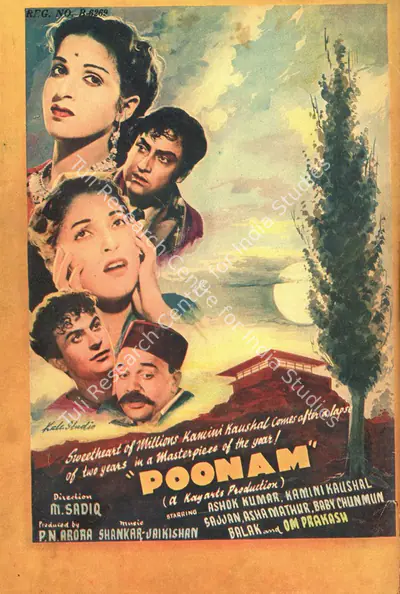
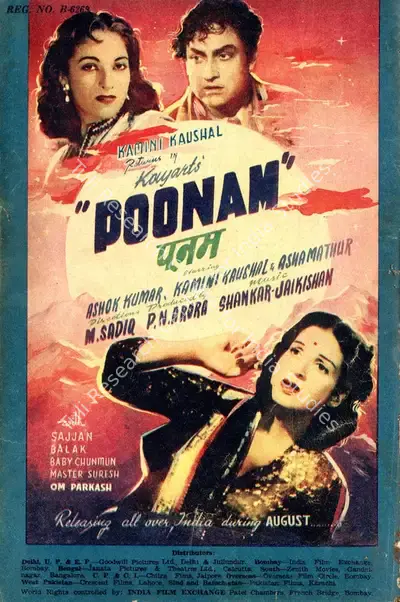
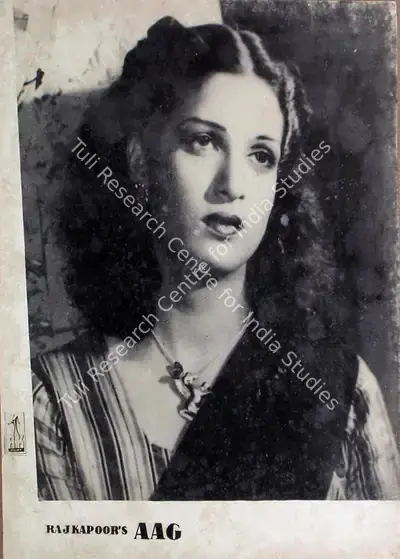
Relocating to the cinematic epicenter of Bombay, Kaushal swiftly established herself as a sought-after leading lady of the golden era. She starred in Gajanan Jagirdhar's Jjail Yatra—marking an early appearance alongside a young Raj Kapoor—and was subsequently chosen by Kapoor to feature in his directorial debut, Aag. Demonstrating an entrepreneurial spirit far ahead of her time, Kaushal expanded into independent film production, enlisting matinee idol Ashok Kumar for major ventures such as Poonam and Night Club.
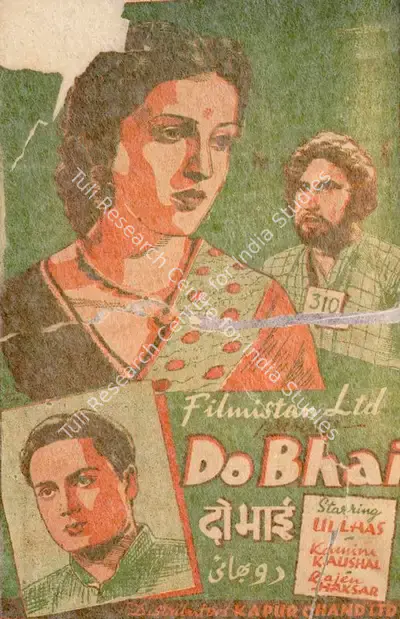
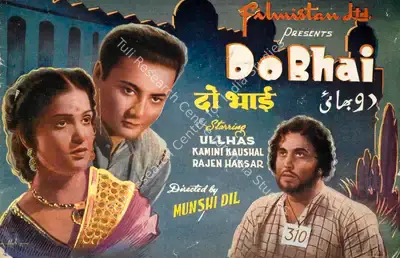
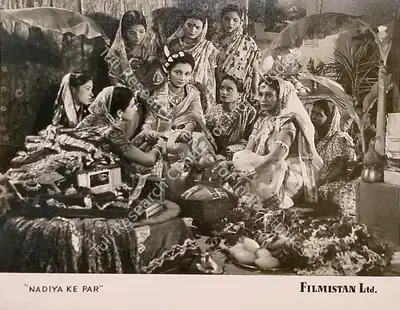
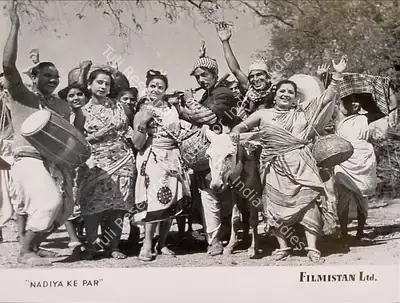
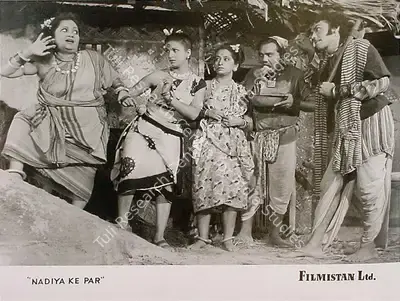
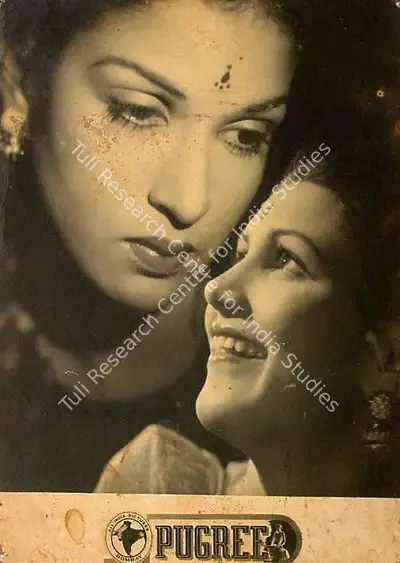
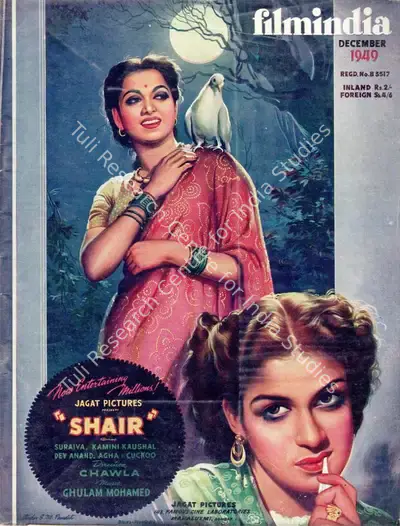
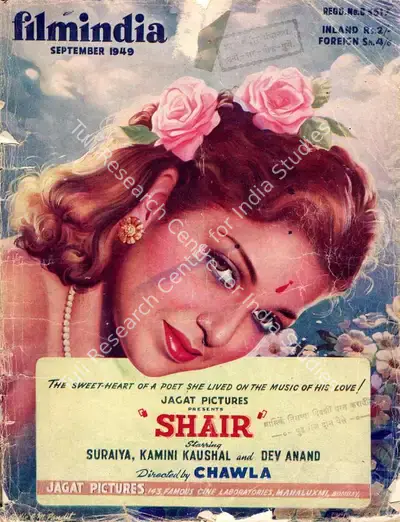
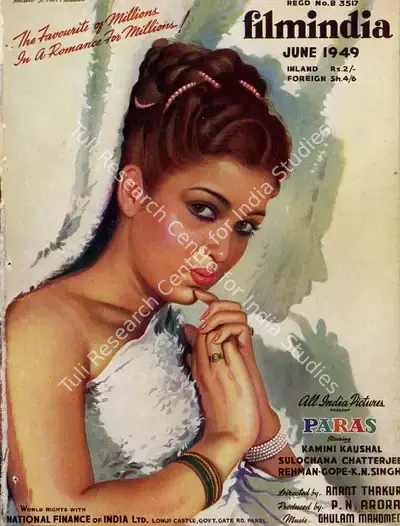
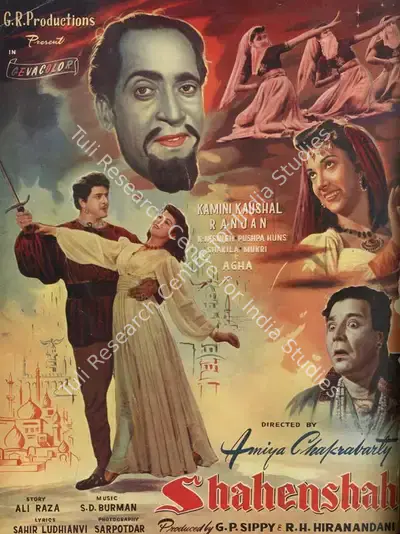
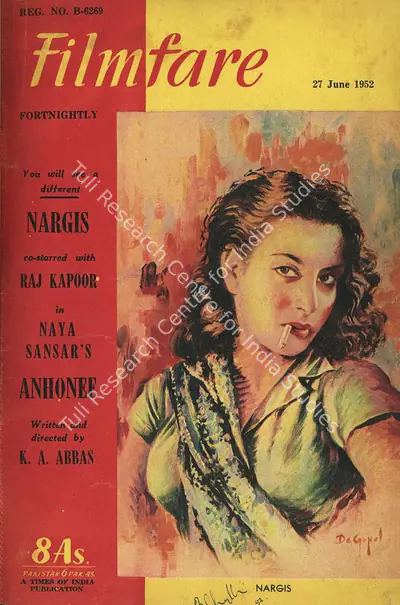
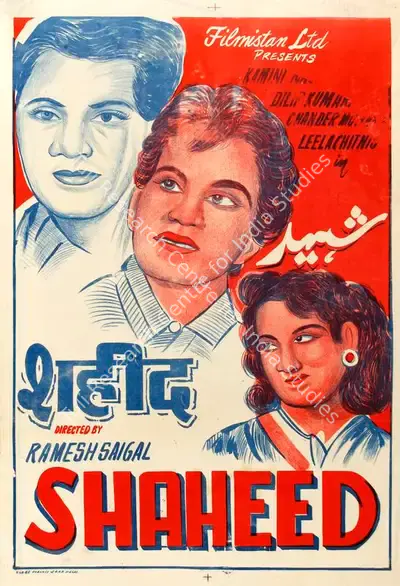
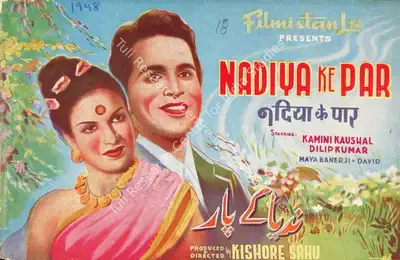
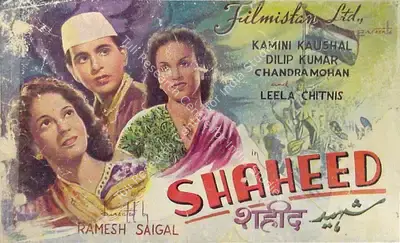
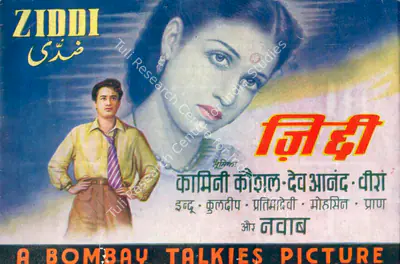
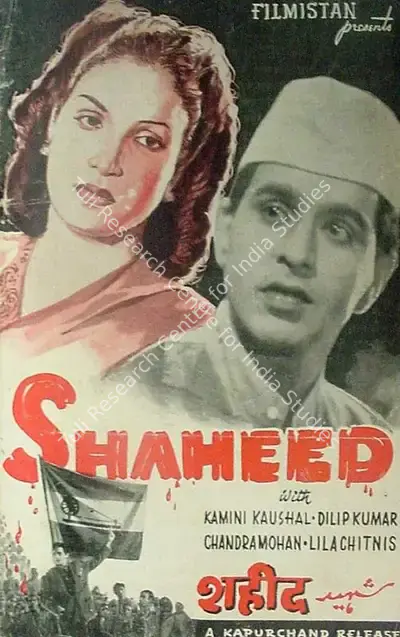
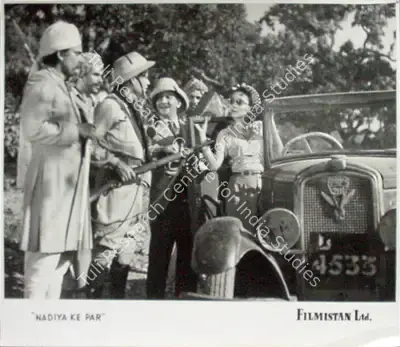
Throughout her luminous reign as a leading heroine from 1946 to 1963, Kaushal delivered a succession of iconic performances across a sweeping filmography. Her compelling work in classics such as Do Bhai (1947), Shaheed (1948), Nadiya Ke Paar (1948), Ziddi (1948), Shabnam (1949), Paras (1949), Namoona (1949), Arzoo (1950), Jhanjar (1953), Aabroo (1956), Bade Sarkar (1957), Jailor (1958), Night Club (1958), and Godaan (1963) cemented her position as a powerhouse of dramatic expression. Her remarkable artistry culminated in winning the Filmfare Award for Best Actress in 1956 for her masterful portrayal in Biraj Bahu (1954).
Parallel to her artistic triumphs, Kaushal navigated complex personal obligations with quiet resilience. Driven by familial devotion and selflessness, she entered into marriage with her late sister's husband in order to provide maternal care and stability for her young nieces—a choice that underscored her deep integrity and sense of duty.
As her career matured past 1963, Kaushal underwent a graceful transition from lead heroine to character roles, reimagining her presence on screen with newfound warmth and gravitas. Her portrayal of a matriarch in Manoj Kumar's Shaheed (1965) drew widespread critical praise, establishing a creative partnership that would endure across eight cinematic works, including classic titles like Upkar (1967), Purab Aur Paschim (1970), Shor (1972), Roti Kapda Aur Makaan (1974), Sanyasi (1975), Dus Numbri (1976), and Santosh (1989). Though initially hesitant to step into maternal roles around age forty, her performances became defining pillars of these cinematic milestones. She further illuminated screen gems alongside other iconic actors, appearing with Rajesh Khanna in Do Raaste (1969), Prem Nagar (1974), and Maha Chor (1976), as well as with Sanjeev Kumar in Anhonee (1973).
Driven by an unwavering dedication to artistic enrichment, Kaushal later channeled her creative energies into children's media and puppetry. She ventured into directing with Meri Pari and pioneered children's television programming on Doordarshan with her puppet series Khel Khilone. Undeterred by the nominal token fee of 300 rupees she received despite her illustrious celebrity, she regarded the enrichment of young minds not merely as artistic exploration, but as a sacred moral responsibility—a testament to a lifetime defined by grace, duty, and quiet brilliance.
Source:
https://www.rediff.com/movies/report/the-must-read-kamini-kaushal-interview/20251114.htm
https://en.wikipedia.org/wiki/Kamini_Kaushal
उमा कश्यप के नाम जन्मीं और पीढ़ियों के दिलों पर छा जाने वालीं मशहूर कलाकार कामिनी कौशल के नाम से दुनिया भर में जानी गईं। यह नाम उन्हें दूरदर्शी फ़िल्ममेकर चेतन आनंद ने दिया था ताकि उनकी पत्नी (जिनका नाम भी उमा था) के साथ कोई कन्फ़्यूज़न न हो। हिंदी सिनेमा और टेलीविज़न में सात दशकों के शानदार करियर के दौरान, कौशल ने क्लासिक भारतीय परफ़ॉर्मिंग आर्ट्स की दिग्गज कलाकार के तौर पर अपनी पहचान बनाई। उन्हें उनके हर किरदार में नज़र आने वाली नज़ाकत, भावनाओं की गहराई और गरिमा के लिए बहुत सम्मान मिला।
परफ़ॉर्मिंग आर्ट्स में उनका सफ़र सिल्वर स्क्रीन से बहुत दूर, बंटवारे से पहले लाहौर में ऑल इंडिया रेडियो के साउंड स्टूडियो से शुरू हुआ। कम पॉकेट मनी के लिए शुरू हुई यह छोटी सी कोशिश, जिसमें स्क्रिप्ट पढ़ना, माइक्रोफ़ोन के पीछे परफ़ॉर्म करना और थोड़ी सी कमाई के साथ घर लौटना शामिल था, जल्द ही एक असाधारण करियर की नींव बन गई। इसी दौरान चेतन आनंद ने उनकी ख़ास प्रतिभा को पहचाना और उन्हें ऐतिहासिक फिल्म 'नीचा नगर' (1946) में कास्ट किया। इस फिल्म ने पहले कान्स फिल्म फेस्टिवल में 'ग्रैंड प्रिक्स' (पाल्मे डी'ओर) जीतकर अंतरराष्ट्रीय ख्याति हासिल की और इस युवा कलाकार को रातों-रात मशहूर बना दिया।
सिनेमा के गढ़ बॉम्बे आने के बाद, कौशल ने जल्द ही ख़ुद को सुनहरे दौर की एक लोकप्रिय लीडिंग लेडी के तौर पर स्थापित कर लिया। उन्होंने गजानन जागीरदार की फ़िल्म 'जेल यात्रा' में काम किया, जिसमें वे युवा राज कपूर के साथ नज़र आईं और बाद में कपूर ने उन्हें अपनी पहली डायरेक्टोरियल फिल्म 'आग' के लिए चुना। अपने समय से कहीं आगे की सोच और एंटरप्रेन्योरशिप की भावना दिखाते हुए, कौशल ने इंडिपेंडेंट फ़िल्म प्रोडक्शन में भी क़दम रखा और 'पूनम' और 'नाइट क्लब' जैसे बड़े प्रोजेक्ट्स के लिए उस दौर के सुपरस्टार अशोक कुमार को शामिल किया।
1946 से 1963 तक एक प्रमुख हीरोइन के तौर पर अपने शानदार करियर के दौरान, कौशल ने कई यादगार फ़िल्मों में बेहतरीन अभिनय किया। 'दो भाई' (1947), 'शहीद' (1948), 'नदिया के पार' (1948), 'ज़िद्दी' (1948), 'शबनम' (1949), 'पारस' (1949), 'नमूना' (1949), 'आरज़ू' (1950), 'झंजर' (1953), 'आबरू' (1956), 'बड़े सरकार' (1957), 'जेलर' (1958), 'नाइट क्लब' (1958) और 'गोदान' (1963) जैसी क्लासिक फ़िल्मों में उनके ज़बरदस्त काम ने उन्हें बेहतरीन अभिनय क्षमता वाली अभिनेत्री के तौर पर स्थापित किया। उनकी शानदार कलाकारी का नतीजा यह हुआ कि उन्हें 'बिराज बहू' (1954) में बेहतरीन अभिनय के लिए 1956 में सर्वश्रेष्ठ अभिनेत्री का फ़िल्मफ़ेयर पुरस्कार मिला।
अपनी कलात्मक सफलताओं के साथ-साथ, कौशल ने अपनी मुश्किल निजी ज़िम्मेदारियों को भी शांति और मज़बूती से निभाया। परिवार के प्रति लगाव और निस्वार्थ भाव से प्रेरित होकर, उन्होंने अपनी दिवंगत बहन के पति से शादी की ताकि अपनी छोटी भतीजियों को माँ जैसा प्यार और स्थिरता दे सकें। यह फ़ैसला उनकी ईमानदारी और कर्तव्य-बोध को दिखाता है।
1963 के बाद जब उनका करियर आगे बढ़ा, तो कौशल ने मुख्य हीरोइन की भूमिका से हटकर चरित्र भूमिकाओं (character roles) को अपनाना शुरू किया और स्क्रीन पर एक नई गर्मजोशी और गंभीरता के साथ अपनी उपस्थिति दर्ज कराई। मनोज कुमार की 'शहीद' (1965) में परिवार की मुखिया (matriarch) की भूमिका के लिए उन्हें आलोचकों से काफ़ी तारीफ़ मिली। इससे एक ऐसी रचनात्मक साझेदारी बनी जो आठ फ़िल्मों तक चली, जिनमें 'उपकार' (1967), 'पूरब और पश्चिम' (1970), 'शोर' (1972), 'रोटी कपड़ा और मकान' (1974), 'संन्यासी' (1975), 'दस नंबरी' (1976) और 'संतोष' (1989) जैसी क्लासिक फ़िल्में शामिल थीं। हालाँकि शुरू में चालीस साल की उम्र के आसपास माँ की भूमिकाएँ निभाने में उन्हें हिचकिचाहट थी, लेकिन उनका अभिनय इन फ़िल्मों की सफलता का अहम आधार बना। उन्होंने कई मशहूर कलाकारों के साथ स्क्रीन पर अपनी छाप छोड़ी। वे राजेश खन्ना के साथ 'दो रास्ते' (1969), 'प्रेम नगर' (1974) और 'महा चोर' (1976) में, और संजीव कुमार के साथ 'अनहोनी' (1973) में नज़र आईं।
कला को समृद्ध करने के पक्के इरादे के साथ, कौशल ने बाद में अपनी रचनात्मक ऊर्जा को बच्चों के मीडिया और कठपुतली कला की ओर लगाया। उन्होंने 'मेरी परी' के साथ निर्देशन की दुनिया में क़दम रखा और दूरदर्शन पर अपनी कठपुतली सीरीज़ 'खेल खिलौने' के ज़रिए बच्चों के लिए टीवी प्रोग्रामिंग की शुरुआत की। मशहूर हस्ती होने के बावजूद उन्हें मिलने वाली मामूली 300 रुपये की फ़ीस से निराश हुए बिना, उन्होंने बच्चों के मन को समृद्ध करने को सिर्फ़ कलात्मक खोज नहीं, बल्कि एक पवित्र नैतिक ज़िम्मेदारी माना। यह शालीनता, कर्तव्य और शांत प्रतिभा से भरे उनके जीवन का एक प्रमाण है।
स्त्रोत:
https://www.rediff.com/movies/report/the-must-read-kamini-kaushal-interview/20251114.htm
https://en.wikipedia.org/wiki/Kamini_Kaushal
The whole holding

Research Centre
20 of 691

20 of 41
20 of 644