
Introduction
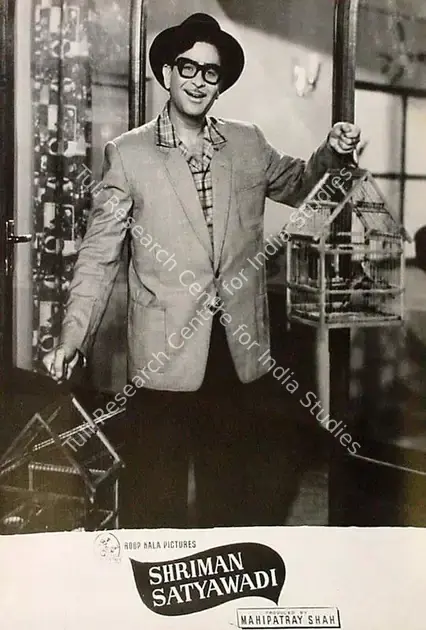
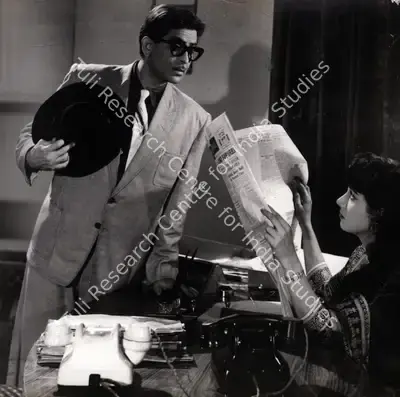
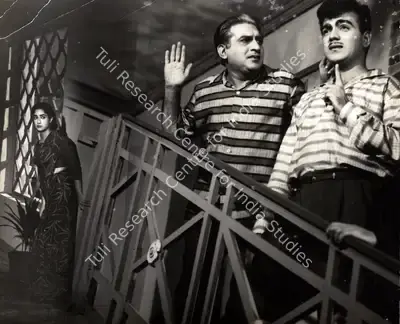
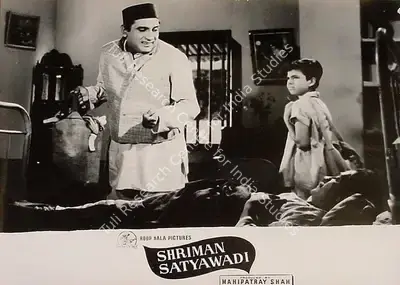
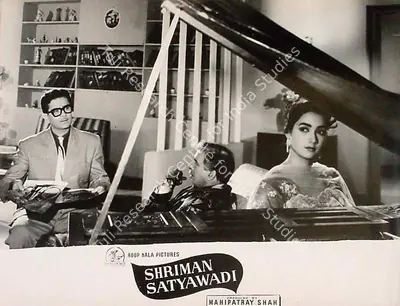
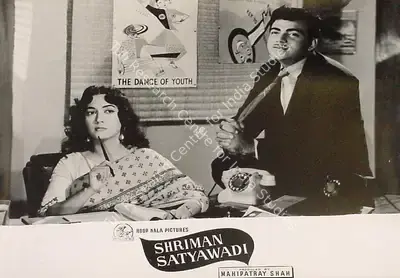
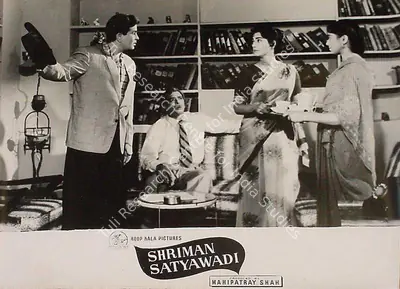
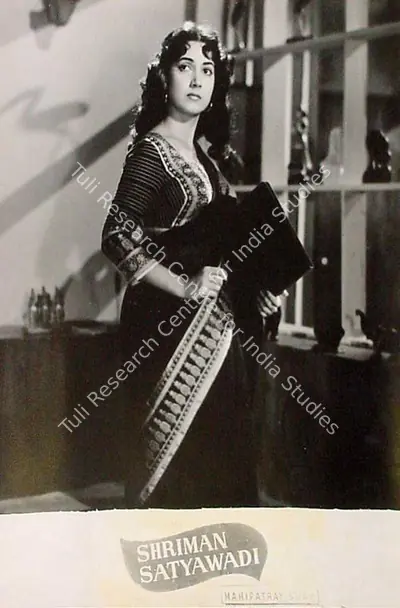
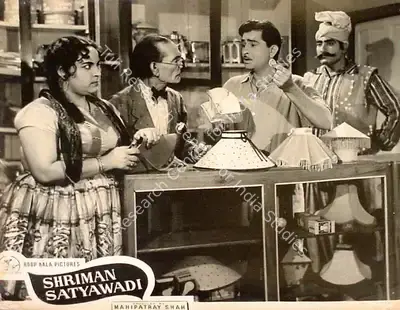
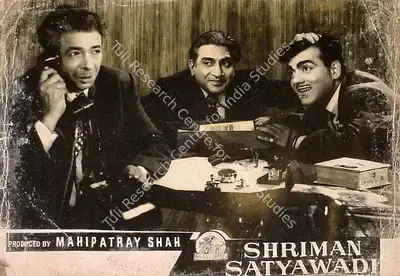
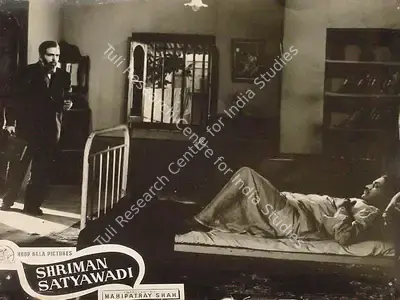
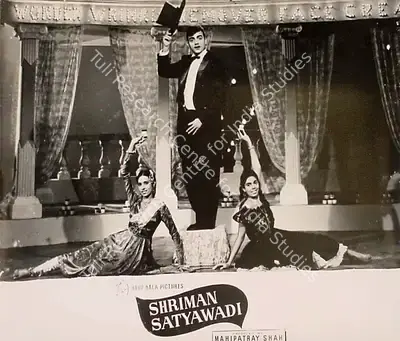
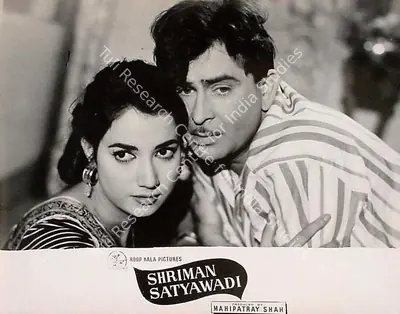
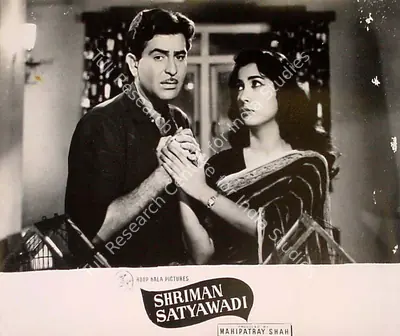
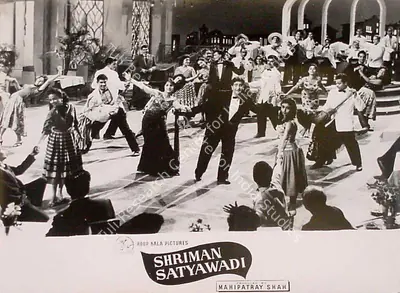
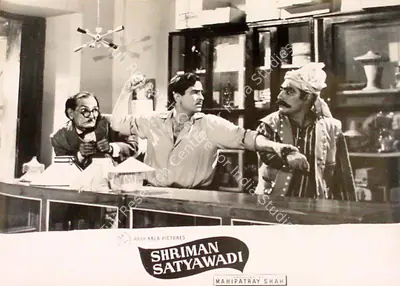
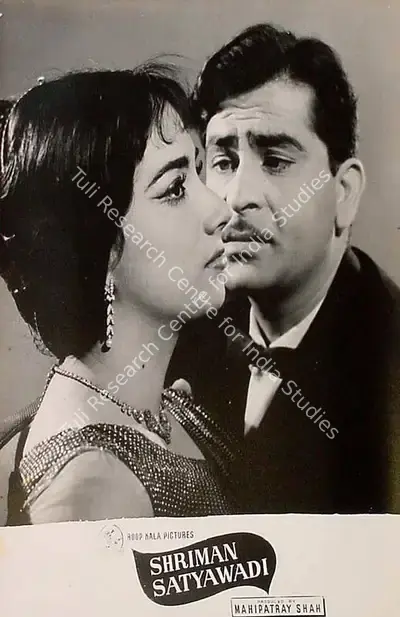
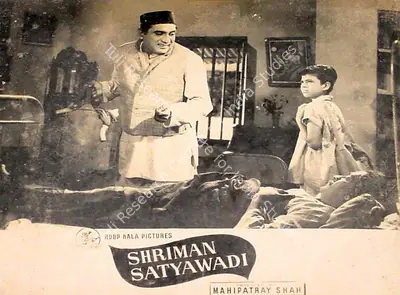
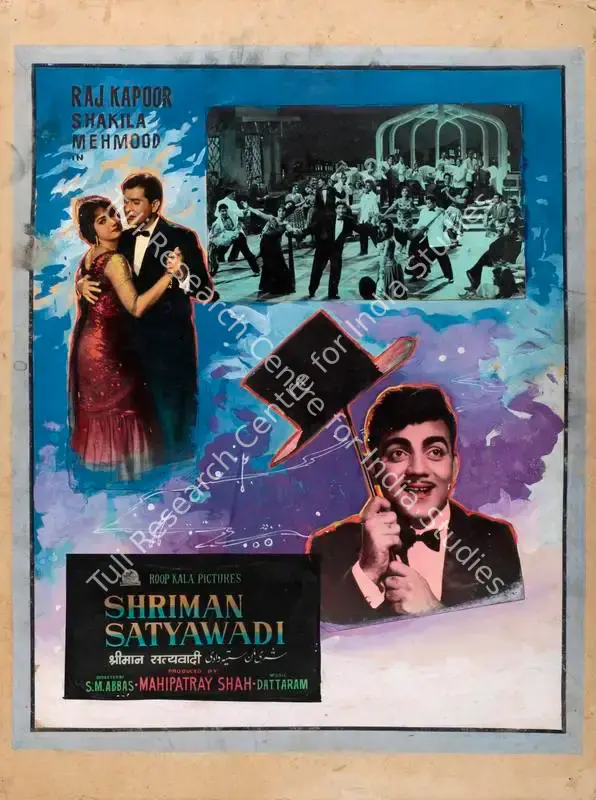
Shriman Satyawadi (1960) Directed by S. M. Abbas, Shriman Satyawadi is a 1960 social drama starring Raj Kapoor. The film tells the story of an orphan who steadfastly refuses to lie to advance his or others' careers. In the lead role, Kapoor portrays an honest man grappling with the harsh reality of surviving in a corrupt and dishonest world.
With a runtime of 147 minutes, the film is regarded as a successful and respected entry in Hindi cinema of its time. Although exact box office figures from the era are hard to verify, Shriman Satyawadi was well-received for its sincere storytelling, entertaining narrative, and strong performances, especially that of Raj Kapoor, whose star power undeniably contributed to its popularity.
Critics appreciated the film's central theme of honesty, which gave it a strong family-friendly appeal. Its moral core, combined with engaging drama, has helped it remain a watchable and relevant film even decades after its release.
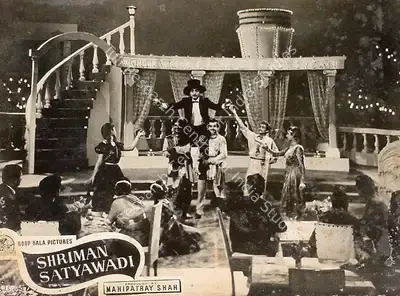
The music was composed by Dattaram, with lyrics penned by Hasrat Jaipuri, Gulshan Bawra, and credited to Gulzar Deenvi, which as per some sources, was the famous poet lyricist director Gulzar's original pen name. Notably, the film's soundtrack features four leading male playback singers of the era, Mukesh, Manna Dey, Mohammad Rafi and Mahendra Kapoor. Interestingly, all the female vocals were performed by Suman Kalyanpur. The absence of Lata Mangeshkar, as well as other top female singers like Geeta Dutt and Asha Bhosle, stands out especially given that Kalyanpur was Mangeshkar's closest contemporary and often her rival.
The film's songs, such as Ruth Albeli Mast Sama and Haale Dil Hamara Jaane Na, both rendered by Mukesh, remain popular for their romantic tone and melodic charm.
कुल 2 घंटे 27 मिनट अवधि की यह फिल्म उस दौर की एक कामयाब फ़िल्म मानी जाती है। यह बात सच है कि उस दौर की फ़िल्मों ने व्यावसायिक स्तर पर कैसा प्रदर्शन किया इसके सटीक आँकड़े आसानी से उपलब्ध नहीं होते, फिर भी कह सकते हैं कि श्रीमान सत्यवादी को दर्शकों का प्यार मिला। इसके कथानक की सच्चाई, मनोरंजक प्रस्तुति और दमदार अभिनय पसन्द किया गया। ख़ास तौर पर राज कपूर को शीर्षक भूमिका में उनके अभिनय के लिए सराहना मिली। यहाँ यह भी जोड़ना चाहिए कि उस दौर के बड़े सितारे राज कपूर की सितारा हैसियत ने भी फ़िल्म की लोकप्रियता बढ़ाने में महत्वपूर्ण भूमिका निभाई।
इस फ़िल्म के केंद्रीय विषय नैतिकता की ज़मीन पर खड़े सच्चाई और ईमानदारी जैसे मूल्य थे जिसके चलते यह पारिवारिक दर्शकों के लिए उपयुक्त फ़िल्म बन गई। तब के आलोचकों की सराहना भी इसे हासिल हुई। इसके कथानक की नैतिक आभा और उसका नाटकीय जज़्बातों से भरा प्रस्तुतिकरण इतने वर्षों बाद भी प्रासंगिक बना हुआ है और फ़िल्म को नए दौर में देखे जाने के लिए समीचीन बनाता है।
इस फ़िल्म के लिए संगीत दत्ताराम ने तैयार किया था और गीत लिखे थे हसरत जयपुरी, गुलशन बावरा और गुलज़ार दीनवी ने। कुछ स्रोतों के अनुसार विख्यात गीतकार और निर्देशक गुलज़ार आरंभ में अपना लेखकीय नाम कुछ ऐसे ही लिखते थे। ख़ास बात थी कि इस फ़िल्म के गानों के लिए उस दौर के चारों प्रमुख पुरुष पार्श्वगायकों मुकेश, मन्ना डे, मोहम्मद रफ़ी और महेन्द्र कपूर ने अपनी आवाज़ें दी थीं। दूसरी दिलचस्प बात थी कि फ़िल्म के सारे स्त्री स्वर के गीत सुमन कल्याणपुर ने गाए थे। उल्लेखनीय है कि उस दौर के बड़े स्त्री स्वर जैसे लता मंगेशकर, आशा भोंसले और गीता दत्त इस फ़िल्म के गीतों से अनुपस्थित थे। यह तथ्य और भी ख़ास इसलिए बन जाता है क्योंकि सुमन कल्याणपुर को उस समय लता मंगेशकर की सबसे निकटवर्ती प्रतिद्वंद्वी और पार्श्वगायन में उनके एकछत्र साम्राज्य को चुनौती देनेवाली गायिका के रूप में देखा जा रहा था।
इस फ़िल्म के लिए मुकेश के गाये “रुत अलबेली मस्त समाँ” और “हाल-ए-दिल हमारा जाने न” जैसे गीत बहुत लोकप्रिय हुए आज भी अपने रोमांटिक अंदाज़ और मधुर धुन के लिए याद किये जाते हैं।