
Introduction
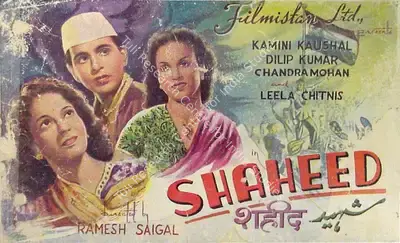
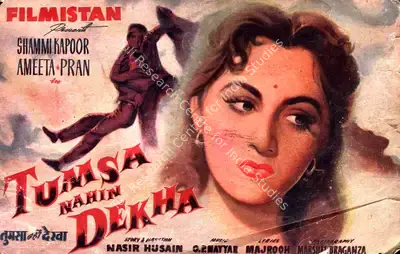
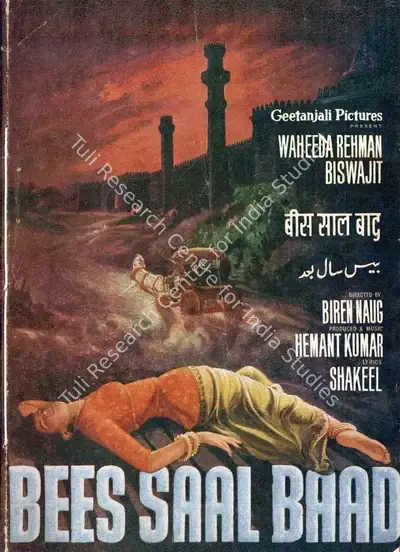
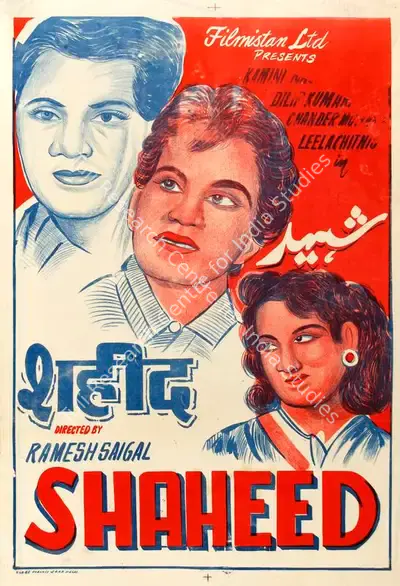
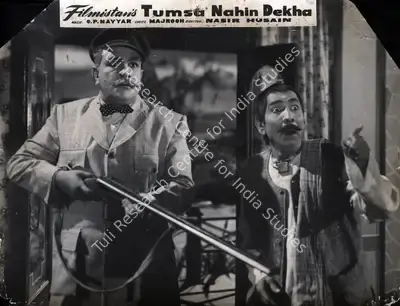
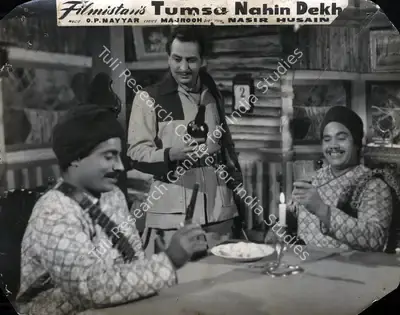
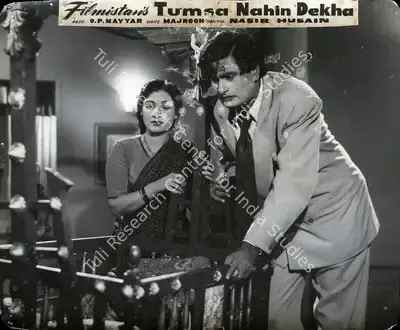
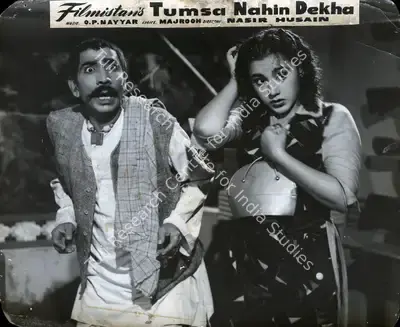
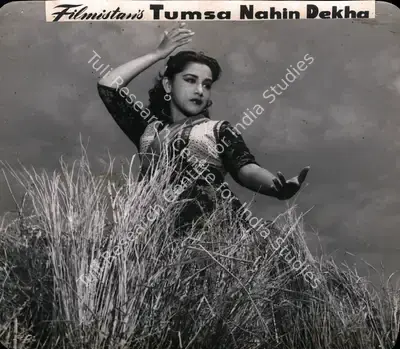
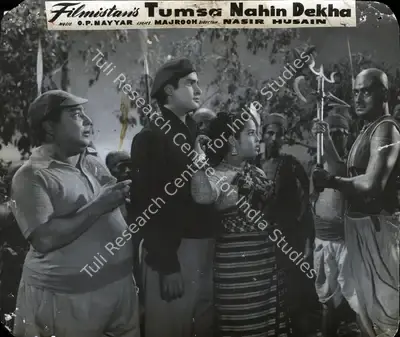
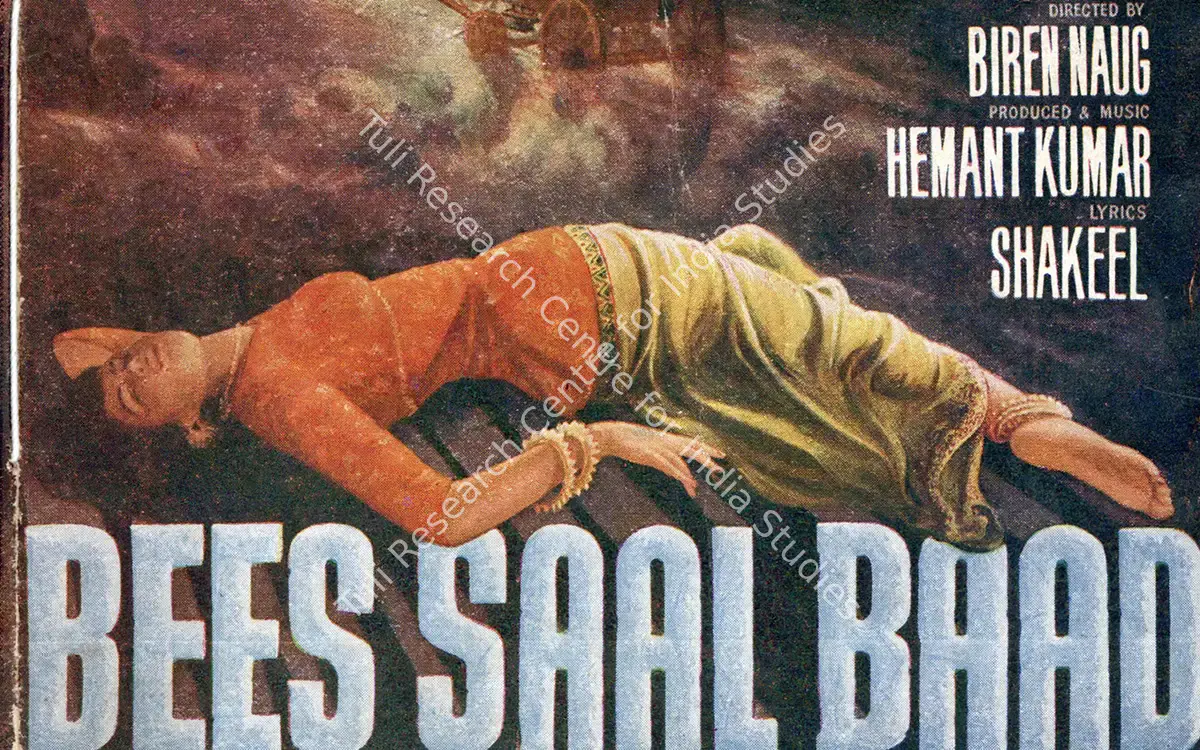
Marshal Braganza was an accomplished cinematographer active in Hindi films from the 1940s to the 1970s. Working in both black & white as well colour mediums, he contributed to several well-known films such as Shaheed (1948), Anarkali (1953), Hum sab Chor Hain (1956), Tumsa Nahin Dekha (1957), Bees Saal Baad (1962), Phir Wohi Dil Laya Hoon (1963), Kohraa (1964), and Atithee (1978). Braganza's sustained use of close-ups juxtaposed with elaborate war scenes, told in flashbacks as fantasy for Anarkali (1953), showcased his flair for dramatic visual composition. His work on the hugely popular film, Bees Saal Baad (1962), was noted for its dramatic use of contrasts. To emphasize the eerie setting and elevate the suspense of the film, Braganza employed distinct styles for day and night photography. For the night scenes, Braganza experimented with moody, low-key lighting with stark contrasts to enhance the shadows. He juxtaposed this with brightly lit, cheerful visuals of the daytime scenes to highlight the day-night dichotomy and create a lingering unease in the audience with the night scenes. Aligning with the film's gothic horror themes, he crafted atmospheric tension to evoke paranoia and isolation, not only in the characters on screen but also in the audience.
He shot a variety of genres, ranging from comedies and thrillers to horror and family dramas, over the course of his career. Known for his innovative techniques, Kohraa, he shot a song following the lead pair Waheeda Rehman and Biswajeet Chatterjee in a moving car, with the camera mounted upside down. The film was appreciated for its high contrast black & white cinematography.
He shifted to colour cinematography in the 1970s, contributing to films such as Anokhi Pehchan (1972) and Atithi (1978).
अपने करियर के दौरान उन्होंने कॉमेडी और थ्रिलर से लेकर हॉरर और फैमिली ड्रामा तक कई तरह की फ़िल्मों की शूटिंग की। अपनी नई तकनीकों के लिए मशहूर ब्रागांज़ा ने फ़िल्म 'कोहरा' में एक गाना शूट किया जिसमें मुख्य कलाकार वहीदा रहमान और बिस्वजीत चटर्जी एक चलती हुई कार में थे और कैमरा उल्टा लगा हुआ था। फ़िल्म की हाई कंट्रास्ट ब्लैक एंड व्हाइट सिनेमैटोग्राफ़ी की काफ़ी तारीफ़ हुई।
1970 के दशक में वे कलर सिनेमैटोग्राफ़ी की ओर बढ़े और अनोखी पहचान (1972) और अतिथि (1978) जैसी फ़िल्मों में काम किया।