
Introduction
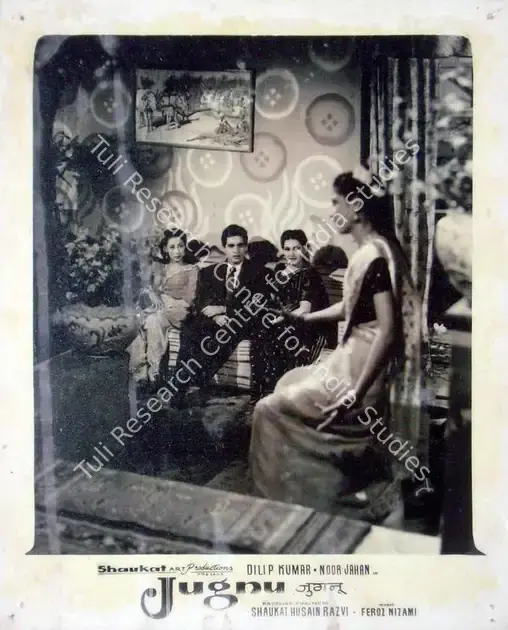
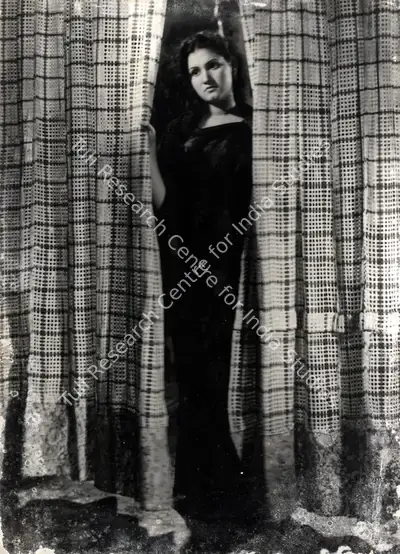
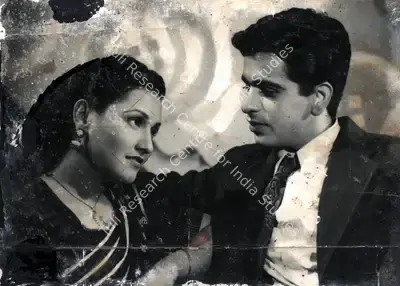
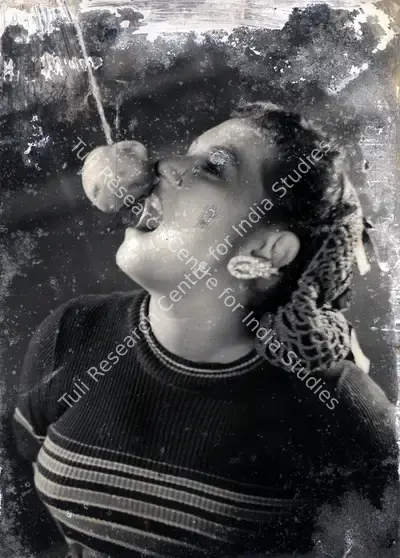
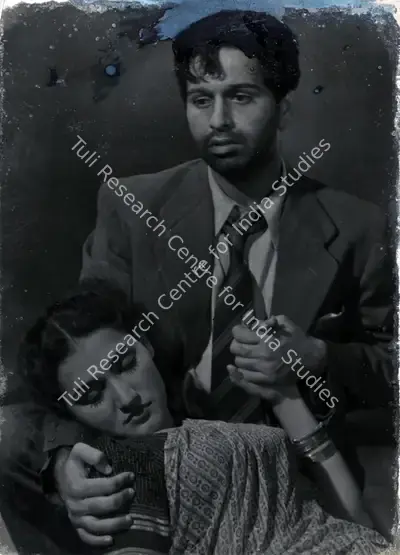
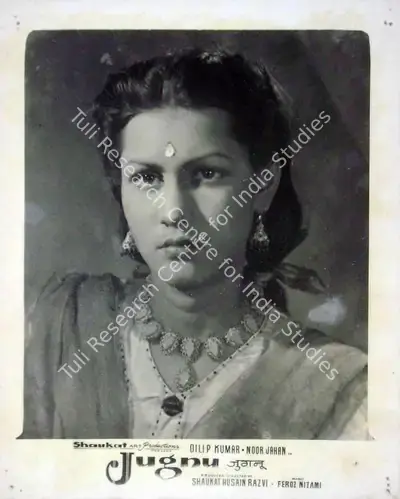
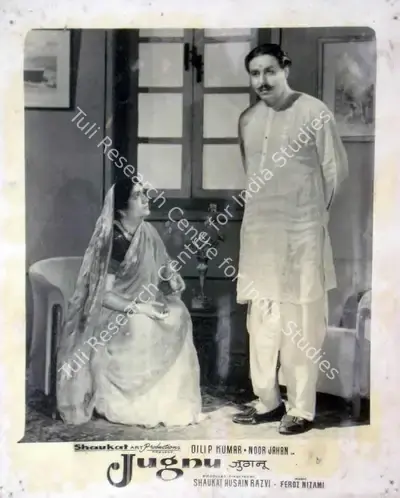
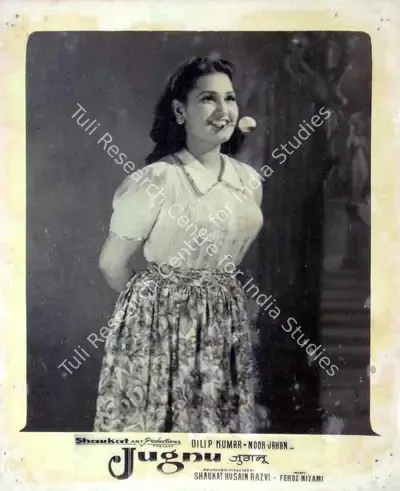
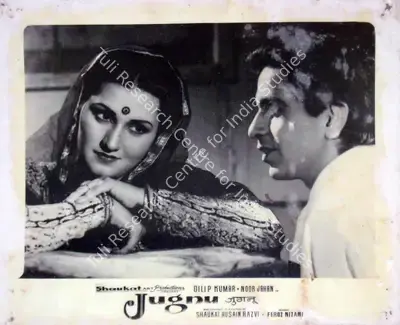
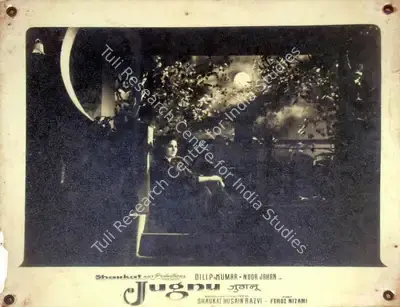
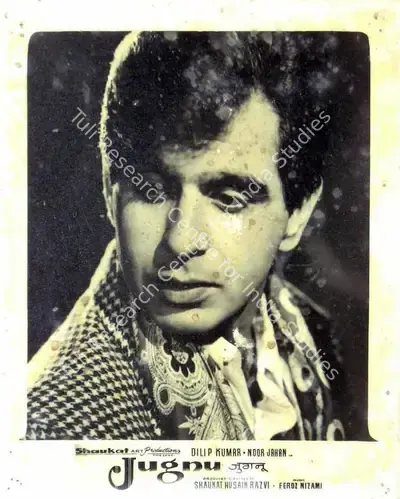
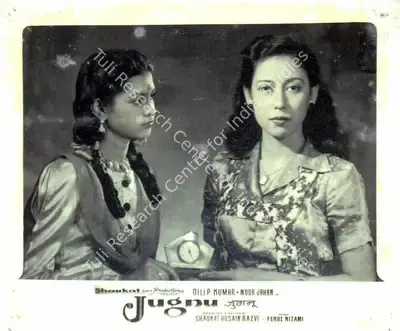
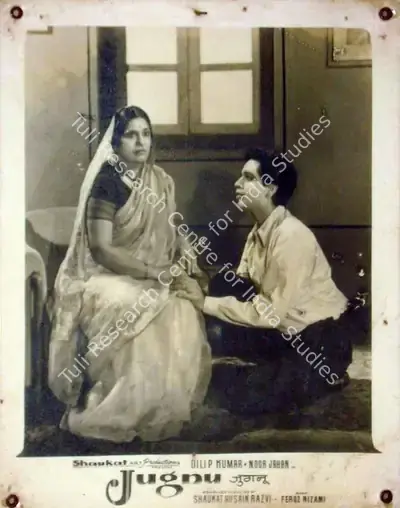
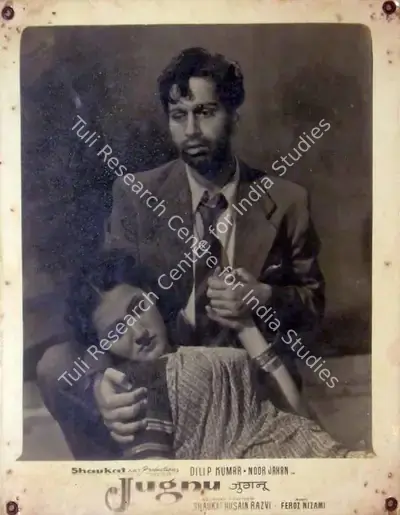
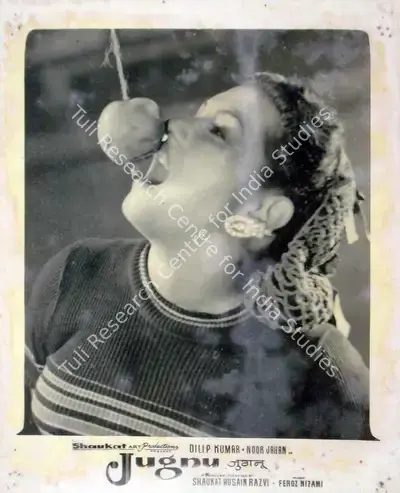
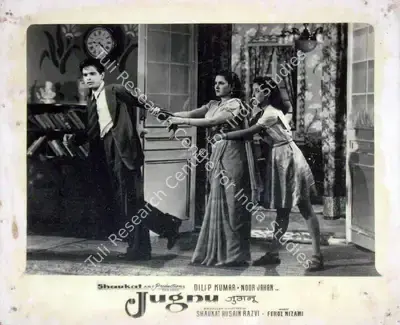
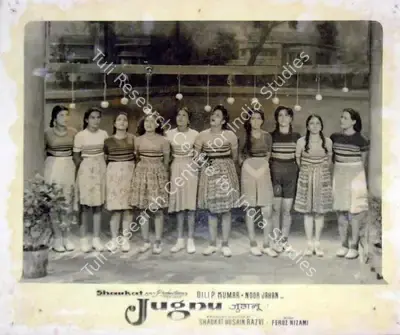
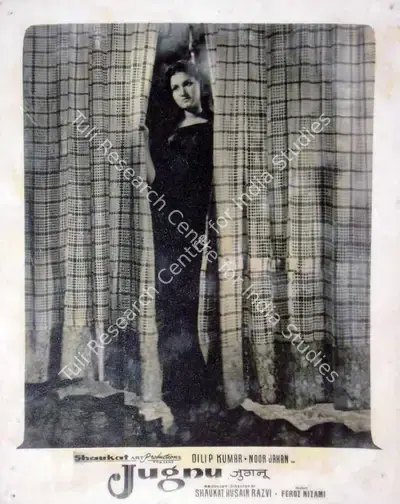
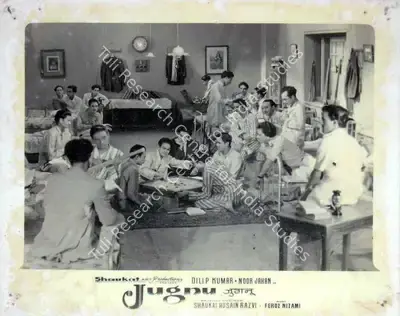
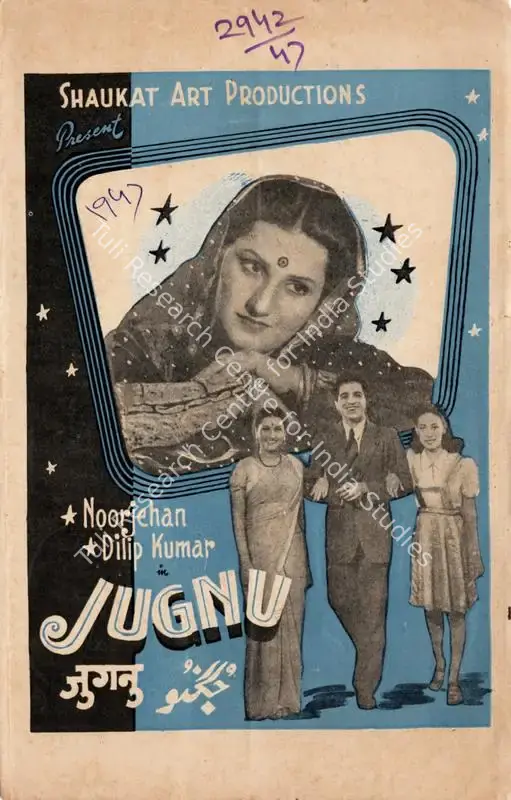
Jugnu (1947) directed and produced by Shaukat Hussain Rizvi, was a musical romantic comedy that featured two of Bollywood's most successful stars, Dilip Kumar and Noor Jehan, in lead roles. The supporting cast included notable actors such as Ghulam Mohammad, Jillo, Latika, and Shashikala. An interesting aspect of the film was a cameo appearance by the legendary singer Mohammed Rafi.
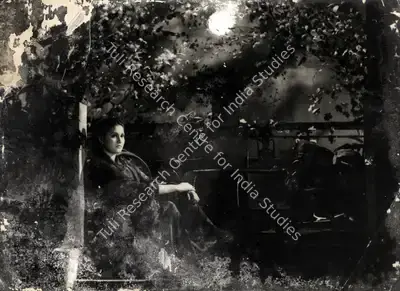
The plot of Jugnu centers around Suraj (kumar), the son of a wealthy landlord, and Jugnu (Noorjehan), an orphan, who fall in love with each other. Released in May 1947, the film stirred significant controversy due to its portrayal of romance, which led to calls for its ban by certain sections of society, including film critics. Despite this backlash, the film was widely praised for the performances of its actors and became a major commercial success, emerging as the highest-grossing Indian film of 1947. It was also Dilip Kumar's first major hit, marking the beginning of his illustrious career.
The film's release was followed by even greater controversy when both Noor Jehan and Rizvi migrated to Pakistan shortly after the film's success. Noor Jehan, however, remains beloved on both sides of the border, often referred to as the "Queen of Melody." She was a significant influence on Lata Mangeshkar, who was originally advised to imitate Noor Jehan's vocal style. Over time, Mangeshkar carved out her own legendary status in Indian music, gradually surpassing her idol's influence and becoming the undisputed "Melody Empress."
Despite the controversies, Jugnu was not without its challenges. The film faced severe criticism, leading to the censorship of 28 minutes of footage by the Indian government.
At the time of its release, Jugnu grossed ₹50 lakh (US$5 million), making it the highest-grossing Indian film of 1947. When adjusted for inflation, its earnings in 2016 terms are equivalent to ₹363 crore (US$68 million), a remarkable achievement for any Indian film of that era. This record stood until it was eventually surpassed by Andaz, which also starred Dilip Kumar, alongside Nargis and Raj Kapoor.
जुगनू की कहानी में एक अमीर जमींदार के बेटे सूरज (दिलीप कुमार) को एक अनाथ लड़की जुगनू (नूरजहाँ) से प्यार हो जाता है। मई, 1947 में रिलीज़ हुई इस फ़िल्म में कॉलेज रोमांस को जिस तरह से दिखाया गया था, उसे लेकर काफ़ी विवाद खड़ा हो गया और समाज के ठेकेदारों के साथ उस दौर के सबसे नामी फ़िल्म आलोचक, 'फ़िल्मइंडिया' के संपादक बाबूराव पटेल भी फ़िल्म की आलोचना करते हुए इस पर प्रतिबंध लगाने की माँग करने लगे। पटेल ने तो अपनी समीक्षा में इसे “गंदी, घिनौनी और अश्लील फ़िल्म” तक बोल दिया। पर इस आलोचना के बावजूद जुगनू को कलाकारों के उम्दा अभिनय के चलते सराहना मिली और इसने व्यावसायिक स्तर पर भी बड़ी कामयाबी हासिल की। टिकट खिड़की पर फ़िल्म की सफलता ने इसे सन् 1947 की सबसे बड़ी कमाऊ भारतीय फ़िल्म बना दिया। अभिनेता दिलीप कुमार के करियर की भी यह पहली बड़ी हिट फ़िल्म रही।
फ़िल्म की रिलीज़ के बाद और भी बड़ा विवाद तब हुआ जब फ़िल्म की नायिका नूरजहाँ और निर्माता-निर्देशक शौकत रिज़वी दोनों फिल्म की बड़ी कामयाबी के फ़ौरन बाद पाकिस्तान चले गए। यह भारत के बँटवारे का त्रासद समय था और भावनाएँ उबाल पर थीं। अभिनेत्री और गायिका नूरजहाँ की लोकप्रियता पाकिस्तान जाने का फ़ैसला करने के बाद भी भारत में कम नहीं हुई थी और आज भी समूचे उपमहाद्वीप में उन्हें “मल्लिका-ए-तरन्नुम” के रूप में जाना जाता है। नूरजहाँ की गायकी का प्रभाव लता मंगेशकर की एकदम शुरुआती दौर की गायकी में साफ़ देखा जा सकता है। तब लता को नूरजहाँ की गायन शैली की नकल करने की सलाह दी जाती थी। आज़ादी के बाद के सालों में लता मंगेशकर ने अपनी खुद की शैली विकसित की और भारतीय संगीत की दुनिया में उनका कद बढ़ता गया। अपने आदर्श की छवि से बाहर निकलते हुए खुद लता ने गायकी का शिखर हासिल किया। गायकी के उस शिखर पर आज भी वे निर्विवाद काबिज हैं और सम्मानित उपमहाद्वीप की जनता ने उन्हें “स्वर-कोकिला” की उपाधि से नवाज़ा है।
पर फ़िल्म से जुड़े इतने विवादों का फ़िल्म पर असर भी हुआ। फ़िल्म की कड़ी आलोचना के चलते भारत सरकार ने फ़िल्म के 28 मिनट के हिस्से को प्रतिबंधित (सेंसर) कर दिया।
रिलीज़ के समय जुगनू ने टिकट खिड़की पर 50 लाख रुपए की कमाई की थी और यह 1947 की सबसे ज़्यादा कमाई करने वाली भारतीय फ़िल्म थी। मंहगाई की दर को जोड़ने पर यह रकम 2016 में 363 करोड़ ठहरती है। उस दौर की किसी भारतीय फ़िल्म के लिए इतना पैसा कमाना बड़ी उपलब्धि मानी जाएगी। सर्वाधिक कमाई का यह कीर्तिमान तब तक कायम रहा जब तक कि दिलीप कुमार की ही अंदाज़ (1949) ने इसे पीछे नहीं छोड़ दिया।