
Introduction
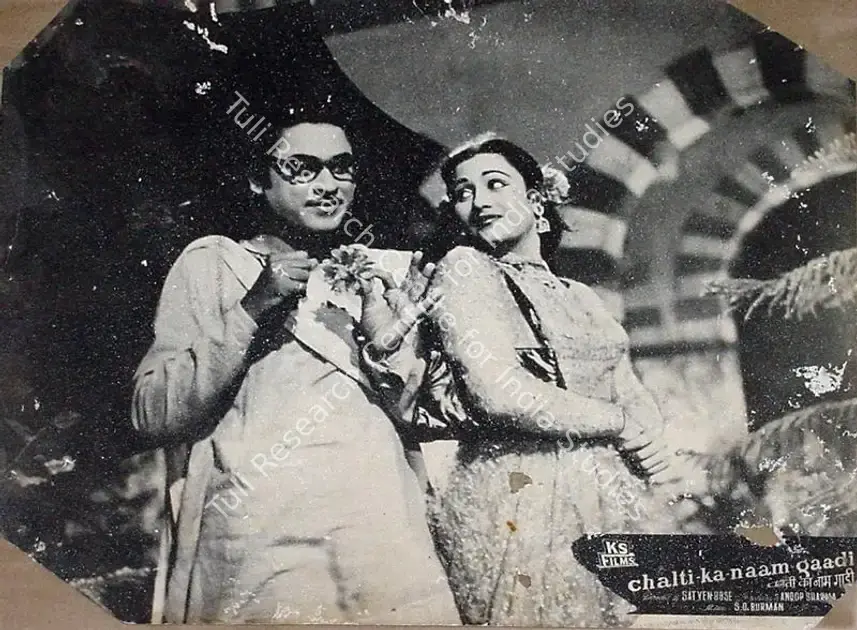
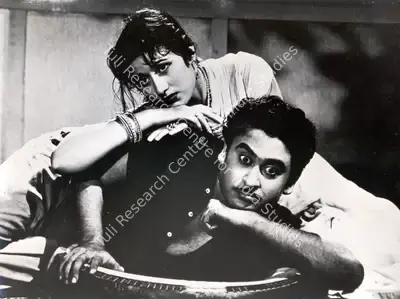
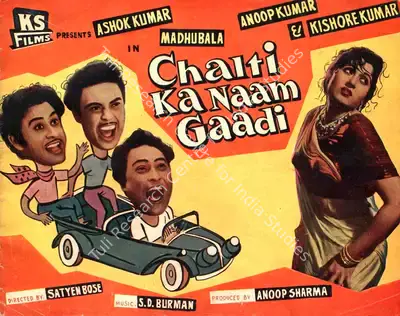
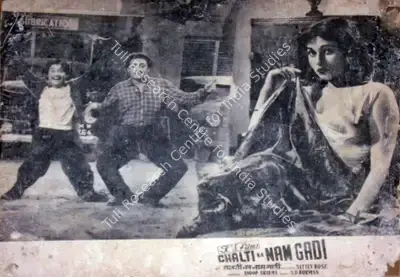
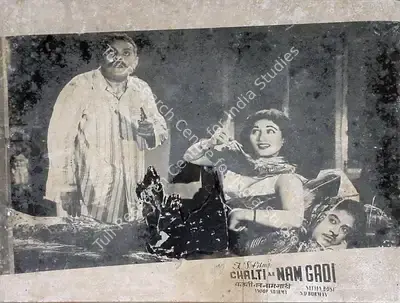
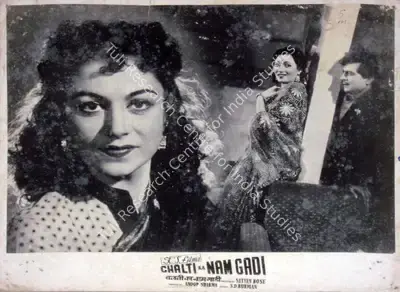
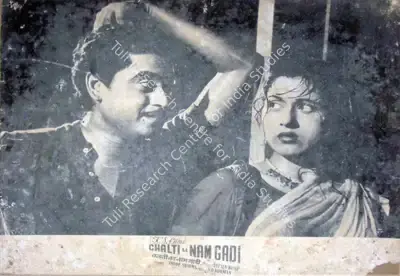
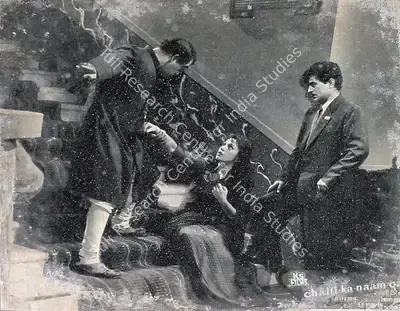
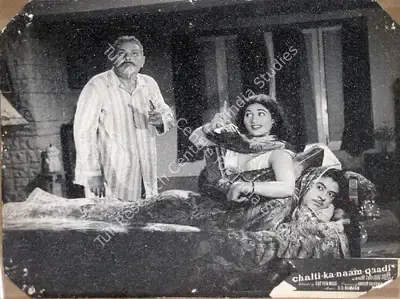
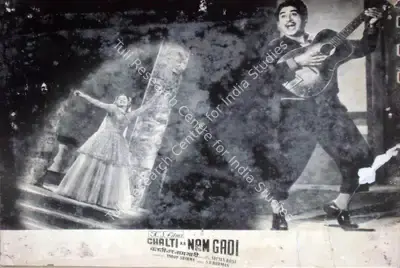
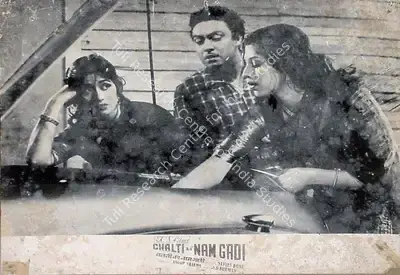
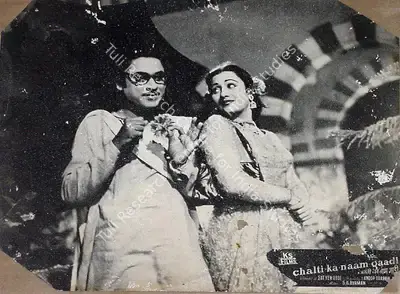
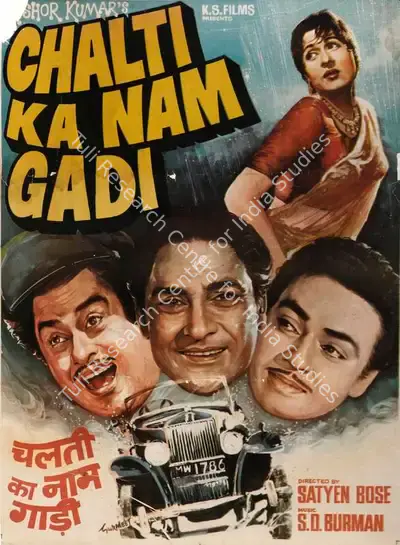
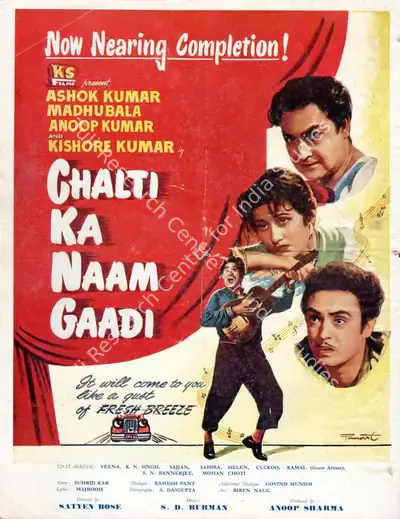
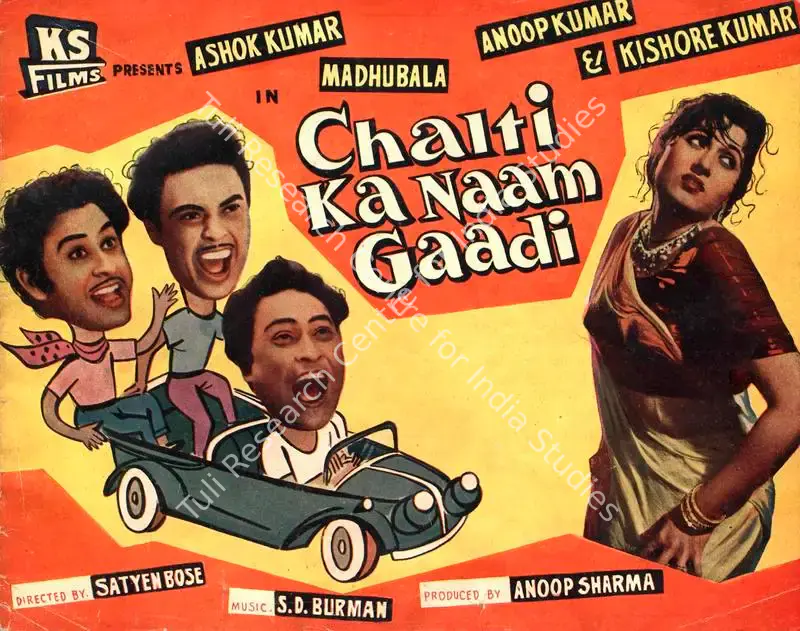
Chalti Ka Nam Gadi, directed by Satyen Bose, is a lively comedy featuring the Ganguly brothers-Ashok Kumar, Kishore Kumar, and Anoop Kumar, alongside Madhubala. The film centres around the three brothers who run a garage. The eldest, Brijmohan (Ashok Kumar), harbours a deep mistrust of women due to a past betrayal, which leads him to forbid his younger brothers from engaging with women. However, when Renu (Madhubala), a modern and independent woman, arrives at the garage late at night with a broken-down car, the youngest brother Mannu (Kishore Kumar) is immediately smitten, leading to a series of comedic and romantic misadventures.
Chalti Ka Nam Gadi subtly challenges the societal norms of 1950s India with its progressive portrayal of women. Madhubala's character, Renu, is portrayed as bold and unapologetically in control of her life. She drives her own car and pursues Mannu openly, defying the traditional gender roles as represented in contemporary Indian films. The film gives women significant screen space and agency, with Renu being a key driver of the story. While light-hearted in tone, the film reflects changing social attitudes, particularly in its portrayal of women as equal participants in shaping their lives, and offering a critique of patriarchal values.
चलती का नाम गाड़ी आधुनिक स्त्री के प्रगतिशील चित्रण के साथ 1950 के दशक के भारत के सामाजिक मानदंडों को बड़ी शालीनता से चुनौती देती है। रेणु की भूमिका में मधुबाला ने एक ऐसी साहसी और बेबाक लड़की का किरदार निभाया है जो अपने तरीके से ज़िन्दगी जीती है। रेणु अपनी कार खुद चलाती है और पहल करते हुए बिना किसी लाज शर्म के मन्नू से अपने प्यार का इज़हार करती है। लड़की का किसी लड़के के पीछे जाना उस दौर की भारतीय फिल्मों में देखी गई पारम्परिक जेंडर भूमिकाओं को चुनौती देता है। फ़िल्म में स्त्री के किरदार को पूरा महत्व दिया गया है। उसके पास स्क्रीन स्पेस है, एजेंसी है, वो कथानक की मुख्य चालक है। हल्के-फ़ुल्के अंदाज में ही सही, यह फ़िल्म उस दौर में स्त्रियों को लेकर बदलते सामाजिक नज़रिये को दिखाती है और समाज के पितृसत्तात्मक नज़रिये की आलोचना प्रस्तुत करती है। यहाँ अपने जीवन की बागडोर, फैसले लेने का अधिकार खुद स्त्रियों के अपने हाथ में हैं।