

Introduction
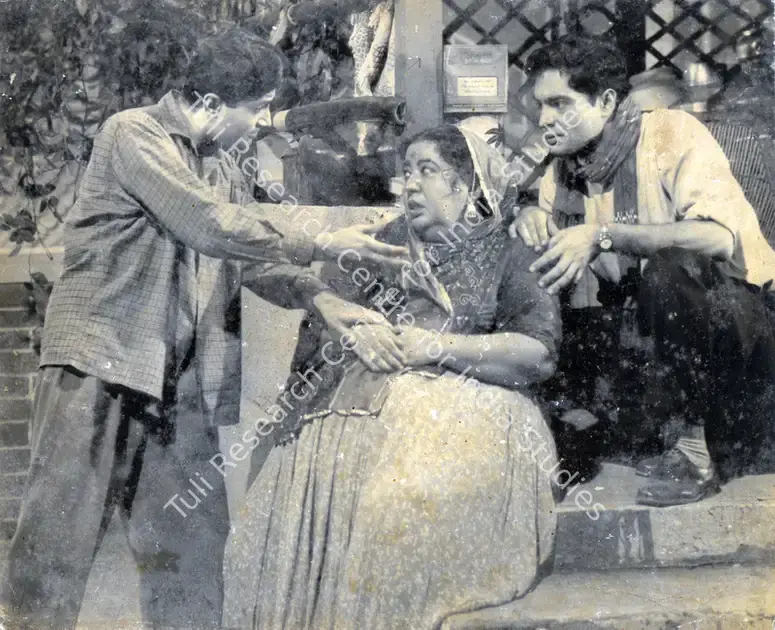
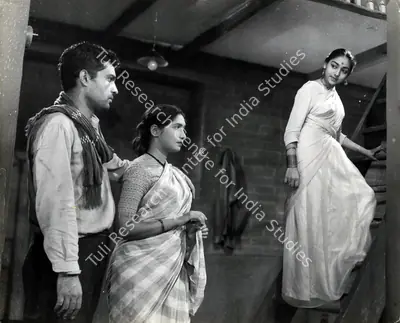
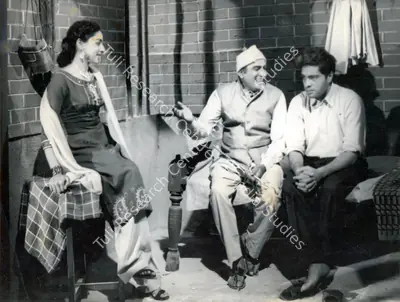
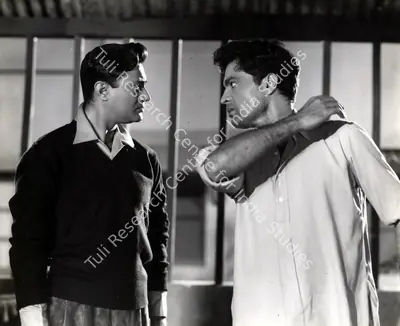
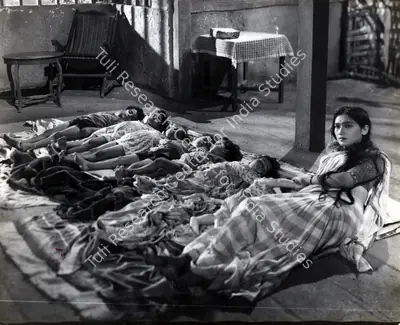
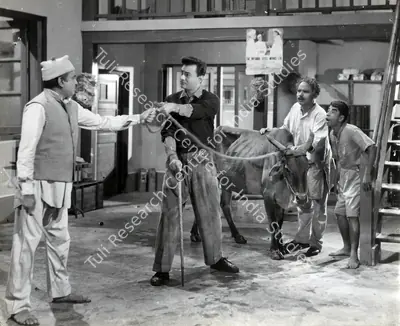
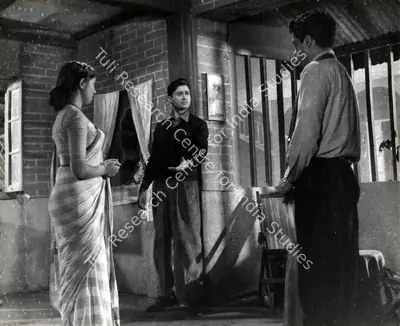
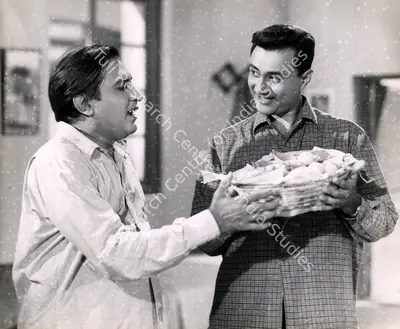
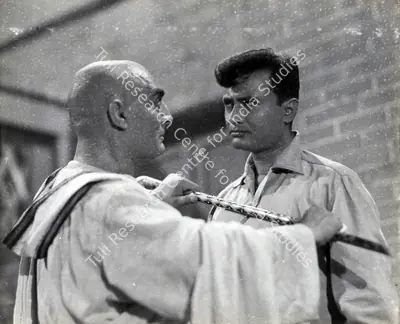
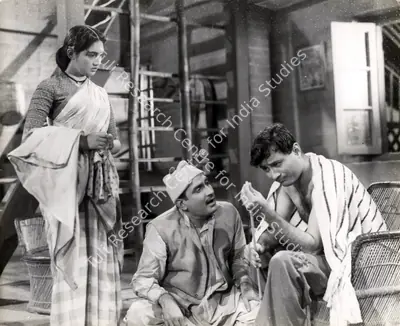
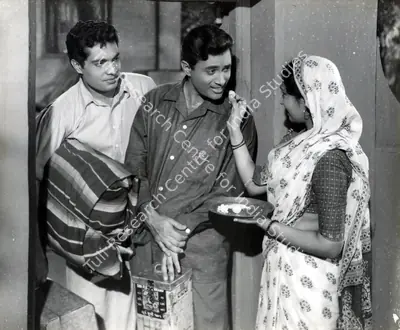
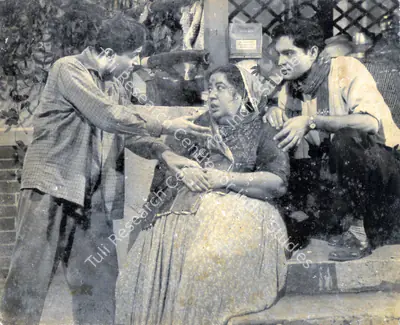
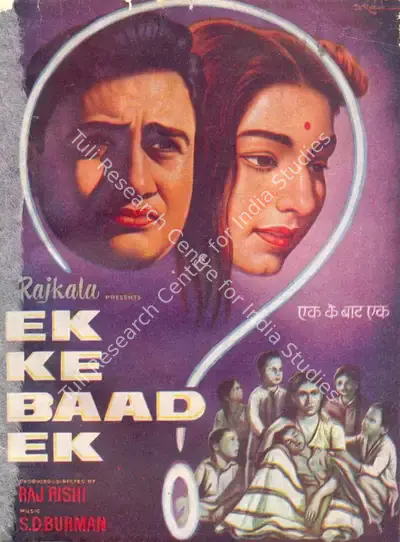
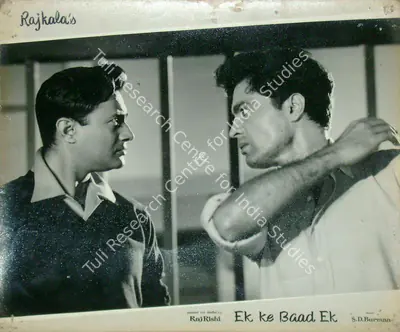
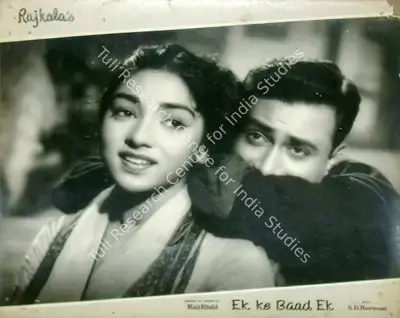
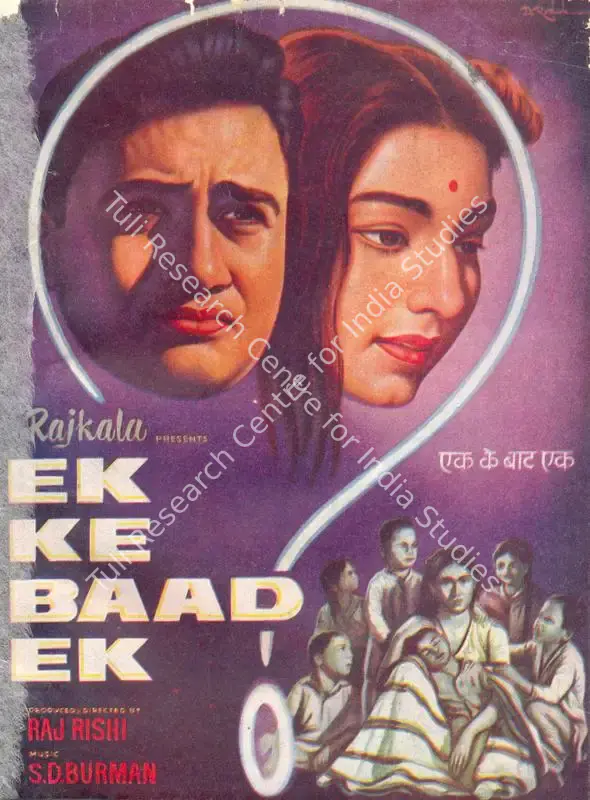
Ek Ke Baad Ek (1960), directed by Raja Rishi, is a film that attempted to blend social messaging with mainstream entertainment. Featuring Dev Anand, Sharada, and Tarla Mehta, the film aimed to educate the audience on the importance of family planning—a sensitive and important subject at the time. The film's story revolves around a middle-class couple, Mangal and Laxmi, who already have six children, and the narrative unfolds around the struggles that arise when they unexpectedly have a seventh child. The central message of the film, advocating for limiting family size to two children, was undoubtedly relevant, but its execution was flawed.
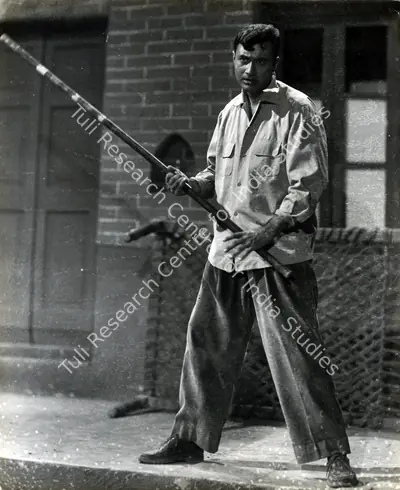
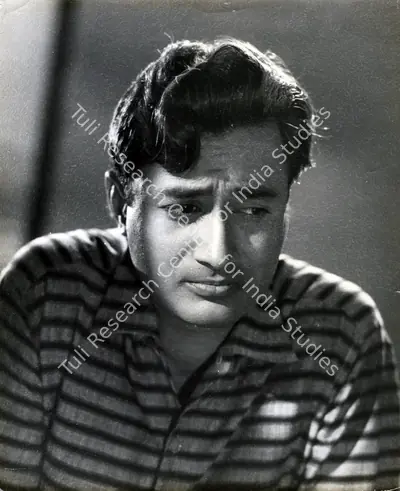
Despite the film's earnest attempt to tackle an important social issue, the narrative felt overly preachy and lacked the subtlety needed to connect with its audience. Dev Anand, fresh off a string of successes like Kala Pani, Kala Bazaar, Solva Saal, and Bombai Ka Babu, was at the peak of his popularity, and his casting in a film with a didactic tone might have seemed promising. However, his usual charm and appeal couldn't salvage the film's heavy-handed approach.
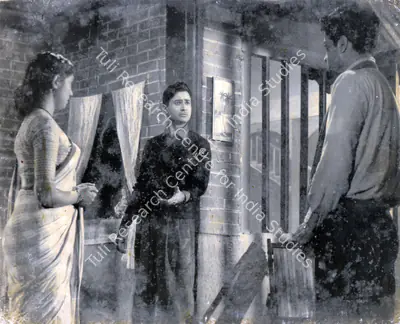
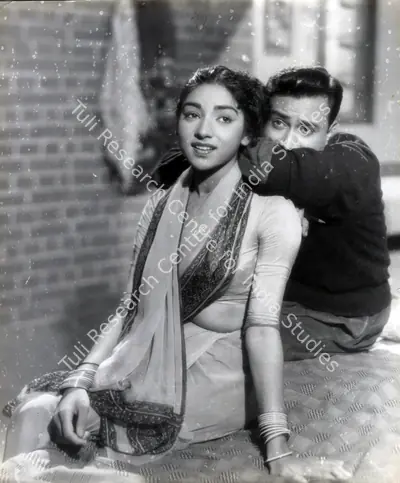
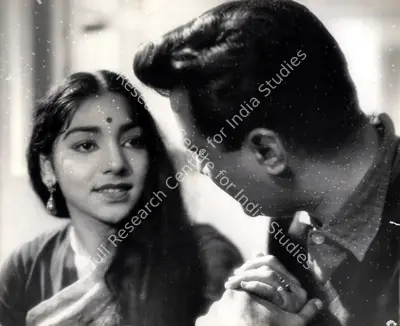
The chemistry between Dev Anand and Sharada, despite Sharada's acclaim as a three-time National Award-winning actress, failed to create the emotional connection required for such a socially-driven film. This lack of connection between the lead characters further weakened the narrative.
Music, often a saving grace in Dev Anand's films, also faltered here. Composed by the legendary S.D. Burman and featuring singers like Asha Bhosle, Mohammad Rafi, Geeta Dutt, and Sudha Malhotra, the soundtrack failed to produce any memorable or popular tunes. Despite the talent involved, the music didn't have the spark needed to elevate the film's mood.
Ultimately, Ek Ke Baad Ek failed to resonate with audiences, sinking without a trace at the box office. While the intent was noble, the film's execution, especially its preachy nature, proved too much for viewers, leaving it largely forgotten in the annals of Indian cinema.
एक महत्वपूर्ण सामाजिक मुद्दे को फ़िल्म का विषय बनाने की ईमानदार कोशिश के बावजूद फ़िल्म की शैली अत्यधिक उपदेशात्मक थी और इसमें दर्शकों से बराबरी पर संवाद करनेवाली संवेदनशीलता नहीं दिखाई दी। फ़िल्म के नायक देव आनंद उस दौर में काला पानी (1958), काला बाज़ार (1960), सोलवाँ साल (1958) और बम्बई का बाबू (1960) जैसी कामयाब फ़िल्मों की झड़ी लगा चुके थे और अपनी लोकप्रियता के चरम पर थे। इस भारी-भरकम विषय वाली फ़िल्म में भी उनका अभिनय कामयाबी की उम्मीद जगाता था। लेकिन उनका आकर्षण और लोकप्रिय अपील भी फ़िल्म को बचा नहीं सकी।
अभिनेत्री शारदा की मशहूरी तीन बार राष्ट्रीय पुरस्कार जीतने वाली अभिनेत्री के रूप में थी, लेकिन पर्दे पर देव आनंद के साथ उनकी जोड़ी कुछ जमी नहीं। सामाजिक संदेश देनेवाली फ़िल्म में ज़रूरी है कि दर्शक फ़िल्म के मुख्य किरदारों से भावनात्मक जुड़ाव महसूस करे, तभी उस पर फ़िल्म के संदेश का कुछ असर होगा। पर मुख्य पात्रों के बीच आपस में ही भावनात्मक संबंध की गहराई महसूस न हो तो फ़िल्म का कथानक अपनी पकड़ खो देता है।
देव आनंद की फ़िल्मों में कथानक के स्तर पर अगर कुछ कमज़ोरी भी रह जाए तो अक्सर फ़िल्म का संगीत उसे बचा लेता है। लेकिन यहाँ संगीत ने भी साथ छोड़ दिया। महान संगीतकार एस.डी. बर्मन द्वारा संगीतबद्ध और आशा भोंसले, मोहम्मद रफ़ी, गीता दत्त और सुधा मल्होत्रा जैसे गायकों की आवाज़ में रचे फ़िल्म के गीतों में कोई भी यादगार नहीं बन पाया। फ़िल्म के गीतों के पीछे प्रतिभाओं की कमी नहीं थी, लेकिन इसके संगीत में वो आग नहीं थी जो फ़िल्म को मुश्किल से निकाल पाती।
एक के बाद एक को टिकट खिड़की पर दर्शकों ने नकार दिया और फ़िल्म बिना कोई निशान छोड़े गुमनामी के समन्दर में खो गई। हालाँकि फ़िल्म के पीछे इरादा नेक कहा जा सकता है, लेकिन मनोरंजन के बजाए परिवार नियोजन का उपदेश देना दर्शकों को हजम नहीं हुआ और यह फ़िल्म भारतीय सिनेमा के इतिहास में एक भूला हुआ अध्याय बनकर रह गई।