
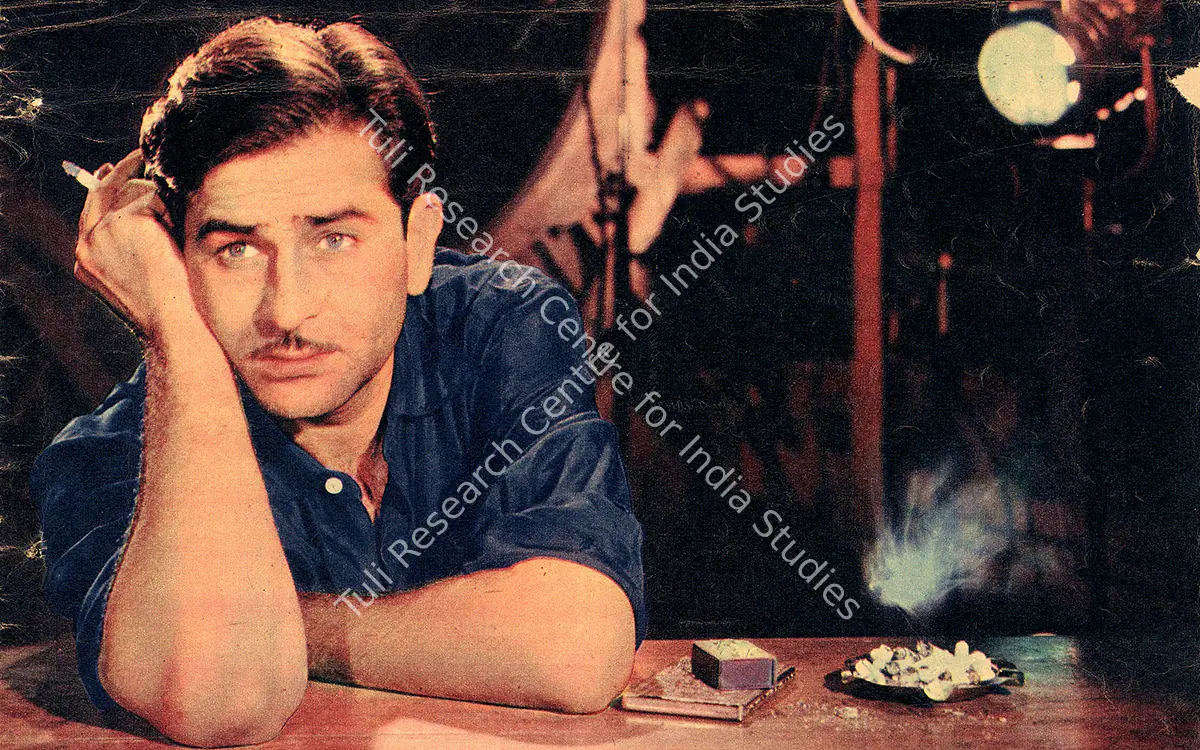
Introduction
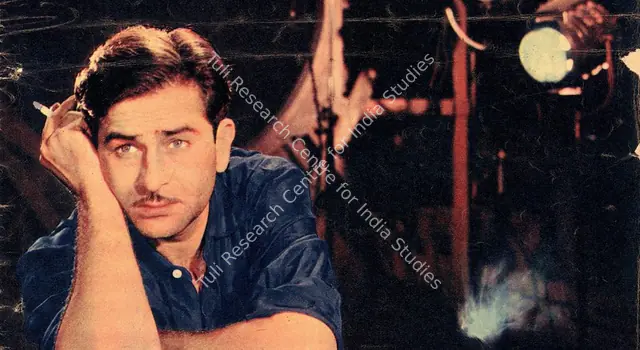
Raj Kapoor (14 December 1924 – 2 June 1988) was a pre-eminent Indian actor, film director, and producer whose contributions to Hindi cinema remain among the most consequential in the medium's history. Widely regarded as one of the greatest and most influential figures in Indian filmmaking, Kapoor earned the distinction of being commemorated as The Greatest Showman of Indian Cinema and The Charlie Chaplin of Indian Cinema — appellations that attest to both his extraordinary showmanship and his abiding artistic kinship with the silent-era master.
Born in Peshawar as the eldest son of the celebrated stage and screen actor Prithviraj Kapoor, Raj Kapoor was heir to the illustrious Kapoor dynasty — a lineage of considerable cultural standing. He was the grandson of Dewan Basheshwarnath Kapoor, the great-grandson of Dewan Keshavmal Kapoor, and the great-great-grandson of Dewan Murli Mal Kapoor. Among his siblings were the distinguished actors Shammi Kapoor (1931–2011) and Shashi Kapoor (1938–2017), as well as a sister, Urmila Sial (1935–2001); two further siblings did not survive infancy.
The imperatives of Prithviraj Kapoor's peripatetic theatrical career compelled the family to relocate frequently throughout the 1930s, resulting in Raj Kapoor's enrolment at several institutions, including Colonel Brown Cambridge School in Dehradun, St. Xavier's Collegiate School in Calcutta, and Campion School in Bombay — the city that would eventually become the family's permanent place of residence. Kapoor's formal introduction to cinema occurred at the age of ten, when he appeared in the 1935 Hindi production Inquilab.
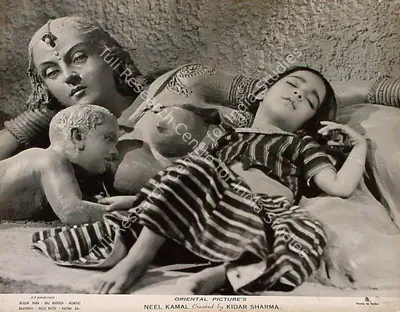
Kapoor's early screen career yielded mixed commercial results. A measure of recognition came with his lead role in director Kidar Sharma's romantic drama Neel Kamal (1947), opposite Begum Para and the young Madhubala, which performed moderately at the box office. Subsequent releases — among them Jail Yatra, Dil Ki Rani, and Chittor Vijay — failed to achieve comparable traction.
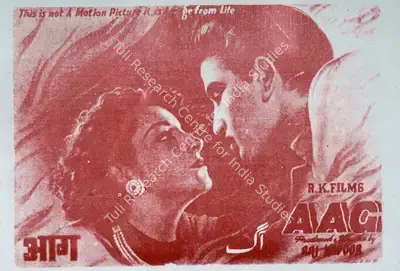
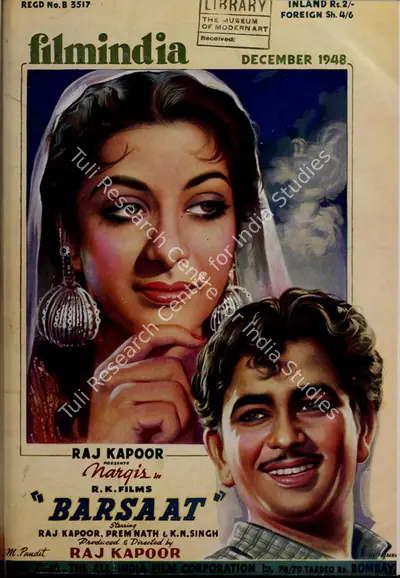
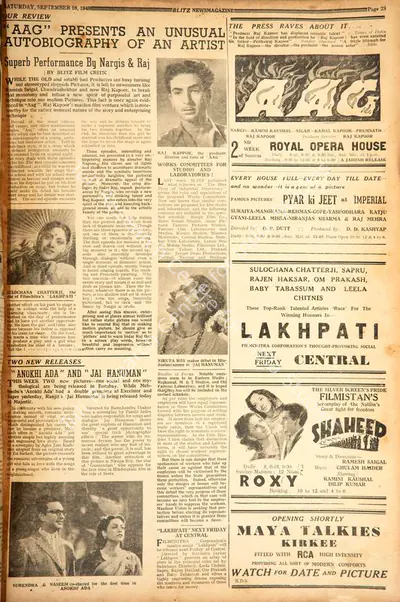
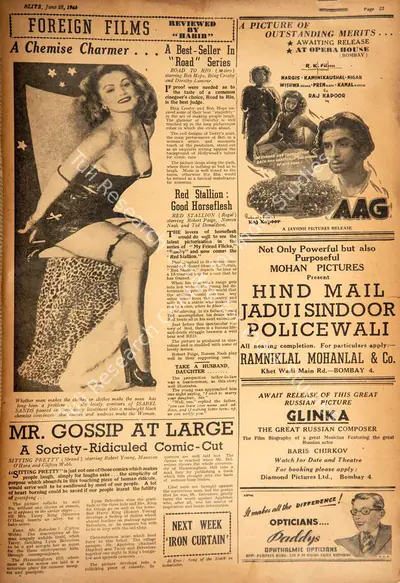
Undeterred, Kapoor demonstrated extraordinary entrepreneurial resolve when, in 1948, he founded his own production company, R.K. Films, and made his directorial debut with the musical drama Aag — a production in which he also starred, alongside Nargis, Premnath, and Kamini Kaushal. Although the film's commercial performance was modest, it was received with critical approbation and established the creative and institutional infrastructure from which Kapoor's most celebrated works would subsequently emerge.
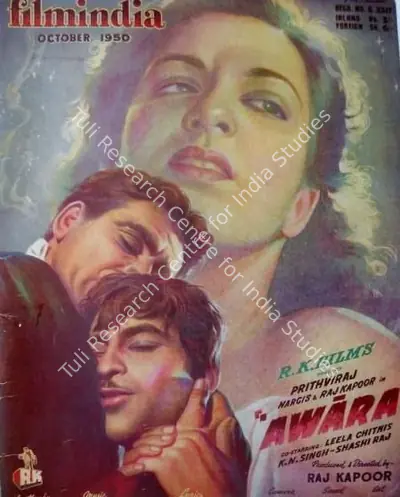
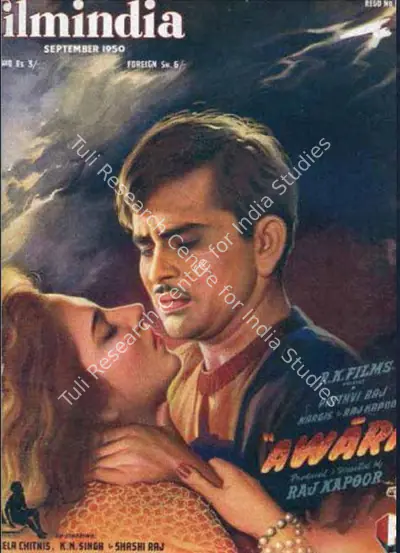
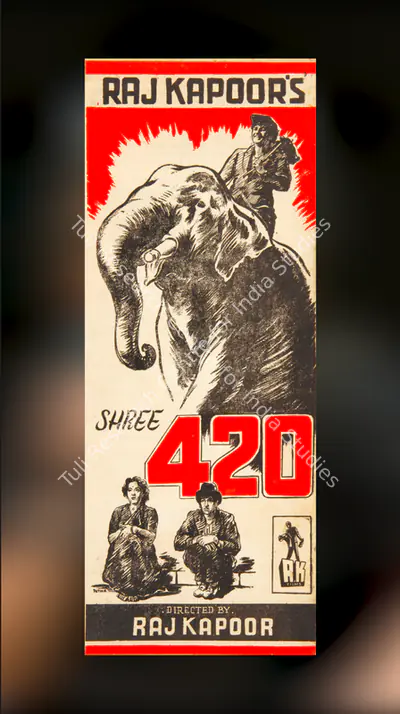
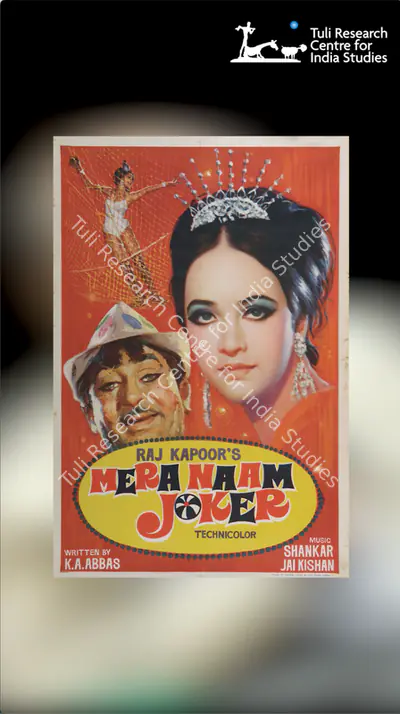
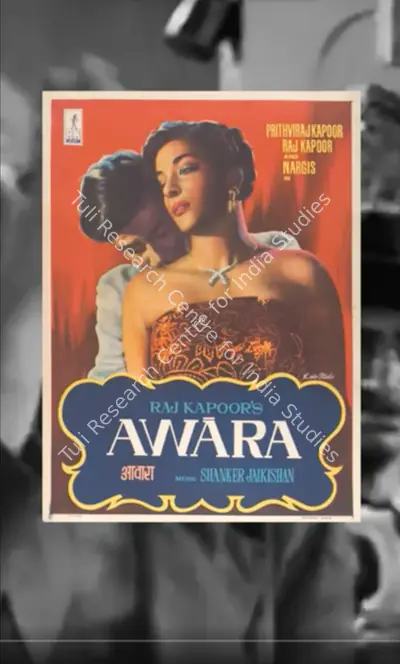
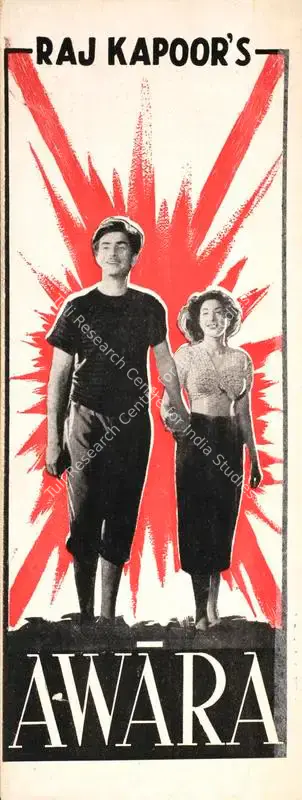
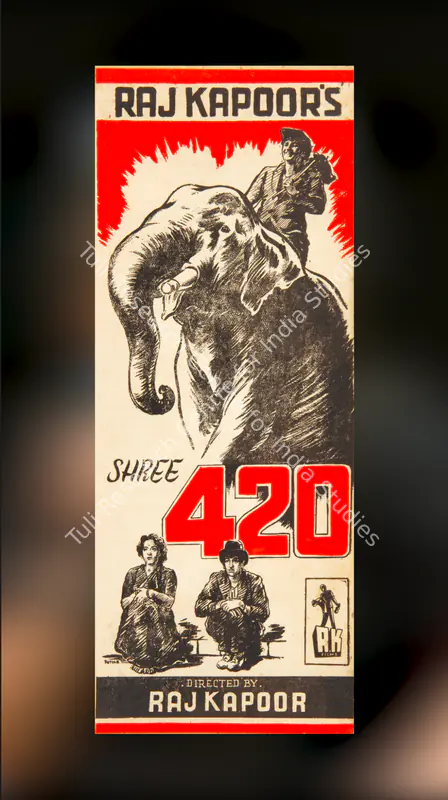
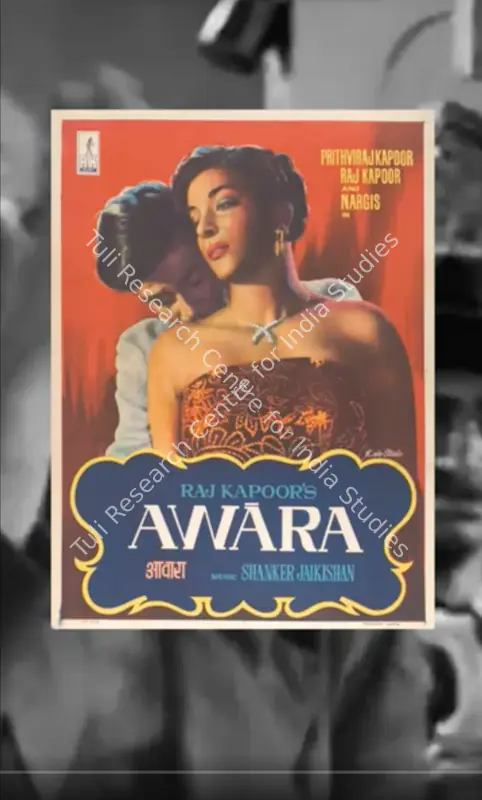
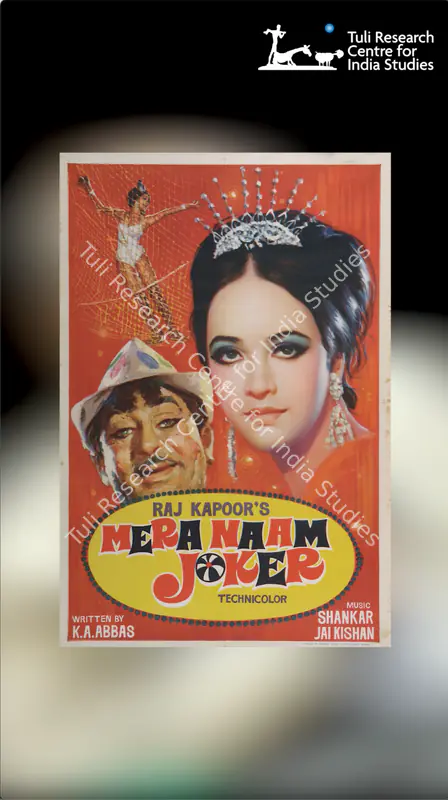
Kapoor's artistic identity was profoundly shaped by his admiration for Charlie Chaplin, particularly the archetype of The Tramp — a figure of humble dignity navigating an indifferent social order. This influence pervades landmark productions such as Awaara (1951), Shree 420 (1955), and Mera Naam Joker (1970), in which Kapoor embodied characters of similar moral and emotional texture.
The critical stature of his work attracted international attention of the highest order. His performance in Awaara was cited by Time magazine in 2005 among the Top-Ten Greatest Performances of All Time in World Cinema. Furthermore, both Awaara (1951) and Boot Polish (1954) — the latter of which Kapoor produced — were selected to compete for the Palme d'Or at the Cannes Film Festival in 1951 and 1955, respectively, positioning Indian cinema within a broader global cultural conversation.
Commercially, Kapoor's films achieved remarkable reach, drawing substantial audiences across Asia, the Middle East, the Caribbean, Africa, and the Soviet bloc — a transnational reception that underscored the universality of the human themes his work engaged.
Over the course of his career, Kapoor received numerous accolades in recognition of his singular contributions to Indian cinema, including three National Film Awards and eleven Filmfare Awards. In 1971, the Government of India conferred upon him the Padma Bhushan, one of the nation's highest civilian honours, in acknowledgment of his distinguished service to the arts. In 1988, the year of his passing, he was posthumously awarded the Dadasaheb Phalke Award — India's most prestigious honour in the field of cinema — by the Government of India.
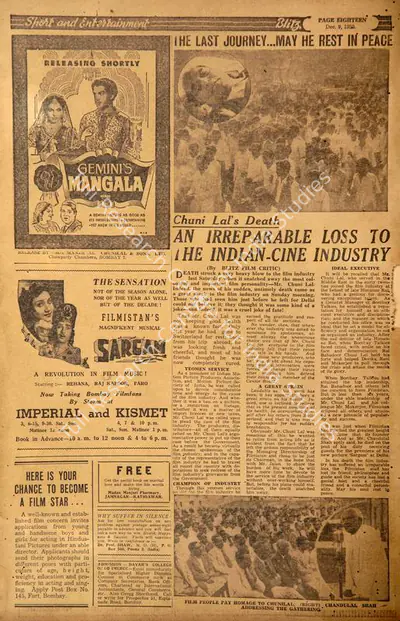
Raj Kapoor's death on 2nd June 1988 marked the conclusion of a career that had, over five decades, fundamentally shaped the aesthetic, cultural, and commercial trajectories of Hindi cinema, leaving an enduring legacy that continues to inform Indian filmmaking to the present day.
मशहूर स्टेज और फ़िल्म एक्टर पृथ्वीराज कपूर के सबसे बड़े बेटे के तौर पर पेशावर में जन्मे राज कपूर, मशहूर कपूर परिवार के वारिस थे। एक ऐसा परिवार जिसका सांस्कृतिक महत्व बहुत ज़्यादा था। वह दीवान बशेश्वरनाथ कपूर के पोते, दीवान केशवमल कपूर के पड़पोते और दीवान मुरली मल कपूर के लकड़पोते थे। उनके भाई-बहनों में मशहूर एक्टर शम्मी कपूर (1931–2011) और शशि कपूर (1938–2017) के साथ-साथ एक बहन, उर्मिला सियाल (1935–2001) भी शामिल थीं। दो अन्य भाई-बहन बचपन में ही गुज़र गए थे।
पृथ्वीराज कपूर के थिएटर करियर की वजह से परिवार को 1930 के दशक में बार-बार जगह बदलनी पड़ी। इस वजह से राज कपूर को कई स्कूलों में दाख़िला लेना पड़ा, जिनमें देहरादून का कर्नल ब्राउन कैम्ब्रिज स्कूल, कलकत्ता का सेंट ज़ेवियर्स कॉलेजिएट स्कूल और बॉम्बे का कैम्पियन स्कूल शामिल थे। बॉम्बे ही वह शहर बना जहाँ परिवार आख़िरकार हमेशा के लिए बस गया। कपूर का सिनेमा से पहला परिचय दस साल की उम्र में हुआ, जब उन्होंने 1935 की हिंदी फ़िल्म 'इंक़लाब' में काम किया।
कपूर के शुरुआती फ़िल्मी करियर को मिला-जुला कमर्शियल रिस्पॉन्स मिला। उन्हें थोड़ी पहचान तब मिली जब उन्होंने डायरेक्टर केदार शर्मा की रोमांटिक ड्रामा फ़िल्म 'नील कमल' (1947) में बेगम पारा और युवा मधुबाला के साथ मुख्य भूमिका निभाई। यह फ़िल्म बॉक्स ऑफ़िस पर ठीक-ठाक चली। इसके बाद आई फ़िल्में जैसे 'जेल यात्रा', 'दिल की रानी' और 'चित्तौड़ विजय' वैसी सफलता हासिल नहीं कर पाईं।
बिना डरे, कपूर ने ज़बरदस्त बिज़नेस करने का जज़्बा दिखाया। 1948 में उन्होंने अपनी प्रोडक्शन कंपनी, आर. के. फ़िल्म्स शुरू की और म्यूज़िकल ड्रामा 'आग' से डायरेक्टर के तौर पर शुरुआत की। इस फ़िल्म में उन्होंने नरगिस, प्रेमनाथ और कामिनी कौशल के साथ एक्टिंग भी की थी। भले ही फ़िल्म बॉक्स ऑफ़िस पर बहुत क़ामयाब नहीं रही, लेकिन क्रिटिक्स ने इसे बहुत सराहा। इसी फ़िल्म ने वह क्रिएटिव और संस्थागत आधार तैयार किया, जिससे आगे चलकर कपूर की सबसे मशहूर फ़िल्में बनीं।
कपूर की कलात्मक पहचान पर चार्ली चैपलिन, और ख़ासकर उनके 'ट्रैम्प' (घुमक्कड़) वाले किरदार का गहरा असर था। यह एक ऐसा किरदार था जो साधारण होते हुए भी गरिमा बनाए रखता था और बेपरवाह समाज में अपनी राह बनाता था। यह असर 'आवारा' (1951), 'श्री 420' (1955) और 'मेरा नाम जोकर' (1970) जैसी यादगार फ़िल्मों में साफ़ दिखता है, जिनमें कपूर ने नैतिक और भावनात्मक रूप से मिलते-जुलते किरदार निभाए।
उनके काम की अहमियत ने दुनिया भर में बहुत ज़्यादा ध्यान खींचा। 'आवारा' फ़िल्म में उनकी एक्टिंग को 2005 में 'टाइम' मैगज़ीन ने वर्ल्ड सिनेमा की अब तक की दस सबसे बेहतरीन परफ़ॉर्मेंस में शामिल किया। इसके अलावा, 'आवारा' (1951) और 'बूट पॉलिश' (1954) जिसमें से 'बूट पॉलिश' को कपूर ने प्रोड्यूस किया था, दोनों फ़िल्मों को क्रमशः 1951 और 1955 में कान फ़िल्म फ़ेस्टिवल में 'पाल्मे डी'ओर' (Palme d'Or) के लिए चुना गया, जिससे भारतीय सिनेमा को ग्लोबल कल्चरल को बातचीत में एक अहम जगह मिली।
कमर्शियल तौर पर, कपूर की फ़िल्में बहुत सफल रहीं और उन्होंने एशिया, मिडिल ईस्ट, कैरिबियन, अफ़्रीका और सोवियत ब्लॉक में बड़ी संख्या में दर्शकों को आकर्षित किया। यह एक ऐसा इंटरनेशनल रिस्पॉन्स था जिसने उनके काम में दिखाए गए मानवीय विषयों की व्यापक अपील को साबित किया।
अपने करियर के दौरान, कपूर को भारतीय सिनेमा में उनके ख़ास योगदान के लिए कई सम्मान मिले, जिनमें तीन नेशनल फ़िल्म अवॉर्ड और ग्यारह फ़िल्मफ़ेयर अवॉर्ड शामिल हैं। 1971 में, भारत सरकार ने कला के क्षेत्र में उनकी बेहतरीन सेवाओं के लिए उन्हें देश के सबसे बड़े नागरिक सम्मानों में से एक, 'पद्म भूषण' से सम्मानित किया। 1988 में, उनके निधन वाले साल में, भारत सरकार ने उन्हें सिनेमा के क्षेत्र में भारत के सबसे प्रतिष्ठित सम्मान 'दादा साहब फाल्के अवॉर्ड' से मरणोपरांत सम्मानित किया।
2 जून 1988 को राज कपूर के निधन के साथ ही एक ऐसे करियर का समापन हुआ, जिसने पांच दशकों तक हिंदी सिनेमा की कलात्मक, सांस्कृतिक और व्यावसायिक दिशाओं को बुनियादी रूप से आकार दिया और एक ऐसी स्थायी विरासत छोड़ी जो आज भी भारतीय फ़िल्म निर्माण को प्रभावित करती है।
- Date of Birth
- 14 Dec 1924
- Zodiac sign
- Saggitarius
- Date of Death
- 06 Feb 1988
- Age
- 63
- Nationality
- British Indian | Indian
- Place of Birth
- Peshawar
- Place of Death
- Bombay
- Spouse(s)
- Krishna Raj Kapoor30 Dec 1930 – 01 Oct 2018
- Year Marriage Registered
- 1946
- Children
- Rajiv Kapoor25 Aug 1962 – 09 Feb 2021Rishi Kapoor04 Sep 1952 – 30 Apr 2020Ritu Nandab. 30 Oct 1948Randhir Kapoorb. 15 Feb 1947
- Parent(s)
- Ramsarni Mehra Kapoor1908 – 14 Jun 1972Prithviraj Kapoor03 Nov 1906 – 29 May 1972
- Grandparent(s)
- Lala Bisheshwar Nath
- Ancestor(s)
- Tehsildar Dewan Keshomal
- Siblings
- Urmila Kapoor SialShammi Kapoor21 Oct 1931 – 14 Aug 2011Ravinderd. 1931Shashi Kapoor18 Mar 1938 – 04 Dec 2017
- Colonel Browns School, Dehradun
- Antonio de Souza School, Byculla
- New Era Boys School, Hughes Road, Bombay
- St. Xavier's Colligate School, Calcutta
- Khalsa College, Bombay
1948
- R K FilmsAssociated Institution
1948 – 1999
Filmography 80

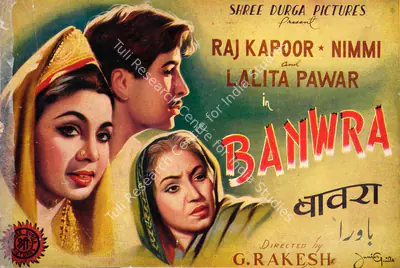
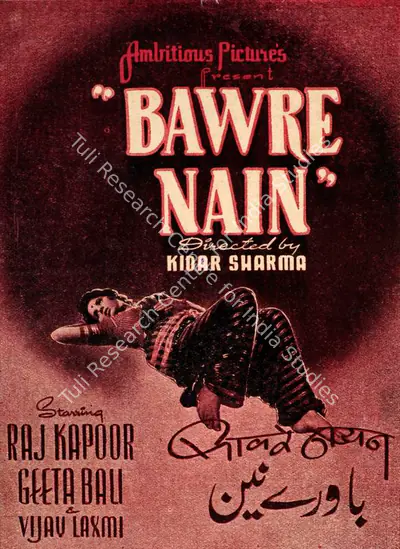
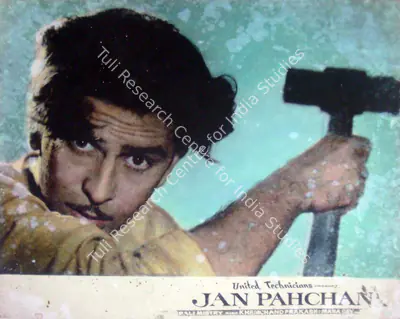
Integrated Timeline
Economics of Cinema
2012
- The Raj Kapoor Film FestivalFilm Festival
New York, USA · 16 Jan 2012
- The Eternal Poet: Raj Kapoor & the Golden Age of Indian CinemaRetrospective
Berkely, USA · 19 Sep 2012
2016
- Horror in the Bylanes: A Series of Urban Horror FilmsFilm Festival
Delhi, India · 02 Jul 2016
2022
- Mera Naam Joker and Shree 420 ScreeningsFilm Festival
Cinephile Film Club, Maquinez Palace, Goa · 12 May 2022
1952
- Certificate of Merit | International Film Festival of IndiaInternational
Certificate of Merit · International Film Festival of India
1955
- Filmfare Award
Best Actor in Supporting Role (David) · The Times Group
- Filmfare Award
Best Film · The Times Group
- Filmfare Award
Best Cinematographer (Tara Dutt) · The Times Group
- Grand Prix Music (Shankar-Jaikishan) | South East Asian Film FewstivalInternational
Grand Prix Music (Shankar-Jaikishan) · South East Asian Film Fewstival
- Special Mention (Baby Naaz) | Cannes International Film FestivalInternational
Special Mention (Baby Naaz) · Cannes International Film Festival
1956
- Crystal Globe Award | Karlovy Vary International Film FestivalInternational
Crystal Globe Award · Karlovy Vary International Film Festival
- National Film Awards
Regional Certificate of Merit (Hindi) · Directorate of Film Festivals India
1957
- National Film Awards
Regional Certificate of Merit (Bengali) · Directorate of Film Festivals India
- Festival's Premier Award, Grand Prix | International Film Festival Karlovy VaryInternational
Festival's Premier Award, Grand Prix · International Film Festival Karlovy Vary
- Filmfare Award
Best Cinematographer (Radhu Karmakar) · The Times Group
- Filmfare Award
Best Editor (G.G. Mayekar) · The Times Group
1958
- Award on Release | Union Government of BurmaInternational
Award on Release · Union Government of Burma
1960
- Filmfare Award
Best Actor · The Times Group
1961
- National Film Awards
Regional Certificate of Merit (Hindi) · Directorate of Film Festivals India
- Rashtriya Chal Chitra Saman Yogyata Parman Patra
Suchna aur Prasar Mantralaya
1962
- Filmfare Award
Best Editor (G.G. Mayekar) · The Times Group
- Filmfare Award
Best Art Director (M.R. Achrekar) · The Times Group
- Filmfare Award
Best Film · The Times Group
- Filmfare Award
Best Actor · The Times Group
Research Centre
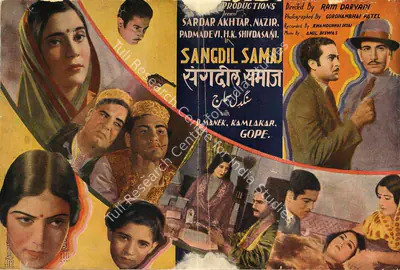


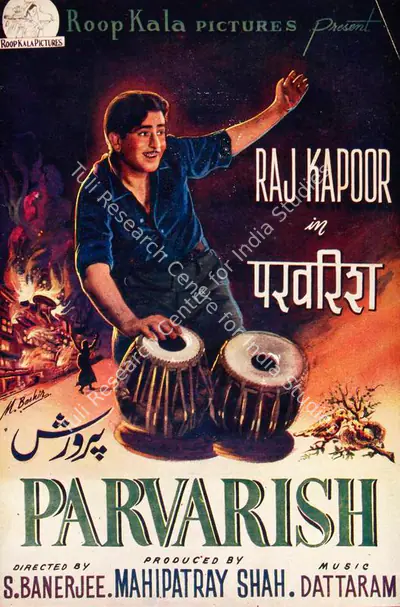
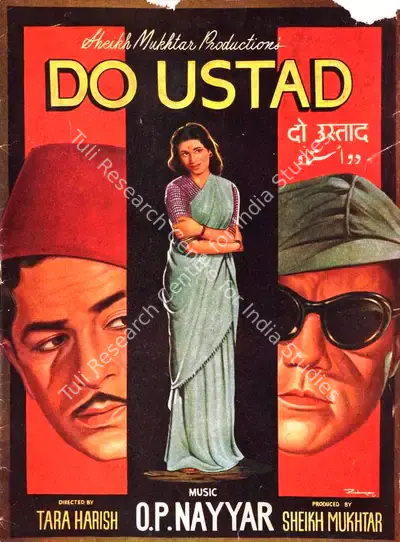
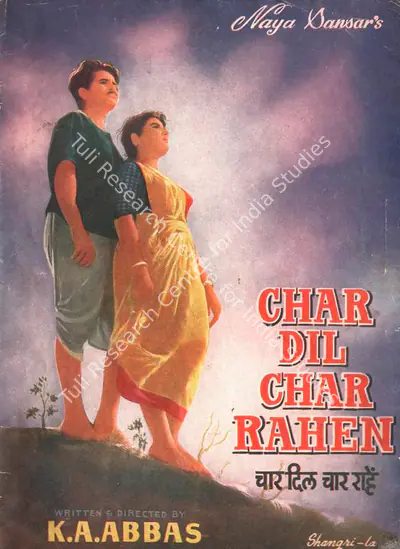
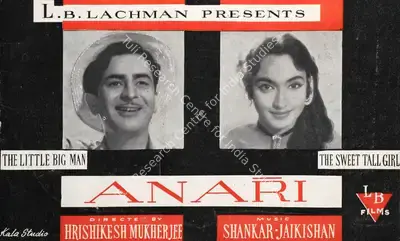
Posts 5
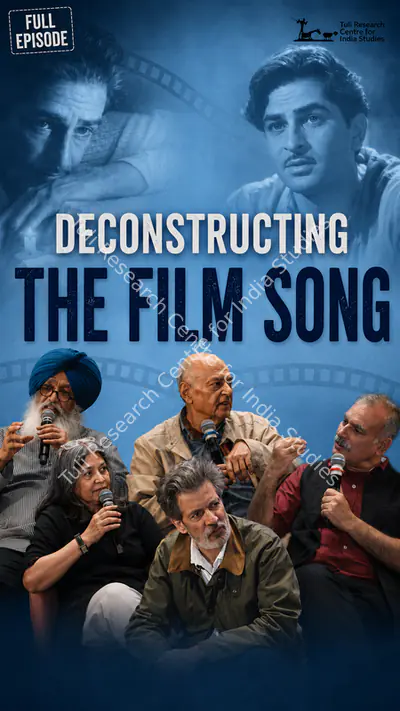
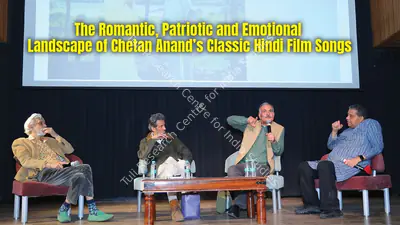
- "Raj Kapoor's tramp, the wide-eyed wanderer in oversized clothes and a battered hat, was one of Hindi cinema's most deliberate creative constructions. Borrowed in spirit from Charlie Chaplin but rooted firmly in the anxieties of post-independence India, the figure carried the dreams and displacements of a nation still finding its footing. "Awara Hoon" from Awara (1951) became the song that gave that figure its voice, and its reach was extraordinary. In this clip, the panel discusses how the film introduced Raj Kapoor to audiences across the erstwhile Soviet Union, China and beyond. Composer-Writer Madan Gopal Singh points to ""Ramaiya Vastavaiya"" from Shree 420 (1955) as a moment of genuine creative risk, where Lata Mangeshkar's voice moves the song from a collective street chorus into something laden with intimate individuality. The panel also deconstructs two more songs from Raj Kapoor's career: "Pyar Hua Ikrar Hua" from Shree 420 (1955) and "Jeena Yahan Marna Yahan" from Mera Naam Joker (1970), examining what makes them endure across generations. In the workshop "A Musical Glue for Nation-Building: Deconstructing the Film Song," organised by the Tuli Research Centre for India Studies (T.R.I.S.), Madan Gopal Singh, Juhi Saklani, Ravikant, and Amit Khanna, in conversation with Neville Tuli, explore the lasting appeal of these songs and what they reveal about India's greatest showman's vision of cinema, emotion, and India itself.
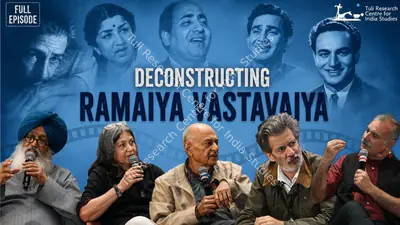
- "Ramaiya Vastavaiya" from Shree 420 (1955) is much more than a folk street song. In this clip, the panel unpacks the layers beneath its apparent simplicity. Writer and Cinephile Juhi Saklani reflects on Shailendra's contribution to the building of the Raj Kapoor persona, noting that his lyrics carry a quality of innocence and moral incorruptibility that is, in its own way, a political stance. To sound that guileless in a world of compromise is itself an act of resistance. Ravikant picks up on a related thread, observing that the image of the worker or peasant singing while working, as in this song, is a recurring and almost static theme in Hindi cinema's representation of labouring life. This clip is from the workshop "A Musical Glue for Nation-Building: Deconstructing the Film Song", presented by the Tuli Research Centre for India Studies (T.R.I.S.) at the 7th Self-Discovery via Rediscovering India Festival, featuring Madan Gopal Singh, Amit Khanna, Ravikant and Juhi Saklani in conversation with Neville Tuli.
- What exactly is “Awaara Hoon” from Raj Kapoor's Awaara (1951) about? A song that lives inside too many uncertainties keeps asking the question, am I a wanderer, or a star in orbit (Gardish mein hun ya aasman ka taara hoon). There is no home, no belongingness, no clear destiny, only movement, longing, and doubt. It is the sound of a world that's unsure of itself, and still singing joyously. Visually, the influence of Charlie Chaplin is unmistakable. From Raj Kapoor's attire to his tramp's gait, the vagabond persona is shaped by Chaplin's image of the little man buffeted by forces beyond his control. The song turns that figure into a symbol of the post-independence anxiety about entitlement, class, and the future; yet capturing the emotion of being spirited, hopeful, and strangely free. The collaboration of Raj Kapoor, the lyricist Shailendra, composers Shankar–Jaikishan, and singer Mukesh, creates a song that is at once both philosophical and popular. It poses questions about destiny and identity while also reaching millions as an unforgettable film hit. Panelists Amit Khanna, Madan Gopal Singh, Ravikant, Juhi Saklani, and Neville Tuli, examine this iconic song, sung by Mukesh, with lyrics by Shailendra and music by Shankar–Jaikishan in this video from 'A Musical Glue for Nation-Building: Deconstructing the Film Song' session, presented by the Tuli Research Centre for India Studies (T.R.I.S.) at the 7th Self-Discovery via Rediscovering India Festival.
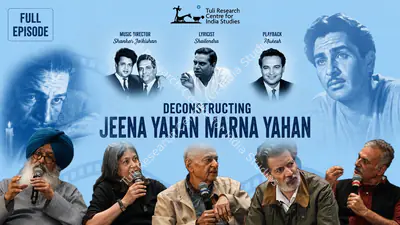
- "Jeena Yahan Marna Yahan" from Mera Naam Joker (1970) was penned by Shailendra, composed by Shankar-Jaikishan, and sung by Mukesh. The song is situated at the philosophical heart of Raj Kapoor's most personal and ambitious film. The film was a commercial disaster on release, and as Neville Tuli notes, both the song and the film found the audiences' acknowledgement only years later. Filmmaker-Lyricist Amit Khanna reveals a lesser-known detail about its making: the song was shot in Delhi at the Gemini Circus, but it had become extremely difficult to gather all the stars, who by that point had become huge in their own careers, at one point of time. The scenes featuring them were shot solo and then later assembled in Bombay to be inserted into the song sequence. Ravikant, Professor, CSDS (The Centre for the Study of Developing Societies), reads the song as both a philosophical and a deeply materialistic reflection on existence. There is a continuity in the persona that may take rebirth, he argues, but it is not the same person who returns. The world itself is one's heaven and hell simultaneously, and that, he suggests, is why we return to this song whenever life demands reflection. This clip is from the workshop "A Musical Glue for Nation-Building: Deconstructing the Film Song," conducted by the Tuli Research Centre for India Studies (T.R.I.S.) at the 7th Self-Discovery via Rediscovering India Festival, featuring Madan Gopal Singh, Amit Khanna, Ravikant, Juhi Saklani, and Neville Tuli.
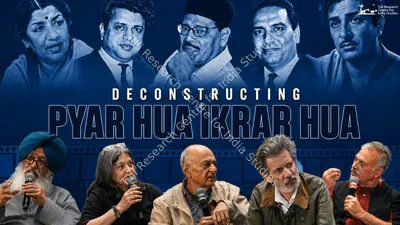
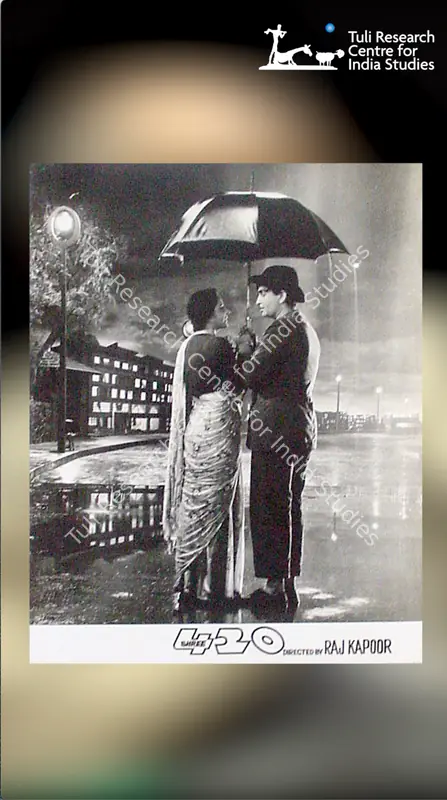
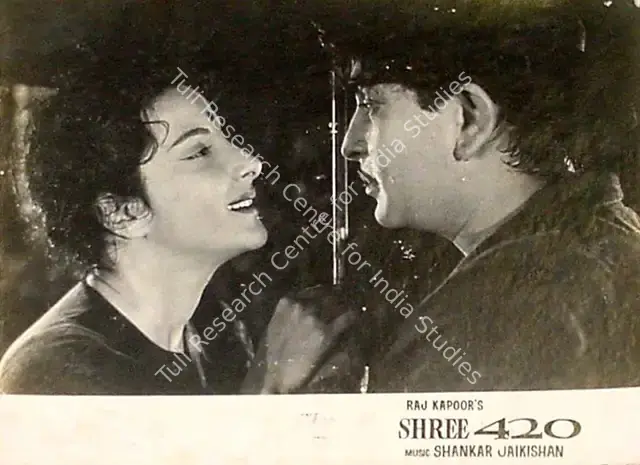
- "Pyar Hua Ikrar Hua" from Shree 420 (1955) at first glance is a song about two people standing in the rain, declaring their love for each other with nothing to their names. This conversation between the panelists peels back the layers, finding in it a richness that a casual listen rarely reveals. Filmmaker-Lyricist Amit Khanna opens with an anecdote about the battle between Raj Kapoor and Shankar-Jaikishan over whether Manna Dey or Mukesh should sing the song. It was Manna Dey who finally got the opportunity, and his voice immortalised it. Ravikant, Professor, CSDS (The Centre for the Study of Developing Societies), draws a parallel between the song and Roland Barthes' A Lover's Discourse, noting how the lovers believe their love to be eternal and absolute. For Ravikant, that sense of transcendence finds its most powerful visual expression when the camera pans to three young children, an image of radiant vitality that lifts the moment beyond the two figures standing in the rain. Composer-Writer Madan Gopal Singh reads the song through a different lens, comparing the condition of the two destitute lovers to that of newly independent India itself, a nation full of longing, uncertain of its footing, but reaching toward something better. This clip is from the workshop "A Musical Glue for Nation-Building: Deconstructing the Film Song" presented by the Tuli Research Centre for India Studies (T.R.I.S.) at the 7th Self-Discovery via Rediscovering India Festival, featuring Madan Gopal Singh, Amit Khanna, Ravikant, Juhi Saklani, and Neville Tuli.
Calendar 7
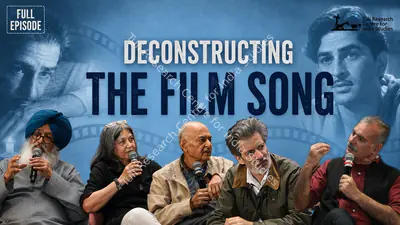
- ArchivedOffline-Online EventProject 80A Musical Glue for Nation-BuildingDeconstructing the Film Song23rd July - 22nd August 2026Ketan Anand | Ravikant | Pavan Jha | Madan Gopal Singh | Amit Khanna | Juhi Saklani | Antara Mondal | Shikha Jhingan | Neville TuliA key section of the India Studies framework at The Tuli Research Centre for India Studies (T.R.I.S.) is “Deconstructing the Film Song”. It began with a series of four workshops during our Self-Discovery via Rediscovering India Festival Series that brought together leading scholars & academics, film practitioners & students, along with fans of the Hindi film song. The objective of these workshops was to deconstruct iconic Hindi film songs to examine their formation across music, lyrics, playback, choreography, directorial visualisation, as they fuse into sites where aesthetics, ideology, and performance intersect, so as to help clarify the nature of India and her relationship to the film song. The Hindi Film Song functions as a narrative device, conveying myriad textures of emotion through melody, voice and poetry. As cultural texts that encode memory, desire, and ideology, songs are integral to the circulation and resonance of films in the public realm. Over time they have become autonomous bundles of creative energy - the glue that binds us over time, articulating and perhaps even defining the idea of Indianness. These first Workshops were an attempt to understand the nature and power of this glue, while contemplating the ways to situate it within TRIS' academic framework for Contemporary India Studies.Read More →
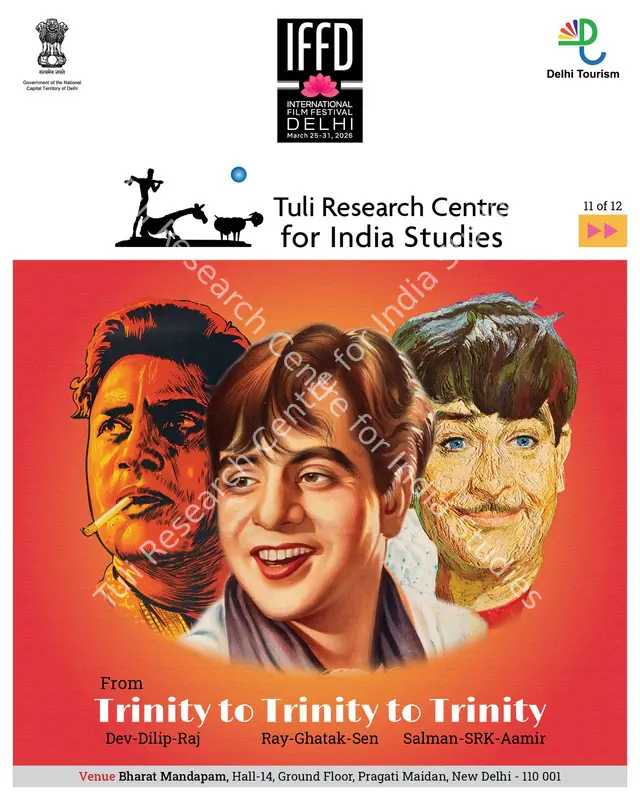
- ArchivedExhibitionProject 76From Trinity to Trinity to TrinityDev-Dilip-Raj | Ray-Ghatak-Sen | Salman-SRK-Aamir25th - 31st March 202611:00am - 7:00pmBharat Mandapam, Hall-14, Ground Floor, Pragati Maidan, New Delhi - 110011The Exhibition 'From Trinity to Trinity to Trinity | Dev-Raj-Dilip to Ray-Ghatak-Sen to Salman-Aamir-SRK', celebrates three iconic trios that have come to symbolize defining moments in Indian cinema and reflect the diverse heroic characteristics which the Indian public demands.Read More →
- ArchivedExhibitionProject 65The Greatest Extravaganza of Cinema's Art25th - 31st March 202611:00am - 7:00pmBharat Mandapam, Hall-14, Ground Floor, Pragati Maidan, New Delhi - 110001As we near sharing the vast online India Studies knowledge base on tuliresearchcentre.org with the world, we end with our last grand archival Exhibition on the rare and vintage cinematic arts. The Expo covers over 110 years of cinematic art, created by some of the finest film directors, cinematographers, art directors, technicians and designers working in cinema from India, Hollywood, Japan, Germany, France, and Poland. It is also a key principle at the Tuli Research Centre for India Studies (TRIS) to support new and nascent International Film Festivals in whatever capacity possible. Hence it is our privilege to help the International Film Festival of Delhi (IFFD) successfully launch its first edition on 25th March 2026. In the pioneering tradition of IFFI, and as Head of the erstwhile and much respected Osian's-Cinefan Festival for Asian and Arab Cinema with my dearly departed friend and Founder of Cinefan - Aruna Vasudev - we know what energy, expertise and commitment is required to galvanise and inspire the cinematic fraternities of Delhi, India and the rest of the world. It is a very serious and difficult task. Our audiences are demanding and to attract the young and non-cinephile is also no easy task. I hope these exhibitions will help the public grasp how deeply history is living in the contemporary. That contemporary life or creativity cannot achieve its best version without knowing and respecting the work of the best who came before us, nurturing and guiding our path with their service and vision. We look forward to welcoming you to Bharat Mandapam Hall 14 in the days to come. Please register at https://www.iffdelhi.com for the films and other events, it is free to all.Read More →
- ArchivedDeconstructing the Hindi Film SongProject 61A Musical Glue for Nation-BuildingFour Classic Songs from the cinema of Raj Kapoor and the genius of Shankar-Jaikishan, Shailendra, Lata Mangeshkar, Mukesh, Manna Dey & Mohammed RafinnAwara Hoon | Awara-1951 nRamaiya Vastavaiya | Shree 420-1955 nPyar Hua Ikrar Hua | Shree 420-1955 nJeena Yahan Marna Yahan | Mera Naam Joker-197017th February 20265:00pmM.L. Bhartia Auditorium, Alliance Francaise de Delhi, 72 K.K. Birla Lane, Lodi Estate, New Delhi, 110005Madan Gopal Singh, Amit Khanna, Ravikant, Juhi Saklani & Neville TuliA key section of the India Studies framework at The Tuli Research Centre for India Studies (T.R.I.S.) is “Deconstructing the Hindi Film Song”. It will begin with a series of four workshops that brings together leading scholars & academics, film practitioners & students, along with fans of the Hindi film song. The objective of these workshops is to deconstruct iconic Hindi film songs to examine their formation across music, lyrics, playback, choreography, directorial visualisation, as they fuse into sites where aesthetics, ideology, and performance intersect. The Hindi Film Song functions as a narrative device, conveying myriad textures of emotion through melody, voice and poetry. As cultural texts that encode memory, desire, and ideology, songs are integral to the circulation and resonance of films in the public realm. Over time they have become autonomous bundles of creative energy - the glue that binds us over time, articulating and perhaps even defining the idea of Indianness. The first Workshops are an attempt to understand the nature and power of this glue, while contemplating the ways to situate it within TRIS' academic framework for Contemporary India Studies.Read More →
- ArchivedOnline LearningProject 43Public Launch of A-Graphy Pages RAJ KAPOOR8th February 20266:15pmIndia International Centre, 1st Floor Seminar Halls, Kamaladevi Chattopadhyay Block, Max Mueller Marg, New Delhi, 110003
- ArchivedExhibitionProject 14Exhibition | The Cinema of Raj Kapoor | T.R.I.S. in Collaboration with 17th Habitat Film Festival14th - 19th May 2025T.R.I.S. in Collaboration with 17th Habitat Film Festival will be commemorating the life and work of two pioneering individuals of the Indian film industry, who shaped Indian cinema in their unique ways. One exhibition celebrates the birth centenary of Raj Kapoor, while the other remembers Shyam Benegal. The Cinema of Raj Kapoor – 15 to 20 May 2025 The Cinema of Shyam Benegal - 21 to 25 May 2025 10:00 am to 8:00 pm daily at the Convention Centre Foyer GalleryRead More →
- ArchivedExhibitionProject 2Self-Discovery via Rediscovering India Series Part II India's Cinematic Heritage12th - 24th August 2024Self-Discovery via Rediscovering India Series Part IIRead More →


Related
63
Personalities
42
Films
17