

Valmiki1946
Introduction
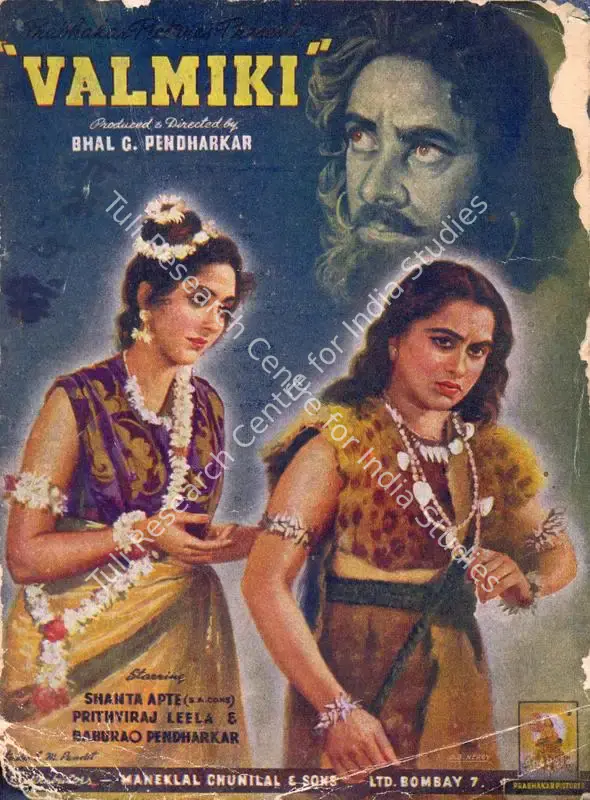
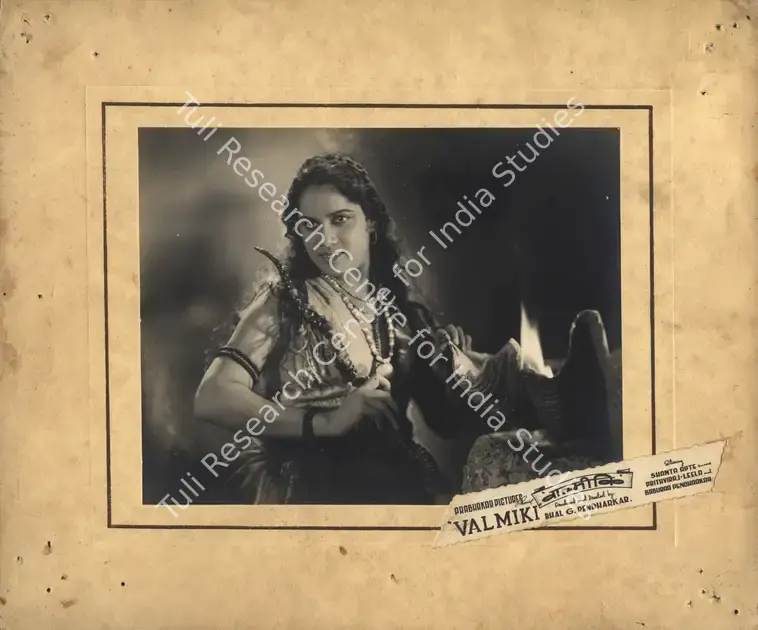
Valmiki (1946), directed by the noted filmmaker Bhalji Pendharkar, is a black-and-white film that tells the compelling tale of redemption and moral awakening. Set against the backdrop of mid-20th century India, the film follows the journey of a petty thief known as Pickpocket Pandi, whose life takes a profound turn after encountering a virtuous and compassionate young woman named Vandana. Through her influence, Pandi undergoes a dramatic transformation, embracing a path of righteousness—a theme deeply resonant with the legend of Valmiki, the revered sage and author of the Ramayana.
Running for 1 hour and 38 minutes, the film combines emotional depth with moral undertones, all underscored by its monaural soundtrack. Though not a blockbuster by commercial standards, Valmiki was generally considered a moderate success and earned a place of respect in the annals of Indian cinema for its thoughtful storytelling and cultural significance.
The film was released on April 13, 1946, and was produced by NH Studioz. It was a bilingual project—made in both Hindi and Tamil—and boasted a distinguished cast including Prithviraj Kapoor, Shanta Apte, Leela Chandragiri, Pratima Devi, Leela, and a young Raj Kapoor. The narrative also wove in a subtle romantic subplot involving Vandana and a humble flower-seller named Kanaka, introducing a love triangle that added emotional complexity to the storyline.
The music, an essential element of Indian cinema, was composed by S.V. Venkatraman, with lyrics written by the legendary Papanasam Sivan. The soundtrack featured memorable performances by celebrated singers N.C. Vasanthakokilam, T.R. Rajakumari, and U.R. Jeevarathinam. Notable songs from the film include Sundarananda Mukunda, Poi Thavazhum Maaya Bhoomi, Bhagawan Avadharipaar, Bhuvimeedhu, Ippozhudhe Varuvaar, and Bhagyasaaliyum Undo, many of which were spiritually themed and reflective of the protagonist's journey.
While Valmiki may not have broken box office records, its thematic richness and cultural relevance made it a landmark film of its time. It stood out not just as an adaptation of a mythological story, but as a cinematic bridge between folklore and the moral dilemmas of modern life, contributing meaningfully to the evolution of Indian storytelling on screen.
कुल 1 घंटे 38 मिनट लम्बी इस फ़िल्म में जज़्बातों से भरी कहानी के भीतर एक नैतिक संदेश देने की कोशिश साफ़ दिखती है। फ़िल्म के कर्णप्रिय संगीत ने इस भावप्रवण कहानी को और प्रभावशाली बनाया। हालाँकि इस फ़िल्म को व्यावसायिक स्तर पर बड़ी कामयाबी नहीं मिली, लेकिन इसकी औसत सफलता को भी उल्लेखनीय माना गया। कहानी की वैचारिकी और उसे कहने के अंदाज़ ने इसे अपने दौर की एक ज़रूरी फ़िल्म बना दिया है और भारतीय सिनेमा के इतिहास में वाल्मीकि का एक ख़ास दर्जा रहेगा।
यह फ़िल्म 13 अप्रैल, 1946 के दिन रिलीज़ हुई थी और इसका निर्माण 'एन. एच. स्टूडियोज़' के बैनर तले हुआ था। यह फ़िल्म समांतर रूप से हिन्दी और तमिल दोनों भाषाओं में बनाई गई थी। उस दौर के लोकप्रिय अभिनेता पृथ्वीराज कपूर, शांता आप्टे, लीला चंद्रगिरि, प्रतिमा देवी, लीला और युवा राज कपूर इस फ़िल्म में प्रमुख भूमिकाएँ निभा रहे थे। फ़िल्म की कहानी में एक प्रेम और मनोभावों से भरी उपकथा भी पिरोई गई थी। यह उपकथा थी वंदना और कनक नामक एक फूल बेचने वाले विनम्र युवक के बीच पनपा नेह का धागा। कहानी को इस उपकथा ने एक प्रेम त्रिकोण की शक्ल दी और उसे भावनाओं के समन्दर में गोते लगाने का मौका दिया।
संगीत भारतीय सिनेमा का सदा से एक अहम पहलू रहा है और यह फ़िल्म भी इससे अलग नहीं थी। इस फ़िल्म में एस.वी. वेंकटरामन ने संगीत दिया था और गीतों के बोल लिखे थे प्रख्यात गीतकार पापनासम शिवन ने। फ़िल्म के लिए तमिल सिनेमा के उस दौर के प्रसिद्ध गायकों जैसे एन.सी. वसंतकोकिलम, टी.आर. राजकुमारी और यू.आर. जीवनरत्नम ने अपनी आवाज़ें दी थीं। फ़िल्म के प्रमुख गीतों में "सुंदरानंद मुकुंदा", "पोई तवझुम माया भूमि", "भगवान अवतारिपार", "भुवीमेदु", "इप्पोजुधे वरुवार" और "भाग्यशालियुम उंडो" चर्चित हुए। इस फ़िल्म के अधिकतर गीत आध्यात्मिक आभा लिए हैं जो फ़िल्म के मुख्य किरदार की यात्रा को प्रतिबिंबित करते हैं।
हालाँकि वाल्मीकि फ़िल्म ने टिकट खिड़की पर कोई झंडे नहीं गाड़े, फिर भी इसके कथानक की गहराई और सांस्कृतिक स्तर पर इसकी प्रासंगिकता ने इसे अपने समय की एक विशिष्ट फ़िल्म बना दिया है। यह फ़िल्म सिर्फ़ किसी पौराणिक कथा का रूपांतरण भर कहकर खारिज नहीं की जा सकती। यह तो प्रयास करती है कि लोक में पहले से मौजूद कथाओं को आधुनिक जीवन की नैतिक दुविधाओं के बीच रखकर परखा जाये। यह फ़िल्म परम्परा और आधुनिकता, लोक और शास्त्र, गल्प और यथार्थ के बीच एक सिनेमाई पुल की तरह है जिसने फ़िल्म माध्यम के भीतर कहानी को कहने का मौलिक भारतीय तरीका विकसित करने में महत्वपूर्ण योगदान दिया।
Body of Work
Research Centre
Related
2