Mukesh
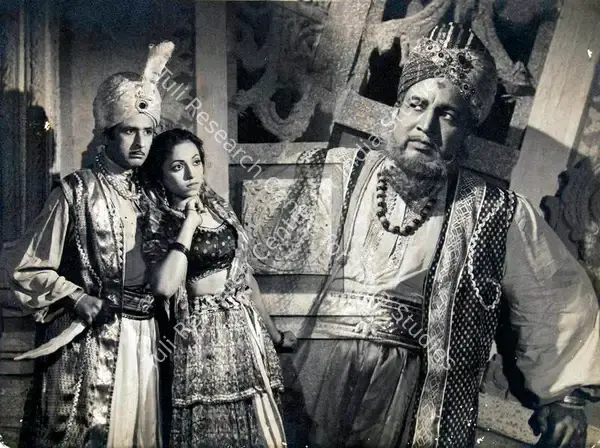
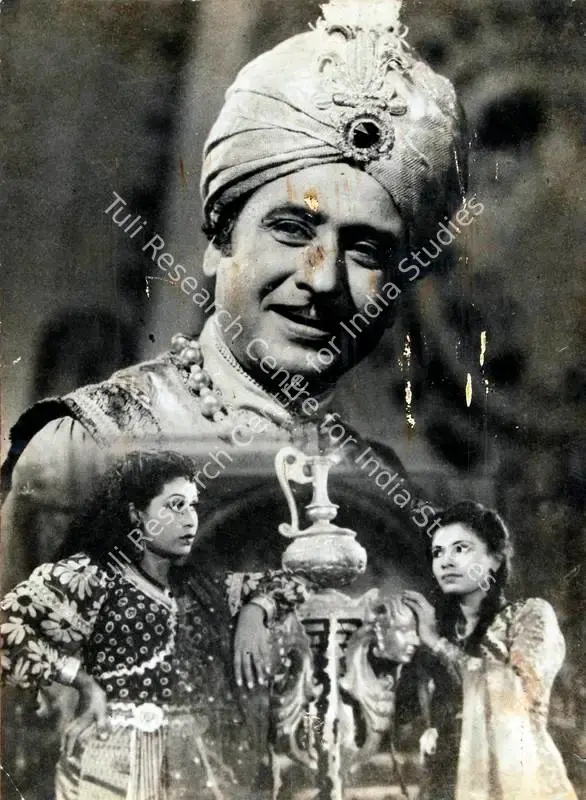
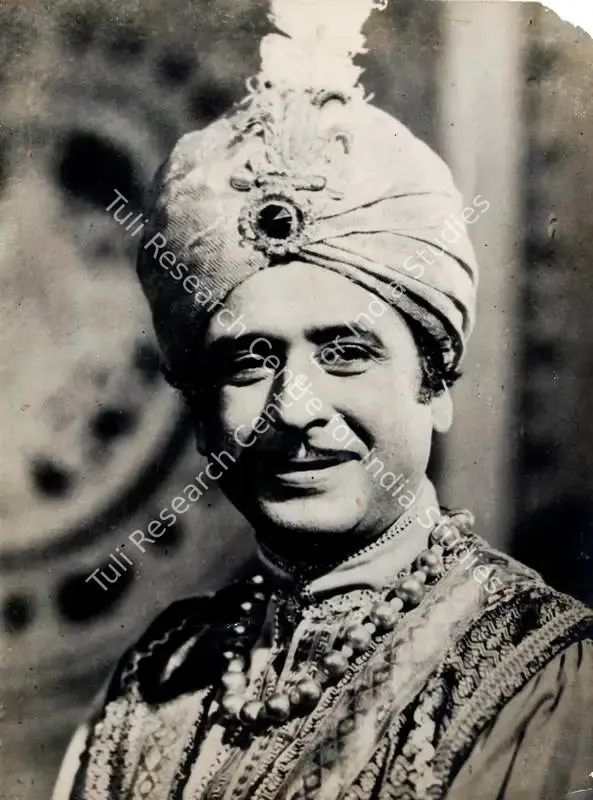
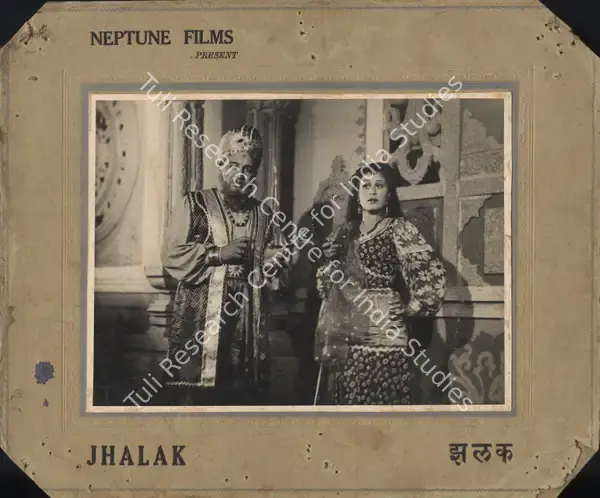
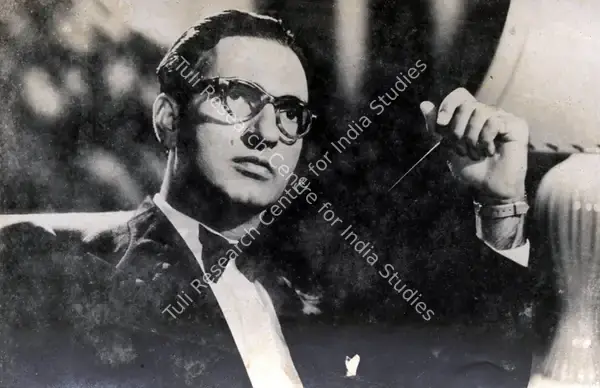
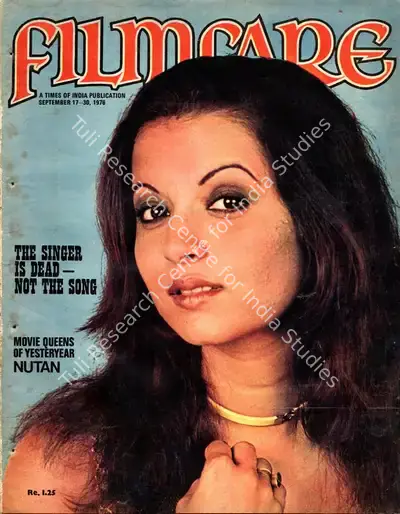
Mukesh Chand Mathur (born 22 July 1923 -1976 ) was a very popular singer who emerged as one of the most influential playback singers in Hindi cinema. Known mononymously as Mukesh, he became closely associated with actors such as Raj Kapoor, Manoj Kumar, and Dilip Kumar, lending his voice to some of the most enduring performances in Indian film history. His musical legacy was recognised with numerous honors, including the National Film Award for Best Male Playback Singer for Kai Baar Yuhi Dekha Hai from Rajnigandha (1974).
Raised in a Mathur Kayastha family, Mukesh was the sixth of ten children. His early exposure to music came informally, listening to lessons given to his sister. After leaving school, he briefly worked in the Public Works Department in Delhi, where he experimented with singing and developed his musical sensibilities. His talent was noticed by actor Motilal, who facilitated his move to Bombay and arranged formal training under Pandit Jagannath Prasad.
Mukesh began his film career as an actor-singer with Nirdosh (1941), where he performed Dil Hi Bujha Hua Ho To. His breakthrough as a playback singer came with Dil Jalta Hai To Jalne De from Pehli Nazar (1945), composed by Anil Biswas. Initially influenced by K. L. Saigal, Mukesh gradually evolved a distinctive style, particularly under the guidance of Naushad, who helped refine his vocal identity in films such as Andaz (1949).
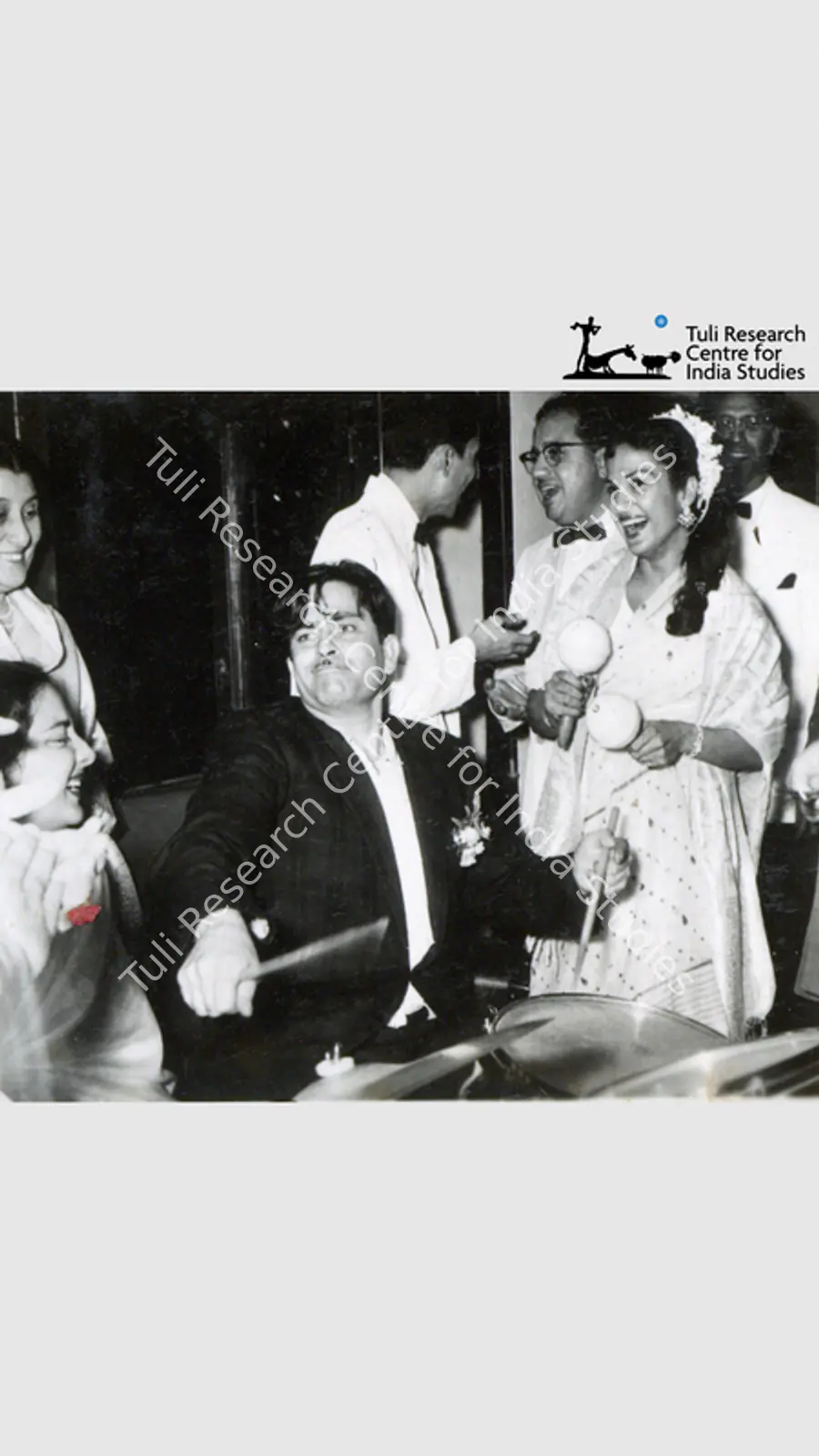
Over time, Mukesh became the definitive voice of Raj Kapoor and collaborated extensively with leading composers. His work with Shankar–Jaikishan was especially prolific, followed by a significant partnership with Kalyanji–Anandji. Their collaborations included Naina Hai Jadoo Bhare from Bedard Zamana Kya Jane (1958), Dum Dum Diga Diga from Chhalia (1960), and Chand Si Mehbooba Ho from Himalay Ki Godmein (1965).
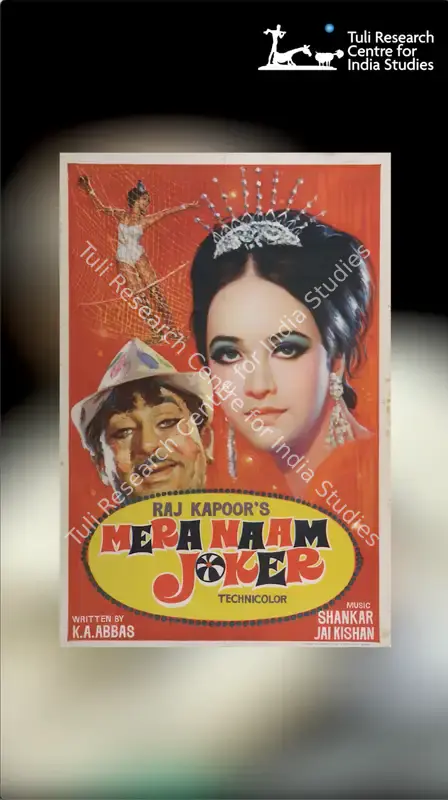
Among his most celebrated songs are Sab Kuch Seekha Humne from Anari (1959), Jeena Yahan Marna Yahan from Mera Naam Joker (1970), Kahin Door Jab Din Dhal Jaaye from Anand (1971), and Ek Pyar Ka Nagma Hai from Shor (1972). His emotive singing style, marked by simplicity and depth, resonated widely with audiences.
Mukesh married Saral Trivedi in 1946 despite familial opposition, and their enduring marriage lasted three decades. He passed away on 27 August 1976 in Detroit while on a concert tour, leaving behind a timeless musical legacy.
Raised in a Mathur Kayastha family, Mukesh was the sixth of ten children. His early exposure to music came informally, listening to lessons given to his sister. After leaving school, he briefly worked in the Public Works Department in Delhi, where he experimented with singing and developed his musical sensibilities. His talent was noticed by actor Motilal, who facilitated his move to Bombay and arranged formal training under Pandit Jagannath Prasad.
Mukesh began his film career as an actor-singer with Nirdosh (1941), where he performed Dil Hi Bujha Hua Ho To. His breakthrough as a playback singer came with Dil Jalta Hai To Jalne De from Pehli Nazar (1945), composed by Anil Biswas. Initially influenced by K. L. Saigal, Mukesh gradually evolved a distinctive style, particularly under the guidance of Naushad, who helped refine his vocal identity in films such as Andaz (1949).
Over time, Mukesh became the definitive voice of Raj Kapoor and collaborated extensively with leading composers. His work with Shankar–Jaikishan was especially prolific, followed by a significant partnership with Kalyanji–Anandji. Their collaborations included Naina Hai Jadoo Bhare from Bedard Zamana Kya Jane (1958), Dum Dum Diga Diga from Chhalia (1960), and Chand Si Mehbooba Ho from Himalay Ki Godmein (1965).
Among his most celebrated songs are Sab Kuch Seekha Humne from Anari (1959), Jeena Yahan Marna Yahan from Mera Naam Joker (1970), Kahin Door Jab Din Dhal Jaaye from Anand (1971), and Ek Pyar Ka Nagma Hai from Shor (1972). His emotive singing style, marked by simplicity and depth, resonated widely with audiences.
Mukesh married Saral Trivedi in 1946 despite familial opposition, and their enduring marriage lasted three decades. He passed away on 27 August 1976 in Detroit while on a concert tour, leaving behind a timeless musical legacy.
The whole holding
Research Centre
20 of 1,052



20 of 1,031




Posts 3
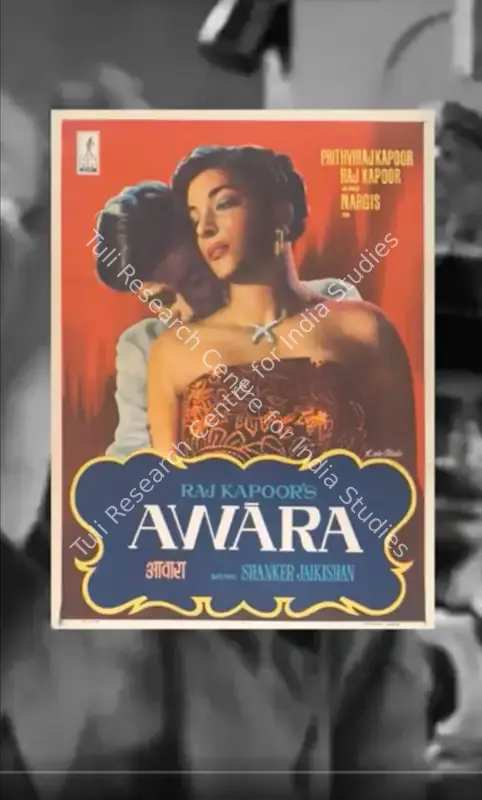
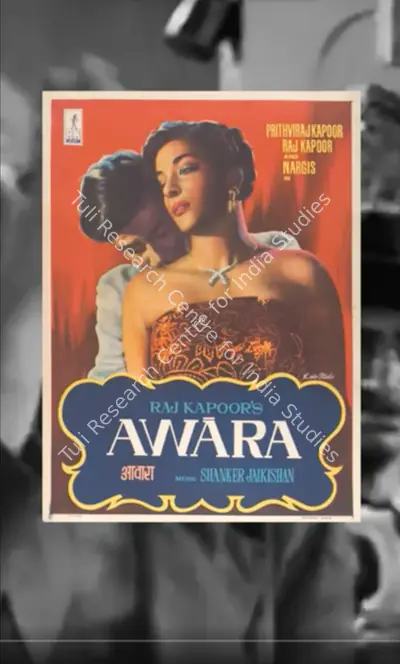
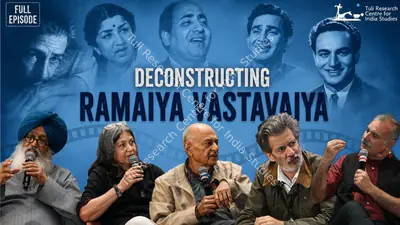
- "Raj Kapoor's tramp, the wide-eyed wanderer in oversized clothes and a battered hat, was one of Hindi cinema's most deliberate creative constructions. Borrowed in spirit from Charlie Chaplin but rooted firmly in the anxieties of post-independence India, the figure carried the dreams and displacements of a nation still finding its footing. "Awara Hoon" from Awara (1951) became the song that gave that figure its voice, and its reach was extraordinary. In this clip, the panel discusses how the film introduced Raj Kapoor to audiences across the erstwhile Soviet Union, China and beyond. Composer-Writer Madan Gopal Singh points to ""Ramaiya Vastavaiya"" from Shree 420 (1955) as a moment of genuine creative risk, where Lata Mangeshkar's voice moves the song from a collective street chorus into something laden with intimate individuality. The panel also deconstructs two more songs from Raj Kapoor's career: "Pyar Hua Ikrar Hua" from Shree 420 (1955) and "Jeena Yahan Marna Yahan" from Mera Naam Joker (1970), examining what makes them endure across generations. In the workshop "A Musical Glue for Nation-Building: Deconstructing the Film Song," organised by the Tuli Research Centre for India Studies (T.R.I.S.), Madan Gopal Singh, Juhi Saklani, Ravikant, and Amit Khanna, in conversation with Neville Tuli, explore the lasting appeal of these songs and what they reveal about India's greatest showman's vision of cinema, emotion, and India itself.
- What exactly is “Awaara Hoon” from Raj Kapoor's Awaara (1951) about? A song that lives inside too many uncertainties keeps asking the question, am I a wanderer, or a star in orbit (Gardish mein hun ya aasman ka taara hoon). There is no home, no belongingness, no clear destiny, only movement, longing, and doubt. It is the sound of a world that's unsure of itself, and still singing joyously. Visually, the influence of Charlie Chaplin is unmistakable. From Raj Kapoor's attire to his tramp's gait, the vagabond persona is shaped by Chaplin's image of the little man buffeted by forces beyond his control. The song turns that figure into a symbol of the post-independence anxiety about entitlement, class, and the future; yet capturing the emotion of being spirited, hopeful, and strangely free. The collaboration of Raj Kapoor, the lyricist Shailendra, composers Shankar–Jaikishan, and singer Mukesh, creates a song that is at once both philosophical and popular. It poses questions about destiny and identity while also reaching millions as an unforgettable film hit. Panelists Amit Khanna, Madan Gopal Singh, Ravikant, Juhi Saklani, and Neville Tuli, examine this iconic song, sung by Mukesh, with lyrics by Shailendra and music by Shankar–Jaikishan in this video from 'A Musical Glue for Nation-Building: Deconstructing the Film Song' session, presented by the Tuli Research Centre for India Studies (T.R.I.S.) at the 7th Self-Discovery via Rediscovering India Festival.
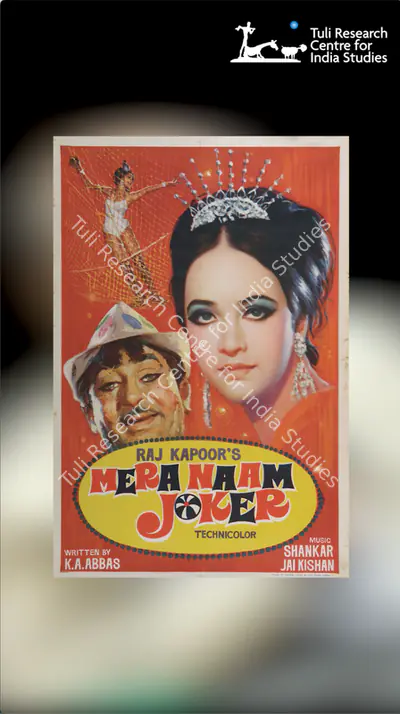
- "Jeena Yahan Marna Yahan" from Mera Naam Joker (1970) was penned by Shailendra, composed by Shankar-Jaikishan, and sung by Mukesh. The song is situated at the philosophical heart of Raj Kapoor's most personal and ambitious film. The film was a commercial disaster on release, and as Neville Tuli notes, both the song and the film found the audiences' acknowledgement only years later. Filmmaker-Lyricist Amit Khanna reveals a lesser-known detail about its making: the song was shot in Delhi at the Gemini Circus, but it had become extremely difficult to gather all the stars, who by that point had become huge in their own careers, at one point of time. The scenes featuring them were shot solo and then later assembled in Bombay to be inserted into the song sequence. Ravikant, Professor, CSDS (The Centre for the Study of Developing Societies), reads the song as both a philosophical and a deeply materialistic reflection on existence. There is a continuity in the persona that may take rebirth, he argues, but it is not the same person who returns. The world itself is one's heaven and hell simultaneously, and that, he suggests, is why we return to this song whenever life demands reflection. This clip is from the workshop "A Musical Glue for Nation-Building: Deconstructing the Film Song," conducted by the Tuli Research Centre for India Studies (T.R.I.S.) at the 7th Self-Discovery via Rediscovering India Festival, featuring Madan Gopal Singh, Amit Khanna, Ravikant, Juhi Saklani, and Neville Tuli.