


Introduction
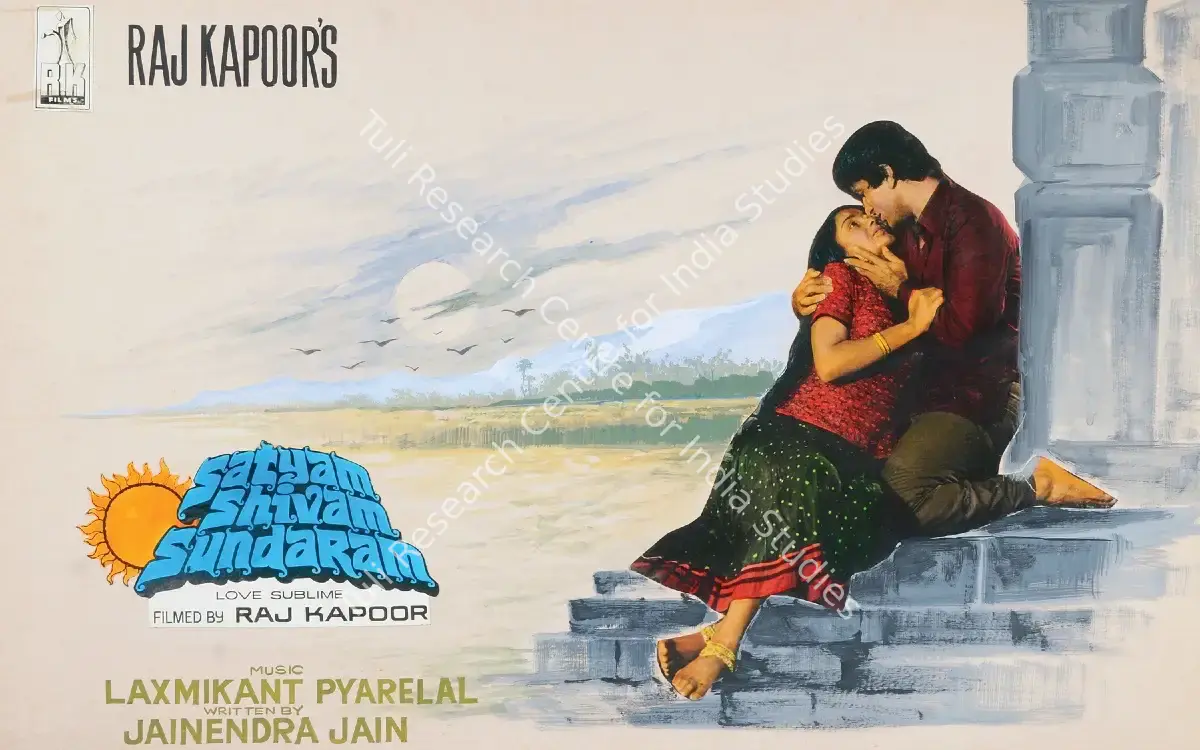
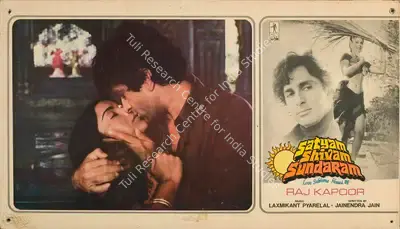
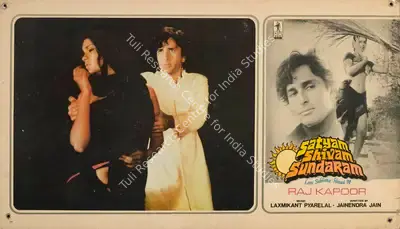
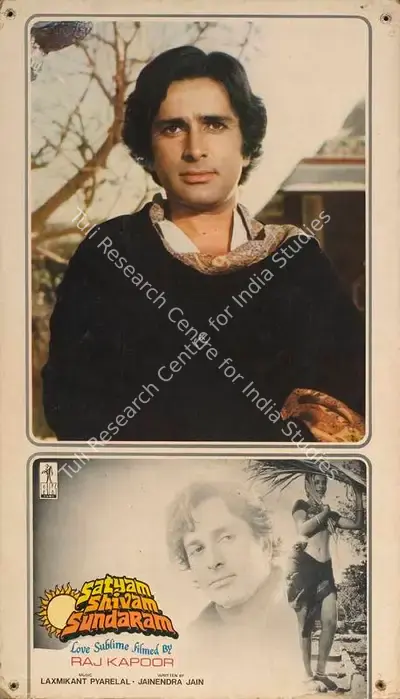
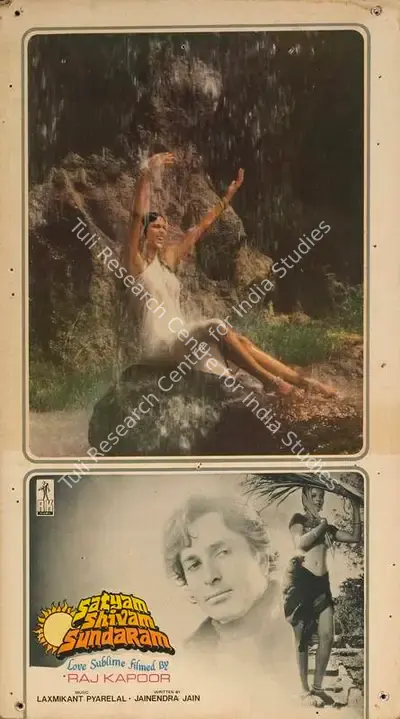
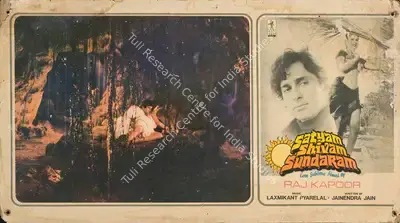
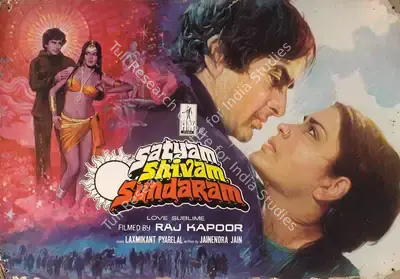
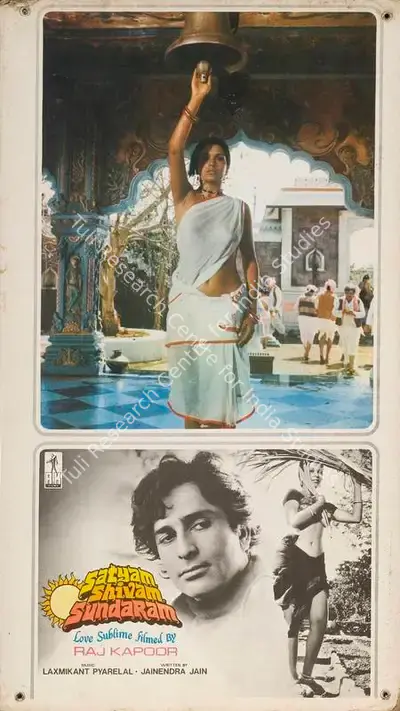
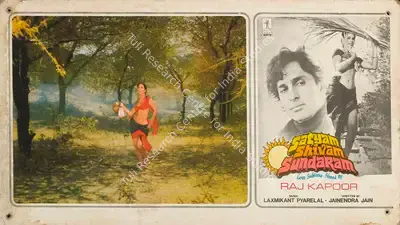
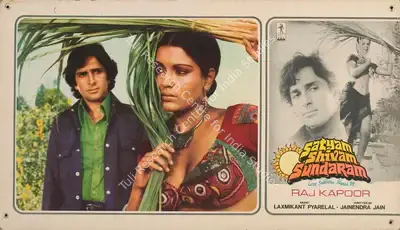
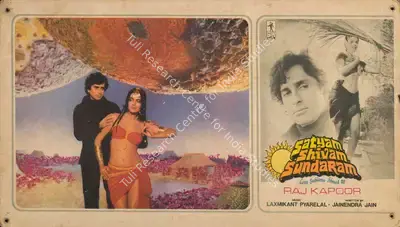
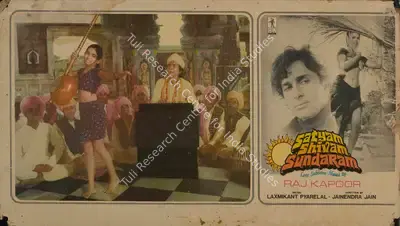
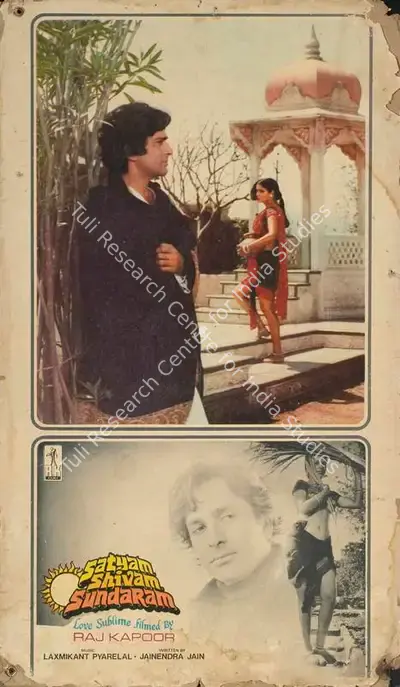
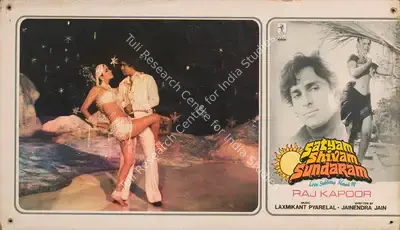
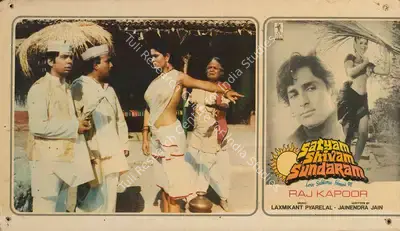
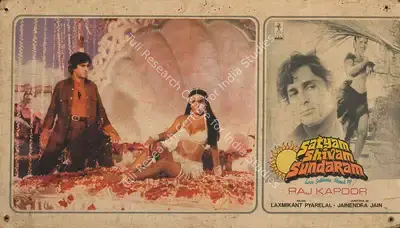
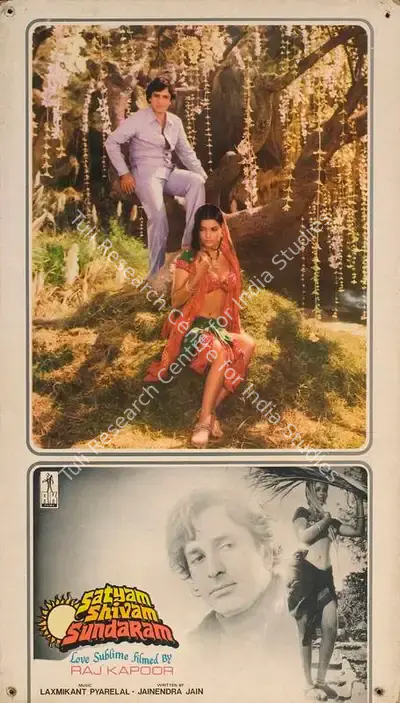
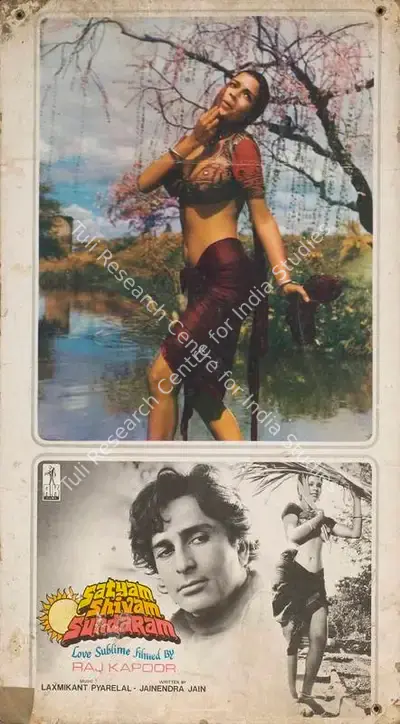
Satyam Shivam Sundaram (1978), directed and produced by Raj Kapoor and written by Jainendra Jain, was a romantic saga that delved into themes of beauty, disfigurement, societal values, and the treatment of women—particularly young girls, teenagers, and brides—during that era. Starring Shashi Kapoor and Zeenat Aman, the film offered a thought-provoking exploration of physical versus spiritual love, and the deeper truths of existence.
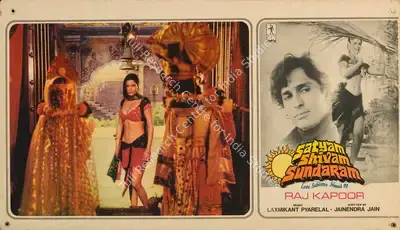
Set in a rural village, the story follows Roopa, the daughter of the village priest, who is disfigured by severe burns on the right side of her face and neck from a pot of boiling oil. She conceals the disfigurement by keeping the right side of her face hidden beneath her sari. The plot focuses on the philosophical notion that true beauty transcends physical appearance and is instead experienced as divine or “total godliness” through spiritual understanding.
Released in 1978, coinciding with the festival of Holi, Satyam Shivam Sundaram was heavily publicized and ran for 29 weeks at Kolkata's Metro Cinema, emerging as a blockbuster in West Bengal and a hit nationwide. However, the film's sensual content and its religious title sparked controversy, with a man named Laxman from Himachal Pradesh challenging it on obscenity grounds.
Kapoor initially envisioned Lata Mangeshkar for the lead role, inspired by her voice and the concept of a man falling for a woman with ordinary looks but a divine voice. After other actresses like Hema Malini, Dimple Kapadia and Vidya Sinha declined due to the sensual content, Zeenat Aman auditioned and won the role. Shashi Kapoor was ultimately cast in the male lead.
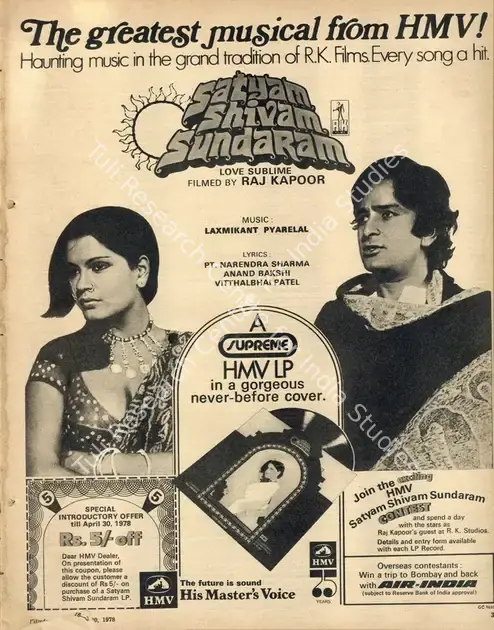
Despite a dispute with Lata Mangeshkar over the replacement of her brother, Hridaynath Mangeshkar by Laxmikant-Pyarelal as music director, Mangeshkar recorded the iconic theme song in a single take. Her songs, including "Satyam Shivam Sundaram" and "Yashomati Maiya Se Bole Nandlala," remain some of the finest in Indian cinema.
Zeenat Aman's performance as Roopa is considered one of her most nuanced in Indian cinema, solidifying her stardom. The film also won accolades at the 26th Filmfare Awards, including Best Music Director for Laxmikant-Pyarelal and Best Cinematography for Radhu Karmakar.
फ़िल्म की कहानी गाँव के पुजारी की बेटी रूपा (ज़ीनत अमान) के साथ आगे बढ़ती है, जिसके चेहरे के दाहिने हिस्से पर गरम तेल गिरने से गंभीर जलने के निशान पड़ गए हैं। वह अपनी सूरत के इस कुरूप भाग को छिपाने के लिए हमेशा अपने चेहरे के दाहिने हिस्से को साड़ी के आँचल से ढककर रखती है। फ़िल्म की कहानी इस दर्शन पर बात करती है कि सच्चा सौंदर्य केवल शारीरिक नहीं होता बल्कि आध्यात्मिक साक्षात्कार होने पर दिव्यता के रूप में प्रकट होता है।
फ़िल्म वर्ष 1978 में होली के त्योहार के नज़दीक रिलीज़ हुई और कोलकाता के मेट्रो सिनेमा में पूरे 29 सप्ताह तक चली। पश्चिम बंगाल में इसे ब्लॉकबस्टर घोषित किया गया और पूरे देश में यह व्यावसायिक रूप से कामयाब रही। हालाँकि फ़िल्म की संवेदनशील और मुखर विषयवस्तु और इसके शीर्षक में मौजूद धार्मिक नाम ने विवाद को जन्म दिया। हिमाचल प्रदेश के एक लक्ष्मण नाम के इंसान ने तो इसे अश्लीलता के आधार पर अदालत में चुनौती तक दे दी थी।
राज कपूर शुरुआत में लता मंगेशकर को फ़िल्म में मुख्य भूमिका के लिए लेना चाहते थे क्योंकि उनकी आवाज़ अप्रतिम है और राज कपूर की कल्पना में इस फ़िल्म की नायिका को एक सादा सी दिखने वाली लेकिन दिव्य आवाज़ वाली स्त्री होना था जिसकी सिर्फ़ आवाज़ सुनकर नायक उससे प्रेम कर बैठता है। पर बाद में जब हेमा मालिनी, डिंपल कपाड़िया और विद्या सिन्हा जैसी अभिनेत्रियों ने फ़िल्म में कामुक दृश्यों को देखते हुए इसे करने से इनकार कर दिया, तब ज़ीनत अमान ने ऑडिशन देकर यह भूमिका हासिल कर ली। शशि कपूर फ़िल्म में पुरुष नायक की भूमिका में लिए गए।
फ़िल्म के संगीत को लेकर तब विवाद हुआ जब लता मंगेशकर के भाई हृदयनाथ मंगेशकर को हटाकर लक्ष्मीकांत-प्यारेलाल को फ़िल्म का संगीतकार बनाया गया। इसके बावजूद लता मंगेशकर ने फ़िल्म का शीर्षक गीत “सत्यम शिवम सुंदरम” एक ही टेक में रिकॉर्ड किया और क्या शानदार रिकॉर्ड किया। इस फ़िल्म के गीत, ख़ासकर "सत्यम शिवम सुंदरम" और "यशोमती मैय्या से बोले नंदलाला" आज भी भारतीय सिनेमा के सबसे यादगार और मार्मिक गीतों में से एक गिने जाते हैं।
फ़िल्म में अभिनय के लिए नायिका ज़ीनत अमान को खूब तारीफ़ें मिलीं। उनका किरदार जटिल मनोभावों से जूझता और निभाने में मुश्किल था, जिसे उन्होंने बखूबी संभाला। इस फ़िल्म ने उद्योग में उनकी सितारा हैसियत को और मज़बूत किया। छब्बीसवें फ़िल्मफ़ेयर पुरस्कारों में फ़िल्म की ओर से लक्ष्मीकांत-प्यारेलाल की जोड़ी ने सर्वश्रेष्ठ संगीत निर्देशक और राधू करमाकर ने सर्वश्रेष्ठ सिनेमैटोग्राफ़ी के पुरस्कार जीते।
Body of Work
Research Centre


Calendar 1
- ArchivedExhibitionProject 14Exhibition | The Cinema of Raj Kapoor | T.R.I.S. in Collaboration with 17th Habitat Film Festival14th - 19th May 2025T.R.I.S. in Collaboration with 17th Habitat Film Festival will be commemorating the life and work of two pioneering individuals of the Indian film industry, who shaped Indian cinema in their unique ways. One exhibition celebrates the birth centenary of Raj Kapoor, while the other remembers Shyam Benegal. The Cinema of Raj Kapoor – 15 to 20 May 2025 The Cinema of Shyam Benegal - 21 to 25 May 2025 10:00 am to 8:00 pm daily at the Convention Centre Foyer GalleryRead More →
Related
11
Personalities
11