
Introduction
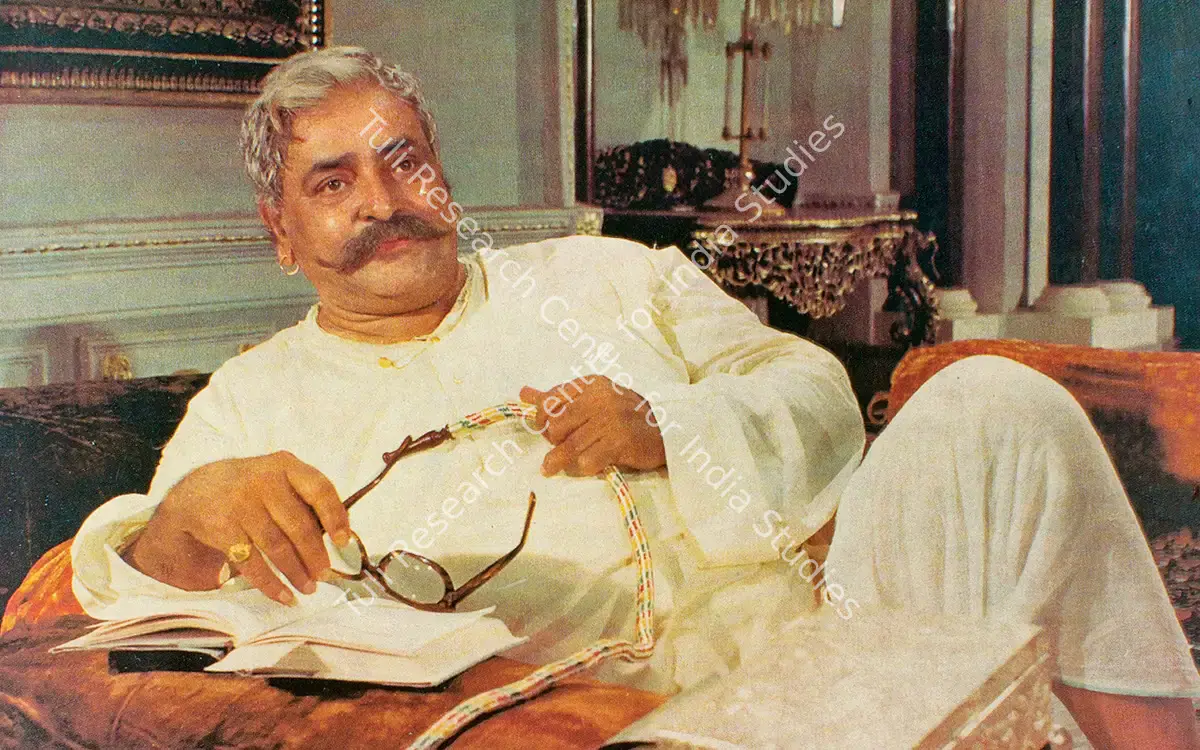
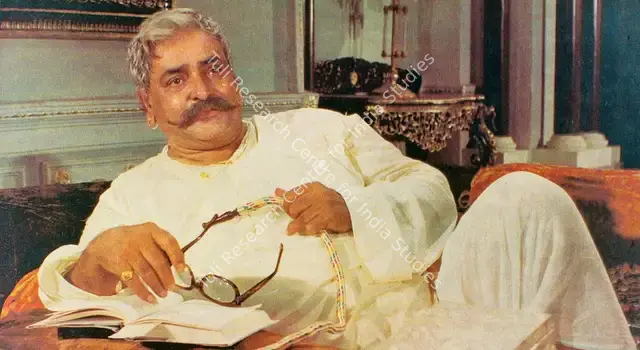
Prithviraj Kapoor as a cornerstone of subcontinental performing arts, the titan originally named Prithvinath Kapoor redefined the cadence of screen acting while establishing a permanent home for live drama. His artistic trajectory bridged the silent era and the Golden Age of Hindi cinema, anchoring both medium and stage with a formidable presence, unwavering discipline, and resonant gravitas. Beyond his individual accomplishments, he laid the structural and creative foundations for an enduring artistic lineage that remains central to modern Indian entertainment.
Hailing from Samundri, Punjab, he grew up in a household steeped in civil duty and traditional values. His father, Dewan Basheshwarnath Kapoor, held a post in the Indian Imperial Police, anchoring a family accustomed to public service across the Lyallpur region. The eldest of eight children—a sibling group that included fellow actor Trilok Kapoor—he would become the progenitor of film royalty, an extended network later encompassing figures such as producer Surinder Kapoor.
His educational path took him through Lyallpur Khalsa College and Edwardes College in Peshawar, where he completed a Bachelor of Arts. A brief foray into legal studies was ultimately set aside in favor of the dramatic arts. Before his career took flight, he wed Ramsarni Mehra at age seventeen—a lifelong partnership tested early by the heartbreaking loss of two young sons. Their surviving progeny—Raj, Shammi, and Shashi Kapoor—subsequently rose to legendary status, entrenching the family name in cinematic lore.
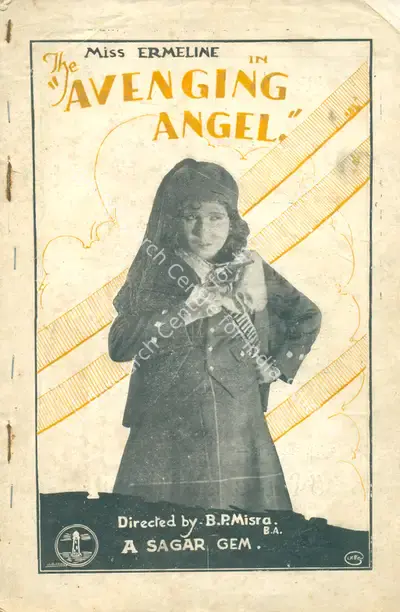
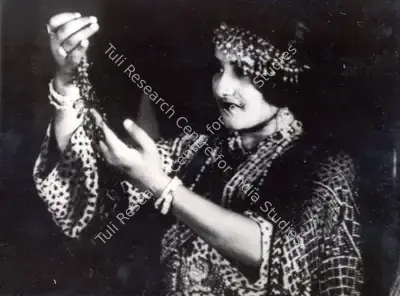
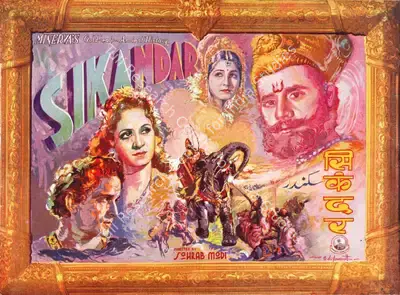
Beginning in local dramatic troupes across Peshawar and Lyallpur, he ventured to Mumbai in the late 1920s with meagre resources. Starting with modest parts at Imperial Films Company, he earned his first screen credits late in the silent period, notably in Cinema Girl (1930). His career intersected with history when he joined the ensemble of Alam Ara (1931), India's inaugural sound feature. Defining roles soon followed, including noteworthy performances in Vidyapati (1937) and his regal portrayal of Alexander the Great in Sikandar (1941).
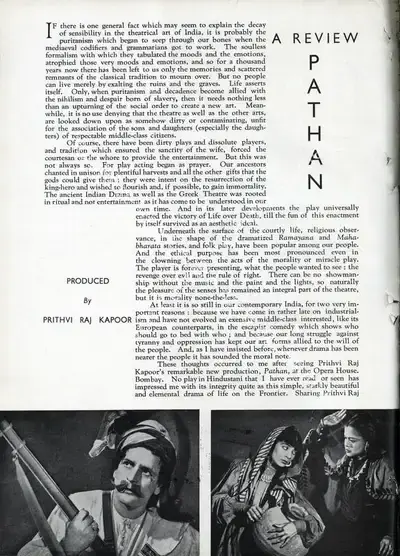
Parallel to his screen success ran an unyielding passion for live theater. He launched Prithvi Theatres in the mid-1940s, a mobile repertory unit that delivered over 2,600 productions nationwide. Masterpieces like Pathan (1947) captured the prevailing socio-political anxieties of a nation on the brink of independence. Though financial pressures from the booming film industry eventually forced the troupe to disband in the late 1950s, the dream was later preserved by Shashi Kapoor and Jennifer Kendal through the founding of Mumbai's permanent Prithvi Theatre space.
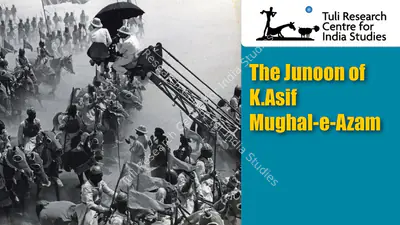
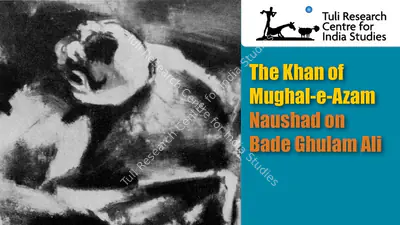
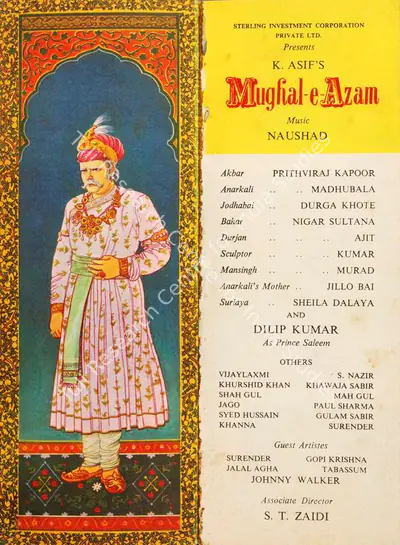
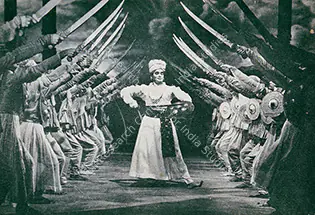
In his mature years, he delivered monumental character performances. His definitive turn as Emperor Akbar in Mughal-e-Azam (1960) remains a benchmark of Indian cinema, complemented by key appearances in Harishchandra Taramati (1963), Sikandar-e-Azam (1965), and Kal Aaj Aur Kal (1971)—a landmark production featuring three generations of his dynamic family. His creative palette also expanded into regional Punjabi and Kannada features.
Government and cultural institutions conferred their highest accolades upon him, including the Padma Bhushan and the prestigious Dadasaheb Phalke Award, alongside a nomination to the Rajya Sabha. His broader impact on young India and cultural unity—reflect an enduring artistic monument, commemorated by national postal honour and an indelible legacy across the arts.
Source:
https://en.wikipedia.org/wiki/Prithviraj_Kapoor
https://www.youtube.com/watch?v=Z53tD3rMEu0
https://www.punjabpartition.com/single-post/samundari-of-prithviraj-kapoor
पृथ्वीराज कपूर, जिन्हें शुरू से ही पृथ्वीनाथ कपूर के नाम से जाना जाता था, भारतीय उपमहाद्वीप की परफ़ॉर्मिंग आर्ट्स (कला प्रदर्शन) के एक बड़े स्तंभ थे। उन्होंने स्क्रीन एक्टिंग के अंदाज़ को नया रूप दिया और साथ ही लाइव ड्रामा के लिए एक स्थायी मंच भी बनाया। उनकी कलात्मक यात्रा ने साइलेंट फ़िल्मों के दौर और हिंदी सिनेमा के सुनहरे दौर को जोड़ा। उन्होंने अपनी ज़बरदस्त मौजूदगी, अनुशासन और प्रभावशाली व्यक्तित्व के साथ फ़िल्म और थिएटर, दोनों ही माध्यमों में अपनी छाप छोड़ी। अपनी व्यक्तिगत उपलब्धियों के अलावा, उन्होंने एक ऐसी कलात्मक विरासत की नींव रखी जो आज भी आधुनिक भारतीय मनोरंजन जगत का अहम हिस्सा है।
पंजाब के समुद्री इलाक़े से आने वाले पृथ्वीराज कपूर का पालन-पोषण ऐसे परिवार में हुआ जहाँ नागरिक कर्तव्यों और पारंपरिक मूल्यों को महत्व दिया जाता था। उनके पिता, दीवान बशेश्वरनाथ कपूर, इंडियन इंपीरियल पुलिस में अधिकारी थे और उनका परिवार लायलपुर क्षेत्र में जनसेवा के लिए जाना जाता था। आठ भाई-बहनों में सबसे बड़े, जिनमें उनके साथी अभिनेता त्रिलोक कपूर भी शामिल थे। वे फ़िल्मी दुनिया के एक बड़े परिवार के जनक बने। इस परिवार में बाद में निर्माता सुरेंद्र कपूर जैसी हस्तियाँ भी शामिल हुईं।
उनकी शिक्षा लायलपुर खालसा कॉलेज और पेशावर के एडवर्ड्स कॉलेज में हुई, जहाँ से उन्होंने बैचलर ऑफ़ आर्ट्स की डिग्री हासिल की। उन्होंने कुछ समय के लिए वकालत की पढ़ाई भी शुरू की थी, लेकिन बाद में उसे छोड़कर अभिनय की दुनिया को अपना लिया। अपने करियर के उड़ान भरने से पहले ही, सत्रह साल की उम्र में उन्होंने रामसरनी मेहरा से शादी कर ली। यह जीवन भर का साथ था, जिसकी शुरुआत में ही उन्हें दो छोटे बेटों को खोने का दुखद अनुभव झेलना पड़ा। उनके जीवित बेटे राज, शम्मी और शशि कपूर बाद में महान कलाकार बने और फ़िल्मी इतिहास में परिवार का नाम अमर कर दिया।
पेशावर और लायलपुर के स्थानीय थिएटर समूहों से शुरुआत करने के बाद, वे 1920 के दशक के आख़िर में बहुत कम संसाधनों के साथ मुंबई पहुँचे। इंपीरियल फ़िल्म्स कंपनी में छोटे-मोटे रोल से शुरुआत करते हुए, उन्हें साइलेंट फ़िल्मों के दौर के आख़िर में पहली बार स्क्रीन पर पहचान मिली, ख़ासकर 'सिनेमा गर्ल' (1930) फ़िल्म में। उनका करियर तब इतिहास का हिस्सा बन गया जब वे भारत की पहली बोलती फ़िल्म 'आलम आरा' (1931) की कास्ट में शामिल हुए। इसके बाद उन्होंने कई यादगार भूमिकाएँ निभाईं, जिनमें 'विद्यापति' (1937) में बेहतरीन अभिनय और 'सिकंदर' (1941) में सिकंदर महान का शाही किरदार शामिल है।
स्क्रीन पर मिली क़ामयाबी के साथ-साथ, उन्हें लाइव थिएटर का भी बहुत शौक था। उन्होंने 1940 के दशक के बीच में 'पृथ्वी थिएटर्स' शुरू किया, जो एक घूमता-फिरता थिएटर ग्रुप था और जिसने पूरे देश में 2,600 से ज़्यादा नाटक किए। 'पठान' (1947) जैसे बेहतरीन नाटकों ने आज़ादी के कगार पर खड़े देश की सामाजिक-राजनीतिक चिंताओं को बख़ूबी दिखाया। हालाँकि, तेज़ी से बढ़ते फ़िल्म उद्योग के आर्थिक दबाव के कारण 1950 के दशक के आख़िर में इस ग्रुप को बंद करना पड़ा, लेकिन बाद में शशि कपूर और जेनिफ़र केंडल ने मुंबई में एक स्थायी 'पृथ्वी थिएटर' बनाकर उस सपने को ज़िंदा रखा।
अपनी उम्र के बाद के सालों में, उन्होंने यादगार किरदार निभाए। 'मुग़ल-ए-आज़म' (1960) में सम्राट अकबर के तौर पर उनकी बेहतरीन भूमिका भारतीय सिनेमा के लिए एक मिसाल है। इसके अलावा, 'हरिश्चंद्र तारामती' (1963), 'सिकंदर-ए-आज़म' (1965) और 'कल आज और कल' (1971) में भी उन्होंने अहम भूमिकाएँ निभाईं। 'कल आज और कल' एक यादगार फ़िल्म थी जिसमें उनके शानदार परिवार की तीन पीढ़ियों ने काम किया था। उनकी रचनात्मकता का दायरा क्षेत्रीय पंजाबी और कन्नड़ फ़िल्मों तक भी फैला।
सरकार और सांस्कृतिक संस्थाओं ने उन्हें सर्वोच्च सम्मान दिए, जिनमें पद्म भूषण और प्रतिष्ठित दादा साहब फाल्के पुरस्कार शामिल हैं, साथ ही उन्हें राज्यसभा के लिए भी नामांकित किया गया। युवा भारत और सांस्कृतिक एकता पर उनके व्यापक प्रभाव को एक स्थायी कलात्मक धरोहर के रूप में देखा जाता है, जिसे राष्ट्रीय डाक सम्मान और कला के क्षेत्र में उनकी अमिट विरासत के ज़रिए याद किया जाता है।
स्त्रोत:
https://en.wikipedia.org/wiki/Prithviraj_Kapoor
https://www.youtube.com/watch?v=Z53tD3rMEu0
https://www.punjabpartition.com/single-post/samundari-of-prithviraj-kapoor
- Date of Birth
- 03 Nov 1906
- Zodiac sign
- Scorpio
- Date of Death
- 29 May 1972
- Age
- 65
- Nationality
- British Indian | Indian
- Place of Birth
- Samundri, Punjab
- Place of Death
- Bombay, Maharashtra
- Spouse(s)
- Ramsarni Mehra Kapoor (1908 – 14 Jun 1972)
- Year Marriage Registered
- 1923
- Children
- Raj Kapoor (14 Dec 1924 – 06 Feb 1988), Urmila Kapoor Sial, Shammi Kapoor (21 Oct 1931 – 14 Aug 2011), Ravinder (d. 1931), Shashi Kapoor (18 Mar 1938 – 04 Dec 2017), Devinder (d. 1931)
- Parent(s)
- Lala Bisheshwar Nath
- Grandparent(s)
- Tehsildar Dewan Keshomal
- Ancestor(s)
- Tehsildar Dewan Murli Mal
- Siblings
- Ramesh Kapoor, Trilok Kapoor (11 Feb 1912 – 23 Sep 1988), Kailash Kapoor Kakkar, Shanta Kapoor Dhawan (b. 1926), Vishwanath Kapoor
- Lyallpur Khalsa College, Lyallpur
- Edwardes College, Peshawar
Filmography 84
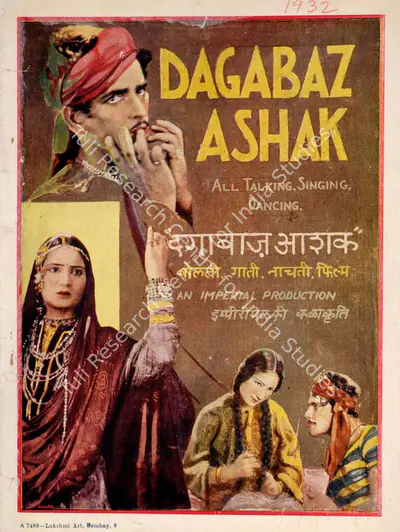
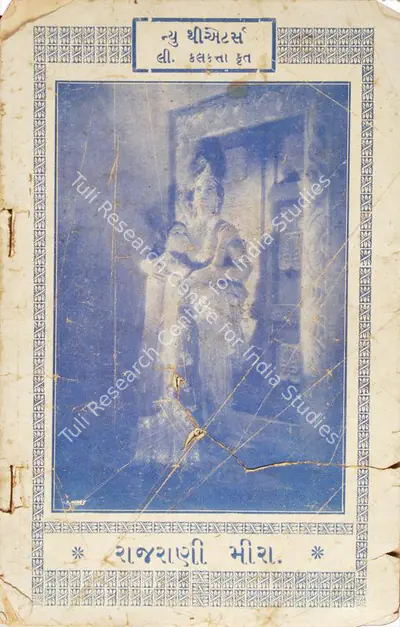
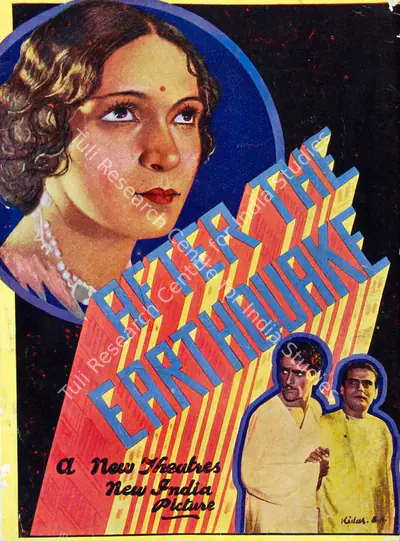
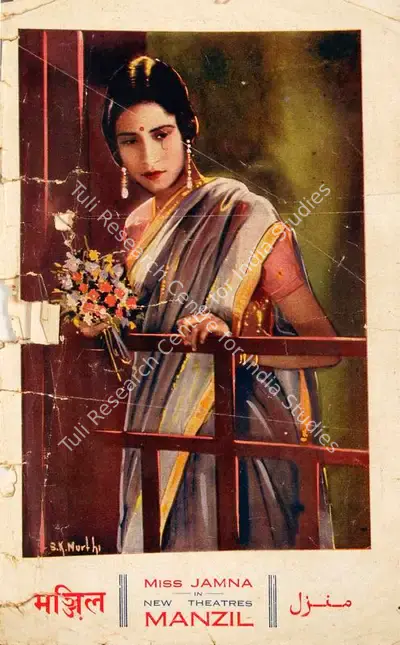
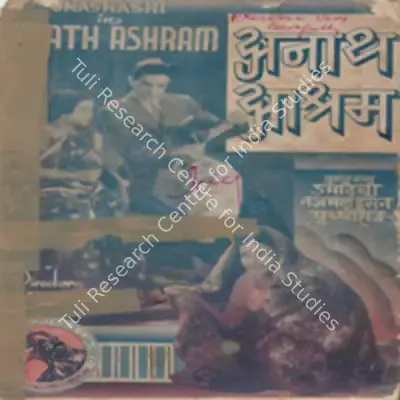
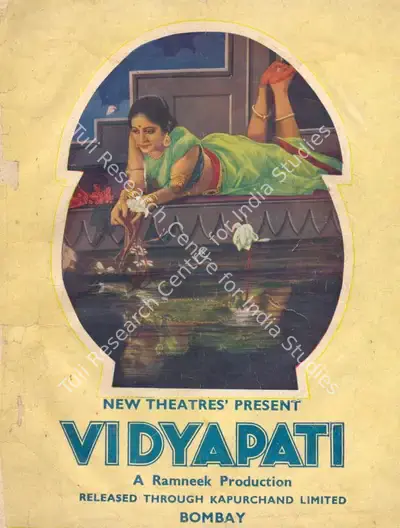
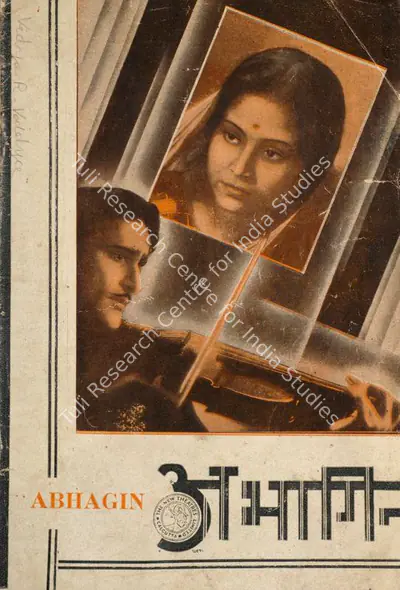
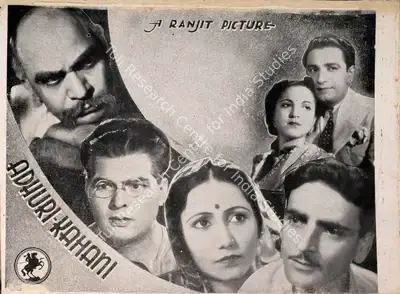
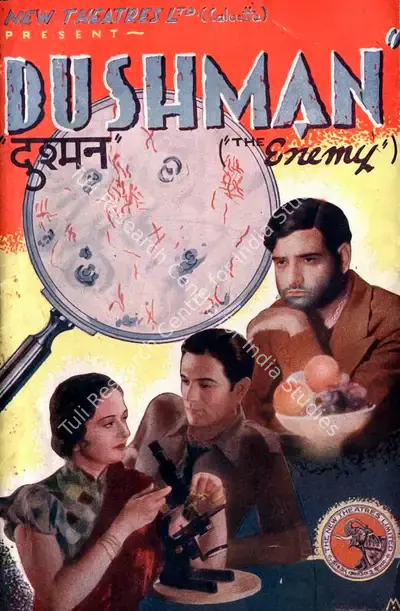
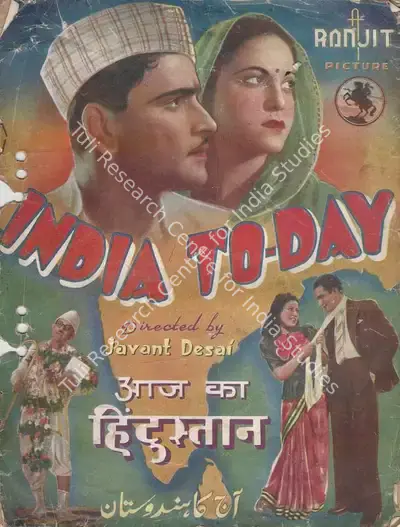
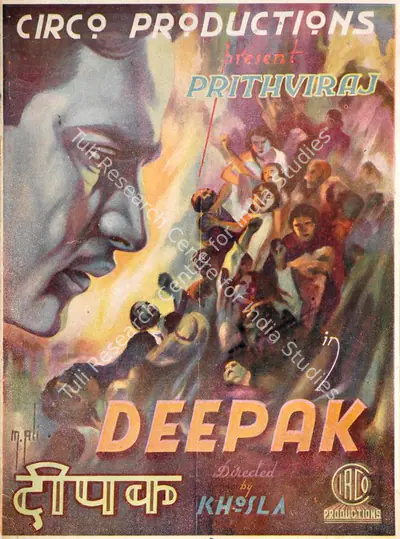
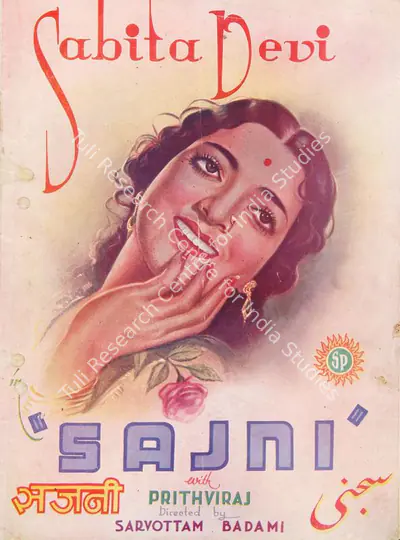
20 of 84
Integrated Timeline
13 entries
Economics of Cinema
1954
- Sangeet Natak Akademi Fellowship
Sangeet Natak Akademi
1956
- Sangeet Natak Akademi Award
Sangeet Natak Akademi
1969
- Padma Bhushan
Government of India
1972
- Filmfare Special Award
The Times Group
- Dadasaheb Phalke Award
Directorate of Film Festivals India
Research Centre
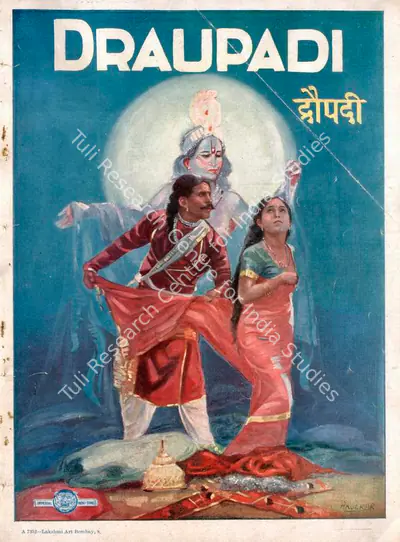
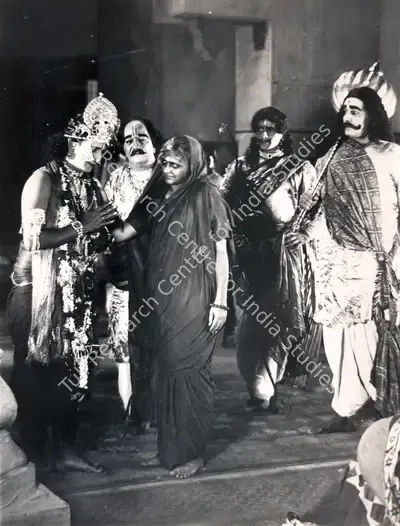
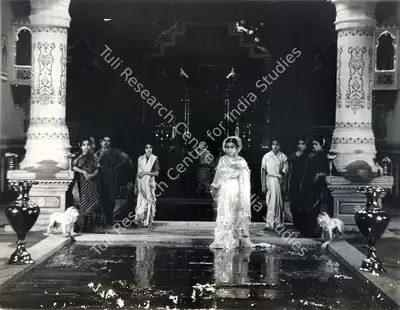
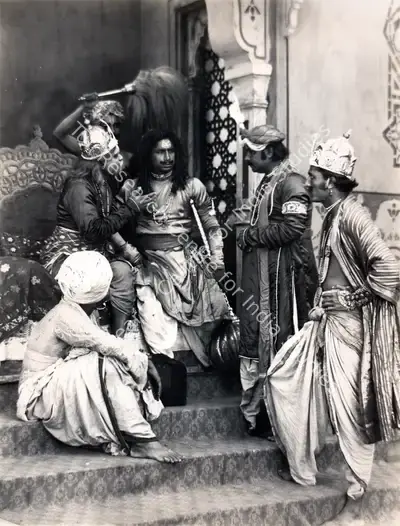
20 of 929

20 of 46
20 of 870


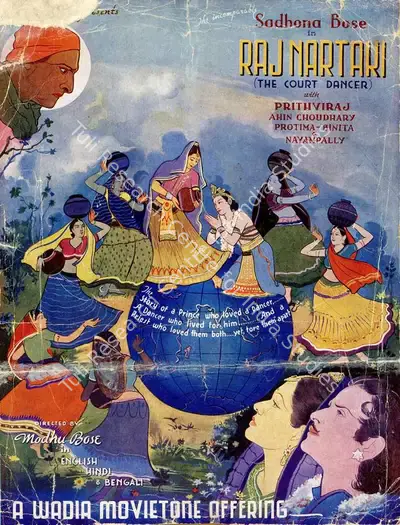
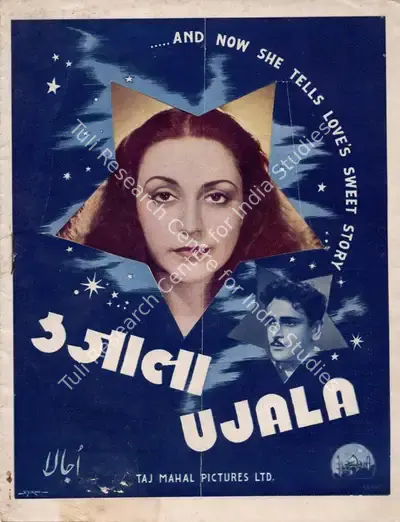
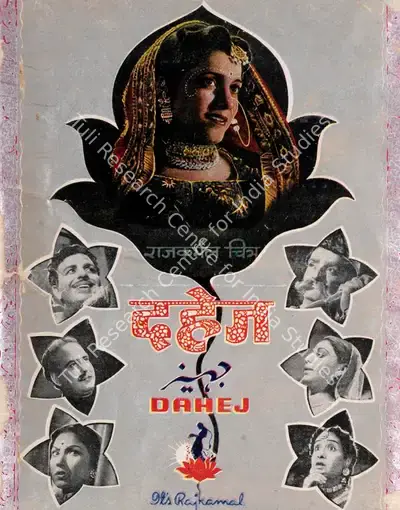
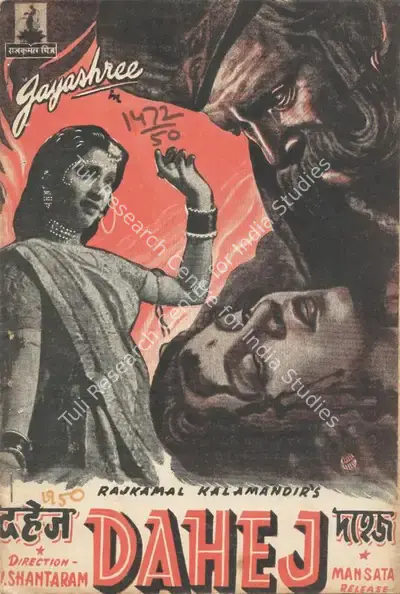
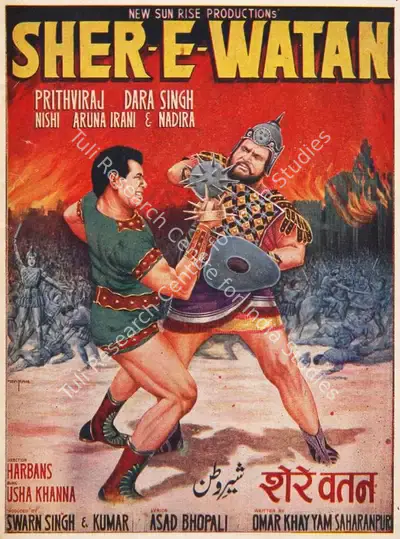
Calendar 3
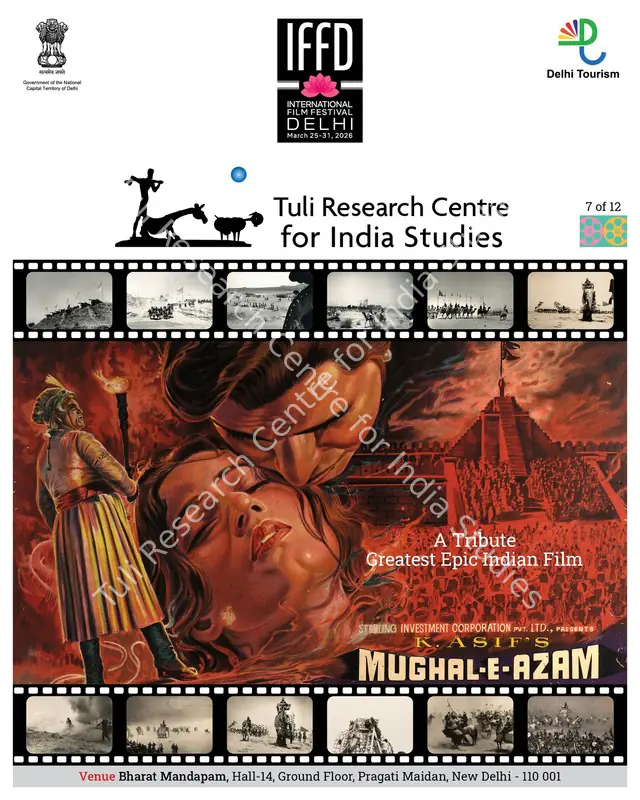
- ArchivedExhibitionProject 72A Tribute to the Greatest Epic Indian FilmMughal-e-Azam25th - 31st March 202611:00am - 7:00pmBharat Mandapam, Hall-14, Ground Floor, Pragati Maidan, New Delhi - 110007A Tribute to the Greatest Epic Indian Film - Mughal-e-Azam - brings alive the classic film through a diverse range of memorabilia especially its world class black-and-white cinematography and still photography by masters such as R.D. Mathur, A.L. Syed and others.Read More →
- ArchivedOnline LearningProject 43Public Launch of A-Graphy Pages PRITHVIRAJ KAPOOR8th February 20266:15pmIndia International Centre, 1st Floor Seminar Halls, Kamaladevi Chattopadhyay Block, Max Mueller Marg, New Delhi, 110003
- ArchivedExhibitionProject 2Self-Discovery via Rediscovering India Series Part II India's Cinematic Heritage12th - 24th August 2024Self-Discovery via Rediscovering India Series Part IIRead More →
Related
48
Personalities
29
Films
16
