

Introduction
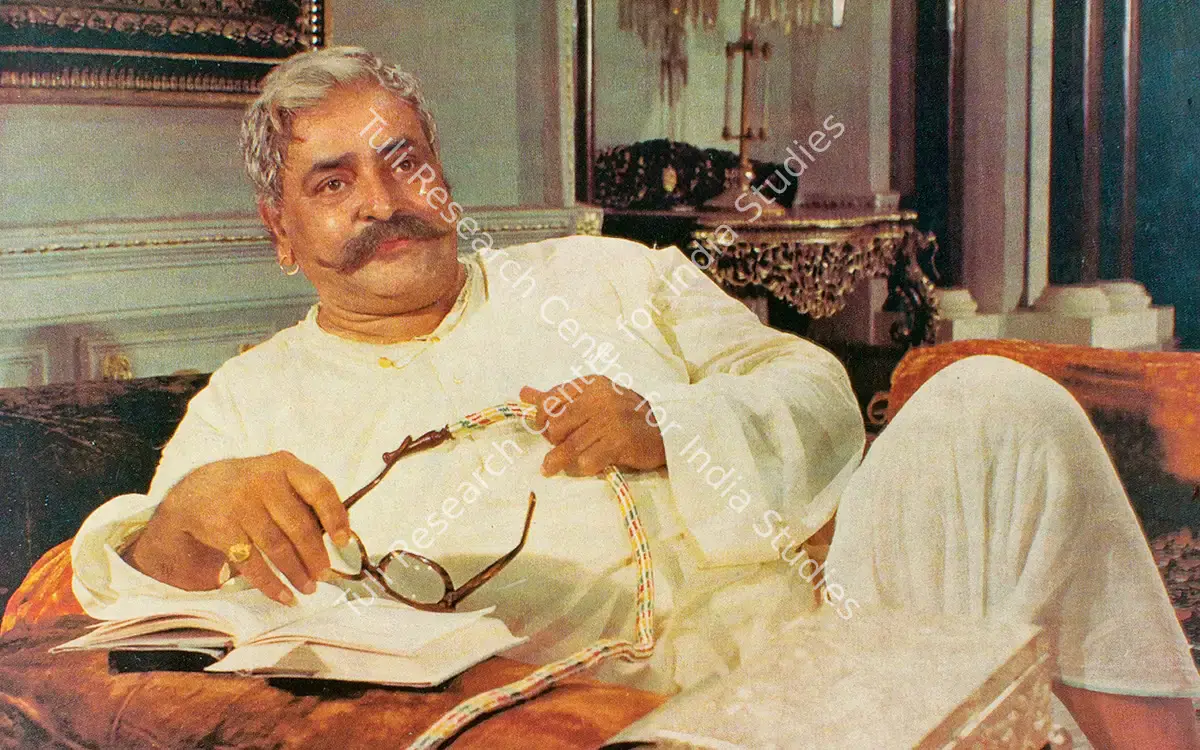
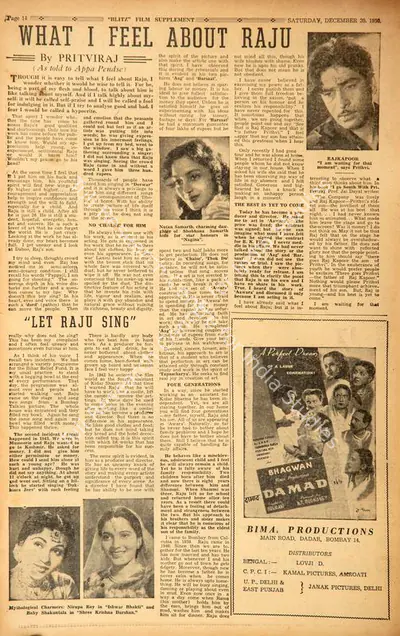
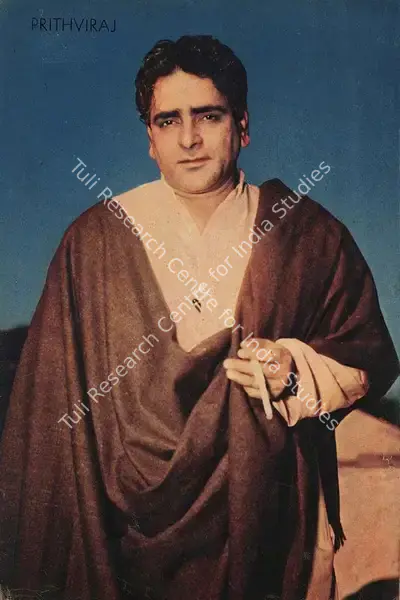
Prithviraj Kapoor (born Prithvinath Kapoor; 3 November 1906 – 29 May 1972) He stands as one of the foundational pillars of Indian theatre and Hindi cinema, a performer whose artistic vision helped shape the grammar of modern Indian screen acting. Widely regarded as a pioneering figure of early Hindi cinema, he was equally influential on stage, where he brought a rare combination of gravitas, discipline, and emotional intensity. Over a career spanning several decades, Kapoor not only defined early cinematic performance standards but also laid the institutional groundwork for organised theatre in India.
Born in Samundri in British India into a Punjabi Hindu Khatri family, Kapoor was raised in a milieu of administrative service and cultural tradition. His father, Dewan Basheshwarnath Kapoor, served in the Indian Imperial Police, while his family lineage included several government officials in the Lyallpur region. He was the eldest of eight siblings, including actor Trilok Kapoor, and belonged to an extended family that would later become one of Indian cinema's most influential dynasties. His wider familial network included film producer Surinder Kapoor and subsequent generations of actors who continued his legacy across decades.
Kapoor's early education took place in Lyallpur and Peshawar, where he studied at Lyallpur Khalsa College and Edwardes College, earning a Bachelor of Arts degree. Although he briefly pursued law, his passion for performance drew him toward the stage. At just 17, he entered into an arranged marriage with Ramsarni Mehra, a union that remained steadfast throughout his life. The couple's early years were marked by both joy and tragedy, including the loss of two young sons. Their surviving children—Raj, Shammi, and Shashi Kapoor—would go on to become central figures in Indian cinema, ensuring the continuation of the Kapoor legacy.
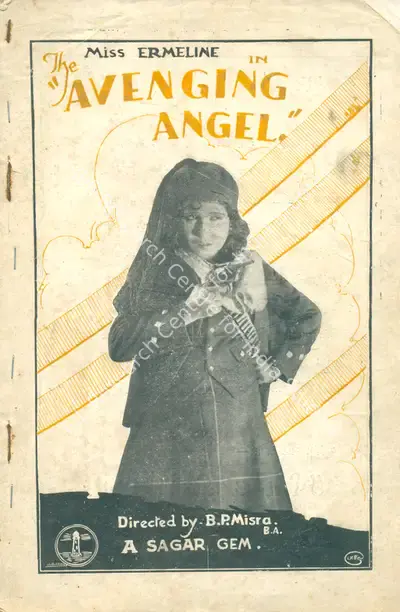
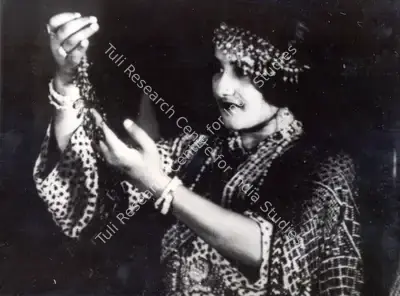
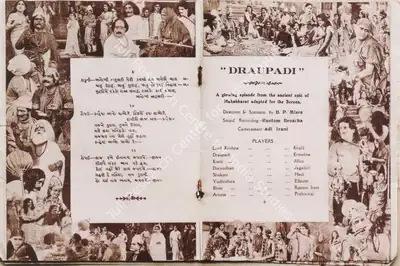
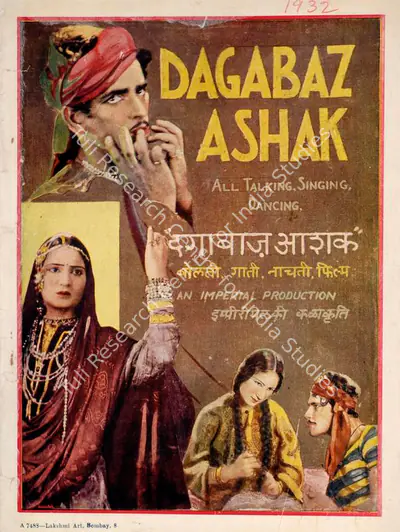
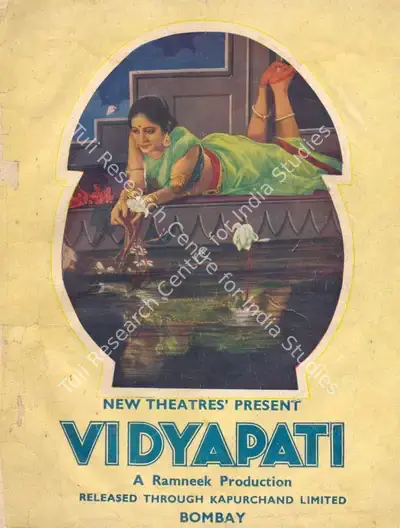
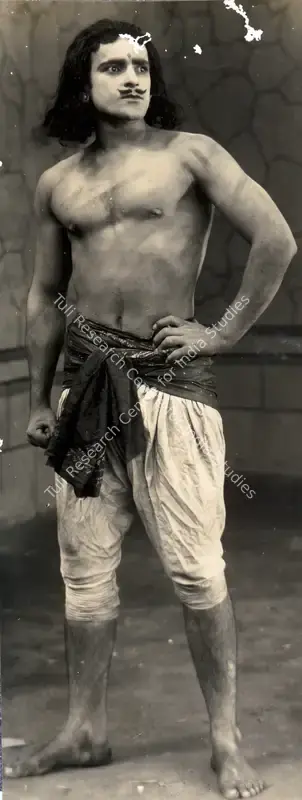
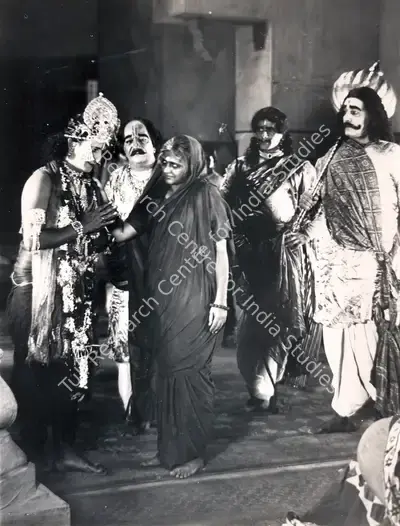
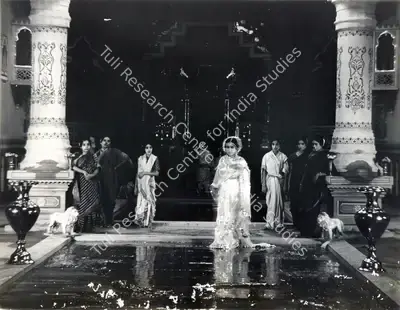
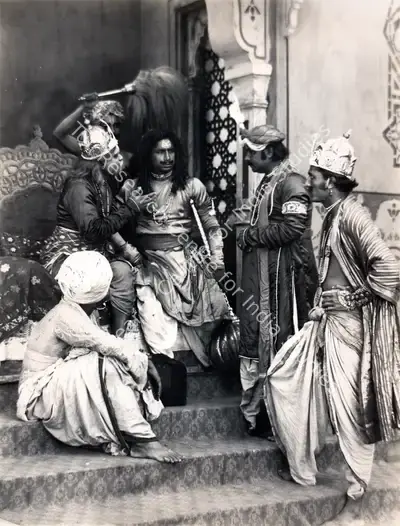
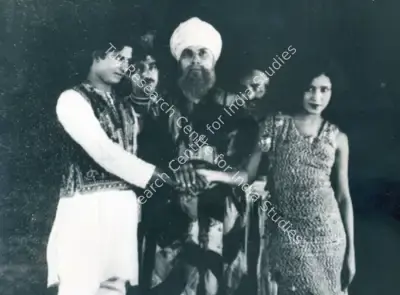
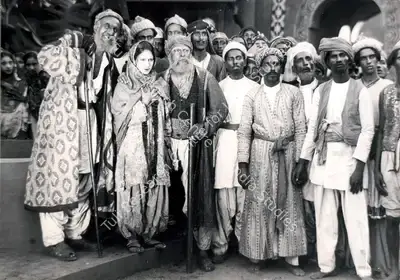
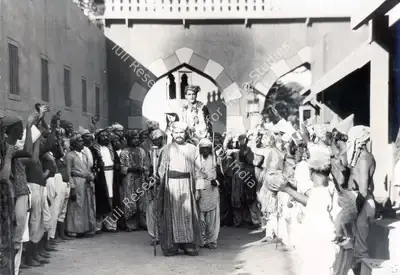
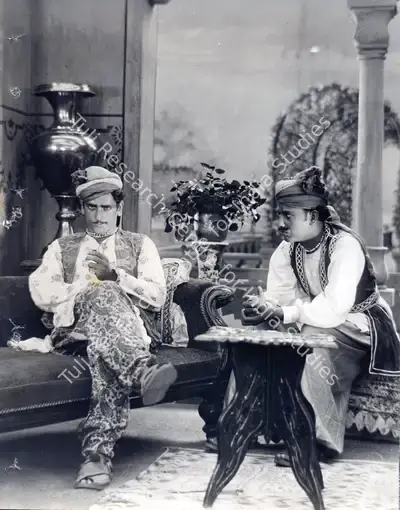
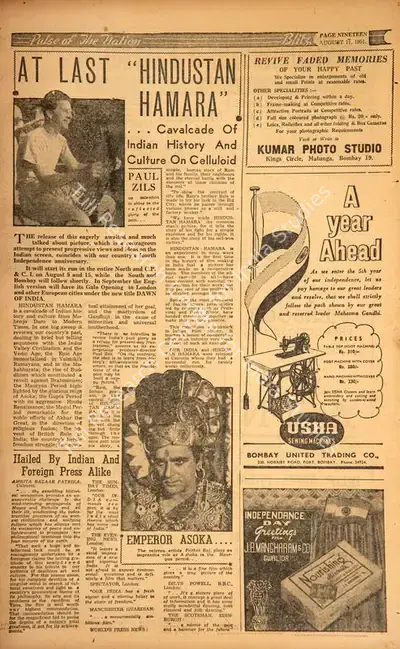
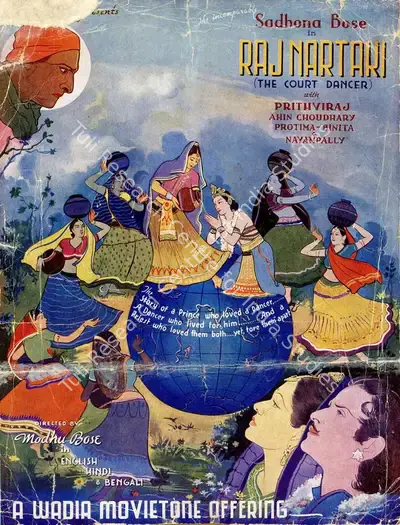
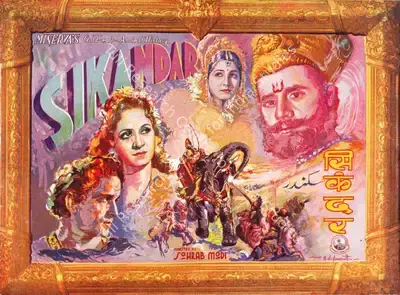
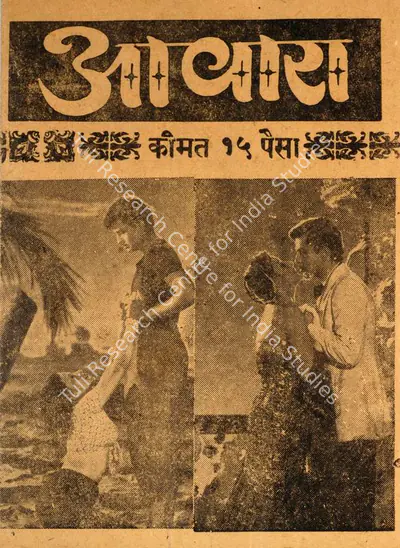
Kapoor began his artistic journey in theatre troupes in Lyallpur and Peshawar before relocating to Mumbai in 1928 with limited financial means. He joined the Imperial Films Company and gradually transitioned from minor roles to leading parts, making his screen debut in silent cinema and later appearing in Cinema Girl (1930). He went on to act in several silent films before participating in Alam Ara (1931), India's first sound film, marking his presence at a historic moment in cinematic evolution. His acclaimed performance in Vidyapati (1937) and his commanding portrayal of Alexander in Sikandar (1941) established him as a performer of remarkable range and authority.
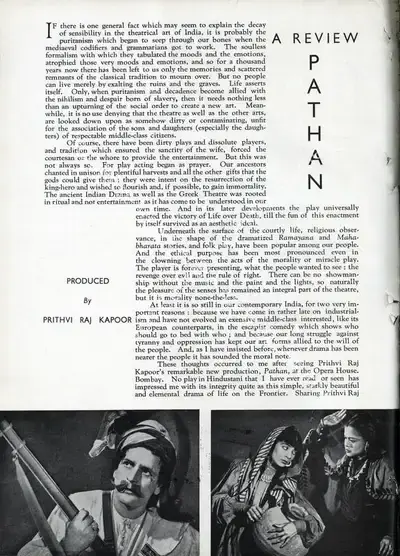
Beyond cinema, Kapoor remained deeply committed to theatre. In 1944, he founded Prithvi Theatres, a travelling repertory company that became one of India's most influential cultural institutions. Over its lifespan, the company staged more than 2,600 performances across the country, with Kapoor as its consistent lead actor. Productions such as Pathan (1947) not only achieved immense popularity but also reflected the socio-political consciousness of pre-independence India. However, by the late 1950s, the rise of commercial cinema rendered touring theatre economically unsustainable, leading to its gradual decline. The legacy of Prithvi Theatres was later revived and institutionalised in Mumbai through the efforts of Shashi Kapoor and Jennifer Kendal, culminating in the establishment of Prithvi Theatre in 1978.
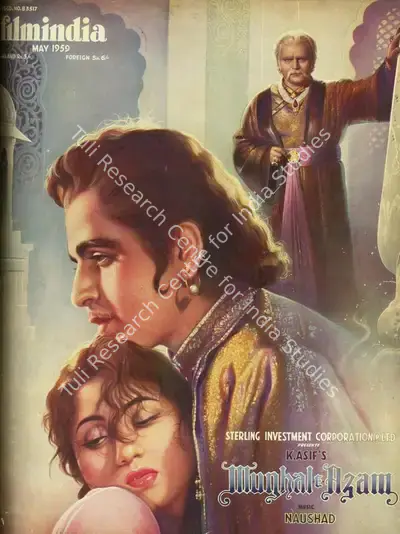
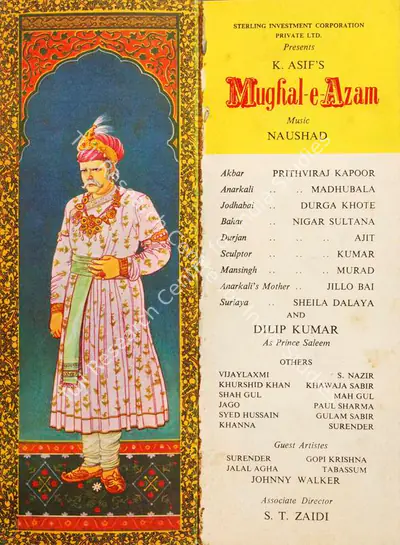
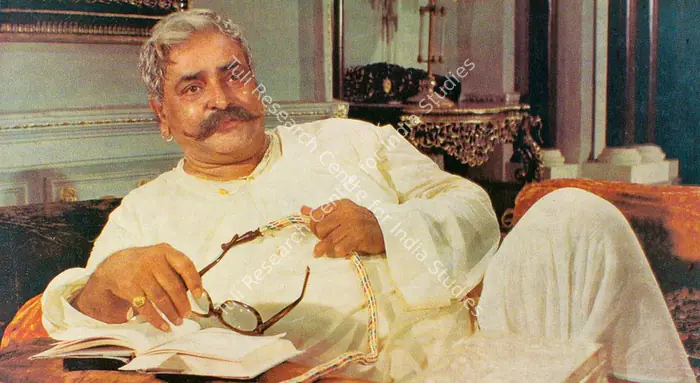
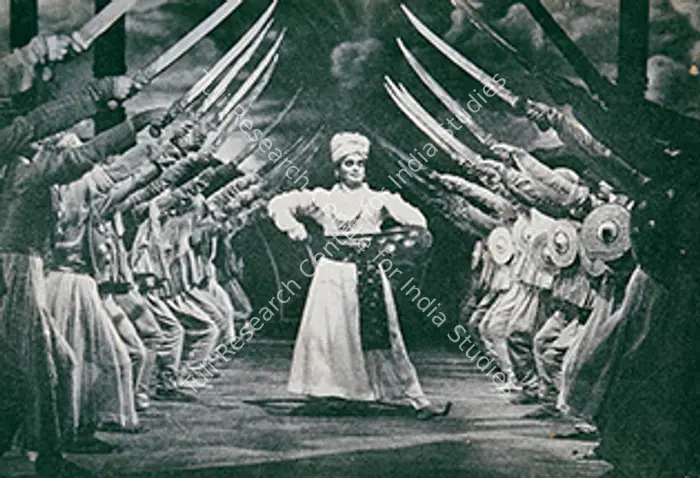
Kapoor's later film career featured powerful character roles in landmark productions such as Mughal-e-Azam (1960), where his portrayal of Emperor Akbar remains iconic, Harishchandra Taramati (1963), Sikandar-e-Azam (1965), and Kal Aaj Aur Kal (1971), in which he shared screen space with three generations of the Kapoor family. He also made significant contributions to regional cinema, including Punjabi and Kannada films, further extending his artistic reach.
His contributions were widely recognised with major honours, including the Padma Bhushan (1969) and the Dadasaheb Phalke Award (1971). He also received international acclaim and served as a nominated member of the Rajya Sabha. Posthumously, his legacy continues to be commemorated, including through a postage stamp issued in 1996, affirming his enduring place in the cultural history of India.
ब्रिटिश भारत के समुंद्री में एक पंजाबी हिंदू खत्री परिवार में जन्मे कपूर की परवरिश प्रशासनिक सेवा और सांस्कृतिक परंपराओं वाले माहौल में हुई। उनके पिता, दीवान बशेश्वरनाथ कपूर, इंडियन इंपीरियल पुलिस में थे और उनके परिवार के कई सदस्य लायलपुर इलाके में सरकारी अधिकारी थे। वे आठ भाई-बहनों में सबसे बड़े थे (जिनमें अभिनेता त्रिलोक कपूर भी शामिल थे) और एक ऐसे बड़े परिवार से थे जो बाद में भारतीय सिनेमा के सबसे प्रभावशाली परिवारों में से एक बना। उनके परिवार में फिल्म निर्माता सुरेंद्र कपूर और बाद की पीढ़ियों के अभिनेता भी शामिल थे जिन्होंने दशकों तक उनकी विरासत को आगे बढ़ाया।
कपूर की शुरुआती पढ़ाई लायलपुर और पेशावर में हुई, जहाँ उन्होंने लायलपुर ख़ालसा कॉलेज़ और एडवर्ड्स कॉलेज़ से बैचलर ऑफ़ आर्ट्स की डिग्री हासिल की। हालाँकि उन्होंने कुछ समय के लिए कानून की पढ़ाई की, लेकिन अभिनय के प्रति उनके जुनून ने उन्हें मंच की ओर खींच लिया। सिर्फ़ 17 साल की उम्र में उनकी शादी रामसरनी मेहरा से हुई, जो जीवन भर अटूट रही। इस जोड़े के शुरुआती साल ख़ुशी और दुख दोनों से भरे थे, जिसमें उनके दो छोटे बेटों की मौत भी शामिल थी। उनके जीवित बच्चे राज, शम्मी और शशि कपूर बाद में भारतीय सिनेमा के मुख्य कलाकार बने और कपूर परिवार की विरासत को आगे बढ़ाया।
कपूर ने लायलपुर और पेशावर में थिएटर ग्रुप्स के साथ अपनी कलात्मक यात्रा शुरू की और फिर 1928 में सीमित आर्थिक साधनों के साथ मुंबई आ गए। वे इंपीरियल फिल्म्स कंपनी से जुड़े और धीरे-धीरे छोटे किरदारों से मुख्य भूमिकाओं तक पहुँचे। उन्होंने मूक सिनेमा (silent cinema) में अपनी शुरुआत की और बाद में 'सिनेमा गर्ल' (1930) में नज़र आए। उन्होंने कई मूक फिल्मों में अभिनय किया और फिर भारत की पहली बोलती फिल्म 'आलम आरा' (1931) में काम किया, जिससे वे सिनेमा के विकास के एक ऐतिहासिक पल का हिस्सा बने। 'विद्यापति' (1937) में उनके शानदार अभिनय और 'सिकंदर' (1941) में सिकंदर के दमदार किरदार ने उन्हें बेहतरीन रेंज और प्रभाव वाले कलाकार के तौर पर स्थापित किया।
सिनेमा के अलावा, कपूर थिएटर के प्रति भी पूरी तरह समर्पित रहे। 1944 में उन्होंने 'पृथ्वी थिएटर्स' की स्थापना की, जो एक ट्रैवलिंग थिएटर कंपनी थी और भारत के सबसे प्रभावशाली सांस्कृतिक संस्थानों में से एक बनी। अपने कार्यकाल के दौरान, कंपनी ने देश भर में 2,600 से ज़्यादा शो किए, जिनमें कपूर हमेशा मुख्य अभिनेता रहे। 'पठान' (1947) जैसी प्रस्तुतियों ने न केवल बहुत लोकप्रियता हासिल की, बल्कि आज़ादी से पहले के भारत की सामाजिक-राजनीतिक चेतना को भी दर्शाया। हालाँकि, 1950 के दशक के आख़िर तक कमर्शियल सिनेमा के बढ़ने से टूरिंग थिएटर आर्थिक रूप से टिकाऊ नहीं रह गया, जिससे धीरे-धीरे इसका पतन होने लगा। बाद में शशि कपूर और जेनिफर केंडल की कोशिशों से मुंबई में पृथ्वी थिएटर्स की विरासत को फिर से जीवित और संस्थागत रूप दिया गया, जिसके परिणामस्वरूप 1978 में पृथ्वी थिएटर की स्थापना हुई।
कपूर के बाद के फ़िल्मी करियर में 'मुग़ल-ए-आज़म' (1960) जैसी यादगार फ़िल्मों में दमदार किरदार शामिल थे, जिसमें सम्राट अकबर के तौर पर उनकी भूमिका आज भी आइकॉनिक मानी जाती है। इसके अलावा 'हरिश्चंद्र तारामती' (1963), 'सिकंदर-ए-आज़म' (1965) और 'कल आज और कल' (1971) जैसी फ़िल्में भी शामिल हैं, जिनमें उन्होंने कपूर परिवार की तीन पीढ़ियों के साथ काम किया। उन्होंने पंजाबी और कन्नड़ फ़िल्मों समेत क्षेत्रीय सिनेमा में भी अहम योगदान दिया और अपनी कला का दायरा बढ़ाया।
उनके योगदान को पद्म भूषण (1969) और दादा साहब फाल्के पुरस्कार (1971) जैसे बड़े सम्मानों से सराहा गया। उन्हें अंतरराष्ट्रीय स्तर पर भी पहचान मिली और वे राज्यसभा के मनोनीत सदस्य भी रहे। उनके निधन के बाद भी उनकी विरासत को याद किया जाता रहा है। 1996 में जारी डाक टिकट इसका सबूत है, जो भारत के सांस्कृतिक इतिहास में उनकी अहम जगह को दर्शाता है।
- Date of Birth
- 03 Nov 1906
- Zodiac sign
- Scorpio
- Date of Death
- 29 May 1972
- Age
- 65
- Nationality
- British Indian | Indian
- Place of Birth
- Samundri, Punjab
- Place of Death
- Bombay, Maharashtra
- Spouse(s)
- Ramsarni Mehra Kapoor1908 – 14 Jun 1972
- Year Marriage Registered
- 1923
- Children
- Raj Kapoor14 Dec 1924 – 06 Feb 1988Urmila Kapoor SialShammi Kapoor21 Oct 1931 – 14 Aug 2011Ravinderd. 1931Shashi Kapoor18 Mar 1938 – 04 Dec 2017Devinderd. 1931
- Parent(s)
- Lala Bisheshwar Nath
- Grandparent(s)
- Tehsildar Dewan Keshomal
- Ancestor(s)
- Tehsildar Dewan Murli Mal
- Siblings
- Trilok Kapoor11 Feb 1912 – 23 Sep 1988Kailash Kapoor KakkarShanta Kapoor Dhawanb. 1926Vishwanath Kapoor
- Lyallpur Khalsa College, Lyallpur
- Edwardes College, Peshawar
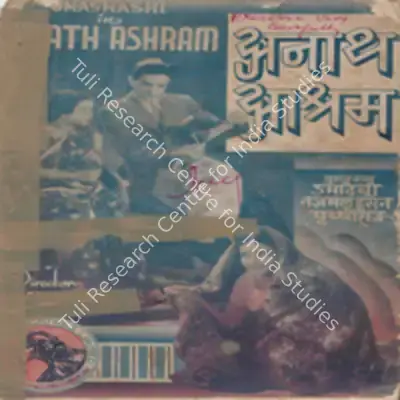
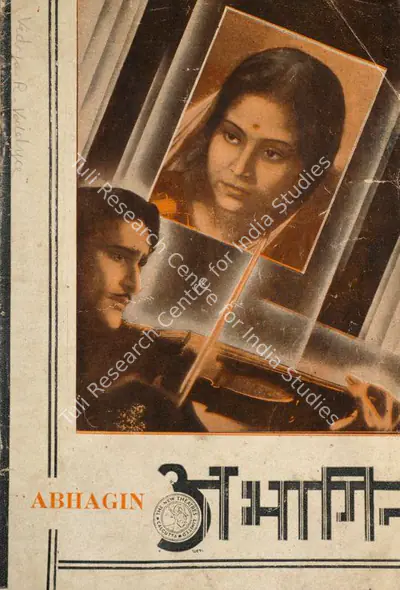
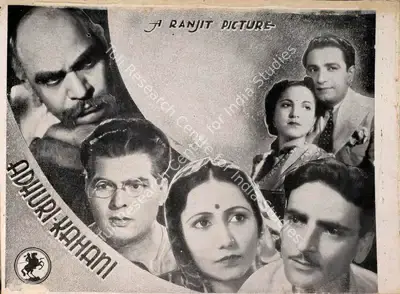
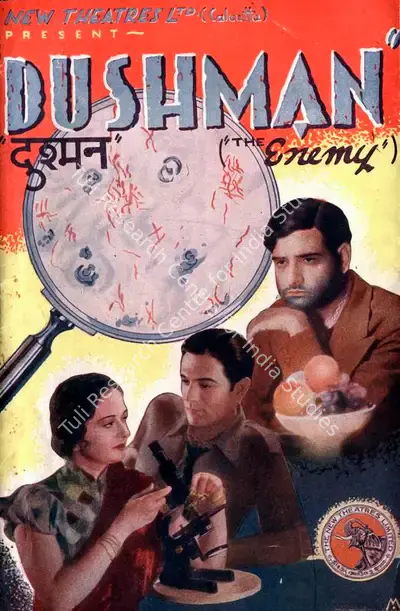
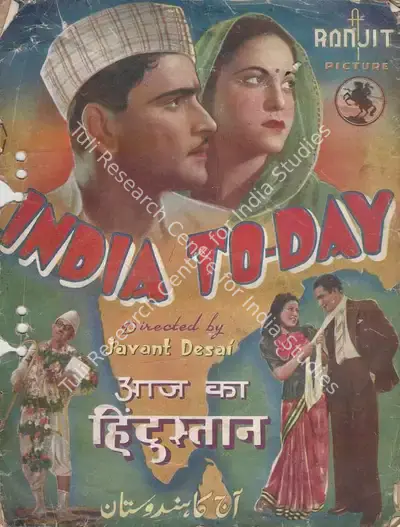
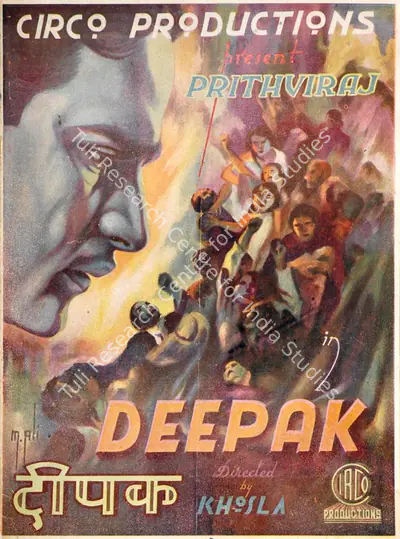
Filmography 85
Integrated Timeline
Economics of Cinema
1954
- Sangeet Natak Akademi Fellowship
Sangeet Natak Akademi
1956
- Sangeet Natak Akademi Award
Sangeet Natak Akademi
1969
- Padma Bhushan
Government of India
1972
- Filmfare Special Award
The Times Group
- Dadasaheb Phalke Award
Directorate of Film Festivals India
Research Centre

Calendar 3
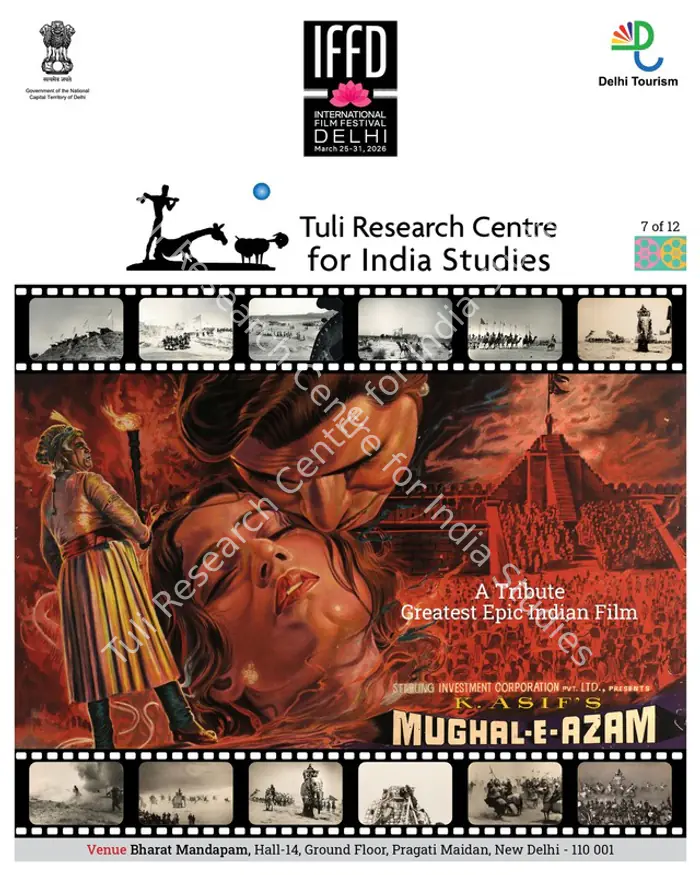
- ArchivedExhibitionProject 72A Tribute to the Greatest Epic Indian FilmMughal-e-Azam25th - 31st March 202611:00am - 7:00pmBharat Mandapam, Hall-14, Ground Floor, Pragati Maidan, New Delhi - 110007A Tribute to the Greatest Epic Indian Film - Mughal-e-Azam - brings alive the classic film through a diverse range of memorabilia especially its world class black-and-white cinematography and still photography by masters such as R.D. Mathur, A.L. Syed and others.Read More →
- ArchivedOnline LearningProject 43Public Launch of A-Graphy Pages PRITHVIRAJ KAPOOR8th February 20266:15pmIndia International Centre, 1st Floor Seminar Halls, Kamaladevi Chattopadhyay Block, Max Mueller Marg, New Delhi, 110003
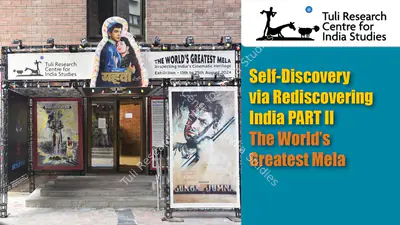
- ArchivedExhibitionProject 2Self-Discovery via Rediscovering India Series Part II India's Cinematic Heritage12th - 24th August 2024Self-Discovery via Rediscovering India Series Part IIRead More →
Related
50
Personalities
30
Films
17