
Introduction
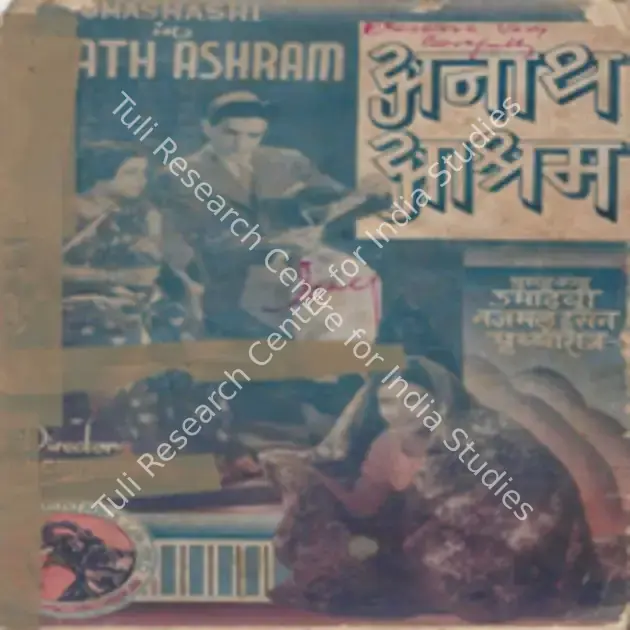
Anaath Aashram (1937) Directed by Hemchandra Chunder and produced by the pioneering New Theatres studio, Anath Ashram was a reformist melodrama centering on the socially progressive theme of widow remarriage. Featuring a prominent cast—including Uma Sashi, Najmul Hussain, Prithviraj Kapoor, Trilok Kapoor, Jagdish Sethi, Nawab, Nemo, Manorama Sr., Devbala, and Kalyani Das—the film was enriched by R. C. Boral's music and lyrics by Kidar Sharma.
True to New Theatres' commitment to socially conscious and literary cinema, Anath Ashram delved into the emotional and societal challenges faced by a woman compelled to rebuild her life after personal loss. The narrative follows Jai Narain, a colliery owner, and his family: daughter Saroj, her husband Kailash (an engineer), and their young son, Nannha. When a tragic accident caused by Jai Narain's negligence claims Kailash's life, Saroj is left widowed. Nannha is sent to an orphanage, and Saroj eventually remarries Ramesh, who remains unaware of her previous marriage and her son.
Haunted by her husband's memory and yearning for her lost child, Saroj struggles to reconcile her past with her present. Her former suitor, Ranjit, returns, fully aware of her history, while the film repeatedly emphasizes Nannha's deep longing for his mother through poignant scenes of separation.
Though not a commercial success, Anath Ashram was significant for its progressive narrative and its attention to the plight of widows and orphaned children. It exemplified New Theatres' vision of using cinema as a platform for social reform. While not a box office hit, the film contributed meaningfully to the evolving discourse on social justice in Indian cinema, paving the way for future films that would continue to address complex social issues with empathy and nuance.
'न्यू थिएटर्स' के सामाजिक चेतना से प्रेरित और साहित्यिक शैली के सिनेमा के सिनेमा को आगे बढ़ाते हुए अनाथ आश्रम उस युवा विधवा स्त्री के भावनात्मक और सामाजिक संघर्ष को प्रस्तुत करती है जिसे व्यक्तिगत त्रासदी का सामना करने के बाद अपने जीवन का पुनर्निर्माण करना है। फ़िल्म का कथानक जय नारायण नामक कोयले की खदान के मालिक और उसके परिवार की कहानी है। जय नारायण की बेटी सरोज, उसका पेशे से इंजीनियर पति कैलाश और उनका छोटा सा बेटा नन्हा सब साथ रहते हैं। एक दिन खुद जय नारायण की लापरवाही के चलते हुई एक दुर्घटना में सरोज के पति कैलाश की असमय मृत्यु हो जाती है। सरोज को वैधव्य का दु:ख झेलना पड़ता है। उसके बेटे नन्हा को अनाथालय भेज दिया जाता है। कुछ समय बाद सरोज का रमेश के साथ पुनर्विवाह होता है, लेकिन उससे सरोज के पहले विवाह और संतान की बात छिपाई जाती है।
अपने मृत पति की स्मृति में डूबती-उतराती और अपने बिछड़े हुए बेटे के प्रति ममत्व से भरी सरोज अपने अतीत और वर्तमान के बीच सामंजस्य नहीं बैठा पाती। इस बीच रंजीत नामक उसका एक पूर्व प्रेमी उसकी ज़िन्दगी में वापस लौट आता है। रंजीत उसकी पूरी आपबीती जानता है। परिस्थितियाँ उलझ जाती हैं। इस बीच फ़िल्म बार-बार नन्हा नामक बालक के किरदार की अपनी माँ के लिए गहरी तड़प को मार्मिक तरीके से प्रदर्शित करती है।
हालाँकि अनाथ आश्रम व्यावसायिक दृष्टि से कामयाब नहीं रही थी, लेकिन यह फ़िल्म अपने प्रगतिशील कथानक और ख़ासकर विधवाओं व अनाथ बच्चों की दयनीय स्थिति को फ़ोकस में लाने के कारण याद की जाती है। यह फ़िल्म 'न्यू थिएटर्स' की सिनेमा के माध्यम से सामाजिक बदलाव को पोषित करनेवाली दृष्टि का भी बेहतरीन उदाहरण है। भले ही यह फ़िल्म टिकट खिड़की पर उतनी कामयाब नहीं हुई लेकिन इसने भारतीय सिनेमा में सामाजिक बदलाव और न्याय का मार्ग प्रशस्त करनेवाले विषयों को उठाती फ़िल्मों के लिए रास्ता बनाया। इसने आगे आने वाली उन फ़िल्मों के लिए पथ का निर्माण किया जो असहज करते सामाजिक प्रश्नों को संवेदनशीलता और गहराई के साथ सिनेमाई पर्दे पर प्रस्तुत करती थीं।
Body of Work
Research Centre
Related
1
Personalities
1