
Yusuf Muljii
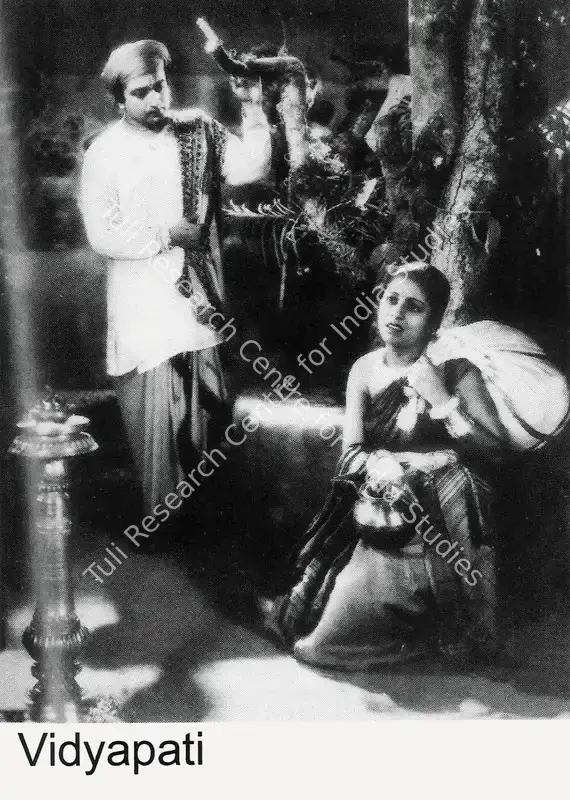
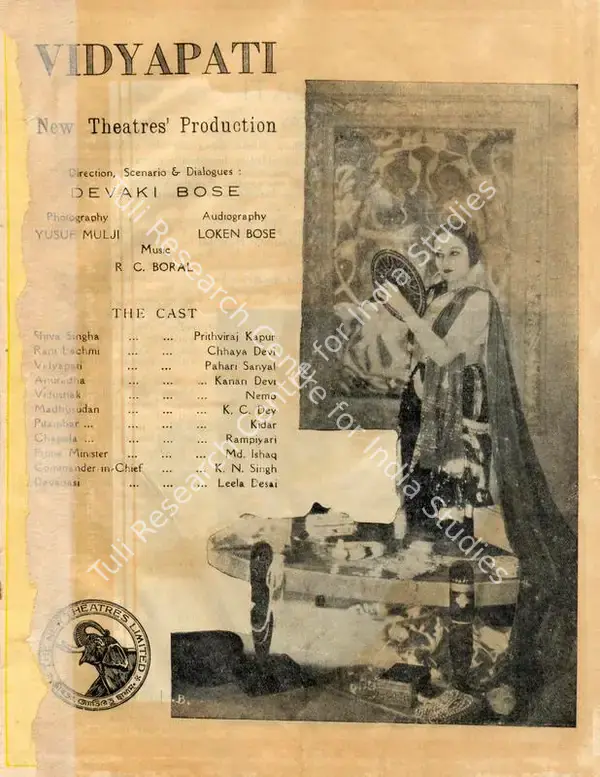
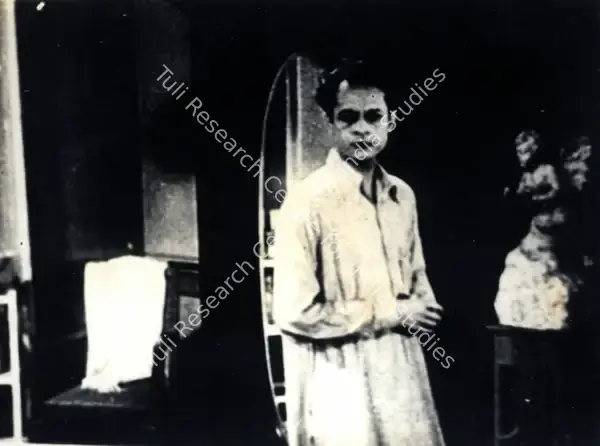
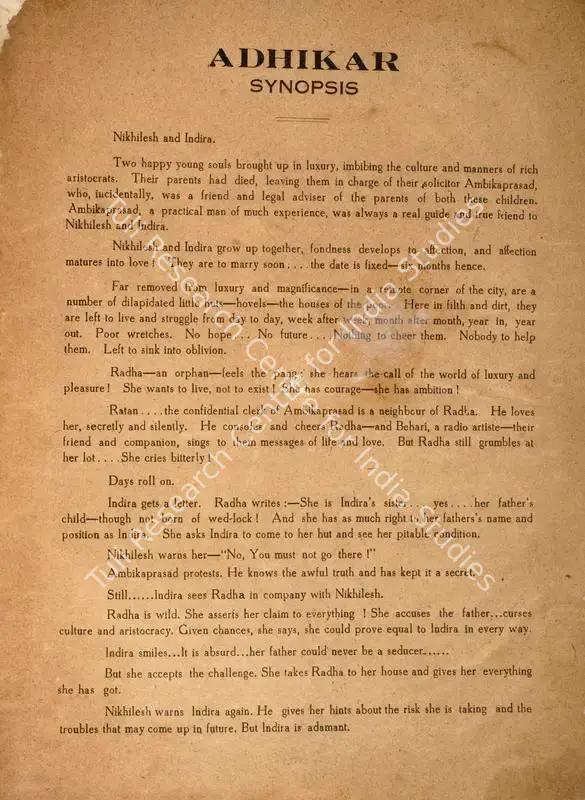
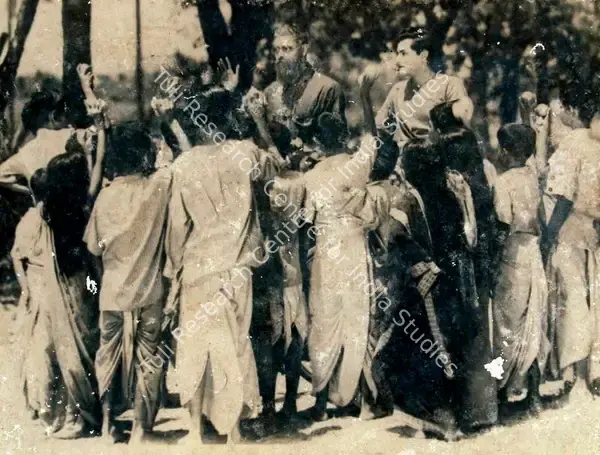
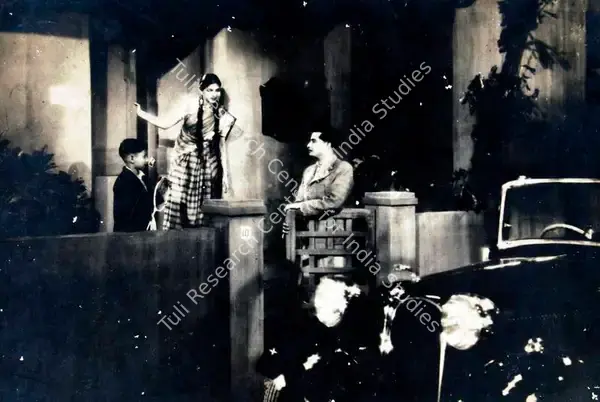
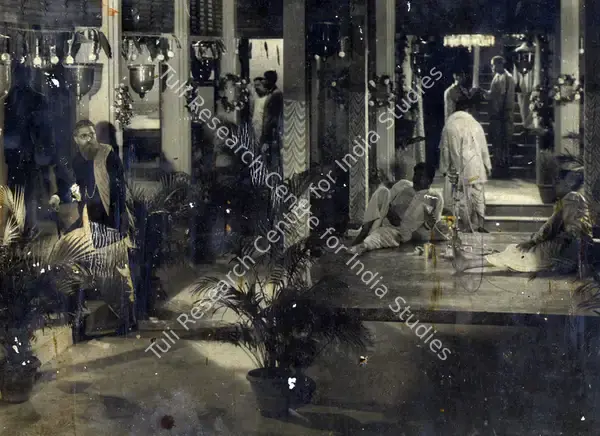
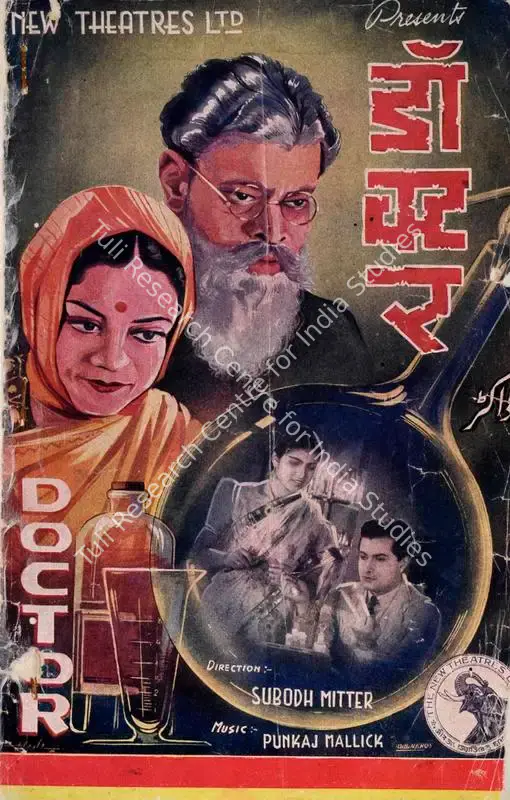
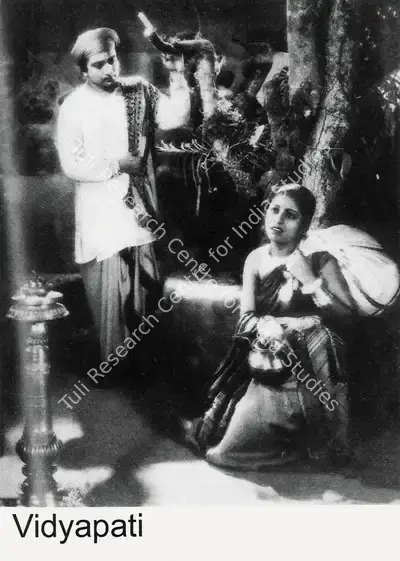
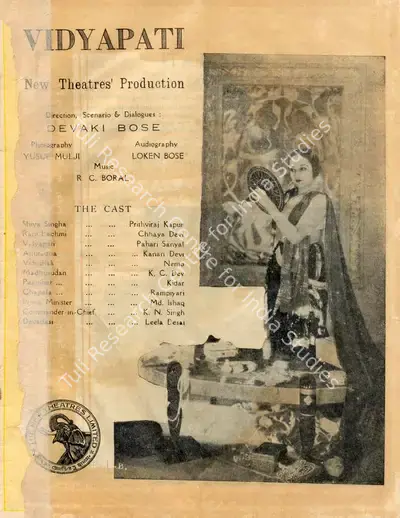
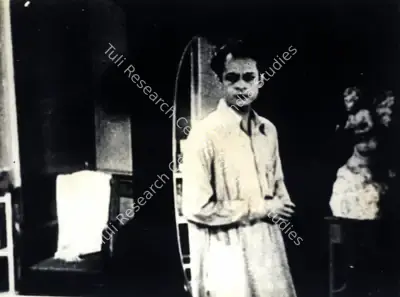
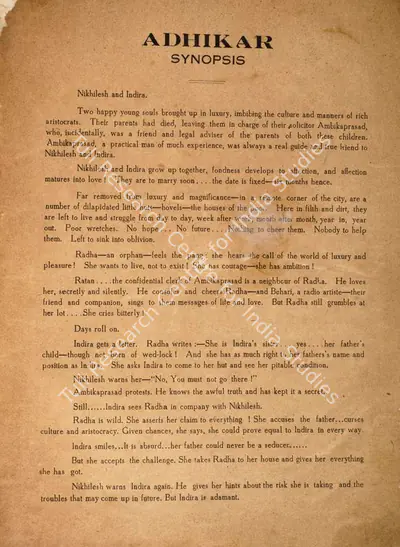
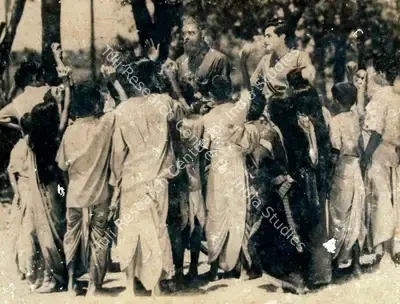
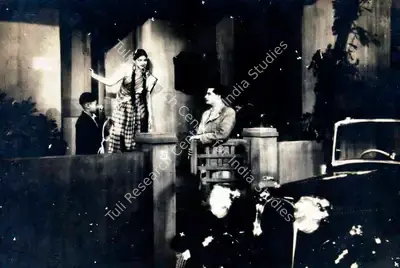
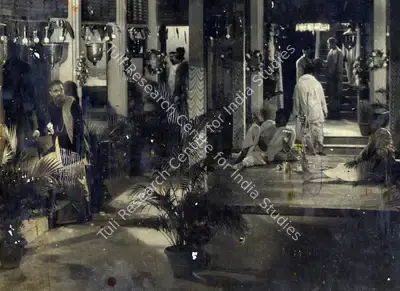
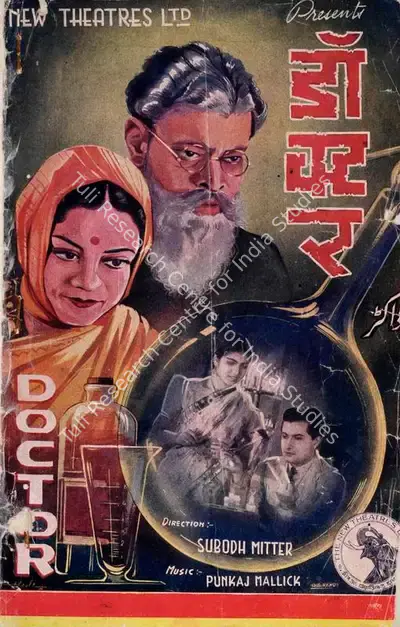
Yusuf Mulji was a prominent cinematographer who predominantly worked in Hindi, Bengali, and Tamil films during the early decades of Indian cinema. He contributed to some of the iconic films from the 1930s to the 1950s, notable amongst which were P.C. Barua's Devdas (1935) and Adhikar (1938), Debaki Bose's Bidyapati (1937) and Sapera (1939), the Hindi-Bengali bilingual Nartaki (1940), Savithri (1941), Hamara Sansar (1945), Azadi Ki Raah Par (1948). His work on Nartaki (1940) received acclaim, although the film was critically panned.
Much of Mulji's work was done under Calcutta based New Theatres, a major studio that produced films in multiple languages and was known for high aesthetic standards in early Indian filmmaking. Under New Theatres, he collaborated with directors such as Debaki Bose and Hemchandra Chunder, and P.C. Barua. Along with noted cinematographer and filmmaker Bimal Roy, Yusuf Mulji photographed P.C. Barua's Devdas (1935), considered one of the landmarks of early Indian cinema.
His work during the formative period of Indian cinema, when cinematography was gradually moving from its silent era origins into more sophisticated use of lighting and composition in sound films, established him among the important cinematographers shaping the early cinematic visual language.
यूसुफ़ मुलजी ने अपने अधिकांश काम कलकत्ता स्थित न्यू थिएटर्स के अंतर्गत किया, जो एक प्रमुख स्टूडियो था और कई भाषाओं में फ़िल्में बनाता था और शुरूआती भारतीय फ़िल्म निर्माण में उच्च सौंदर्य मानकों के लिए जाना जाता था। न्यू थिएटर्स में ही उन्होंने देबाकी बोस, हेमचंद्र चंदर और पी.सी. बरुआ जैसे निर्देशकों के साथ काम किया। प्रसिद्ध सिनेमैटोग्राफ़र और फ़िल्म निर्माता बिमल रॉय के साथ, यूसुफ़ मुलजी ने पी.सी. बरुआ की फ़िल्म देवदास (1935) की सिनेमैटोग्राफ़ी की, जिसे प्रारंभिक भारतीय सिनेमा की मानक फ़िल्मों में से एक माना जाता है।
भारतीय सिनेमा के निर्माणात्मक दौर में, जब सिनेमैटोग्राफ़ी मूक फ़िल्मों की प्रारंभिक परंपरा से आगे बढ़ते हुए बोलती फ़िल्मों में लाइटिंग और कंपोज़िशन के अधिक परिष्कृत प्रयोग की ओर अग्रसर हो रही थी तब यूसुफ़ मुलजी का कार्य उन्हें उन महत्वपूर्ण सिनेमैटोग्राफ़रों में स्थापित किया, जिन्होंने शुरुआती फ़िल्मी दृश्य भाषा को आकार देने में अहम भूमिका निभाई।