

Ankh Ki Sharm1943
Introduction
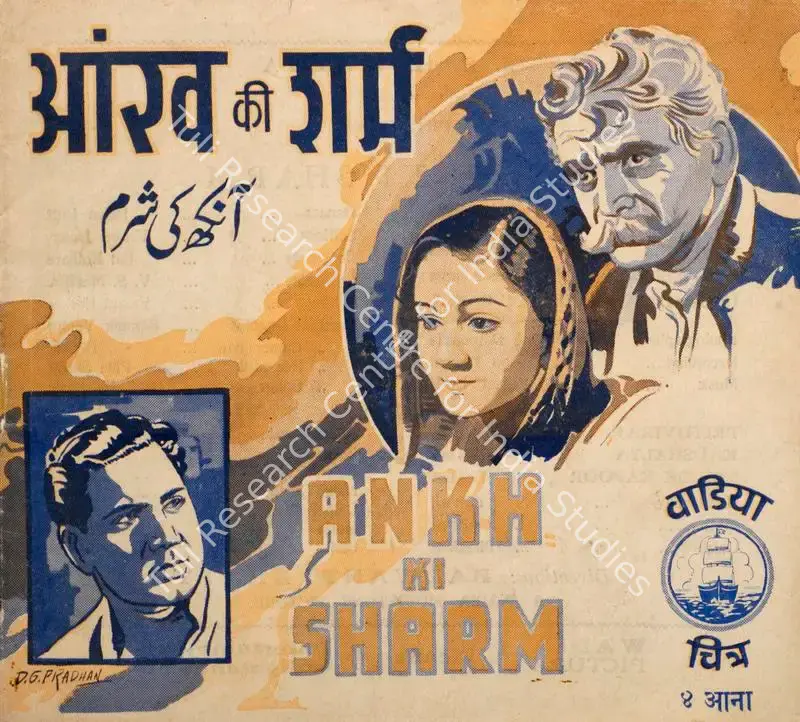
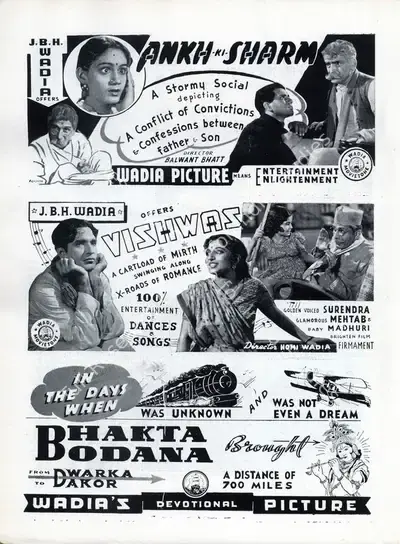
Aankh Ki Sharm (1943) Directed by Balwant Bhatt and starring Prithviraj Kapoor, Trilok Kapoor, Kaushalya, the film was produced by J.B.H. Wadia.
Aankh Ki Sharm (translated as Modesty of the Eyes) was a black-and-white Hindi film featuring an ensemble cast led by Prithviraj Kapoor, Trilok Kapoor, and Kaushalya, with notable supporting performances from Nayampalli, Nalini Gupte, Moti, Gulab, and Himalaywala.
The film's music was composed by the renowned Vasant Desai, with lyrics penned by Inder Chandra. It was presented in a mono sound mix, typical of the era, and remains notable for its strong musical score.
Although Aankh Ki Sharm's plot details are largely lost to time, the film is believed to be either a melodrama or a social commentary, possibly echoing the satirical tone of another 1943 release, Raja. While the two films are not directly connected, Raja—translated simply as King—shared thematic undertones that suggest Aankh Ki Sharm may have explored similar social or moral issues, especially considering its evocative title.
The film's soundtrack was a significant highlight and contributed greatly to its popularity. Leading playback singer Amirbai Karnataki lent her voice to several songs, two of which became particularly iconic: Bijli Chamakan Lagi, Haan Bijli Chamakan Lagi was a lively number that became a major hit of its time. Aankh Milte Hi Mohabbat Ho Gai was another chartbuster that cemented Karnataki's status as a leading playback singer of the 1940s.
Other notable songs from the film include Main Toh Dasi Pati Charanon Ki by Kaushalya; Ram Duhayi O Ram Duhayi – also performed by Kaushalya; Mori Bhabhi Ke Nainon Mein Bhaiya – a duet by Kaushalya and Nalini Gupte; Saajan Ke Sapne Aaye – rendered by Nalini Gupte and Shrinivas; Gujari Mein Hoon Mohabbat Ko sung by Yakoob
Though not as widely remembered as some of its contemporaries, Aankh Ki Sharm stands as a notable entry in early 1940s Hindi cinema, particularly for its rich music and the presence of towering figures such as Prithviraj Kapoor and Vasant Desai.
Aankh Ki Sharm (translated as Modesty of the Eyes) was a black-and-white Hindi film featuring an ensemble cast led by Prithviraj Kapoor, Trilok Kapoor, and Kaushalya, with notable supporting performances from Nayampalli, Nalini Gupte, Moti, Gulab, and Himalaywala.
The film's music was composed by the renowned Vasant Desai, with lyrics penned by Inder Chandra. It was presented in a mono sound mix, typical of the era, and remains notable for its strong musical score.
Although Aankh Ki Sharm's plot details are largely lost to time, the film is believed to be either a melodrama or a social commentary, possibly echoing the satirical tone of another 1943 release, Raja. While the two films are not directly connected, Raja—translated simply as King—shared thematic undertones that suggest Aankh Ki Sharm may have explored similar social or moral issues, especially considering its evocative title.
The film's soundtrack was a significant highlight and contributed greatly to its popularity. Leading playback singer Amirbai Karnataki lent her voice to several songs, two of which became particularly iconic: Bijli Chamakan Lagi, Haan Bijli Chamakan Lagi was a lively number that became a major hit of its time. Aankh Milte Hi Mohabbat Ho Gai was another chartbuster that cemented Karnataki's status as a leading playback singer of the 1940s.
Other notable songs from the film include Main Toh Dasi Pati Charanon Ki by Kaushalya; Ram Duhayi O Ram Duhayi – also performed by Kaushalya; Mori Bhabhi Ke Nainon Mein Bhaiya – a duet by Kaushalya and Nalini Gupte; Saajan Ke Sapne Aaye – rendered by Nalini Gupte and Shrinivas; Gujari Mein Hoon Mohabbat Ko sung by Yakoob
Though not as widely remembered as some of its contemporaries, Aankh Ki Sharm stands as a notable entry in early 1940s Hindi cinema, particularly for its rich music and the presence of towering figures such as Prithviraj Kapoor and Vasant Desai.
आँख की शर्म (1943) के निर्देशक बलवंत भट्ट थे और इसमें पृथ्वीराज कपूर, त्रिलोक कपूर और कौशल्या प्रमुख भूमिकाएँ निभा रहे थे। इस फ़िल्म के निर्माता उस दौर के मशहूर स्टूडियो 'वाडिया मूवीटोन' के संस्थापक जे.बी.एच. वाडिया थे। यह एक श्वेत-श्याम हिन्दी भाषा की फ़िल्म थी जिसमें पृथ्वीराज कपूर, त्रिलोक कपूर और कौशल्या के साथ नायमपल्ली, नलिनी गुप्ते, मोती, गुलाब और हिमालयवाला जैसे कलाकार सहायक भूमिकाएँ निभा रहे थे। इस फ़िल्म के लिए संगीत प्रसिद्ध संगीतकार वसन्त देसाई ने तैयार किया था और गीत लिखे थे इंदर चंद्रा ने। उस समय के चलन के अनुसार यह फ़िल्म मोनो साउंड मिक्स में प्रस्तुत की गई थी और आज भी इसे अपने प्रभावशाली संगीत के लिए याद किया जाता है।
हालाँकि इस फ़िल्म की कहानी के बारे में सूचनाएँ समय के साथ लगभग विलुप्त हो चुकी हैं फिर भी ऐसा माना जाता है कि यह एक मेलोड्रामा से भरी या तीखी सामाजिक टिप्पणी करनेवाली फ़िल्म थी। यह भी कहा जाता है कि सन् 1943 में ही आई एक दूसरी फ़िल्म राजा (1943) के व्यंग्यात्मक स्वर के समान ही इस फ़िल्म का भी कथानक था। भले ही इन दोनों फ़िल्मों में कोई सीधा रिश्ता नहीं हो लेकिन राजा के बारे में जैसी सूचनाएँ उपलब्ध हैं उससे यह संभावना बलवती होती है कि आँख की शर्म नामक यह फ़िल्म भी उसी तरह के विषयों को छूती हो। ख़ास तौर पर इसके भावप्रवण शीर्षक को देखते हुए तो ऐसा ही लगता है।
इस फ़िल्म का संगीत इसकी सबसे बड़ी विशेषता रहा और इस फ़िल्म के लोकप्रिय होने में इसके गीतों ने बड़ी भूमिका निभाई। उस दौर की एक प्रमुख पार्श्वगायिका अमीरबाई कर्नाटकी ने फ़िल्म के कई गीतों को अपना स्वर दिया जिनमें से दो गीत अत्यंत प्रसिद्ध हुए, “बिजली चमकन लागी, हाँ बिजली चमकन लागी" एक अटखेलियों से भरा गीत था जो उस दौर की एक बड़ी कामयाबी साबित हुआ। "आँख मिलते ही मोहब्बत हो गई" फ़िल्म का एक और हिट गीत था जिसने 1940 के दशक में अमीरबाई कर्नाटकी की लोकप्रियता को स्थापित कर दिया।
इन दो गीतों के अलावा फ़िल्म के अन्य उल्लेखनीय गीतों में शामिल हैं कौशल्या की आवाज़ में "मैं तो दासी पति चरणों की" और "राम दुहाई ओ राम दुहाई", कौशल्या और नलिनी गुप्ते का गाया युगल गीत "मोरी भाभी के नैनों में भैया", नलिनी गुप्ते और श्रीनिवास का गाया "साजन के सपने आए" और याकूब के स्वर में "गुज़ारी में हूँ मोहब्बत को" जैसे गीत।
हालाँकि आँख की शर्म को जनस्मृति में उतनी स्थायी जगह नहीं मिली जितना कि उस दौर की कुछ अन्य फ़िल्मों को मिली है, फिर भी यह फ़िल्म 1940 के दशक के हिन्दी सिनेमा की एक उल्लेखनीय कड़ी मानी जाती है। ख़ासतौर पर अपने समृद्ध संगीत और पृथ्वीराज कपूर व वसन्त देसाई जैसे महान कलाकारों की उपस्थिति के कारण इसे भुलाया नहीं जा सकता।
हालाँकि इस फ़िल्म की कहानी के बारे में सूचनाएँ समय के साथ लगभग विलुप्त हो चुकी हैं फिर भी ऐसा माना जाता है कि यह एक मेलोड्रामा से भरी या तीखी सामाजिक टिप्पणी करनेवाली फ़िल्म थी। यह भी कहा जाता है कि सन् 1943 में ही आई एक दूसरी फ़िल्म राजा (1943) के व्यंग्यात्मक स्वर के समान ही इस फ़िल्म का भी कथानक था। भले ही इन दोनों फ़िल्मों में कोई सीधा रिश्ता नहीं हो लेकिन राजा के बारे में जैसी सूचनाएँ उपलब्ध हैं उससे यह संभावना बलवती होती है कि आँख की शर्म नामक यह फ़िल्म भी उसी तरह के विषयों को छूती हो। ख़ास तौर पर इसके भावप्रवण शीर्षक को देखते हुए तो ऐसा ही लगता है।
इस फ़िल्म का संगीत इसकी सबसे बड़ी विशेषता रहा और इस फ़िल्म के लोकप्रिय होने में इसके गीतों ने बड़ी भूमिका निभाई। उस दौर की एक प्रमुख पार्श्वगायिका अमीरबाई कर्नाटकी ने फ़िल्म के कई गीतों को अपना स्वर दिया जिनमें से दो गीत अत्यंत प्रसिद्ध हुए, “बिजली चमकन लागी, हाँ बिजली चमकन लागी" एक अटखेलियों से भरा गीत था जो उस दौर की एक बड़ी कामयाबी साबित हुआ। "आँख मिलते ही मोहब्बत हो गई" फ़िल्म का एक और हिट गीत था जिसने 1940 के दशक में अमीरबाई कर्नाटकी की लोकप्रियता को स्थापित कर दिया।
इन दो गीतों के अलावा फ़िल्म के अन्य उल्लेखनीय गीतों में शामिल हैं कौशल्या की आवाज़ में "मैं तो दासी पति चरणों की" और "राम दुहाई ओ राम दुहाई", कौशल्या और नलिनी गुप्ते का गाया युगल गीत "मोरी भाभी के नैनों में भैया", नलिनी गुप्ते और श्रीनिवास का गाया "साजन के सपने आए" और याकूब के स्वर में "गुज़ारी में हूँ मोहब्बत को" जैसे गीत।
हालाँकि आँख की शर्म को जनस्मृति में उतनी स्थायी जगह नहीं मिली जितना कि उस दौर की कुछ अन्य फ़िल्मों को मिली है, फिर भी यह फ़िल्म 1940 के दशक के हिन्दी सिनेमा की एक उल्लेखनीय कड़ी मानी जाती है। ख़ासतौर पर अपने समृद्ध संगीत और पृथ्वीराज कपूर व वसन्त देसाई जैसे महान कलाकारों की उपस्थिति के कारण इसे भुलाया नहीं जा सकता।
1 / 2
Body of Work
Banner
Cinematographer
Dali Daruwala
Director
Lead Cast
Lead Cast Rest
Producer
Research Centre
Related
2