
Introduction
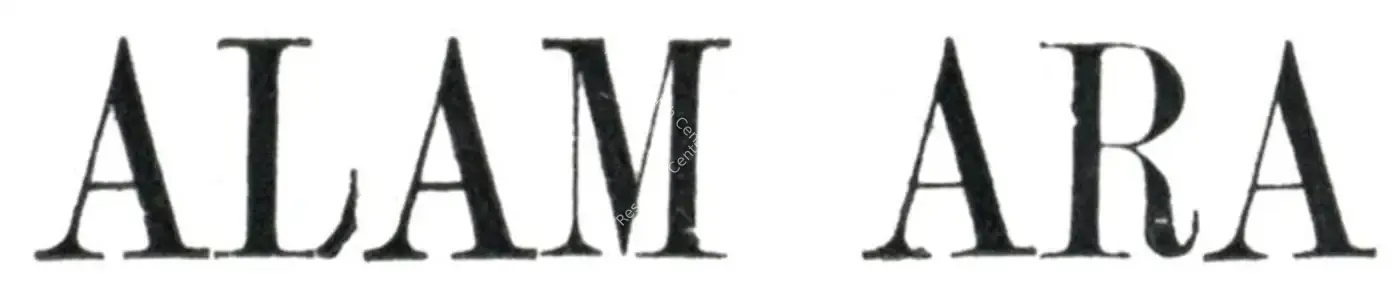
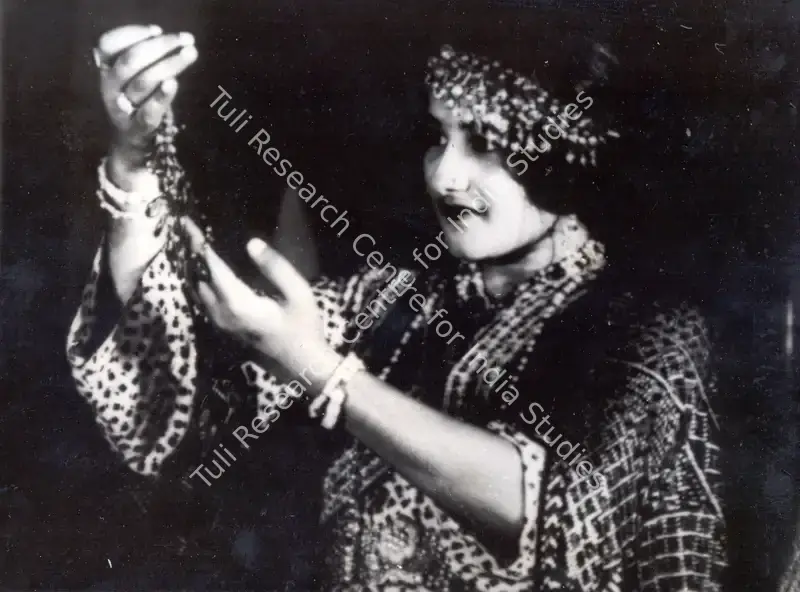
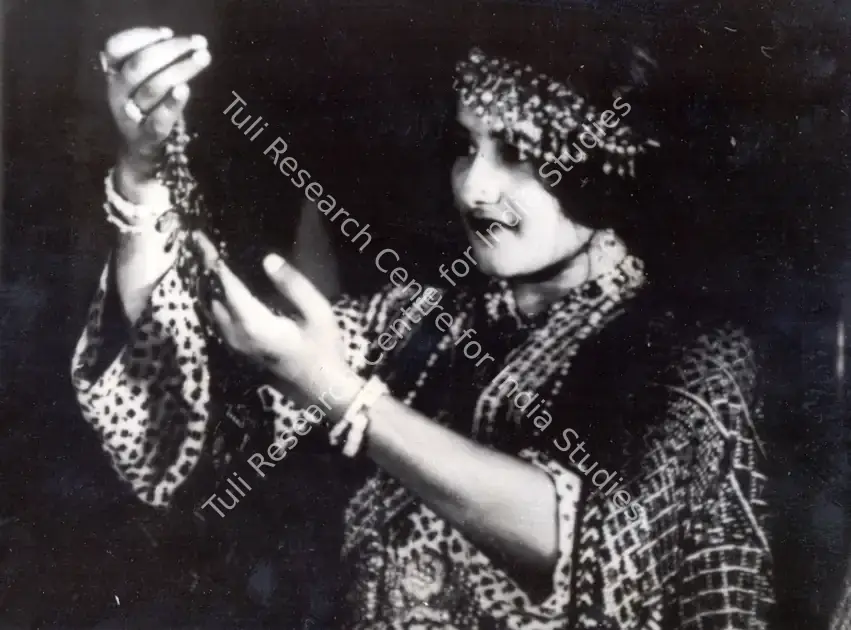
Alam Ara (1931) marked a revolutionary moment in Indian cinema as the country's first sound film, signalling the transition from silent films to the talkie era. Directed and produced by Ardeshir Irani under the Imperial Film Company, the film is often credited with the rise of Indian cinema in the early 1930s. A period fantasy, Alam Ara starred Master Vithal as Qamar, Zubeida as the titular character, and Prithviraj Kapoor as Adil. Supporting roles included Bibbo as Alam Ara's friend and Wazir Muhammad Khan in a cameo as a fakir.
The story revolves around a king and his two wives, Navbahaar and Dilbahaar, who are childless. A fakir prophesies that Navbahaar will bear a son, Qamar, who will die after his 18th birthday unless she retrieves a specific necklace. Meanwhile, the king discovers that Dilbahaar has fallen for his general Adil, prompting him to imprison Adil and banish Dilbahaar, who later gives birth to Alam Ara.
Irani was inspired to make Alam Ara after watching the 1929 American part-talkie Show Boat at the Excelsior Theatre in Bombay. Though inexperienced with sound technology, he decided to forge ahead without following previous sound film models. The script was adapted from a Parsi play by Bombay-based dramatist Joseph David, and the dialogue was written in Hindustani.
Initially, Irani wanted Ruby Myers for the lead role, but her lack of fluency in Hindustani led to Zubeida's casting. Myers was disappointed and took a year off to master the language. Mehboob Khan was also considered for the male lead, but Irani chose Master Vithal instead for his commercial appeal. Vithal's move to the film led to legal issues with Saradhi Studios, which he resolved with the help of his lawyer, Muhammad Ali Jinnah.
The film was made on a modest budget of ₹40,000 (equivalent to ₹12 million or US$140,000 in 2023), funded by business tycoon Seth Badriprasad Dube. Principal photography, completed in four months at Jyoti Studios in Bombay, was overseen by Adi M. Irani. Due to the studio's proximity to a railway track, most scenes were shot between 1:00 and 4:00 a.m. to avoid train noise. Sound was recorded using the Tanar single-system method, with Irani and Rustom Bharucha handling the technical aspects after learning the basics from American expert Wilford Deming.
The film premiered on 14 March 1931 and was well received, despite some criticism of the sound quality. Its success eclipsed that of J.J. Madan's Shirin Farhad, released two months later. The soundtrack featured seven songs, with Wazir Muhammad Khan's "De De Khuda Ke Naam Pe Pyaare" becoming the first recorded song in Hindi cinema.
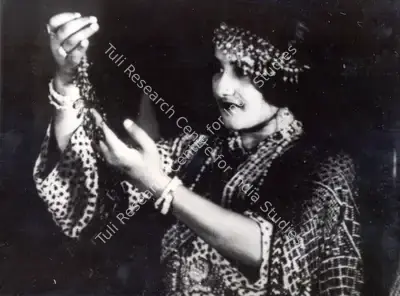
Though Alam Ara is now considered a lost film with no surviving prints although several stills and posters remain. In 2017, the British Film Institute named it the most important lost film in Indian cinema. It cemented Irani's legacy as the "father of Indian talkies" and laid the foundation for the future of sound in Indian filmmaking.
फ़िल्म की कहानी एक राजा और उसकी दो रानियों के साथ आगे बढ़ती है। दोनों रानियों के नाम नौबहार और दिलबहार हैं और वे दोनों ही संतानहीन हैं। फिर एक दिन एक बूढ़ा फ़क़ीर भविष्यवाणी करता है कि नौबहार एक पुत्र को जन्म देगी जिसका नाम होगा क़मर। लेकिन कम़र को अपनी 18वीं सालगिरह से पहले एक ख़ास हार हासिल करना होगा, और अगर ऐसा नहीं होता है तो उसकी मृत्यु हो जायेगी। इस बीच एक दिन राजा को पता चलता है कि दिलबहार उनके सेनापति आदिल से प्रेम कर बैठी है। राजा अपने सेनापति आदिल को बंदी बनवा लेता है और दिलबहार को राज्य से निष्कासित कर देता है। राज्य से निकाले जाने के बाद इसी रानी दिलबहार की कोख़ से आलम आरा का जन्म होता है।
ईरानी को आलम आरा बनाने की प्रेरणा सन् 1929 में बॉम्बे के एक्सेलसियर थिएटर में कुछ हिस्सों में ध्वनि का इस्तेमाल करनेवाली अमेरिकन फ़िल्म शो बोट (1929) को देखने के बाद मिली थी। हालाँकि वे ध्वनि तकनीक के बारे में बहुत कम जानते थे लेकिन उन्होंने पुरानी तकनीक को छोड़कर नवीन रास्ते पर आगे बढ़ने का निर्णय लिया। इस फ़िल्म की पटकथा बॉम्बे के रहनेवाले पारसी नाटककार ज़ोसेफ़ डेविड के एक नाटक के आधार पर तैयार की गई थी और फ़िल्म के लिए संवाद ख़ास हिन्दुस्तानी ज़बान में लिखे गए थे।
शुरुआत में अर्देशिर ईरानी फ़िल्म की मुख्य भूमिका के लिए रूबी मेयर्स को लेना चाहते थे लेकिन उनके हिन्दुस्तानी भाषा बोलने में दिक्कत के चलते ज़ुबैदा को यह भूमिका मिली। मेयर्स इस चयन से निराश हुईं और उन्होंने अगले एक साल काम से छुट्टी लेकर हिन्दुस्तानी भाषा सीखी। हम देख सकते हैं कि कैसे मूक फ़िल्मों के दौर से बोलती फ़िल्मों के दौर में प्रवेश करते सिनेमा में अभिनेताओं के कौशल से जुड़ी माँगें अचानक बदल गई थी। बताया जाता है कि ईरानी ने मुख्य नायकीय भूमिका के लिए उस दौर में अभिनय में हाथ आज़मा रहे महबूब ख़ान के नाम पर भी विचार किया था लेकिन बाद में उन्होंने लोकप्रियता के चलते मास्टर विट्ठल को चुना। मास्टर विट्ठल के इस फ़िल्म से जुड़ने पर उनका 'सारधी स्टूडियोज़' के साथ कानूनी विवाद हुआ जिसे उनके वकील मुहम्मद अली जिन्ना के हस्तक्षेप से सुलझाया गया।
इस फ़िल्म का निर्माण उस समय 40,000 रुपए में हुआ था जो 2023 के हिसाब से लगभग 1 करोड़, बीस लाख रुपए बैठता है। लागत सीमित ही थी और यह पूँजी तब के उद्योगपति सेठ बद्रीप्रसाद दुबे ने लगाई थी। फ़िल्म की शूटिंग चार महीने लगाकर बम्बई के 'ज्योति स्टूडियोज़' में पूरी हुई। शूटिंग की देखरेख की ज़िम्मेदारी आदि. एम. ईरानी के पास थी। चूंकि यह स्टूडियो एक रेलवे ट्रैक के पास था इसलिए फ़िल्म की अधिकांश शूटिंग आधी रात के 1 बजे से सुबह के 4 बजे के बीच की गई जिससे बगल से गुज़रनेवाली रेलगाड़ी की आवाज़ से बचा जा सके। फ़िल्म के लिए ध्वनि रिकॉर्डिंग 'टैनर सिंगल-सिस्टम' विधि से की गई जिसके तकनीकी पहलुओं को ईरानी और रुस्तम भरूचा ने अमेरिकी विशेषज्ञ विलफ़ोर्ड डेमिंग से सीखा था। चंद कलाकारों की हिम्मत और हौसले के चलते भारतीय सिनेमा एक नए उन्नत तकनीक वाले युग में प्रवेश कर गया।
आलम आरा 14 मार्च, 1931 को रिलीज़ हुई और ध्वनि की गुणवत्ता को लेकर चंद आलोचनाओं को छोड़ दें तो फ़िल्म को हर ओर वाहवाही मिली। इसकी कामयाबी ने जे.जे. मदन की दो ही महीने बाद रिलीज़ हुई शिरीं-फरहाद (1931) को अंधेरे में धकेल दिया। आलम आरा में कुल सात गीत थे जिनमें वज़ीर मुहम्मद ख़ान के गाए “दे दे खुदा के नाम पे प्यारे” को हिन्दी सिनेमा का पहला रिकॉर्डेड गीत होने का तमगा हासिल हुआ।
हालाँकि आलम आरा अब एक “खोई हुई फ़िल्म” मानी जाती है और इसका कोई भी प्रिंट अब प्रदर्शन के लिए उपलब्ध नहीं है लेकिन इससे जुड़ी कई तस्वीरें और फ़िल्म के पोस्टर आदि अभी भी उपलब्ध हैं। सन् 2017 में 'ब्रिटिश फ़िल्म इंस्टीट्यूट' ने आलम आरा को भारतीय सिनेमा की सबसे महत्वपूर्ण खोई हुई फ़िल्म घोषित किया। इस फ़िल्म ने अर्देशिर ईरानी को “भारतीय टॉकी सिनेमा के जनक” की पदवी पर बैठाया और भारतीय फ़िल्म निर्माण में ध्वनि के भविष्य को स्थापित कर दिया।
Body of Work
Research Centre
Related
1
Personalities
1