Ardeshir Irani
Khan Bahadur Ardeshir Irani (5 December 1886 – 14 October 1969) He was a pioneering Indian filmmaker, producer, director, writer, actor, cinematographer, and exhibitor who worked across the silent and early sound eras of Indian cinema. He is widely regarded as one of the foundational figures of modern Indian cinema. He directed Alam Ara (1931), India's first talkie film with synchronized sound, and produced Kisan Kanya (1937), the country's first indigenously processed colour feature film. His multilingual output spanned Hindi, Telugu, Tamil, Urdu, English, German, Persian, and Indonesian cinema, reflecting an unusually cosmopolitan industrial vision.
Born into a Parsi Zoroastrian family in Pune in the Bombay Presidency, Irani entered the cinematic world through his association with Universal Studios as an Indian representative in 1905. His early exposure to exhibition came through his management of Alexander Cinema in Bombay, where he worked with Abdulally Esoofally for over four decades, gaining practical knowledge of film exhibition and production.
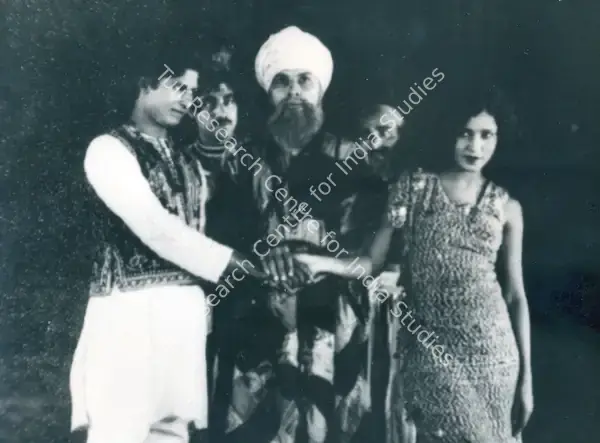
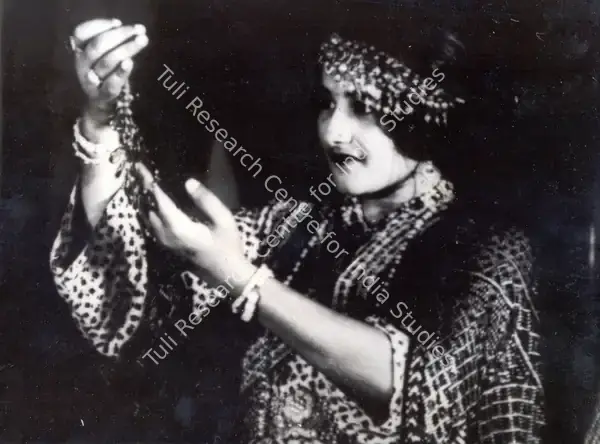
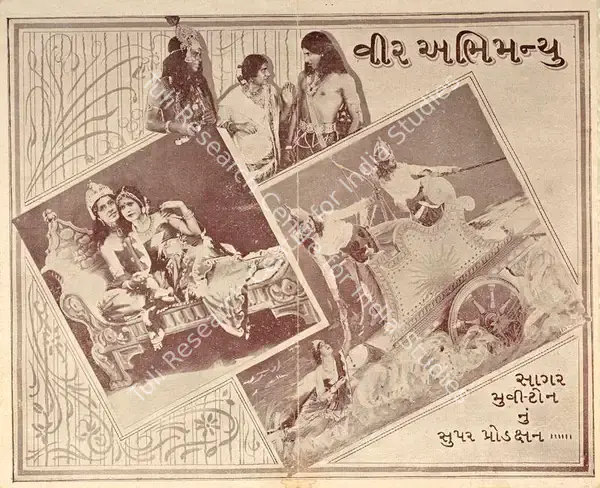
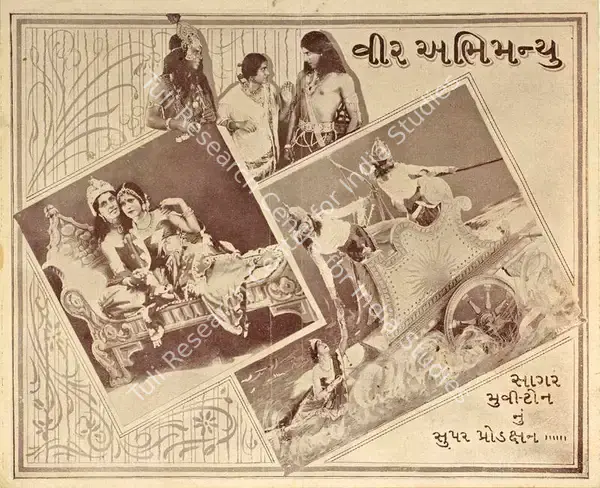
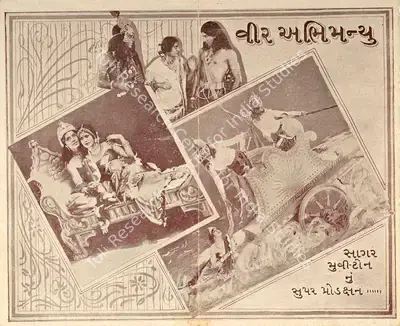
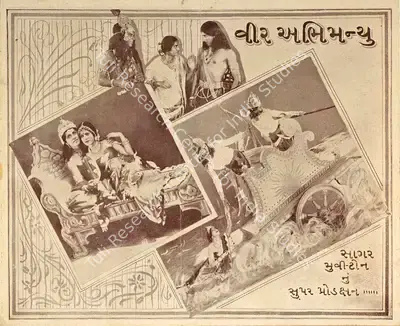
In 1917, he entered film production and released his first silent feature, Nala Damayanti (1920). He later co-founded Star Films in 1922 with Bhogilal Dave, producing Veer Abhimanyu (1922), one of the early silent successes featuring Fatma Begum. The partnership combined Irani's production leadership with Dave's technical cinematography training from New York.
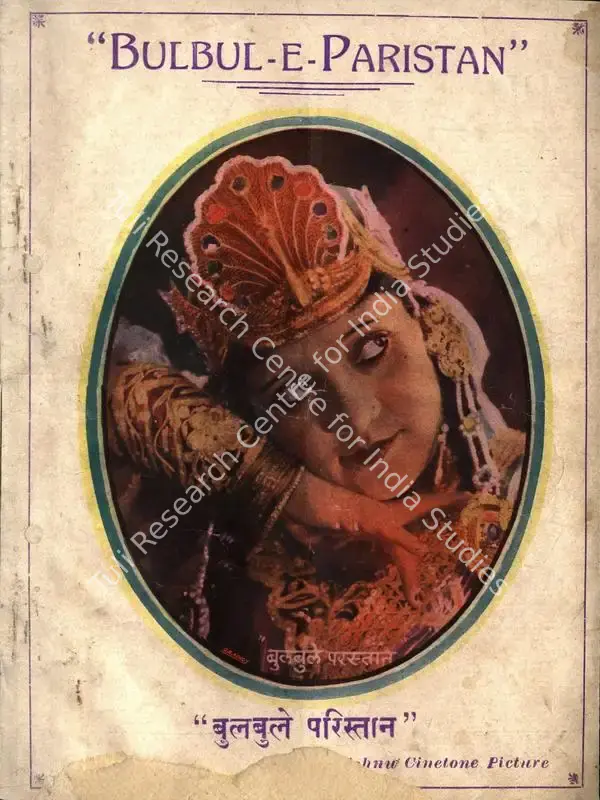
In 1924, he established Majestic Film Company with B.P. Mishra and Naval Gandhi, producing a series of commercially successful romantic films. Though both Majestic and the subsequent Royal Art Studios were short-lived, they contributed significantly to narrative experimentation in early Indian cinema and provided a platform for emerging talent.
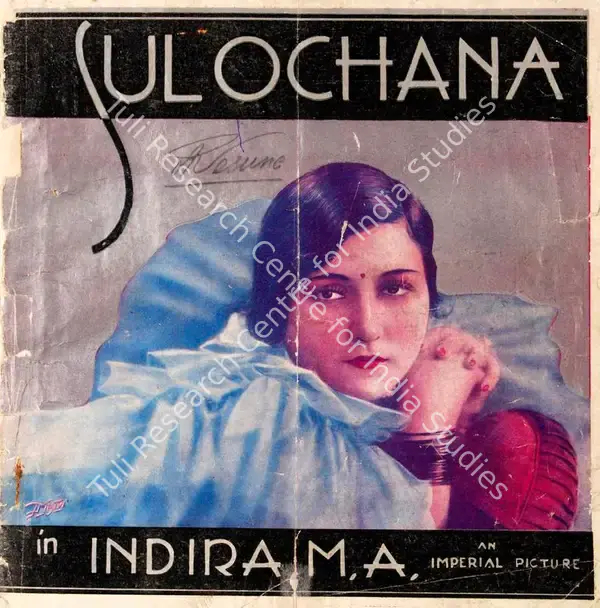
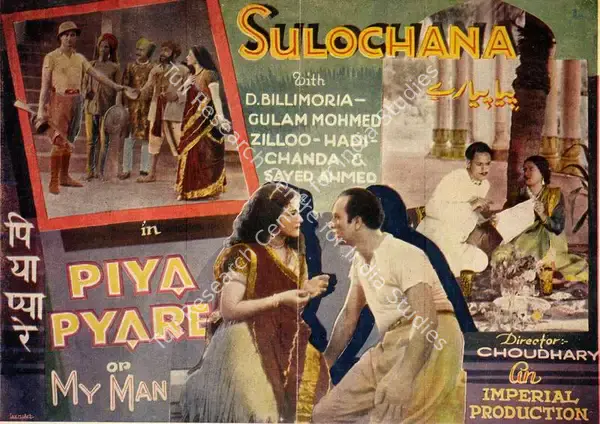
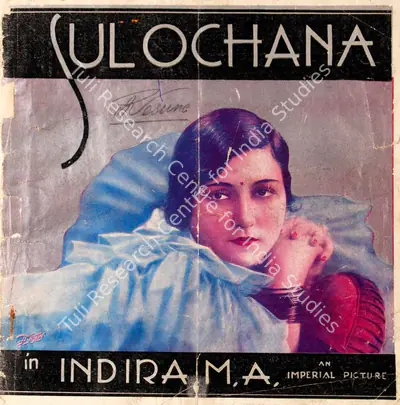
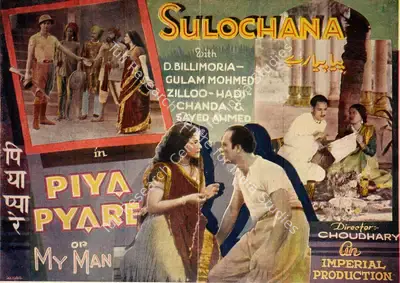
In 1925, he founded Imperial Films, through which he produced more than sixty films and firmly established himself as a leading figure in Indian cinema by the age of forty. The studio became a hub for innovation, talent development, and genre diversification across silent and sound productions.
He is best remembered for Alam Ara (1931), India's first sound film, which revolutionized the industry and ushered in the era of talkies. He also directed Dokhtar-e-Lor (1933), one of the earliest Persian-language sound films, and Kalidas (1931), a pioneering multilingual production. These works reflected his experimental approach to technology and narrative form.
He introduced several prominent actors to Indian cinema, including Prithviraj Kapoor and Mehboob Khan, and was instrumental in shaping early studio-based production practices. His technical innovations included shifting outdoor shooting into controlled studio environments, particularly for sound recording efficiency, which set new standards for Indian filmmaking.
By the mid-1930s, Irani had produced and directed numerous landmark films under Imperial Films and briefly served as the first president of the Indian Motion Picture Producers' Association. He completed over 150 films before retiring during World War II and passed away in Mumbai in 1969 at age 82.
बॉम्बे प्रेसीडेंसी के पुणे में एक पारसी ज़ोरोस्ट्रियन परिवार में जन्मे ईरानी ने 1905 में यूनिवर्सल स्टूडियो के साथ एक भारतीय प्रतिनिधि के रूप में जुड़कर सिनेमा की दुनिया में प्रवेश किया। फ़िल्म प्रदर्शन के क्षेत्र में उनका प्रारंभिक अनुभव बॉम्बे में अलेक्जेंडर सिनेमा के प्रबंधन के माध्यम से हुआ, जहां उन्होंने अब्दुलअली एसोफल्ली के साथ चार दशकों से अधिक समय तक काम किया और फ़िल्म प्रदर्शन और निर्माण का व्यावहारिक ज्ञान प्राप्त किया।
1917 में उन्होंने फ़िल्म निर्माण के क्षेत्र में क़दम रखा और अपनी पहली मूक फ़िल्म ' नल दमयंती' (1920) को रिलीज़ किया। बाद में 1922 में उन्होंने भोगीलाल दवे के साथ मिलकर स्टार फ़िल्म्स की स्थापना की और 'वीर अभिमन्यु' (1922) का निर्माण किया, जो फ़ात्मा बेग़म अभिनीत शुरुआती सफल मूक फ़िल्मों में से एक थी। इस साझेदारी में ईरानी के निर्माण नेतृत्व और दवे के न्यूयॉर्क से प्राप्त तकनीकी सिनेमैटोग्राफ़ी प्रशिक्षण एक साथ आया।
1924 में उन्होंने बी.पी. मिश्रा और नवल गांधी के साथ मिलकर मैजेस्टिक फ़िल्म कंपनी की स्थापना की, जिसने व्यावसायिक रूप से सफल रोमांटिक फ़िल्मों की एक श्रृंखला का निर्माण किया। हालांकि मैजेस्टिक और बाद में स्थापित रॉयल आर्ट स्टूडियो दोनों ही कम समय तक रहे, लेकिन उन्होंने प्रारंभिक भारतीय सिनेमा में कथात्मक प्रयोगों में महत्वपूर्ण योगदान दिया और उभरती प्रतिभाओं के लिए एक मंच प्रदान किया।
1925 में उन्होंने इंपीरियल फ़िल्म्स की स्थापना की, जिसके माध्यम से उन्होंने साठ से अधिक फ़िल्मों का निर्माण किया और चालीस वर्ष की आयु तक भारतीय सिनेमा में एक प्रमुख हस्ती के रूप में अपनी पहचान बनाई। यह स्टूडियो मूक और ध्वनि दोनों प्रकार की फ़िल्मों में नए प्रयोगों, प्रतिभा विकास और विधाओं के विविधीकरण का केंद्र बन गया।
उन्हें मुख्य रूप से आलम आरा (1931) के लिए याद किया जाता है, जो भारत की पहली बोलती फ़िल्म थी और जिसने फ़िल्म उद्योग में क्रांति ला दी और टॉकी फ़िल्मों के युग की शुरुआत की। उन्होंने शुरुआती फ़ारसी भाषा की ध्वनि फ़िल्मों में से एक, दुख़्तर-ए-लोर (1933) और बहुभाषी फ़िल्मों में प्रमुख फ़िल्म कालिदास (1931) का भी निर्देशन किया। इन फ़िल्मी कृतियों में तकनीक और कथा शैली के प्रति उनका प्रयोगात्मक दृष्टिकोण झलकता है।
उन्होंने पृथ्वीराज कपूर और महबूब ख़ान सहित कई प्रमुख अभिनेताओं को भारतीय सिनेमा से परिचित कराया और स्टूडियो आधारित निर्माण पद्धतियों को आकार देने में महत्वपूर्ण भूमिका निभाई। उनके तकनीकी प्रयोगों में आउटडोर शूटिंग को नियंत्रित स्टूडियो वातावरण में स्थानांतरित करना शामिल था, विशेष रूप से ध्वनि रिकॉर्डिंग की दक्षता के लिए, जिसने भारतीय फ़िल्म निर्माण के लिए नए मानक स्थापित किए।
1930 के दशक के मध्य तक ईरानी ने इंपीरियल फ़िल्म्स के तहत कई ऐतिहासिक फ़िल्मों का निर्माण और निर्देशन किया था और कुछ समय के लिए इंडियन मोशन पिक्चर प्रोड्यूसर्स एसोसिएशन के पहले अध्यक्ष के रूप में भी कार्य किया था। द्वितीय विश्व युद्ध के दौरान सेवानिवृत्त होने से पहले उन्होंने 150 से अधिक फ़िल्में पूरी कीं और 1969 में 82 वर्ष की आयु में मुंबई में उनका निधन हो गया।