

Draupadi1931
Introduction
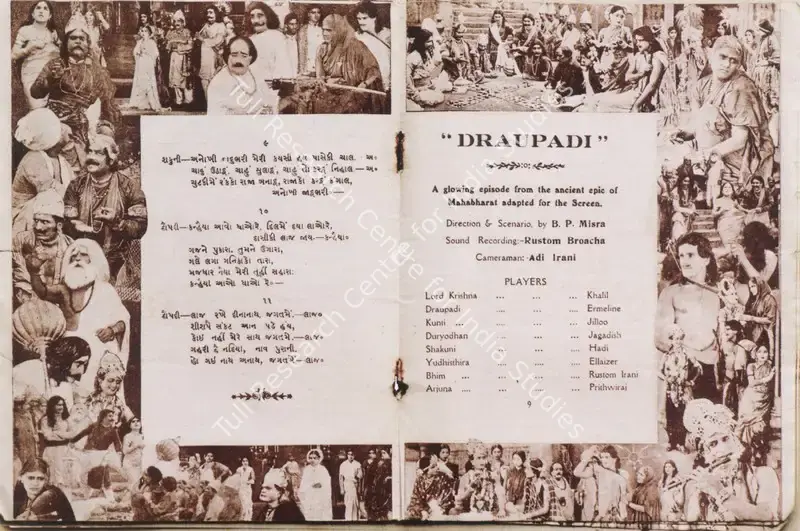
Draupadi (1931) stands as one of the earliest sound films in Indian cinema history, a landmark mythological epic produced by Ardeshir Irani's Imperial Film Company. Released shortly after India's first talkie, Alam Ara, the film represented a significant leap in production scale and ambition for its time. It was directed by Bhagwati Prasad Mishra, a multifaceted artist known for his work as a photographer and painter, who had collaborated extensively with Irani across his Star, Majestic, Royal, and Imperial studios. Mishra not only directed the film but also penned its screenplay, adapting the narrative from the Mahabharata by Vyasa.
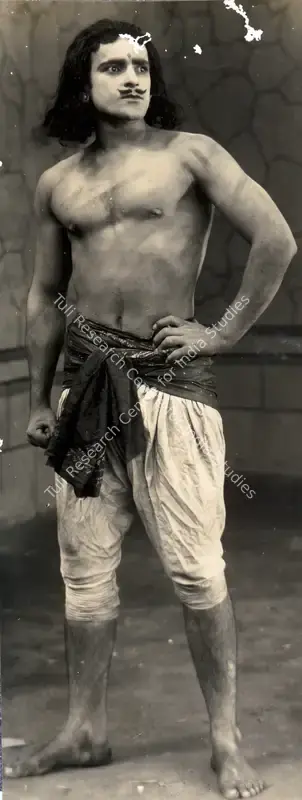
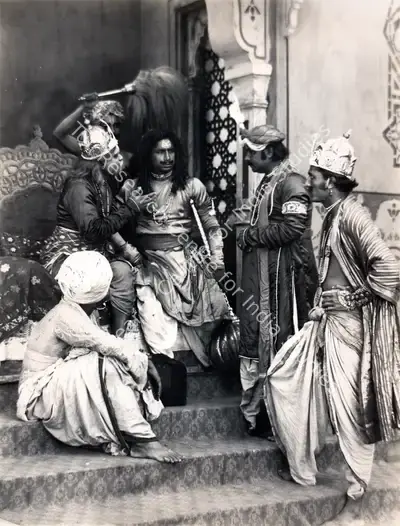
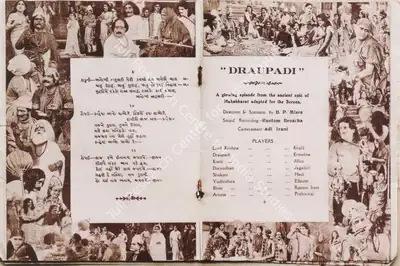
The cast featured a young Prithviraj Kapoor in the role of Karna, with Sudhabala portraying Draupadi and Khalil as Krishna. Supporting roles were played by Hadi, Elizer, Rustom Irani, and Jilloobai. The cinematography was handled by Adi Irani, capturing the grandeur and drama of ancient Indian mythology on screen.
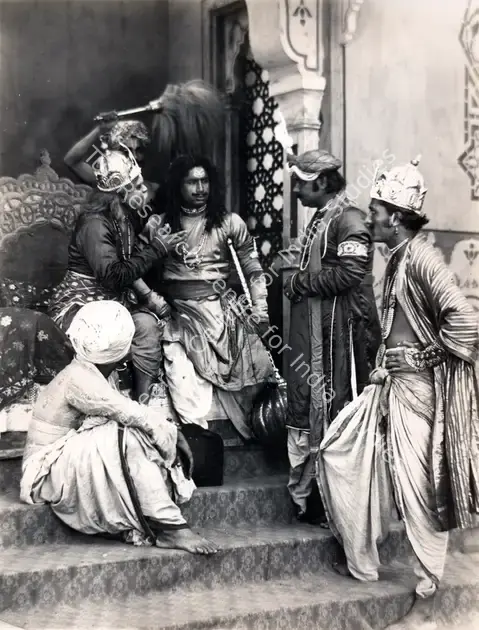
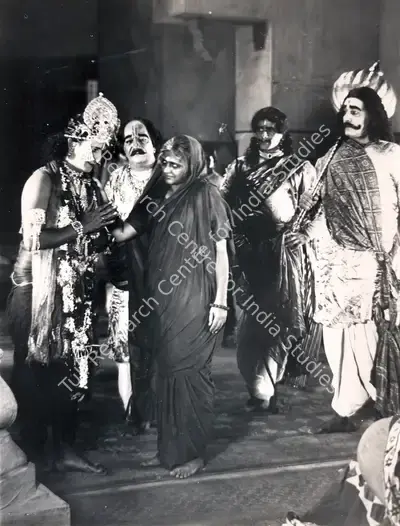
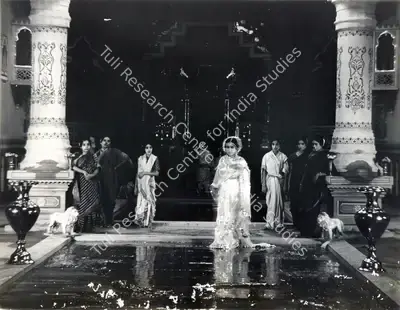
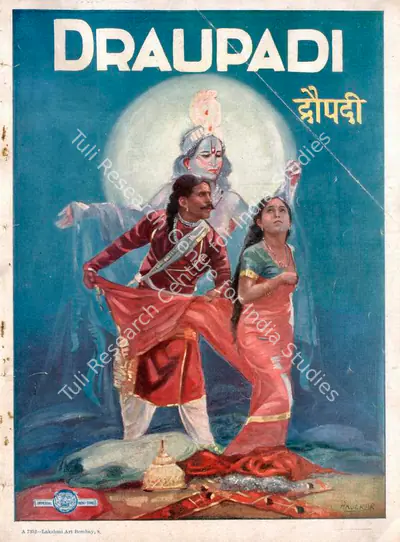
The film centred on one of the most powerful and dramatic episodes of the Mahabharata—Duryodhan's conspiracies to seize control of Hastinapur, culminating in the attempted public humiliation of Draupadi through the disrobing of her sari. This narrative served as both a spectacle and a symbolic reflection on justice, virtue, and feminine dignity.
The use of Hindu mythology to explore gender roles, especially the portrayal of mythological women, was a recurring theme in early Indian cinema. As noted by scholar Prem Chowdhry, Draupadi was a popular subject in Indian films, referenced in at least eleven productions between 1916 and 1944.
The film's music was performed live by the actors themselves—a common practice in early talkies. Songs such as Anokhi Jaadu Bhari Mri Kaisi Hai Paase Ki Chaal by Hadi, Bhagat Ke Bas Mein Hai Bhagwan by Khalil, Do Din Ka Mehmaan Arre Kyun Murkh Mann Bhatkave by Jilloobai, and Gaavein Manaavein Aanand Hum Mil Kar Saari by a chorus, were all well-received. Ermeline lent her voice to several tracks including Jis Main Apni Nazar Se Dekhoon, Kanhaiya Aao Re Dhaao Re, and Laaj Rakhe Dinanath Jagat Mein. Other notable numbers included Main Toh Shakuni Kumar Hoon Matlab Ka Yaar Hoon and Nayanwa Khol Maharaj Atal Rahe Tero Raj, both sung by Hadi.
A landmark in cinematic history, Draupadi was considered a high-profile, big-budget production that exemplified the evolving ambitions of Indian cinema in the early sound era.
इस फ़िल्म में युवा पृथ्वीराज कपूर ने कर्ण की भूमिका निभाई थी जबकि सुधाबाला ने द्रौपदी और खलील ने कृष्ण का किरदार निभाया था। अन्य सहायक भूमिकाओं में हादी, एलिज़र, रुस्तम ईरानी और जिल्लोबाई जैसे कलाकार शामिल थे। फ़िल्म में सिनेमैटोग्राफ़ी का ज़िम्मा आदि ईरानी ने संभाला था। अपने कैमरे के कमाल से उन्होंने इस प्राचीन भारतीय पौराणिक कथा को उसकी पूरी भव्यता और नाटकीयता के साथ सिनेमा के पर्दे पर ज़िन्दा कर दिया।
फ़िल्म की कथा महाभारत के सबसे निर्णायक और नाटकीय प्रसंगों में से एक को अपनी कथा का केंद्र बनाती है। दुर्योधन अपनी षड्यंत्रकारी चालों के माध्यम से हस्तिनापुर का सिंहासन हासिल करना चाहता था। एक चाल चलते हुए वह पाण्डवों को द्यूत क्रीड़ा के लिए आमंत्रित करता है। युधिष्ठिर अपना सर्वस्व इस जुए के खेल में हार जाते हैं और आखिर में यह प्रसंग भरी सभा में द्रौपदी के सार्वजनिक अपमान तथा उसके वस्त्रहरण के प्रयास में परिणत होता है। यह प्रसंग सिनेमाई पर्दे पर न सिर्फ़ एक नाटकीय प्रसंग बनता है बल्कि न्याय-अन्याय, अच्छाई-बुराई, चयन के अधिकार और नारी की गरिमा जैसे मुद्दों पर तीखी प्रतीकात्मक टिप्पणी भी करता है।
हिन्दू पौराणिक कथा प्रसंगों का उपयोग कर लैंगिक भेद की पड़ताल करना और उसमें भी ख़ासकर द्रौपदी जैसी मुखर पौराणिक स्त्रियों का चित्रण प्रारंभिक भारतीय सिनेमा में एक दोहराई जानेवाली प्रवृत्ति रही। जैसा एक विद्वान प्रेम चौधरी का कहना है कि द्रौपदी का पौराणिक किरदार उस दौर की भारतीय फ़िल्मों का एक लोकप्रिय चरित्र रहा है जिसका उल्लेख सन् 1916 से सन् 1944 के बीच बनी कम से कम ग्यारह भारतीय फ़िल्मों में मिलता है।
इस फ़िल्म के गीतों में कलाकारों ने खुद ही अपने गीत गाये थे जो उस दौर की शुरुआती टॉकी फ़िल्मों का चलन था। हादी का गाया "अनोखी जादू भरी मारी कैसी है पासे की चाल", ख़लील का गाया "भगत के बस में है भगवान", जिल्लोबाई का गाया "दो दिन का मेहमान अरे क्यों मूर्ख मन भटकावे" और कोरस में गाया गया "गावें मनावें आनंद हम मिलकर सारी" जैसे गीत दर्शकों को खूब भाए। एर्मेलीन ने भी फ़िल्म में गीतों को अपनी आवाज़ दी जिनमें "जिसमें अपनी नज़र से देखूँ", "कन्हैया आओ रे धाओ रे" और "लाज रखे दीनानाथ जगत में" जैसे गीत शामिल थे। फ़िल्म के अन्य उल्लेखनीय गीतों में हादी के गाए "मैं तो शकुनी कुमार हूँ मतलब का यार हूँ" और "नयनवा खोल महाराज अटल रहे तेरो राज" भी शामिल थे।
सिनेमा के इतिहास में एक मील का पत्थर मानी जाने वाली यह फ़िल्म द्रौपदी अपने समय की भव्य पैमाने पर निर्मित बड़े बजट की फ़िल्मों में से एक थी। कह सकते हैं कि इसने प्रारंभिक टॉकी युग में भारतीय सिनेमा की बढ़ती महत्वाकांक्षाओं को साकार सिनेमाई रूप दिया।
Body of Work
Research Centre
Related
1
Personalities
1