Adi M. Irani
Adi M. Irani was a prominent cinematographer active in Indian films during the early 1930s. Among the first generations of cinematographers working at a time when Indian cinema was transitioning to talkies, he collaborated on several important films of that era, often under producer-director Ardeshir Irani at Imperial Film Company in Bombay.
He began his career working on silent films and went on to serve as the cinematographer for Alam Ara (1931), the first full-length Indian talkie film. The crew devised innovative filming techniques to hide the recording equipment, which would otherwise be seen in the frame due to its proximity to the actors. Irani used static camera shots due to the bulky Tanar single-system equipment that recorded both image and sound simultaneously. This limitation necessitated fixed positioning to avoid vibrations and maintain audio clarity. Filming was restricted to nighttime hours, typically from 1 a.m. to 4 a.m. due to the studio's location, which was close to a train station. Although rudimentary in many aspects as the first Talkie, Irani's cinematography was noticed for its skillful sound synchronisation that complemented the static shots. As the first sound talkie, Alam Ara also has the distinction of being the first Indian film with songs. The film featured seven songs, paving the tradition for song and music in Indian cinema. Wazir Mohammed Khan's rendition of "De De Khuda Ke Naam Par" under the music direction of Firozeshah Mistry became the first song sung in Indian films.
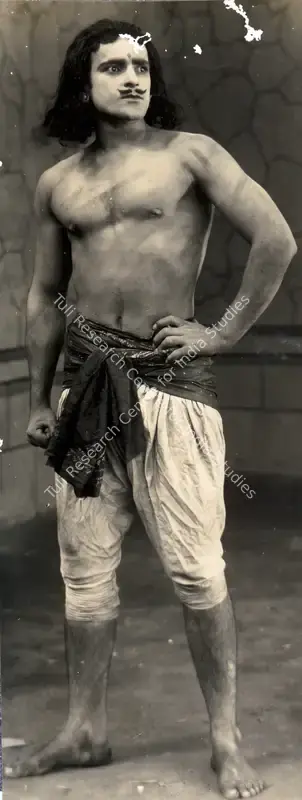
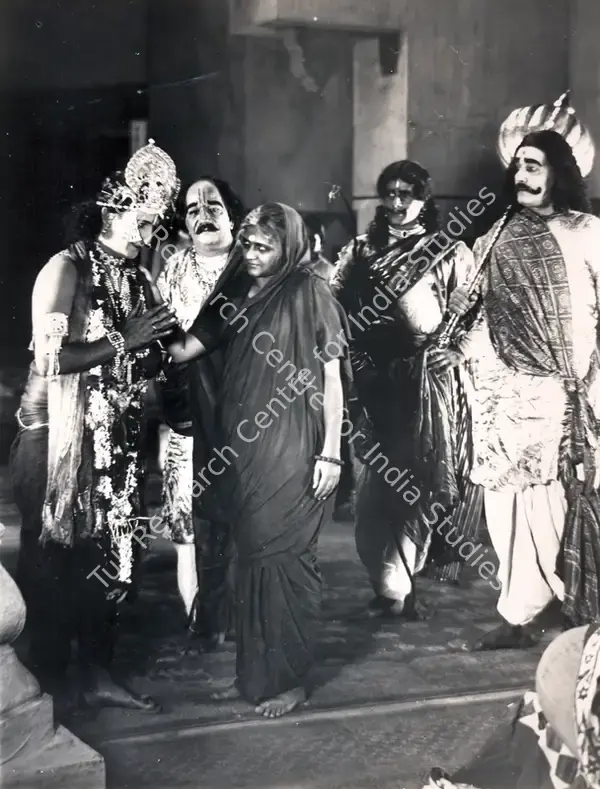
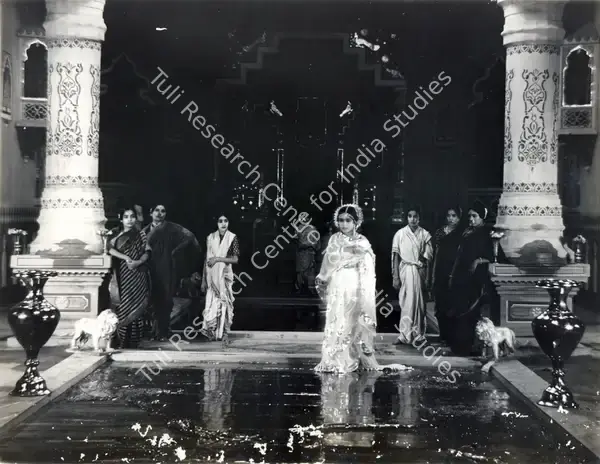
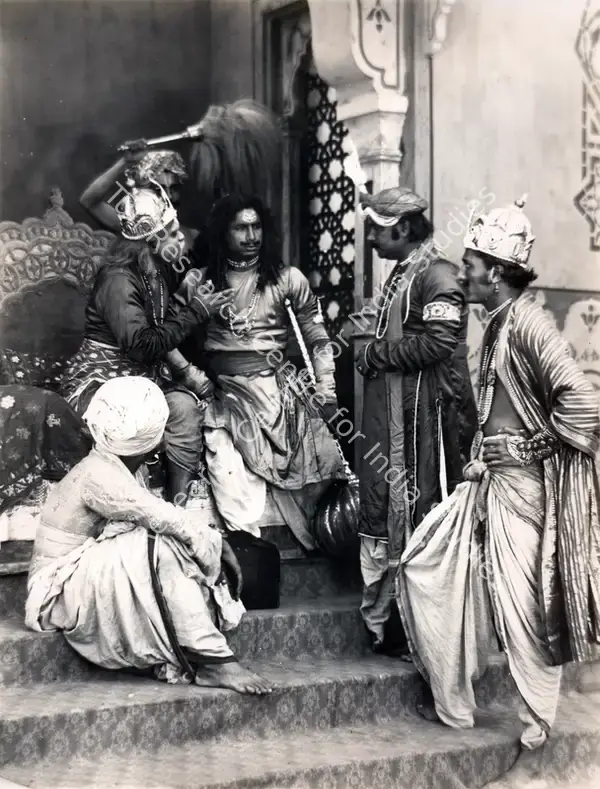
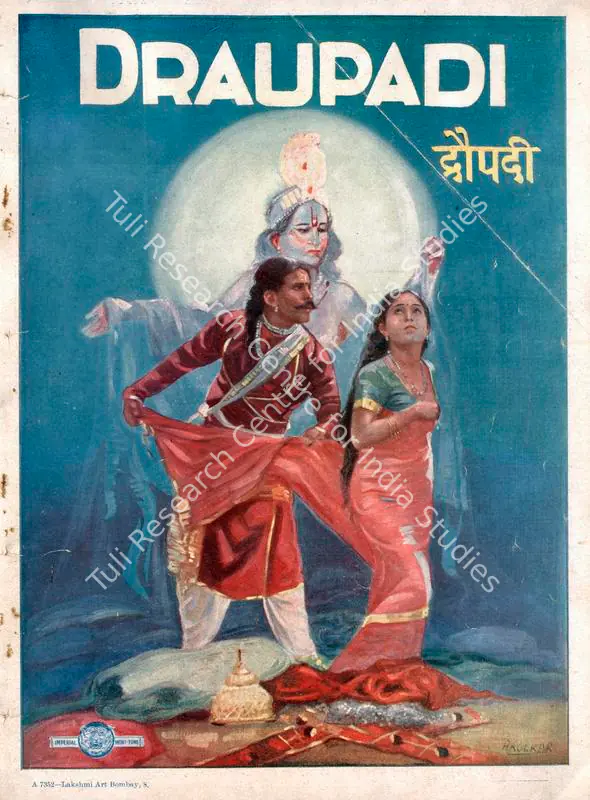
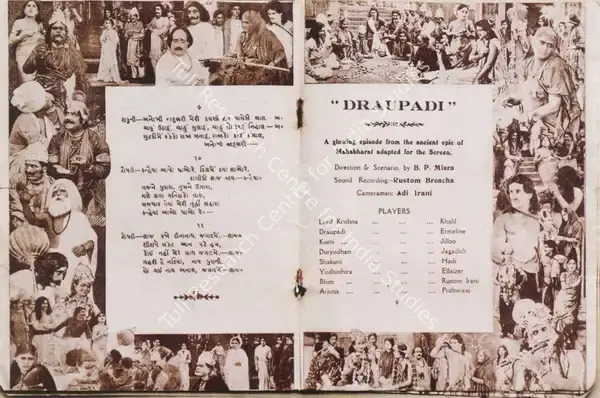
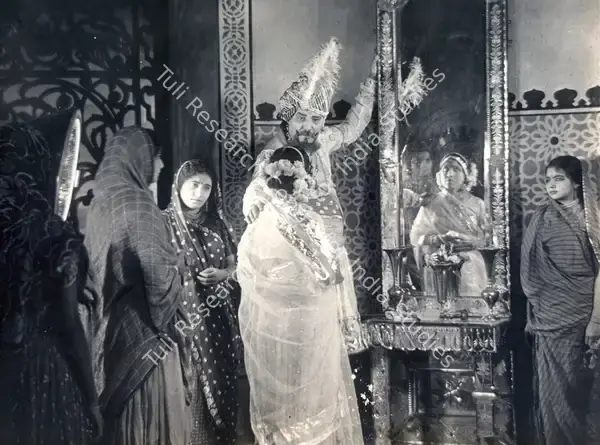
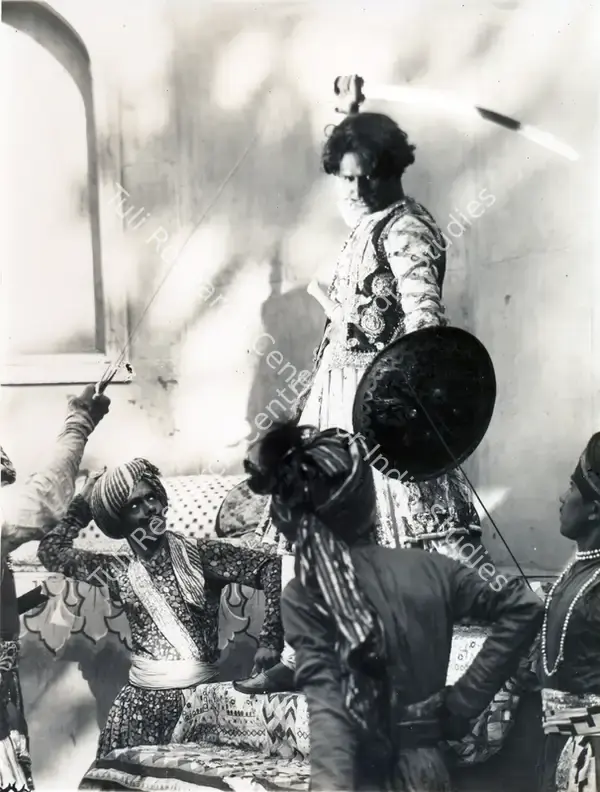
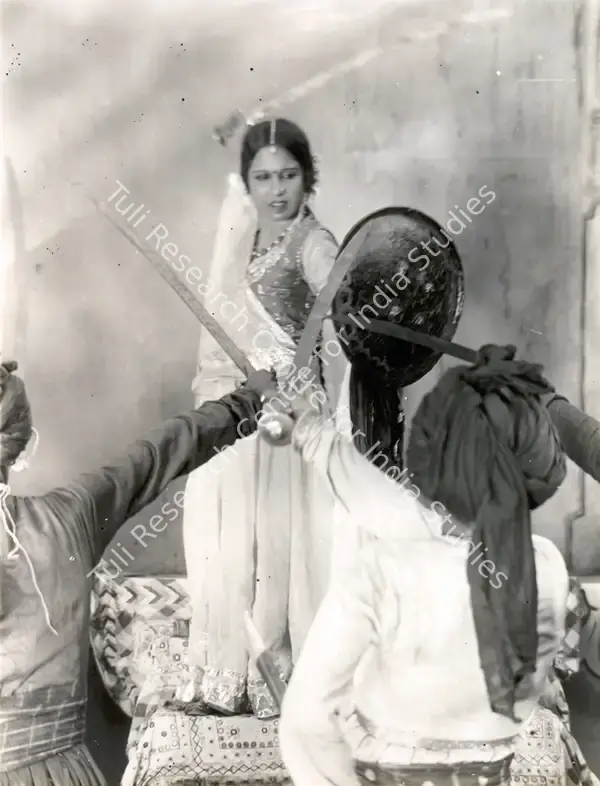
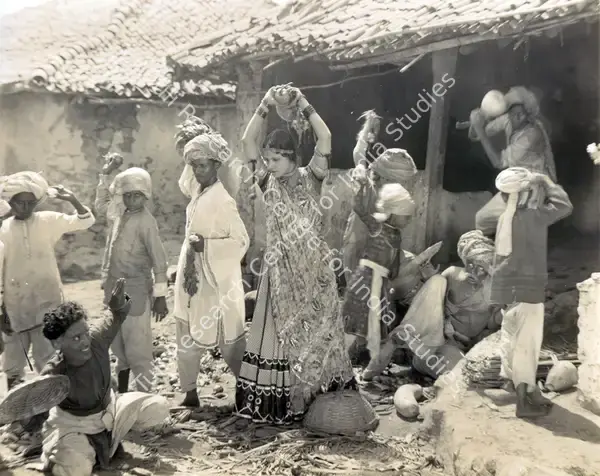
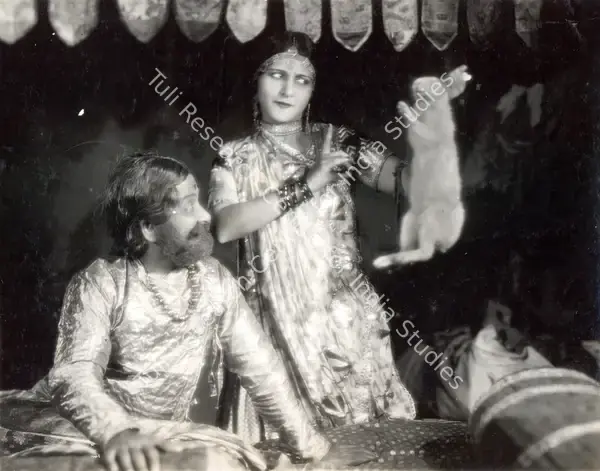
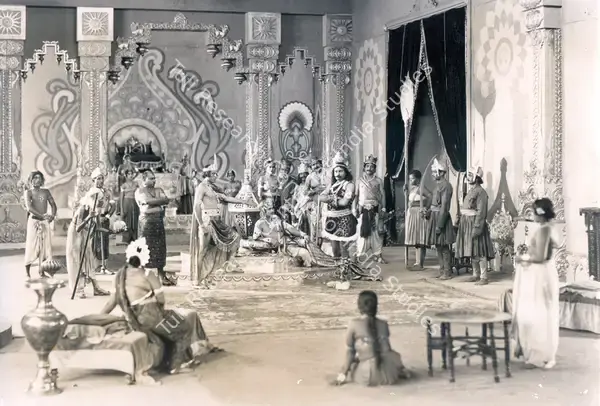
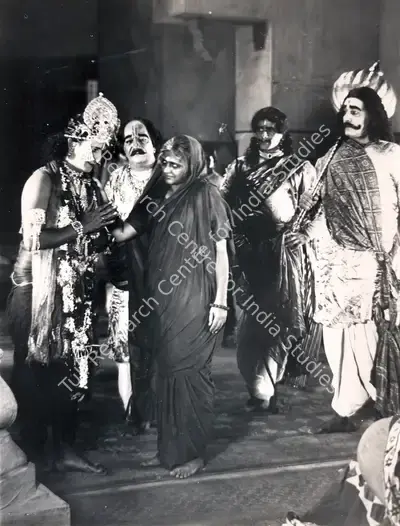
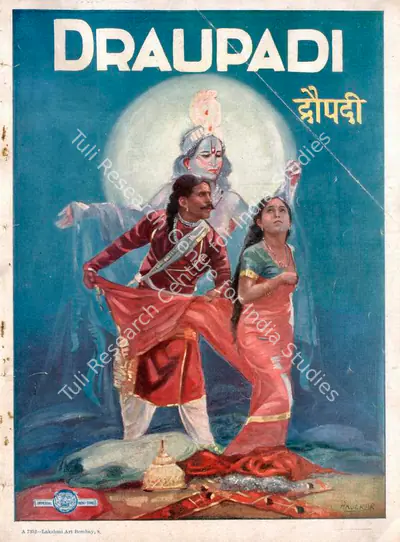
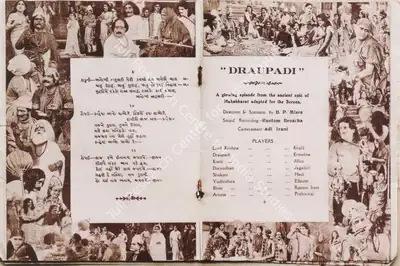
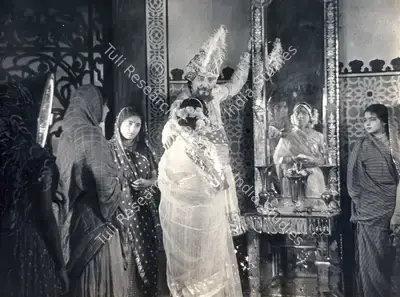
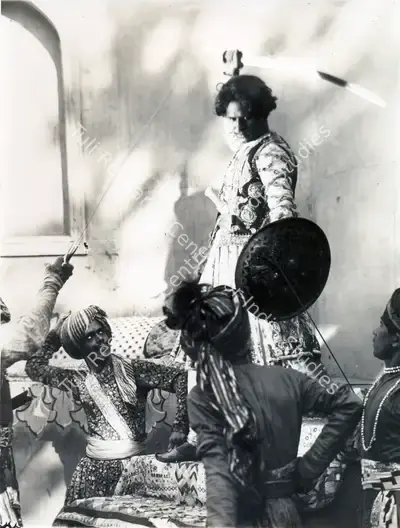
With the success of Alam Ara, Irani went on to shoot several other films for the production company, Imperial Movietone, such as B.P. Mishra's big-budget production Draupadi (1931), Khuda ki Shaan (1931), Madhuri (1932), Zalim Jawani (1932), Samaj ki Bhool (1934), Do Ghadi ki Mauj (1935), and Hamari Betiyan (1936).
In the latter days of his career, he collaborated on several Telugu films.
उन्होंने अपने करियर की शुरुआत मूक फ़िल्मों (बिना आवाज़ वाली फ़िल्मों) से की और बाद में भारत की पहली पूरी लंबाई वाली बोलती फ़िल्म 'आलम आरा' (1931) के सिनेमैटोग्राफ़र बने। क्रू ने रिकॉर्डिंग इक्विपमेंट को छिपाने के लिए नए तरह के फ़िल्मांकन तरीक़े अपनाए, क्योंकि अगर ऐसा न किया जाता तो वे एक्टर्स के साथ होने के कारण फ़्रेम में दिखाई देते। ईरानी ने स्थिर कैमरा शॉट्स का इस्तेमाल किया क्योंकि 'टॉनार सिंगल-सिस्टम' इक्विपमेंट काफ़ी भारी भरकम था और एक ही समय में इमेज़ और साउंड दोनों को रिकॉर्ड करता था। इस सीमा के कारण वाइब्रेशन से बचने और ऑडियो की स्पष्टता बनाए रखने के लिए कैमरे को एक ही जगह पर स्थिर रखना ज़रूरी था। फ़िल्मांकन का काम रात के समय, आम तौर पर रात 1 बजे से सुबह 4 बजे के बीच किया जाता था, क्योंकि स्टूडियो एक ट्रेन स्टेशन के पास स्थित था। पहली बोलती फ़िल्म होने के नाते कई मामलों में शुरुआती प्रयास होने के बावजूद, ईरानी की सिनेमैटोग्राफ़ी को साउंड और विज़ुअल के कुशल तालमेल के लिए सराहा गया, जिसने स्थिर शॉट्स को और बेहतर बनाया। पहली बोलती फ़िल्म होने के साथ-साथ, 'आलम आरा' को पहली ऐसी भारतीय फ़िल्म होने का भी गौरव प्राप्त है जिसमें गाने थे। इस फ़िल्म में सात गाने थे, जिसने भारतीय सिनेमा में गाने और संगीत की परंपरा की शुरुआत की। फ़िरोज़शाह मिस्त्री के संगीत निर्देशन में वज़ीर मोहम्मद ख़ान द्वारा गाया गया गाना "दे दे ख़ुदा के नाम पर" भारतीय फ़िल्मों में गाया गया पहला गाना बना।
'आलम आरा' की सफलता के बाद ईरानी ने प्रोडक्शन कंपनी 'इंपीरियल मूवीटोन' के लिए कई और फ़िल्में बनाईं, जैसे बी.पी. मिश्रा की बड़े बजट वाली फ़िल्म 'द्रौपदी' (1931), 'ख़ुदा की शान' (1931), 'माधुरी' (1932), 'ज़ालिम जवानी' (1932), 'समाज की भूल' (1934), 'दो घड़ी की मौज़' (1935) और 'हमारी बेटियां' (1936)।
अपने करियर के आख़िरी दिनों में, उन्होंने कई तेलुगु फ़िल्मों पर भी काम किया।