
Introduction
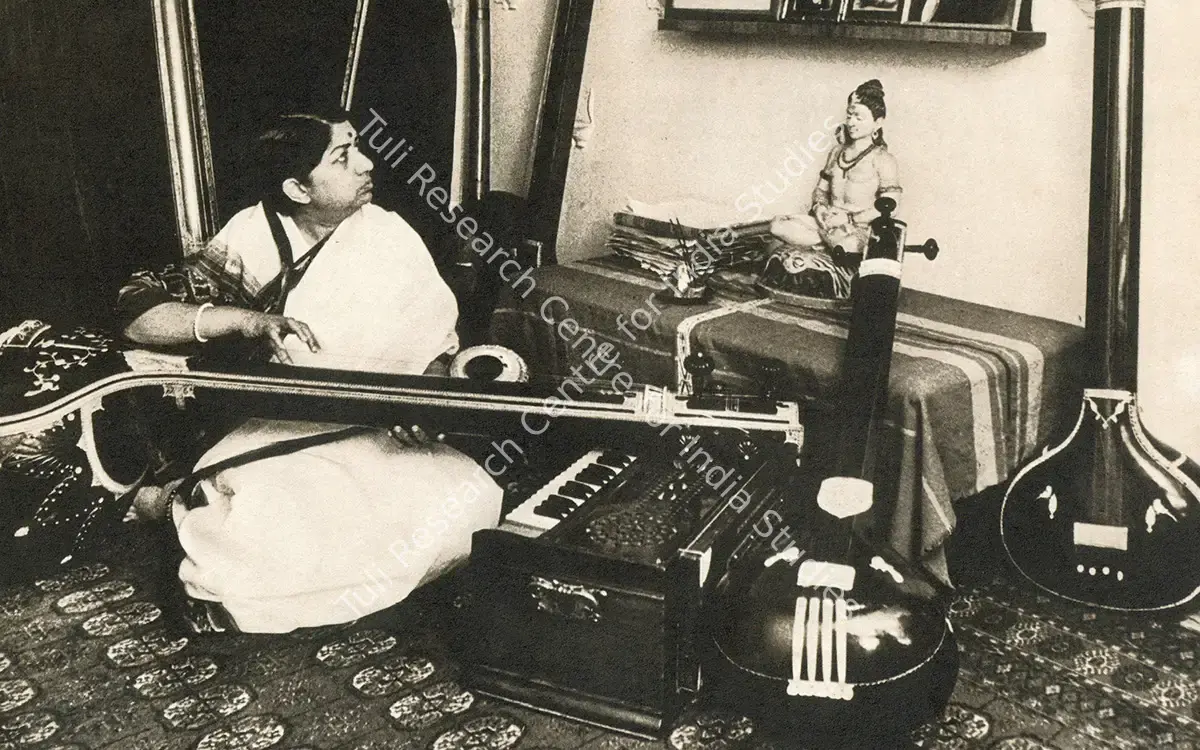
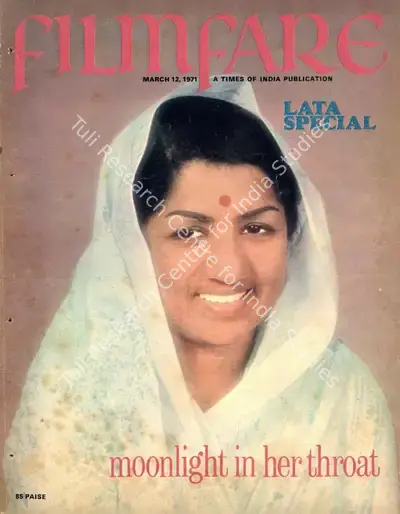
Lata Mangeshkar (born Hemalata Dinanath Mangeshkar; 28 September 1929 – 6 February 2022) occupies an unparalleled position in the history of Indian music as one of the most influential playback singers of the twentieth century. Born Hemalata Dinanath Mangeshkar in Indore, then part of the princely state of Indore in British India, she transformed the aesthetics of film music through a career that spanned more than eight decades. Revered as the Queen of Melody and the Voice of the Millennium, she recorded thousands of songs in more than thirty-six Indian languages, in addition to a few foreign languages, although her most celebrated work was in Hindi, Marathi, and Bengali. Her extraordinary vocal purity, impeccable diction, emotional sensitivity, and technical precision established the artistic benchmark for playback singing and made her the defining female voice of Indian cinema across successive generations.
Music formed an integral part of Mangeshkar's upbringing. Her father, Pandit Deenanath Mangeshkar, was an accomplished Hindustani classical vocalist, theatre actor, and musician, while her mother, Shevanti (later renamed Shudhamati), came from a culturally rich Gujarati family. Her paternal grandmother, Yesubai, a distinguished musician from Goa's Devadasi tradition, also contributed to the family's rich musical heritage. Originally named Hema, she was later renamed Lata after Latika, a character in one of her father's musical plays. As the eldest of five siblings—Meena, Asha, Usha, Hridaynath, and herself—she received rigorous musical instruction from her father at an early age and began performing in his Marathi musical theatre productions when she was only five years old.
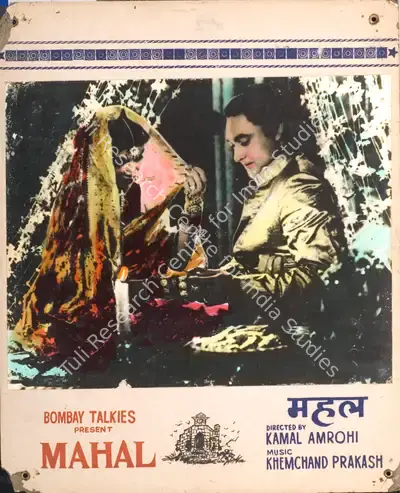
The sudden death of Deenanath Mangeshkar in 1942 profoundly altered the family's circumstances, compelling the young Lata to assume financial responsibility through acting and singing. After appearing in several Marathi and Hindi films in minor acting roles, she gradually established herself as a playback singer despite initial resistance from producers who considered her voice too thin in comparison with the heavier vocal styles then prevalent. Her decisive breakthrough came with Aayega Aanewala from Mahal (1949), whose haunting melody, expressive phrasing, and effortless control transformed contemporary expectations of female playback singing and announced the arrival of an exceptional musical talent.
During the 1950s, Mangeshkar emerged as the pre-eminent female playback singer in Hindi cinema through enduring collaborations with composers such as Shankar–Jaikishan, Sachin Dev Burman, C. Ramchandra, Naushad, Madan Mohan, Salil Chowdhury, Roshan, and Hemant Kumar. Her crystalline voice, remarkable breath control, and refined musicianship enabled her to convey a vast spectrum of emotions with uncommon subtlety. The following decades, widely regarded as the golden age of Hindi film music, witnessed an extraordinary succession of masterpieces, including Pyar Kiya To Darna Kya from Mughal-e-Azam (1960), Ajeeb Dastan Hai Yeh from Dil Apna Aur Preet Parai (1960), Allah Tero Naam from Hum Dono (1961), Kahin Deep Jale Kahin Dil from Bees Saal Baad (1962), Lag Jaa Gale and Naina Barse Rimjhim Rimjhim from Woh Kaun Thi? (1964), and Aaj Phir Jeene Ki Tamanna Hai from Guide (1965). These recordings remain enduring exemplars of expressive restraint, lyrical clarity, and melodic refinement.
Although firmly rooted in Hindustani classical music, Mangeshkar consistently adapted her artistry to diverse musical idioms without compromising vocal elegance. Her disciplined approach to interpretation reflected an unwavering commitment to the composer's vision. Unlike singers who frequently embellished melodies through improvisation, Mangeshkar generally adhered closely to the notated composition, relying instead on tonal purity, nuanced dynamics, immaculate pronunciation, and emotional conviction to achieve expressive depth. Her remarkable versatility enabled her to excel equally in romantic ballads, devotional compositions, classical-based melodies, patriotic songs, bhajans, ghazals, folk-inspired music, and children's songs.
Her career was distinguished by fruitful collaborations with virtually every major composer and lyricist of post-independence Indian cinema. She recorded memorable duets with Mohammed Rafi, Kishore Kumar, Mukesh, Talat Mahmood, Manna Dey, Hemant Kumar, Mahendra Kapoor, P. B. Sreenivas, Geeta Dutt, Shamshad Begum, Suraiya, Asha Bhosle, and Usha Mangeshkar, among others. A notable later duet was Chanda Se Hoga from Main Bhi Ladki Hoon (1964), recorded with P. B. Sreenivas. Significantly, the distinguished composer O. P. Nayyar never collaborated with Lata Mangeshkar, preferring instead to use her sister Asha Bhosle as his principal female vocalist. Despite persistent speculation regarding professional rivalry, both Mangeshkar and Nayyar publicly denied any personal differences, with Nayyar acknowledging her as the undisputed Melody Queen of India.
Her unparalleled legacy spanning over seven decades and thousands of iconic songs have come to define Indian cinema: Lag Ja Gale (Woh Kaun Thi, 1964), Aayega Aanewala (Mahal, 1949), Pyar Kiya To Darna Kya (Mughal-e-Azam, 1960), Ajeeb Dastaan Hai Yeh (Dil Apna Aur Preet Parai, 1960), Aye Mere Watan Ke Logo (1963), Chalte Chalte Yun Hi Koi (Pakeezah, 1972), Tujhe Dekha To Yeh Jana (Dilwale Dulhania Le Jayenge, 1995), Piya Tose Naina Laage Re (Guide, 1965), Rahe Na Rahe Hum (Mamta, 1966), and Tere Bina Zindagi Se Koi Shikwa (Aandhi, 1975)
Beyond playback singing, Mangeshkar also demonstrated considerable talent as a music composer. She composed for the Marathi film Ram Ram Pavhane (1955) and subsequently adopted the pseudonym Anand Ghan for films such as Maratha Tituka Melvava (1964), Mohityanchi Manjula (1963), Sadhi Manase (1965), and Tambadi Mati (1969). Her composition Airaneechya Deva Tula from Sadhi Manase earned the Maharashtra State Government's Best Song Award, while she received the Best Music Director Award for the same film.
Throughout her career, Mangeshkar remained renowned for her discipline and artistic integrity. She recorded every song barefoot as a mark of reverence for the recording studio, which she regarded as a sacred space, and rarely listened to her own recordings after release because she believed she would notice only imperfections in her performances. Her contributions were recognised through numerous honours, including the Padma Bhushan (1969), Dadasaheb Phalke Award (1989), Maharashtra Bhushan (1997), Padma Vibhushan (1999), Bharat Ratna (2001), and France's Legion of Honour (2007). She also received three National Film Awards, fifteen Bengal Film Journalists' Association Awards, the Filmfare Lifetime Achievement Award, and several other distinctions. In 1974, she became the first Indian playback singer to perform at London's Royal Albert Hall. Her name also appeared in the Guinness World Records as the world's most recorded artist before being succeeded by her sister Asha Bhosle. Lata Mangeshkar passed away on 6 February 2022 following complications arising from pneumonia and COVID-19, bringing to a close an extraordinary life devoted to music. Her artistic legacy continues to define the highest standards of Indian playback singing and remains an enduring source of inspiration for musicians and audiences worldwide.
Music formed an integral part of Mangeshkar's upbringing. Her father, Pandit Deenanath Mangeshkar, was an accomplished Hindustani classical vocalist, theatre actor, and musician, while her mother, Shevanti (later renamed Shudhamati), came from a culturally rich Gujarati family. Her paternal grandmother, Yesubai, a distinguished musician from Goa's Devadasi tradition, also contributed to the family's rich musical heritage. Originally named Hema, she was later renamed Lata after Latika, a character in one of her father's musical plays. As the eldest of five siblings—Meena, Asha, Usha, Hridaynath, and herself—she received rigorous musical instruction from her father at an early age and began performing in his Marathi musical theatre productions when she was only five years old.
The sudden death of Deenanath Mangeshkar in 1942 profoundly altered the family's circumstances, compelling the young Lata to assume financial responsibility through acting and singing. After appearing in several Marathi and Hindi films in minor acting roles, she gradually established herself as a playback singer despite initial resistance from producers who considered her voice too thin in comparison with the heavier vocal styles then prevalent. Her decisive breakthrough came with Aayega Aanewala from Mahal (1949), whose haunting melody, expressive phrasing, and effortless control transformed contemporary expectations of female playback singing and announced the arrival of an exceptional musical talent.
During the 1950s, Mangeshkar emerged as the pre-eminent female playback singer in Hindi cinema through enduring collaborations with composers such as Shankar–Jaikishan, Sachin Dev Burman, C. Ramchandra, Naushad, Madan Mohan, Salil Chowdhury, Roshan, and Hemant Kumar. Her crystalline voice, remarkable breath control, and refined musicianship enabled her to convey a vast spectrum of emotions with uncommon subtlety. The following decades, widely regarded as the golden age of Hindi film music, witnessed an extraordinary succession of masterpieces, including Pyar Kiya To Darna Kya from Mughal-e-Azam (1960), Ajeeb Dastan Hai Yeh from Dil Apna Aur Preet Parai (1960), Allah Tero Naam from Hum Dono (1961), Kahin Deep Jale Kahin Dil from Bees Saal Baad (1962), Lag Jaa Gale and Naina Barse Rimjhim Rimjhim from Woh Kaun Thi? (1964), and Aaj Phir Jeene Ki Tamanna Hai from Guide (1965). These recordings remain enduring exemplars of expressive restraint, lyrical clarity, and melodic refinement.
Although firmly rooted in Hindustani classical music, Mangeshkar consistently adapted her artistry to diverse musical idioms without compromising vocal elegance. Her disciplined approach to interpretation reflected an unwavering commitment to the composer's vision. Unlike singers who frequently embellished melodies through improvisation, Mangeshkar generally adhered closely to the notated composition, relying instead on tonal purity, nuanced dynamics, immaculate pronunciation, and emotional conviction to achieve expressive depth. Her remarkable versatility enabled her to excel equally in romantic ballads, devotional compositions, classical-based melodies, patriotic songs, bhajans, ghazals, folk-inspired music, and children's songs.
Her career was distinguished by fruitful collaborations with virtually every major composer and lyricist of post-independence Indian cinema. She recorded memorable duets with Mohammed Rafi, Kishore Kumar, Mukesh, Talat Mahmood, Manna Dey, Hemant Kumar, Mahendra Kapoor, P. B. Sreenivas, Geeta Dutt, Shamshad Begum, Suraiya, Asha Bhosle, and Usha Mangeshkar, among others. A notable later duet was Chanda Se Hoga from Main Bhi Ladki Hoon (1964), recorded with P. B. Sreenivas. Significantly, the distinguished composer O. P. Nayyar never collaborated with Lata Mangeshkar, preferring instead to use her sister Asha Bhosle as his principal female vocalist. Despite persistent speculation regarding professional rivalry, both Mangeshkar and Nayyar publicly denied any personal differences, with Nayyar acknowledging her as the undisputed Melody Queen of India.
Her unparalleled legacy spanning over seven decades and thousands of iconic songs have come to define Indian cinema: Lag Ja Gale (Woh Kaun Thi, 1964), Aayega Aanewala (Mahal, 1949), Pyar Kiya To Darna Kya (Mughal-e-Azam, 1960), Ajeeb Dastaan Hai Yeh (Dil Apna Aur Preet Parai, 1960), Aye Mere Watan Ke Logo (1963), Chalte Chalte Yun Hi Koi (Pakeezah, 1972), Tujhe Dekha To Yeh Jana (Dilwale Dulhania Le Jayenge, 1995), Piya Tose Naina Laage Re (Guide, 1965), Rahe Na Rahe Hum (Mamta, 1966), and Tere Bina Zindagi Se Koi Shikwa (Aandhi, 1975)
Beyond playback singing, Mangeshkar also demonstrated considerable talent as a music composer. She composed for the Marathi film Ram Ram Pavhane (1955) and subsequently adopted the pseudonym Anand Ghan for films such as Maratha Tituka Melvava (1964), Mohityanchi Manjula (1963), Sadhi Manase (1965), and Tambadi Mati (1969). Her composition Airaneechya Deva Tula from Sadhi Manase earned the Maharashtra State Government's Best Song Award, while she received the Best Music Director Award for the same film.
Throughout her career, Mangeshkar remained renowned for her discipline and artistic integrity. She recorded every song barefoot as a mark of reverence for the recording studio, which she regarded as a sacred space, and rarely listened to her own recordings after release because she believed she would notice only imperfections in her performances. Her contributions were recognised through numerous honours, including the Padma Bhushan (1969), Dadasaheb Phalke Award (1989), Maharashtra Bhushan (1997), Padma Vibhushan (1999), Bharat Ratna (2001), and France's Legion of Honour (2007). She also received three National Film Awards, fifteen Bengal Film Journalists' Association Awards, the Filmfare Lifetime Achievement Award, and several other distinctions. In 1974, she became the first Indian playback singer to perform at London's Royal Albert Hall. Her name also appeared in the Guinness World Records as the world's most recorded artist before being succeeded by her sister Asha Bhosle. Lata Mangeshkar passed away on 6 February 2022 following complications arising from pneumonia and COVID-19, bringing to a close an extraordinary life devoted to music. Her artistic legacy continues to define the highest standards of Indian playback singing and remains an enduring source of inspiration for musicians and audiences worldwide.
लता मंगेशकर (जन्म: हेमलता दीनानाथ मंगेशकर; 28 सितंबर 1929 – 6 फरवरी 2022) बीसवीं सदी की प्रभावशाली पार्श्व गायिकाओं में से एक थीं और भारतीय संगीत के इतिहास में उनका स्थान बेनज़ीर है। ब्रिटिश भारत में इंदौर रियासत के हिस्से रहे इंदौर में हेमलता दीनानाथ मंगेशकर के रूप में जन्मीं लता जी ने आठ दशकों से भी लंबे करियर के दौरान फ़िल्मी संगीत के स्वरूप को बदल दिया। 'सुरों की रानी' (क्वीन ऑफ़ मेलोडी) और 'सहस्राब्दी की आवाज़' (वॉयस ऑफ़ द मिलेनियम) के रूप में सम्मानित लता जी ने 36 से अधिक भारतीय भाषाओं और कुछ विदेशी भाषाओं में हज़ारों गाने रिकॉर्ड किए, हालाँकि उनका सबसे प्रसिद्ध काम हिंदी, मराठी और बंगाली भाषाओं में रहा। उनकी आवाज़ की असाधारण शुद्धता, शब्दों का सटीक उच्चारण, भावनाओं को समझने की क्षमता और तकनीकी बारीकी ने पार्श्व गायन के लिए कलात्मक मानक स्थापित किए और उन्हें कई पीढ़ियों तक भारतीय सिनेमा की प्रमुख महिला आवाज़ बनाए रखा।
संगीत मंगेशकर के पालन-पोषण का एक अहम हिस्सा था। उनके पिता, पंडित दीनानाथ मंगेशकर, एक कुशल हिंदुस्तानी शास्त्रीय गायक, थिएटर एक्टर और संगीतकार थे, जबकि उनकी माँ, शेवंती (बाद में नाम बदलकर शुधमती रखा गया), एक सांस्कृतिक रूप से आबाद गुजराती परिवार से थीं। उनकी दादी, येसुबाई, जो गोवा की देवदासी परंपरा से जुड़ी एक जानी-मानी संगीतकार थीं, उन्होंने भी परिवार की समृद्ध संगीत विरासत में योगदान दिया। उनका असली नाम हेमा था, लेकिन बाद में उनके पिता के एक म्यूज़िकल नाटक के किरदार 'लतिका' के नाम पर उनका नाम लता रखा गया। पाँच भाई-बहनों मीना, आशा, उषा, हृदयनाथ और ख़ुद लता सबसे बड़ी होने के नाते, उन्हें कम उम्र में ही अपने पिता से संगीत की सख़्त ट्रेनिंग मिली और उन्होंने सिर्फ़ पाँच साल की उम्र में ही उनके मराठी म्यूज़िकल थिएटर नाटकों में परफ़ॉर्म करना शुरू कर दिया।
1942 में दीनानाथ मंगेशकर की अचानक मौत ने परिवार के हालात पूरी तरह बदल दिए, जिससे कम उम्र में ही लता को एक्टिंग और सिंगिंग के ज़रिए परिवार की आर्थिक ज़िम्मेदारी उठानी पड़ी। कई मराठी और हिंदी फ़िल्मों में छोटी-मोटी भूमिकाएँ निभाने के बाद, उन्होंने धीरे-धीरे ख़ुद को एक प्लेबैक सिंगर के तौर पर स्थापित किया, हालाँकि शुरुआत में प्रोड्यूसर्स ने उनकी आवाज़ को उस समय प्रचलित भारी आवाज़ वाली गायकी की तुलना में बहुत पतला बताकर उन्हें मौका देने से इनकार किया था। उन्हें बड़ी क़ामयाबी फ़िल्म 'महल' (1949) के गाने 'आएगा आनेवाला' से मिली। इस गाने की दिल को छू लेने वाली धुन, भावपूर्ण गायकी और सहज नियंत्रण ने महिला प्लेबैक सिंगिंग के बारे में उस समय की सोच को बदल दिया और एक असाधारण संगीत प्रतिभा के आगमन की घोषणा की।
1950 के दशक में, शंकर-जयकिशन, सचिन देव बर्मन, सी. रामचंद्र, नौशाद, मदन मोहन, सलिल चौधरी, रोशन और हेमंत कुमार जैसे संगीतकारों के साथ लंबे समय तक काम करके मंगेशकर हिंदी सिनेमा की सबसे प्रमुख महिला पार्श्व गायिका (प्लेबैक सिंगर) के तौर पर उभरीं। उनकी साफ़ और सुरीली आवाज़, सांस पर ज़बरदस्त नियंत्रण और संगीत की गहरी समझ ने उन्हें बहुत ही बारीकी और सहजता के साथ भावनाओं की एक विस्तृत श्रृंखला को व्यक्त करने में सक्षम बनाया। हिंदी फ़िल्म संगीत का 'स्वर्ण युग' माने जाने वाले अगले दशकों में कई बेहतरीन गाने सामने आए, जिनमें 'मुग़ल-ए-आज़म' (1960) का 'प्यार किया तो डरना क्या', 'दिल अपना और प्रीत पराई' (1960) का 'अजीब दास्तां है ये', 'हम दोनों' (1961) का 'अल्लाह तेरो नाम', 'बीस साल बाद' (1962) का 'कहीं दीप जले कहीं दिल', 'वो कौन थी?' (1964) का 'लग जा गले' और 'नैना बरसे रिमझिम रिमझिम', और 'गाइड' (1965) का 'आज फ़िर जीने की तमन्ना है' शामिल हैं। ये रिकॉर्डिंग आज भी भावों को संयम से व्यक्त करने, बोलों की स्पष्टता और मधुरता के बेहतरीन उदाहरण हैं।
हालांकि मंगेशकर हिंदुस्तानी शास्त्रीय संगीत में गहराई से रची-बसी थीं, फ़िर भी उन्होंने अपनी आवाज़ की सुंदरता से समझौता किए बिना अलग-अलग तरह की संगीत शैलियों के अनुसार अपनी कला को ढाला। गानों को पेश करने के उनके अनुशासित तरीक़े से संगीतकार की सोच के प्रति उनकी अटूट प्रतिबद्धता झलकती थी। उन गायकों के विपरीत जो अक्सर अपनी तरफ़ से बदलाव (इम्प्रोवाइज़ेशन) करके धुनों को सजाते थे, मंगेशकर आम तौर पर मूल रचना (नोटेशन) का ही पालन करती थीं। इसके बजाय, वे भावों की गहराई तक पहुँचने के लिए आवाज़ की शुद्धता, उतार-चढ़ाव (डायनामिक्स), एकदम सही उच्चारण और भावनाओं की सच्चाई पर भरोसा करती थीं। उनकी अद्भुत बहुमुखी प्रतिभा ने उन्हें रोमांटिक गानों, भक्ति रचनाओं, शास्त्रीय संगीत पर आधारित धुनों, देशभक्ति के गीतों, भजनों, ग़ज़लों, लोक-संगीत और बच्चों के गीतों में समान रूप से बेहतरीन प्रदर्शन करने में सक्षम बनाया।
उनका करियर आज़ादी के बाद के भारतीय सिनेमा के लगभग हर बड़े संगीतकार और गीतकार के साथ सफल सहयोग के लिए जाना जाता है। उन्होंने मोहम्मद रफ़ी, किशोर कुमार, मुकेश, तलत महमूद, मन्ना डे, हेमंत कुमार, महेंद्र कपूर, पी. बी. श्रीनिवास, गीता दत्त, शमशाद बेग़म, सुरैया, आशा भोसले और उषा मंगेशकर जैसे कई गायकों के साथ यादगार युगल गीत (डुएट) गाए। बाद के समय का एक ख़ास डुएट गाना था 'चंदा से होगा', जो फ़िल्म 'मैं भी लड़की हूँ' (1964) के लिए पी. बी. श्रीनिवास के साथ रिकॉर्ड किया गया था। उनकी ख़ास बात यह है कि मशहूर संगीतकार ओ. पी. नय्यर ने कभी लता मंगेशकर के साथ काम नहीं किया। इसके बजाय, उन्होंने अपनी मुख्य महिला गायिका के तौर पर उनकी बहन आशा भोसले को प्राथमिकता दी। पेशेवर प्रतिद्वंद्विता की लगातार चर्चाओं के बावजूद, मंगेशकर और नय्यर दोनों ने सार्वजनिक रूप से किसी भी तरह के निजी मतभेद से इनकार किया, और नय्यर ने उन्हें भारत की निर्विवाद 'मेलोडी क्वीन' (सुरों की रानी) माना।
सात दशकों से अधिक की उनकी नायाब विरासत और हजारों प्रतिष्ठित गीत भारतीय सिनेमा को परिभाषित करने आए हैं- 'लग जा गले' (वो कौन थी, 1964), 'आएगा आनेवाला' (महल, 1949), 'प्यार किया तो डरना क्या' (मुगल-ए-आजम, 1960), 'अजीब दास्तां है ये' (दिल अपना और प्रीत पराई, 1960), 'ऐ मेरे वतन के लोगो' (1963), 'चलते चलते यूं ही कोई' (पाकीज़ा, 1972), 'तुझे देखा तो ये जाना' (दिलवाले दुल्हनिया ले जाएंगे, 1995), 'पिया तोसे नैना लागे रे' (गाइड, 1965), 'रहे ना रहे हम' (ममता, 1966), और 'तेरे बिना जिंदगी से कोई शिकवा' (आंधी, 1975)
पार्श्वगायन के अतिरिक्त लता मंगेशकर ने एक संगीतकार के रूप में भी उल्लेखनीय प्रतिभा का परिचय दिया। उन्होंने मराठी फ़िल्म 'राम राम पाव्हणे' (1955) के लिए संगीत दिया और बाद में 'आनंद घन' उपनाम अपनाकर 'मोहित्यांची मंजुला' (1963), 'मराठा तितुका मेळवावा' (1964), 'साधी माणसे' (1965) तथा 'तांबडी माती' (1969) जैसी फ़िल्मों में संगीत निर्देशन किया। 'साधी माणसे' के गीत "ऐरणीच्या देवा तुला" के लिए उन्हें महाराष्ट्र राज्य सरकार का सर्वश्रेष्ठ गीत पुरस्कार प्राप्त हुआ, जबकि इसी फ़िल्म के लिए उन्हें सर्वश्रेष्ठ संगीत निर्देशक पुरस्कार से भी सम्मानित किया गया।
अपने पूरे करियर के दौरान, मंगेशकर अपने अनुशासन और कलात्मक निष्ठा के लिए प्रसिद्ध रहीं। रिकॉर्डिंग स्टूडियो, जिसे वह एक पवित्र स्थान मानती थी,उसके प्रति श्रद्धा प्रकट करने के लिए उन्होंने हर गाना नंगे पैर रिकॉर्ड किया और रिलीज़ होने के बाद शायद ही कभी अपनी रिकॉर्डिंग सुनी क्योंकि उनका मानना था कि उन्हें अपने प्रदर्शन में केवल ख़ामियाँ नज़र आएंगी। उनके योगदान को कई सम्मानों के माध्यम से पहचाना गया, जिनमें पद्म भूषण (1969), दादा साहब फाल्के पुरस्कार (1989), महाराष्ट्र भूषण (1997), पद्म विभूषण (1999), भारत रत्न (2001), और फ्रांस के लीज़न ऑफ़ ऑनर (2007) शामिल हैं। उन्हें तीन नेशनल फ़िल्म अवॉर्ड, पंद्रह बंगाल फ़िल्म जर्नलिस्ट्स एसोसिएशन अवॉर्ड, फ़िल्मफ़ेयर लाइफ़टाइम अचीवमेंट अवॉर्ड और कई अन्य सम्मान भी मिले। 1974 में वह लंदन के रॉयल अल्बर्ट हॉल में परफ़ॉर्म करने वाली पहली भारतीय प्लेबैक सिंगर बनीं। दुनिया में सबसे ज़्यादा गाने रिकॉर्ड करने वाली आर्टिस्ट के तौर पर उनका नाम गिनीज़ वर्ल्ड रिकॉर्ड्स में भी दर्ज़ हुआ, बाद में उनकी बहन आशा भोसले ने यह रिकॉर्ड अपने नाम किया। निमोनिया और कोविड-19 की वजह से हुई दिक़्क़तों के कारण 6 फ़रवरी 2022 को लता मंगेशकर का निधन हो गया। इसके साथ ही संगीत को समर्पित एक असाधारण जीवन का समापन हुआ। उनकी कलात्मक विरासत आज भी भारतीय प्लेबैक सिंगिंग के उच्चतम मानकों को तय करती है और दुनिया भर के संगीतकारों और दर्शकों के लिए प्रेरणा का एक स्थायी स्रोत है।
संगीत मंगेशकर के पालन-पोषण का एक अहम हिस्सा था। उनके पिता, पंडित दीनानाथ मंगेशकर, एक कुशल हिंदुस्तानी शास्त्रीय गायक, थिएटर एक्टर और संगीतकार थे, जबकि उनकी माँ, शेवंती (बाद में नाम बदलकर शुधमती रखा गया), एक सांस्कृतिक रूप से आबाद गुजराती परिवार से थीं। उनकी दादी, येसुबाई, जो गोवा की देवदासी परंपरा से जुड़ी एक जानी-मानी संगीतकार थीं, उन्होंने भी परिवार की समृद्ध संगीत विरासत में योगदान दिया। उनका असली नाम हेमा था, लेकिन बाद में उनके पिता के एक म्यूज़िकल नाटक के किरदार 'लतिका' के नाम पर उनका नाम लता रखा गया। पाँच भाई-बहनों मीना, आशा, उषा, हृदयनाथ और ख़ुद लता सबसे बड़ी होने के नाते, उन्हें कम उम्र में ही अपने पिता से संगीत की सख़्त ट्रेनिंग मिली और उन्होंने सिर्फ़ पाँच साल की उम्र में ही उनके मराठी म्यूज़िकल थिएटर नाटकों में परफ़ॉर्म करना शुरू कर दिया।
1942 में दीनानाथ मंगेशकर की अचानक मौत ने परिवार के हालात पूरी तरह बदल दिए, जिससे कम उम्र में ही लता को एक्टिंग और सिंगिंग के ज़रिए परिवार की आर्थिक ज़िम्मेदारी उठानी पड़ी। कई मराठी और हिंदी फ़िल्मों में छोटी-मोटी भूमिकाएँ निभाने के बाद, उन्होंने धीरे-धीरे ख़ुद को एक प्लेबैक सिंगर के तौर पर स्थापित किया, हालाँकि शुरुआत में प्रोड्यूसर्स ने उनकी आवाज़ को उस समय प्रचलित भारी आवाज़ वाली गायकी की तुलना में बहुत पतला बताकर उन्हें मौका देने से इनकार किया था। उन्हें बड़ी क़ामयाबी फ़िल्म 'महल' (1949) के गाने 'आएगा आनेवाला' से मिली। इस गाने की दिल को छू लेने वाली धुन, भावपूर्ण गायकी और सहज नियंत्रण ने महिला प्लेबैक सिंगिंग के बारे में उस समय की सोच को बदल दिया और एक असाधारण संगीत प्रतिभा के आगमन की घोषणा की।
1950 के दशक में, शंकर-जयकिशन, सचिन देव बर्मन, सी. रामचंद्र, नौशाद, मदन मोहन, सलिल चौधरी, रोशन और हेमंत कुमार जैसे संगीतकारों के साथ लंबे समय तक काम करके मंगेशकर हिंदी सिनेमा की सबसे प्रमुख महिला पार्श्व गायिका (प्लेबैक सिंगर) के तौर पर उभरीं। उनकी साफ़ और सुरीली आवाज़, सांस पर ज़बरदस्त नियंत्रण और संगीत की गहरी समझ ने उन्हें बहुत ही बारीकी और सहजता के साथ भावनाओं की एक विस्तृत श्रृंखला को व्यक्त करने में सक्षम बनाया। हिंदी फ़िल्म संगीत का 'स्वर्ण युग' माने जाने वाले अगले दशकों में कई बेहतरीन गाने सामने आए, जिनमें 'मुग़ल-ए-आज़म' (1960) का 'प्यार किया तो डरना क्या', 'दिल अपना और प्रीत पराई' (1960) का 'अजीब दास्तां है ये', 'हम दोनों' (1961) का 'अल्लाह तेरो नाम', 'बीस साल बाद' (1962) का 'कहीं दीप जले कहीं दिल', 'वो कौन थी?' (1964) का 'लग जा गले' और 'नैना बरसे रिमझिम रिमझिम', और 'गाइड' (1965) का 'आज फ़िर जीने की तमन्ना है' शामिल हैं। ये रिकॉर्डिंग आज भी भावों को संयम से व्यक्त करने, बोलों की स्पष्टता और मधुरता के बेहतरीन उदाहरण हैं।
हालांकि मंगेशकर हिंदुस्तानी शास्त्रीय संगीत में गहराई से रची-बसी थीं, फ़िर भी उन्होंने अपनी आवाज़ की सुंदरता से समझौता किए बिना अलग-अलग तरह की संगीत शैलियों के अनुसार अपनी कला को ढाला। गानों को पेश करने के उनके अनुशासित तरीक़े से संगीतकार की सोच के प्रति उनकी अटूट प्रतिबद्धता झलकती थी। उन गायकों के विपरीत जो अक्सर अपनी तरफ़ से बदलाव (इम्प्रोवाइज़ेशन) करके धुनों को सजाते थे, मंगेशकर आम तौर पर मूल रचना (नोटेशन) का ही पालन करती थीं। इसके बजाय, वे भावों की गहराई तक पहुँचने के लिए आवाज़ की शुद्धता, उतार-चढ़ाव (डायनामिक्स), एकदम सही उच्चारण और भावनाओं की सच्चाई पर भरोसा करती थीं। उनकी अद्भुत बहुमुखी प्रतिभा ने उन्हें रोमांटिक गानों, भक्ति रचनाओं, शास्त्रीय संगीत पर आधारित धुनों, देशभक्ति के गीतों, भजनों, ग़ज़लों, लोक-संगीत और बच्चों के गीतों में समान रूप से बेहतरीन प्रदर्शन करने में सक्षम बनाया।
उनका करियर आज़ादी के बाद के भारतीय सिनेमा के लगभग हर बड़े संगीतकार और गीतकार के साथ सफल सहयोग के लिए जाना जाता है। उन्होंने मोहम्मद रफ़ी, किशोर कुमार, मुकेश, तलत महमूद, मन्ना डे, हेमंत कुमार, महेंद्र कपूर, पी. बी. श्रीनिवास, गीता दत्त, शमशाद बेग़म, सुरैया, आशा भोसले और उषा मंगेशकर जैसे कई गायकों के साथ यादगार युगल गीत (डुएट) गाए। बाद के समय का एक ख़ास डुएट गाना था 'चंदा से होगा', जो फ़िल्म 'मैं भी लड़की हूँ' (1964) के लिए पी. बी. श्रीनिवास के साथ रिकॉर्ड किया गया था। उनकी ख़ास बात यह है कि मशहूर संगीतकार ओ. पी. नय्यर ने कभी लता मंगेशकर के साथ काम नहीं किया। इसके बजाय, उन्होंने अपनी मुख्य महिला गायिका के तौर पर उनकी बहन आशा भोसले को प्राथमिकता दी। पेशेवर प्रतिद्वंद्विता की लगातार चर्चाओं के बावजूद, मंगेशकर और नय्यर दोनों ने सार्वजनिक रूप से किसी भी तरह के निजी मतभेद से इनकार किया, और नय्यर ने उन्हें भारत की निर्विवाद 'मेलोडी क्वीन' (सुरों की रानी) माना।
सात दशकों से अधिक की उनकी नायाब विरासत और हजारों प्रतिष्ठित गीत भारतीय सिनेमा को परिभाषित करने आए हैं- 'लग जा गले' (वो कौन थी, 1964), 'आएगा आनेवाला' (महल, 1949), 'प्यार किया तो डरना क्या' (मुगल-ए-आजम, 1960), 'अजीब दास्तां है ये' (दिल अपना और प्रीत पराई, 1960), 'ऐ मेरे वतन के लोगो' (1963), 'चलते चलते यूं ही कोई' (पाकीज़ा, 1972), 'तुझे देखा तो ये जाना' (दिलवाले दुल्हनिया ले जाएंगे, 1995), 'पिया तोसे नैना लागे रे' (गाइड, 1965), 'रहे ना रहे हम' (ममता, 1966), और 'तेरे बिना जिंदगी से कोई शिकवा' (आंधी, 1975)
पार्श्वगायन के अतिरिक्त लता मंगेशकर ने एक संगीतकार के रूप में भी उल्लेखनीय प्रतिभा का परिचय दिया। उन्होंने मराठी फ़िल्म 'राम राम पाव्हणे' (1955) के लिए संगीत दिया और बाद में 'आनंद घन' उपनाम अपनाकर 'मोहित्यांची मंजुला' (1963), 'मराठा तितुका मेळवावा' (1964), 'साधी माणसे' (1965) तथा 'तांबडी माती' (1969) जैसी फ़िल्मों में संगीत निर्देशन किया। 'साधी माणसे' के गीत "ऐरणीच्या देवा तुला" के लिए उन्हें महाराष्ट्र राज्य सरकार का सर्वश्रेष्ठ गीत पुरस्कार प्राप्त हुआ, जबकि इसी फ़िल्म के लिए उन्हें सर्वश्रेष्ठ संगीत निर्देशक पुरस्कार से भी सम्मानित किया गया।
अपने पूरे करियर के दौरान, मंगेशकर अपने अनुशासन और कलात्मक निष्ठा के लिए प्रसिद्ध रहीं। रिकॉर्डिंग स्टूडियो, जिसे वह एक पवित्र स्थान मानती थी,उसके प्रति श्रद्धा प्रकट करने के लिए उन्होंने हर गाना नंगे पैर रिकॉर्ड किया और रिलीज़ होने के बाद शायद ही कभी अपनी रिकॉर्डिंग सुनी क्योंकि उनका मानना था कि उन्हें अपने प्रदर्शन में केवल ख़ामियाँ नज़र आएंगी। उनके योगदान को कई सम्मानों के माध्यम से पहचाना गया, जिनमें पद्म भूषण (1969), दादा साहब फाल्के पुरस्कार (1989), महाराष्ट्र भूषण (1997), पद्म विभूषण (1999), भारत रत्न (2001), और फ्रांस के लीज़न ऑफ़ ऑनर (2007) शामिल हैं। उन्हें तीन नेशनल फ़िल्म अवॉर्ड, पंद्रह बंगाल फ़िल्म जर्नलिस्ट्स एसोसिएशन अवॉर्ड, फ़िल्मफ़ेयर लाइफ़टाइम अचीवमेंट अवॉर्ड और कई अन्य सम्मान भी मिले। 1974 में वह लंदन के रॉयल अल्बर्ट हॉल में परफ़ॉर्म करने वाली पहली भारतीय प्लेबैक सिंगर बनीं। दुनिया में सबसे ज़्यादा गाने रिकॉर्ड करने वाली आर्टिस्ट के तौर पर उनका नाम गिनीज़ वर्ल्ड रिकॉर्ड्स में भी दर्ज़ हुआ, बाद में उनकी बहन आशा भोसले ने यह रिकॉर्ड अपने नाम किया। निमोनिया और कोविड-19 की वजह से हुई दिक़्क़तों के कारण 6 फ़रवरी 2022 को लता मंगेशकर का निधन हो गया। इसके साथ ही संगीत को समर्पित एक असाधारण जीवन का समापन हुआ। उनकी कलात्मक विरासत आज भी भारतीय प्लेबैक सिंगिंग के उच्चतम मानकों को तय करती है और दुनिया भर के संगीतकारों और दर्शकों के लिए प्रेरणा का एक स्थायी स्रोत है।
No personalia records available yet.
Filmography 544
20 of 544
Research Centre
20 of 3,200
20 of 25
20 of 3,171

Posts 1
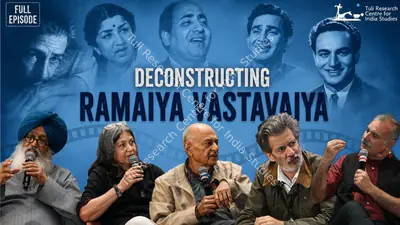
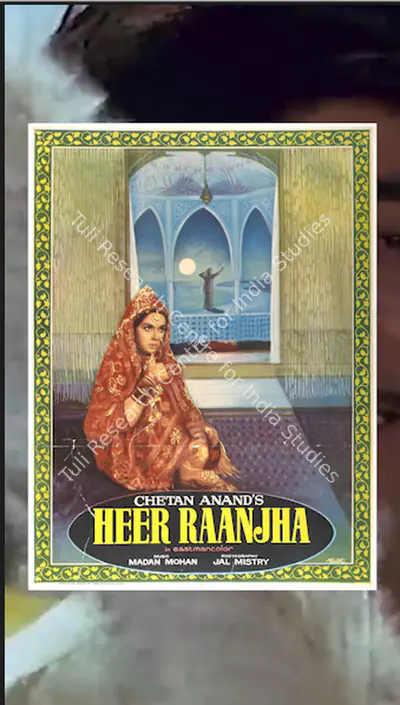
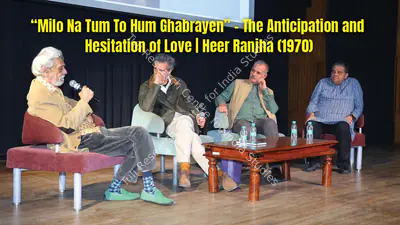
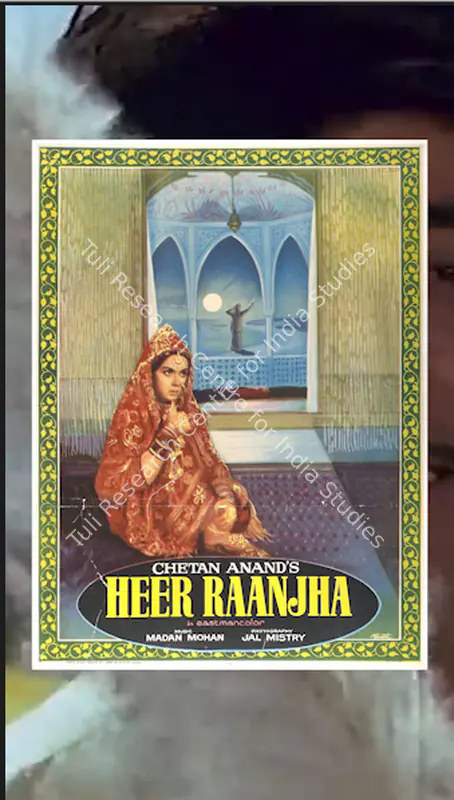
- “Milo Na Tum to hum Ghabrayen” from Chetan Anand's Heer Raanjha (1970) is the film's song of joy. Sung by Lata Mangeshkar and Mohammed Rafi, with music by Madan Mohan and lyrics by Kaifi Azmi, it captures the first flush of love as playful delight, capturing the confusion, the shyness, the sudden overflow of happiness that makes the heart ask, “What has happened to us?” Reminiscing about the song, filmmaker Ketan Anand revealed that this was the first time in the film that the colour yellow floods the screen. This change of palette signals the change of mood. After the earlier, more restrained tones, the arrival of yellow signals spring, joy and the fullness of life. “He went bananas with this song,” said Ketan Anand about his father, who expressed that joy in this song through Bhangra (traditional Punjabi folk dance) and the vibrant colours. This video is from 'A Musical Glue for Nation-Building: Deconstructing the Film Song', presented by the Tuli Research Centre for India Studies (T.R.I.S.) at the 7th Self-Discovery via Rediscovering India Festival.
Calendar 1
- ArchivedDeconstructing the Hindi Film SongProject 60A Musical Glue for Nation-BuildingFour Classic Songs from the cinema of Chetan Anand and the genius of Madan Mohan, Kaifi Azmi, Lata Mangeshkar & Mohammed RafinnKar Chale Hum Fida | Haqeeqat-1964 nYeh Duniya Yeh Mehfil | Heer Ranjha-1970 nMilo Na Tum To Hum Ghabrayen | Heer Ranjha-1970 nYeh Mana Meri Jaan | Hanste Zakhm-197316th February 20263:30pmM.L. Bhartia Auditorium, Alliance Francaise de Delhi, 72 K.K. Birla Lane, Lodi Estate, New Delhi, 110004Ketan Anand, Ravikant, Pavan Jha, Neville TuliA key section of the India Studies framework at The Tuli Research Centre for India Studies (T.R.I.S.) is “Deconstructing the Hindi Film Song”. It will begin with a series of four workshops that brings together leading scholars & academics, film practitioners & students, along with fans of the Hindi film song. The objective of these workshops is to deconstruct iconic Hindi film songs to examine their formation across music, lyrics, playback, choreography, directorial visualisation, as they fuse into sites where aesthetics, ideology, and performance intersect. The Hindi Film Song functions as a narrative device, conveying myriad textures of emotion through melody, voice and poetry. As cultural texts that encode memory, desire, and ideology, songs are integral to the circulation and resonance of films in the public realm. Over time they have become autonomous bundles of creative energy - the glue that binds us over time, articulating and perhaps even defining the idea of Indianness. The first Workshops are an attempt to understand the nature and power of this glue, while contemplating the ways to situate it within TRIS' academic framework for Contemporary India Studies.Read More →
Related
57
Personalities
33
Films
24