Introduction
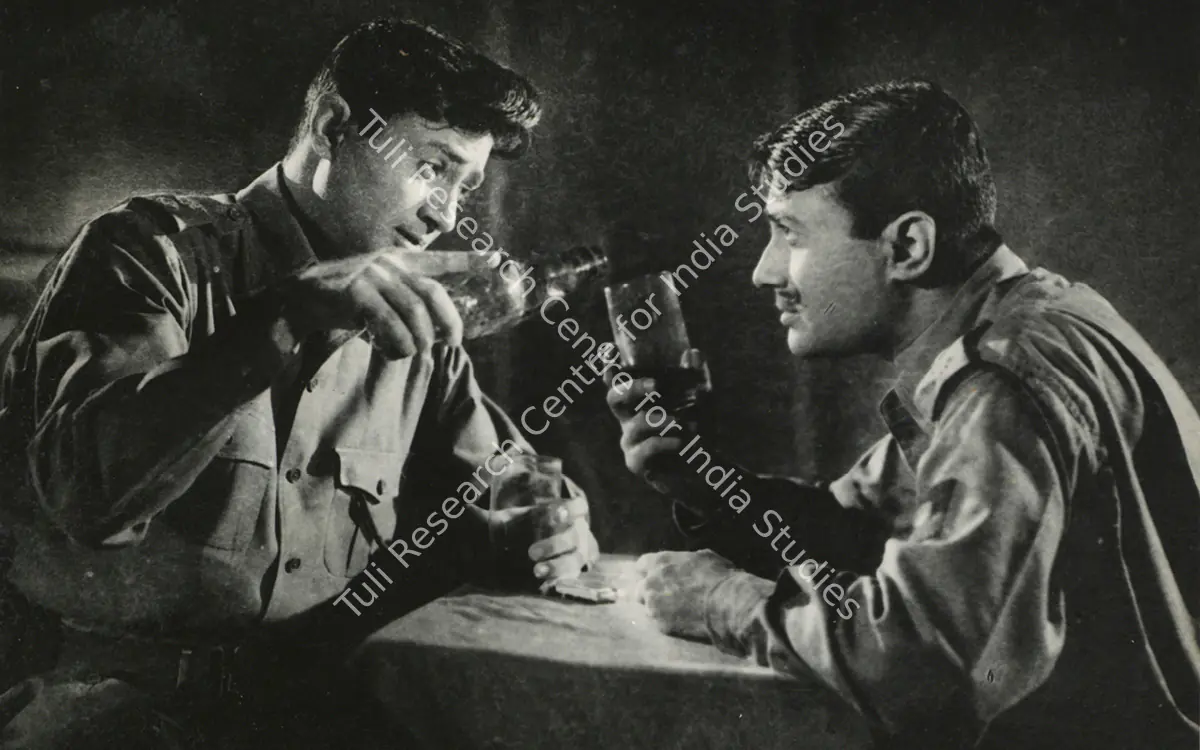
Dev Anand (born Dharamdev Pishorimal Anand; 26 September 1923 – 3 December 2011) remains one of the most illustrious figures in the annals of Indian cinema. Over a career spanning more than six decades, he distinguished himself as an actor, writer, director, and producer, appearing in over 100 films that helped define the golden era of Hindi cinema. Renowned for his charisma and versatility, Anand's screen persona embodied sophistication, idealism, and an enduring optimism that resonated deeply with audiences.
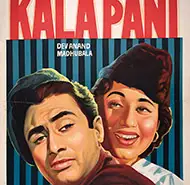
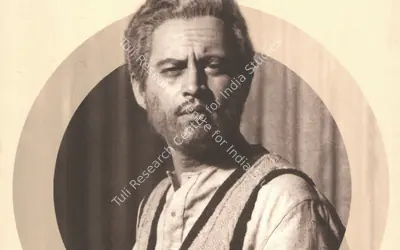
A recipient of the Padma Bhushan (2001) and the Dadasaheb Phalke Award (2002), Anand also earned four Filmfare Awards, including two for Best Actor—for Kala Pani (1959) and Guide (1965). His career flourished between the late 1940s and the 1970s, a period during which he was consistently listed among Box Office India's “Top Actors.” He was frequently compared to Hollywood's Gregory Peck, though Anand famously asserted his individuality, remarking, “I don't want to be known as India's Gregory Peck—I am Dev Anand.”
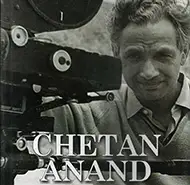
Born into a distinguished Punjabi family, Anand was the third of four sons of Pishori Lal Anand. His siblings included the noted filmmakers Chetan and Vijay Anand, with whom he later co-founded Navketan Films in 1949—a studio that became synonymous with innovation in Hindi cinema. After earning a B.A. in English Literature from Government College, Lahore, Anand moved to Bombay, initially working modest clerical jobs before securing his cinematic debut in Hum Ek Hain (1946). His first major success came with Ziddi (1948), followed by the landmark noir-inspired Baazi (1951), which inaugurated a new stylistic sensibility in Hindi films.
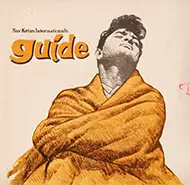
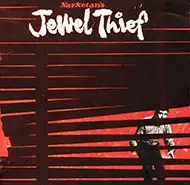
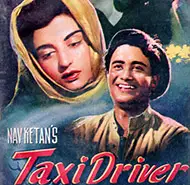
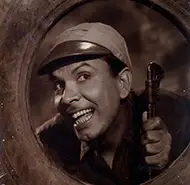
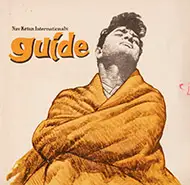
Anand's prolific oeuvre includes classics such as Taxi Driver (1954), CID (1956), Guide (1965), Jewel Thief (1967), and Johny Mera Naam (1970). As a director, he explored contemporary themes, most memorably in Hare Rama Hare Krishna (1971), which addressed the countercultural hippie movement and launched Zeenat Aman to stardom. His enduring appeal and youthful exuberance earned him the epithet “Evergreen Hero.”
Beyond performance, Anand's creative vision shaped cinematic storytelling and music. His collaborations with eminent composers and lyricists—S.D. Burman, R.D. Burman, O.P. Nayyar, and Anand Bakshi—produced some of Hindi cinema's most celebrated melodies. A tireless innovator and eternal optimist, Dev Anand's legacy continues to symbolize the spirit, elegance, and timeless allure of Indian cinema.
A recipient of the Padma Bhushan (2001) and the Dadasaheb Phalke Award (2002), Anand also earned four Filmfare Awards, including two for Best Actor—for Kala Pani (1959) and Guide (1965). His career flourished between the late 1940s and the 1970s, a period during which he was consistently listed among Box Office India's “Top Actors.” He was frequently compared to Hollywood's Gregory Peck, though Anand famously asserted his individuality, remarking, “I don't want to be known as India's Gregory Peck—I am Dev Anand.”
Born into a distinguished Punjabi family, Anand was the third of four sons of Pishori Lal Anand. His siblings included the noted filmmakers Chetan and Vijay Anand, with whom he later co-founded Navketan Films in 1949—a studio that became synonymous with innovation in Hindi cinema. After earning a B.A. in English Literature from Government College, Lahore, Anand moved to Bombay, initially working modest clerical jobs before securing his cinematic debut in Hum Ek Hain (1946). His first major success came with Ziddi (1948), followed by the landmark noir-inspired Baazi (1951), which inaugurated a new stylistic sensibility in Hindi films.
Anand's prolific oeuvre includes classics such as Taxi Driver (1954), CID (1956), Guide (1965), Jewel Thief (1967), and Johny Mera Naam (1970). As a director, he explored contemporary themes, most memorably in Hare Rama Hare Krishna (1971), which addressed the countercultural hippie movement and launched Zeenat Aman to stardom. His enduring appeal and youthful exuberance earned him the epithet “Evergreen Hero.”
Beyond performance, Anand's creative vision shaped cinematic storytelling and music. His collaborations with eminent composers and lyricists—S.D. Burman, R.D. Burman, O.P. Nayyar, and Anand Bakshi—produced some of Hindi cinema's most celebrated melodies. A tireless innovator and eternal optimist, Dev Anand's legacy continues to symbolize the spirit, elegance, and timeless allure of Indian cinema.
देव आनंद (जन्म: धर्मदेव पिशोरिमल आनंद; 26 सितंबर 1923 – मृत्यु: 3 दिसंबर 2011) भारतीय सिनेमा के इतिहास में सबसे प्रतिष्ठित हस्तियों में से एक हैं। छह दशकों से अधिक के अपने करियर में, उन्होंने एक अभिनेता, लेखक, निर्देशक और निर्माता के रूप में अपनी पहचान बनाई और 100 से अधिक फ़िल्मों में अभिनय किया, जिन्होंने हिंदी
सिनेमा के स्वर्ण युग को परिभाषित करने में महत्वपूर्ण भूमिका निभाई। अपने करिश्मा और बहुमुखी प्रतिभा के लिए प्रसिद्ध, आनंद का फ़िल्मी व्यक्तित्व परिष्कृतता, आदर्शवाद और अटूट आशावाद का प्रतीक था, जिसने दर्शकों के दिलों में गहरी छाप छोड़ी।
पद्म भूषण (2001) और दादासाहेब फाल्के पुरस्कार (2002) से सम्मानित आनंद ने चार फ़िल्मफेयर पुरस्कार भी जीते, जिनमें से दो सर्वश्रेष्ठ अभिनेता के लिए थे - काला पानी (1959) और गाइड (1965) के लिए। उनका करियर 1940 के दशक के उत्तरार्ध से 1970 के दशक के बीच फला-फूला, इस दौरान उन्हें लगातार बॉक्स ऑफ़िस इंडिया के
"शीर्ष अभिनेताओं" में शामिल किया गया। उनकी तुलना अक्सर हॉलीवुड के ग्रेगरी पेक से की जाती थी, हालांकि आनंद ने अपनी विशिष्टता पर जोर देते हुए कहा था, "मैं भारत के ग्रेगरी पेक के रूप में नहीं जाना जाना चाहता - मैं देव आनंद हूं।"
एक प्रतिष्ठित पंजाबी परिवार में जन्मे आनंद, पिशोरी लाल आनंद के चार पुत्रों में से तीसरे थे। उनके भाई-बहनों में प्रसिद्ध फ़िल्म निर्माता चेतन और विजय आनंद शामिल थे, जिनके साथ उन्होंने बाद में 1949 में नवकेतन फ़िल्म्स की स्थापना की,एक स्टूडियो जो हिंदी सिनेमा में नए प्रयोगों का पर्याय बन गया। लाहौर के गवर्नमेंट कॉलेज़ से अंग्रेजी
साहित्य में स्नातक की उपाधि प्राप्त करने के बाद, आनंद बंबई चले गए, जहाँ उन्होंने शुरुआत में मामूली क्लेरिकल कार्य किए, फिर फ़िल्म हमएक हैं (1946) से अपने सिनेमाई करियर की शुरुआत की। उनकी पहली बड़ी सफलता ज़िद्दी (1948) से मिली, जिसके बाद ऐतिहासिक नॉयर शैली से प्रेरित फ़िल्म बाज़ी (1951) आई, जिसने हिंदी फ़िल्मों में एक नई शैलीगत संवेदनशीलता का परिचय दिया।
आनंद की समृद्ध फ़िल्मी विरासत में टैक्सी ड्राइवर (1954), सीआईडी (1956), गाइड (1965), ज्वैलथीफ (1967) और जॉनी मेरा नाम (1970) जैसी क्लासिक फ़िल्में शामिल हैं। एक निर्देशक के रूप में, उन्होंने समकालीन विषयों को छुआ, जिनमें सबसे यादगार फ़िल्म हरे रामा हरे कृष्णा (1971) है जिसमें हिप्पी आंदोलन जैसी काउंटरकल्चरल प्रवृत्ति को दर्शाया गया और इसी फ़िल्म ने ज़ीनत अमान को स्टारडम तक पहुँचाया। उनकी स्थायी लोकप्रियता और युवा जोश ने उन्हें "सदाबहार नायक" की उपाधि दिलाई।
अभिनय के अलावा, आनंद की रचनात्मक दृष्टि ने सिनेमाई कहानी कहने और संगीत को आकार दिया। एस.डी. बर्मन, आर.डी. बर्मन, ओ.पी. नैयर और आनंद बख्शी जैसे प्रख्यात संगीतकारों और गीतकारों के साथ उनके सहयोग से हिंदी सिनेमा की कुछ सबसे प्रसिद्ध धुनें बनीं।
एक अथक नवप्रवर्तक और सदैव आशावादी, देव आनंद की विरासत भारतीय सिनेमा की भावना, भव्यता और कालातीत आकर्षण का प्रतीक बनी हुई है।
सिनेमा के स्वर्ण युग को परिभाषित करने में महत्वपूर्ण भूमिका निभाई। अपने करिश्मा और बहुमुखी प्रतिभा के लिए प्रसिद्ध, आनंद का फ़िल्मी व्यक्तित्व परिष्कृतता, आदर्शवाद और अटूट आशावाद का प्रतीक था, जिसने दर्शकों के दिलों में गहरी छाप छोड़ी।
पद्म भूषण (2001) और दादासाहेब फाल्के पुरस्कार (2002) से सम्मानित आनंद ने चार फ़िल्मफेयर पुरस्कार भी जीते, जिनमें से दो सर्वश्रेष्ठ अभिनेता के लिए थे - काला पानी (1959) और गाइड (1965) के लिए। उनका करियर 1940 के दशक के उत्तरार्ध से 1970 के दशक के बीच फला-फूला, इस दौरान उन्हें लगातार बॉक्स ऑफ़िस इंडिया के
"शीर्ष अभिनेताओं" में शामिल किया गया। उनकी तुलना अक्सर हॉलीवुड के ग्रेगरी पेक से की जाती थी, हालांकि आनंद ने अपनी विशिष्टता पर जोर देते हुए कहा था, "मैं भारत के ग्रेगरी पेक के रूप में नहीं जाना जाना चाहता - मैं देव आनंद हूं।"
एक प्रतिष्ठित पंजाबी परिवार में जन्मे आनंद, पिशोरी लाल आनंद के चार पुत्रों में से तीसरे थे। उनके भाई-बहनों में प्रसिद्ध फ़िल्म निर्माता चेतन और विजय आनंद शामिल थे, जिनके साथ उन्होंने बाद में 1949 में नवकेतन फ़िल्म्स की स्थापना की,एक स्टूडियो जो हिंदी सिनेमा में नए प्रयोगों का पर्याय बन गया। लाहौर के गवर्नमेंट कॉलेज़ से अंग्रेजी
साहित्य में स्नातक की उपाधि प्राप्त करने के बाद, आनंद बंबई चले गए, जहाँ उन्होंने शुरुआत में मामूली क्लेरिकल कार्य किए, फिर फ़िल्म हमएक हैं (1946) से अपने सिनेमाई करियर की शुरुआत की। उनकी पहली बड़ी सफलता ज़िद्दी (1948) से मिली, जिसके बाद ऐतिहासिक नॉयर शैली से प्रेरित फ़िल्म बाज़ी (1951) आई, जिसने हिंदी फ़िल्मों में एक नई शैलीगत संवेदनशीलता का परिचय दिया।
आनंद की समृद्ध फ़िल्मी विरासत में टैक्सी ड्राइवर (1954), सीआईडी (1956), गाइड (1965), ज्वैलथीफ (1967) और जॉनी मेरा नाम (1970) जैसी क्लासिक फ़िल्में शामिल हैं। एक निर्देशक के रूप में, उन्होंने समकालीन विषयों को छुआ, जिनमें सबसे यादगार फ़िल्म हरे रामा हरे कृष्णा (1971) है जिसमें हिप्पी आंदोलन जैसी काउंटरकल्चरल प्रवृत्ति को दर्शाया गया और इसी फ़िल्म ने ज़ीनत अमान को स्टारडम तक पहुँचाया। उनकी स्थायी लोकप्रियता और युवा जोश ने उन्हें "सदाबहार नायक" की उपाधि दिलाई।
अभिनय के अलावा, आनंद की रचनात्मक दृष्टि ने सिनेमाई कहानी कहने और संगीत को आकार दिया। एस.डी. बर्मन, आर.डी. बर्मन, ओ.पी. नैयर और आनंद बख्शी जैसे प्रख्यात संगीतकारों और गीतकारों के साथ उनके सहयोग से हिंदी सिनेमा की कुछ सबसे प्रसिद्ध धुनें बनीं।
एक अथक नवप्रवर्तक और सदैव आशावादी, देव आनंद की विरासत भारतीय सिनेमा की भावना, भव्यता और कालातीत आकर्षण का प्रतीक बनी हुई है।
- Date of Birth
- 26 Sep 1923
- Zodiac sign
- Libra`
- Date of Death
- 03 Dec 2011
- Age
- 88
- Nationality
- Indian
- Place of Birth
- Shakargarh, Punjab, Undivided India
- Place of Death
- Mumbai, India
- Spouse(s)
- Children
- Parent(s)
- Pishorimal Anand
- Siblings
- Chetan Anand03 Jan 1921 – 06 Jul 1997Vijay Anand22 Jan 1934 – 23 Feb 2004
- Government College, Lahore
Filmography
Loading...
Integrated Timeline
Loading...
Economics of Cinema
Loading...
Research Centre
Loading...
Calendar 2
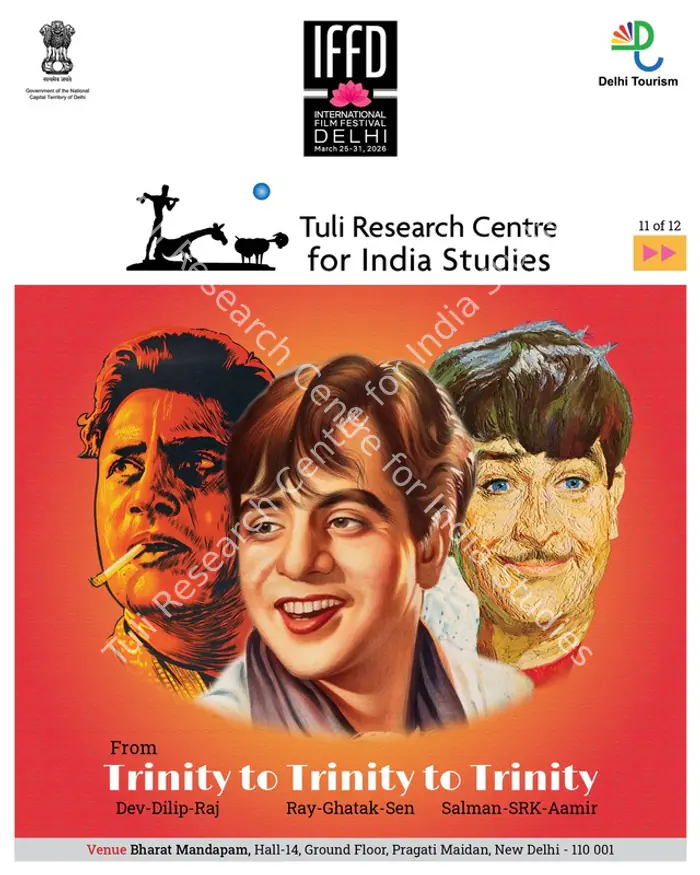
- ArchivedExhibitionProject 76From Trinity to Trinity to TrinityDev-Dilip-Raj | Ray-Ghatak-Sen | Salman-SRK-Aamir25th - 31st March 202611:00am - 7:00pmBharat Mandapam, Hall-14, Ground Floor, Pragati Maidan, New Delhi - 110011The Exhibition 'From Trinity to Trinity to Trinity | Dev-Raj-Dilip to Ray-Ghatak-Sen to Salman-Aamir-SRK', celebrates three iconic trios that have come to symbolize defining moments in Indian cinema and reflect the diverse heroic characteristics which the Indian public demands.Read More →
- ArchivedExhibitionProject 2Self-Discovery via Rediscovering India Series Part II India's Cinematic Heritage12th - 24th August 2024Self-Discovery via Rediscovering India Series Part IIRead More →
Related
61
Personalities
42


Films
16