
Introduction
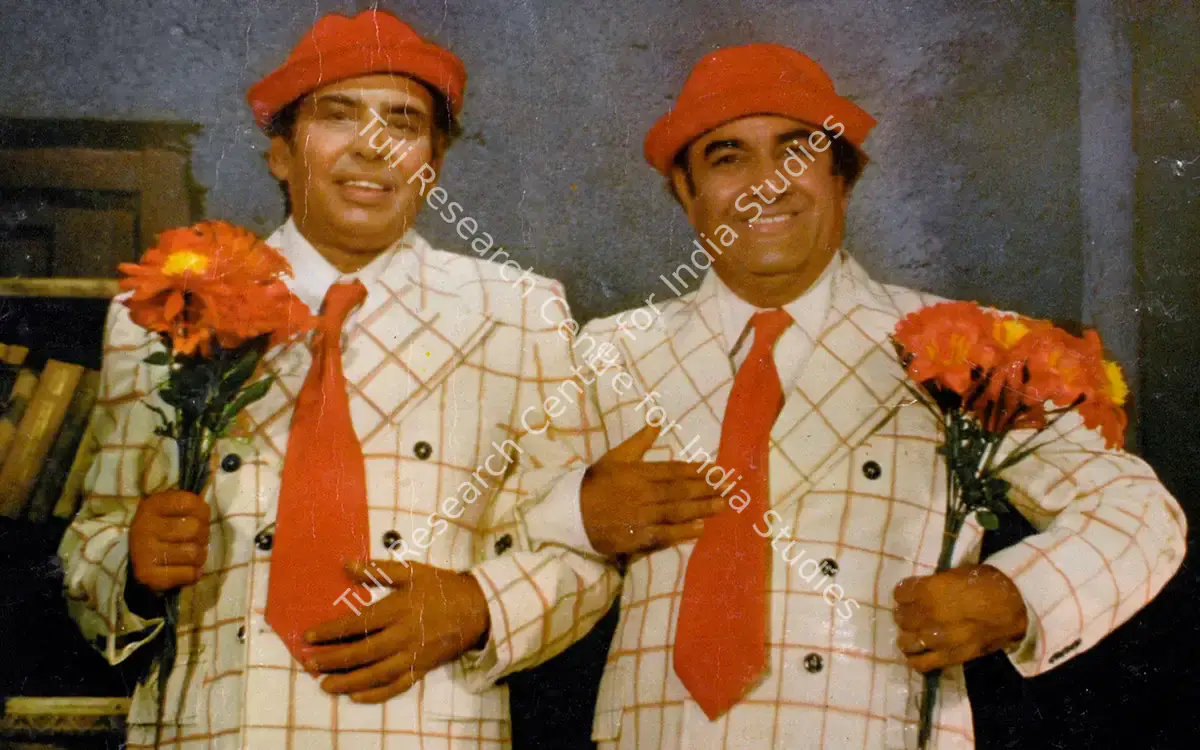
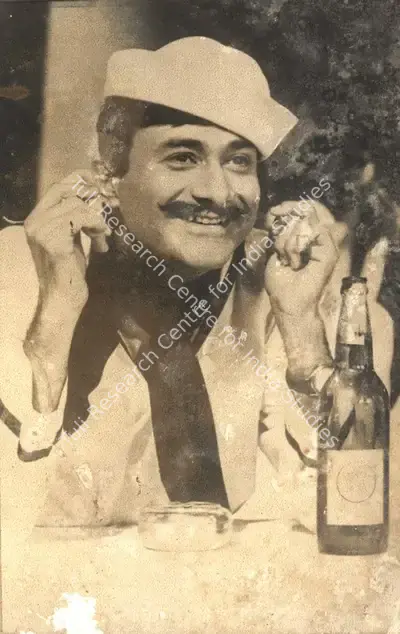
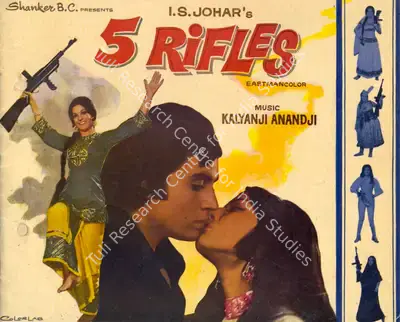
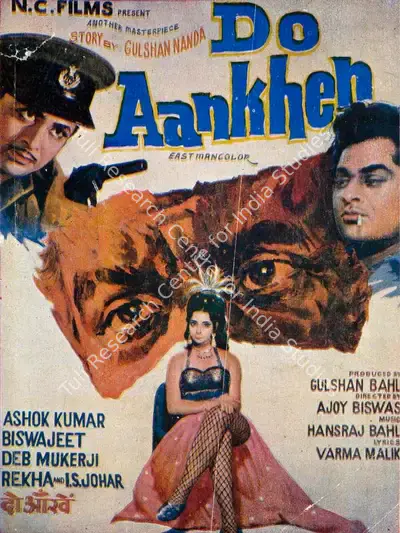
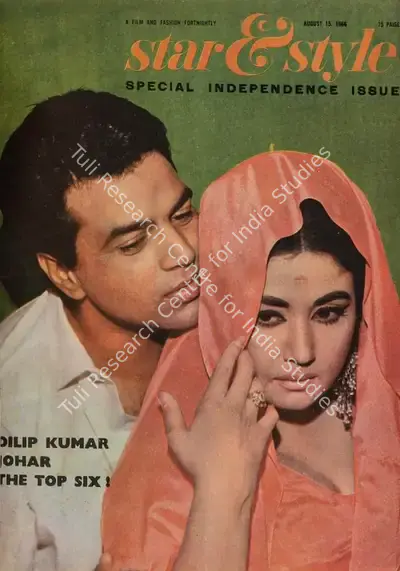
I. S. Johar (Indra Sen Johar; 16 February 1920 – 10 March 1984) He was a singular figure in Indian cinema—an actor, writer, producer, and director whose career was distinguished by an irreverent wit, cosmopolitan reach, and a sustained commitment to satire. He remains particularly well known to international audiences for his portrayal of Gasim in Lawrence of Arabia (1962), directed by David Lean, a performance that situated him within the canon of globally recognized character actors.
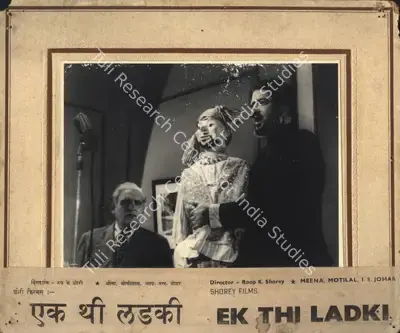
Born in Talagang, in the Jhelum District of undivided Punjab (now in Pakistan), Johar was academically trained in Economics and Politics before completing a degree in law. The upheavals of the Partition of India marked a decisive rupture in his early life; during communal violence that engulfed Lahore, including the destruction of Shah Alami Bazaar, he was displaced and never returned to his native city. After a brief period in Jalandhar, he relocated to Bombay, where he made his screen debut in Ek Thi Ladki (1949), inaugurating a prolific career that spanned over three decades.
Johar appeared in a wide range of Hindi and international productions, including Harry Black (1958), North West Frontier (1959), Maya (1967), and Death on the Nile (1978), as well as in notable Punjabi films such as Chaddian Di Doli (1966) and Nanak Nam Jahaz Hai (1969), the latter featuring Prithviraj Kapoor. His international engagements extended to European cinema, including appearances in Kali Yug: Goddess of Vengeance (1963) and The Mystery of the Indian Temple (1963), directed by Mario Camerini.
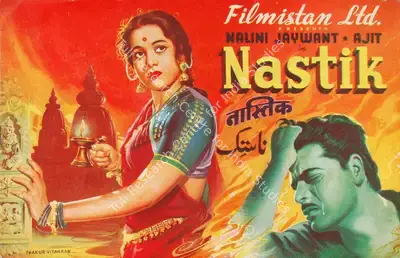
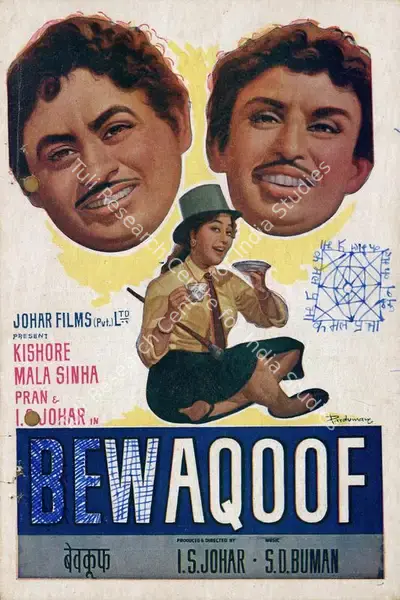
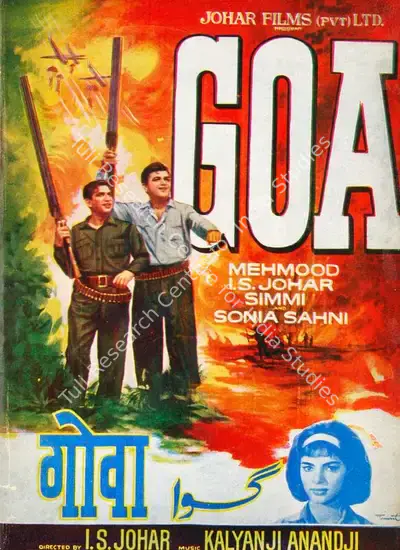
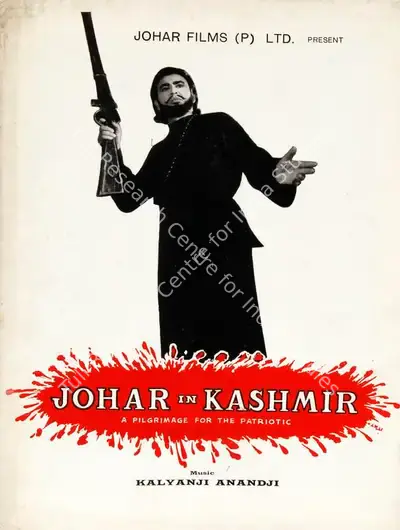
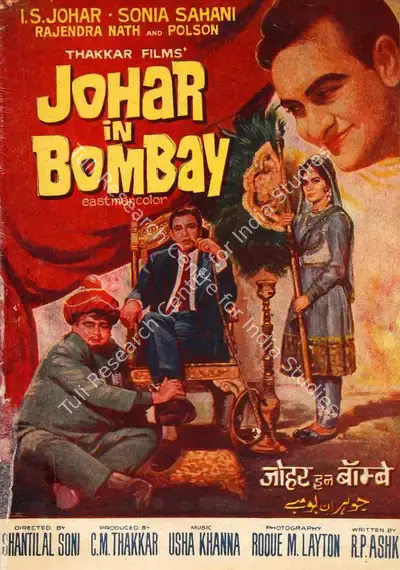
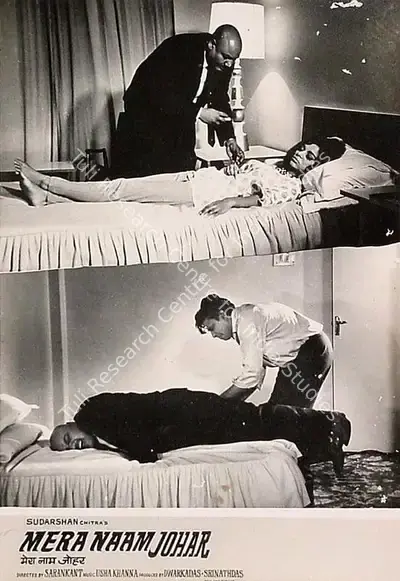
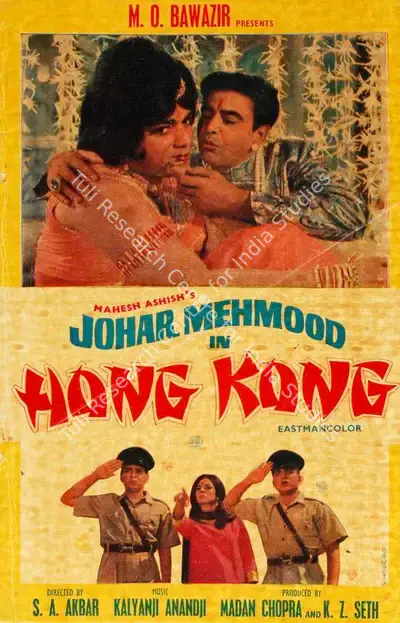
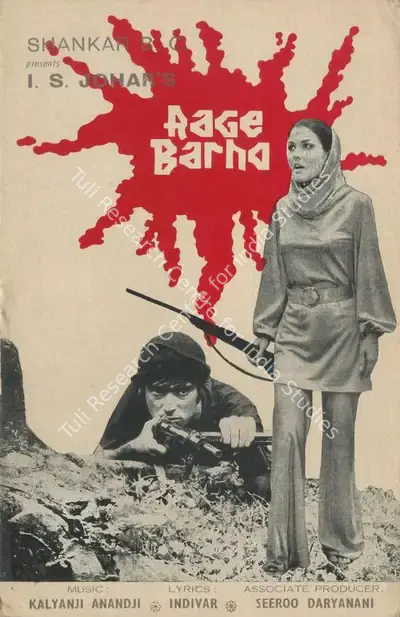
As a filmmaker, Johar cultivated a distinctive satirical voice, evident in works such as Nastik (1954), a Partition-themed narrative, and the popular comedic ventures Johar Mehmood in Goa (1965) and Johar Mehmood in Hong Kong (1971), co-starring Mehmood. These films, inspired by the Hollywood “Road to…” series, exemplified his flair for parody, cultural commentary, and genre hybridity. His repeated use of his own name in film titles—such as Johar in Kashmir (1966), Johar in Bombay (1967), and Mera Naam Johar (1967)—functioned both as a marker of popular appeal and as a vehicle for self-reflexive humor.
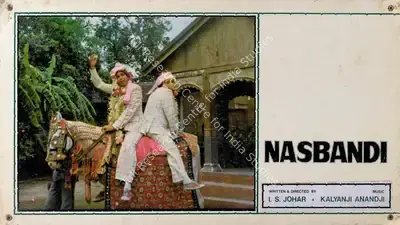
Johar's satire often courted controversy. His film Nasbandi (1978), a pointed critique of forced sterilization policies during the Emergency under Indira Gandhi, faced censorship and was temporarily banned upon release. His theatrical writings similarly targeted political authority, including figures such as Zulfikar Ali Bhutto and Muhammad Zia-ul-Haq, underscoring his lifelong engagement with political dissent.
In his personal life, Johar's unconventional choices mirrored his public persona. His first marriage to Ramma Hoon in 1943 ended in one of the earliest legal divorces in India, followed by several subsequent marriages, including one to actress Sonia Sahni. Despite personal turbulence, he maintained close ties to the film industry; notably, Yash Chopra began his career as Johar's assistant.
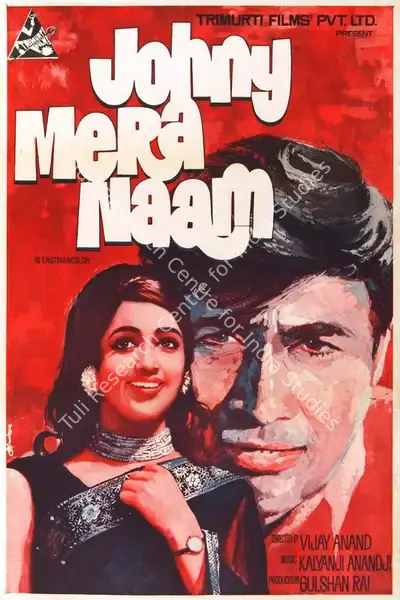
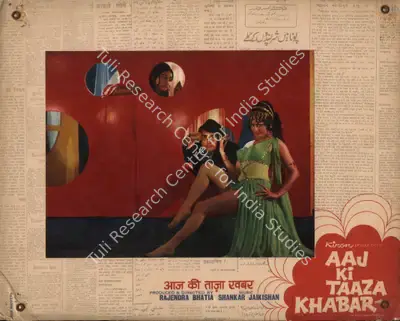
Johar's contributions were recognized through several accolades, including the Filmfare Award for Best Comedian for Johny Mera Naam (1970) and a historic BAFTA nomination for Best British Actor for Harry Black (1958), making him the first Indian actor to receive such recognition. He was also nominated for a Filmfare Award for Aaj Ki Taaza Khabar (1974).
I. S. Johar passed away in Bombay on 10 March 1984, leaving behind a legacy defined by audacity, satire, and an unyielding critique of social and political orthodoxies.
Born in Talagang, in the Jhelum District of undivided Punjab (now in Pakistan), Johar was academically trained in Economics and Politics before completing a degree in law. The upheavals of the Partition of India marked a decisive rupture in his early life; during communal violence that engulfed Lahore, including the destruction of Shah Alami Bazaar, he was displaced and never returned to his native city. After a brief period in Jalandhar, he relocated to Bombay, where he made his screen debut in Ek Thi Ladki (1949), inaugurating a prolific career that spanned over three decades.
Johar appeared in a wide range of Hindi and international productions, including Harry Black (1958), North West Frontier (1959), Maya (1967), and Death on the Nile (1978), as well as in notable Punjabi films such as Chaddian Di Doli (1966) and Nanak Nam Jahaz Hai (1969), the latter featuring Prithviraj Kapoor. His international engagements extended to European cinema, including appearances in Kali Yug: Goddess of Vengeance (1963) and The Mystery of the Indian Temple (1963), directed by Mario Camerini.
As a filmmaker, Johar cultivated a distinctive satirical voice, evident in works such as Nastik (1954), a Partition-themed narrative, and the popular comedic ventures Johar Mehmood in Goa (1965) and Johar Mehmood in Hong Kong (1971), co-starring Mehmood. These films, inspired by the Hollywood “Road to…” series, exemplified his flair for parody, cultural commentary, and genre hybridity. His repeated use of his own name in film titles—such as Johar in Kashmir (1966), Johar in Bombay (1967), and Mera Naam Johar (1967)—functioned both as a marker of popular appeal and as a vehicle for self-reflexive humor.
Johar's satire often courted controversy. His film Nasbandi (1978), a pointed critique of forced sterilization policies during the Emergency under Indira Gandhi, faced censorship and was temporarily banned upon release. His theatrical writings similarly targeted political authority, including figures such as Zulfikar Ali Bhutto and Muhammad Zia-ul-Haq, underscoring his lifelong engagement with political dissent.
In his personal life, Johar's unconventional choices mirrored his public persona. His first marriage to Ramma Hoon in 1943 ended in one of the earliest legal divorces in India, followed by several subsequent marriages, including one to actress Sonia Sahni. Despite personal turbulence, he maintained close ties to the film industry; notably, Yash Chopra began his career as Johar's assistant.
Johar's contributions were recognized through several accolades, including the Filmfare Award for Best Comedian for Johny Mera Naam (1970) and a historic BAFTA nomination for Best British Actor for Harry Black (1958), making him the first Indian actor to receive such recognition. He was also nominated for a Filmfare Award for Aaj Ki Taaza Khabar (1974).
I. S. Johar passed away in Bombay on 10 March 1984, leaving behind a legacy defined by audacity, satire, and an unyielding critique of social and political orthodoxies.
आई. एस. जौहर (इंद्र सेन जौहर; 16 फरवरी 1920 – 10 मार्च 1984) भारतीय सिनेमा में एक अनोखी शख़्सियत थे, एक अभिनेता, लेखक, निर्माता और निर्देशक जिनका करियर उनकी बेबाक हास्य-व्यंग्य शैली, वैश्विक नज़रिया और व्यंग्य के प्रति अटूट प्रतिबद्धता के लिए जाना जाता है। डेविड लीन द्वारा निर्देशित फ़िल्म लॉरेंस ऑफ़ अरेबिया (1962) में गासिम के किरदार के लिए वे अंतरराष्ट्रीय दर्शकों के बीच विशेष रूप से प्रसिद्ध हैं, इस अभिनय ने उन्हें विश्व स्तर पर मान्यता प्राप्त चरित्र अभिनेताओं की श्रेणी में स्थापित किया।
अविभाजित पंजाब (अब पाकिस्तान में) के झेलम जिले के तलगांग में जन्मे जौहर ने कानून की डिग्री प्राप्त करने से पहले अर्थशास्त्र और राजनीति में अकादमिक शिक्षा प्राप्त की। भारत के विभाजन की उथल-पुथल ने उनके प्रारंभिक जीवन में एक निर्णायक बदलाव आया। लाहौर में फैली सांप्रदायिक हिंसा, जिसमें शाह आलमी बाज़ार का विध्वंस भी शामिल था, जिसके दौरान वे विस्थापित हो गए और फ़िर कभी अपने मूल शहर नहीं लौटे। जालंधर में कुछ समय बिताने के बाद, वे बंबई चले गए, जहाँ उन्होंने फ़िल्म 'एक थी लड़की' (1949) से अपने अभिनय करियर की शुरुआत की, जो सफ़र तीन दशकों से अधिक समय तक चला।
जौहर ने हैरी ब्लैक (1958), नॉर्थ वेस्ट फ्रंटियर (1959), माया (1967) और डेथ ऑन द नाइल (1978) सहित कई हिंदी और अंतर्राष्ट्रीय फ़िल्मों में अभिनय किया, साथ ही छद्दियां दी डोली (1966) और नानक नाम जहाज़ है (1969) जैसी उल्लेखनीय पंजाबी फ़िल्मों में भी काम किया, जिनमें से नानक नाम जहाज़ है (1969) में पृथ्वीराज कपूर ने मुख्य भूमिका निभाई थी। अंतर्राष्ट्रीय स्तर पर उन्होंने यूरोपीय सिनेमा में भी काम किया, जिनमें मारियो कैमरिनी द्वारा निर्देशित कली-युग: गॉडेस ऑफ़ वेंजेंस (1963) और द मिस्ट्री ऑफ़ द इंडियन टेंपल (1963) शामिल हैं।
एक फ़िल्म निर्माता के रूप में जौहर ने एक विशिष्ट व्यंग्यात्मक शैली विकसित की, जो विभाजन पर आधारित फ़िल्म नास्तिक (1954) और महमूद के साथ अभिनीत लोकप्रिय हास्य फ़िल्मों जोहार महमूद इन गोवा (1965) और जौहर महमूद इन हांगकांग (1971) में स्पष्ट रूप से दिखाई देती है। हॉलीवुड की "रोड टू..." श्रृंखला से प्रेरित ये फ़िल्में पैरोडी, सांस्कृतिक टिप्पणी और शैलीगत में उनकी असाधारण प्रतिभा का उदाहरण थीं। फ़िल्मों के शीर्षकों में अपने नाम का बार-बार उपयोग करना जैसे जोहार इन कश्मीर (1966), जौहर इन बॉम्बे (1967) और मेरा नाम जोहार (1967) लोकप्रियता का प्रतीक होने के साथ-साथ आत्म-व्यंग्य और आत्म-संदर्भित हास्य का एक प्रभावी माध्यम भी बन गया।
जौहर की व्यंग्य रचनाएँ अक्सर विवादों में घिरी रहती थीं। इंदिरा गांधी के शासनकाल में आपातकाल के दौरान जबरन नसबंदी की नीतियों की तीखी आलोचना करने वाली उनकी फ़िल्म 'नसबंदी' (1978) को सेंसरशिप का सामना करना पड़ा और रिलीज़ के समय इसे अस्थायी रूप से प्रतिबंधित कर दिया गया था। उनके नाट्य लेखन में भी इसी तरह राजनीतिक सत्ता को निशाना बनाया गया, जिसमें ज़ुलफ़िक़ार अली भुट्टो और मोहम्मद ज़िया-उल-हक़ जैसी हस्तियाँ शामिल थीं, जो राजनीतिक असहमति के प्रति उनके आजीवन प्रतिबद्धता को दर्शाता है।
निजी जीवन में भी जौहर के अपरंपरागत फैसले उनकी सार्वजनिक छवि बन गई थी। 1943 में रम्मा बैंस से उनका पहला शादी भारत के सबसे शुरुआती कानूनी तलाक़ों में से एक के साथ समाप्त हुई। इसके बाद उन्होंने कई और शादियाँ कीं, जिनमें अभिनेत्री सोनिया साहनी से विवाह भी शामिल है। व्यक्तिगत उथल-पुथल के बावजूद, उन्होंने फ़िल्म उद्योग से घनिष्ठ संबंध बनाए रखा; विशेष रूप से, यश चोपड़ा ने जौहर के सहायक के रूप में अपने करियर की शुरुआत की थी।
जौहर के योगदान को कई पुरस्कारों से सम्मानित किया गया, जिनमें जॉनी मेरा नाम (1970) के लिए सर्वश्रेष्ठ हास्य अभिनेता का फ़िल्मफ़ेयर पुरस्कार और हैरी ब्लैक (1958) के लिए सर्वश्रेष्ठ ब्रिटिश अभिनेता के लिए ऐतिहासिक बाफ्टा नामांकन शामिल है, जिससे वे यह सम्मान पाने वाले पहले भारतीय अभिनेता बने। उन्हें आज़ की ताज़ा ख़बर (1974) के लिए भी फ़िल्मफ़ेयर पुरस्कार के लिए नामांकित किया गया था।
आई. एस. जौहर का निधन 10 मार्च 1984 को बॉम्बे में हुआ, और वे अपने पीछे एक ऐसी विरासत छोड़ गए जो निर्भीकता, व्यंग्य और सामाजिक और राजनीतिक रूढ़ियों की आलोचना से परिभाषित है।
अविभाजित पंजाब (अब पाकिस्तान में) के झेलम जिले के तलगांग में जन्मे जौहर ने कानून की डिग्री प्राप्त करने से पहले अर्थशास्त्र और राजनीति में अकादमिक शिक्षा प्राप्त की। भारत के विभाजन की उथल-पुथल ने उनके प्रारंभिक जीवन में एक निर्णायक बदलाव आया। लाहौर में फैली सांप्रदायिक हिंसा, जिसमें शाह आलमी बाज़ार का विध्वंस भी शामिल था, जिसके दौरान वे विस्थापित हो गए और फ़िर कभी अपने मूल शहर नहीं लौटे। जालंधर में कुछ समय बिताने के बाद, वे बंबई चले गए, जहाँ उन्होंने फ़िल्म 'एक थी लड़की' (1949) से अपने अभिनय करियर की शुरुआत की, जो सफ़र तीन दशकों से अधिक समय तक चला।
जौहर ने हैरी ब्लैक (1958), नॉर्थ वेस्ट फ्रंटियर (1959), माया (1967) और डेथ ऑन द नाइल (1978) सहित कई हिंदी और अंतर्राष्ट्रीय फ़िल्मों में अभिनय किया, साथ ही छद्दियां दी डोली (1966) और नानक नाम जहाज़ है (1969) जैसी उल्लेखनीय पंजाबी फ़िल्मों में भी काम किया, जिनमें से नानक नाम जहाज़ है (1969) में पृथ्वीराज कपूर ने मुख्य भूमिका निभाई थी। अंतर्राष्ट्रीय स्तर पर उन्होंने यूरोपीय सिनेमा में भी काम किया, जिनमें मारियो कैमरिनी द्वारा निर्देशित कली-युग: गॉडेस ऑफ़ वेंजेंस (1963) और द मिस्ट्री ऑफ़ द इंडियन टेंपल (1963) शामिल हैं।
एक फ़िल्म निर्माता के रूप में जौहर ने एक विशिष्ट व्यंग्यात्मक शैली विकसित की, जो विभाजन पर आधारित फ़िल्म नास्तिक (1954) और महमूद के साथ अभिनीत लोकप्रिय हास्य फ़िल्मों जोहार महमूद इन गोवा (1965) और जौहर महमूद इन हांगकांग (1971) में स्पष्ट रूप से दिखाई देती है। हॉलीवुड की "रोड टू..." श्रृंखला से प्रेरित ये फ़िल्में पैरोडी, सांस्कृतिक टिप्पणी और शैलीगत में उनकी असाधारण प्रतिभा का उदाहरण थीं। फ़िल्मों के शीर्षकों में अपने नाम का बार-बार उपयोग करना जैसे जोहार इन कश्मीर (1966), जौहर इन बॉम्बे (1967) और मेरा नाम जोहार (1967) लोकप्रियता का प्रतीक होने के साथ-साथ आत्म-व्यंग्य और आत्म-संदर्भित हास्य का एक प्रभावी माध्यम भी बन गया।
जौहर की व्यंग्य रचनाएँ अक्सर विवादों में घिरी रहती थीं। इंदिरा गांधी के शासनकाल में आपातकाल के दौरान जबरन नसबंदी की नीतियों की तीखी आलोचना करने वाली उनकी फ़िल्म 'नसबंदी' (1978) को सेंसरशिप का सामना करना पड़ा और रिलीज़ के समय इसे अस्थायी रूप से प्रतिबंधित कर दिया गया था। उनके नाट्य लेखन में भी इसी तरह राजनीतिक सत्ता को निशाना बनाया गया, जिसमें ज़ुलफ़िक़ार अली भुट्टो और मोहम्मद ज़िया-उल-हक़ जैसी हस्तियाँ शामिल थीं, जो राजनीतिक असहमति के प्रति उनके आजीवन प्रतिबद्धता को दर्शाता है।
निजी जीवन में भी जौहर के अपरंपरागत फैसले उनकी सार्वजनिक छवि बन गई थी। 1943 में रम्मा बैंस से उनका पहला शादी भारत के सबसे शुरुआती कानूनी तलाक़ों में से एक के साथ समाप्त हुई। इसके बाद उन्होंने कई और शादियाँ कीं, जिनमें अभिनेत्री सोनिया साहनी से विवाह भी शामिल है। व्यक्तिगत उथल-पुथल के बावजूद, उन्होंने फ़िल्म उद्योग से घनिष्ठ संबंध बनाए रखा; विशेष रूप से, यश चोपड़ा ने जौहर के सहायक के रूप में अपने करियर की शुरुआत की थी।
जौहर के योगदान को कई पुरस्कारों से सम्मानित किया गया, जिनमें जॉनी मेरा नाम (1970) के लिए सर्वश्रेष्ठ हास्य अभिनेता का फ़िल्मफ़ेयर पुरस्कार और हैरी ब्लैक (1958) के लिए सर्वश्रेष्ठ ब्रिटिश अभिनेता के लिए ऐतिहासिक बाफ्टा नामांकन शामिल है, जिससे वे यह सम्मान पाने वाले पहले भारतीय अभिनेता बने। उन्हें आज़ की ताज़ा ख़बर (1974) के लिए भी फ़िल्मफ़ेयर पुरस्कार के लिए नामांकित किया गया था।
आई. एस. जौहर का निधन 10 मार्च 1984 को बॉम्बे में हुआ, और वे अपने पीछे एक ऐसी विरासत छोड़ गए जो निर्भीकता, व्यंग्य और सामाजिक और राजनीतिक रूढ़ियों की आलोचना से परिभाषित है।
No personalia records available yet.
Filmography 88

Research Centre
20 of 435


20 of 418
Related
30
Films
16
Personalities
13