

Introduction
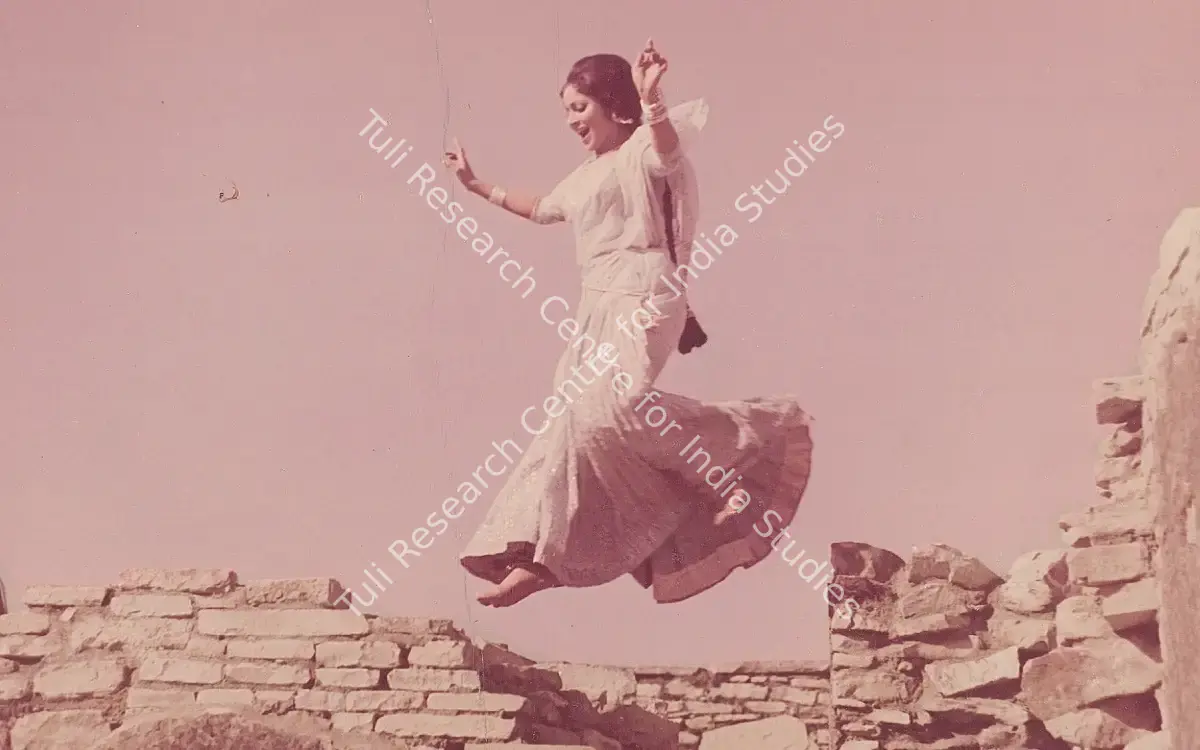
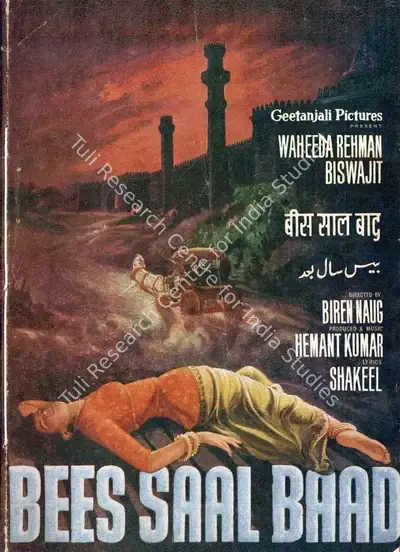
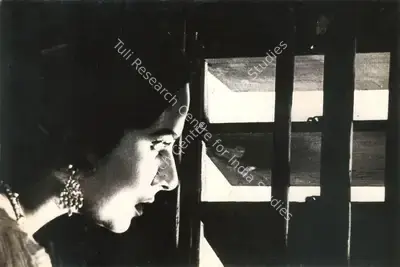
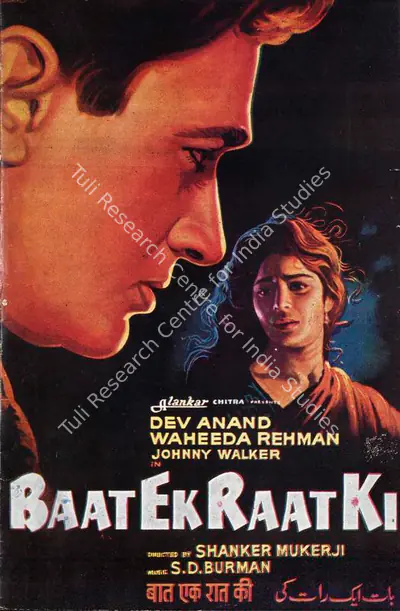
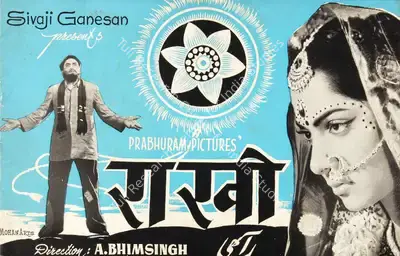
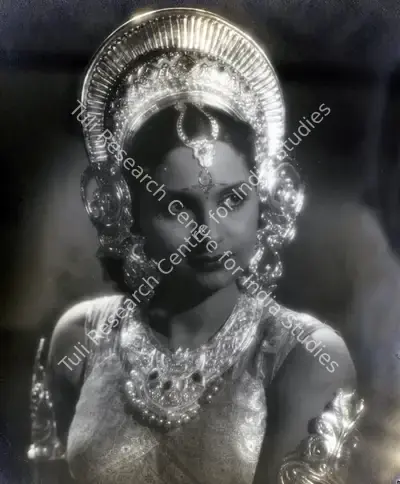
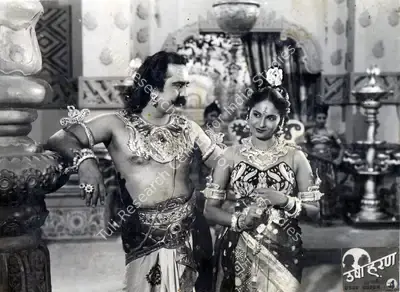
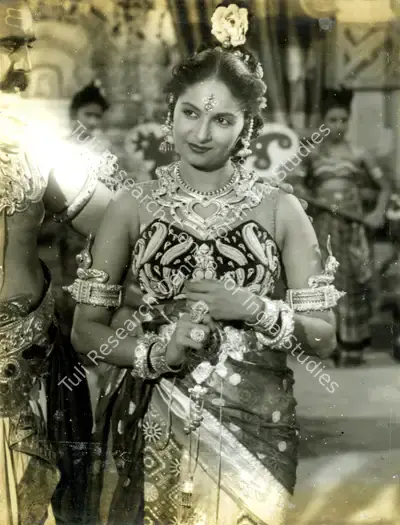
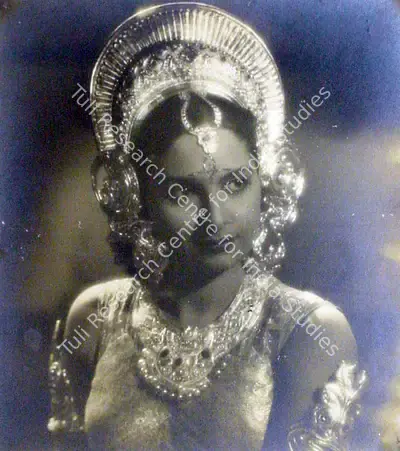
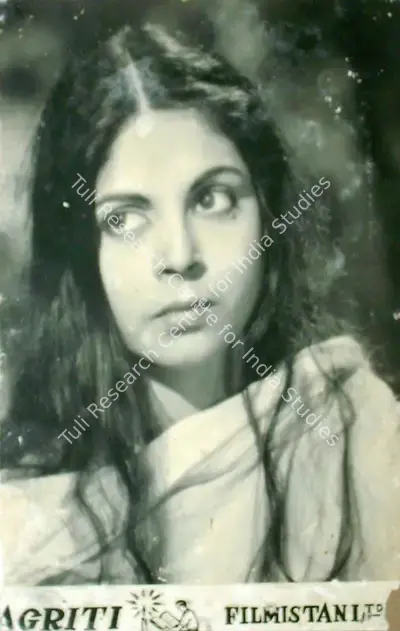
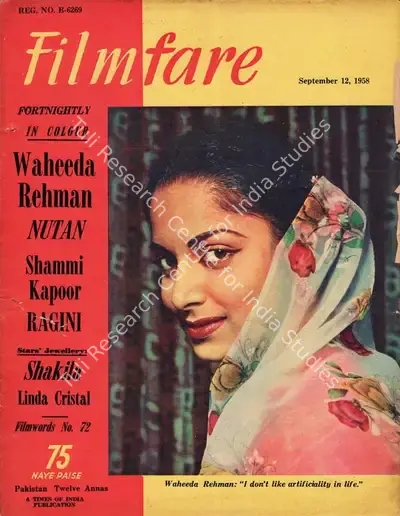
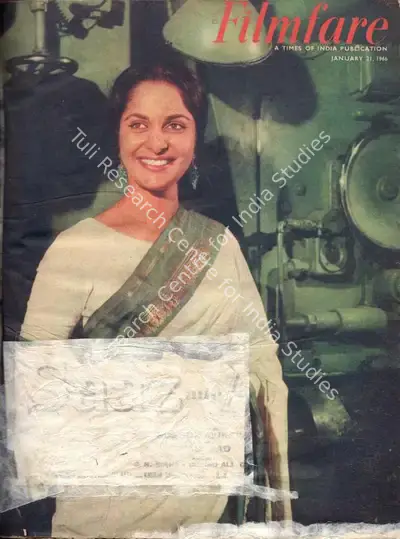
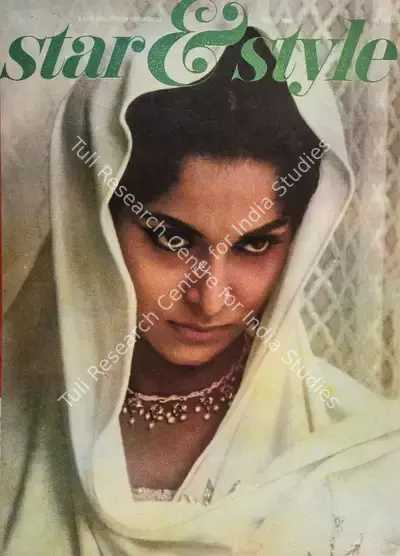
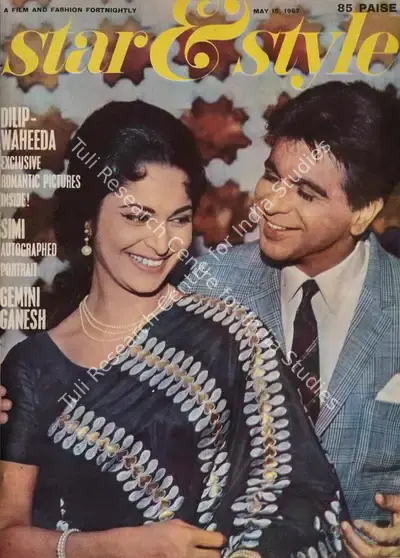
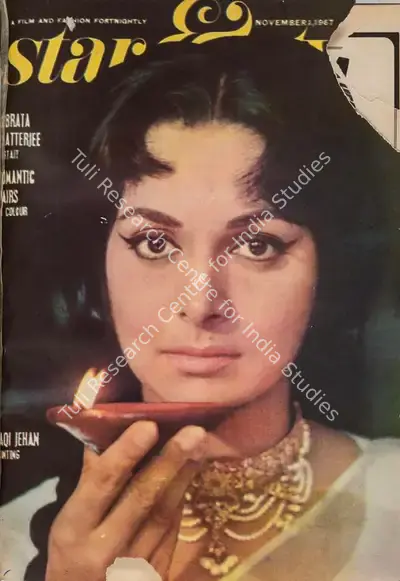
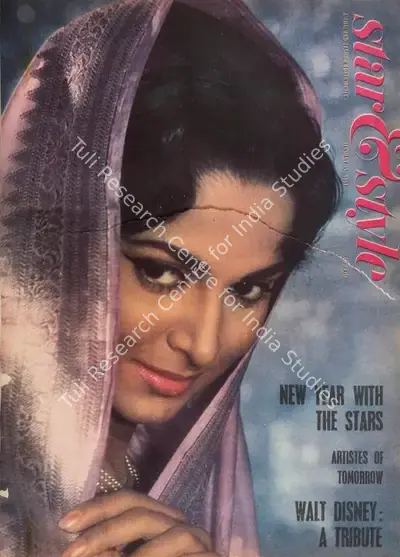
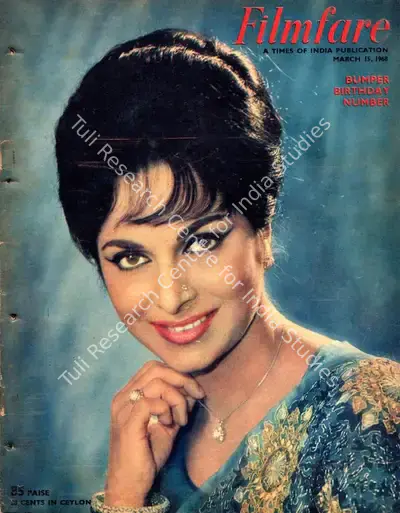
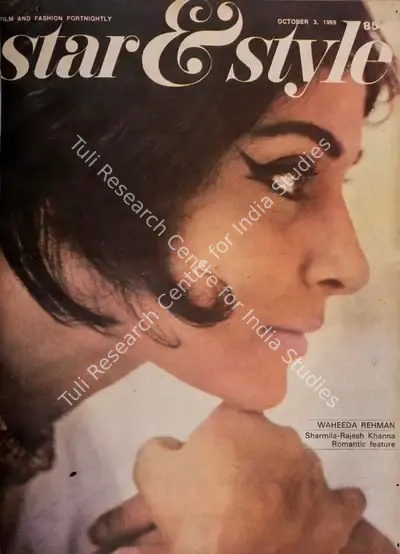
Waheeda Rehman (born on 3 February 1938) Revered as one of the most accomplished and graceful actresses in the history of Hindi film, she stands as an incandescent luminary in the firmament of Indian cinema, her artistry illuminating over five decades of filmic excellence. She has adorned more than ninety cinematic masterpieces with her inimitable presence. Recipient of the National Film Award and thrice-honoured by the Filmfare fraternity, Rehman's illustrious journey has been crowned with the Padma Shri in 1972, the Padma Bhushan in 2011, and the supreme cinematic honour, the Dadasaheb Phalke Award in 2021—a testament to her immortal contribution to the art of performance.
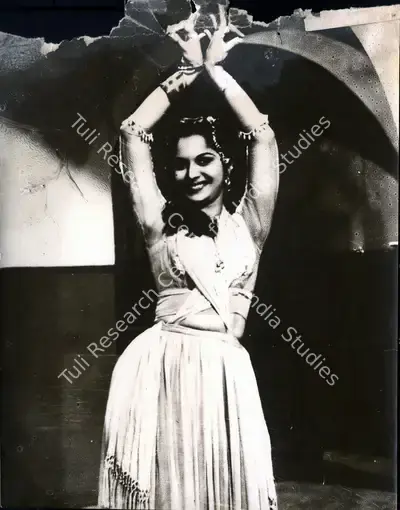
Born into a highly cultured Deccani Muslim family in Chengalpet, in present-day Tamil Nadu, she was the youngest of four daughters of Mohammed Abdur Rehman, a distinguished district commissioner, and Mumtaz Begum. Contrary to popular belief, her roots trace not to Hyderabad but to the southern landscapes of Tamil Nadu. From an early age, she was steeped in the rhythms of Bharatanatyam, tutored in Chennai alongside her sisters, and educated at St. Joseph's Convent, Visakhapatnam. The untimely demise of her father in 1951 altered the course of her destiny, compelling her to forgo her cherished aspiration of becoming a doctor and to enter the glittering yet uncertain world of cinema.
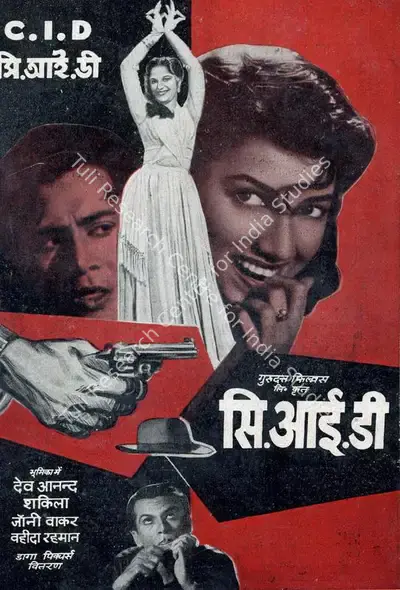
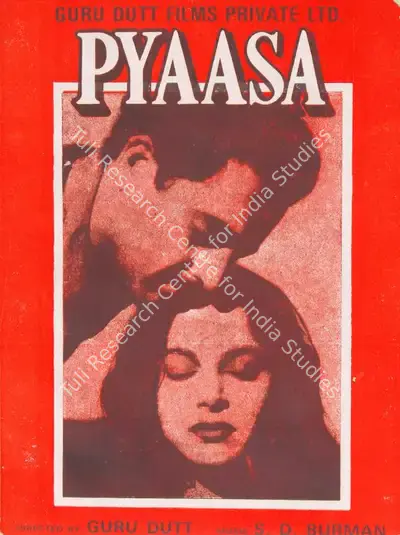
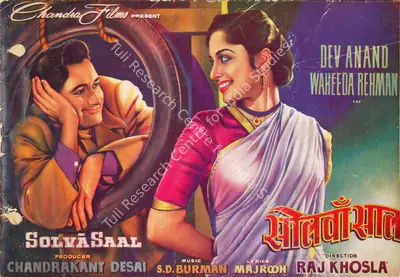
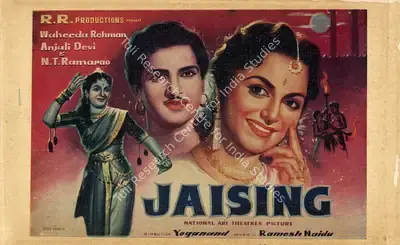
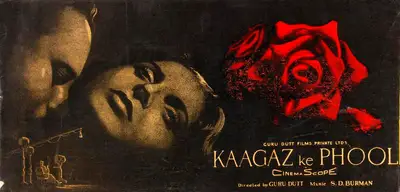
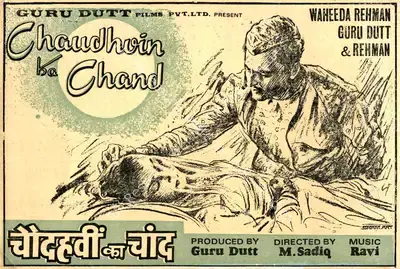
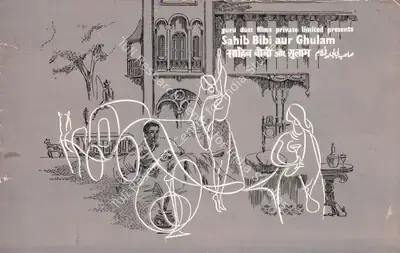
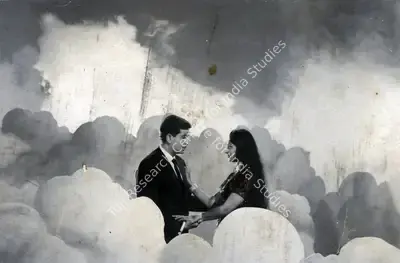
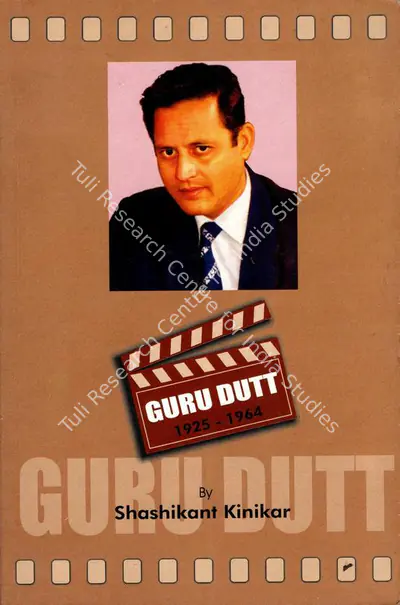
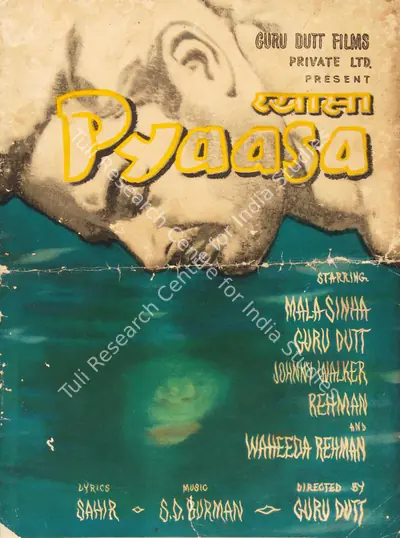
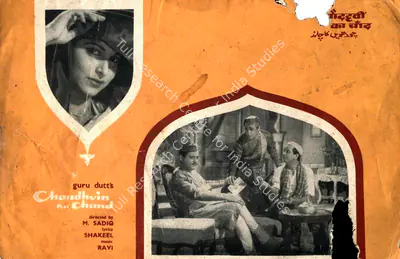
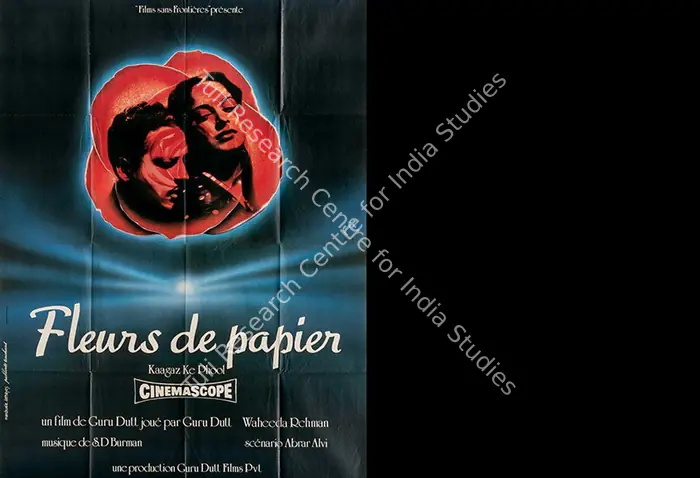
Her cinematic odyssey commenced as a dancer in the Tamil film Alibabavum 40 Thirudargalum (1956), following the resounding success of her Telugu debut Rojulu Marayi (1955). In Jayasimha (1955), opposite N. T. Rama Rao, she displayed early signs of her emotive prowess. Yet, it was her serendipitous collaboration with the visionary Guru Dutt that catapulted her into legend. In the poignant tapestries of Pyaasa (1957), Kaagaz Ke Phool (1959), Chaudhvin Ka Chand (1960), and Sahib Bibi Aur Ghulam (1962), Rehman became the epitome of sensitivity and poetic restraint.
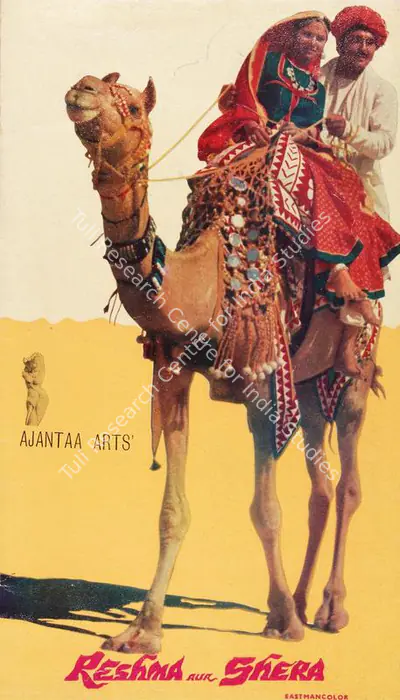
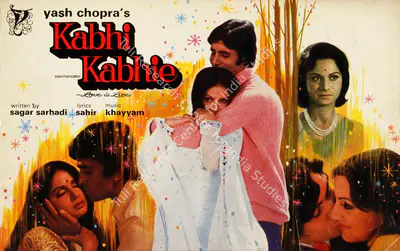
Her portrayal in Guide (1965) remains a touchstone of cinematic brilliance, earning her the Filmfare Award for Best Actress, followed by triumphs in Neel Kamal (1968) and the acclaimed Reshma Aur Shera (1971), which garnered her the National Film Award. Transitioning seamlessly into character roles, she graced Yash Chopra's Kabhie Kabhie (1976), Trishul (1978), Chandni (1989), and Lamhe (1991), lending each film her trademark dignity.
Beyond the silver screen, Rehman's life resonates with compassion and service. A committed philanthropist and ambassador of RangDe, she champions education and social upliftment, embodying both artistic grandeur and humanitarian grace—a living testament to timeless elegance in Indian cinema.
वर्तमान तमिलनाडु के चेंगलपट्टु में एक उच्च तहज़ीब दकनी मुस्लिम परिवार में जन्मीं, वह प्रतिष्ठित जिला आयुक्त मोहम्मद अब्दुर रहमान और मुमताज़ बेगम की चार बेटियाँ में सबसे छोटी थीं। प्रचलित धारणा के विपरीत, उनकी जड़ें हैदराबाद से नहीं बल्कि तमिलनाडु के दक्षिणी क्षेत्रों से जुड़ी हैं। बचपन से ही वह भरतनाट्यम की लय में डूबी रहीं, चेन्नई में अपनी बहनों के साथ शिक्षा प्राप्त की और विशाखापत्तनम के सेंट जोसेफ कॉन्वेंट में शिक्षा प्राप्त की। 1951 में उनके पिता के असामयिक निधन ने उनके जीवन की दिशा बदल दी, जिसके बाद डॉक्टर बनने की अपनी उम्मीद को त्यागकर सिनेमा की चकाचौंध भरी लेकिन अनिश्चित दुनिया में कदम रखना पड़ा।
तेलुगु फ़िल्म 'रोजुलू मराई' (1955) की अपार सफलता के बाद, तमिल फ़िल्म अलीबाबावुम 40 थिरुदारगालुम' (1956) में नर्तकी के रूप में अपनी फ़िल्मी सफ़र की शुरुआत हुई। एन. टी. रामाराव के साथ 'जयसिम्हा' (1955) में उन्होंने अपनी भावनात्मक क्षमता के शुरुआती संकेत दिखाए। लेकिन दूरदर्शी गुरु दत्त के साथ उनके संयोगवश हुए कार्य ने उन्हें एक महान अभिनेत्री बना दिया। 'प्यासा' (1957), 'कागज़ के फूल' (1959), 'चौदहवीं का चांद' (1960) और 'साहिब बीबी और ग़ुलाम' (1962) जैसी फ़िल्मों में रहमान संवेदनशीलता और काव्यात्मक संयम की मिसाल बन गईं।
1965 में आई फ़िल्म 'गाइड' में उनका अभिनय सिनेमाई प्रतिभा का एक शानदार नमूना है, जिसके लिए उन्हें सर्वश्रेष्ठ अभिनेत्री का फ़िल्मफेयर पुरस्कार मिला। इसके बाद उन्होंने 'नील कमल' (1968) और 'रेशमा और शेरा' (1971) में भी शानदार अभिनय किया, जिसके लिए उन्हें राष्ट्रीय फ़िल्म पुरस्कार मिला। चरित्र प्रधान भूमिकाओं में सहजता से ढलते हुए, उन्होंने यश चोपड़ा की फ़िल्मों 'कभी कभी' (1976), 'त्रिशूल' (1978), 'चांदनी' (1989) और 'लम्हे' (1991) में अपनी शानदार अदाकारी को बरकरार रखा।
सिनेमा की दुनिया से परे, रहमान का जीवन दया और सेवा भाव से भरा हुआ है। एक समर्पित समाजसेवी और रंग दे की एंबेसडर के रूप में, वह शिक्षा और सामाजिक उत्थान की समर्थक हैं, जो कलात्मक भव्यता और मानवीय गरिमा दोनों का प्रतीक हैं। भारतीय सिनेमा में शाश्वत सुंदरता का एक जीवंत प्रमाण।
- Age
- 89
Filmography 74
Integrated Timeline
Research Centre


Calendar 1
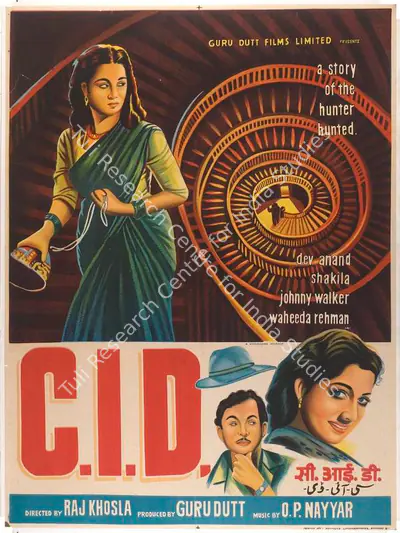
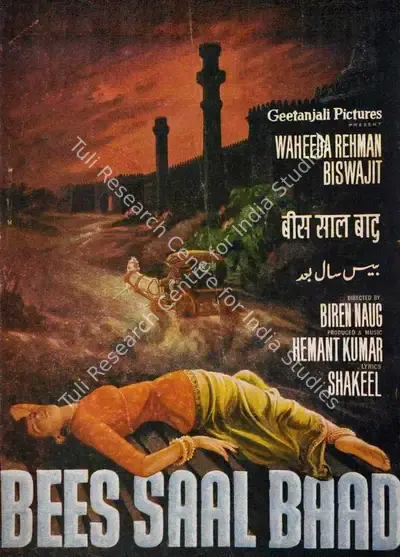
- ArchivedExhibitionProject 18A Glimpse of Guru: Rare and Vintage Artworks from the Cinema of Guru Dutt8th - 9th October 2025Tuli Research Centre for India Studies In collaboration with Whistling Woods International Presents '𝘼 𝙂𝙡𝙞𝙢𝙥𝙨𝙚 𝙤𝙛 𝙂𝙪𝙧𝙪: 𝙍𝙖𝙧𝙚 𝙖𝙣𝙙 𝙑𝙞𝙣𝙩𝙖𝙜𝙚 𝘼𝙧𝙩𝙬𝙤𝙧𝙠𝙨 𝙛𝙧𝙤𝙢 𝙩𝙝𝙚 𝘾𝙞𝙣𝙚𝙢𝙖 𝙤𝙛 𝙂𝙪𝙧𝙪 𝘿𝙪𝙩𝙩' An exhibition of rare and vintage artworks, mostly from the film publicity departments of the film-makers illuminating the many facets of Guru Dutt's artistic and cinematic journey, highlighting forms of creativity from the glorious silver-gelatin photographic prints to the grande French release poster.Read More →
Related
55
Personalities
33
Films
21