
Introduction
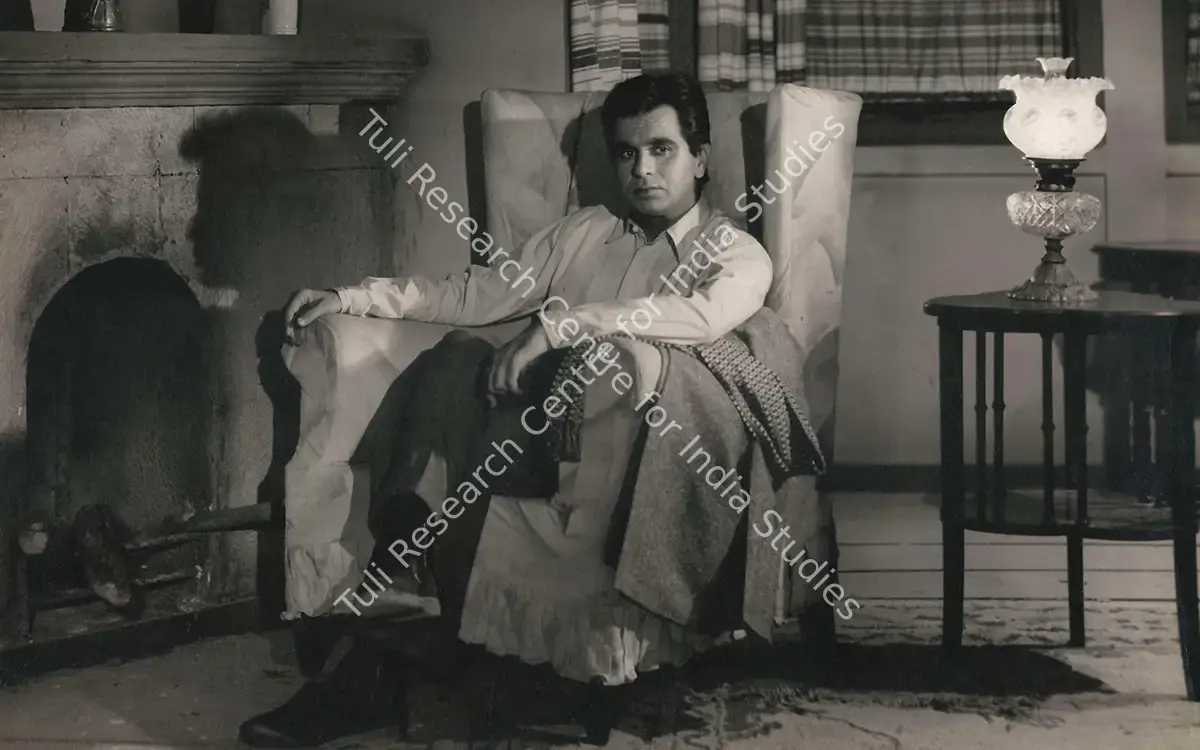
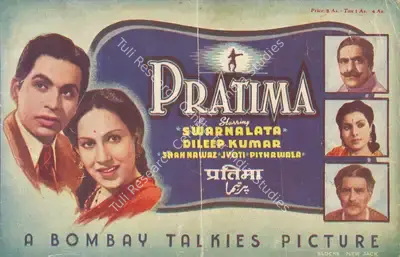
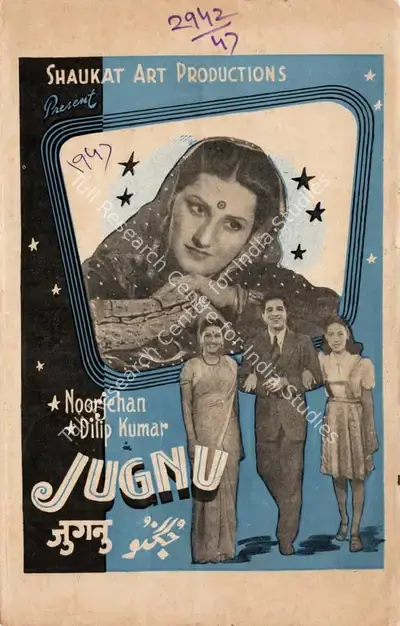
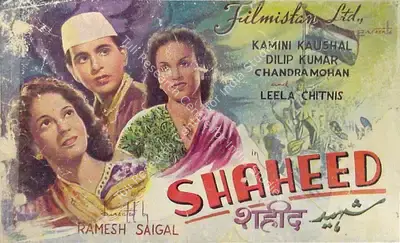
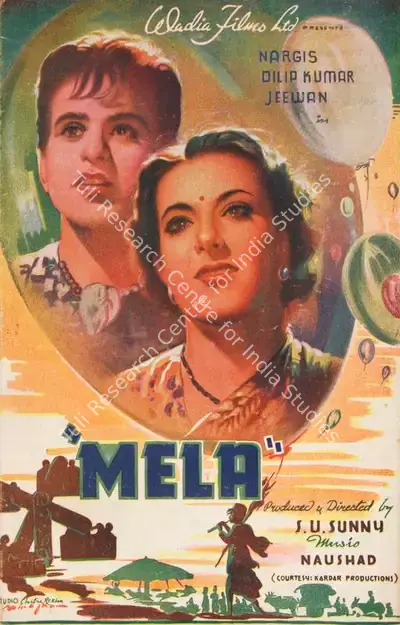
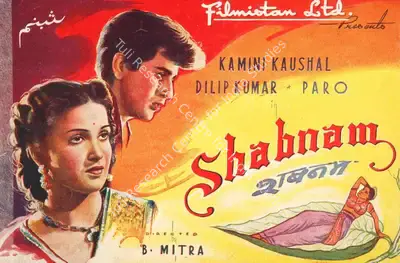
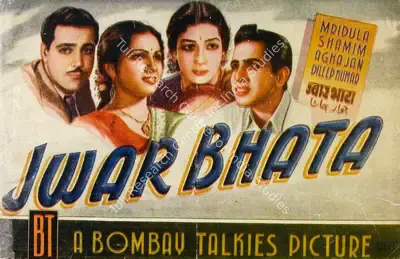
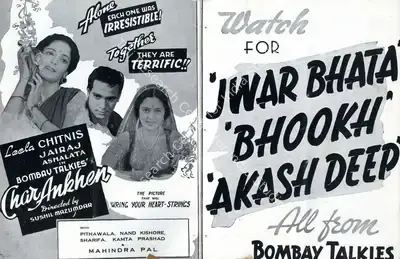
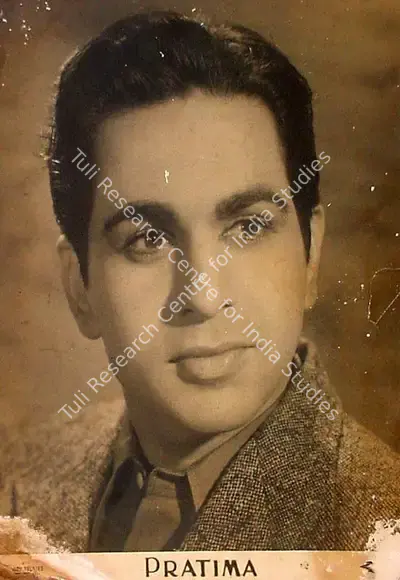
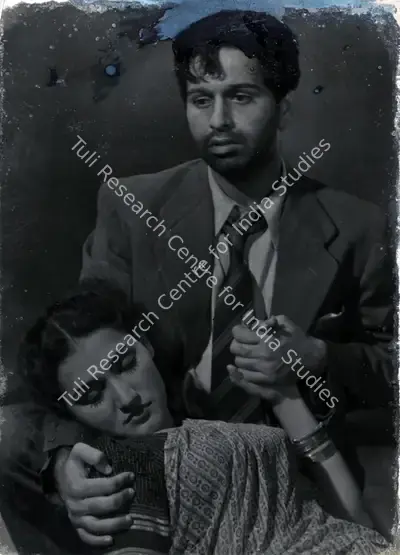
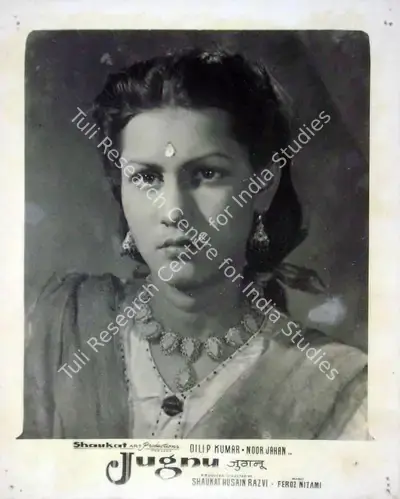
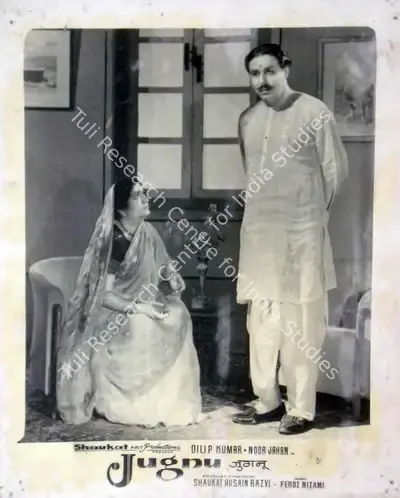
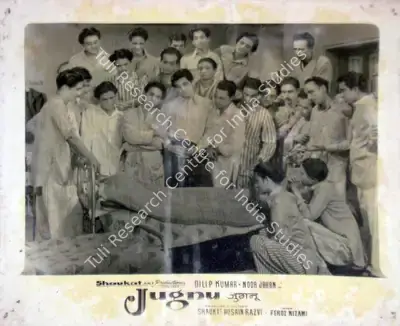
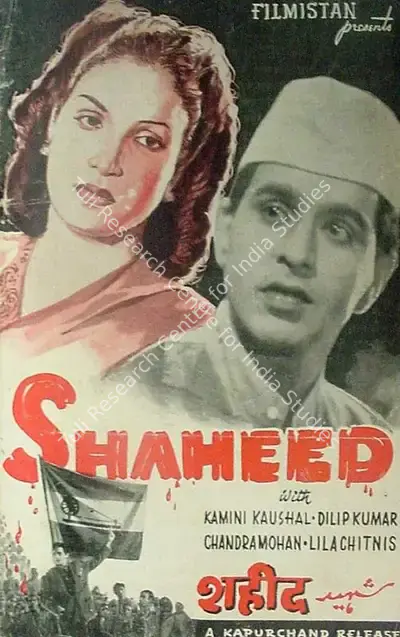
Under the name Dilip Kumar, Yusuf Khan transformed not merely into a celebrated actor but into an institution of performance. His restrained intensity, emotional depth, and remarkable command of silence and gesture gave Indian cinema a new vocabulary of acting. Alongside Raj Kapoor and Dev Anand, he came to constitute one of the legendary triumvirate of Hindi cinema's golden age—three towering artists whose contrasting sensibilities helped redefine stardom and permanently altered the contours of screen performance. destiny, inscrutable yet irresistible, led him to Bombay, where Devika Rani anointed him with the name that would echo across generations. Thus, in Jwar Bhata (1944), he stepped onto the cinematic stage—not yet as a conqueror, but as a quiet herald of greatness. His ascent began with Jugnu (1947), followed by the resounding successes of Shaheed and Mela (1948), each film a rung on the ladder toward immortality.
Dilip Kumar became the defining presence in some of Indian cinema's most acclaimed films and among its most enduring popular successes. In works such as Naya Daur (1957), made in the first decade after India's independence, he gave compelling form to the hopes, anxieties, and struggles of ordinary people navigating the uncertainties of a newly sovereign nation. His performances resonated not simply because of their dramatic power, but because they seemed to capture the emotional landscape of a society in the midst of profound transformation.
Together with Raj Kapoor and Dev Anand, he formed one of the celebrated triumvirate of Hindi cinema's golden age. Yet Kumar's distinction lay equally in the extraordinary seriousness with which he approached his craft. He immersed himself completely in his characters, undertaking whatever preparation a role demanded—from mastering unfamiliar regional accents to learning musical instruments—bringing to each performance a rare combination of discipline, authenticity, and emotional conviction.
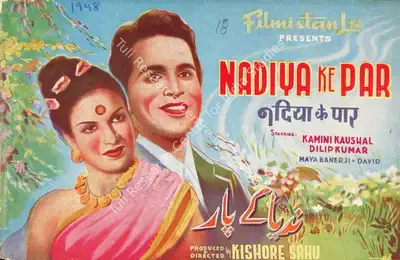
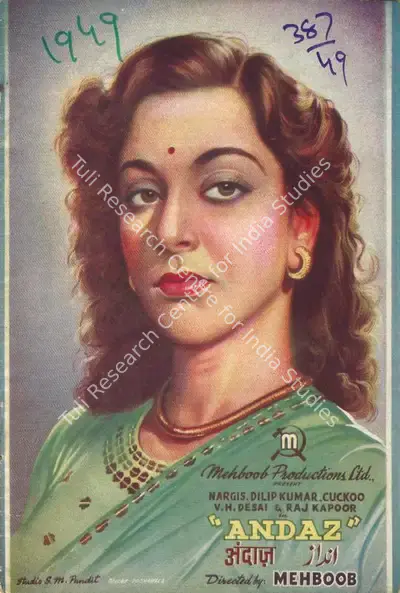
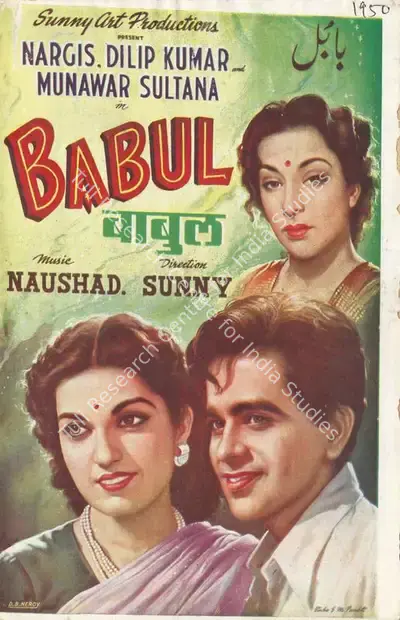
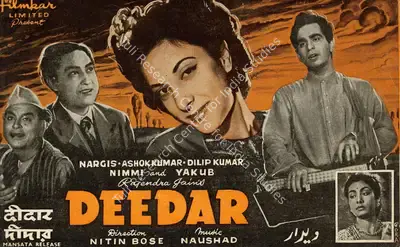
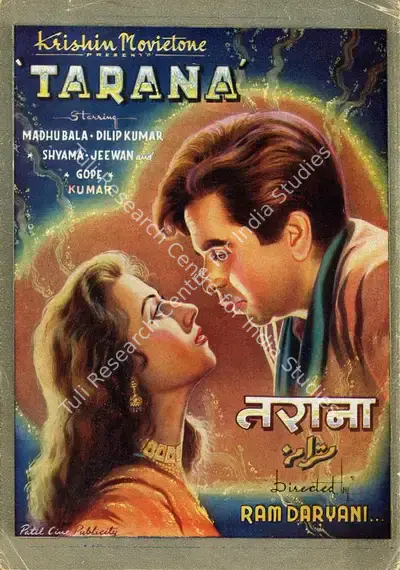
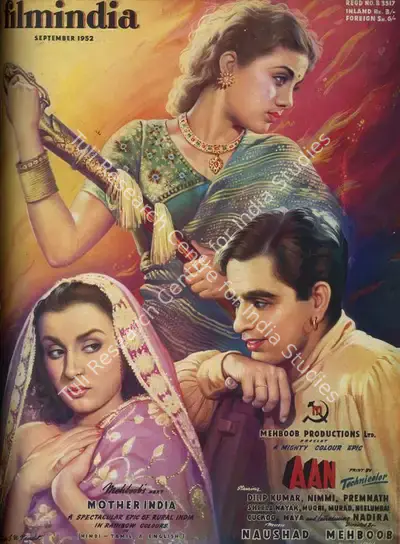
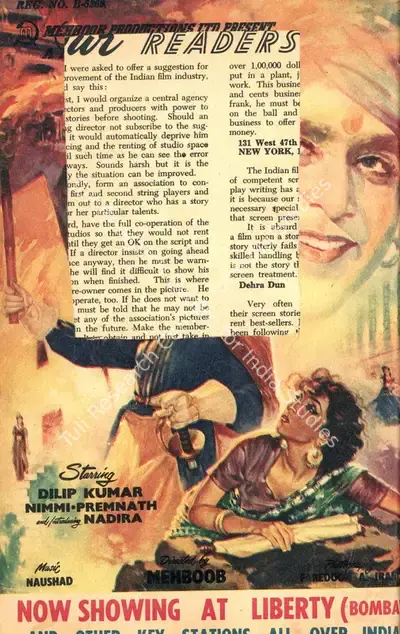
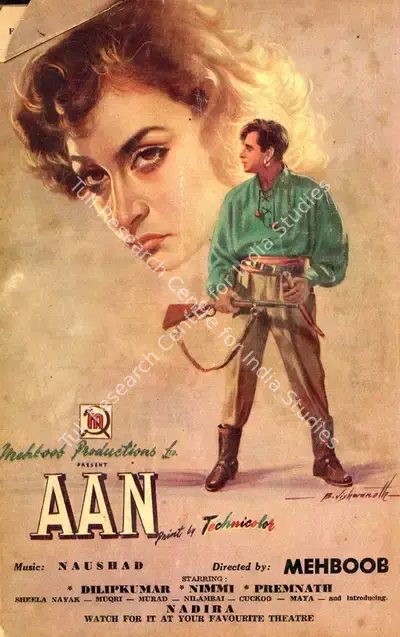
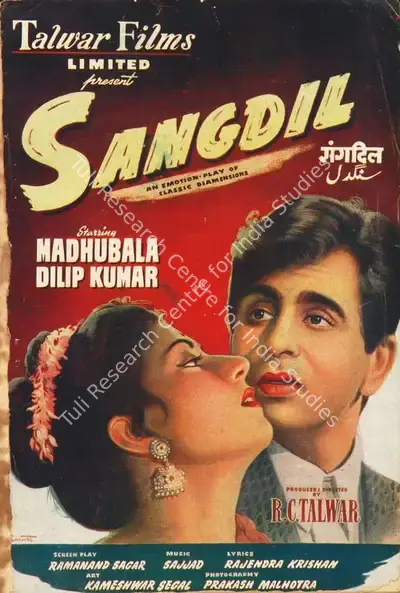
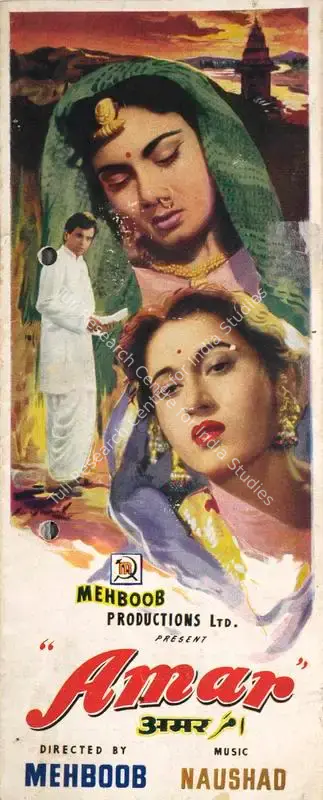
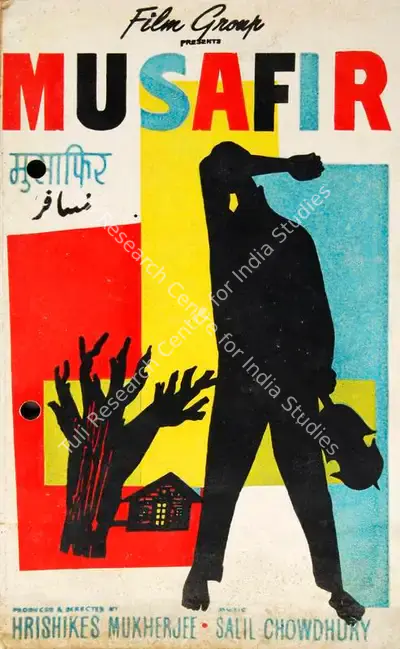
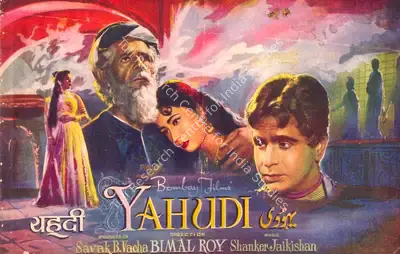
His first towering milestone, Andaz (1949), placed him alongside Raj Kapoor and Nargis, shattering box-office records and inaugurating an era defined by his magnetic presence. What followed was a cascade of triumphs—Babul (1950), Deedar (1951), Aan (1952), Uran Khatola (1955), Insaniyat (1955), Naya Daur (1957), Naya Daur(1957), Paigham (1959)—works that enshrined him as the monarch of Hindi cinema's golden age. His portrayals in Devdas (1955), Amar (1954), Musafir (1957), Yahudi (1958), and Sunghursh (1968) crystallised his legend as the pioneer of subtle, internalised—almost alchemical—method acting.
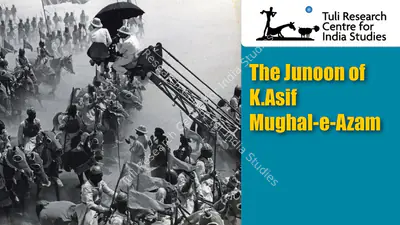
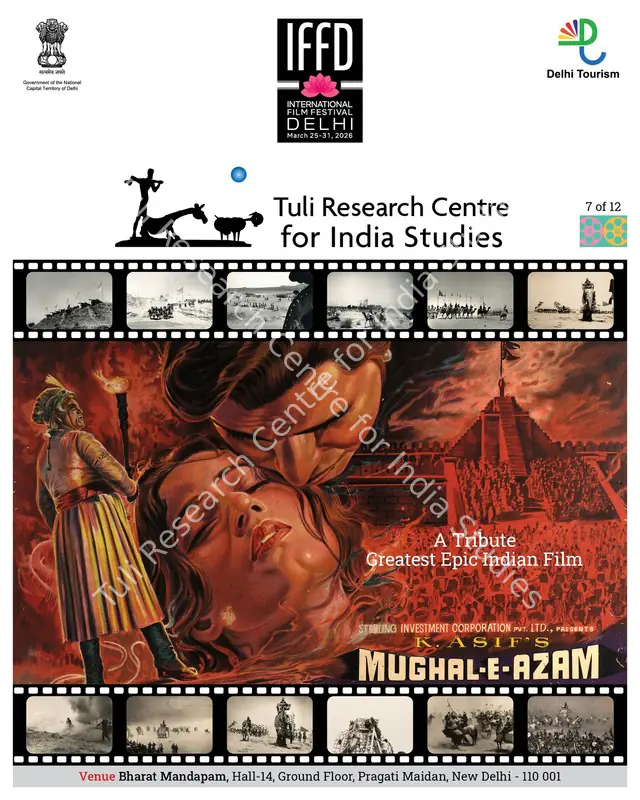
At the zenith of his reign came his portrayal of Prince Salim in K. Asif's monumental epic Mughal-e-Azam (1960), a cinematic colossus whose grandeur remains unmatched. Here, his restrained fire, his whispered rebellions, and his regal bearing transformed not merely a character, but the very grammar of screen acting.
Though the 1970s dimmed the blaze of his earlier decade, he returned with sovereign majesty in Kranti (1981), and continued to command the screen in Vidhaata, Karma, and Saudagar. His final bow came in Qila (1998), closing an illustrious chapter of 57 films over five radiant decades. His marriage to Saira Banu became one of Indian cinema's most cherished unions, a sanctuary away from the glare he so gracefully avoided. Laurels adorned him—the Padma Bhushan, Padma Vibhushan, Dadasaheb Phalke Award, and Pakistan's Nishan-e-Imtiaz, a singular honour never again bestowed on an Indian artist.
When he departed in July 2021, he left not merely memories but a mythic legacy. And in Peshawar, the house of his childhood—now a national heritage monument—stands as a shrine to the thespian who transformed silence into poetry and performance into immortality.
Source:
https://www.britannica.com/biography/Dilip-Kumar
https://en.wikipedia.org/wiki/Dilip_Kumar
दिलीप कुमार के नाम से, यूसुफ़ ख़ान न केवल एक मशहूर अभिनेता बने, बल्कि अभिनय की एक पूरी संस्था बन गए। उनकी संयमित तीव्रता, गहरी भावनाएँ, और ख़ामोशी व इशारों पर उनकी अद्भुत पकड़ ने भारतीय सिनेमा को अभिनय की एक नई भाषा दी। राज कपूर और देव आनंद के साथ मिलकर, वे हिंदी सिनेमा के सुनहरे दौर की उस महान तिकड़ी का हिस्सा बने, जिसने तीन ऐसे दिग्गज कलाकार, जिनकी अलग-अलग शैलियों ने स्टारडम को नए सिरे से परिभाषित किया और पर्दे पर अभिनय के तौर-तरीक़ों को हमेशा के लिए बदल दिया। क़िस्मत उन्हें मुंबई ले आई, जहाँ देविका रानी ने उन्हें वह नाम दिया जो पीढ़ियों तक गूँजता रहा। इस तरह, 1944 की फ़िल्म 'ज्वार भाटा' से उन्होंने सिनेमा की दुनिया में क़दम रखा, तब वे एक विजेता के रूप में नहीं, बल्कि महानता के एक शांत अग्रदूत के रूप में आए थे। 1947 की फ़िल्म 'जुगनू' से उनकी सफलता का सफर शुरू हुआ, जिसके बाद 'शहीद' और 'मेला' (1948) जैसी शानदार फ़िल्में आईं। ये सभी फिल्में उन्हें अमरता की ओर ले जाने वाली सीढ़ियां साबित हुईं।
दिलीप कुमार भारतीय सिनेमा की कुछ सबसे प्रशंसित और लंबे समय तक लोकप्रिय रहीं फ़िल्मों का मुख्य चेहरा बने। भारत की आज़ादी के बाद के पहले दशक में बनी 'नया दौर' (1957) जैसी फ़िल्मों में, उन्होंने एक नए स्वतंत्र राष्ट्र की अनिश्चितताओं के बीच जी रहे आम लोगों की उम्मीदों, चिंताओं और संघर्षों को बहुत प्रभावशाली ढंग से पेश किया। उनके अभिनय ने लोगों के दिलों को इसलिए नहीं छुआ कि उनमें कोई नाटकीय दम था, बल्कि इसलिए क्योंकि वे एक ऐसे समाज की भावनाओं को बख़ूबी दर्शाते थे, जो उस समय गहरे बदलाव के दौर से गुज़र रहा था।
राज कपूर और देव आनंद के साथ मिलकर, उन्होंने हिंदी सिनेमा के स्वर्ण युग की उस मशहूर तिकड़ी का निर्माण किया, जिसे आज भी याद किया जाता है। लेकिन दिलीप कुमार की ख़ासियत उनके काम के प्रति उनकी असाधारण गंभीरता में थी। वे अपने किरदारों में पूरी तरह डूब जाते थे, चाहे वह किसी अनजान क्षेत्रीय लहजे को सीखना हो या कोई वाद्य यंत्र बजाना, वे अपने हर अभिनय में अनुशासन, सच्चाई और गहरी भावनाओं का एक अद्भुत मेल लेकर आते थे।
उनकी पहली बड़ी कामयाबी 'अंदाज़' (1949) थी, जिसने उन्हें राज कपूर और नरगिस के बराबर ला खड़ा किया। इस फ़िल्म ने बॉक्स ऑफ़िस के सारे रिकॉर्ड तोड़ दिए और एक ऐसे दौर की शुरुआत की, जिस पर दिलीप कुमार के करिश्माई व्यक्तित्व की छाप थी। इसके बाद तो सफलताओं का ताँता लग गया 'बाबुल' (1950), 'दीदार' (1951), 'आन' (1952), 'उड़न खटोला' (1955), 'इंसानियत' (1955), 'नया दौर' (1957) और 'पैग़ाम' (1959) जैसी फ़िल्मों ने उन्हें हिंदी सिनेमा के स्वर्ण युग का बेताज बादशाह बना दिया। 'देवदास' (1955), 'अमर' (1954), 'मुसाफ़िर' (1957), 'यहूदी' (1958) और 'संघर्ष' (1968) जैसी फ़िल्मों में उनके अभिनय ने उन्हें एक ऐसे कलाकार के रूप में स्थापित किया, जो बहुत ही सूक्ष्म और गहराई से जुड़े 'मेथड एक्टिंग' (method acting) के तरीक़े में माहिर थे।
उनके करियर के शिखर पर आई के. आसिफ़ की भव्य फ़िल्म 'मुग़ल-ए-आज़म' (1960), जिसमें उन्होंने शहज़ादा सलीम का किरदार निभाया। यह एक ऐसी शानदार फ़िल्म थी, जिसकी भव्यता का आज भी कोई सानी नहीं है। इस फ़िल्म में उनके संयमित तेवर, दबी आवाज़ में किए गए विद्रोह और शाही अंदाज़ ने न केवल एक किरदार को जीवंत किया, बल्कि स्क्रीन एक्टिंग के पूरे व्याकरण को ही बदल दिया।
हालाँकि 1970 के दशक में उनके करियर की चमक कुछ फीकी पड़ी, लेकिन 1981 में 'क्रांति' के साथ उन्होंने एक शानदार वापसी की। इसके बाद 'विधाता', 'कर्मा' और 'सौदागर' जैसी फ़िल्मों में भी उनका जलवा क़ायम रहा। 1998 में आई फ़िल्म 'क़िला' (1998) उनके करियर की आख़िरी फिल्म थी, जिसके साथ ही पाँच दशकों तक फैली 57 फ़िल्मों की उनकी शानदार यात्रा का समापन हुआ। सायरा बानो के साथ उनकी शादी भारतीय सिनेमा के सबसे प्यारे जोड़ों में से एक बन गई। यह उस चकाचौंध से दूर एक ऐसी पनाहगाह थी, जिससे वे हमेशा बहुत शालीनता से बचते रहे। उन्हें कई सम्मान मिले, पद्म भूषण, पद्म विभूषण, दादा साहब फाल्के पुरस्कार, और पाकिस्तान का 'निशान-ए-इम्तियाज़'—एक ऐसा अनूठा सम्मान जो फिर कभी किसी भारतीय कलाकार को नहीं दिया गया।
जुलाई 2021 में जब वे विदा हुए, तो अपने पीछे केवल यादें ही नहीं, बल्कि एक महान विरासत छोड़ गए। पेशावर में उनका बचपन का घर, जो अब एक राष्ट्रीय धरोहर स्मारक है। उस कलाकार के लिए एक तीर्थस्थल की तरह है, जिसने ख़ामोशी को कविता में और अभिनय को अमरता में बदल दिया।
स्रोत:
https://www.britannica.com/biography/Dilip-Kumar
https://en.wikipedia.org/wiki/Dilip_Kumar
- Date of Birth
- 11 Dec 1922
- Date of Death
- 07 Jul 2021
- Age
- 98
- Nationality
- Indian
- Place of Birth
- Peshawar, Pakistan
- Place of Death
- Mumbai, Maharashtra, India
- Spouse(s)
- Saira Banu, Asma Rehman
- Year Marriage Registered
- 1966-2021 | 1981-1983
- Parent(s)
- Ayesha Begum, Lala Ghulam
- Siblings
- Barnes School, Deolali, Maharashtra
Filmography 70
Integrated Timeline
Economics of Cinema
1954
- Filmfare Awards
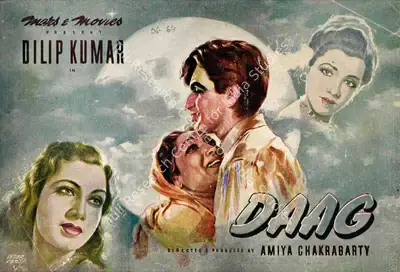
Best Actor, Daag · Times of India Group
1956
- Filmfare Awards
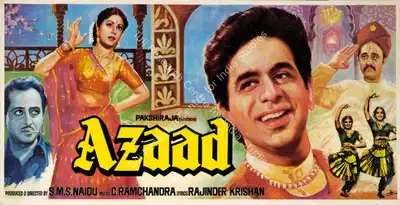
Best Actor, Azaad · Times of India Group
1957
- Filmfare Awards
Best Actor, Devdas · Times of India Group
1958
- Filmfare Awards
Best Actor, Naya Daur · Times of India Group
1961
- Filmfare Awards
Best Actor, Kohinoor · Times of India Group
1962
- Bengal Film Journalists Association (BFJA) Awards
Best Actor (Hindi), Gunga Jumna · Bengal Film Journalists Association
- National Film Awards
Certificate of Merit for Best Feature Film, Gunga Jumna · Information & Boradcasting Ministry, Govt. of India
1965
- Filmfare Awards
Best Actor, Leader · Times of India Group
1968
- Filmfare Awards
Best Actor, Ram aur Shyam · Times of India Group
1971
- Bengal Film Journalists Association (BFJA) Awards
Best Actor, Sagina Mahato · Bengal Film Journalists Association
1983
- Filmfare Awards
Best Actor, Shakti · Times of India Group
1991
- Padma Bhushan
Distinguished Service of a High Order (Art) · Government of India
1994
- Filmfare Awards
Lifetime Achievement Awards · Times of India Group
- Dadasaheb Phalke Award
Outstanding contribution to the growth and development of Indian cinema · Government of India
1997
- NTR National Award
Lifetime Achievement Awards · Government of Andhra Pradesh
1998
- Nishan-e-ImtiazInternational
Order of Excellence, Pakistan · Government of Pakistan
- Lux Zee Cine Awards
Lifetime Achievement Award · Zee Entertainment Enterprises
2001
- Mumbai International Film Festival
Lifetime Achievement Award · Films Division of India, Ministry of Information & Broadcasting
2004
- Apsara Awards
Outstanding contribution to Indian cinema · Producers' Guild of India
- IIFA Special Awards
Outstanding achievement in Indian Cinema · International Indian Film Academy
Research Centre




Calendar 3
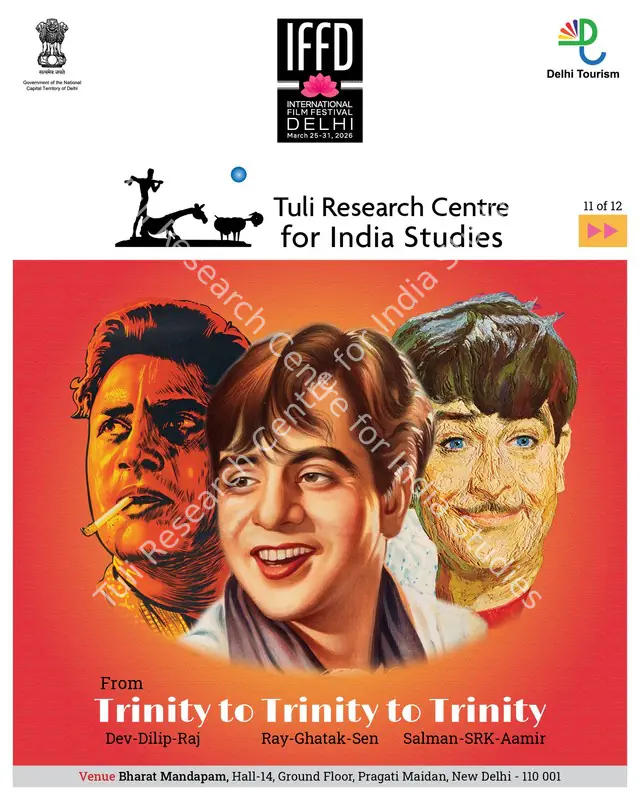
- ArchivedExhibitionProject 76From Trinity to Trinity to TrinityDev-Dilip-Raj | Ray-Ghatak-Sen | Salman-SRK-Aamir25th - 31st March 202611:00am - 7:00pmBharat Mandapam, Hall-14, Ground Floor, Pragati Maidan, New Delhi - 110011The Exhibition 'From Trinity to Trinity to Trinity | Dev-Raj-Dilip to Ray-Ghatak-Sen to Salman-Aamir-SRK', celebrates three iconic trios that have come to symbolize defining moments in Indian cinema and reflect the diverse heroic characteristics which the Indian public demands.Read More →
- ArchivedExhibitionProject 72A Tribute to the Greatest Epic Indian FilmMughal-e-Azam25th - 31st March 202611:00am - 7:00pmBharat Mandapam, Hall-14, Ground Floor, Pragati Maidan, New Delhi - 110007A Tribute to the Greatest Epic Indian Film - Mughal-e-Azam - brings alive the classic film through a diverse range of memorabilia especially its world class black-and-white cinematography and still photography by masters such as R.D. Mathur, A.L. Syed and others.Read More →
- ArchivedExhibitionProject 2Self-Discovery via Rediscovering India Series Part II India's Cinematic Heritage12th - 24th August 2024Self-Discovery via Rediscovering India Series Part IIRead More →
Related
60
Personalities
38
Films
20