
Introduction
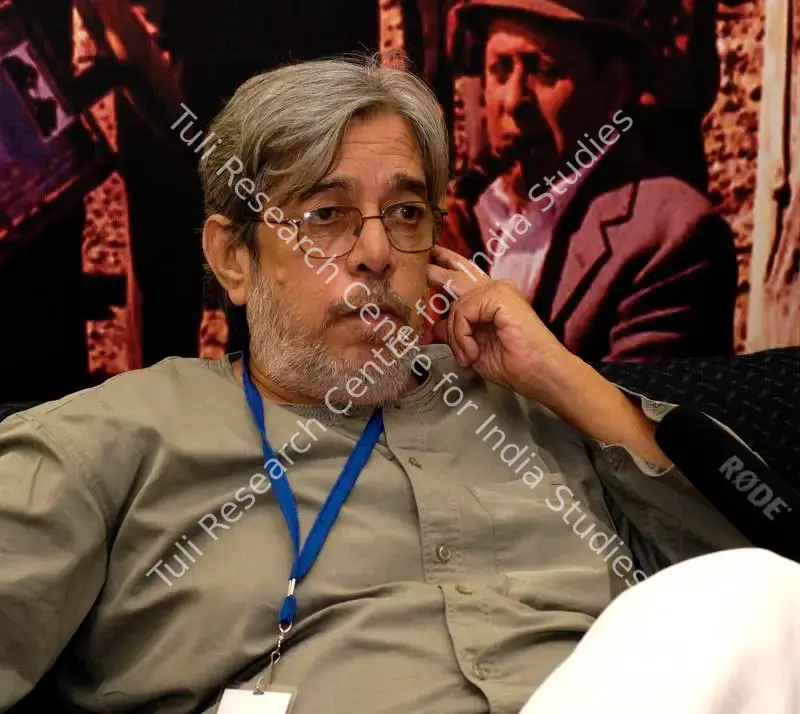
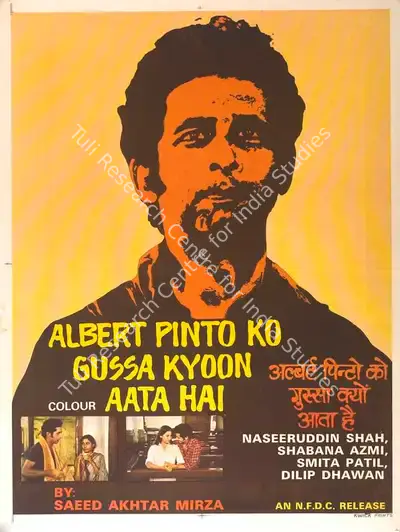
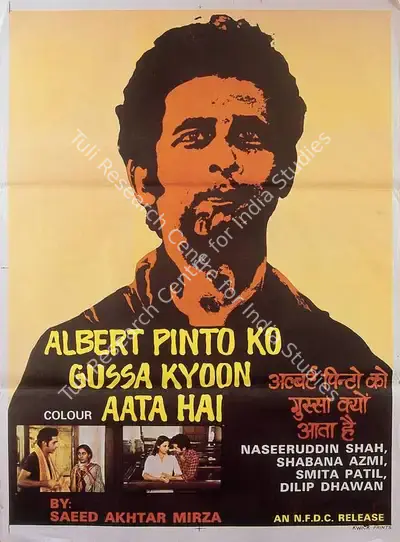
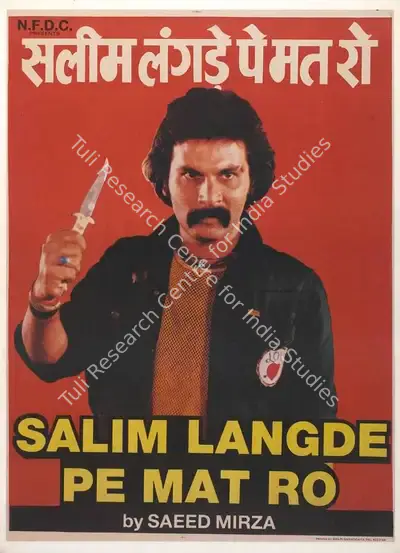
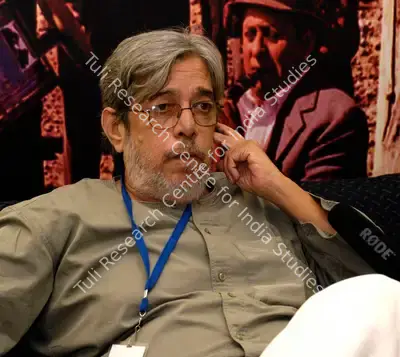
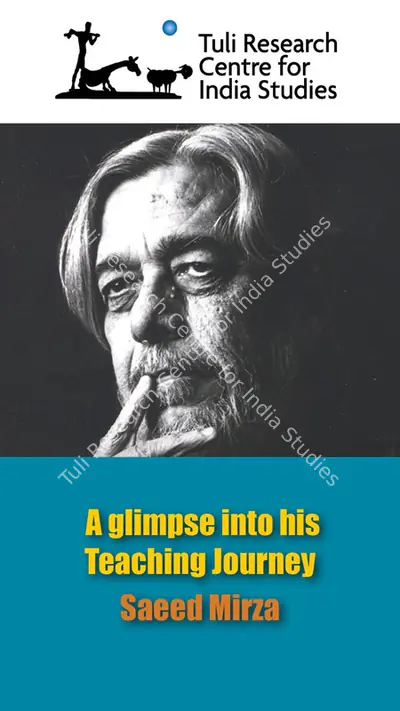
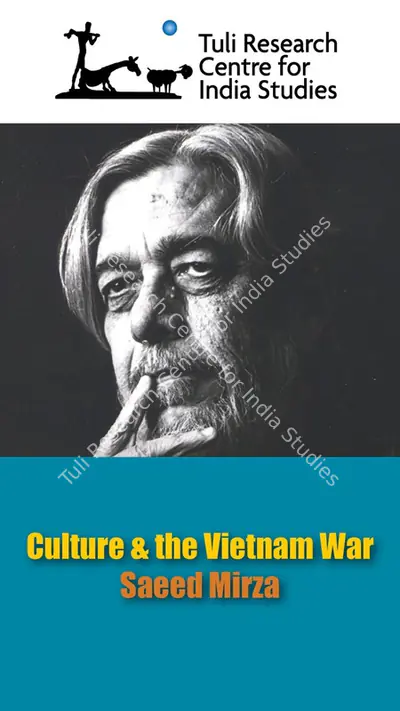
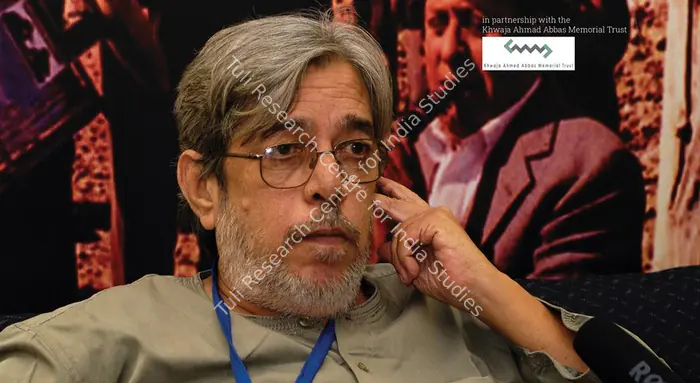
Saeed Akhtar Mirza (born 30 June 1943) He is a distinguished Indian screenwriter, film director, and television creator whose work has been central to the evolution of Hindi parallel cinema. Renowned for films such as Arvind Desai Ki Ajeeb Dastaan (1978), Albert Pinto Ko Gussa Kyoon Aata Hai (1980), Mohan Joshi Hazir Ho! (1984), Salim Langde Pe Mat Ro (1989), and Naseem (1995), Mirza's cinema is marked by its moral urgency, social realism, and deep engagement with questions of class, identity, and secularism in modern India.
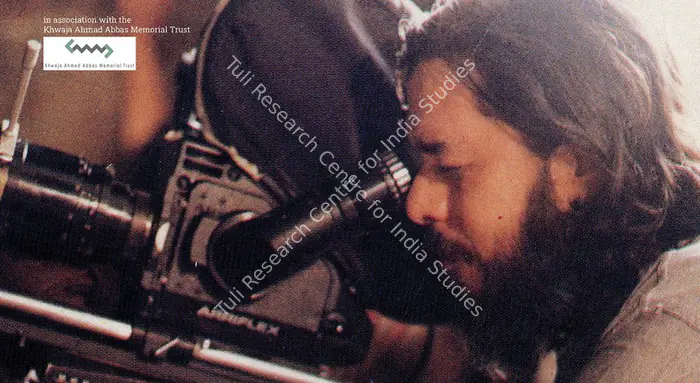
Born in Mumbai to Akhtar Mirza, a celebrated screenwriter of the 1960s known for classics such as Naya Daur and Waqt, Saeed Akhtar Mirza grew up in a milieu steeped in cinema and progressive thought. His younger brother, Aziz Mirza, would later emerge as a prominent mainstream filmmaker and television director. After a brief stint in advertising, Mirza enrolled at the Film and Television Institute of India (FTII), Pune, where he specialised in film direction and graduated in 1976. He would later return to FTII as a faculty member, and eventually serve as its chairperson, shaping generations of Indian filmmakers.
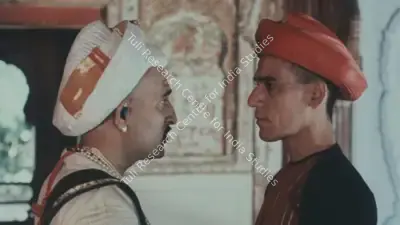
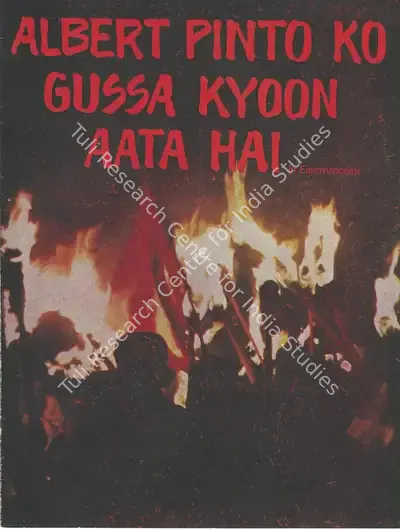
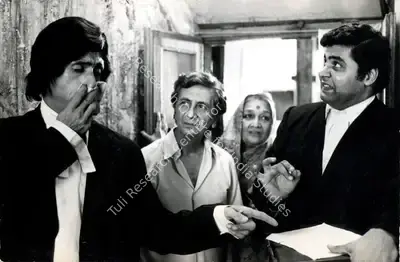
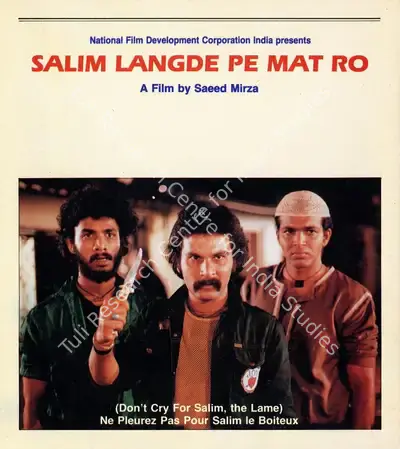
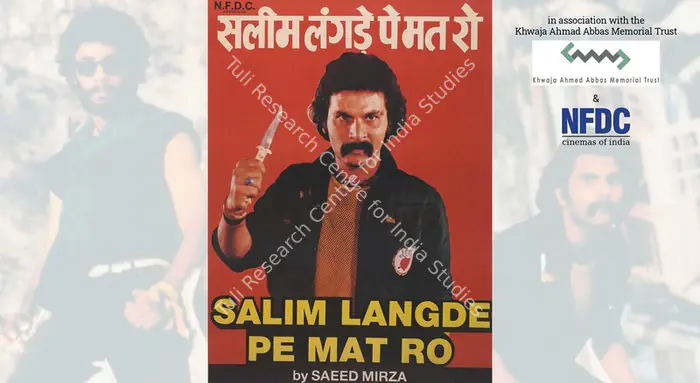
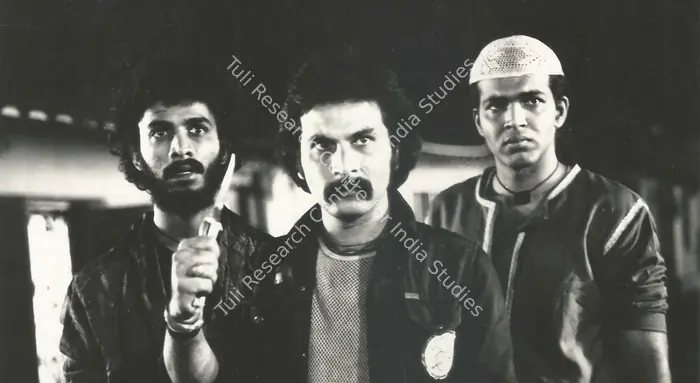
Mirza began his career as a documentary filmmaker before making his feature debut with Arvind Desai Ki Ajeeb Dastaan, a searing portrait of an idealistic young man crushed by feudal capitalism. The film won the Filmfare Critics Award for Best Film, an honour Mirza received again for Albert Pinto Ko Gussa Kyoon Aata Hai, which examined class alienation and urban rage. His cinematic exploration of the Indian middle class continued with Mohan Joshi Hazir Ho!, a sharp satire on judicial corruption that earned the National Film Award for Best Film on Family Welfare. With Salim Langde Pe Mat Ro, Mirza turned his lens on the anxieties of Muslim youth in an increasingly communalised society, winning the National Film Award for Best Feature Film in Hindi.
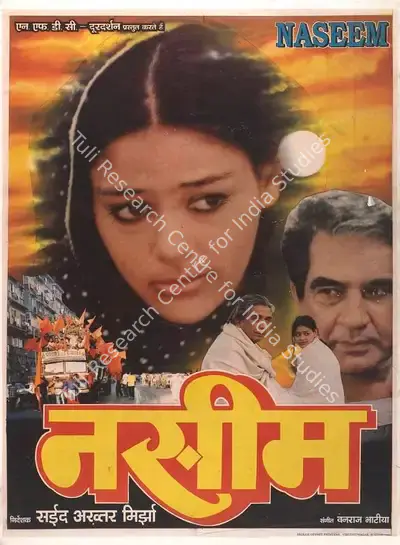
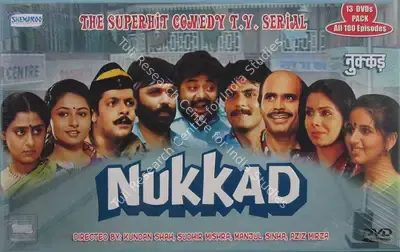
Parallel to his film career, Mirza directed the immensely popular television serials Nukkad (1986) and Intezaar (1988). Nukkad, set among lower-middle-class communities gathering at a Mumbai street corner, became a cultural touchstone for its humane storytelling and social insight. His final feature film, Naseem, released in 1995, addressed the emotional and ideological aftermath of the Babri Masjid demolition and earned him National Film Awards for Best Director and Best Screenplay.
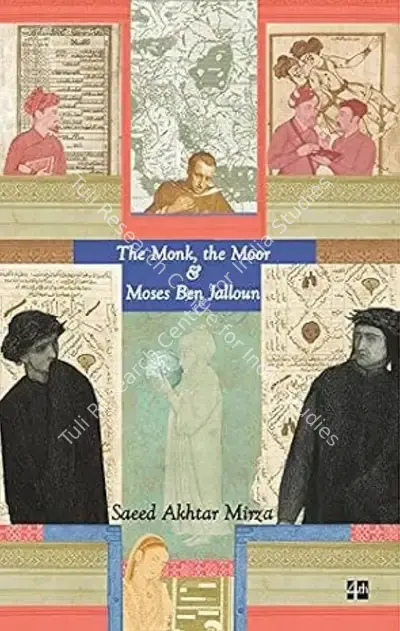
Beyond filmmaking, Mirza has been an influential public intellectual, lecturing widely in India and the United States and contributing essays and film criticism to leading publications. He is also a trustee of ANHAD, a Delhi-based NGO promoting communal harmony. In 2008, he published his autobiographical novel Ammi: Letter to a Democratic Mother, blending personal memory with political reflection.
In recognition of his enduring contribution to Indian cinema, Saeed Akhtar Mirza received a Lifetime Achievement Award at the International Cultural Artifact Film Festival in 2020. He currently divides his time between Mumbai and Goa, while his sons Safdar and Zahir live in New York and Dubai respectively.
सईद अख़्तर मिर्ज़ा का जन्म मुंबई में हुआ था। उनके पिता अख़्तर मिर्ज़ा 1960 के दशक के मशहूर पटकथा लेखक थे, जो 'नया दौर' और 'वक़्त' जैसी क्लासिक फ़िल्मों के लिए जाने जाते थे। सईद अख़्तर मिर्ज़ा का पालन-पोषण सिनेमा और प्रगतिशील विचारों वाले माहौल में हुआ। उनके छोटे भाई, अज़ीज़ मिर्ज़ा, आगे चलकर मुख्यधारा के जाने-माने फ़िल्म निर्माता और टेलीविज़न निर्देशक बने। कुछ समय तक विज्ञापन के क्षेत्र में काम करने के बाद, मिर्ज़ा ने पुणे स्थित फ़िल्म एंड टेलीविज़न इंस्टीट्यूट ऑफ़ इंडिया (FTII) में दाख़िला लिया, जहाँ उन्होंने फ़िल्म निर्देशन में विशेषज्ञता हासिल की और 1976 में स्नातक किया। बाद में वे FTII में फैकल्टी सदस्य के तौर पर लौटे और इसके चेयरपर्सन बने, जहाँ उन्होंने भारतीय फ़िल्म निर्माताओं की कई पीढ़ियों को तैयार किया।
मिर्ज़ा ने अपने करियर की शुरुआत एक डॉक्यूमेंट्री फ़िल्म मेकर के तौर पर की थी। इसके बाद उन्होंने 'अरविंद देसाई की अजीब दास्तान' से फ़ीचर फ़िल्मों की दुनिया में क़दम रखा। यह फ़िल्म सामंती पूंजीवाद के बोझ तले दबे एक आदर्शवादी नौजवान की मार्मिक कहानी थी। इस फ़िल्म को 'बेस्ट फ़िल्म' के लिए फ़िल्मफ़ेयर क्रिटिक्स अवॉर्ड मिला। मिर्ज़ा को 'अल्बर्ट पिंटो को ग़ुस्सा क्यों आता है' के लिए भी यही सम्मान मिला, जिसमें उन्होंने वर्ग-भेद और शहरी ग़ुस्से को दिखाया था। भारतीय मध्यम वर्ग की उनकी सिनेमाई पड़ताल 'मोहन जोशी हाज़िर हो!' के साथ जारी रही। यह फ़िल्म न्यायिक भ्रष्टाचार पर एक तीखा व्यंग्य थी और इसे 'परिवार कल्याण पर सर्वश्रेष्ठ फ़िल्म' का राष्ट्रीय फ़िल्म पुरस्कार मिला। 'सलीम लंगड़े पे मत रो' के ज़रिए मिर्ज़ा ने तेज़ी से सांप्रदायिक होते समाज में मुस्लिम युवाओं की चिंताओं को पर्दे पर उतारा। इस फ़िल्म को हिंदी में 'सर्वश्रेष्ठ फ़ीचर फ़िल्म' का राष्ट्रीय फ़िल्म पुरस्कार मिला।
अपने फ़िल्मी करियर के साथ-साथ, मिर्ज़ा ने बेहद लोकप्रिय टेलीविज़न सीरियल 'नुक्कड़' (1986) और 'इंतज़ार' (1988) का निर्देशन भी किया। मुंबई की एक सड़क के कोने पर जमा होने वाले निम्न-मध्यम वर्गीय समुदायों पर आधारित 'नुक्कड़' अपनी मानवीय कहानी और सामाजिक समझ के कारण एक सांस्कृतिक पहचान बन गई। 1995 में रिलीज़ हुई उनकी आख़िरी फ़ीचर फ़िल्म 'नसीम' ने बाबरी मस्जिद विध्वंस के बाद पैदा हुए भावनात्मक और वैचारिक हालात को दिखाया। इस फ़िल्म के लिए उन्हें 'सर्वश्रेष्ठ निर्देशक' और 'सर्वश्रेष्ठ पटकथा' के राष्ट्रीय फ़िल्म पुरस्कार मिले।
फ़िल्म बनाने के अलावा, मिर्ज़ा एक प्रभावशाली पब्लिक इंटेलेक्चुअल रहे हैं। उन्होंने भारत और अमेरिका में कई लेक्चर दिए हैं और प्रमुख प्रकाशनों के लिए निबंध और फ़िल्मों की समीक्षाएँ लिखी हैं। वे दिल्ली के एक एनजीओ 'अनहद' के ट्रस्टी भी हैं, जो सांप्रदायिक सद्भाव को बढ़ावा देता है। 2008 में उन्होंने अपना आत्मकथात्मक उपन्यास 'अम्मी: लेटर टू ए डेमोक्रेटिक मदर' (Ammi: Letter to a Democratic Mother) प्रकाशित किया, जिसमें उन्होंने अपनी निजी यादों को राजनीतिक विचारों के साथ जोड़ा है।
भारतीय सिनेमा में उनके लंबे समय के योगदान के लिए, सईद अख्तर मिर्ज़ा को 2020 में इंटरनेशनल कल्चरल आर्टिफैक्ट फ़िल्म फ़ेस्टिवल में 'लाइफ़टाइम अचीवमेंट अवॉर्ड' मिला। वे अभी अपना समय मुंबई और गोवा के बीच बिताते हैं, जबकि उनके बेटे सफ़दर और ज़हीर न्यूयॉर्क और दुबई में रहते हैं।
- Date of Birth
- 30 Jun 1943
- Zodiac sign
- Cancer
- Age
- 83
- Nationality
- Indian
- Place of Birth
- Bombay, India
- Parent(s)
- Farhat Akhtar
Filmography 8
Integrated Timeline
Economics of Cinema
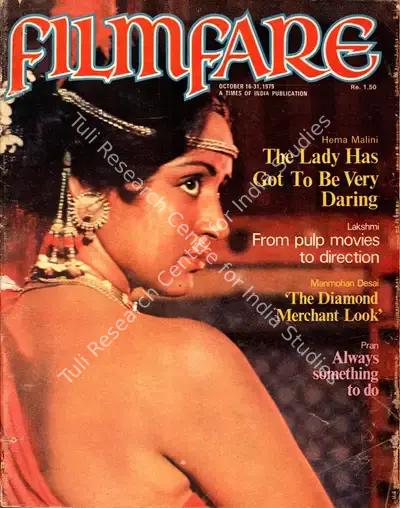
1979
- Filmfare Award
Filmfare Critics Award for Best Movie · The Times Group
1981
- Filmfare Award
Filmfare Critics Award for Best Movie · The Times Group
1984
- National Film Awards
Best Film on Family Welfare · Directorate of Film Festivals India
1990
- National Film Awards
Best Feature Film in Hindi · Directorate of Film Festivals India
1996
- National Film Awards
Best Direction · Directorate of Film Festivals India
- National Film Awards
Best Screenplay · Directorate of Film Festivals India
Research Centre
Calendar 6
- ArchivedIntroduction | Film ScreeningProject 53Introduction by Saeed Mirza to Salim Langde Pe Mat Ro, 1989 | 111 mins10th February 20267:45pmAmaltas, India Habitat Centre, Lodhi Road, New Delhi, 110003
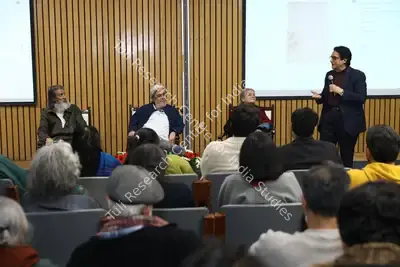
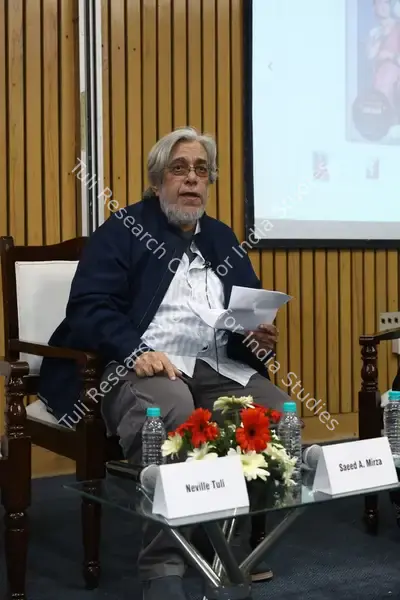
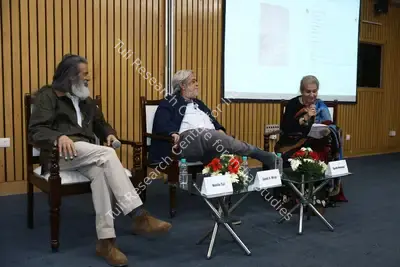
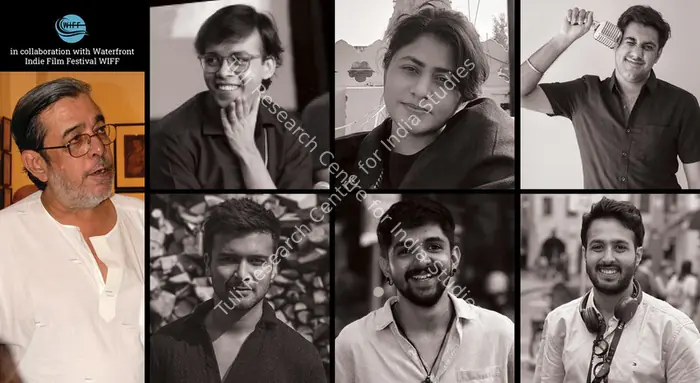
- ArchivedPanel DiscussionProject 52The Life & Times of Saeed Mirza10th February 20266:15pmAmaltas, India Habitat Centre, Lodhi Road, New Delhi, 110003Saeed Akhtar Mirza, with Neelima Azeem, Dibakar Banerjee & Gurvinder Singh
- ArchivedOnline LearningProject 51Public Launch of A-Graphy Pages SAEED AKHTAR MIRZA
- ArchivedMentorship Q & A | Part IProject 48Is there any significant space for Social Responsibility within the creative artistic spirit?If so, what is the nature of this space for young minds trying to embrace an Indian identity, material independence, and a creative integrity and its vision?9th February 20263:30pm - 5:00pmM.L. Bhartia Auditorium, Alliance Francaise de Delhi, 72 K.K. Birla Lane, Lodi Estate, New Delhi, 110003Divya Kharnare, Sivaranjini, Simar Singh, Jalpan Nanavati, Vidar Joshi & Kabeer Khurana | Mentor Saeed Akhtar Mirza
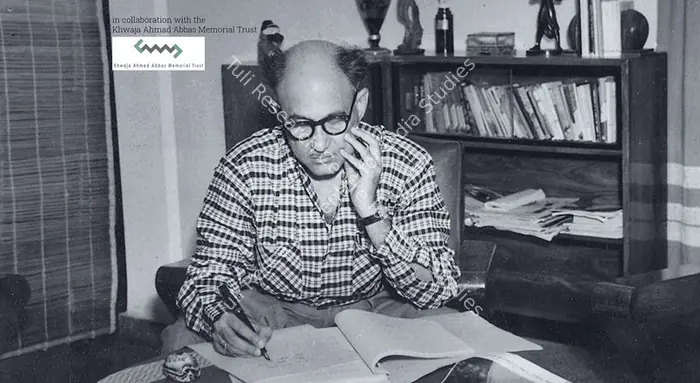
- ArchivedPanel DiscussionProject 45KHWAJA AHMAD ABBASA Karmayogi's Polymathic Vision of Love8th February 20267:30pmIndia International Centre, 1st Floor Seminar Halls, Kamaladevi Chattopadhyay Block, Max Mueller Marg, New Delhi, 110003Syeda Hameed,Neelima Azeem, Saeed Akhtar Mirza & Neville Tuli
- ArchivedLectureProject 44The Khwaja Ahmad Abbas Memorial Trust Lecture by SAEED AKHTAR MIRZA8th February 20266:30pmIndia International Centre, 1st Floor Seminar Halls, Kamaladevi Chattopadhyay Block, Max Mueller Marg, New Delhi, 110003
Related
18
Films
8
Personalities
8