
Mohan Joshi Haazir Ho1984
Introduction
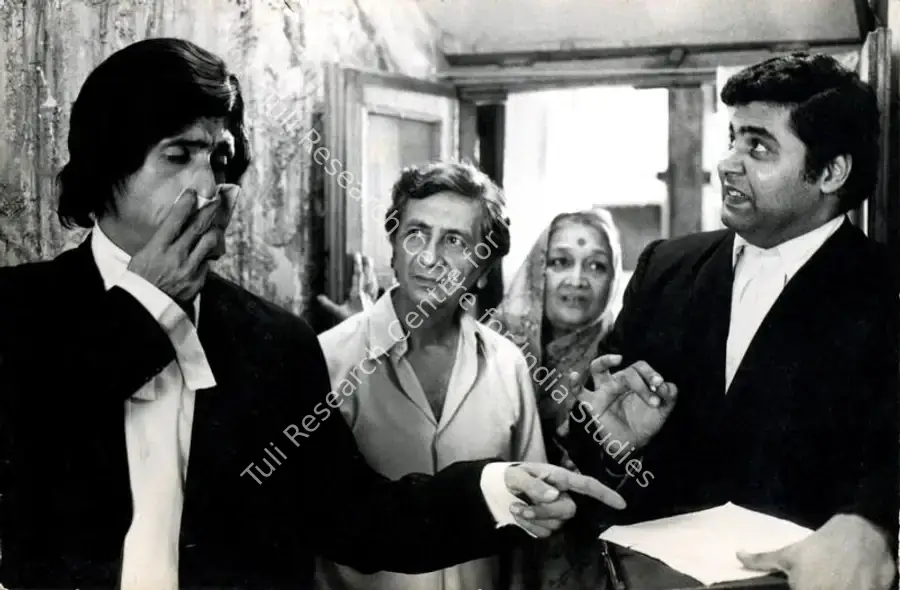
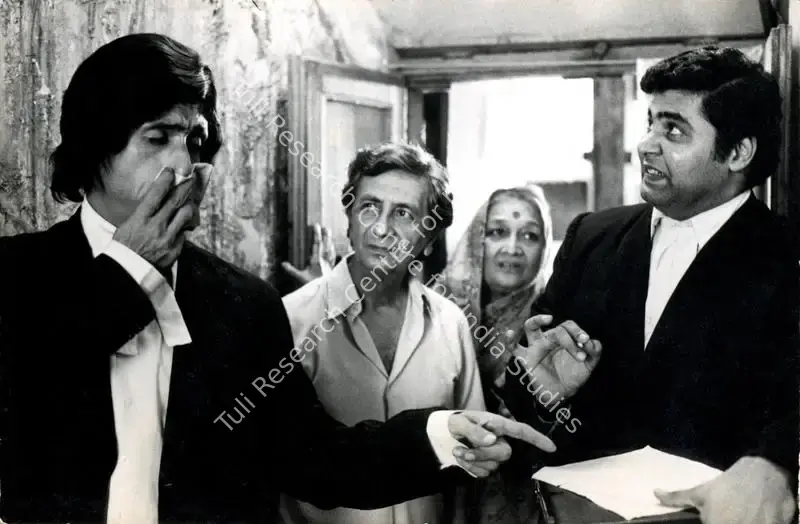
Mohan Joshi Hazir Ho! (Summons for Mohan Joshi, 1984) Directed by Saeed Akhtar Mirza and adapted from his own story, the film emerged during the height of India's Parallel Cinema movement as one of its most incisive works. Universally acclaimed by critics, the film was hailed as a sharp, deeply relevant satire on the country's judicial and social systems. Though its commercial reach remained limited—as was typical of art-house cinema—it has since been canonized as a classic of Indian parallel cinema.
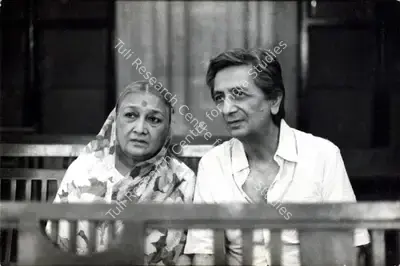
Shot across Kamathipura, Bapty Road, and Duncan Road (Two Tanks/Do Tanki) in Mumbai, the film captures the texture of a middle-class, Hindu–Muslim neighborhood with documentary realism. Its distinguished ensemble cast includes Bhisham Sahni in the title role as Mohan Joshi, with Dina Pathak as his wife Rohini Joshi. Naseeruddin Shah and Satish Shah play the opportunistic lawyers Advocate Malkani and Advocate Gokhale, while Rohini Hattangadi appears as the opposing counsel, Advocate Rani. Amjad Khan delivers a menacing turn as the unscrupulous landlord Kundan Kapadia. The supporting cast features Deepti Naval, Mohan Gokhale, Pankaj Kapur, Salim Ghouse, Anjali Paigankar, Deepak Qazir, and Arvind Deshpande.
The narrative centres on an elderly couple who take their landlord to court over his refusal to maintain their dangerously dilapidated apartment building. Seeking justice, they hire two crafty lawyers, only to find themselves ensnared in a legal battle that drags on interminably. As the case languishes in the courts, the lawyers prosper, while the couple is financially and emotionally drained. Within their housing society, they are mocked and ostracized for daring to challenge the landlord, yet they persist in their struggle.
The film reaches its devastating climax when a judge arrives to inspect the chawl. In a calculated deception, the landlord's men temporarily shore up the structure, successfully presenting an illusion of safety. In a final act of despair and defiance, Mohan Joshi pulls down the makeshift supports, triggering the collapse of the building upon himself.
It stands as a biting comic satire of a judicial system in which cases languish for decades, plaintiffs are exhausted or destroyed, and corruption thrives through the collusion of landlords, lawyers, and institutions. The film's enduring relevance was recognized with the National Film Award for Best Film on Family Welfare in 1984.
मुंबई के कमाठीपुरा, बैप्टी रोड और डंकन रोड (दो टंकी) में फ़िल्माई गई यह फ़िल्म एक मध्यमवर्गीय हिंदू-मुस्लिम मोहल्ले के ताने-बाने को डॉक्यूमेंट्री शैली में ब-ख़ूबी दर्शाती है। फ़िल्म के प्रतिभाशाली कलाकारों में भीष्म साहनी मुख्य भूमिका में मोहन जोशी और दीना पाठक उनकी पत्नी रोहिणी जोशी के किरदार में हैं। नसीरुद्दीन शाह और सतीश शाह अवसरवादी वकील एडवोकेट मलकानी और एडवोकेट गोखले की भूमिका में हैं, जबकि रोहिणी हट्टंगड़ी विरोधी वकील एडवोकेट रानी के रूप में नज़र आती हैं। अमजद ख़ान बेईमान ज़मींदार कुंदन कपाड़िया के किरदार में दमदार अभिनय करते हैं। सहायक कलाकारों में दीप्ति नवल, मोहन गोखले, पंकज कपूर, सलीम गौस, अंजली पैगांकर, दीपक काज़िर और अरविंद देशपांडे शामिल हैं।
कहानी एक बुजुर्ग दंपत्ति के इर्द-गिर्द घूमती है, जो अपने जर्जर अपार्टमेंट के रखरखाव से इनकार करने पर मकान मालिक पर मुकदमा कर देते हैं। न्याय की तलाश में वे दो चतुर वकीलों को नियुक्त करते हैं, लेकिन वे खुद को एक अंतहीन कानूनी लड़ाई में उलझा हुआ पाते हैं। जैसे-जैसे मामला अदालतों में बढ़ता है, वकील मालामाल होते जाते हैं, जबकि दंपत्ति आर्थिक और भावनात्मक रूप से टूटते चले जाते हैं। अपने आवासीय समुदाय में, मकान मालिक को चुनौती देने की हिम्मत करने के लिए उनका उपहास उड़ाया जाता है और उन्हें बहिष्कृत कर दिया जाता है, फ़िर भी वे अपना संघर्ष ज़ारी रखते हैं।
फ़िल्म का भयावह अंत तब होता है जब एक जज चॉल का निरीक्षण करने आता है। एक सोची-समझी चाल के तहत, मकान मालिक के आदमियों ने अस्थायी रूप से ढांचे को सहारा दिया, जिससे सुरक्षा का भ्रम पैदा हो गया। निराशा और प्रतिरोध के अंतिम क्षण में, मोहन जोशी उन अस्थायी सहारों को खुद ही हटा देता है, जिससे इमारत उसके ऊपर ढह जाती है।
यह फ़िल्म न्यायिक व्यवस्था पर तीखा व्यंग्य करती है, जिसमें मामले दशकों तक लंबित रहते हैं, वादी थक जाते हैं या बर्बाद हो जाते हैं, और ज़मींदारों, वकीलों और संस्थाओं की मिलीभगत से भ्रष्टाचार फलता-फूलता है। फ़िल्म की प्रासंगिकता को देखते हुए, इसे 1984 में परिवार कल्याण पर बनी सर्वश्रेष्ठ फ़िल्म के लिए राष्ट्रीय फ़िल्म पुरस्कार से सम्मानित किया गया था।