
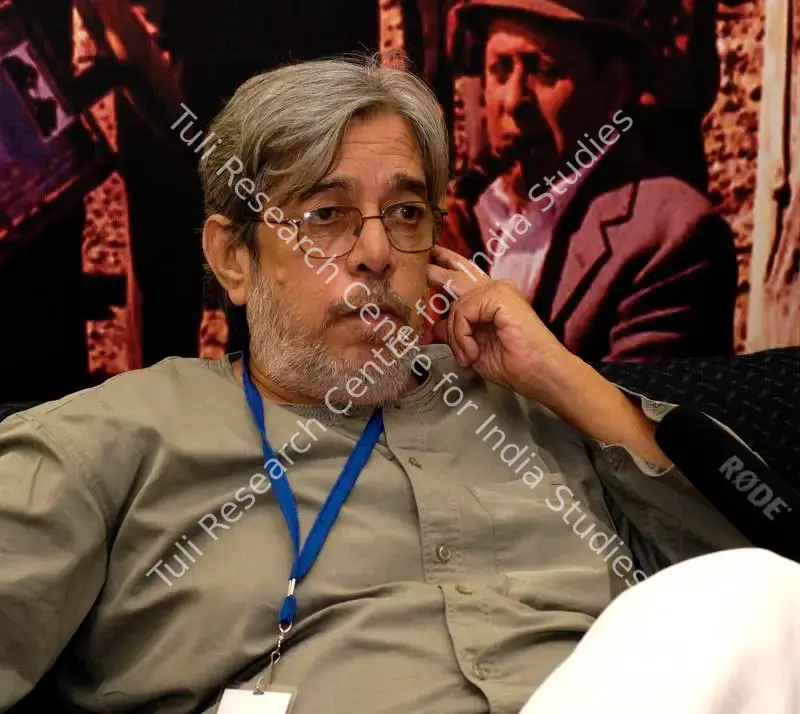
Saeed Akhtar Mirza

Saeed Akhtar Mirza
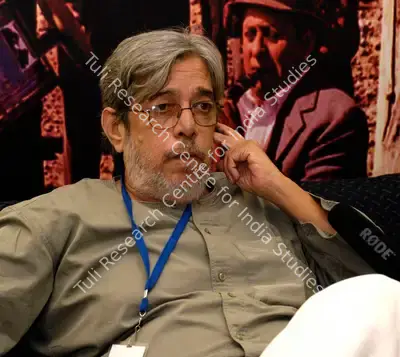
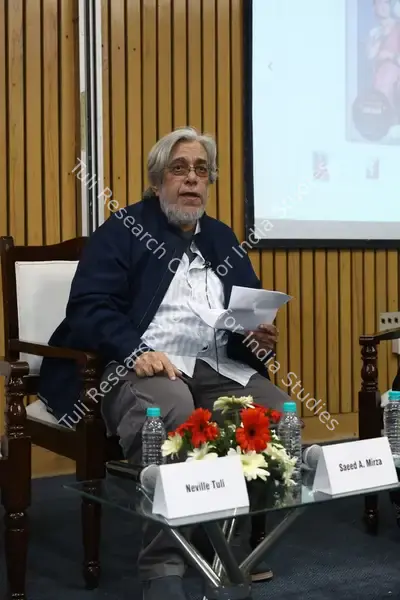
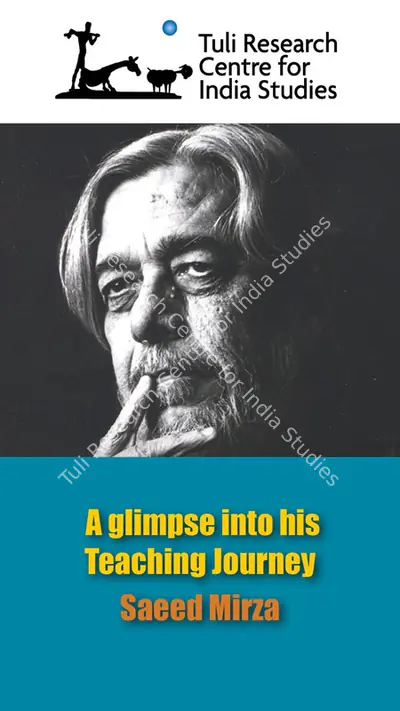
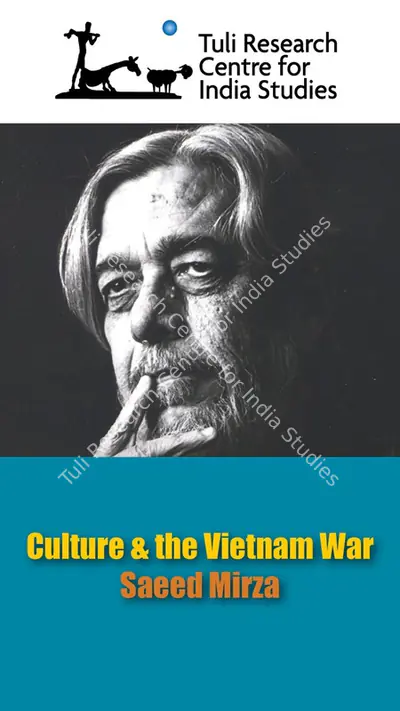
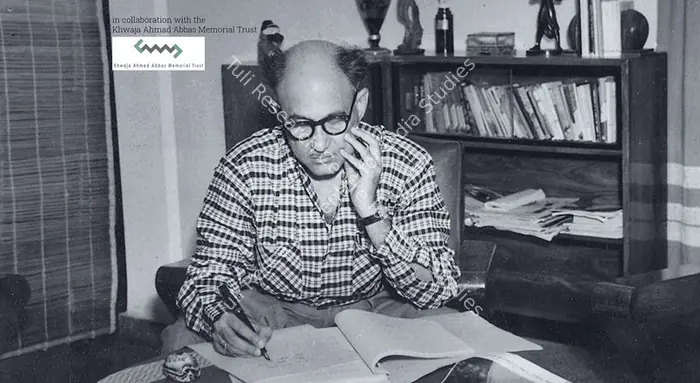
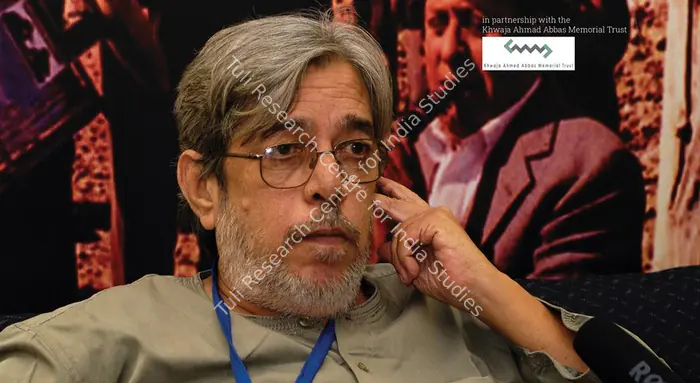
Saeed Akhtar Mirza (born 30 June 1943) He is a distinguished Indian screenwriter, film director, and television creator whose work has been central to the evolution of Hindi parallel cinema. Renowned for films such as Arvind Desai Ki Ajeeb Dastaan (1978), Albert Pinto Ko Gussa Kyoon Aata Hai (1980), Mohan Joshi Hazir Ho! (1984), Salim Langde Pe Mat Ro (1989), and Naseem (1995), Mirza's cinema is marked by its moral urgency, social realism, and deep engagement with questions of class, identity, and secularism in modern India. Born in Mumbai to Akhtar Mirza, a celebrated screenwriter of the 1960s known for classics such as Naya Daur and Waqt, Saeed Akhtar Mirza grew up in a milieu steeped in cinema and progressive thought. His younger brother, Aziz Mirza, would later emerge as a prominent mainstream filmmaker and television director. After a brief stint in advertising, Mirza enrolled at the Film and Television Institute of India (FTII), Pune, where he specialised in film direction and graduated in 1976. He would later return to FTII as a faculty member, and eventually serve as its chairperson, shaping generations of Indian filmmakers. Mirza began his career as a documentary filmmaker before making his feature debut with Arvind Desai Ki Ajeeb Dastaan, a searing portrait of an idealistic young man crushed by feudal capitalism. The film won the Filmfare Critics Award for Best Film, an honour Mirza received again for Albert Pinto Ko Gussa Kyoon Aata Hai, which examined class alienation and urban rage. His cinematic exploration of the Indian middle class continued with Mohan Joshi Hazir Ho!, a sharp satire on judicial corruption that earned the National Film Award for Best Film on Family Welfare. With Salim Langde Pe Mat Ro, Mirza turned his lens on the anxieties of Muslim youth in an increasingly communalised society, winning the National Film Award for Best Feature Film in Hindi. Parallel to his film career, Mirza directed the immensely popular television serials Nukkad (1986) and Intezaar (1988). Nukkad, set among lower-middle-class communities gathering at a Mumbai street corner, became a cultural touchstone for its humane storytelling and social insight. His final feature film, Naseem, released in 1995, addressed the emotional and ideological aftermath of the Babri Masjid demolition and earned him National Film Awards for Best Director and Best Screenplay. Beyond filmmaking, Mirza has been an influential public intellectual, lecturing widely in India and the United States and contributing essays and film criticism to leading publications. He is also a trustee of ANHAD, a Delhi-based NGO promoting communal harmony. In 2008, he published his autobiographical novel Ammi: Letter to a Democratic Mother, blending personal memory with political reflection. In recognition of his enduring contribution to Indian cinema, Saeed Akhtar Mirza received a Lifetime Achievement Award at the International Cultural Artifact Film Festival in 2020. He currently divides his time between Mumbai and Goa, while his sons Safdar and Zahir live in New York and Dubai respectively.
Saeed Akhtar Mirza
Saeed Akhtar Mirza (born 30 June 1943) He is a distinguished Indian screenwriter, film director, and television creator whose work has been central to the evolution of Hindi parallel cinema. Renowned for films such as Arvind Desai Ki Ajeeb Dastaan (1978), Albert Pinto Ko Gussa Kyoon Aata Hai (1980), Mohan Joshi Hazir Ho! (1984), Salim Langde Pe Mat Ro (1989), and Naseem (1995), Mirza's cinema is marked by its moral urgency, social realism, and deep engagement with questions of class, identity, and secularism in modern India. Born in Mumbai to Akhtar Mirza, a celebrated screenwriter of the 1960s known for classics such as Naya Daur and Waqt, Saeed Akhtar Mirza grew up in a milieu steeped in cinema and progressive thought. His younger brother, Aziz Mirza, would later emerge as a prominent mainstream filmmaker and television director. After a brief stint in advertising, Mirza enrolled at the Film and Television Institute of India (FTII), Pune, where he specialised in film direction and graduated in 1976. He would later return to FTII as a faculty member, and eventually serve as its chairperson, shaping generations of Indian filmmakers. Mirza began his career as a documentary filmmaker before making his feature debut with Arvind Desai Ki Ajeeb Dastaan, a searing portrait of an idealistic young man crushed by feudal capitalism. The film won the Filmfare Critics Award for Best Film, an honour Mirza received again for Albert Pinto Ko Gussa Kyoon Aata Hai, which examined class alienation and urban rage. His cinematic exploration of the Indian middle class continued with Mohan Joshi Hazir Ho!, a sharp satire on judicial corruption that earned the National Film Award for Best Film on Family Welfare. With Salim Langde Pe Mat Ro, Mirza turned his lens on the anxieties of Muslim youth in an increasingly communalised society, winning the National Film Award for Best Feature Film in Hindi. Parallel to his film career, Mirza directed the immensely popular television serials Nukkad (1986) and Intezaar (1988). Nukkad, set among lower-middle-class communities gathering at a Mumbai street corner, became a cultural touchstone for its humane storytelling and social insight. His final feature film, Naseem, released in 1995, addressed the emotional and ideological aftermath of the Babri Masjid demolition and earned him National Film Awards for Best Director and Best Screenplay. Beyond filmmaking, Mirza has been an influential public intellectual, lecturing widely in India and the United States and contributing essays and film criticism to leading publications. He is also a trustee of ANHAD, a Delhi-based NGO promoting communal harmony. In 2008, he published his autobiographical novel Ammi: Letter to a Democratic Mother, blending personal memory with political reflection. In recognition of his enduring contribution to Indian cinema, Saeed Akhtar Mirza received a Lifetime Achievement Award at the International Cultural Artifact Film Festival in 2020. He currently divides his time between Mumbai and Goa, while his sons Safdar and Zahir live in New York and Dubai respectively.

Introduction


Date of Birth

30 Jun 1943

Zodiac sign

Cancer

Age

83

Nationality

Indian

Place of Birth

Bombay, India

Parent(s)

Farhat Akhtar


Date of Birth

30 Jun 1943

Zodiac sign

Cancer

Age

83

Nationality

Indian

Place of Birth

Bombay, India

Parent(s)

Farhat Akhtar


Filmography

Print
filter
1995

Naseem | Hindi | Director

Booklet
2016

Saeed Mirza | Hindi | Actor

Medium | Colour | 60 mins

Integrated Timeline

Time Periods

1943-1973
1976-2009
2008-2023
2026
Chopra BR Producer Naya Daur 1957 Advertisement Filmfare 17 August 1956 CinemaEducation 00791227
Chopra, B.R. (Producer), Naya Daur, 1957 | Advertisement, Filmfare, 17 August 1956 | CinemaEducation | 00791227

30 June 1943

Saeed Akhtar Mirza's childhood was spent in Fonseca Mansion in Mahim, Mumbai, a location he described as being a "magical mural" of diverse people and stories. [Memory in the Age of Amnesia: A Personal History of Our Times by Saeed Akhtar Mirza. 2018] His father, Farhat Akhtar Mirza (F.A. Mirza), was a screenwriter, who wrote the scripts for Bawre Nain (1950), Naya Daur (1957), Ab Dilli Dur Nahin (1957), and Waqt (1965), amongst others. Films, literature, and poetry were discussed for hours in his home and growing up, Saeed Mirza was educated about the political history of India, especially the non-violent movements of Mahatma Gandhi and Jawaharlal Nehru.

Chittaprosad Artist Unity Of Partition Maulana Azad Versus Jinnah Mixed media 1946 Painting FineArts 00375380
Chittaprosad (Artist). Unity Of Partition: Maulana Azad Versus Jinnah. Mixed media, 1946 | Painting | FineArts | 00375380

1947

Growing up amongst the diverse people who inhabited Fonseca Mansion, Saeed Akhtar Mirza's early life was framed by the anxiety, hope and adventure, of India in the 1940s, a decade that witnessed the end of the Second World War and the Partition of India. Additionally, world events were discussed by his father, which gave him a wider perspective about the country and global history. All of this heavily influenced his career as a filmmaker, when the spirit of questioning, remained within him.

Unknown Photographer Om Puri Photographic Still CinemaEducation 00842031
Unknown (Photographer). Om Puri. | Photographic Still | CinemaEducation | 00842031

1973

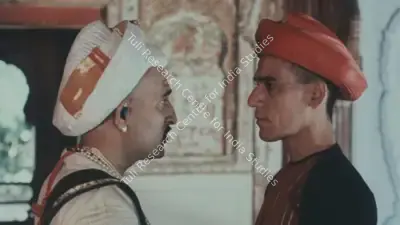
Mirza completed his graduation from St. Xavier's College, Mumbai and after a stint in advertising, he joined the Film and Television Institute of India (FTII) in 1973. The 1970s was the decade that spelled the beginning of the New Wave, which was a counter-movement to mainstream commercial Bombay cinema at the time. The films of the New Wave were marked by an artistic realism, social critique, and perhaps above all, an experimental form that was distinct from the melodrama and song and dance sequences seen in commercial films. The FTII in the 1970s was a vibrant space and the batches from 1975-1978 are regarded as being the most influential, as the actors and directors who graduated from the Institute during this time decidedly changed the course of Hindi cinema. Naseeruddin Shah, Om Puri, Mithun Chakraborty, Tom Alter, Rakesh Bedi, Satish Shah, were some of the actors who graduated during this time, while the directors included Kundan Shah, Vidhu Vinod Chopra, K Hariharan, Kamal Swaroop, and Mirza.

Joshi ii Rajesh Cinematographer Ghashiram Kotwal 1976 Photographic Still CinemaEducation 00842025
Joshi (ii), Rajesh (Cinematographer), Ghashiram Kotwal, 1976 | Photographic Still | CinemaEducation | 00842025

1976

In 1976, after graduating from the Film and Television Institute of India (FTII), Saeed Akhtar Mirza made documentaries engaging with issues of social welfare and he, along with Mani Kaul, and other fellow graduates, founded Yukt Film Cooperative (also known as Yukt Film Collective). The Cooperative represented a radical experiment in collective filmmaking during India's New Wave era as it rejected hierarchical commercial production for shared creative labor, and adopted Brechtian anti-narrative forms to critique power structures and bourgeois cinema. Their first production was Ghashiram Kotwal (1976), based on one of the most well-known plays in Indian theatre. While the play examined Maratha tyranny, the film drew parallels from the Emergency declared by then Prime Minister, Indira Gandhi. The film faced bank loan disputes, which caused delays in it being screened after its premiere.

Karanjia BK Editor Filmfare Magazine Contents Page 2625 T P Pithavala co The Times of India Bombay 09 December 1977 M...
Karanjia, B.K. (Editor). Filmfare Magazine: Contents Page. 26(25). T P Pithavala, c/o The Times of India, Bombay, 09 December 1977 | Magazine | CinemaEducation | 00842023

1978

The second production of Yukt Films was Saeed Akhtar Mirza's solo directorial debut, Arvind Desai Ki Ajeeb Dastaan (1978), which foregrounded his Marxist humanist style on urban class alienation. The film is the story of Arvind Desai (Dilip Dhawan), the sole heir to a rich, domineering businessman (Sriram Lagoo), who deals in luxury products. While Arvind questions the values of his own class, he is unable to live by his ideals. Drawing on a Brechtian realism articulated through static framing, extended takes, and an observational detachment, the film critiques liberal guilt, and capitalist alienation. The film won the Filmfare Critics Award for Best Feature Film and launched Mirza's career, while cementing the focus of the New Wave on urban disenfranchisement.

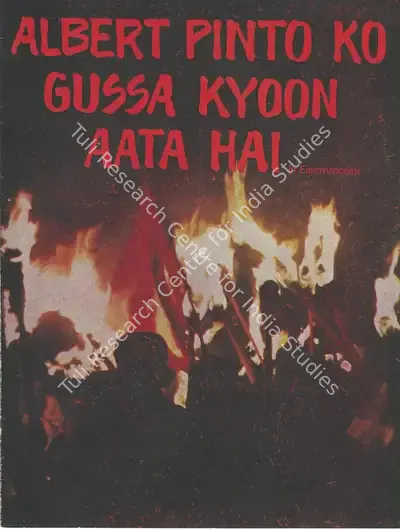
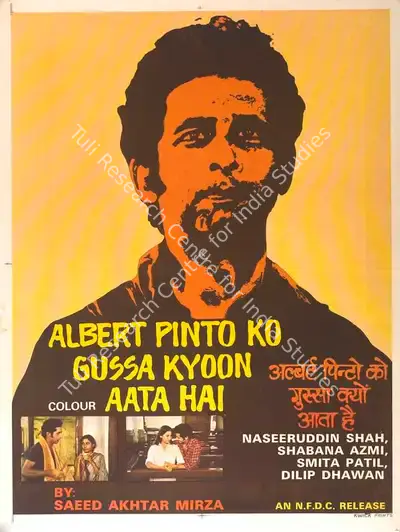
Mirza Saeed Akhtar Producer Albert Pinto Ko Gussa Kyoon Aata Hai 1980 Full Sheet Poster CinemaEducation 00766937
Mirza, Saeed Akhtar (Producer), Albert Pinto Ko Gussa Kyoon Aata Hai, 1980 | Full Sheet Poster | CinemaEducation | 00766937

1980

Saeed Akhtar Mirza's next film, Albert Pinto Ko Gussa Kyon Ata Hai? (1980) addressed the tension between the individual and their social environment with maturity and nuance. The film is the story of Albert Pinto (Naseeruddin Shah), an auto mechanic who idolises the cars of rich clients which he repairs, while dismissing workers on strike as being lazy. A turning point comes when his mill-worker father is attacked, redirecting Pinto's rage from workers to the mill owners. Pinto represented a different kind of an 'angry young man' and the film challenged the stereotypical representation of minority characters in mainstream cinema. The film was awarded the Filmfare Critics Award.

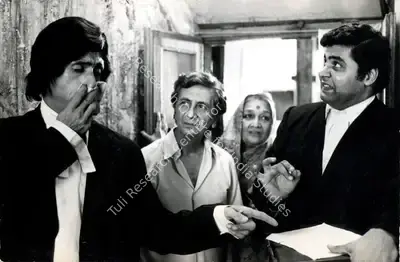
Saini Virendra Cinematographer Mohan Joshi Haazir Ho 1984 Photographic Still CinemaEducation 00842026
Saini, Virendra (Cinematographer), Mohan Joshi Haazir Ho, 1984 | Photographic Still | CinemaEducation | 00842026

1984

Mohan Joshi Haazir Ho (1984), Saeed Akhtar Mirza's third film, is a sharp satirical indictment of India's corrupt judicial system and the exploitation of tenants by landlords. A dark comedy, the film marks the screen debut of writer Bhisham Sahni who played the role of a retired commoner, Mohan Joshi, living with his wife (Dina Pathak) and sons in a decrepit building. Joshi pleads with the landlord (Amjad Khan) to have it repaired but instead finds himself embroiled in a legal battle involving opportunistic lawyers. When all else fails and the landlord carries out superficial repairs to appease the court, Joshi makes the ultimate sacrifice. Emphasising the rights of tenants, the film won the National Film Award for Best Film on Family Welfare.

Lenin Vladimir Ilyich Writer The Immediate Tasks of Our Movement Искр Iskra December 1900 Newspaper clipping SeekJust...
Lenin, Vladimir Ilyich (Writer). The Immediate Tasks of Our Movement. Искр (Iskra), December 1900 | Newspaper clipping | SeekJustice | 00842024

1986

During the 1980s, funding for Indian New Wave (Parallel Cinema) started to decline sharply, precipitating the movement's downturn even as it was at the height of its creative vitality. The restructuring of the National Film Development Corporation (NFDC) effectively reduced funding for the films, as the corporation shifted its focus towards industry infrastructure, making commercial viability a key factor for grants. The support of the State waned post the Emergency, and while there was sporadic support from some corners, the robust environment that had fostered and propelled the making of the New Wave films was no longer there. It was in this milieu that filmmakers like Saeed Akhtar Mirza pivoted towards television. In the mid-1980s, he launched an initiative called Iskra (spark) in collaboration with his brother Aziz Mirza, and Kundan Shah. Named after Lenin's political newspaper, Iskra integrated Mirza's Leftist ideals and effectively made the themes of New Wave cinema accessible to mass audiences.

Mirza Saeed Akhtar Producer Cover of DVD Box Set CinemaEducation 00842027
Mirza, Saeed Akhtar (Producer) | Cover of DVD Box Set | CinemaEducation | 00842027

1986

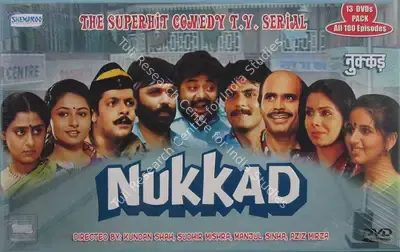
The landmark television series Nukkad (1986-1987) was directed by Saeed Akhtar Mirza, Kundan Shah, and Aziz Mirza under their Iskra production banner. Consisting of 40 episodes, the series was set in a nukkad, a street corner, and chronicles the daily struggles, humor, and resilience of lower middle class laborers through interconnected vignettes. Featuring an ensemble cast of Dilip Dhawan, Rama Vij, Pawan Malhotra, Avtar Gill, and Sangeeta Naik, the series was written by Prabhodh Joshi and Anil Chaudhary. Blending satire, pathos, and social realism, the series tackled issues of unemployment, corruption, patriarchy, and communal harmony without adopting an instructional tone. The series became a huge success, and many of the actors became household names. A sequel, Naya Nukkad, was aired in 1993.

Rana Rashid Artist Ommatidia III Shah Rukh Khan Digital C-Print on Archival Paper 2004 Collage 00869093
Rana, Rashid (Artist). Ommatidia III (Shah Rukh Khan). Digital C-Print on Archival Paper, 2004 | Collage | 00869093

1989

Another TV series made under the Iskra banner, Intezaar (1989-1991), was conceptualised as being a rural sequel to the urban realism seen in Nukkad (1986-1987). Set in a fictional village in north India, the series captures the aspirations of the local villagers amidst stagnation. The series brought back several of the cast members from Nukkad, and featured Shah Rukh Khan in one of his early roles. The series was a success, building on the popularity and nostalgia of Nukkad.

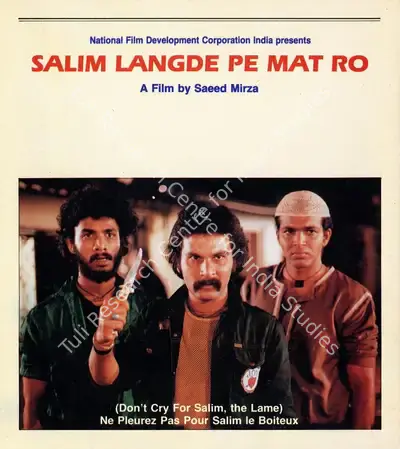
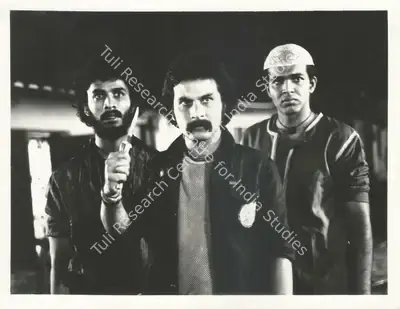
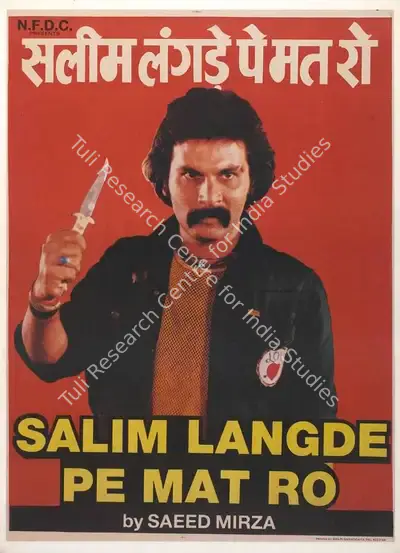
Mirza Saeed Akhtar Director Salim Langde Pe Mat Ro 1989 Photographic Still CinemaEducation 00677840
Mirza, Saeed Akhtar (Director), Salim Langde Pe Mat Ro, 1989 | Photographic Still | CinemaEducation | 00677840

1989

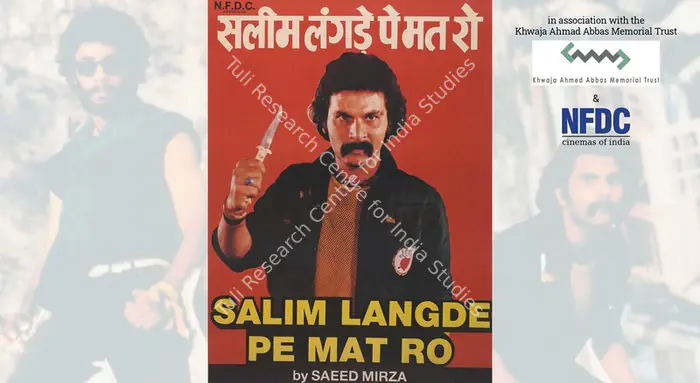
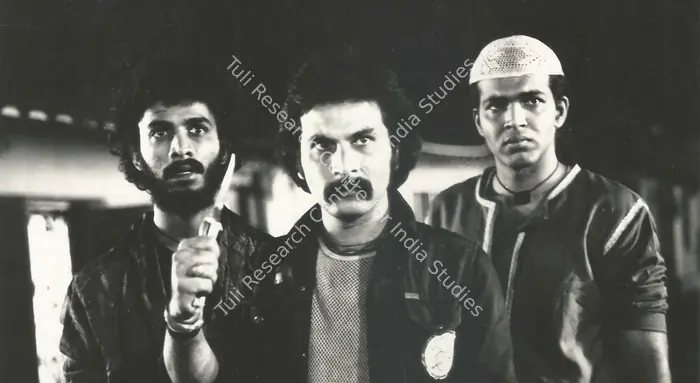
Salim Langde Pe Mat Ro (1989) marked Saeed Akhtar Mirza's return to films after making television series. A poignant film about a petty thief, the film was a reflection on the Muslim minority in Mumbai amidst rising communal tensions. Salim Pasha (Pawan Malhotra), is a charismatic petty gangster who, alongwith his friends, dreams of success in the underworld. Pressured by his family to reform for the sake of his sister Amina's impending marriage to an educated man; Salim is jolted into self-reflection by a documentary on the Bhiwandi riots and the accidental death of his brother, Javed. He abandons crime for honest work in a garage. When offered money to incite communal violence, Salim refuses, only to meet a brutal end, sealing the film's tragic indictment of social and political betrayal. Once again, Mirza foregrounded a realistic portrayal that steers clear of stereotypes, instead offering a stringent critique of marginalisation, illiteracy, and the alienation of Muslims. The film won National Awards for Best Feature Film in Hindi and Best Cinematography for Virendra Sahni. It was also a career-defining role for Pawan Malhotra.

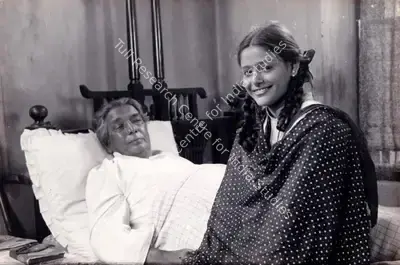
Mirza Saeed Akhtar Director Naseem 1995 Working Still CinemaEducation 00544239
Mirza, Saeed Akhtar (Director), Naseem, 1995 | Working Still | CinemaEducation | 00544239

1992

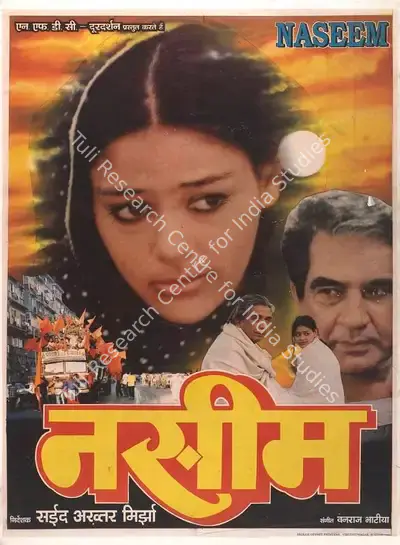
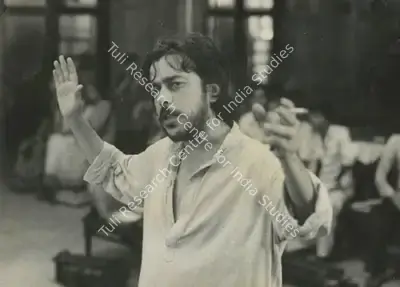
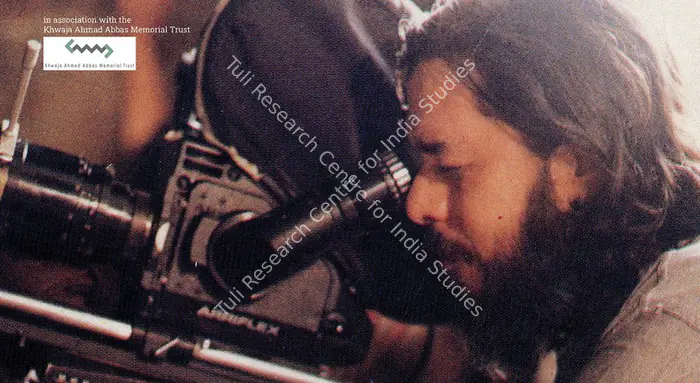
Naseem (1995), set against the demolition of the Babri Masjid in 1992, is a haunting elegy to secular India. A young girl, Naseem (Mayuri Kango), bonds with her ailing grandfather over tales of pre-Independence Hindu-Muslim harmony but her world unravels in the wake of communal tensions. Noted poet and lyricist Kaifi Azmi played the pivotal role of the grandfather who refused to migrate to Pakistan after the Partition but in the wake of the demolition of the Babri Masjid, his will to live diminishes as he realises that the world he cherished is long gone. The intimate world of the family is contrasted with the political turmoil as the erosion of Nehruvian pluralism is experienced through the lens of a Muslim family. In an interview, Mirza described the film as being his most personal one, “an epitaph for the idea of India” [Saeed Mirza's journey: 'Naseem is my most personal film, an epitaph for the idea of India' by Nandini Ramnath, https://scroll.in/reel/1089163/saeed-mirzas-journey-naseem-is-my-most-personal-film-an-epitaph-for-the-idea-of-india] The film won National Awards for Best Direction and Best Screenplay for Mirza.

Mirza Saeed Akhtar Author Ammi - Letter to a Democratic Mother Chennai Westland Books 2008 Authored Book CinemaEducat...
Mirza, Saeed Akhtar (Author). Ammi - Letter to a Democratic Mother. Chennai: Westland Books, 2008 | Authored Book | CinemaEducation | 00844013

2008

Apart from directing features and documentaries, Saeed Akhtar Mirza has also written books. His debut novel, Ammi: Letters to a Democratic Mother (2008), is an open-ended epistolary tribute to his late mother. Part memoir, part Sufi fables, political polemic, and historical vignettes; the novel interweaves his childhood memories while comprehending the erosion of secularism in the country, and coming to terms with his personal grief (his mother passed away in 1990).

Nandy Rangita Pritish Producer Ek Tho Chance 2009 Poster CinemaEducation 00842028
Nandy, Rangita Pritish (Producer), Ek Tho Chance, 2009 | Poster | CinemaEducation | 00842028

2009

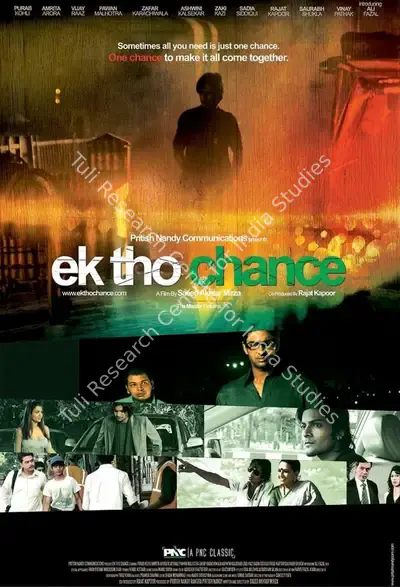
Ek Tho Chance (2009) saw Saeed Akhtar Mirza return to feature filmmaking after a 14-year hiatus after Naseem (1995). The ensemble drama featuring intertwined narratives critiqued urban alienation and class divides, and starred Pawan Malhotra, Vijay Raaz, Ali Fazal, Saurabh Shukla. Although the social commentary of the film was appreciated, the film was seen at the time as being formulaic, and failed to make a mark.

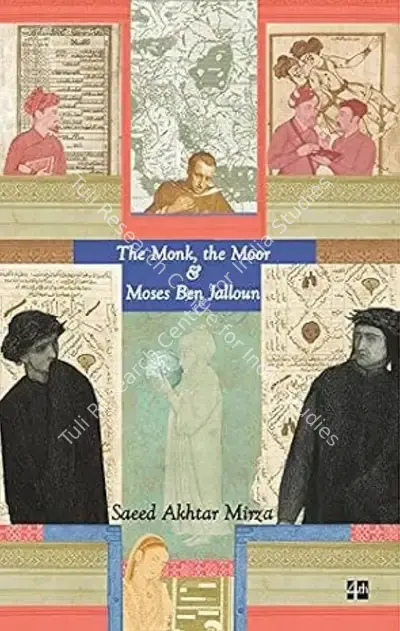
Mirza Saeed Akhtar Author The Monk The Moor and Moses Ben Jalloun Fourth Estate 2012 Authored Book CinemaEducation 00...
Mirza, Saeed Akhtar (Author). The Monk, The Moor and Moses Ben Jalloun. Fourth Estate, 2012 | Authored Book | CinemaEducation | 00865603

2012

The Monk, the Moor & Moses Ben Jalloun (2012), Saeed Akhtar Mirza's second novel, uncovers 'deliberately forgotten' histories of Islamic-Western knowledge. Four contemporary students, a monk, a Moor, Moses Ben Jalloun (12th-century Moroccan polymath), and others, embark on a quest to trace medieval collaborations that have been suppressed or hidden. Moors preserving Greek texts in libraries in Cordoba, Sufi-Buddhist dialogues, and Ben Jalloun's translations bridging Europe and Islam, being some major instances. Blending historical fiction, and travelogue, the book challenges Eurocentric narratives, offering a strident critique of cultural amnesia, Islamophobia, and the gatekeeping of knowledge. The book received critical recognition for its bold revisionism and intellectual heft.

Mirza Saeed Akhtar Author Memory In The Age of Amnesia - A Personal History of Our Times Context 2018 Authored Book C...
Mirza, Saeed Akhtar (Author). Memory In The Age of Amnesia - A Personal History of Our Times. Context, 2018 | Authored Book | CinemaEducation | 00865604

2018

Saeed Akhtar Mirza's third book, Memory in the Age of Amnesia (2018), is a collage of personal essays, stories, and reflections, ofering a personal history of our times. Spurred by the desire to speak and express his thoughts, the book dissects ideas about terror, patriotism, democracy, and power through vignettes, that are often personal.

Mirza Saeed Akhtar Author I Know the Psychology of Rats Tulika Books 2023 Authored Book CinemaEducation 00865605
Mirza, Saeed Akhtar (Author). I Know the Psychology of Rats. Tulika Books, 2023 | Authored Book | CinemaEducation | 00865605

2023

I Know the Psychology of Rats (2023), Saeed Akhtar Mirza's fourth book, is an intimate, illustrated tribute to his classmate from the Film and Television Institute of India (FTII), Kundan Shah. Framed through their days in Pune in the 1970s and shared New Wave ethos, the book interweaves memoir, anecdotes, and sketches, tracing their bond. Mirza punctuates Shah's survival instinct amidst industry rats with reflections on censorship, creativity, and bonds of friendship forged amidst the funding crisis faced by New Wave films in the 1980s. Praised by critics as a heartfelt ode to a friend and 'comrade', the book was praised for the nostalgic remembrance of lost ideals.

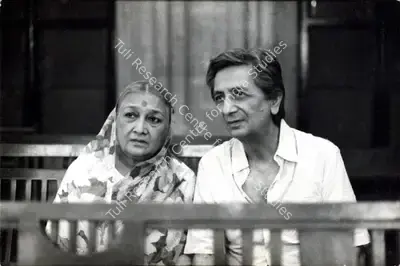
Unknown Photographer Saeed Akhtar Mirza Photographic Still Photography 00457537
Unknown (Photographer). Saeed Akhtar Mirza. | Photographic Still | Photography | 00457537

2026

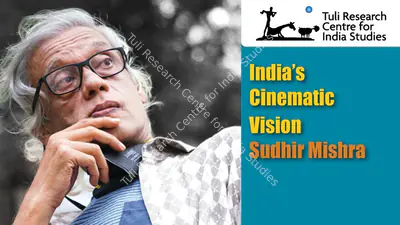
A cornerstone of the Indian New Wave movement, Saeed Akhtar Mirza's oeuvre is marked by a cinema of moral urgency and social inquiry. Stylistically influenced by the Cinema Verite and the Cinema Novo of Brazil, his films have a strong secular philosophy and make a passionate defence of the rights of minority groups in contemporary society. He transitioned from making documentaries to become a pioneering voice in parallel cinema, later extending his mediums through television, writing, and activism. He is Trustee, ANHAD (Act Now for Harmony and Democracy), a Delhi-based NGO combating communalism through cultural activism and secular initiatives, marking a continuing of his commitment to education and social harmony.

1943

1947

1973

1976

1978

1980

1984

1986

1989

1992

2008

2009

2012

2018

2023

2026

Economics of Cinema

No more items to load

Research Centre
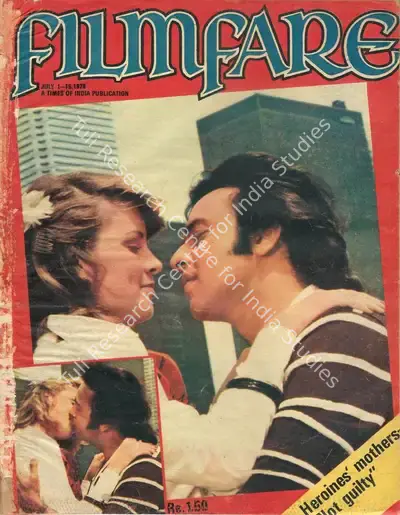
Karanjia, B.K. (Editor). Filmfare, 01 July 1978 | Magazine | 00793633

Karanjia, B.K. (Editor). Filmfare, 01 July 1978 | Magazine | 00793633

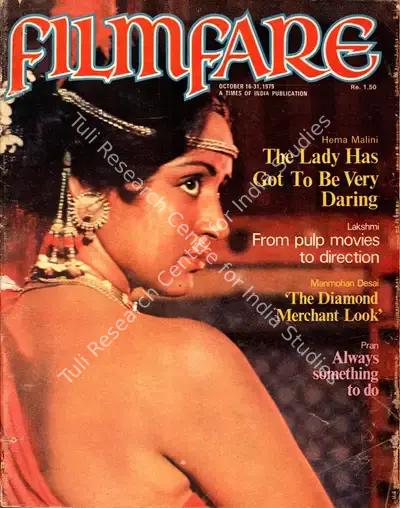
Singh, Bikram (Assistant Editor). Filmfare, 16 October 1979 | Magazine | 00793658

Singh, Bikram (Assistant Editor). Filmfare, 16 October 1979 | Magazine | 00793658

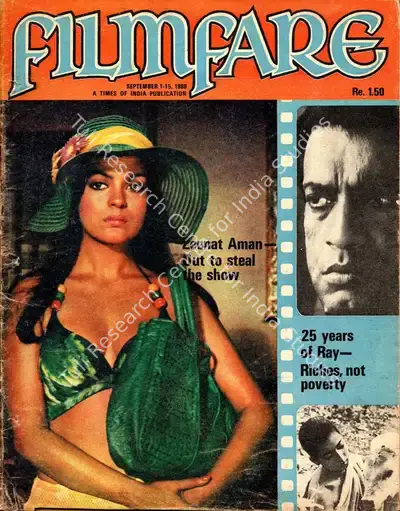
Singh, Bikram (Editor). Filmfare, 01 September 1980 | Magazine | 00793679

Singh, Bikram (Editor). Filmfare, 01 September 1980 | Magazine | 00793679

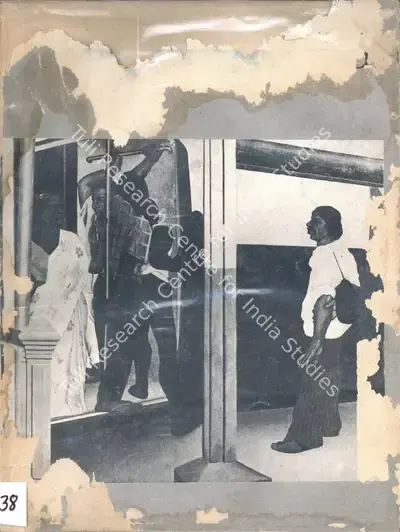
Mirza, Saeed Akhtar (Producer), Albert Pinto Ko Gussa Kyoon Aata Hai, 1980 | Song-Synopsis Booklet

Mirza, Saeed Akhtar (Producer), Albert Pinto Ko Gussa Kyoon Aata Hai, 1980 | Song-Synopsis Booklet

Mirza, Saeed Akhtar (Producer), Albert Pinto Ko Gussa Kyoon Aata Hai, 1980 | Full Sheet Poster

Mirza, Saeed Akhtar (Producer), Albert Pinto Ko Gussa Kyoon Aata Hai, 1980 | Full Sheet Poster

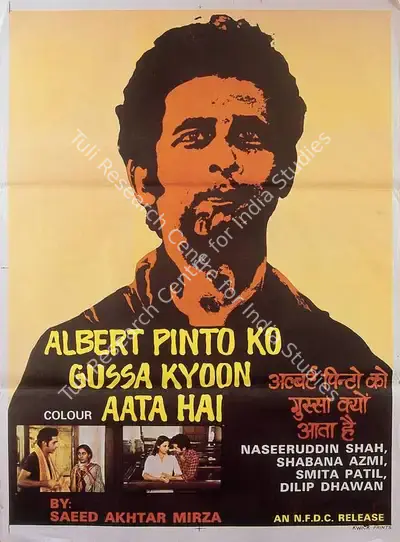
Mirza, Saeed Akhtar (Producer), Albert Pinto Ko Gussa Kyoon Aata Hai, 1980 | Full Sheet Poster

Mirza, Saeed Akhtar (Producer), Albert Pinto Ko Gussa Kyoon Aata Hai, 1980 | Full Sheet Poster

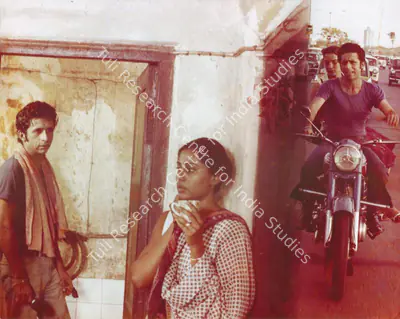
Mirza, Saeed Akhtar (Producer), Albert Pinto Ko Gussa Kyoon Aata Hai, 1980 | Photographic Still

Mirza, Saeed Akhtar (Producer), Albert Pinto Ko Gussa Kyoon Aata Hai, 1980 | Photographic Still

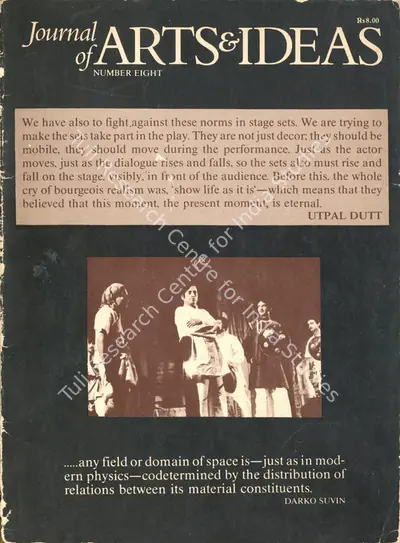
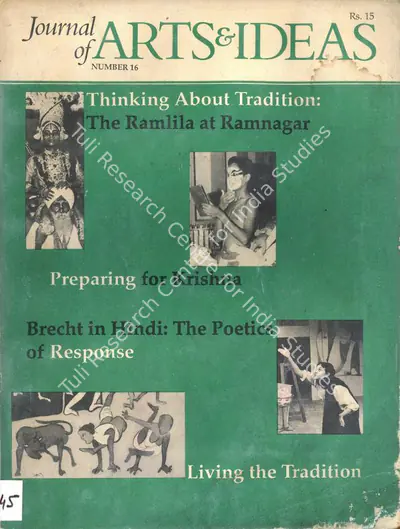
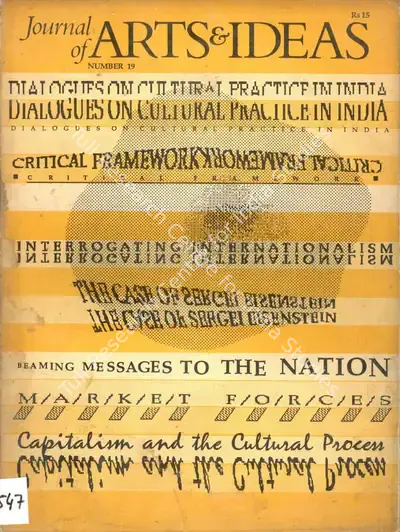
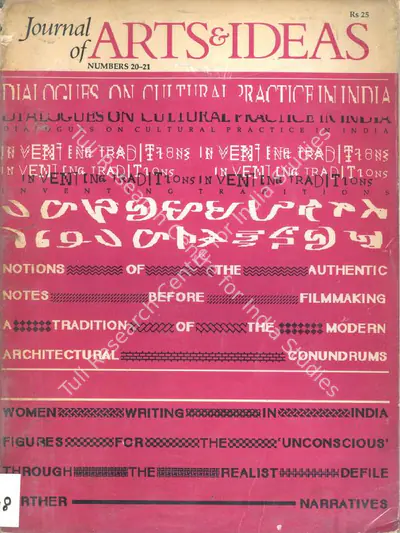
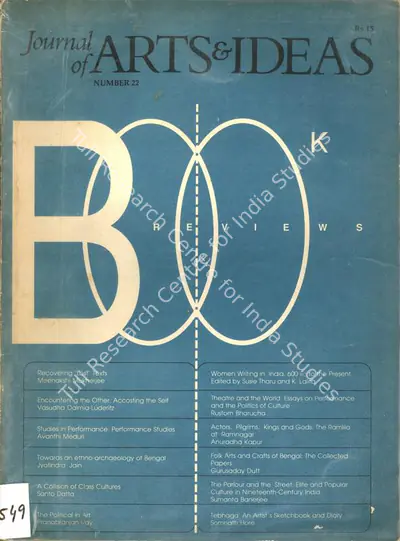
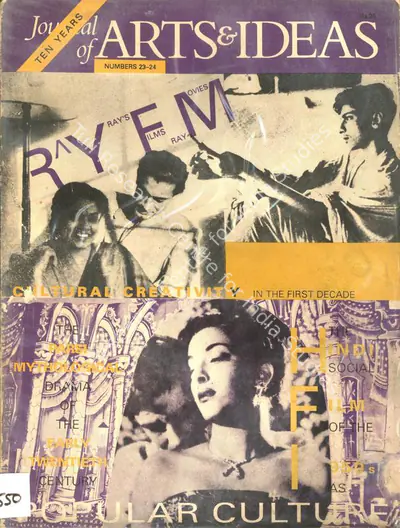
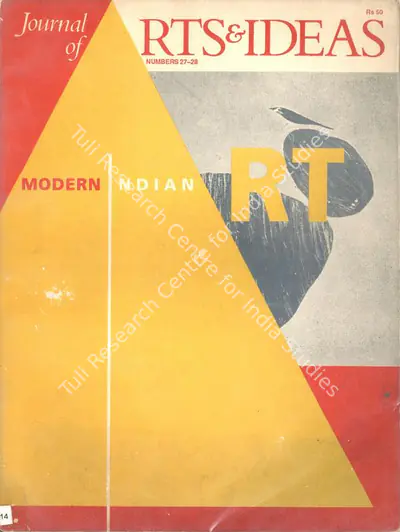
Deshpande, G.P. (Editor) and Romi Khosla (Managing Editor & Treasurer). Journal of Arts & Ideas, October-December 1982 | Journal | 00842136

Deshpande, G.P. (Editor) and Romi Khosla (Managing Editor & Treasurer). Journal of Arts & Ideas, October-December 1982 | Journal | 00842136

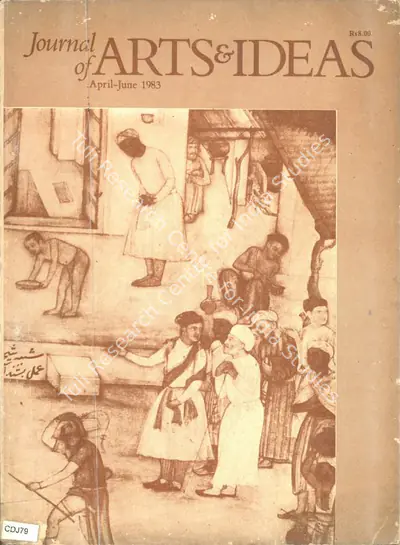
Deshpande, G.P. (Editor) and Romi Khosla (Managing Editor & Treasurer). Journal of Arts & Ideas, April-June 1983 | Journal | 00842138

Deshpande, G.P. (Editor) and Romi Khosla (Managing Editor & Treasurer). Journal of Arts & Ideas, April-June 1983 | Journal | 00842138

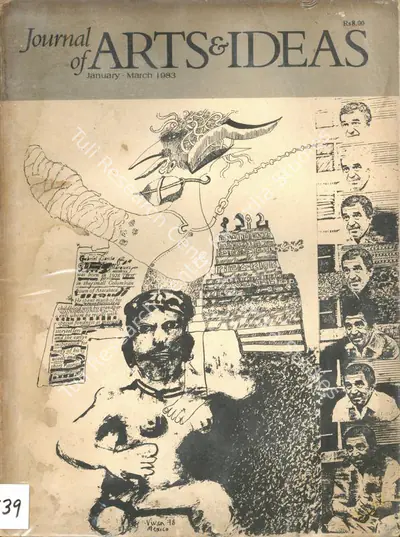
Deshpande, G.P. (Editor) and Romi Khosla (Managing Editor & Treasurer). Journal of Arts & Ideas, January-March 1983 | Journal | 00842137

Deshpande, G.P. (Editor) and Romi Khosla (Managing Editor & Treasurer). Journal of Arts & Ideas, January-March 1983 | Journal | 00842137

Deshpande, G.P. (Editor) and Romi Khosla (Managing Editor & Treasurer). Journal of Arts & Ideas, October-December 1983 | Journal | 00842139

Deshpande, G.P. (Editor) and Romi Khosla (Managing Editor & Treasurer). Journal of Arts & Ideas, October-December 1983 | Journal | 00842139

Deshpande, G.P. (Editor) and Romi Khosla (Managing Editor & Treasurer). Journal of Arts & Ideas, October-December 1984 | Journal | 00842142

Deshpande, G.P. (Editor) and Romi Khosla (Managing Editor & Treasurer). Journal of Arts & Ideas, October-December 1984 | Journal | 00842142

Deshpande, G.P. (Editor) and Romi Khosla (Managing Editor & Treasurer). Journal of Arts & Ideas, July-September 1984 | Journal | 00842141

Deshpande, G.P. (Editor) and Romi Khosla (Managing Editor & Treasurer). Journal of Arts & Ideas, July-September 1984 | Journal | 00842141

Deshpande, G.P. (Editor) and Romi Khosla (Managing Editor & Treasurer). Journal of Arts & Ideas, January-March 1984 | Journal | 00842140

Deshpande, G.P. (Editor) and Romi Khosla (Managing Editor & Treasurer). Journal of Arts & Ideas, January-March 1984 | Journal | 00842140

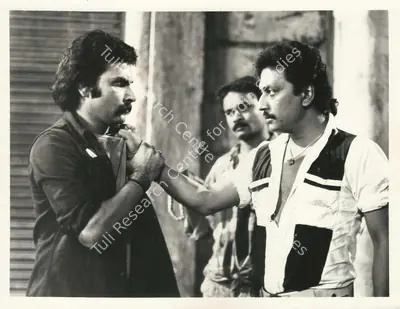
Saini, Virendra (Cinematographer), Mohan Joshi Haazir Ho, 1984 | Photographic Still

Saini, Virendra (Cinematographer), Mohan Joshi Haazir Ho, 1984 | Photographic Still

Saini, Virendra (Cinematographer), Mohan Joshi Haazir Ho, 1984 | Photographic Still

Saini, Virendra (Cinematographer), Mohan Joshi Haazir Ho, 1984 | Photographic Still

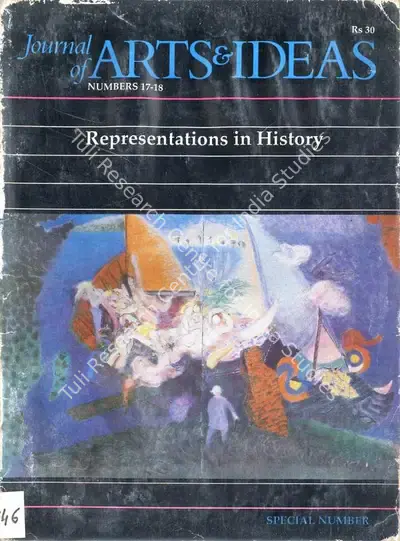
Deshpande, G.P. (Editor) and Romi Khosla (Managing Editor & Treasurer). Journal of Arts & Ideas, January-June 1987 | Journal | 00842143

Deshpande, G.P. (Editor) and Romi Khosla (Managing Editor & Treasurer). Journal of Arts & Ideas, January-June 1987 | Journal | 00842143

Deshpande, G.P. (Editor) and Romi Khosla (Managing Editor & Treasurer). Journal of Arts & Ideas, January-March 1988 | Journal | 00842144

Deshpande, G.P. (Editor) and Romi Khosla (Managing Editor & Treasurer). Journal of Arts & Ideas, January-March 1988 | Journal | 00842144

Kapur, Geeta (Executive Editor), Romi Khosla, Vivan Sundaram and Rajendra Prasad (Managerial Editor). Journal of Arts & Ideas, June 1989 | Journal | 00842145

Kapur, Geeta (Executive Editor), Romi Khosla, Vivan Sundaram and Rajendra Prasad (Managerial Editor). Journal of Arts & Ideas, June 1989 | Journal | 00842145

Mirza, Saeed Akhtar (Director), Salim Langde Pe Mat Ro, 1989 | Song-Synopsis Booklet

Mirza, Saeed Akhtar (Director), Salim Langde Pe Mat Ro, 1989 | Song-Synopsis Booklet

Loading...
TRIS logo image