TRIS logo image
Search275,000+ actors, artists, objects, artworks, films, exhibitions, archives

EN

EN

English

HI

Hindi

EN

EN

English

HI

Hindi

Tuli Research Centre for India Studies

Tuli Research Centre for India Studies

Vision

Manifesto

Archive & Library

Vanraja Sanctuary & Hospice

Home

Research Categories

Browse All

ICore

1_CinemaEducation_Cinema as a Critical Educational Resource

2_FineArts_Modern and Contemporary Indian Fine Arts

3_Photography_Photography in India

4_PopCulture_The Printed Image, Popular Arts, and Crafts

IIMaterial

5_ArcHeritage_India's Architectural Heritage as Inspiration

6_EconomicsArt_Economics of Art & Cultural Industry

7_Travel_Automobile, Transport and Travel Heritage

8_Uncertainty_Uncertainty

IIICritical

9_SocialDuty_Social Responsibility of the Creative Mind

10_Childhood_The Changing Smile of Childhood & Its Second Coming

11_Sensuality_The Sensual Discipline within Creativity

12_Scholarship_The History & Historiography of Scholarship in the Arts, Humanities, and Social Sciences

IVMeaningful

13_SeekJustice_Seeking Justice and Political Integrity

14_IndoWorld_India and her Relationship with the World

15_SpiritualPoetics_The Religious-Spiritual-Poetic-Philosophical Framework

16_Continuum_The Animal-Human-Nature Continuum

Explore

All

Posts

Masterlists

Calendar

Live | Upcoming

All Events

Timetable

Search275,000+ actors, artists, objects, artworks, films, exhibitions, archives

EN

EN

English

HI

Hindi

Vijay Anand

Vijay Anand

Aquariusb. 22 Jan 1934d. 23 Feb 2004

Personality.Filmmaker
On this Page
Introduction
Filmography32
Research Centre351
All351Library13Archive334
Videos4
Highlights1
Home/Cinema as a Critical Educational Resource/Personality · Filmmaker/Vijay Anand
Vijay Anand — featured artwork

Introduction

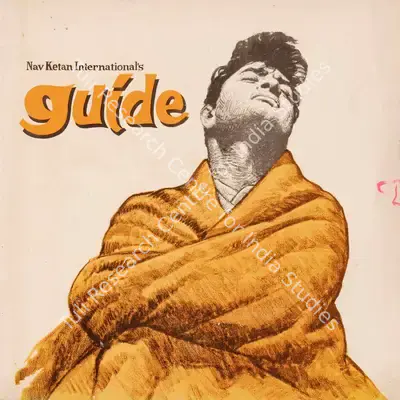
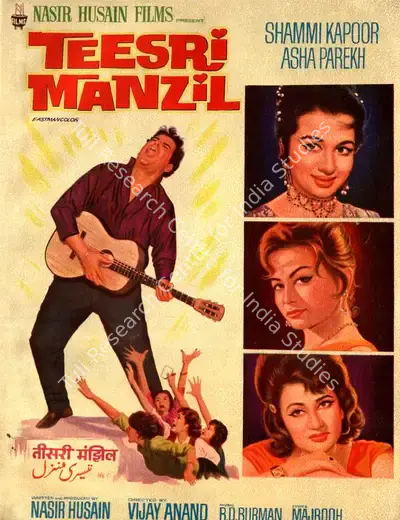
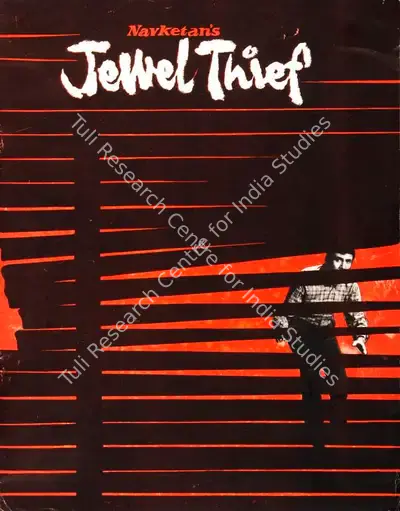
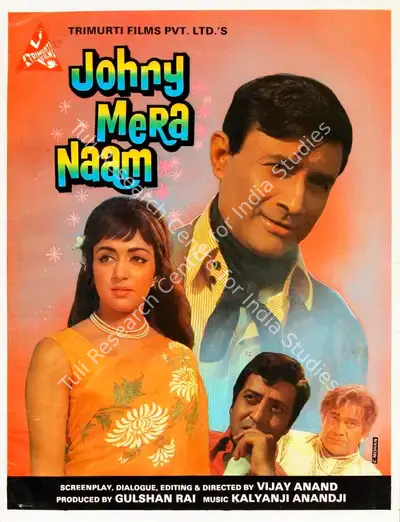
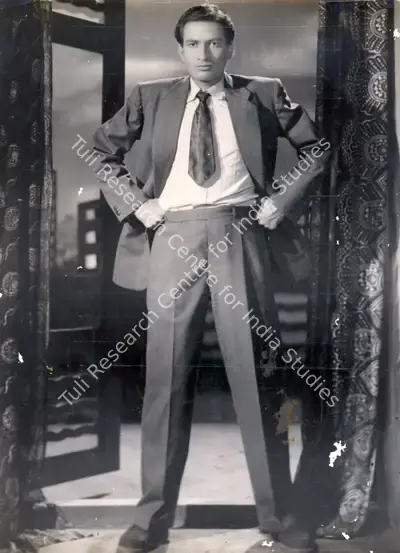
Vijay Anand (22 January 1934 – 23 February 2004) Affectionately known as Goldie Anand, he remains one of the most refined stylists of Hindi cinema—an accomplished filmmaker, editor, writer, producer and actor whose work helped redefine popular storytelling. Associated closely with the Anand family's banner Navketan Films, he crafted a body of work that included such enduring classics as Guide (1965), Teesri Manzil (1966), Jewel Thief (1967) and Johny Mera Naam (1970).

Born in Gurdaspur in undivided Punjab, Anand was the youngest of nine children of advocate Pishori Lal Anand. He grew up in a culturally rich household that produced some of Indian cinema's most influential figures, including his brothers Chetan Anand and Dev Anand, and extended family members such as Shekhar Kapur. His personal life, too, drew public attention when he married Sushma Kohli, his niece, a union that defied social convention but endured as a stable and devoted partnership. Their son, Vaibhav Anand, remained central to his personal life.

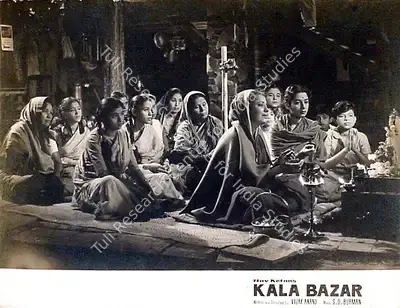
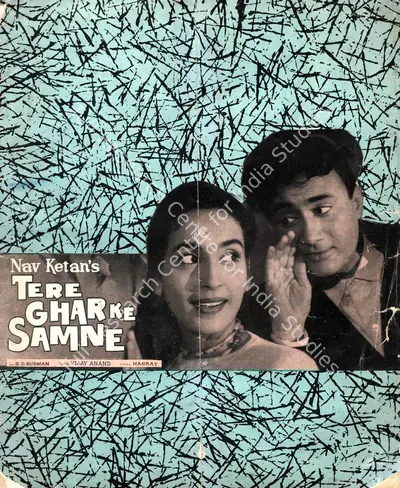
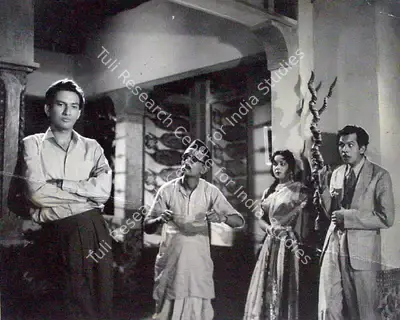
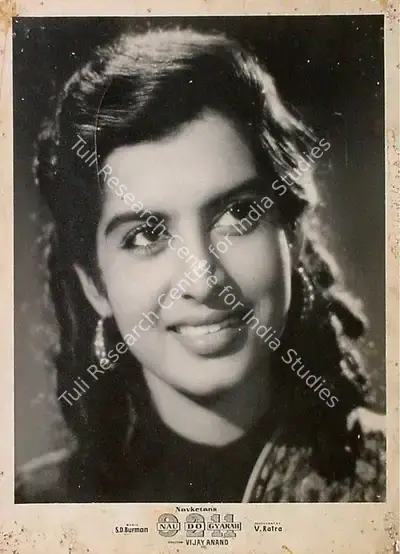
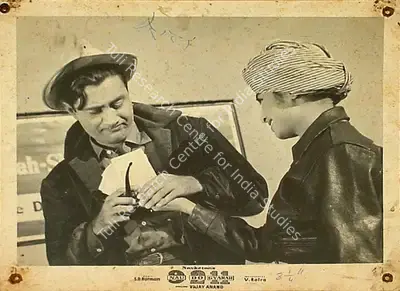
Anand's directorial debut, Nau Do Gyarah (1957), announced a distinctive voice marked by narrative economy and visual flair. Over the next decade, he delivered a remarkable run of films, including Kala Bazar (1960) and Tere Ghar Ke Saamne (1963), culminating in the landmark Guide (1965), adapted from R. K. Narayan's novel. Widely regarded as the pinnacle of his career, the film achieved both critical and commercial success, earning him major awards and cementing his reputation as a filmmaker of rare sensitivity and craft.

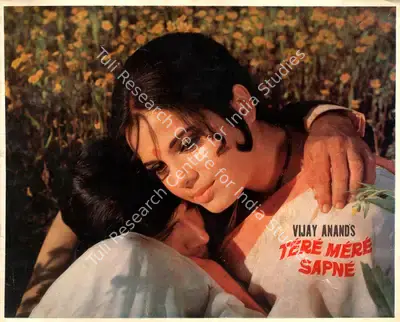
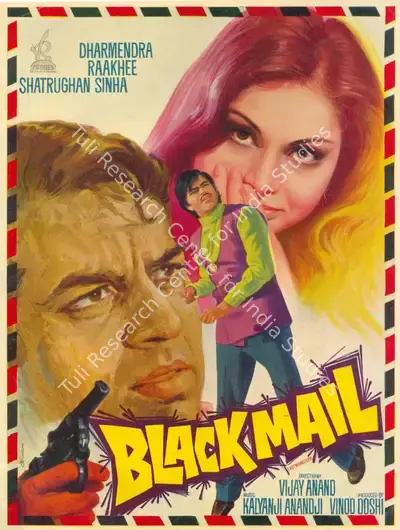
His cinema was distinguished by fluid camerawork, inventive editing and iconic song picturisations, evident in sequences from Teesri Manzil and Jewel Thief. While most of his films were produced under Navketan, he also collaborated externally on projects such as Teesri Manzil, Ram Balram (1980) and Rajput (1982). His later directorial ventures included Tere Mere Sapne (1971), Blackmail (1973) and Main Tere Liye (1988).

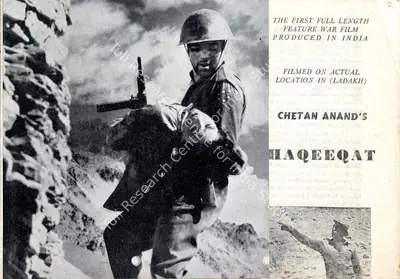
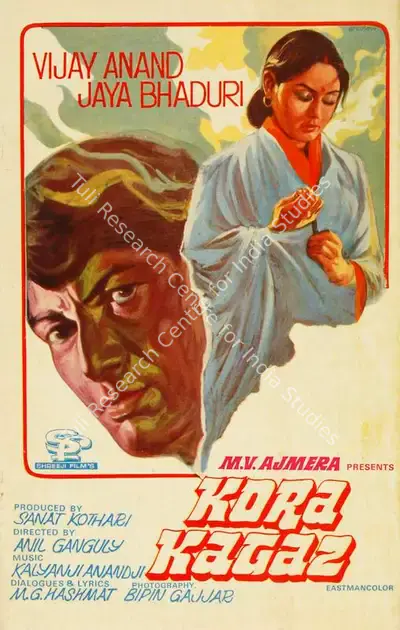
Alongside filmmaking, Anand maintained a parallel acting career, appearing in films such as Haqeeqat (1964), Kora Kagaz (1974) and Main Tulsi Tere Aangan Ki (1978). To a younger audience, he became a familiar face as the detective Sam in the television series Tehkikaat (1994).

A recipient of multiple Filmfare and BFJA Awards, Anand is credited with modernising Hindi cinema through naturalistic dialogue and tightly structured narratives. His influence extended well beyond his lifetime, acknowledged in tributes such as Johnny Gaddar (2007) and retrospectives at the International Film Festival of India. He briefly served as chairman of the Central Board of Film Certification before resigning over policy differences. Vijay Anand passed away in 2004 at the age of 70, leaving behind a legacy of enduring cinematic elegance.

विजय आनंद (22 जनवरी 1934 – 23 फरवरी 2004), जिन्हें प्यार से गोल्डी आनंद के नाम से जाना जाता है, हिंदी सिनेमा के सबसे बारीक निर्देशकों में से एक माने जाते है। वे एक कुशल फ़िल्म निर्माता, संपादक, लेखक, निर्माता और अभिनेता थे, जिनके काम ने लोकप्रिय कहानी कहने के तरीके को नया रूप देने में योगदान दिया। नवकेतन फ़िल्म्स के बैनर से घनिष्ठ रूप से जुड़े रहते हुए, विजय आनंद ने गाइड (1965), तीसरी मंज़िल (1966), ज्वेल थीफ (1967) और जॉनी मेरा नाम (1970) जैसी सदाबहार क्लासिक फ़िल्मों का निर्माण किया।
अविभाजित पंजाब के गुरदासपुर में जन्मे आनंद, अधिवक्ता पिशोरी लाल आनंद के नौ बच्चों में सबसे छोटे थे। उनका पालन-पोषण सांस्कृतिक रूप से समृद्ध परिवार में हुआ, जिसने भारतीय सिनेमा के कुछ सबसे प्रभावशाली व्यक्तित्वों को जन्म दिया, जिनमें उनके भाई चेतन आनंद और देव आनंद, और शेखर कपूर जैसे विस्तारित परिवार के सदस्य शामिल हैं। उनका निजी जीवन भी तब चर्चा में आया जब उन्होंने अपनी भतीजी सुषमा कोहली से शादी की। यह विवाह सामाजिक परंपराओं के विरुद्ध था, लेकिन एक स्थिर और समर्पित साझेदारी के रूप में कायम रहा। उनके बेटे वैभव आनंद उनके निजी जीवन का केंद्र बिंदु बने रहे।
आनंद की पहली निर्देशित फ़िल्म, नौ दो ग्यारह (1957), ने उनकी विशिष्ट शैली की पहचान बनाई, जो संक्षिप्त कथा और आकर्षक दृश्यों से भरपूर थी। अगले दशक में, उन्होंने काला बाज़ार (1960) और तेरे घर के सामने (1963) जैसी कई महत्वपूर्ण फ़िल्में बनाईं, और अंत में आर. के. नारायण के उपन्यास पर आधारित ऐतिहासिक फ़िल्म गाइड (1965) के साथ अपने करियर को उचाई पर पहुँचाया। व्यापक रूप से उनके करियर की शिखर मानी जाने वाली इस फ़िल्म ने समीक्षकों और व्यावसायिक रूप से दोनों ही क्षेत्रों में सफलता हासिल की, जिससे उन्हें कई बड़े पुरस्कार मिले और एक विलक्षण संवेदनशीलता और कलात्मकता वाले फ़िल्म निर्माता के रूप में उनकी प्रतिष्ठा स्थापित हुई।
उनकी फ़िल्मों की विशेषता उनकी सहज कैमरावर्क, संपादन शैली में नयापन और गीतों का बढ़िया फ़िल्मांकन था, जो तीसरी मंज़िल और ज्वेल थीफ के दृश्यों में स्पष्ट रूप से दिखाई देता है। उनकी अधिकांश फ़िल्में नवकेतन के निर्देशन में बनीं, लेकिन उन्होंने तीसरी मंज़िल, राम बलराम (1980) और राजपूत (1982) जैसी परियोजनाओं में बाहरी सहयोग भी किया। उनके बाद के निर्देशन कार्यों में तेरे मेरे सपने (1971), ब्लैकमेल (1973) और मैं तेरे लिए (1988) शामिल हैं।
फ़िल्म निर्माण के साथ-साथ, आनंद ने अभिनय में भी अपना करियर बनाए रखा और हक़ीक़त (1964), कोरा कागज़ (1974) और मैं तुलसी तेरे आंगन की (1978) जैसी फ़िल्मों में अभिनय किया। युवा दर्शकों के बीच, वे टेलीविज़न श्रृंखला तहकीकात (1994) में जासूस सैम के रूप में एक जाना-पहचाना चेहरा बन गए।
कई फ़िल्मफ़ेयर और बीएफजेए पुरस्कारों से सम्मानित विजय आनंद को स्वाभाविक संवाद और सुव्यवस्थित कथानकों के माध्यम से हिंदी सिनेमा का आधुनिकीकरण करने का श्रेय दिया जाता है। उनका प्रभाव उनके जीवनकाल के बाद भी व्यापक रहा, जिसे जॉनी गद्दार (2007) जैसी फ़िल्मों और अंतर्राष्ट्रीय फ़िल्म महोत्सव में आयोजित प्रदर्शनियों में देखा जा सकता है। नीतिगत मतभेदों के कारण इस्तीफा देने से पहले उन्होंने कुछ समय के लिए केंद्रीय फ़िल्म प्रमाणन बोर्ड के अध्यक्ष के रूप में कार्य किया। विजय आनंद का 2004 में 70 वर्ष की आयु में निधन हो गया, और वे अपने पीछे सिनेमाई भव्यता की एक अमिट विरासत छोड़ गए।
Date of Birth
22 Jan 1934
Date of Death
23 Feb 2004
Age
70

Filmography 32

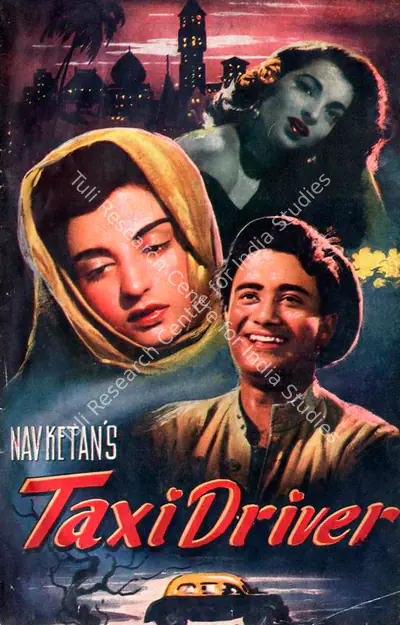
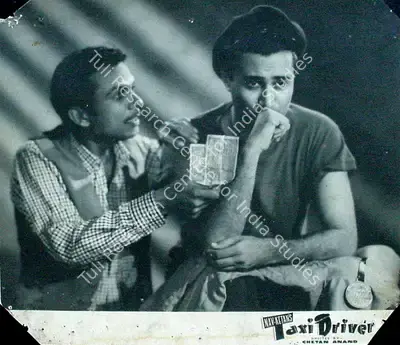
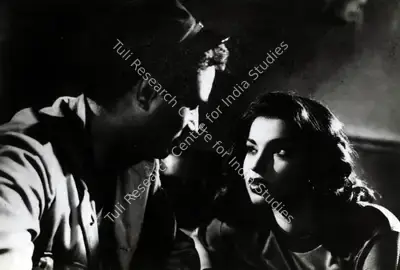
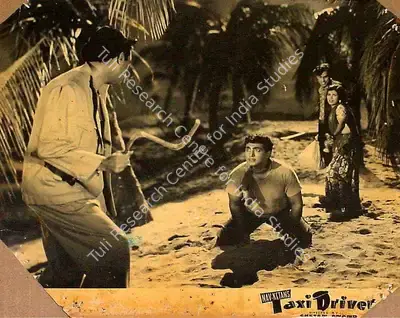
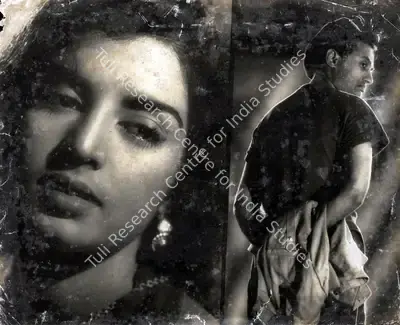
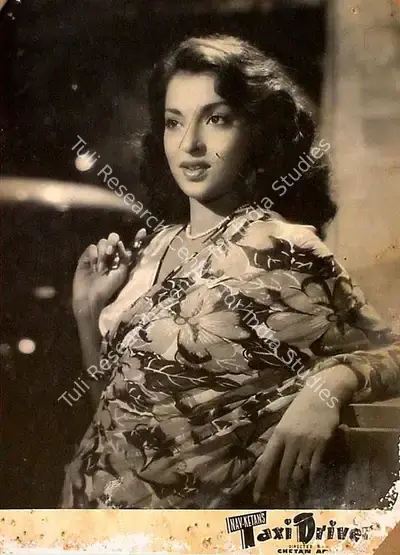
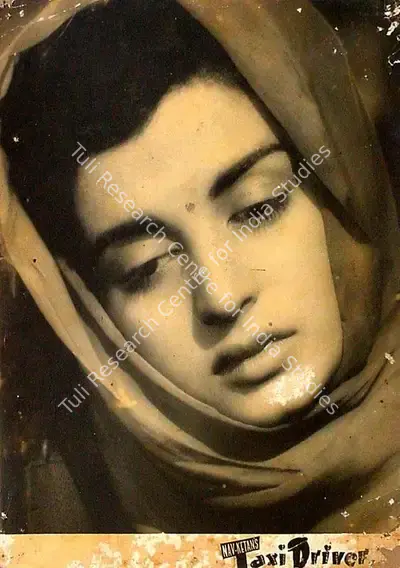
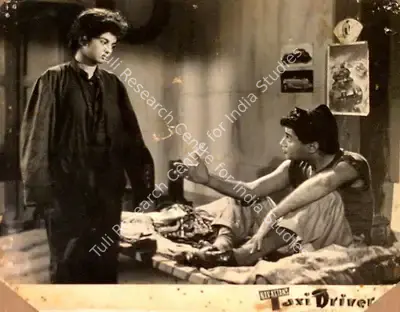
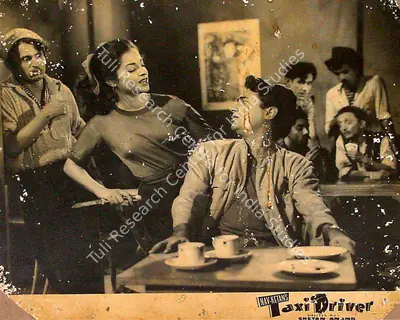
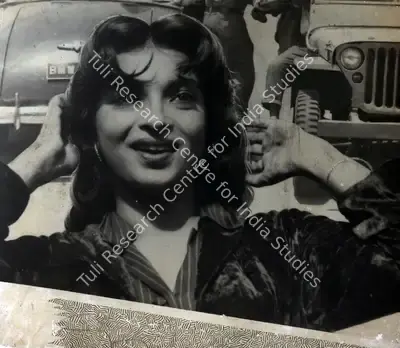
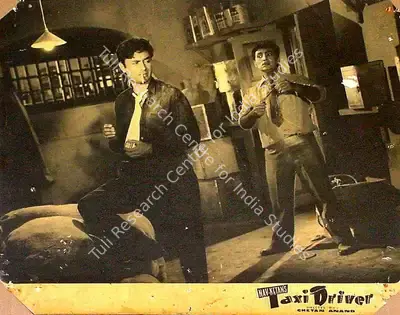
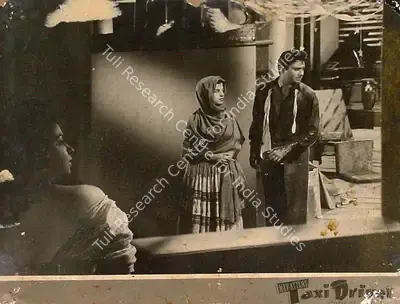
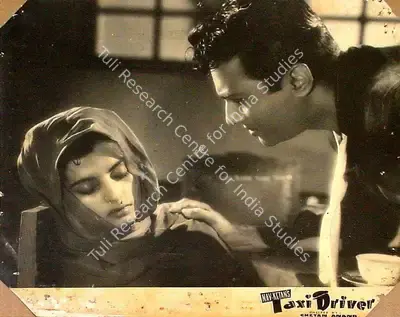
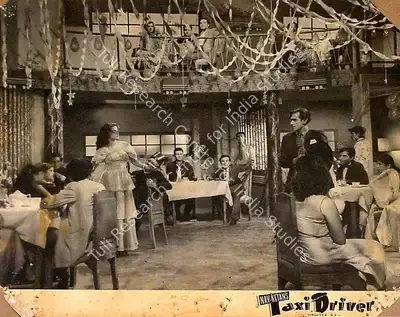
Taxi Driver, Screenplay Writer, Story Writer, Dialogue Writer, 1954
Taxi Driver | Hindi | Screenplay Writer, Story Writer, Dialogue Writer
1954 | Feature | Fiction | Black and White | India
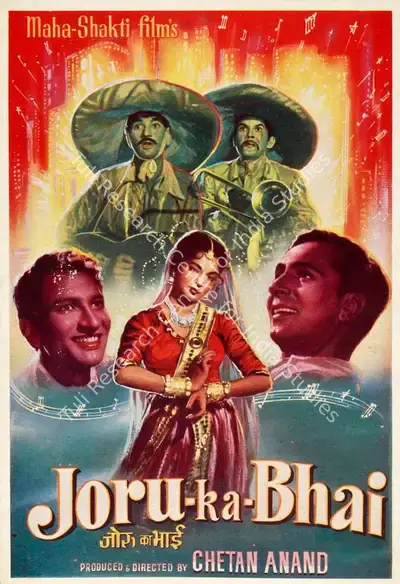
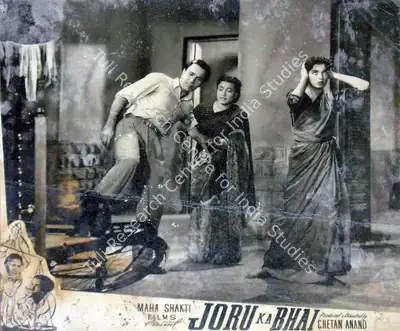
Joru Ka Bhai, Actor, 1955
Joru Ka Bhai | Hindi | Actor
1955 | Feature | Fiction | Black and White | India
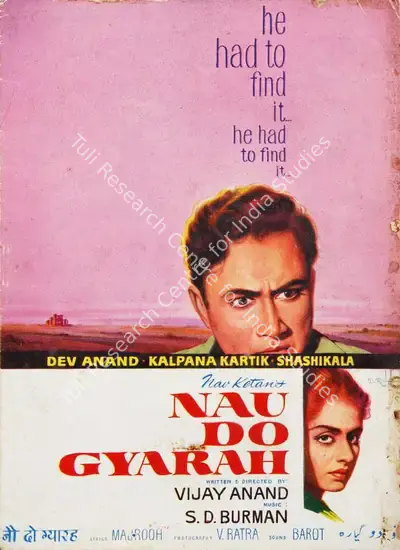
Nau Do Gyarah, Screenplay Writer, Story Writer, Director, Dialogue Writer, 1957
Nau Do Gyarah | Hindi | Screenplay Writer, Story Writer, Director, Dialogue Writer
1957 | Fiction | India
Agra Road, Actor, 1957
Agra Road | Hindi | Actor
1957 | India
Kala Bazar, Editor, Actor, Director, Script Writer, 1960
Kala Bazar | Hindi | Editor, Actor, Director, Script Writer
1960 | Feature | Fiction | Black and White | India
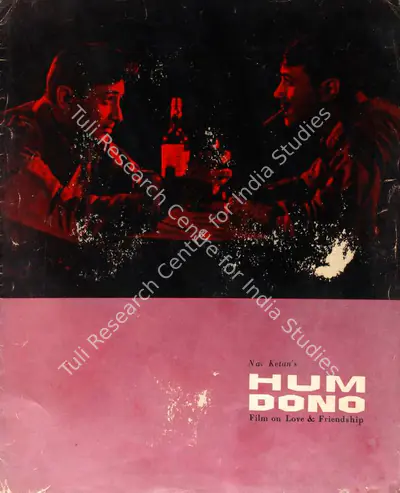
Hum Dono, Screenplay Writer, Dialogue Writer, 1961
Hum Dono | Hindi | Screenplay Writer, Dialogue Writer
1961 | Fiction | India
Tere Ghar Ke Samne, Screenplay Writer, Story Writer, Director, 1963
Tere Ghar Ke Samne | Hindi | Screenplay Writer, Story Writer, Director
1963 | Fiction | India
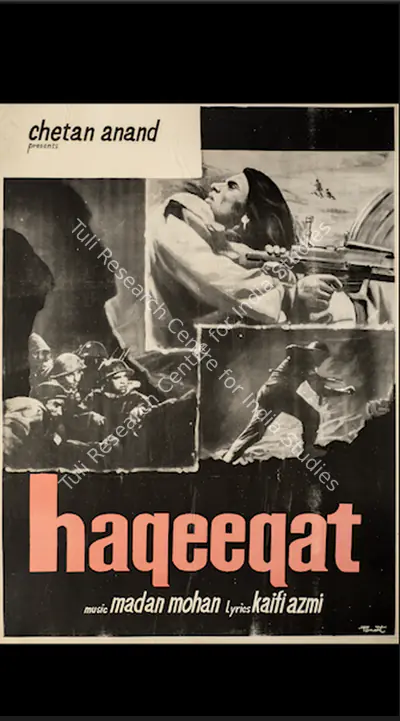
Haqeeqat, Actor, 1964
Haqeeqat | Hindi | Actor
1964 | Feature | Fiction | Black and White | India
Guide, Screenplay Writer, Editor, Director, Dialogue Writer, 1965
Guide | Hindi | Screenplay Writer, Editor, Director, Dialogue Writer
1965 | Fiction | India
Teesri Manzil, Editor, Director, 1966
Teesri Manzil | Hindi | Editor, Director
1966 | Fiction | India
Jewel Thief, Screenplay Writer, Story Writer, Editor, Director, 1967
Jewel Thief | Hindi | Screenplay Writer, Story Writer, Editor, Director
1967 | India
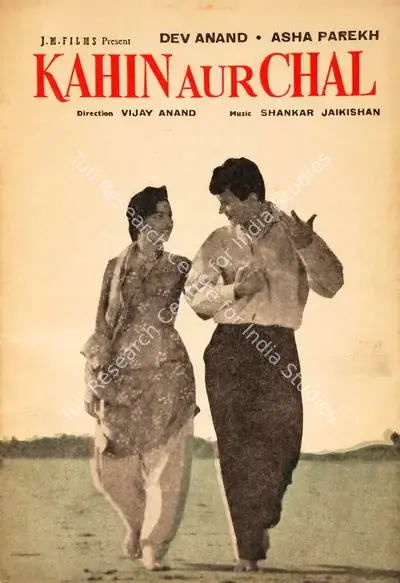
Kahin Aur Chal, Director, 1968
Kahin Aur Chal | Hindi | Director
1968 | India
Johny Mera Naam, Screenplay Writer, Editor, Director, Dialogue Writer, 1970
Johny Mera Naam | Hindi | Screenplay Writer, Editor, Director, Dialogue Writer
1970 | Feature | Fiction | Colour | India
Tere Mere Sapne, Producer, Actor, Director, 1971
Tere Mere Sapne | Hindi | Producer, Actor, Director
1971 | India
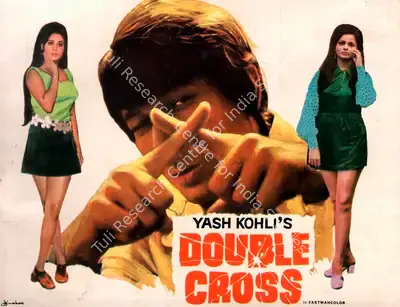
Double Cross, Actor, 1972
Double Cross | Hindi | Actor
1972 | India
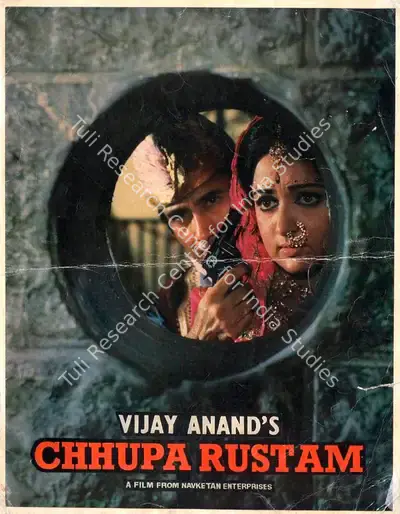
Chhupa Rustam, Producer, Actor, Director, 1973
Chhupa Rustam | Hindi | Producer, Actor, Director
1973 | India
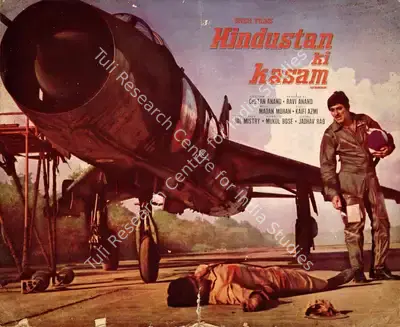
Hindustan Ki Kasam, Actor, 1973
Hindustan Ki Kasam | Hindi | Actor
1973 | Feature | Fiction | Colour | India
Black Mail, Director, 1973
Black Mail | Hindi | Director
1973 | India
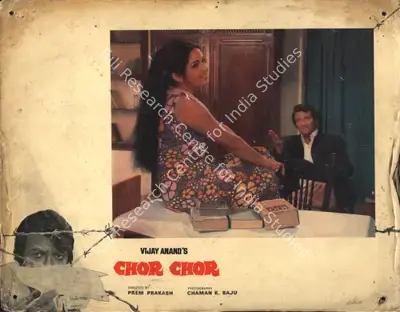
Chor Chor, Producer, Actor, 1974
Chor Chor | Hindi | Producer, Actor
1974 | India
Kora Kagaz, Actor, 1974
Kora Kagaz | Hindi | Actor
1974 | India
20 of 32

Research Centre
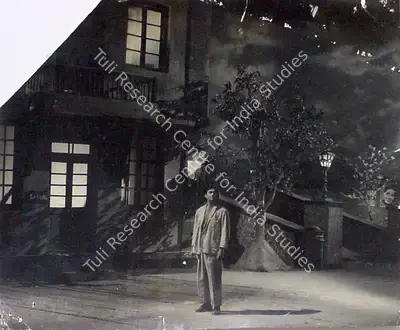
V. Ratra (Cinematographer), Taxi Driver, 1954, Photographic Still
Ratra, V. (Cinematographer), Taxi Driver, 1954 | Photographic Still
View full record
V. Ratra (Cinematographer), Taxi Driver, 1954, Lobby Card
Ratra, V. (Cinematographer), Taxi Driver, 1954 | Lobby Card
View full record
Dev Anand (Producer), Taxi Driver, 1954, Song-Synopsis Booklet
Anand, Dev (Producer), Taxi Driver, 1954 | Song-Synopsis Booklet
View full record
V. Ratra (Cinematographer), Taxi Driver, 1954, Photographic Still
Ratra, V. (Cinematographer), Taxi Driver, 1954 | Photographic Still
View full record
V. Ratra (Cinematographer), Taxi Driver, 1954, Lobby Card
Ratra, V. (Cinematographer), Taxi Driver, 1954 | Lobby Card
View full record
V. Ratra (Cinematographer), Taxi Driver, 1954, Photographic Still
Ratra, V. (Cinematographer), Taxi Driver, 1954 | Photographic Still
View full record
V. Ratra (Cinematographer), Taxi Driver, 1954, Lobby Card
Ratra, V. (Cinematographer), Taxi Driver, 1954 | Lobby Card
View full record
V. Ratra (Cinematographer), Taxi Driver, 1954, Lobby Card
Ratra, V. (Cinematographer), Taxi Driver, 1954 | Lobby Card
View full record
V. Ratra (Cinematographer), Taxi Driver, 1954, Lobby Card
Ratra, V. (Cinematographer), Taxi Driver, 1954 | Lobby Card
View full record
V. Ratra (Cinematographer), Taxi Driver, 1954, Lobby Card
Ratra, V. (Cinematographer), Taxi Driver, 1954 | Lobby Card
View full record
V. Ratra (Cinematographer), Joru Ka Bhai, 1955, Lobby Card
Ratra, V. (Cinematographer), Joru Ka Bhai, 1955 | Lobby Card
View full record
Chetan Anand (Producer), Joru Ka Bhai, 1955, Song-Synopsis Booklet
Anand, Chetan (Producer), Joru Ka Bhai, 1955 | Song-Synopsis Booklet
View full record
V. Ratra (Cinematographer), Joru Ka Bhai, 1955, Photographic Still
Ratra, V. (Cinematographer), Joru Ka Bhai, 1955 | Photographic Still
View full record
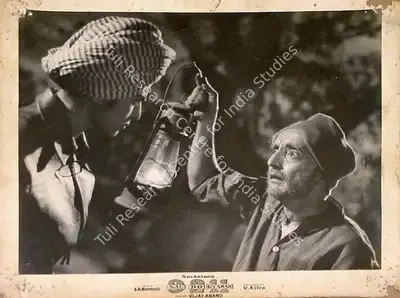
V. Ratra (Cinematographer), Nau Do Gyarah, 1957, Lobby Card
Ratra, V. (Cinematographer), Nau Do Gyarah, 1957 | Lobby Card
View full record
V. Ratra (Cinematographer), Nau Do Gyarah, 1957, Lobby Card
Ratra, V. (Cinematographer), Nau Do Gyarah, 1957 | Lobby Card
View full record
20 of 351
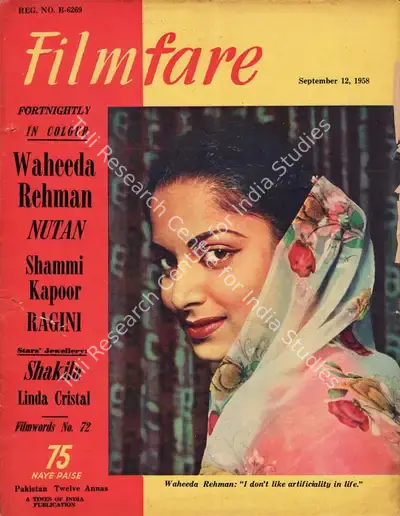
C.R. Mandy (Editor), Filmfare, 1958, Magazine
Mandy, C.R. (Editor). Filmfare, 12 September 1958 | Magazine | 00793221
View full record
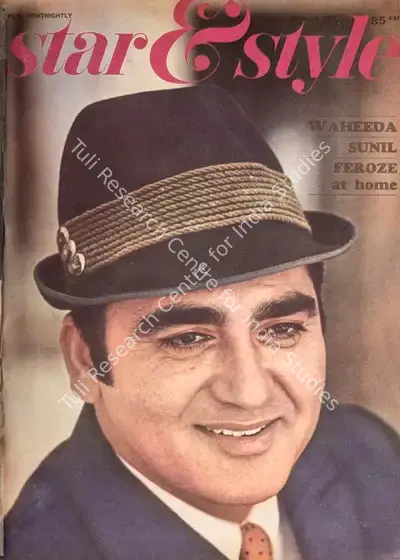
Gulshan Ewing (Editor), Star & Style, 1971, Magazine
Ewing, Gulshan (Editor). Star & Style, 16 April 1971 | Magazine | 00808503
View full record
Gulshan Ewing (Editor), Star & Style, 1971, Magazine
Ewing, Gulshan (Editor). Star & Style, 16 April 1971 | Magazine | 00808503
View full record
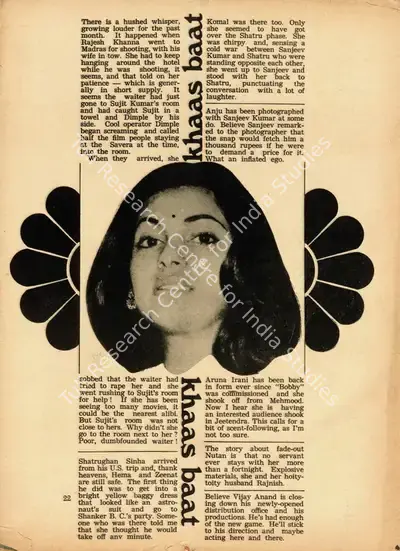
Khaas Baat, 1973, Column
Khaas Baat. In Sunday. 19 August 1973 | Column | 00802291
View full record
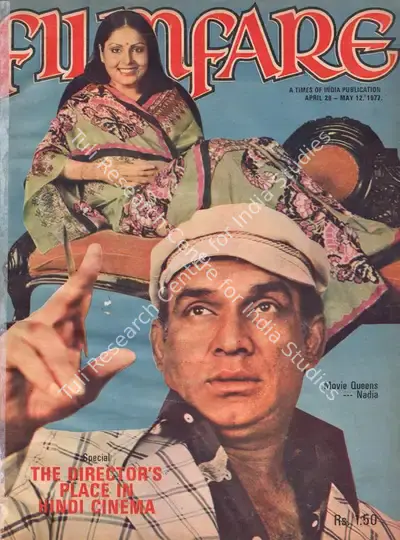
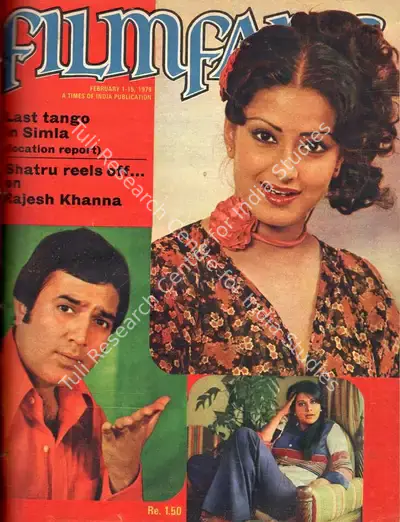
B.K. Karanjia (Editor), Filmfare, 1977, Magazine
Karanjia, B.K. (Editor). Filmfare, 29 April 1977 | Magazine | 00793604
View full record
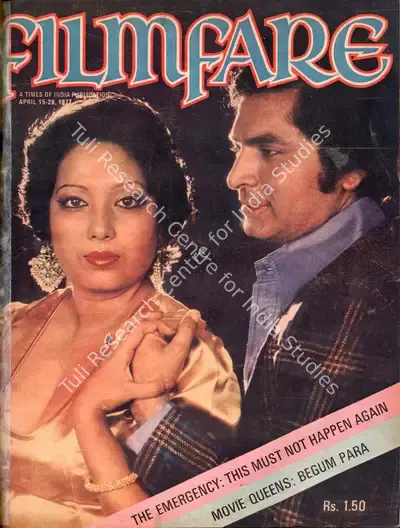
B.K. Karanjia (Editor), Filmfare, 1977, Magazine
Karanjia, B.K. (Editor). Filmfare, 15 April 1977 | Magazine | 00793603
View full record
Bikram Singh (Assistant Editor), Filmfare, 1979, Magazine
Singh, Bikram (Assistant Editor). Filmfare, 01 February 1979 | Magazine | 00793646
View full record
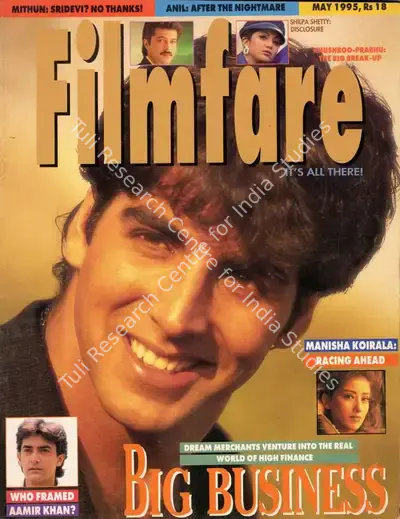
Khalid Mohamed (Editor), Filmfare, 1995, Magazine
Mohamed, Khalid (Editor). Filmfare, 01 May 1995 | Magazine | 00794064
View full record
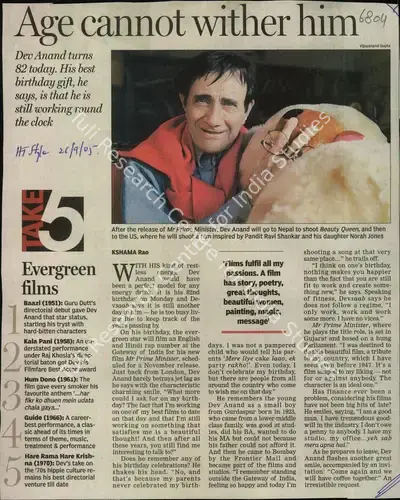
Kshama Rao (Reporter), Age Cannot wither him, 2005, Newspaper Clipping
Rao, Kshama (Reporter). Age Cannot wither him, 26 September 2005 | Newspaper Clipping | 00851321
View full record
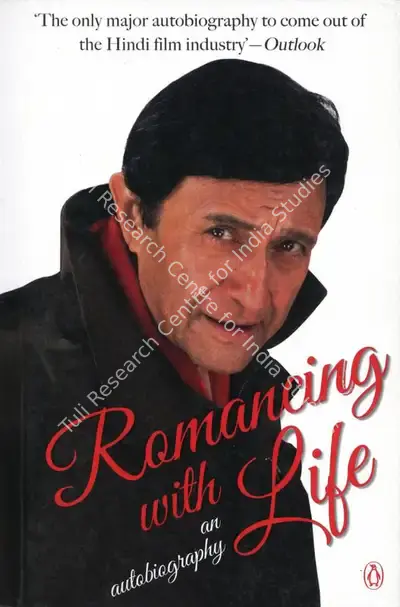
Dev Anand (Author), Romancing with Life, 2007, Authored Book
Anand, Dev (Author). Romancing with Life, 2011 | Authored Book | 00168185
View full record
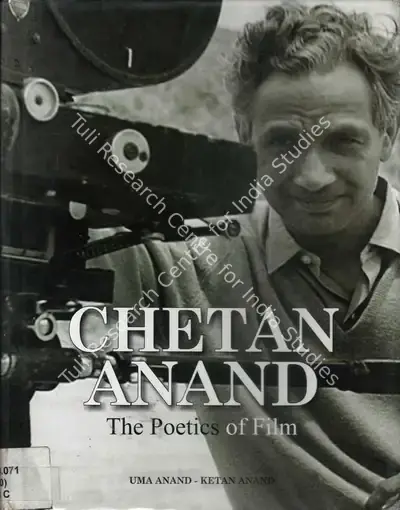
Uma Anand (Author), Chetan Anand, 2007, Authored Book
Anand, Uma (Author). Chetan Anand, 2007 | Authored Book | 00168120
View full record
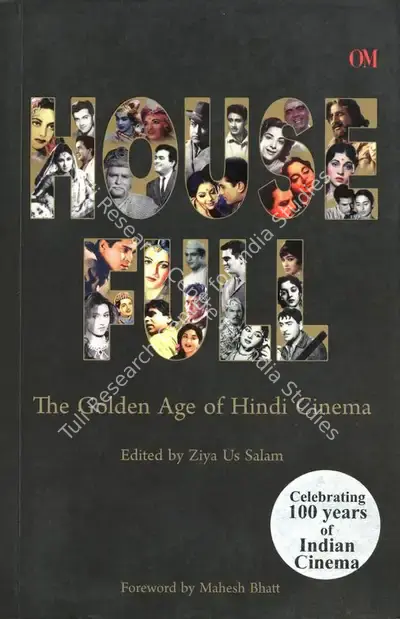
Ziya Us Salam (Editor), House Full, 2012, Edited Book
Salam, Ziya Us (Editor). House Full, 2012 | Edited Book | 00170537
View full record
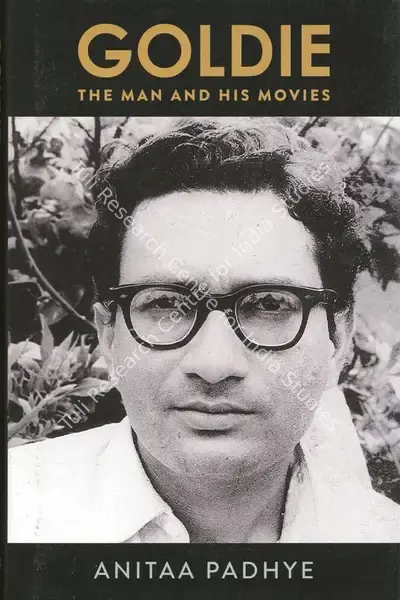
Anitaa Padhye (Author), Goldie, 2020, Authored Book
Padhye, Anitaa (Author). Goldie, 2020 | Authored Book | 00168183
View full record
V. Ratra (Cinematographer), Taxi Driver, 1954, Lobby Card
Ratra, V. (Cinematographer), Taxi Driver, 1954 | Lobby Card
View full record
V. Ratra (Cinematographer), Taxi Driver, 1954, Lobby Card
Ratra, V. (Cinematographer), Taxi Driver, 1954 | Lobby Card
View full record
V. Ratra (Cinematographer), Taxi Driver, 1954, Lobby Card
Ratra, V. (Cinematographer), Taxi Driver, 1954 | Lobby Card
View full record
V. Ratra (Cinematographer), Taxi Driver, 1954, Photographic Still
Ratra, V. (Cinematographer), Taxi Driver, 1954 | Photographic Still
View full record
V. Ratra (Cinematographer), Taxi Driver, 1954, Lobby Card
Ratra, V. (Cinematographer), Taxi Driver, 1954 | Lobby Card
View full record
V. Ratra (Cinematographer), Taxi Driver, 1954, Photographic Still
Ratra, V. (Cinematographer), Taxi Driver, 1954 | Photographic Still
View full record
V. Ratra (Cinematographer), Taxi Driver, 1954, Lobby Card
Ratra, V. (Cinematographer), Taxi Driver, 1954 | Lobby Card
View full record
Dev Anand (Producer), Taxi Driver, 1954, Song-Synopsis Booklet
Anand, Dev (Producer), Taxi Driver, 1954 | Song-Synopsis Booklet
View full record
V. Ratra (Cinematographer), Taxi Driver, 1954, Lobby Card
Ratra, V. (Cinematographer), Taxi Driver, 1954 | Lobby Card
View full record
V. Ratra (Cinematographer), Taxi Driver, 1954, Lobby Card
Ratra, V. (Cinematographer), Taxi Driver, 1954 | Lobby Card
View full record
V. Ratra (Cinematographer), Taxi Driver, 1954, Photographic Still
Ratra, V. (Cinematographer), Taxi Driver, 1954 | Photographic Still
View full record
V. Ratra (Cinematographer), Taxi Driver, 1954, Lobby Card
Ratra, V. (Cinematographer), Taxi Driver, 1954 | Lobby Card
View full record
V. Ratra (Cinematographer), Taxi Driver, 1954, Photographic Still
Ratra, V. (Cinematographer), Taxi Driver, 1954 | Photographic Still
View full record
V. Ratra (Cinematographer), Taxi Driver, 1954, Lobby Card
Ratra, V. (Cinematographer), Taxi Driver, 1954 | Lobby Card
View full record
V. Ratra (Cinematographer), Taxi Driver, 1954, Lobby Card
Ratra, V. (Cinematographer), Taxi Driver, 1954 | Lobby Card
View full record
V. Ratra (Cinematographer), Joru Ka Bhai, 1955, Lobby Card
Ratra, V. (Cinematographer), Joru Ka Bhai, 1955 | Lobby Card
View full record
Chetan Anand (Producer), Joru Ka Bhai, 1955, Song-Synopsis Booklet
Anand, Chetan (Producer), Joru Ka Bhai, 1955 | Song-Synopsis Booklet
View full record
V. Ratra (Cinematographer), Joru Ka Bhai, 1955, Photographic Still
Ratra, V. (Cinematographer), Joru Ka Bhai, 1955 | Photographic Still
View full record
V. Ratra (Cinematographer), Nau Do Gyarah, 1957, Lobby Card
Ratra, V. (Cinematographer), Nau Do Gyarah, 1957 | Lobby Card
View full record
Ravindra Dave (Producer), Agra Road, 1957, Photographic Still
Dave, Ravindra (Producer), Agra Road, 1957 | Photographic Still
View full record
20 of 334
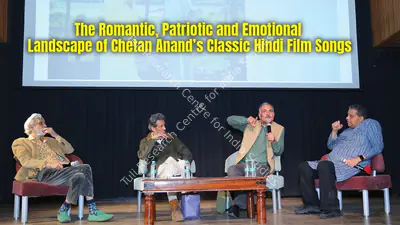
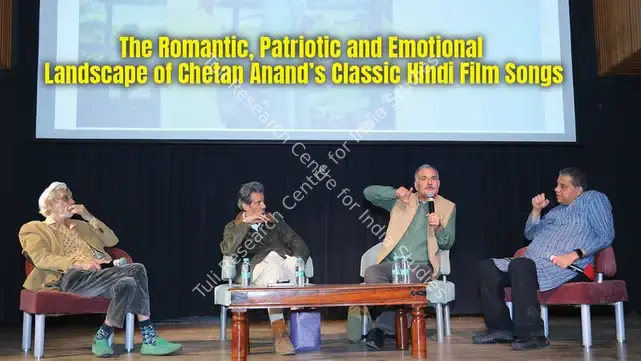
Tuli Research Centre for India Studies (Editor). The Romantic, Patriotic and Emotional Landscape of Chetan Anand’s Classic Hindi Film Songs, 21 July 2026 | In-house Video, 2026 · 1 hour 6 min · Long-form Video
▶
Tuli Research Centre for India Studies (Editor). The Romantic, Patriotic and Emotional Landscape of Chetan Anand’s Classic Hindi Film Songs, 21 July 2026 | In-house Video
2026 · 1 hour 6 min · Long-form Video
Tuli Research Centre for India Studies (Editor). How a film song helps build a Nation, healing her scars | "Kar Chale Hum Fida" | Haqeeqat (1964), 24 July 2026 | In-house Video, 2026 · 1 min 9 sec · Vertical Video
▶
Tuli Research Centre for India Studies (Editor). How a film song helps build a Nation, healing her scars | "Kar Chale Hum Fida" | Haqeeqat (1964), 24 July 2026 | In-house Video
2026 · 1 min 9 sec · Vertical Video
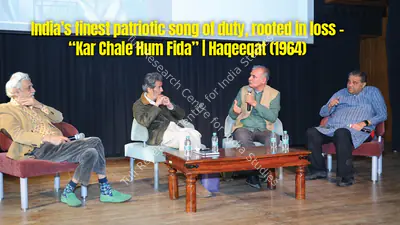
Tuli Research Centre for India Studies (Editor). India's finest patriotic song of duty, rooted in loss - "Kar Chale Hum Fida" | Haqeeqat (1964), 24 July 2026 | In-house Video, 2026 · 21 min 01 sec · Long-form Video
▶
Tuli Research Centre for India Studies (Editor). India's finest patriotic song of duty, rooted in loss - "Kar Chale Hum Fida" | Haqeeqat (1964), 24 July 2026 | In-house Video
2026 · 21 min 01 sec · Long-form Video
Tuli Research Centre for India Studies (Editor). From Chetan Anand's pain of suffering in silence emerges his cinematic rhythms, music and songs, 24 July 2026 | In-house Video, 2026 · 59 sec · Vertical Video
▶
Tuli Research Centre for India Studies (Editor). From Chetan Anand's pain of suffering in silence emerges his cinematic rhythms, music and songs, 24 July 2026 | In-house Video
2026 · 59 sec · Vertical Video
Dev Anand (Author), Romancing with Life, 2007, Authored Book
Anand, Dev (Author). Romancing with Life, 2011 | Authored Book | 00168185
View full record

Related

38

Personalities

26

Aamir KhanComparable Artworks
Ashok KumarComparable Artworks
Chetan AnandSibling · Comparable Artworks
Dev AnandSibling · Comparable Artworks
DharmendraComparable Artworks
Dimple KapadiaComparable Artworks
Fali MistryComparable Artworks
Jal MistryComparable Artworks
Johnny WalkerComparable Artworks
MadhubalaComparable Artworks
Meena KumariComparable Artworks
NargisComparable Artworks
Nirupa RoyComparable Artworks
NutanComparable Artworks
Prithviraj KapoorComparable Artworks
Raj KapoorComparable Artworks
Raj KhoslaComparable Artworks
Rajesh KhannaComparable Artworks
Sanjeev KumarComparable Artworks
Shammi KapoorComparable Artworks
Sharmila TagoreComparable Artworks
Sunil DuttComparable Artworks
SuraiyaComparable Artworks
VyjayanthimalaComparable Artworks
Waheeda RehmanComparable Artworks
Yash ChopraComparable Artworks

Films

12

Bullet (1976)Screenplay
Guide 1965Screenplay · Editor +1
Hum Dono (1961)Screenplay
Jewel Thief 1967Screenplay · Story Writer +2
Johny Mera Naam 1970Screenplay
Kala Bazar 1960Editor
Naan Adimai Illai 1986Music Director
Nau Do Gyarah (1957)Screenplay · Story Writer
Ram Balram (1980)Screenplay
Taxi Driver (1954)Screenplay · Story Writer
Teesri Manzil (1966)Editor
Tere Ghar Ke Samne (1963)Screenplay · Story Writer
Tuli Research Centre for India Studies
Tuli Research Centre
for India Studies

A free and open knowledge base for the modern and contemporary Indian arts, cinema, photography and cultural heritage.

Support

Contact Us

Discover

Tuli Research Centre for India StudiesVisionManifestoArchive & LibraryVanraja Sanctuary & Hospice
Legal

Privacy PolicyTerms & Conditions

Follow us

Youtube

Youtube

Instagram

Instagram

Facebook

Facebook

© Tuli Research Centre for India Studies 2026
Tuli Research Centre for India Studies
Tuli Research Centre
for India Studies

A free and open knowledge base for the modern and contemporary Indian arts, cinema, photography and cultural heritage.

Tuli Research Centre for India StudiesVisionManifestoArchive & LibraryVanraja Sanctuary & Hospice
Contact Us
Privacy PolicyTerms & Conditions

Follow us

YoutubeInstagramFacebook

© Tuli Research Centre for India Studies 2026
              Tuli Research Centre for India Studies (Editor). The Romantic, Patriotic and Emotional Landscape of Chetan Anand’s Classic Hindi Film Songs, 21 July 2026 | In-house Video | CinemaEducation | 00883636
              1 hour 6 min · Long-form Video

              The Romantic, Patriotic and Emotional Landscape of Chetan Anand’s Classic Hindi Film Songs

              Tuli Research Centre for India Studies (Editor)

              Document TypeIn-house Video
              Date21 July 2026
              Duration1 hour 6 min
              FormatLong-form Video
              Description
              Four iconic songs from Chetan Anand's cinema, deconstructed: "Kar Chale Hum Fida" (Haqeeqat, 1964), "Yeh Duniya Yeh Mehfil" (Heer Ranjha, 1970), "Milo Na Tum To Hum Ghabraye" (Heer Ranjha, 1970) and "Yeh Mana Meri Jaan" (Hanste Zakhm, 1973). Why is "Kar Chale Hum Fida" ("Ab Tumhare Hawale Watan Saathiyon") not a song of victory, but a song of responsibility? How was "Yeh Duniya Yeh Mehfil" written overnight, rejected on the eve of recording, reborn in a 2 a.m. phone call, with Kaifi Azmi writing the antaras on the spot and Mohammed Rafi in tears at the rehearsal? Why was the colour yellow banned from the screen in Heer Ranjha until spring arrives with "Milo Na Tum"? And how did "Yeh Mana Meri Jaan" fuse qawwali, bhangra and class rebellion into one of Hindi cinema's most joyous songs? Ketan Anand, who worked alongside his father, joins experts Ravikant, Pavan Jha and Neville Tuli to explore themes of sacrifice, patriotism, disillusionment, longing and desire in Chetan Anand's films, highlighting the creative legacy of Kaifi Azmi, Madan Mohan, Lata Mangeshkar and Mohammed Rafi. Anand's oeuvre is marked by a strong humanist sensibility, social realism, war and poetic romance, class conflict and duty, and rare emotional intensity. The discussion examines how film music, lyrics, performance and cinematic storytelling come together to create meaning, transcending entertainment to become part of India's collective memory and emotional landscape. Chapters: 0:00 — "Kar Chale Hum Fida" (Haqeeqat, 1964) 5:43 — Discussion: The War, the Pain, a Song of Responsibility 21:02 — "Yeh Duniya Yeh Mehfil" (Heer Ranjha, 1970) 28:03 — Discussion: the 2 a.m. story & a film written as a poem 41:02 — "Milo Na Tum To Hum Ghabraye" (Heer Ranjha, 1970) 44:33 — Discussion: The Joy of Falling in Love 50:12 — "Yeh Mana Meri Jaan" (Hanste Zakhm, 1973) 57:44 — Discussion: Qawwali, Bhangra & Rebellion This session was part of the series 'Deconstructing the Film Song: A Musical Glue for Nation-Building,' presented by the Tuli Research Centre for India Studies (TRIS) as part of the 7th Self-Discovery via Rediscovering India Festival.
              Related Links75

              Masterlist74
              Chetan AnandRaj KapoorGuru DuttDigital in House VideosV ShantaramB R ChopraMadan MohanO P NayyarSachin Dev BurmanVasant DesaiBombay RaviKaifi AzmiShailendraHasrat JaipuriMajrooh SultanpuriSahir LudhianviShakeel BadayuniHasan KamalHeer Raanjha 1970Do Ankhen Barah Haath 1957Deconstructing the Film Song 2026Neville TuliShyamaJohnny WalkerJagdeepV K MurthyRaj KhoslaShamshad BegumGeeta DuttMohammad RafiDilip KumarVyjayanthimalaLeela ChitnisAsha BhosleWaheeda RehmanMala SinhaMehmoodSulochanaMeena KumariSunil DuttRaaj KumarSharmila TagoreSadhanaAchala SachdevBalraj SahniShashikalaShashi KapoorYash ChopraDharam ChopraManna DeyMahendra KapoorPrithviraj KapoorJal MistryNoor JahanDilraj KaurJagjeet KaurLata MangeshkarManoj KumarRajendra KumarDharmendraKhwaja Ahmad AbbasRadhu KarmakarNitin MukeshNadiraNargisMukeshLeela MishraVijay AnandTalat MahmudBhupendra SinghSalma AghaRaj BabbarIftekharGhulam Ali
              Research Categories
              01Cinema as a Critical Educational Resource