
Introduction
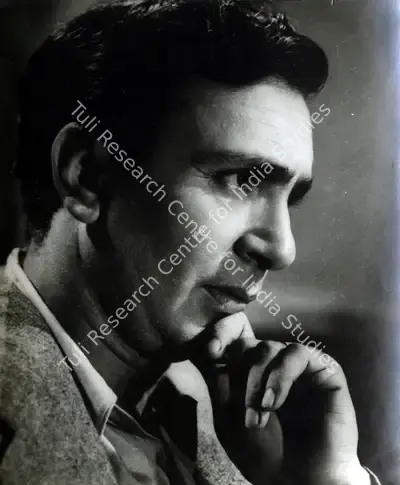
Shailendra (30 August 1923 – 14 December 1966) was one of the most distinguished lyric poets in the history of Hindi cinema, celebrated for a rare lyrical economy that conceals profound philosophical, symbolic and humanist depth beneath an apparently effortless simplicity. A Hindi–Urdu poet, lyricist, and film producer, he emerged as a defining creative voice of the 1950s and 1960s, most closely associated with filmmaker Raj Kapoor, playback singer Mukesh, and the composer duo Shankar–Jaikishan. His oeuvre also extended into Bhojpuri cinema, reflecting both his linguistic rootedness and his wider cultural sensibility.
Born in Dhuspur village in the Ara district of Bihar and later associated with Rawalpindi (then in Punjab, now in Pakistan), Shailendra's early life was marked by economic hardship and personal loss. His family subsequently relocated to Mathura, where he completed his education and began composing poetry. During this formative period, he developed a close intellectual and literary companionship with Indra Bahadur Khare, which significantly shaped and refined his poetic sensibility. In 1947, he moved to Bombay, where he joined the Indian Railways as an apprentice at the Matunga workshop, continuing to write poetry alongside his employment.
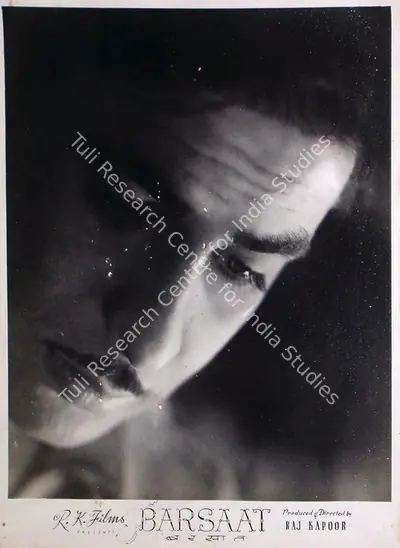
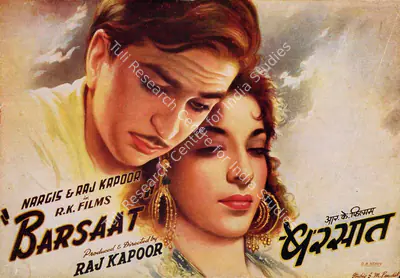
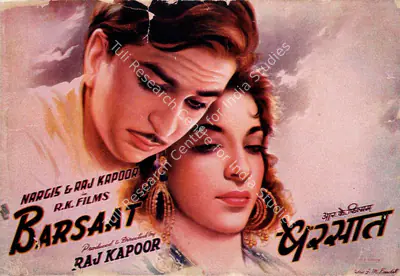
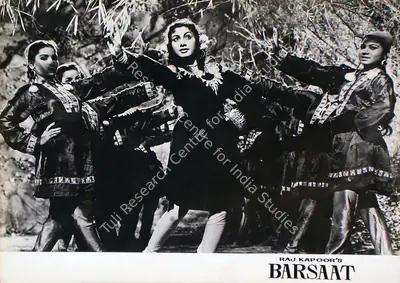
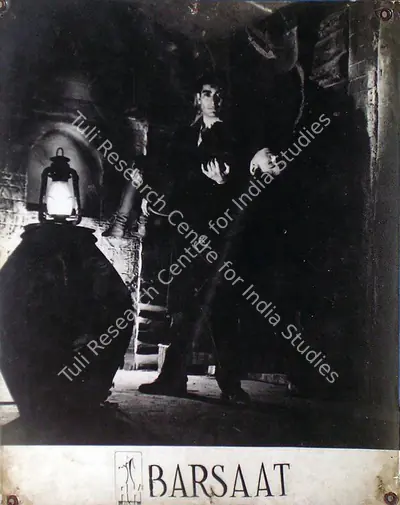
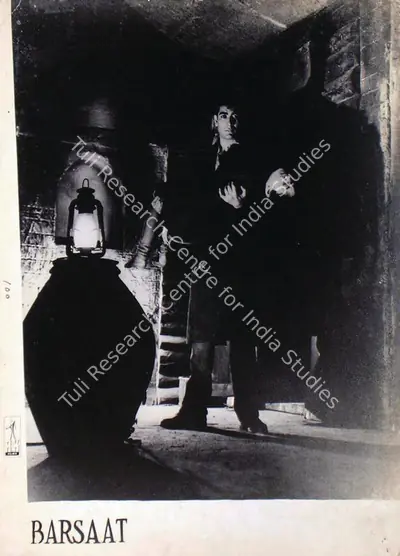
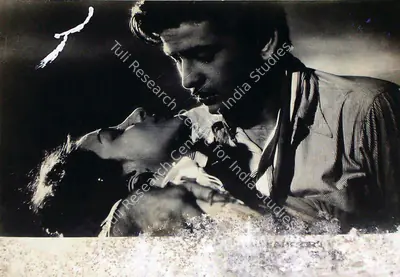
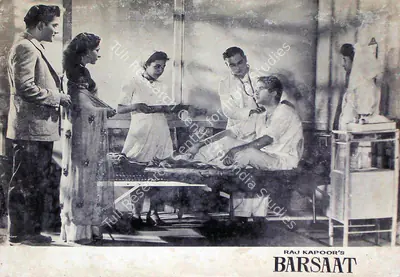
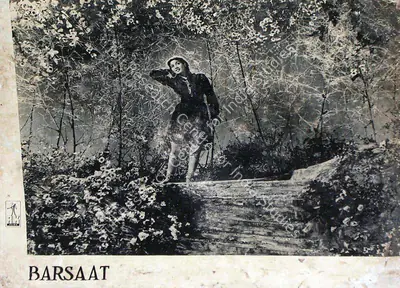
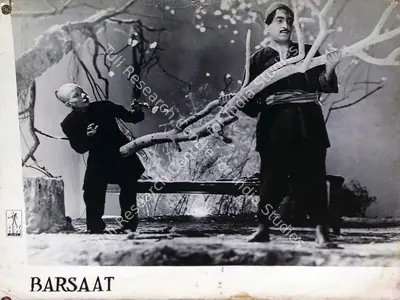
Shailendra's entry into cinema occurred almost serendipitously when Raj Kapoor heard him recite Jalta Hai Punjab at a mushaira. Although initially reluctant to enter the commercial film industry due to his affiliation with the Indian People's Theatre Association, financial exigencies eventually led him to accept Kapoor's offer. His debut in Barsaat (1949) included songs such as Patli Kamar Hai and Barsaat Mein Humse Mile Tum, marking the beginning of one of Hindi cinema's most enduring creative collaborations.
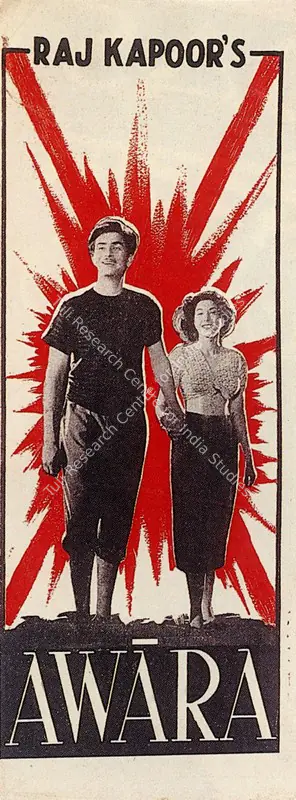
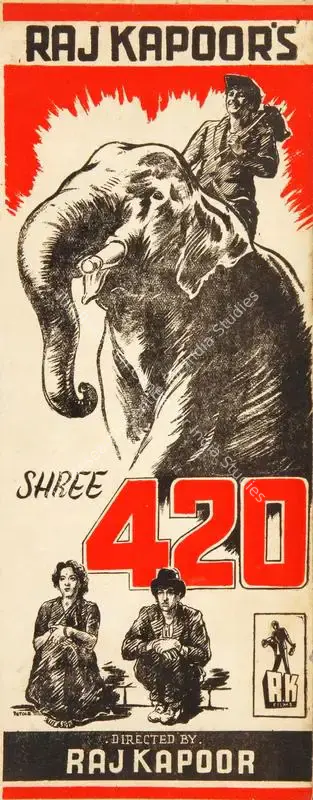
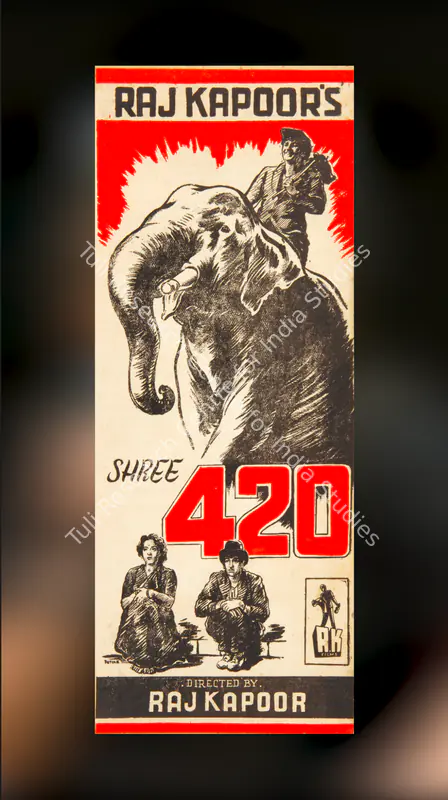
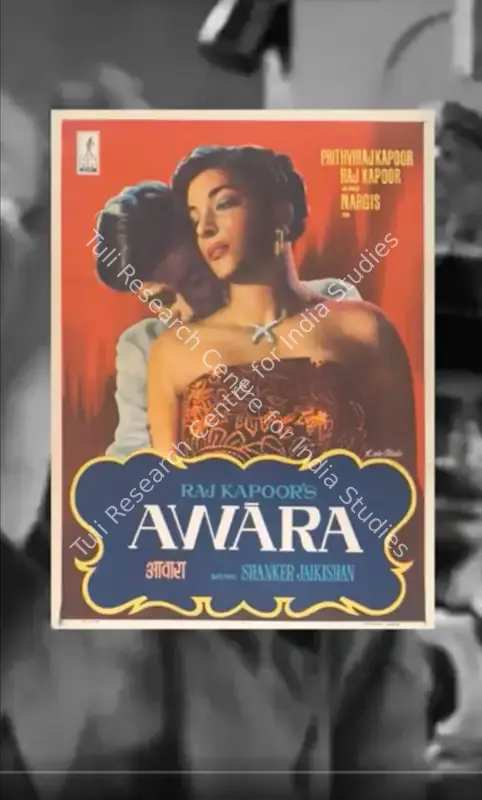
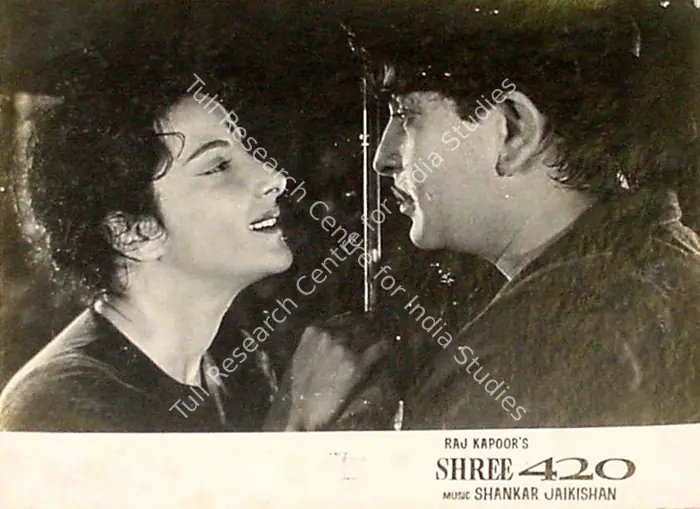
His partnership with Raj Kapoor and Shankar–Jaikishan produced a remarkable corpus of works that helped define the emotional and philosophical vocabulary of popular Hindi film music. In Awaara (1951), Awaara Hoon achieved extraordinary international resonance, transcending linguistic and cultural boundaries. Similarly, Shree 420 (1955) featured iconic compositions such as Pyar Hua Iqrar Hua, which exemplify his distinctive ability to fuse lyrical simplicity with emotional and ethical universality. Across his oeuvre, Shailendra consistently interwove romantic expression with understated social consciousness, articulating the aspirations, contradictions, and moral imagination of post-independence India.
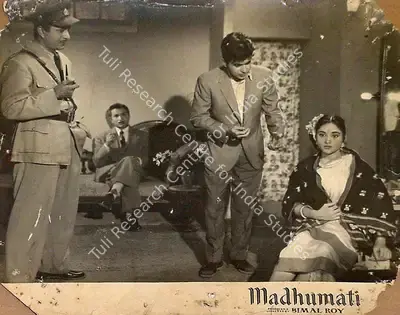
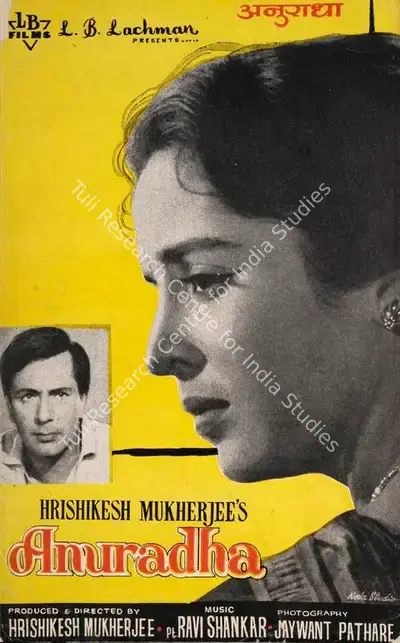
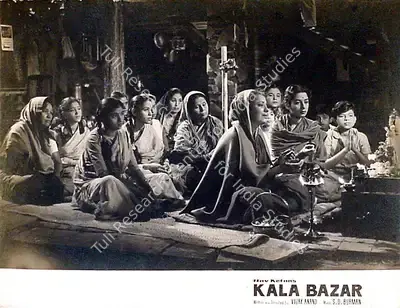
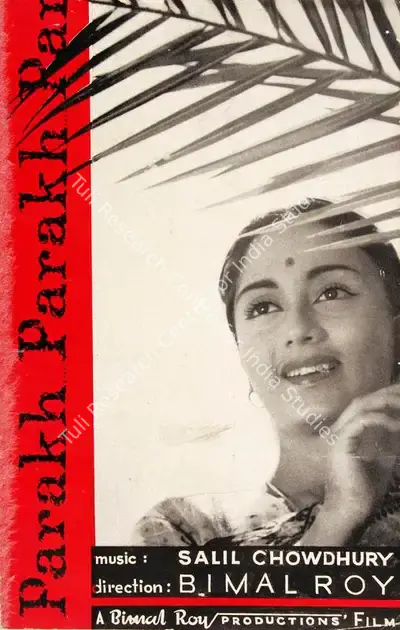
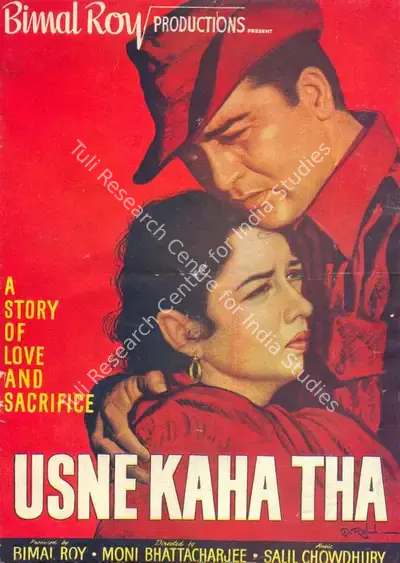
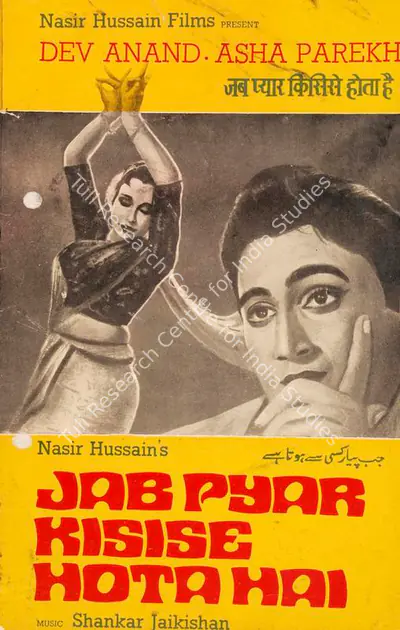
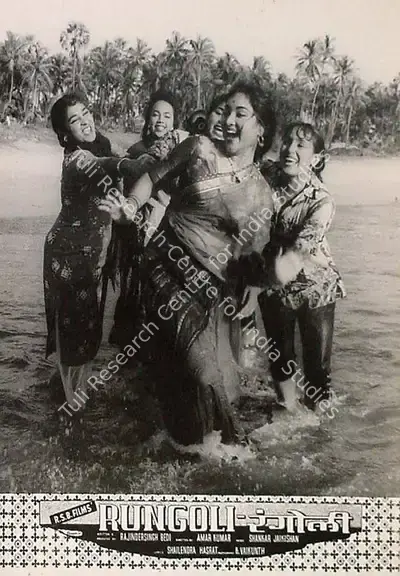
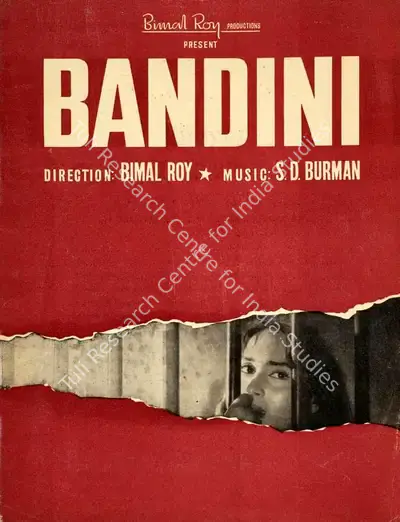
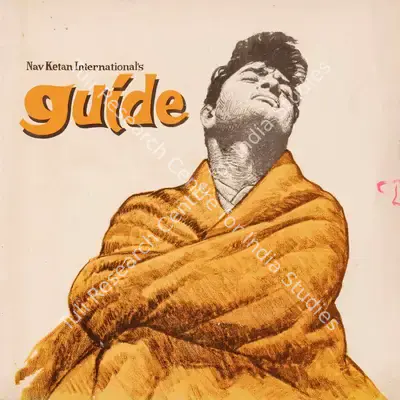
A frequently cited example of his lyrical fluidity is the transformation of his poetic lines Chhoti Si Yeh Duniya, Pehchane Raaste Hain into the song for Rangoli (1962), illustrating the seamless movement of his personal verse into cinematic form. Beyond his principal collaboration with Raj Kapoor, he worked with several eminent composers, including Salil Chowdhury in Madhumati (1958), S. D. Burman in Guide (1965), Bandini (1963), and Kala Bazar (1960), as well as Ravi Shankar in Anuradha (1960). He also collaborated with filmmakers such as Bimal Roy and Dev Anand, contributing to some of the most aesthetically significant works of the period.
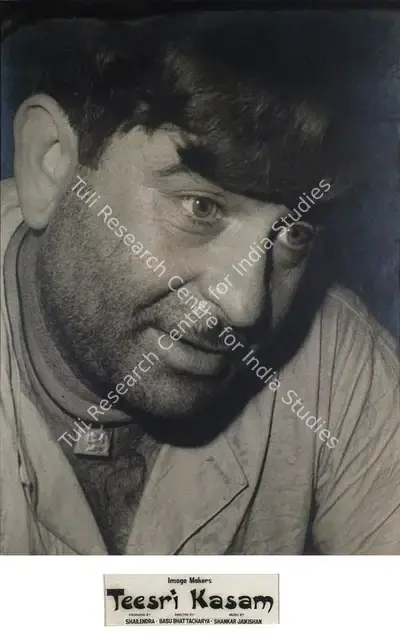
Shailendra's contribution to regional cinema, particularly Bhojpuri film, was equally pioneering. He wrote for Ganga Maiya Tohe Piyari Chadhaibo (1963), the first Bhojpuri feature film, thereby extending the reach of his poetic voice beyond the mainstream Hindi film industry. His creative ambition culminated in his production of Teesri Kasam (1966), adapted from Phanishwar Nath Renu's celebrated short stories. Although the film received critical acclaim and was honoured with the National Film Award for Best Feature Film, its commercial failure resulted in severe financial strain, which adversely affected his health.
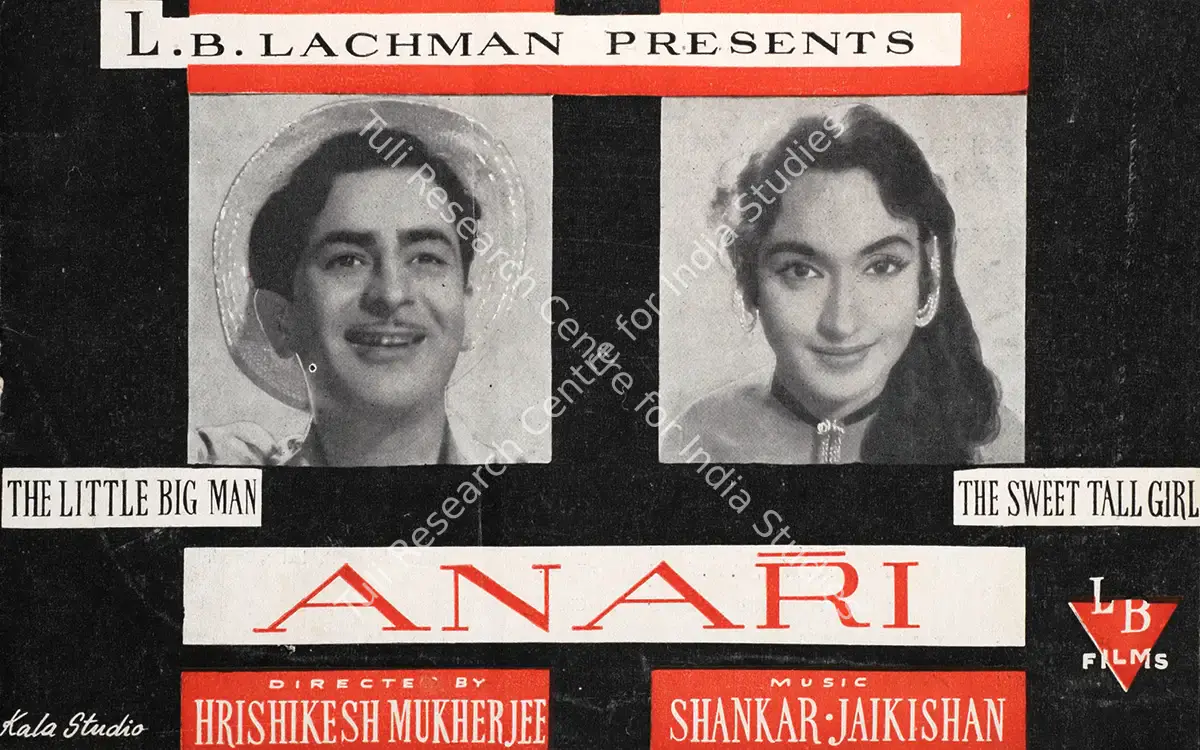
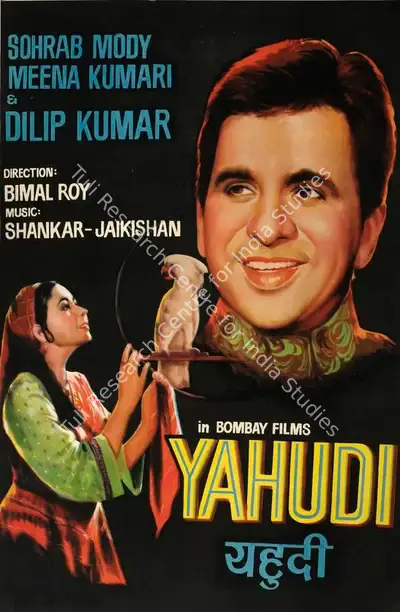
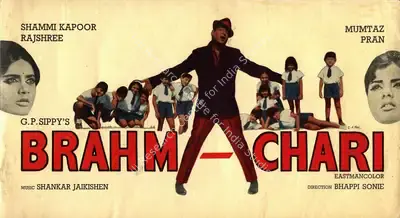
Shailendra's legacy is marked by multiple honours, including three Filmfare Awards for Yeh Mera Deewanapan Hai from Yahudi (1958), Sab Kuchh Seekha Humne from Anari (1959), and Main Gaaoon Tum So Jaao from Brahmachari (1968, awarded posthumously). His iconic Mera Joota Hai Japani from Shree 420 (1955) continues to enjoy enduring global recognition, even resurfacing in contemporary popular culture such as Deadpool (2016).
His body of work endures as a definitive articulation of poetic sincerity within popular cinema, securing his place among the most influential lyricists in the history of Indian film music.
Born in Dhuspur village in the Ara district of Bihar and later associated with Rawalpindi (then in Punjab, now in Pakistan), Shailendra's early life was marked by economic hardship and personal loss. His family subsequently relocated to Mathura, where he completed his education and began composing poetry. During this formative period, he developed a close intellectual and literary companionship with Indra Bahadur Khare, which significantly shaped and refined his poetic sensibility. In 1947, he moved to Bombay, where he joined the Indian Railways as an apprentice at the Matunga workshop, continuing to write poetry alongside his employment.
Shailendra's entry into cinema occurred almost serendipitously when Raj Kapoor heard him recite Jalta Hai Punjab at a mushaira. Although initially reluctant to enter the commercial film industry due to his affiliation with the Indian People's Theatre Association, financial exigencies eventually led him to accept Kapoor's offer. His debut in Barsaat (1949) included songs such as Patli Kamar Hai and Barsaat Mein Humse Mile Tum, marking the beginning of one of Hindi cinema's most enduring creative collaborations.
His partnership with Raj Kapoor and Shankar–Jaikishan produced a remarkable corpus of works that helped define the emotional and philosophical vocabulary of popular Hindi film music. In Awaara (1951), Awaara Hoon achieved extraordinary international resonance, transcending linguistic and cultural boundaries. Similarly, Shree 420 (1955) featured iconic compositions such as Pyar Hua Iqrar Hua, which exemplify his distinctive ability to fuse lyrical simplicity with emotional and ethical universality. Across his oeuvre, Shailendra consistently interwove romantic expression with understated social consciousness, articulating the aspirations, contradictions, and moral imagination of post-independence India.
A frequently cited example of his lyrical fluidity is the transformation of his poetic lines Chhoti Si Yeh Duniya, Pehchane Raaste Hain into the song for Rangoli (1962), illustrating the seamless movement of his personal verse into cinematic form. Beyond his principal collaboration with Raj Kapoor, he worked with several eminent composers, including Salil Chowdhury in Madhumati (1958), S. D. Burman in Guide (1965), Bandini (1963), and Kala Bazar (1960), as well as Ravi Shankar in Anuradha (1960). He also collaborated with filmmakers such as Bimal Roy and Dev Anand, contributing to some of the most aesthetically significant works of the period.
Shailendra's contribution to regional cinema, particularly Bhojpuri film, was equally pioneering. He wrote for Ganga Maiya Tohe Piyari Chadhaibo (1963), the first Bhojpuri feature film, thereby extending the reach of his poetic voice beyond the mainstream Hindi film industry. His creative ambition culminated in his production of Teesri Kasam (1966), adapted from Phanishwar Nath Renu's celebrated short stories. Although the film received critical acclaim and was honoured with the National Film Award for Best Feature Film, its commercial failure resulted in severe financial strain, which adversely affected his health.
Shailendra's legacy is marked by multiple honours, including three Filmfare Awards for Yeh Mera Deewanapan Hai from Yahudi (1958), Sab Kuchh Seekha Humne from Anari (1959), and Main Gaaoon Tum So Jaao from Brahmachari (1968, awarded posthumously). His iconic Mera Joota Hai Japani from Shree 420 (1955) continues to enjoy enduring global recognition, even resurfacing in contemporary popular culture such as Deadpool (2016).
His body of work endures as a definitive articulation of poetic sincerity within popular cinema, securing his place among the most influential lyricists in the history of Indian film music.
शैलेन्द्र (30 अगस्त 1923 – 14 दिसंबर 1966) हिंदी सिनेमा के इतिहास के सबसे बेहतरीन गीतकारों में से एक थे। वे अपनी उस ख़ास शैली के लिए जाने जाते थे जिसमें वे बहुत कम शब्दों में गहरी दार्शनिक, प्रतीकात्मक और मानवीय बातें कह जाते थे, जबकि उनके गीत सुनने में बहुत सरल और सहज लगते थे। हिंदी-उर्दू कवि, गीतकार और फ़िल्म निर्माता के तौर पर वे 1950 और 1960 के दशक की एक अहम रचनात्मक आवाज़ बनकर उभरे। वे फ़िल्म निर्माता राज कपूर, पार्श्व गायक मुकेश और संगीतकार जोड़ी शंकर-जयकिशन के साथ बहुत क़रीब से जुड़े हुए थे। उनका काम भोजपुरी सिनेमा तक भी फैला हुआ था, जो उनकी भाषाई जड़ों और व्यापक सांस्कृतिक समझ को दर्शाता है।
बिहार के आरा ज़िले के धुसपुर गाँव में जन्मे और बाद में रावलपिंडी (जो तब पंजाब में था और अब पाकिस्तान में है) से जुड़े शैलेन्द्र का शुरुआती जीवन आर्थिक तंगी और निजी नुकसान से भरा रहा। इसके बाद उनका परिवार मथुरा चला गया, जहाँ उन्होंने अपनी पढ़ाई पूरी की और कविताएँ लिखना शुरू किया। इसी दौरान, इंद्र बहादुर खरे के साथ उनकी गहरी बौद्धिक और साहित्यिक दोस्ती हुई, जिसने उनकी काव्य-संवेदना को काफ़ी हद तक आकार दिया और निखारा। 1947 में वे बॉम्बे चले गए, जहाँ उन्होंने माटुंगा वर्कशॉप में इंडियन रेलवे में अप्रेंटिस के तौर पर काम शुरू किया और नौकरी के साथ-साथ कविताएँ भी लिखते रहे।
सिनेमा की दुनिया में शैलेंद्र का आना लगभग इत्तेफ़ाक से हुआ, जब राज कपूर ने उन्हें एक मुशायरे में 'जलता है पंजाब' पढ़ते हुए सुना। हालाँकि, 'इंडियन पीपल्स थिएटर एसोसिएशन' से जुड़े होने के कारण वे शुरू में कमर्शियल फ़िल्म इंडस्ट्री में आने को लेकर हिचकिचा रहे थे, लेकिन आर्थिक ज़रूरतों की वजह से उन्हें आख़िरकार कपूर का ऑफ़र मंज़ूर करना पड़ा। 'बरसात' (1949) फ़िल्म से उनकी शुरुआत हुई, जिसमें 'पतली कमर है' और 'बरसात में हमसे मिले तुम' जैसे गाने शामिल थे। इसी के साथ हिंदी सिनेमा की सबसे यादगार और लंबे समय तक चलने वाली क्रिएटिव पार्टनरशिप की शुरुआत हुई।
राज कपूर और शंकर-जयकिशन के साथ उनकी साझेदारी ने बेहतरीन काम किए, जिन्होंने लोकप्रिय हिंदी फ़िल्म संगीत की भावनात्मक और दार्शनिक भाषा को आकार देने में मदद की। 'आवारा' (1951) फ़िल्म के गाने 'आवारा हूँ' को अंतरराष्ट्रीय स्तर पर ज़बरदस्त लोकप्रियता मिली। यह गाना भाषा और संस्कृति की सीमाओं से परे लोगों तक पहुँचा। इसी तरह, 'श्री 420' (1955) में 'प्यार हुआ इक़रार हुआ' जैसे यादगार गाने थे, जो बोलों की सादगी को भावनाओं और नैतिक मूल्यों की व्यापक अपील के साथ जोड़ने की उनकी ख़ास क़ाबिलियत को दिखाते हैं। अपने पूरे काम के दौरान, शैलेंद्र ने हमेशा रोमांटिक भावनाओं के साथ-साथ सामाजिक चेतना को भी पिरोया और आज़ादी के बाद के भारत की उम्मीदों, विरोधाभासों और नैतिक सोच को ज़ाहिर किया।
उनके गीतों की सहजता को अक्सर उदाहरण के रूप में पेश किया जाता है। उनकी कविता की पंक्तियों 'छोटी सी यह दुनिया, पहचाने रास्ते हैं' का 'रंगोली' (1962) फ़िल्म के गाने में बदलना, यह दिखाता है कि कैसे उनकी निजी कविताएँ फ़िल्मी रूप में कितनी आसानी से ढल जाती थीं। राज कपूर के साथ उनके सहयोग के अलावा, उन्होंने कई मशहूर संगीतकारों के साथ भी काम किया, जिनमें 'मधुमती' (1958) में सलिल चौधरी, 'गाइड' (1965), 'बंदिनी' (1963) और 'काला बाज़ार' (1960) में एस. डी. बर्मन, और 'अनुराधा' (1960) में रवि शंकर शामिल हैं। उन्होंने बिमल रॉय और देव आनंद जैसे फ़िल्मकारों के साथ भी काम किया और उस दौर की कुछ सबसे बेहतरीन और कलात्मक फ़िल्मों में अपना योगदान दिया।
क्षेत्रीय सिनेमा, ख़ासकर भोजपुरी फ़िल्मों में शैलेंद्र का योगदान भी बहुत अहम और नई शुरुआत करने वाला था। उन्होंने पहली भोजपुरी फ़िल्म 'गंगा मैया तोहे पियरी चढ़इबो' (1963) के लिए गीत लिखे, जिससे उनकी कविताओं की पहुँच मुख्यधारा की हिंदी फ़िल्म इंडस्ट्री से आगे तक बढ़ी। उनकी रचनात्मक महत्वाकांक्षा 'तीसरी कसम' (1966) के निर्माण के साथ पूरी हुई, जो फणीश्वर नाथ रेणु की मशहूर लघु कथाओं पर आधारित थी। हालाँकि फ़िल्म को समीक्षकों की तारीफ़ मिली और इसे 'बेस्ट फ़ीचर फ़िल्म' का राष्ट्रीय फ़िल्म पुरस्कार भी मिला, लेकिन कमर्शियल तौर पर फ़ेल होने के कारण उन्हें भारी आर्थिक तंगी का सामना करना पड़ा, जिसका बुरा असर उनकी सेहत पर पड़ा।
शैलेन्द्र की विरासत को कई सम्मानों से चिह्नित किया गया है, जिसमें यहूदी (1958) से 'ये मेरा दीवानापन है' के लिए तीन फ़िल्मफ़ेयर पुरस्कार, अनाड़ी (1959) से 'सब कुछ सीखा हमने', और ब्रह्मचारी (1968, मरणोपरांत प्रदान किया गया) से 'मैं गाऊं तुम सो जाओ' शामिल हैं। श्री 420 (1955) के उनके प्रतिष्ठित 'मेरा जूता है जापानी' को लगातार वैश्विक लोकप्रियता मिल रही है, यहां तक कि डेडपूल (2016) जैसी समकालीन लोकप्रिय संस्कृति में भी यह फ़िर से उभर रहा है।
उनका काम लोकप्रिय सिनेमा में काव्यात्मक ईमानदारी की एक बेहतरीन मिसाल के तौर पर क़ायम है, जिसने उन्हें भारतीय फ़िल्म संगीत के इतिहास के सबसे प्रभावशाली गीतकारों में अपनी जगह पक्की करने में मदद की है।
बिहार के आरा ज़िले के धुसपुर गाँव में जन्मे और बाद में रावलपिंडी (जो तब पंजाब में था और अब पाकिस्तान में है) से जुड़े शैलेन्द्र का शुरुआती जीवन आर्थिक तंगी और निजी नुकसान से भरा रहा। इसके बाद उनका परिवार मथुरा चला गया, जहाँ उन्होंने अपनी पढ़ाई पूरी की और कविताएँ लिखना शुरू किया। इसी दौरान, इंद्र बहादुर खरे के साथ उनकी गहरी बौद्धिक और साहित्यिक दोस्ती हुई, जिसने उनकी काव्य-संवेदना को काफ़ी हद तक आकार दिया और निखारा। 1947 में वे बॉम्बे चले गए, जहाँ उन्होंने माटुंगा वर्कशॉप में इंडियन रेलवे में अप्रेंटिस के तौर पर काम शुरू किया और नौकरी के साथ-साथ कविताएँ भी लिखते रहे।
सिनेमा की दुनिया में शैलेंद्र का आना लगभग इत्तेफ़ाक से हुआ, जब राज कपूर ने उन्हें एक मुशायरे में 'जलता है पंजाब' पढ़ते हुए सुना। हालाँकि, 'इंडियन पीपल्स थिएटर एसोसिएशन' से जुड़े होने के कारण वे शुरू में कमर्शियल फ़िल्म इंडस्ट्री में आने को लेकर हिचकिचा रहे थे, लेकिन आर्थिक ज़रूरतों की वजह से उन्हें आख़िरकार कपूर का ऑफ़र मंज़ूर करना पड़ा। 'बरसात' (1949) फ़िल्म से उनकी शुरुआत हुई, जिसमें 'पतली कमर है' और 'बरसात में हमसे मिले तुम' जैसे गाने शामिल थे। इसी के साथ हिंदी सिनेमा की सबसे यादगार और लंबे समय तक चलने वाली क्रिएटिव पार्टनरशिप की शुरुआत हुई।
राज कपूर और शंकर-जयकिशन के साथ उनकी साझेदारी ने बेहतरीन काम किए, जिन्होंने लोकप्रिय हिंदी फ़िल्म संगीत की भावनात्मक और दार्शनिक भाषा को आकार देने में मदद की। 'आवारा' (1951) फ़िल्म के गाने 'आवारा हूँ' को अंतरराष्ट्रीय स्तर पर ज़बरदस्त लोकप्रियता मिली। यह गाना भाषा और संस्कृति की सीमाओं से परे लोगों तक पहुँचा। इसी तरह, 'श्री 420' (1955) में 'प्यार हुआ इक़रार हुआ' जैसे यादगार गाने थे, जो बोलों की सादगी को भावनाओं और नैतिक मूल्यों की व्यापक अपील के साथ जोड़ने की उनकी ख़ास क़ाबिलियत को दिखाते हैं। अपने पूरे काम के दौरान, शैलेंद्र ने हमेशा रोमांटिक भावनाओं के साथ-साथ सामाजिक चेतना को भी पिरोया और आज़ादी के बाद के भारत की उम्मीदों, विरोधाभासों और नैतिक सोच को ज़ाहिर किया।
उनके गीतों की सहजता को अक्सर उदाहरण के रूप में पेश किया जाता है। उनकी कविता की पंक्तियों 'छोटी सी यह दुनिया, पहचाने रास्ते हैं' का 'रंगोली' (1962) फ़िल्म के गाने में बदलना, यह दिखाता है कि कैसे उनकी निजी कविताएँ फ़िल्मी रूप में कितनी आसानी से ढल जाती थीं। राज कपूर के साथ उनके सहयोग के अलावा, उन्होंने कई मशहूर संगीतकारों के साथ भी काम किया, जिनमें 'मधुमती' (1958) में सलिल चौधरी, 'गाइड' (1965), 'बंदिनी' (1963) और 'काला बाज़ार' (1960) में एस. डी. बर्मन, और 'अनुराधा' (1960) में रवि शंकर शामिल हैं। उन्होंने बिमल रॉय और देव आनंद जैसे फ़िल्मकारों के साथ भी काम किया और उस दौर की कुछ सबसे बेहतरीन और कलात्मक फ़िल्मों में अपना योगदान दिया।
क्षेत्रीय सिनेमा, ख़ासकर भोजपुरी फ़िल्मों में शैलेंद्र का योगदान भी बहुत अहम और नई शुरुआत करने वाला था। उन्होंने पहली भोजपुरी फ़िल्म 'गंगा मैया तोहे पियरी चढ़इबो' (1963) के लिए गीत लिखे, जिससे उनकी कविताओं की पहुँच मुख्यधारा की हिंदी फ़िल्म इंडस्ट्री से आगे तक बढ़ी। उनकी रचनात्मक महत्वाकांक्षा 'तीसरी कसम' (1966) के निर्माण के साथ पूरी हुई, जो फणीश्वर नाथ रेणु की मशहूर लघु कथाओं पर आधारित थी। हालाँकि फ़िल्म को समीक्षकों की तारीफ़ मिली और इसे 'बेस्ट फ़ीचर फ़िल्म' का राष्ट्रीय फ़िल्म पुरस्कार भी मिला, लेकिन कमर्शियल तौर पर फ़ेल होने के कारण उन्हें भारी आर्थिक तंगी का सामना करना पड़ा, जिसका बुरा असर उनकी सेहत पर पड़ा।
शैलेन्द्र की विरासत को कई सम्मानों से चिह्नित किया गया है, जिसमें यहूदी (1958) से 'ये मेरा दीवानापन है' के लिए तीन फ़िल्मफ़ेयर पुरस्कार, अनाड़ी (1959) से 'सब कुछ सीखा हमने', और ब्रह्मचारी (1968, मरणोपरांत प्रदान किया गया) से 'मैं गाऊं तुम सो जाओ' शामिल हैं। श्री 420 (1955) के उनके प्रतिष्ठित 'मेरा जूता है जापानी' को लगातार वैश्विक लोकप्रियता मिल रही है, यहां तक कि डेडपूल (2016) जैसी समकालीन लोकप्रिय संस्कृति में भी यह फ़िर से उभर रहा है।
उनका काम लोकप्रिय सिनेमा में काव्यात्मक ईमानदारी की एक बेहतरीन मिसाल के तौर पर क़ायम है, जिसने उन्हें भारतीय फ़िल्म संगीत के इतिहास के सबसे प्रभावशाली गीतकारों में अपनी जगह पक्की करने में मदद की है।
No personalia records available yet.
Filmography 81
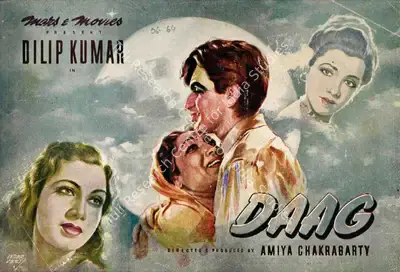
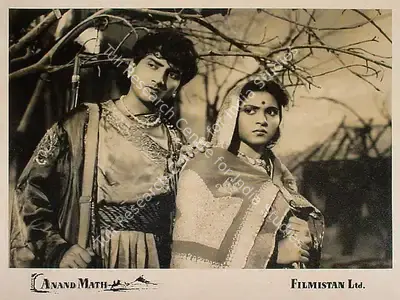
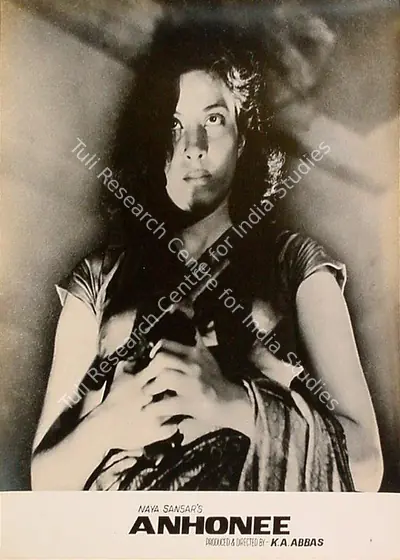
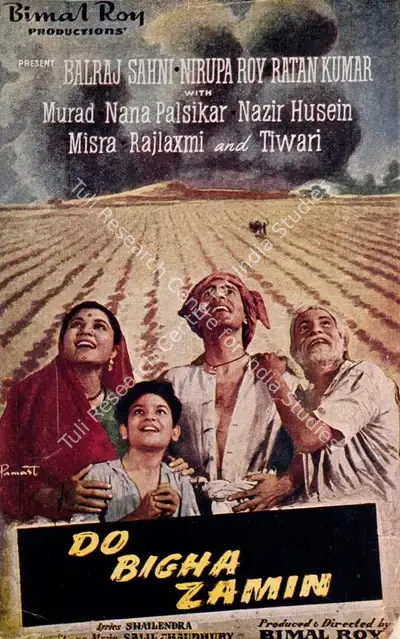

Research Centre
20 of 797
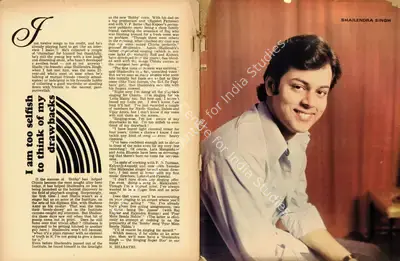
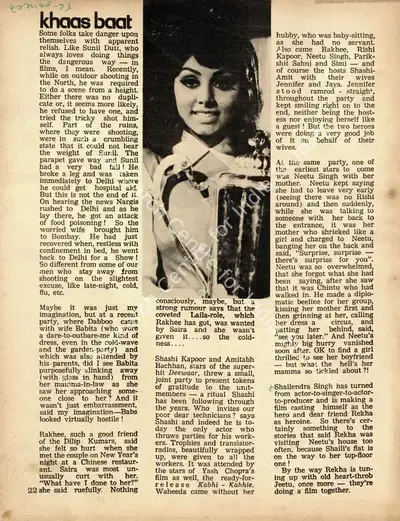
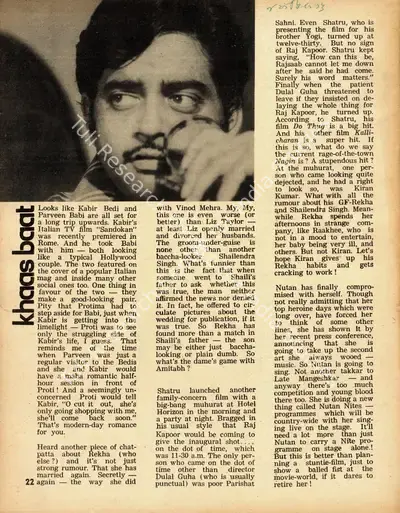
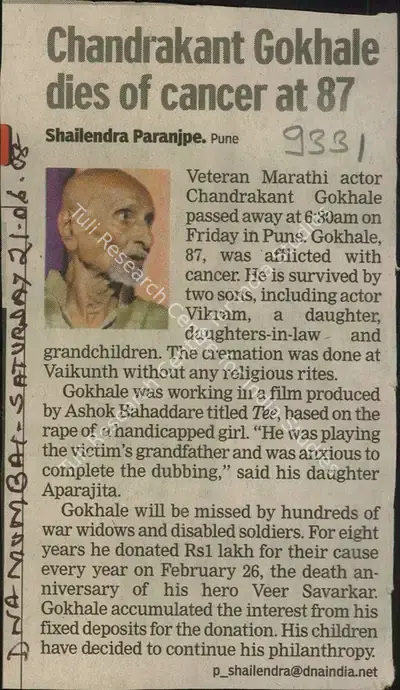
20 of 783


Posts 4
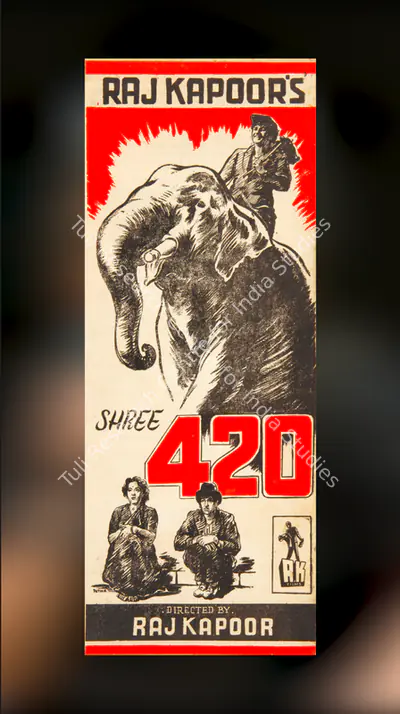
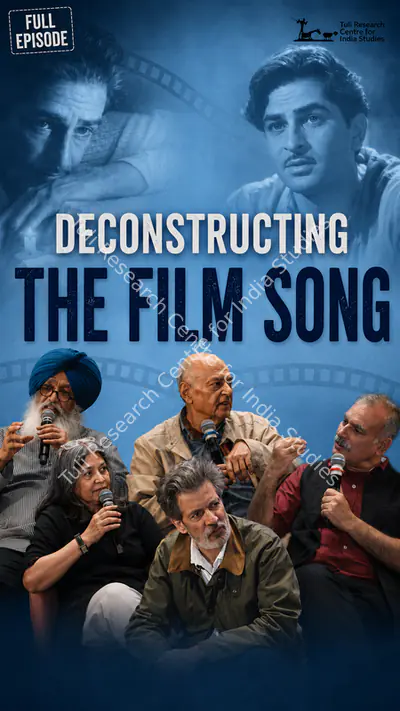
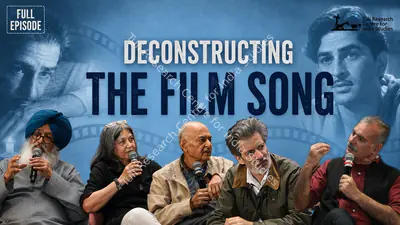
- "Raj Kapoor's tramp, the wide-eyed wanderer in oversized clothes and a battered hat, was one of Hindi cinema's most deliberate creative constructions. Borrowed in spirit from Charlie Chaplin but rooted firmly in the anxieties of post-independence India, the figure carried the dreams and displacements of a nation still finding its footing. "Awara Hoon" from Awara (1951) became the song that gave that figure its voice, and its reach was extraordinary. In this clip, the panel discusses how the film introduced Raj Kapoor to audiences across the erstwhile Soviet Union, China and beyond. Composer-Writer Madan Gopal Singh points to ""Ramaiya Vastavaiya"" from Shree 420 (1955) as a moment of genuine creative risk, where Lata Mangeshkar's voice moves the song from a collective street chorus into something laden with intimate individuality. The panel also deconstructs two more songs from Raj Kapoor's career: "Pyar Hua Ikrar Hua" from Shree 420 (1955) and "Jeena Yahan Marna Yahan" from Mera Naam Joker (1970), examining what makes them endure across generations. In the workshop "A Musical Glue for Nation-Building: Deconstructing the Film Song," organised by the Tuli Research Centre for India Studies (T.R.I.S.), Madan Gopal Singh, Juhi Saklani, Ravikant, and Amit Khanna, in conversation with Neville Tuli, explore the lasting appeal of these songs and what they reveal about India's greatest showman's vision of cinema, emotion, and India itself.
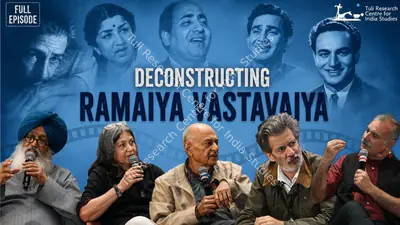
- "Ramaiya Vastavaiya" from Shree 420 (1955) is much more than a folk street song. In this clip, the panel unpacks the layers beneath its apparent simplicity. Writer and Cinephile Juhi Saklani reflects on Shailendra's contribution to the building of the Raj Kapoor persona, noting that his lyrics carry a quality of innocence and moral incorruptibility that is, in its own way, a political stance. To sound that guileless in a world of compromise is itself an act of resistance. Ravikant picks up on a related thread, observing that the image of the worker or peasant singing while working, as in this song, is a recurring and almost static theme in Hindi cinema's representation of labouring life. This clip is from the workshop "A Musical Glue for Nation-Building: Deconstructing the Film Song", presented by the Tuli Research Centre for India Studies (T.R.I.S.) at the 7th Self-Discovery via Rediscovering India Festival, featuring Madan Gopal Singh, Amit Khanna, Ravikant and Juhi Saklani in conversation with Neville Tuli.
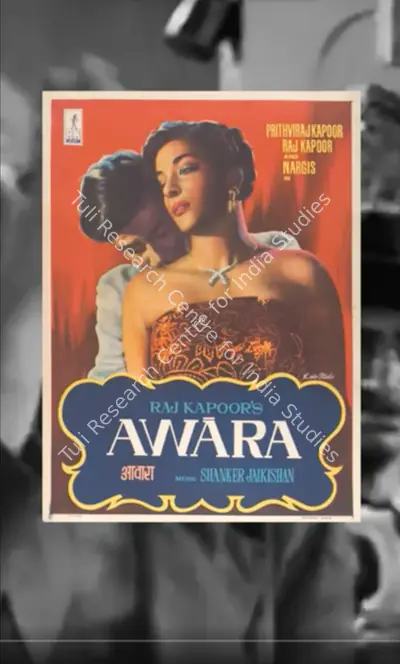
- What exactly is “Awaara Hoon” from Raj Kapoor's Awaara (1951) about? A song that lives inside too many uncertainties keeps asking the question, am I a wanderer, or a star in orbit (Gardish mein hun ya aasman ka taara hoon). There is no home, no belongingness, no clear destiny, only movement, longing, and doubt. It is the sound of a world that's unsure of itself, and still singing joyously. Visually, the influence of Charlie Chaplin is unmistakable. From Raj Kapoor's attire to his tramp's gait, the vagabond persona is shaped by Chaplin's image of the little man buffeted by forces beyond his control. The song turns that figure into a symbol of the post-independence anxiety about entitlement, class, and the future; yet capturing the emotion of being spirited, hopeful, and strangely free. The collaboration of Raj Kapoor, the lyricist Shailendra, composers Shankar–Jaikishan, and singer Mukesh, creates a song that is at once both philosophical and popular. It poses questions about destiny and identity while also reaching millions as an unforgettable film hit. Panelists Amit Khanna, Madan Gopal Singh, Ravikant, Juhi Saklani, and Neville Tuli, examine this iconic song, sung by Mukesh, with lyrics by Shailendra and music by Shankar–Jaikishan in this video from 'A Musical Glue for Nation-Building: Deconstructing the Film Song' session, presented by the Tuli Research Centre for India Studies (T.R.I.S.) at the 7th Self-Discovery via Rediscovering India Festival.
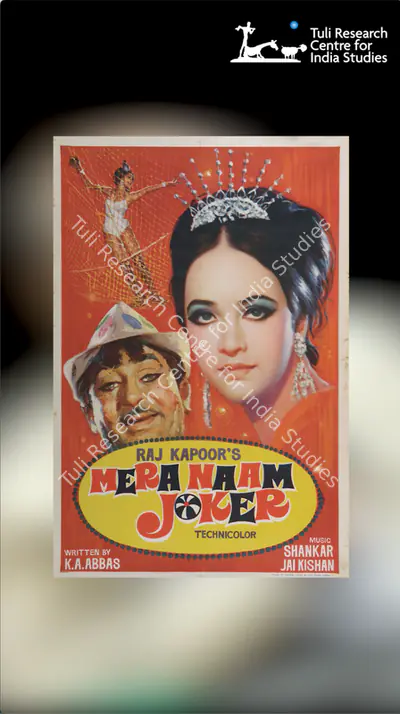
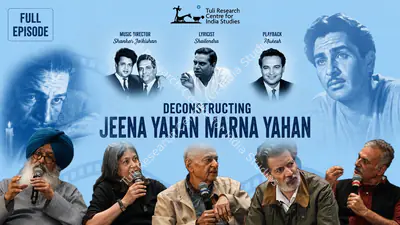
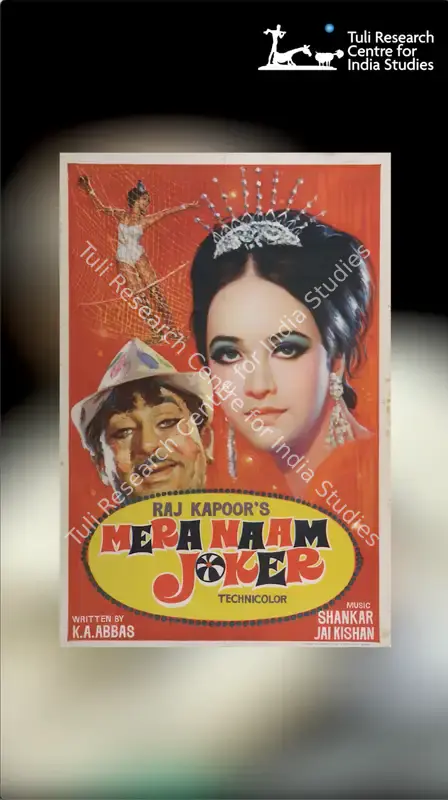
- "Jeena Yahan Marna Yahan" from Mera Naam Joker (1970) was penned by Shailendra, composed by Shankar-Jaikishan, and sung by Mukesh. The song is situated at the philosophical heart of Raj Kapoor's most personal and ambitious film. The film was a commercial disaster on release, and as Neville Tuli notes, both the song and the film found the audiences' acknowledgement only years later. Filmmaker-Lyricist Amit Khanna reveals a lesser-known detail about its making: the song was shot in Delhi at the Gemini Circus, but it had become extremely difficult to gather all the stars, who by that point had become huge in their own careers, at one point of time. The scenes featuring them were shot solo and then later assembled in Bombay to be inserted into the song sequence. Ravikant, Professor, CSDS (The Centre for the Study of Developing Societies), reads the song as both a philosophical and a deeply materialistic reflection on existence. There is a continuity in the persona that may take rebirth, he argues, but it is not the same person who returns. The world itself is one's heaven and hell simultaneously, and that, he suggests, is why we return to this song whenever life demands reflection. This clip is from the workshop "A Musical Glue for Nation-Building: Deconstructing the Film Song," conducted by the Tuli Research Centre for India Studies (T.R.I.S.) at the 7th Self-Discovery via Rediscovering India Festival, featuring Madan Gopal Singh, Amit Khanna, Ravikant, Juhi Saklani, and Neville Tuli.
Calendar 2
- ArchivedOffline-Online EventProject 80A Musical Glue for Nation-BuildingDeconstructing the Film Song23rd July - 22nd August 2026Ketan Anand | Ravikant | Pavan Jha | Madan Gopal Singh | Amit Khanna | Juhi Saklani | Antara Mondal | Shikha Jhingan | Neville TuliA key section of the India Studies framework at The Tuli Research Centre for India Studies (T.R.I.S.) is “Deconstructing the Film Song”. It began with a series of four workshops during our Self-Discovery via Rediscovering India Festival Series that brought together leading scholars & academics, film practitioners & students, along with fans of the Hindi film song. The objective of these workshops was to deconstruct iconic Hindi film songs to examine their formation across music, lyrics, playback, choreography, directorial visualisation, as they fuse into sites where aesthetics, ideology, and performance intersect, so as to help clarify the nature of India and her relationship to the film song. The Hindi Film Song functions as a narrative device, conveying myriad textures of emotion through melody, voice and poetry. As cultural texts that encode memory, desire, and ideology, songs are integral to the circulation and resonance of films in the public realm. Over time they have become autonomous bundles of creative energy - the glue that binds us over time, articulating and perhaps even defining the idea of Indianness. These first Workshops were an attempt to understand the nature and power of this glue, while contemplating the ways to situate it within TRIS' academic framework for Contemporary India Studies.Read More →
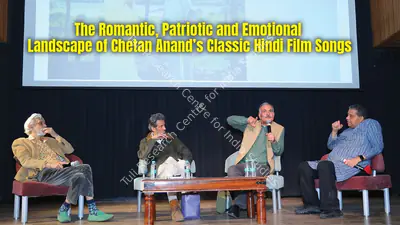
- ArchivedDeconstructing the Hindi Film SongProject 61A Musical Glue for Nation-BuildingFour Classic Songs from the cinema of Raj Kapoor and the genius of Shankar-Jaikishan, Shailendra, Lata Mangeshkar, Mukesh, Manna Dey & Mohammed RafinnAwara Hoon | Awara-1951 nRamaiya Vastavaiya | Shree 420-1955 nPyar Hua Ikrar Hua | Shree 420-1955 nJeena Yahan Marna Yahan | Mera Naam Joker-197017th February 20265:00pmM.L. Bhartia Auditorium, Alliance Francaise de Delhi, 72 K.K. Birla Lane, Lodi Estate, New Delhi, 110005Madan Gopal Singh, Amit Khanna, Ravikant, Juhi Saklani & Neville TuliA key section of the India Studies framework at The Tuli Research Centre for India Studies (T.R.I.S.) is “Deconstructing the Hindi Film Song”. It will begin with a series of four workshops that brings together leading scholars & academics, film practitioners & students, along with fans of the Hindi film song. The objective of these workshops is to deconstruct iconic Hindi film songs to examine their formation across music, lyrics, playback, choreography, directorial visualisation, as they fuse into sites where aesthetics, ideology, and performance intersect. The Hindi Film Song functions as a narrative device, conveying myriad textures of emotion through melody, voice and poetry. As cultural texts that encode memory, desire, and ideology, songs are integral to the circulation and resonance of films in the public realm. Over time they have become autonomous bundles of creative energy - the glue that binds us over time, articulating and perhaps even defining the idea of Indianness. The first Workshops are an attempt to understand the nature and power of this glue, while contemplating the ways to situate it within TRIS' academic framework for Contemporary India Studies.Read More →

Related
41
Films
22
Personalities
19