

Introduction
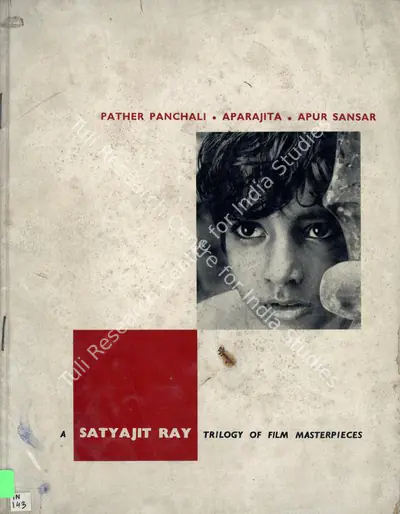
Considered one of the greatest and most influential Indian cinematographers, Subrata Mitra (1930-2001) was known for his collaborations with Satyajit Ray on some of his most celebrated films including the Apu Trilogy (1955-1959).
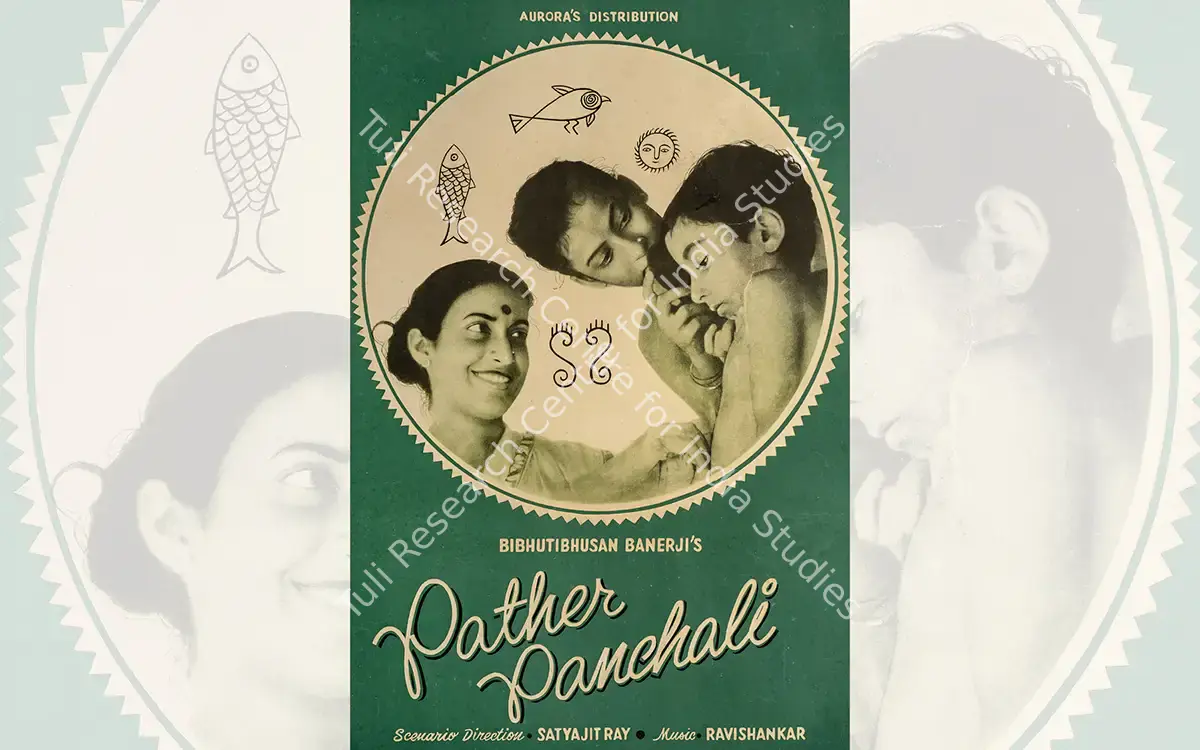
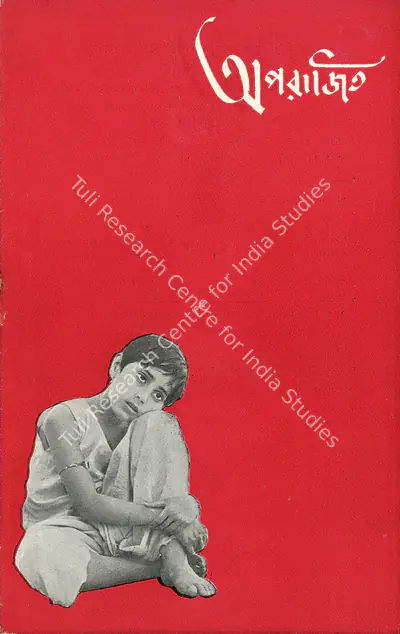
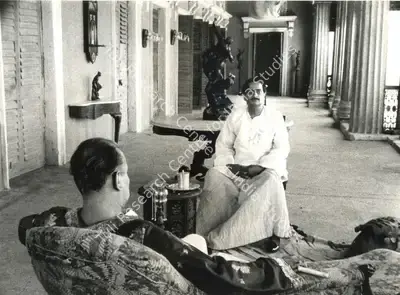
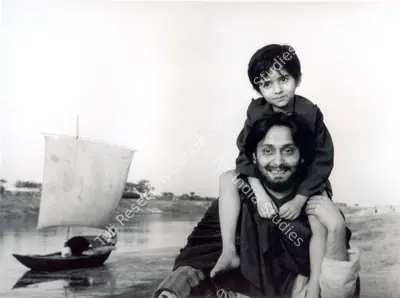
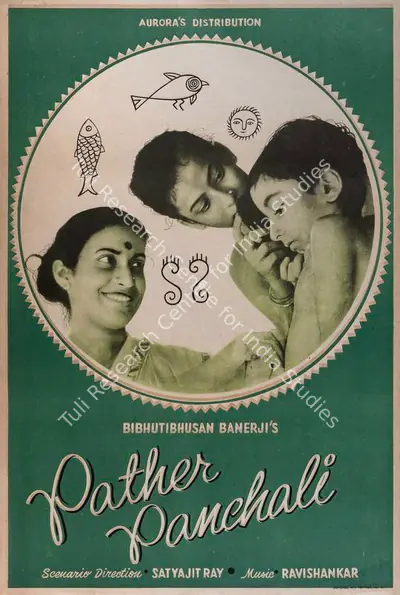
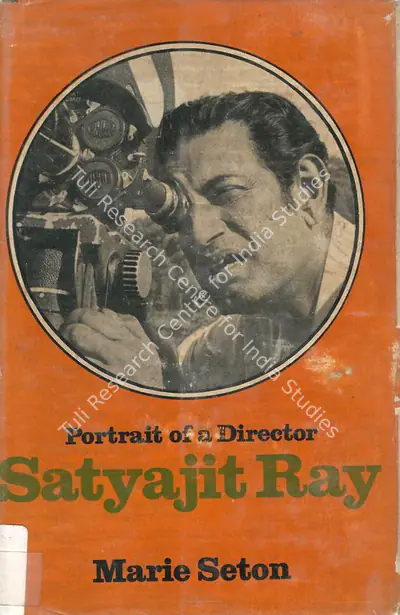
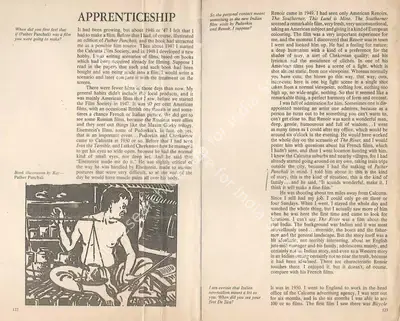
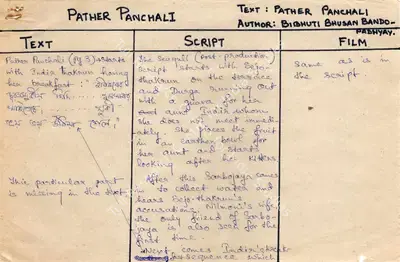
Inspired by the production of Jean Renoir's The River (1951), shot in Calcutta, Mitra decided to join the film industry. Mitra, who was assisting the Indian production unit of the film, met Ray on the set. Following this, Ray went on to assign the role of the cinematographer to Mitra for his debut feature, Pather Panchali (1955). Their creative partnership continued for Ray's next ten features during his early period, including Aparajito (1956), Jalsaghar (1958), Parash Pathar (1958), Apur Sansar (1959), and Devi (1960), Kanchenjungha (1962), Mahanagar (1963), Charulata (1964), and Nayak (1966), that went to define Ray's vision of neo-realist cinema, shaping his distinct auteur style.
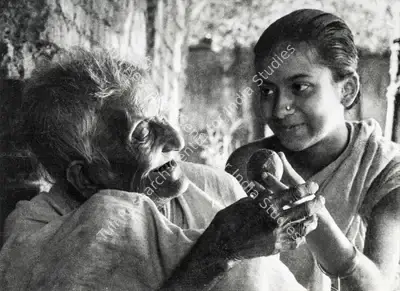
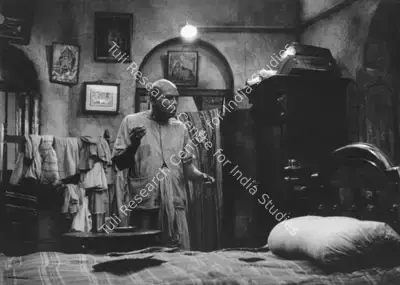
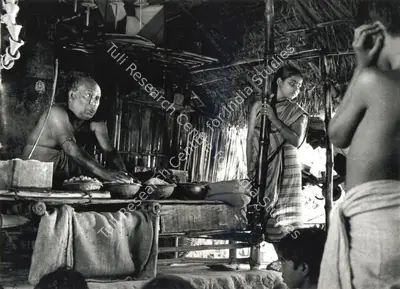
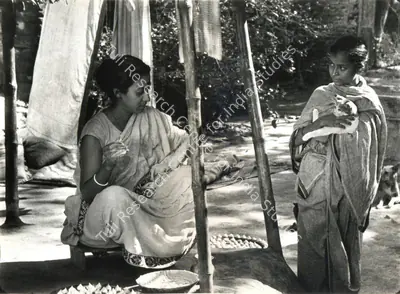
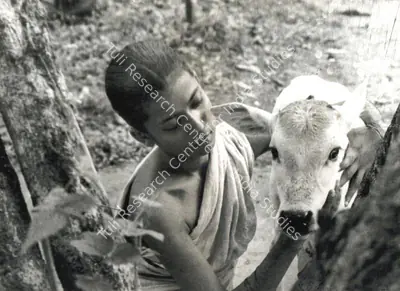
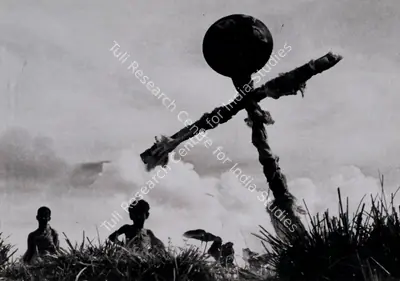
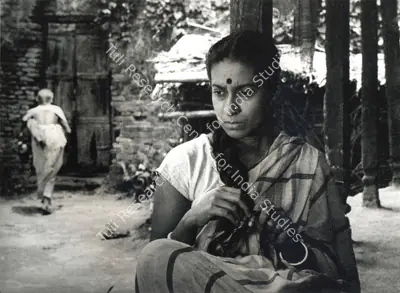
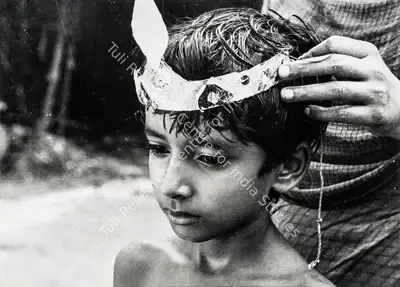
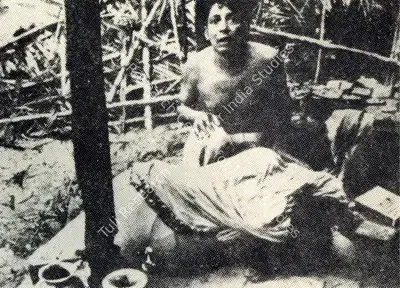
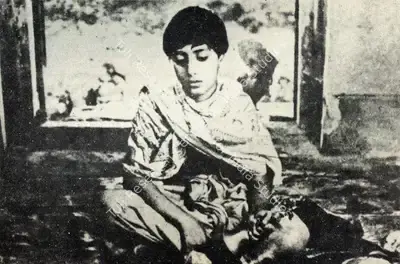
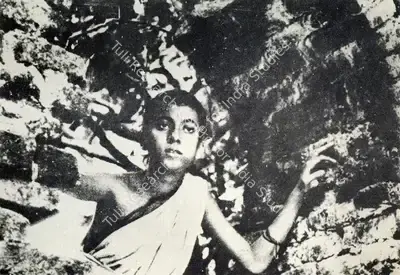
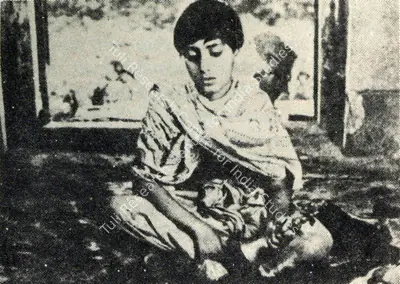
For Pather Panchali, Mitra employed natural light, with location shooting to capture the authentic textures of rural life. For Aparajito, he introduced bounced natural lighting for the interior scenes, using muslin diffusers and reflectors to produce soft illumination that replicated natural indoor lighting, thereby staying true to Ray's vision of atmospheric realism. He also extended his visuals to complement the sound design to blend the ambient soundscape like the rustling of leaves, rain patter and the sounds of everyday rural life, to enhance the visual texture.
In the later part of his career, Mitra also collaborated with Merchant Ivory Productions on films such as Shakespeare Wallah (1965), The Guru (1969) and Bombay Talkie (1970).
By the mid-1980s, Mitra began transitioning from hands-on shooting to mentorship, serving as a frequent visiting lecturer at the Film and Television Institute of India, Pune, teaching his acclaimed techniques of bounced lighting and manipulation of natural light with innovative framing. In the 1990s, he taught at the Satyajit Ray Film and Television Institute, Kolkata, serving as emeritus professor of cinematography from 1997 until his death in 2001. The institute's cinematography department was established under his guidance. He went on to mentor a generation of filmmakers with his unorthodox methods, such as adapting the Zone System to musical notations for precise exposure control.
Filmography 11
Research Centre
Related
15
Films
11
Personalities
3