

Introduction
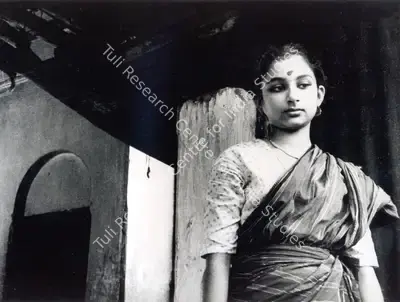
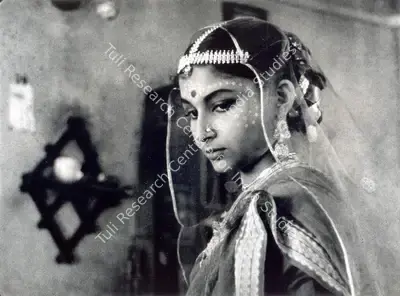
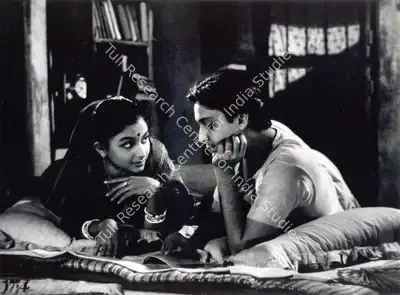
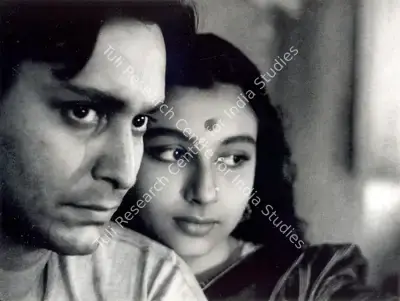
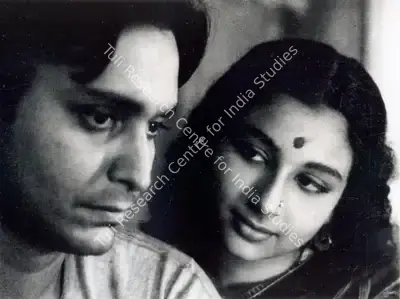
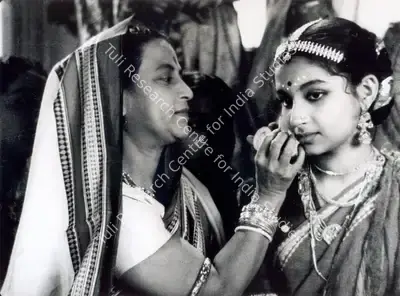
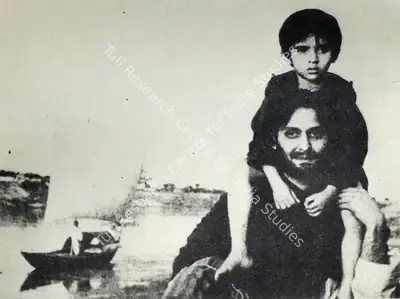
Apur Sansar, the final film in Satyajit Ray's Apu Trilogy, beautifully synthesises the emotional depth of its predecessors, Pather Panchali and Aparajito, elevating their strengths to craft a profound conclusion. Adapted from the last two-thirds of Bibhutibhushan Bandopadhyay's novel Aparajito, it follows Apu's journey into adulthood, portraying the spectrum of human emotions—joy, surprise, grief, and loss. Throughout the trilogy, Apu endures the painful loss of his father, sister, mother, and, ultimately, his wife Aparna (Sharmila Tagore). This film marks Soumitra Chatterjee's spectacular screen debut, cementing his place as a regular in Ray's later films.
Ray sought to move away from the extravagance and tropes of popular Indian cinema, instead embracing a nuanced portrayal of lived experience. Apur Sansar captures this ethos through its intimate depiction of Kolkata through Apu's leaking window and squalid room as the film delves into the city's post-Partition struggles with inflation, unemployment, and the “hollow crown” of Brahminical identity in a rapidly modernising world. Despite his poverty, Apu finds a degree of freedom in the city, unburdened by traditional dictates, though this is tested by Aparna's death.
Ray sought to move away from the extravagance and tropes of popular Indian cinema, instead embracing a nuanced portrayal of lived experience. Apur Sansar captures this ethos through its intimate depiction of Kolkata through Apu's leaking window and squalid room as the film delves into the city's post-Partition struggles with inflation, unemployment, and the “hollow crown” of Brahminical identity in a rapidly modernising world. Despite his poverty, Apu finds a degree of freedom in the city, unburdened by traditional dictates, though this is tested by Aparna's death.
सत्यजित राय की बांग्ला भाषा में निर्मित 'अपु त्रयी' शृंखला में अन्तिम फ़िल्म अपुर संसार, अपनी पूर्ववर्ती पाथेर पांचाली (1955) और अपराजितो (1956) की कलात्मक ऊँचाई के बराबर खड़े होते हुए और उनकी भावनात्मक गहराई का बड़ी खूबसूरती से समाहार करते हुए इस यादगार त्रयी की प्रबुद्ध अंतिम कड़ी बनकर उभरती है। बिभूतिभूषण बंदोपाध्याय के उपन्यास 'अपराजितो' के अंतिम दो-तिहाई हिस्से पर आधारित यह फ़िल्म मुख्य किरदार अपु के वयस्क जीवन की कहानी कहती है। इस कहानी में मानवीय भावनाओं के विविध रंग हैं - खुशी है तो ग़म भी है, आश्चर्य है तो सदमा भी, प्रेम है तो विरह भी। इस त्रयी के समूचे सफ़र में अपु एक-एक कर अपनों का साथ छूटने का ग़म सहता है। पहले बहन, फिर पिता, फिर माँ और सबसे आखिर में अपनी जीवनसाथी अपर्णा (शर्मिला टैगोर) की मृत्यु का मर्मांतक दुख उसे सहना पड़ता है। यह फ़िल्म वयस्क अपु की भूमिका में सौमित्र चटर्जी के अविस्मरणीय स्क्रीन पदार्पण के लिए भी याद रखी जाती है। आगे चलकर सौमित्र चटर्जी सत्यजित राय की फ़िल्मों का नियमित हिस्सा हो गए।
राय लोकप्रिय भारतीय सिनेमा की अतिनाटकीयता और कथायुक्तियों से दूरी बनाना चाहते थे। वे इसके बजाए इंसानी अनुभव के सूक्ष्म संसार को सिनेमा के पर्दे पर ज़िन्दा करना चाहते थे। अपुर संसार अपु के किराये के बदहाल कमरे और टपकती खिड़की के ज़रिए विभाजन के बाद के कोलकाता शहर का एक अंतरंग चित्र पेश करती है। फ़िल्म की नज़र से बँटवारे के बाद ध्वस्त महानगर में बढ़ती मंहगाई, बेरोज़गारी और तेज़ी से आधुनिक होती दुनिया में ब्राह्मण पहचान के “खोखले मुकुट” की असलियत, कुछ भी छिपा नहीं है। गुरबत में होने भी अपु को ये शहर एक हद तक आज़ादी का अहसास देता है जहाँ परम्पराओं की रूढ़ि उस पर हावी नहीं है। हालाँकि अपर्णा की मौत से इसकी परीक्षा होती है।
राय लोकप्रिय भारतीय सिनेमा की अतिनाटकीयता और कथायुक्तियों से दूरी बनाना चाहते थे। वे इसके बजाए इंसानी अनुभव के सूक्ष्म संसार को सिनेमा के पर्दे पर ज़िन्दा करना चाहते थे। अपुर संसार अपु के किराये के बदहाल कमरे और टपकती खिड़की के ज़रिए विभाजन के बाद के कोलकाता शहर का एक अंतरंग चित्र पेश करती है। फ़िल्म की नज़र से बँटवारे के बाद ध्वस्त महानगर में बढ़ती मंहगाई, बेरोज़गारी और तेज़ी से आधुनिक होती दुनिया में ब्राह्मण पहचान के “खोखले मुकुट” की असलियत, कुछ भी छिपा नहीं है। गुरबत में होने भी अपु को ये शहर एक हद तक आज़ादी का अहसास देता है जहाँ परम्पराओं की रूढ़ि उस पर हावी नहीं है। हालाँकि अपर्णा की मौत से इसकी परीक्षा होती है।
1 / 2
Body of Work
15
01 / 15
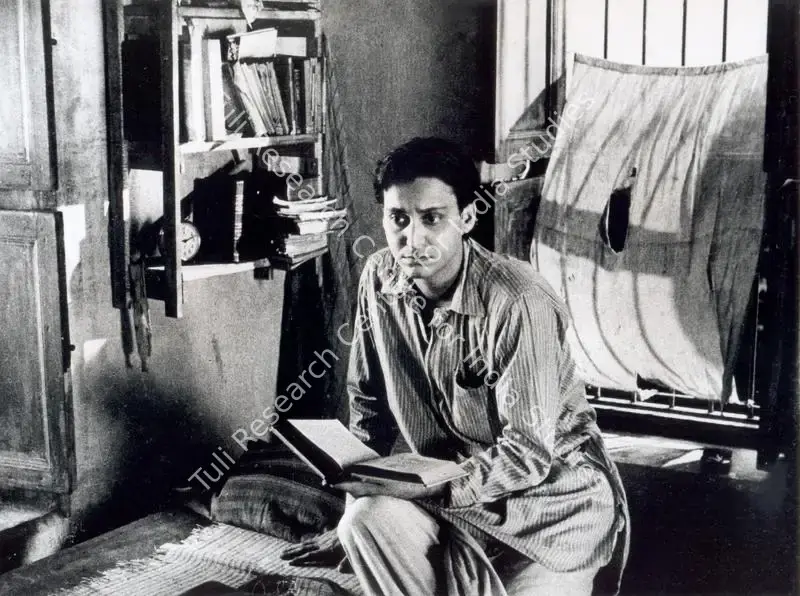
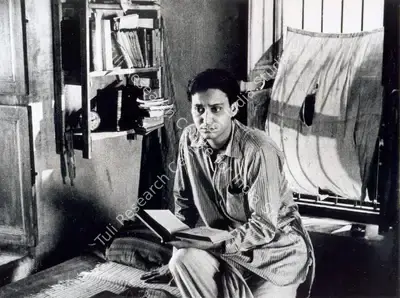
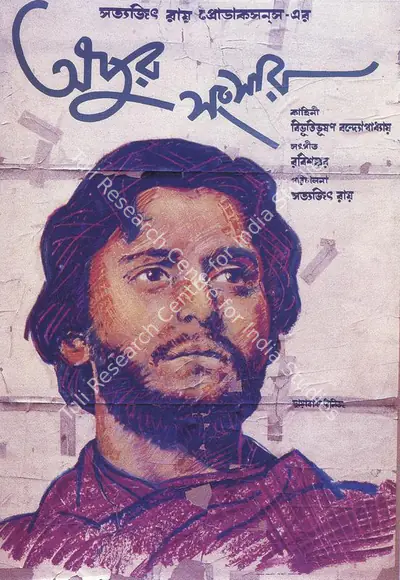
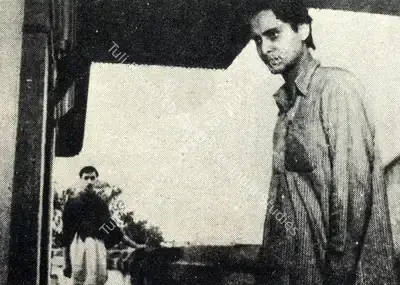
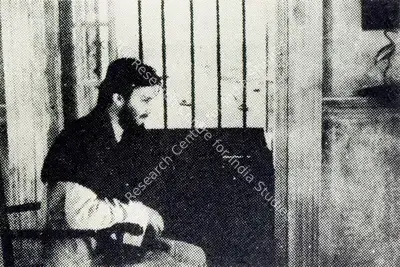
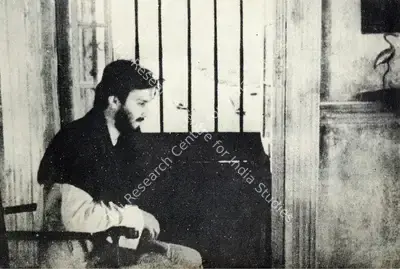
In the final instalment of the trilogy, Apu now no longer holds the world in his hands. He is a young man now. Though still living in poverty, as is evident by the squalor of his tenement on the roof of a building and the gaping hole in the curtain, he is free from the despair of Nishchindipur. He devotes his time to writing his first novel and staving off his landlord. He is content and wanting to savour the small joys of life.
Art Director
Assistant Directors
Banner
Cinematographer
Director
Editing
Lead Cast Rest
Music Director
Poster Designer
Producer
Script Writer
Story Writer
Research Centre
20 of 25
20 of 24