Kanchanjungha1962
Introduction
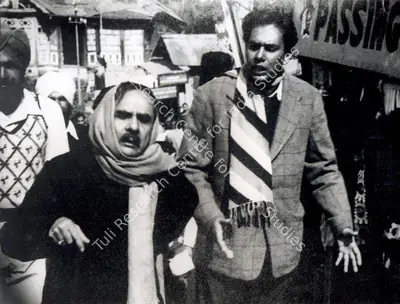
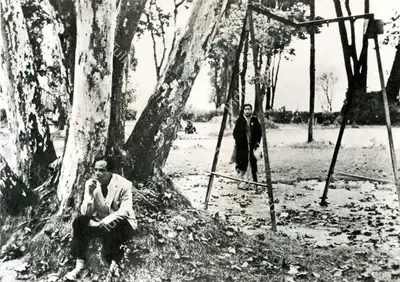
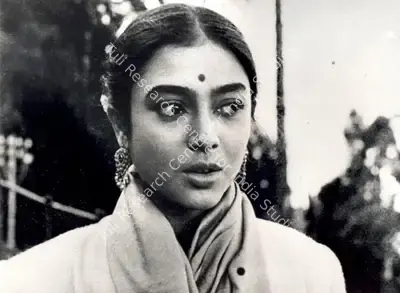
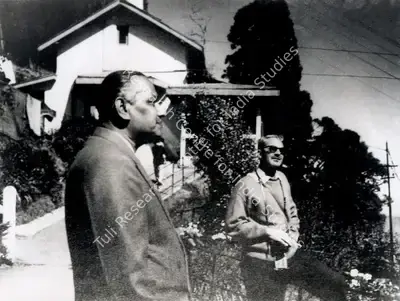
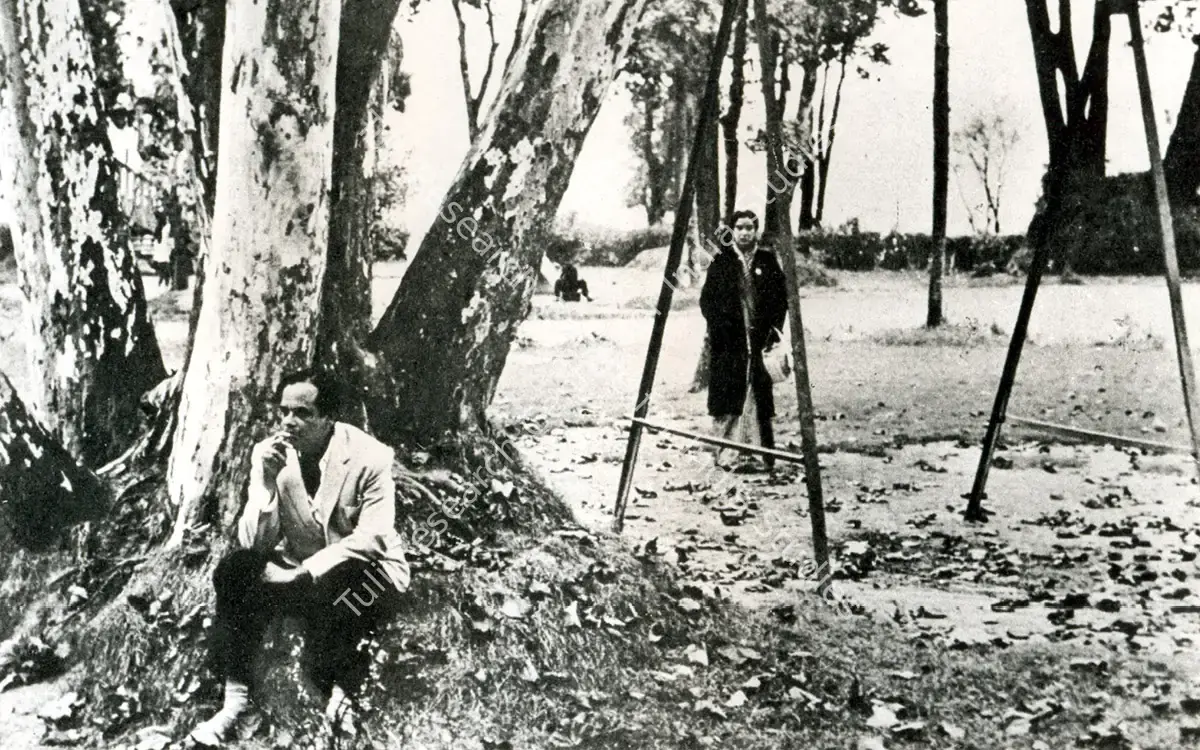
Kanchenjungha (1962) Directed by Satyajit Ray, it is a quietly complex film set in the picturesque hill station of Darjeeling, nestled just below the Himalayas. Over the course of a single afternoon, an upper-class Bengali family nears the end of their vacation, walking through forested paths with the snow-capped Kanchenjunga in view. Ray's first original screenplay and his first film in colour, Kanchenjungha marks a departure from his earlier works, embracing a real-time narrative that spans approximately 100 minutes, where form and content are intricately interwoven.
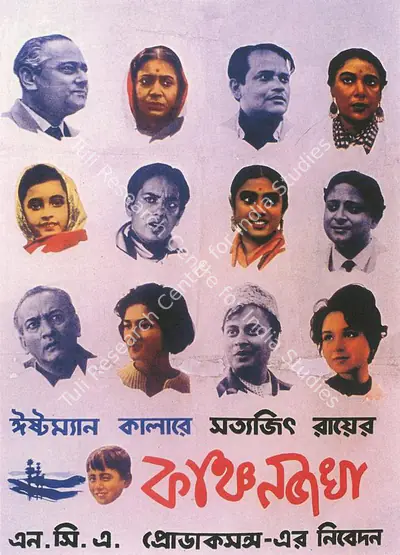
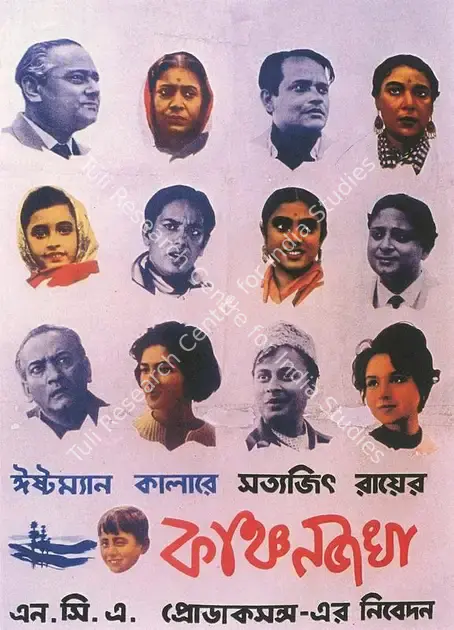
The story revolves around Indranath Choudhuri (Chhabi Biswas), a successful industrialist and dominating patriarch, and his wife Labanya (Karuna Banerjee). With them are their children: Anil (Anil Chatterjee), a young man struggling to find his place in the shadow of his father; Monisha (Alokananda Roy), the quiet and reflective younger daughter facing an arranged marriage; and Anima (Anubha Gupta), the elder daughter, accompanied by her unhappy husband. The narrative gains tension when Ashoke (Arun Mukherjee), a young man from Calcutta, crosses paths with Monisha, sparking a subtle but significant rebellion against the expectations imposed on her. Other characters include Sankar (Subrata Sen), Tuklu (Sibani Singh), Anil's girlfriend (Vidya Singh), Jagadish (Pahari Sanyal), and Bannerjee (N. Viswanathan), each adding texture to the evolving group dynamics.
The film's real-time structure is deceptively simple. While the timeline remains linear, Ray fractures the narrative through frequent inter-cutting between character groups, weaving together multiple threads without a central protagonist. The characters walk through Darjeeling's winding mountain paths, forming and dissolving clusters in a rhythm that mirrors the shifting weather. As mist rolls in and sunlight fades, emotional tensions heighten, confrontations emerge, misunderstandings deepen, and relationships begin to unravel. Yet, as the mist lifts and sunlight returns, clarity sets in, rifts are healed, realisations are made, and the possibility of change surfaces.
Ray masterfully aligns the emotional arc of the film with the natural environment. The evolving weather—beginning with bright sunlight, then turning cloudy and misty, before clearing up again—parallels the characters' inner journeys. “The idea,” Ray told biographer Andrew Robinson, “was to have the film starting with sunlight. Then clouds coming, then mist rising... and then the sun shining on the snow-peaks. There is an independent progression to Nature itself, and the story reflects this.” This delicate interplay between Nature and mood finds a reverse echo in Ray's later film Asani Sanket (Distant Thunder, 1973), where a lush and bountiful landscape contrasts sharply with human suffering during a famine.
Costumes also play a vital role. Since the film unfolds in real time, characters do not change clothes, thus the colours and styles they wear become subtle signifiers of personality, social roles, and emotional states. The film's primary plot threads involve most of the ensemble, who drift through different spatial groupings, while a secondary plot, more static, involves just two characters in a contained emotional exchange. These twin narrative strands evolve in opposite directions: one moves from collective concerns to individual awakening, while the other travels from personal disconnection toward familial reconciliation.
Reflecting on the film in an interview with a magazine, Ray called it “a very personal film,” and admitted it was “a good ten to fifteen years ahead of its time.” Initially misunderstood by audiences and critics alike, the film has since been reassessed for its innovative structure, lyrical pacing, and thematic subtlety. “Looking back now,” Ray later said, “I find that it is a very interesting film.” Indeed, Kanchenjungha stands today not only as a unique entry in Ray's oeuvre but also as a quietly radical experiment in cinematic form and emotional storytelling.
The story revolves around Indranath Choudhuri (Chhabi Biswas), a successful industrialist and dominating patriarch, and his wife Labanya (Karuna Banerjee). With them are their children: Anil (Anil Chatterjee), a young man struggling to find his place in the shadow of his father; Monisha (Alokananda Roy), the quiet and reflective younger daughter facing an arranged marriage; and Anima (Anubha Gupta), the elder daughter, accompanied by her unhappy husband. The narrative gains tension when Ashoke (Arun Mukherjee), a young man from Calcutta, crosses paths with Monisha, sparking a subtle but significant rebellion against the expectations imposed on her. Other characters include Sankar (Subrata Sen), Tuklu (Sibani Singh), Anil's girlfriend (Vidya Singh), Jagadish (Pahari Sanyal), and Bannerjee (N. Viswanathan), each adding texture to the evolving group dynamics.
The film's real-time structure is deceptively simple. While the timeline remains linear, Ray fractures the narrative through frequent inter-cutting between character groups, weaving together multiple threads without a central protagonist. The characters walk through Darjeeling's winding mountain paths, forming and dissolving clusters in a rhythm that mirrors the shifting weather. As mist rolls in and sunlight fades, emotional tensions heighten, confrontations emerge, misunderstandings deepen, and relationships begin to unravel. Yet, as the mist lifts and sunlight returns, clarity sets in, rifts are healed, realisations are made, and the possibility of change surfaces.
Ray masterfully aligns the emotional arc of the film with the natural environment. The evolving weather—beginning with bright sunlight, then turning cloudy and misty, before clearing up again—parallels the characters' inner journeys. “The idea,” Ray told biographer Andrew Robinson, “was to have the film starting with sunlight. Then clouds coming, then mist rising... and then the sun shining on the snow-peaks. There is an independent progression to Nature itself, and the story reflects this.” This delicate interplay between Nature and mood finds a reverse echo in Ray's later film Asani Sanket (Distant Thunder, 1973), where a lush and bountiful landscape contrasts sharply with human suffering during a famine.
Costumes also play a vital role. Since the film unfolds in real time, characters do not change clothes, thus the colours and styles they wear become subtle signifiers of personality, social roles, and emotional states. The film's primary plot threads involve most of the ensemble, who drift through different spatial groupings, while a secondary plot, more static, involves just two characters in a contained emotional exchange. These twin narrative strands evolve in opposite directions: one moves from collective concerns to individual awakening, while the other travels from personal disconnection toward familial reconciliation.
Reflecting on the film in an interview with a magazine, Ray called it “a very personal film,” and admitted it was “a good ten to fifteen years ahead of its time.” Initially misunderstood by audiences and critics alike, the film has since been reassessed for its innovative structure, lyrical pacing, and thematic subtlety. “Looking back now,” Ray later said, “I find that it is a very interesting film.” Indeed, Kanchenjungha stands today not only as a unique entry in Ray's oeuvre but also as a quietly radical experiment in cinematic form and emotional storytelling.
कंचनजंघा (1962) के निर्देशक सत्यजित राय थे। यह एक सधी हुई किंतु जटिल फ़िल्म है, जिसका घटनाक्रम हिमालय की तलहटी में बसे सुरम्य पहाड़ी शहर दार्जिलिंग में घटित होता है। फ़िल्म की पूरी कहानी एक ही दोपहर में घटती है। एक उच्चवर्गीय बंगाली परिवार अपनी छुट्टियों के अन्तिम दिनों को बर्फ़ से ढकी कंचनजंघा की चोटियों को निहारते हुए और हरे-भरे रास्तों पर टहलते हुए व्यतीत कर रहा है। यह फ़िल्म राय की पहली मौलिक पटकथा और पहली रंगीन फ़िल्म भी थी। कंचनजंघा निर्देशक सत्यजित राय की शुरुआती फ़िल्मों से कुछ भिन्न है। यहाँ लगभग सौ मिनट की वास्तविक समय में घट रही कथा रची गई है और इस कथानक में कथ्य और कहन बारीक़ी से एक-दूसरे में गुँथे हैं।
फ़िल्म की कहानी इन्द्रनाथ चौधुरी (छबि बिस्वास) के किरदार के साथ आगे बढ़ती है। चौधुरी एक सफल उद्योगपति और परिवार के सशक्त मुखिया हैं। साथ हैं उनकी पत्नी लावण्या (करुणा बनर्जी) और उनके साथ हैं उनके बच्चे। लड़का अनिल (अनिल चटर्जी) एक ऐसा भ्रमित नौजवान है जो अपने पिता के साये में अपनी पहचान बनाने का संघर्ष कर रहा है। छोटी बेटी मोनिशा (अलोकनंदा राय) शांत और आत्मचेतस स्वभाव की है जो माता-पिता द्वारा निर्धारित किये विवाह से उदास है और बड़ी बेटी अणिमा (अनुभा गुप्ता) अपने असंतुष्ट पति के साथ आई है। कहानी में तनाव वहाँ पैदा होता है जब कलकत्ता का रहनेवाला युवा अशोक (अरुण मुखर्जी) मोनिशा से टकराता है और उसकी जिंदगी में उम्मीदों के नवांकुर खिलने लगते हैं। परिवार की अपेक्षाओं के विरुद्ध एक सूक्ष्म किंतु रेखांकित करने योग्य विद्रोह खड़ा होता है। फ़िल्म के अन्य पात्रों में शंकर के किरदार में सुब्रत सेन, टुकलु के किरदार में शिबानी सिंह, अनिल की प्रेमिका के किरदार में विद्या सिंह, जगदीश की भूमिका में पहाड़ी सान्याल और बनर्जी की भूमिका में एन. विश्वनाथन जैसे कलाकार मौजूद हैं जो निरंतर विकसित होते रिश्तों और सामूहिक गति को नए आयाम देते हैं।
फ़िल्म की वास्तविक समय में घटती कथा-संरचना सतही तौर पर सरल दिखती है लेकिन राय कथानक को बार-बार अलग-अलग समूहों के बीच काटकर फिर साथ बुनते हैं, जिससे कहानी में कोई एक केंद्रीय नायक किरदार नहीं रह जाता। फ़िल्म के किरदार दार्जिलिंग की घुमावदार पहाड़ी पगडंडियों पर चल रहे हैं। उनमें भिन्न समूह बनते और बिखरते हैं और यह लय मौसम के बदलते स्वरूप के साथ भी प्रतिबिंबित होती है। जैसे-जैसे मौसम में धुंध सी छाने लगती है और रोशनी कम होती है, कथानक का भावनात्मक तनाव गहराता है और टकराव उभरते हैं, गलतफहमियाँ बढ़ती हैं और रिश्ते टूटने लगते हैं। लेकिन जब मौसम में धुंध छंटती है और धूप निकल आती है तो रिश्तों के बीच की दरारें भरती हैं, किरदारों का आत्मबोध जागता है और बदलाव की सम्भावना जन्म लेती है।
राय ने फ़िल्म की भावनात्मक गति को प्राकृतिक परिवेश के साथ कुशलता से जोड़ा है। परिवेश का बदलता मौसम जिसमें तेज़ धूप से शुरू होकर वातावरण बादलों और धुंध से गुज़रता हुआ फिर साफ़ आसमान और धूप से चमकती चोटियों की ओर लौटता है, इसके किरदारों की भीतरी यात्राओं का प्रतिबिंब भी है। अपने जीवनी लेखक एंड्रयू रॉबिनसन को राय ने कंचनजंघा के बारे में कहा था, “विचार यह था कि फ़िल्म धूप से शुरू हो। फिर बादल घिर आएँ, फिर धुंध उठे... और अंत में सूरज वापस बर्फ़ीली चोटियों पर चमके। प्रकृति की अपनी स्वतंत्र गति है और फ़िल्म की कहानी उसका प्रतिबिंब है।” यहाँ प्रकृति और किरदारों की मनःस्थिति का सूक्ष्म मेल सत्यजित राय की बाद की फ़िल्म अशनी संकेत (1973) में उलटकर प्रतिध्वनित होता है जहाँ अकाल के समय हरा-भरा परिदृश्य मानवीय पीड़ा के साथ तीव्र विरोधाभास में नज़र आता है।
परिधान भी इस कथानक में महत्वपूर्ण भूमिका निभाते हैं। चूँकि पूरी फ़िल्म वास्तविक समय में घटती है, किरदार अपने वस्त्र नहीं बदलते। इसलिए भी उनके कपड़ों के रंग और उनकी शैली उनके व्यक्तित्व, उनकी सामाजिक भूमिकाओं और भावनात्मक अवस्थाओं के सूक्ष्म संकेतक बन जाते हैं। पटकथा में मौजूद मुख्य कथा में लगभग सभी किरदार शामिल हैं जो अलग-अलग समूहों में बँटते और आपस में मिलते रहते हैं जबकि एक द्वितीयक कथानक जो समांतर चलता है, अपेक्षाकृत स्थिर है। यहाँ सिर्फ़ दो किरदारों के बीच भावनात्मक संवाद चलता है। हम कह सकते हैं कि ये दोनों कथाएँ विपरीत दिशाओं में विकसित होती हैं। इनमें पहली कथा समूहगत चिंताओं से व्यक्तिगत आत्मबोध की ओर जाती है तो दूसरी व्यक्तिगत दूरी से पारिवारिक मिलाप की ओर बढ़ती है।
इस फ़िल्म पर विचार करते हुए सत्यजित राय ने एक पत्रिका को दिए साक्षात्कार में कहा था कि यह उनके लिए “बहुत निजी किस्म की फ़िल्म” है और माना था कि यह “अपने दौर से दस-पंद्रह वर्ष आगे की फ़िल्म” थी। दर्शकों और समीक्षकों ने शुरुआत में कंचनजंघा को पूरी तरह समझा नहीं, लेकिन बाद में इसकी अभिनव संरचना, काव्यात्मक किस्म की गति और विषय की बारीक समझ की सराहना की गई। खुद सत्यजित राय ने बाद में कहा, “अब पीछे मुड़कर देखता हूँ तो पाता हूँ कि यह बहुत रोचक फ़िल्म है।” वास्तव में कंचनजंघा आज केवल राय की कृतियों में एक अनूठी फ़िल्म भर नहीं, बल्कि सिनेमाई कहन और भावनात्मक कथ्य को कहने के लिए किये मौलिक कथा प्रयोग के रूप में खड़ी है।
फ़िल्म की कहानी इन्द्रनाथ चौधुरी (छबि बिस्वास) के किरदार के साथ आगे बढ़ती है। चौधुरी एक सफल उद्योगपति और परिवार के सशक्त मुखिया हैं। साथ हैं उनकी पत्नी लावण्या (करुणा बनर्जी) और उनके साथ हैं उनके बच्चे। लड़का अनिल (अनिल चटर्जी) एक ऐसा भ्रमित नौजवान है जो अपने पिता के साये में अपनी पहचान बनाने का संघर्ष कर रहा है। छोटी बेटी मोनिशा (अलोकनंदा राय) शांत और आत्मचेतस स्वभाव की है जो माता-पिता द्वारा निर्धारित किये विवाह से उदास है और बड़ी बेटी अणिमा (अनुभा गुप्ता) अपने असंतुष्ट पति के साथ आई है। कहानी में तनाव वहाँ पैदा होता है जब कलकत्ता का रहनेवाला युवा अशोक (अरुण मुखर्जी) मोनिशा से टकराता है और उसकी जिंदगी में उम्मीदों के नवांकुर खिलने लगते हैं। परिवार की अपेक्षाओं के विरुद्ध एक सूक्ष्म किंतु रेखांकित करने योग्य विद्रोह खड़ा होता है। फ़िल्म के अन्य पात्रों में शंकर के किरदार में सुब्रत सेन, टुकलु के किरदार में शिबानी सिंह, अनिल की प्रेमिका के किरदार में विद्या सिंह, जगदीश की भूमिका में पहाड़ी सान्याल और बनर्जी की भूमिका में एन. विश्वनाथन जैसे कलाकार मौजूद हैं जो निरंतर विकसित होते रिश्तों और सामूहिक गति को नए आयाम देते हैं।
फ़िल्म की वास्तविक समय में घटती कथा-संरचना सतही तौर पर सरल दिखती है लेकिन राय कथानक को बार-बार अलग-अलग समूहों के बीच काटकर फिर साथ बुनते हैं, जिससे कहानी में कोई एक केंद्रीय नायक किरदार नहीं रह जाता। फ़िल्म के किरदार दार्जिलिंग की घुमावदार पहाड़ी पगडंडियों पर चल रहे हैं। उनमें भिन्न समूह बनते और बिखरते हैं और यह लय मौसम के बदलते स्वरूप के साथ भी प्रतिबिंबित होती है। जैसे-जैसे मौसम में धुंध सी छाने लगती है और रोशनी कम होती है, कथानक का भावनात्मक तनाव गहराता है और टकराव उभरते हैं, गलतफहमियाँ बढ़ती हैं और रिश्ते टूटने लगते हैं। लेकिन जब मौसम में धुंध छंटती है और धूप निकल आती है तो रिश्तों के बीच की दरारें भरती हैं, किरदारों का आत्मबोध जागता है और बदलाव की सम्भावना जन्म लेती है।
राय ने फ़िल्म की भावनात्मक गति को प्राकृतिक परिवेश के साथ कुशलता से जोड़ा है। परिवेश का बदलता मौसम जिसमें तेज़ धूप से शुरू होकर वातावरण बादलों और धुंध से गुज़रता हुआ फिर साफ़ आसमान और धूप से चमकती चोटियों की ओर लौटता है, इसके किरदारों की भीतरी यात्राओं का प्रतिबिंब भी है। अपने जीवनी लेखक एंड्रयू रॉबिनसन को राय ने कंचनजंघा के बारे में कहा था, “विचार यह था कि फ़िल्म धूप से शुरू हो। फिर बादल घिर आएँ, फिर धुंध उठे... और अंत में सूरज वापस बर्फ़ीली चोटियों पर चमके। प्रकृति की अपनी स्वतंत्र गति है और फ़िल्म की कहानी उसका प्रतिबिंब है।” यहाँ प्रकृति और किरदारों की मनःस्थिति का सूक्ष्म मेल सत्यजित राय की बाद की फ़िल्म अशनी संकेत (1973) में उलटकर प्रतिध्वनित होता है जहाँ अकाल के समय हरा-भरा परिदृश्य मानवीय पीड़ा के साथ तीव्र विरोधाभास में नज़र आता है।
परिधान भी इस कथानक में महत्वपूर्ण भूमिका निभाते हैं। चूँकि पूरी फ़िल्म वास्तविक समय में घटती है, किरदार अपने वस्त्र नहीं बदलते। इसलिए भी उनके कपड़ों के रंग और उनकी शैली उनके व्यक्तित्व, उनकी सामाजिक भूमिकाओं और भावनात्मक अवस्थाओं के सूक्ष्म संकेतक बन जाते हैं। पटकथा में मौजूद मुख्य कथा में लगभग सभी किरदार शामिल हैं जो अलग-अलग समूहों में बँटते और आपस में मिलते रहते हैं जबकि एक द्वितीयक कथानक जो समांतर चलता है, अपेक्षाकृत स्थिर है। यहाँ सिर्फ़ दो किरदारों के बीच भावनात्मक संवाद चलता है। हम कह सकते हैं कि ये दोनों कथाएँ विपरीत दिशाओं में विकसित होती हैं। इनमें पहली कथा समूहगत चिंताओं से व्यक्तिगत आत्मबोध की ओर जाती है तो दूसरी व्यक्तिगत दूरी से पारिवारिक मिलाप की ओर बढ़ती है।
इस फ़िल्म पर विचार करते हुए सत्यजित राय ने एक पत्रिका को दिए साक्षात्कार में कहा था कि यह उनके लिए “बहुत निजी किस्म की फ़िल्म” है और माना था कि यह “अपने दौर से दस-पंद्रह वर्ष आगे की फ़िल्म” थी। दर्शकों और समीक्षकों ने शुरुआत में कंचनजंघा को पूरी तरह समझा नहीं, लेकिन बाद में इसकी अभिनव संरचना, काव्यात्मक किस्म की गति और विषय की बारीक समझ की सराहना की गई। खुद सत्यजित राय ने बाद में कहा, “अब पीछे मुड़कर देखता हूँ तो पाता हूँ कि यह बहुत रोचक फ़िल्म है।” वास्तव में कंचनजंघा आज केवल राय की कृतियों में एक अनूठी फ़िल्म भर नहीं, बल्कि सिनेमाई कहन और भावनात्मक कथ्य को कहने के लिए किये मौलिक कथा प्रयोग के रूप में खड़ी है।
1 / 3
Body of Work
4
01 / 04
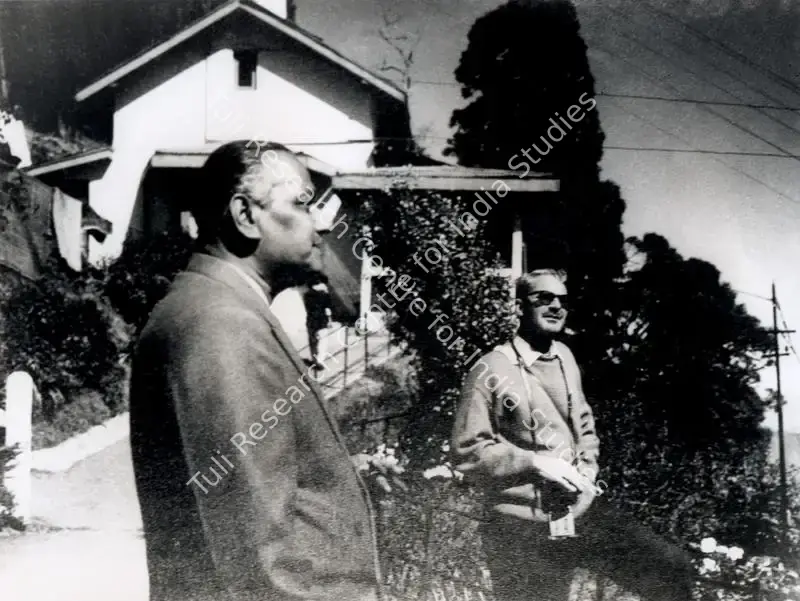
Kanchanjungha is set in the hill station of Darjeeling and focuses on a group of Calcuttans on holiday. The opening scene establishes Rai Bahadur Indranath Roy (played by the legendary Chhabi Biswas) as the patriarch and 'lordship' of the family, a colonial bhadralok in his Western suit, walking stick and fondness for cigars. He converses with a foreigner about the imperious summit of Mt Kanchanjungha - the third highest mountain in the world - which has been concealed in a purdah like an aristocratic woman for the past seventeen days of this trip and eluded a clear sighting. The visual articulation of remoteness between the peak and the characters in the film is the underlying philosphy that explains the relationships bewteen the characters we meet.
Art Director
Banner
Cinematographer
Director
Editing
Lead Cast Rest
Music Director
Producer
Script Writer