
Introduction
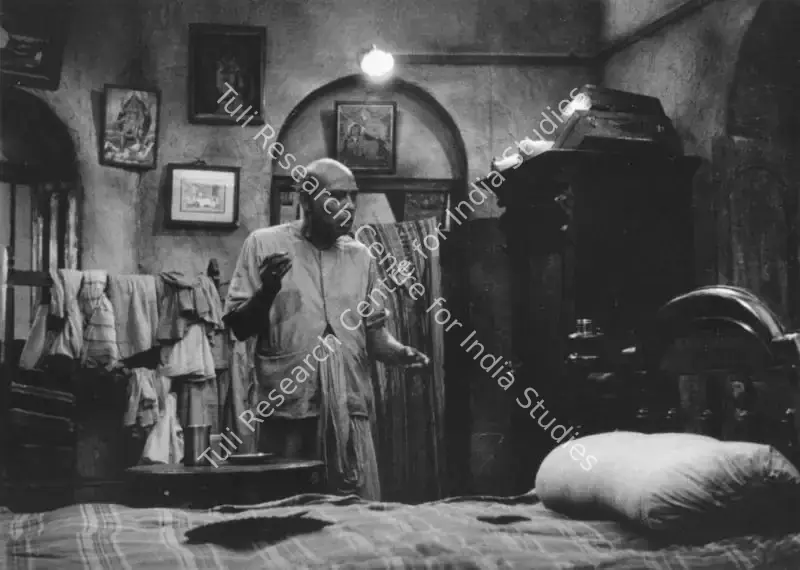
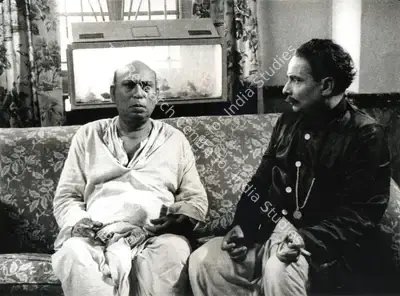
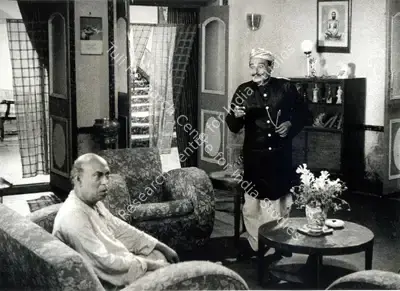
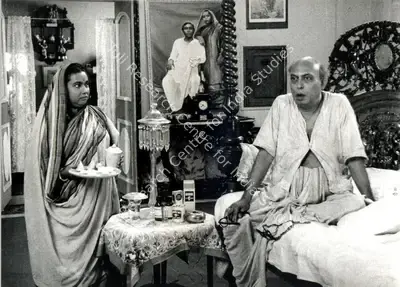
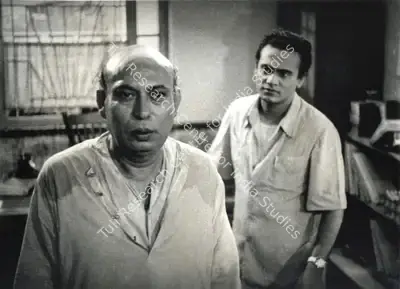
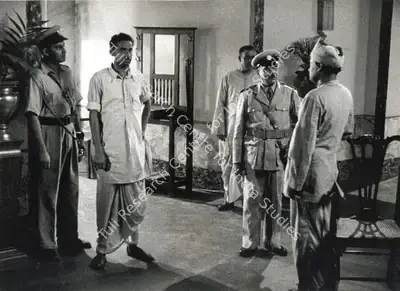
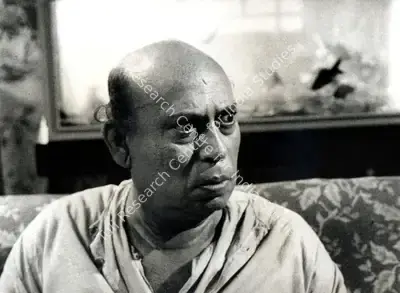
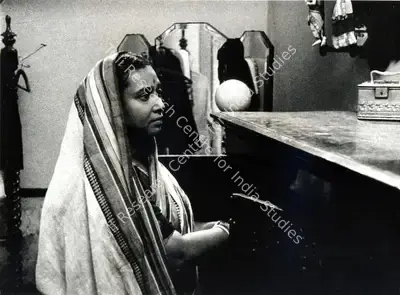
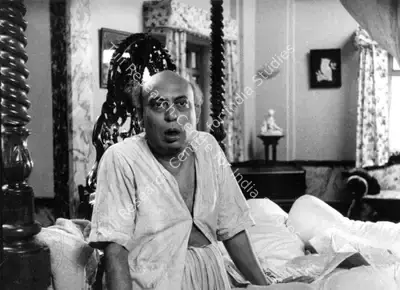
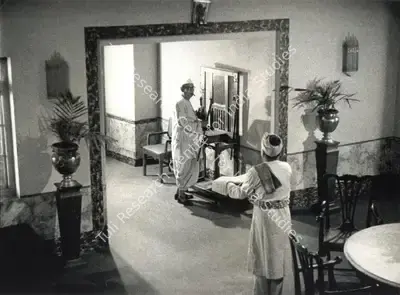
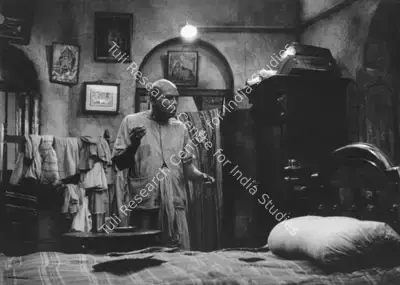
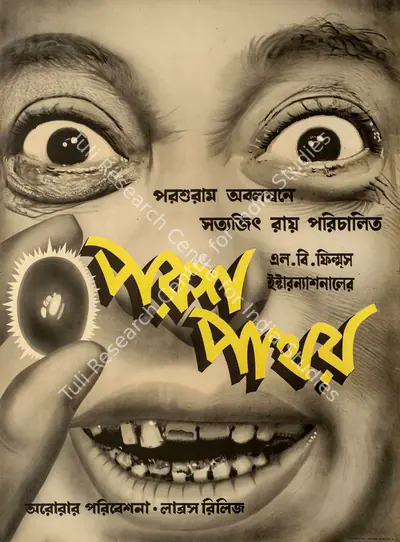
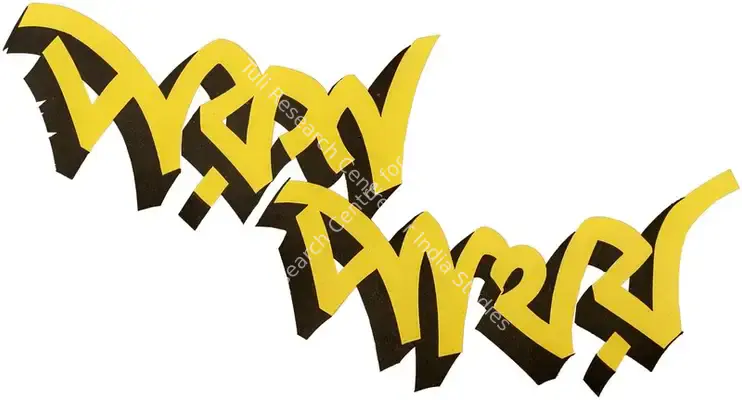
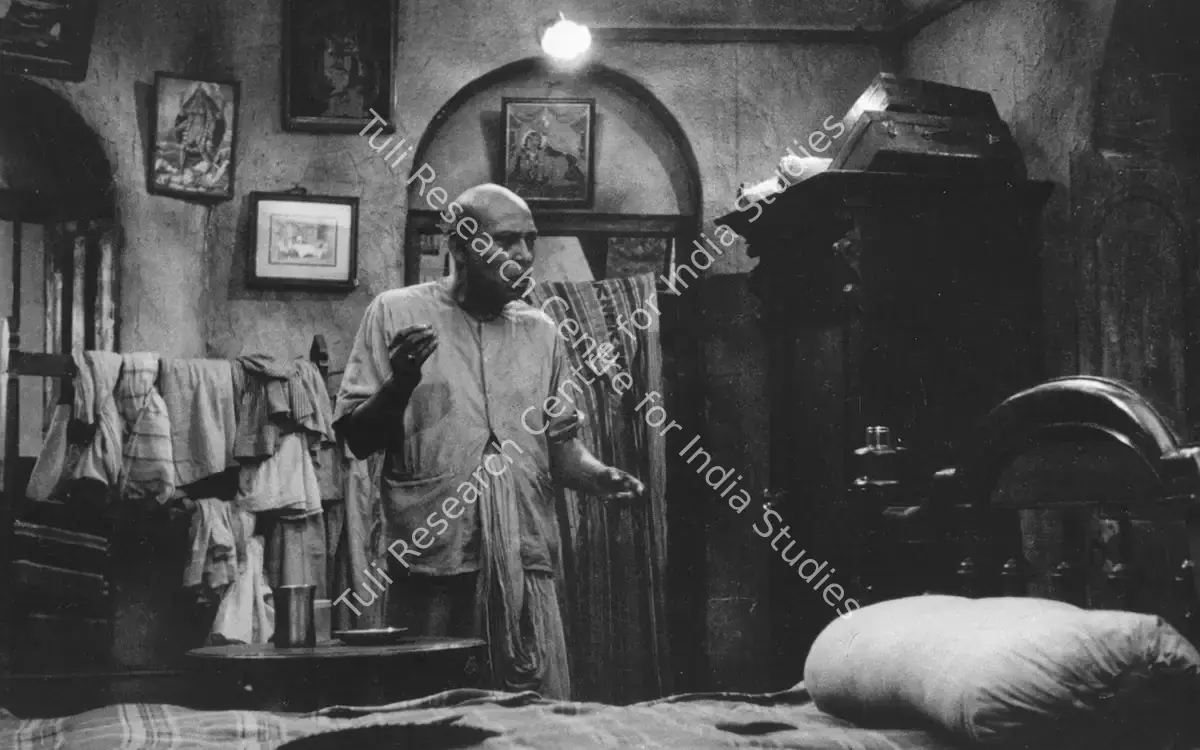
Parash Pathar (The Philosopher's Stone, 1958) stands as a whimsical gem in the oeuvre of Satyajit Ray, marking a significant departure from the austere realism of his celebrated Apu Trilogy. This Bengali-language fantasy-comedy not only heralded Ray's first foray into the genre of magical realism but also unveiled his deft hand at satire and farce. It was the director's maiden attempt at infusing cinema with overt elements of humour and the fantastical, a tonal shift that nonetheless retained the philosophical undercurrents and social observation characteristic of his artistry. The film is adapted from a short story of the same name by Parasuram, the pen name of noted Bengali humourist Rajsekhar Basu. At its heart lies the tale of Paresh Dutta (portrayed with remarkable charm by Tulsi Chakrabarti), a modest, middle-aged clerk whose mundane existence is irrevocably altered when he stumbles upon a mysterious stone—one that has the alchemical power to transmute iron into gold. What follows is a cautionary parable of sudden wealth, spiraling ambition, and the inevitable disillusionment that attends human greed. As the narrative unfolds, the magical stone begins to lose its potency, much like the fleeting nature of material fortune, thereby grounding the fantasy in poignant social commentary. The ensemble cast includes an array of luminous Bengali actors like Ranibala Devi, Kali Banerjee, Jahar Roy, Gangapada Basu, Haridhan Mukherjee, Bireswar Sen, Moni Srimani, Chhabi Biswas and Pahari Sanyal, each contributing to the rich comedic tapestry of the film. Notably, Chhabi Biswas, who would go on to play the protagonist in Ray's subsequent masterpiece Jalsaghar (The Music Room), appears here in a minor role as a cocktail party guest, his first appearance in a Ray film. Technically, the film bears the refined aesthetic hallmark of Ray's cinematic vision. The art direction, helmed by the inimitable Bansi Chandragupta, imbues the mise-en-scène with a surreal charm, while Durgadas Mitra's sound editing deftly enhances the film's whimsical tonality. Intriguingly, Parash Pathar is singular in Ray's filmography for presenting its opening credits not in Bengali, nor in English, but in French, a subtle nod, perhaps, to the burgeoning admiration his work was beginning to garner in France. This has led to the film often being referred to as Parash Pathar (La Pierre Philosophale) in international releases, with some DVD editions bearing both the Bengali and French titles. The film was lauded in critical circles worldwide and was selected for competition at the 1958 Cannes Film Festival, where it vied for the prestigious Palme d'Or. While it may lack the polish of Ray's later works, perhaps owing to the rapid pace at which it was produced, it remains, in the words of biographer Andrew Robinson, “among Ray's finest works…its humour only partly transplants to the West,” a testament to its deeply rooted cultural sensibilities. Ray himself described the film as a “combination of comedy, fantasy, satire, farce, and a touch of pathos”—a succinct yet profound encapsulation of its tonal richness. In 2007, Parash Pathar was preserved by the Academy Film Archive, securing its place in the pantheon of world cinema. Today, it endures not only as a delightful cinematic curiosity but also as an early manifestation of Satyajit Ray's boundless creative versatility, a playful, yet philosophically resonant film that glimmers with both literal and metaphorical gold.
फ़िल्म का कथानक इसी नाम से लिखी गई कथा पर आधारित है जिसके रचनाकार बांग्ला व्यंग्यकार राजशेखर बसु थे जो 'परसुराम' के छद्म नाम से लिखते थे। इस कहानी के केंद्र में है परेश दत्ता का किरदार जिसे अभिनेता तुलसी चक्रवर्ती ने असाधारण आकर्षण के साथ निभाया है। परेश दत्ता एक साधारण से मध्यमवर्गीय क्लर्क हैं जिसकी नीरस जिन्दगी तब अचानक बदल जाती है जब उन्हें एक रहस्यमयी पत्थर मिल जाता है। इस पत्थर में लोहे को सोने में बदलने की अद्भुत रासायनिक शक्ति है। इसके बाद की कथा अचानक आई दौलत, बढ़ती महत्त्वाकाँक्षा और इंसानी लालच से उपजे अनिवार्य मोहभंग की चेतावनी भरी दास्तान बन जाती है। जैसे-जैसे यह कहानी आगे बढ़ती है वह जादुई पत्थर अपनी शक्ति खोने लगता है। ठीक वैसे ही, जैसे भौतिक वस्तुओं की क्षणभंगुरता और इसी के साथ यह कल्पना से रचा कथानक एक गहरी सामाजिक टिप्पणी में बदल जाता है।
इस फ़िल्म में बंगाल के उस दौर के अनेक प्रतिभाशाली अभिनेता शामिल रहे। रणिबाला देवी, काली बनर्जी, ज़हर राय, गंगापद बसु, हरिधन मुखर्जी, बिरेश्वर सेन, मोनी श्रीमानी, छबि बिस्वास और पहाड़ी सन्याल जैसे कलाकार जिन्होंने मिलकर इस फ़िल्म को एक समृद्ध अनुभव में बदल दिया। विशेष रूप से छबि बिस्वास, जिन्हें आगे चलकर राय की उत्कृष्ट कृति जलसाघर में नायक की भूमिका मिली, यहाँ एक मामूली सी दिखती भूमिका में कॉकटेल पार्टी के एक मेहमान के रूप में दिखाई देते हैं। यह उनका सत्यजित राय की फ़िल्मों में पहला पदार्पण था।
तकनीकी दृष्टि से भी यह फ़िल्म राय के सिनेमाई नज़रिये की परिष्कृत सौंदर्यात्मक पहचान को सामने लाती है। बंसी चंद्रगुप्त के अप्रतिम कला-निर्देशन ने फ़िल्म के दृश्य संयोजन में अलौकिक आकर्षण भरा वहीं दुर्गादास मित्र के ध्वनि सम्पादन ने फ़िल्म की चंचल लय को और निखारा। दिलचस्प बात यह है कि पारश पत्थर राय की फ़िल्मोग्राफी में इसलिए भी अनूठी है क्योंकि इसके आरंभिक क्रेडिट्स न तो बांग्ला भाषा में हैं और न ही अंग्रेज़ी में, बल्कि फ़्रेंच में हैं। यह शायद एक सूक्ष्म संकेत भी था फ्रांस में राय के कलाकर्म की बढ़ती प्रशंसा का। यही कारण है कि फ़िल्म को अंतरराष्ट्रीय प्रदर्शन में अक्सर 'ला पिएरे फ़िलोसोफॉले' कहा गया और कुछ डीवीडी संस्करणों में इसके बांग्ला और फ़्रेंच दोनों शीर्षक अंकित रहे।
इस फ़िल्म को विश्वभर के आलोचकों से सराहना मिली और सन् 1958 के कान फ़िल्म फ़ेस्टिवल में इसे प्रतियोगिता खण्ड में चुना गया और वहाँ यह प्रतिष्ठित 'पाल्म द'ओर' पुरस्कार की दावेदार बनी। हालाँकि इसमें राय की बाद की फ़िल्मों वाली चमक और परिष्कार नहीं दिखता, जिसकी एक वजह यह भी हो सकती है कि इसे जल्दीबाज़ी में पूरा किया गया था, फिर भी जीवनीकार एंड्रयू रॉबिनसन के शब्दों में यह “राय की श्रेष्ठ कृतियों में से एक है... इसका व्यंग्य पश्चिम के नज़रिये में आंशिक रूप से ही अनूदित हो पाता है”, और यह इसकी गहरी सांस्कृतिक जड़ों का स्वयं प्रमाण है। खुद निर्देशक राय ने इस फ़िल्म को “कॉमेडी, फैंटेसी, व्यंग्य, प्रहसन और थोड़े से करुण भाव का मेल” कहा था, जो कि इसके स्वर की गहरी विविधता को सटीक तरीके से अभिव्यक्त करता है।
सन् 2007 में पारश पत्थर को एकेडमी फ़िल्म आर्काइव द्वारा संरक्षित फ़िल्म घोषित किया गया और इसे विश्व सिनेमा की धरोहरों में स्थायी स्थान दिया गया। आज यह फ़िल्म देखनेवाले के हृदय में न सिर्फ़ एक मनोहर सिनेमाई जिज्ञासा जगाती है, बल्कि सत्यजित राय के असीम रचनात्मक बहुआयामी व्यक्तित्व का एक परिचय भी देती है। एक चंचलमन, लेकिन दार्शनिक रूप से गहराई लिए फ़िल्म जो अभिधा, लक्षणा और व्यंजना तीनों शब्द शक्तियों में अपने को अभिव्यक्त करती है और तीनों अर्थों में सोने की तरह चमकती है।
Body of Work