TRIS logo image
Search275,000+ actors, artists, objects, artworks, films, exhibitions, archives

EN

EN

English

HI

Hindi

EN

EN

English

HI

Hindi

Tuli Research Centre for India Studies

Tuli Research Centre for India Studies

Vision

Manifesto

Archive & Library

Vanraja Sanctuary & Hospice

Home

Research Categories

Browse All

ICore

1_CinemaEducation_Cinema as a Critical Educational Resource

2_FineArts_Modern and Contemporary Indian Fine Arts

3_Photography_Photography in India

4_PopCulture_The Printed Image, Popular Arts, and Crafts

IIMaterial

5_ArcHeritage_India's Architectural Heritage as Inspiration

6_EconomicsArt_Economics of Art & Cultural Industry

7_Travel_Automobile, Transport and Travel Heritage

8_Uncertainty_Uncertainty

IIICritical

9_SocialDuty_Social Responsibility of the Creative Mind

10_Childhood_The Changing Smile of Childhood & Its Second Coming

11_Sensuality_The Sensual Discipline within Creativity

12_Scholarship_The History & Historiography of Scholarship in the Arts, Humanities, and Social Sciences

IVMeaningful

13_SeekJustice_Seeking Justice and Political Integrity

14_IndoWorld_India and her Relationship with the World

15_SpiritualPoetics_The Religious-Spiritual-Poetic-Philosophical Framework

16_Continuum_The Animal-Human-Nature Continuum

Explore

All

Posts

Masterlists

Calendar

Live | Upcoming

All Events

Timetable

Search275,000+ actors, artists, objects, artworks, films, exhibitions, archives

EN

EN

English

HI

Hindi

Satyajit Ray

Satyajit Ray

Taurusb. 02 May 1921, Calcuttad. 23 Apr 1992

Personality.Filmmaker
On this Page
Introduction
Filmography74
Integrated Timeline67
Economics of Cinema79
Research Centre1,047
All1,047Library173
Archive871
Videos3Highlights12
Posts1
Calendar5
Home/1_CinemaEducation/Personality · Filmmaker/Satyajit Ray
Satyajit Ray — featured artwork

Introduction

Satyajit Ray (2 May 1921 – 23 April 1992) He stands among the most celebrated and influential figures in the history of world cinema. An extraordinary polymath, he excelled not only as a film director but also as a screenwriter, author, lyricist, magazine editor, illustrator, calligrapher, typographer, and music composer. His remarkable versatility and profound artistic vision established him as one of the defining cultural icons of modern India and earned him enduring international recognition. Ray's cinematic masterpieces, including Pather Panchali (1955), Aparajito (1956), Apur Sansar (1959), Jalsaghar (1958), Mahanagar (1963), Charulata (1964), and the Goopy Gyne Bagha Byne trilogy—comprising Goopy Gyne Bagha Byne (1969), Hirak Rajar Deshe (1980), and Goopy Bagha Phire Elo (1992)—transformed Indian cinema by combining aesthetic sophistication with deep humanism.

Ray's creative genius extended well beyond filmmaking. He was a distinguished writer who made significant contributions to Bengali literature, particularly children's fiction. He created two of Bengal's most enduring fictional characters: the detective Pradosh Chandra Mitter, popularly known as Feluda, whose adventures are narrated by his young cousin Topshe, and the eccentric scientist Professor Shonku, whose extraordinary scientific exploits are presented in the form of recovered diary entries. These characters remain immensely popular and have become integral to Bengali literary culture. Ray also authored a celebrated collection of nonsense verse titled Toray Bandha Ghorar Dim, which included a Bengali translation of Lewis Carroll's Jabberwocky. In addition, he adapted humorous tales of Mullah Nasiruddin for Bengali readers. His artistic achievements also encompassed typography and graphic design, as he created several Roman typefaces, including Ray Roman, Ray Bizarre, Daphnis, and Holiday Script, alongside numerous Bengali typefaces designed for Sandesh magazine. Notably, Ray Roman and Ray Bizarre received international recognition by winning a prestigious typeface competition in 1971.

Born in Calcutta into an illustrious Bengali family renowned for its literary and artistic accomplishments, Ray inherited an exceptional cultural legacy. His grandfather, Upendrakishore Ray Chowdhury, was a pioneering writer, illustrator, publisher, philosopher, amateur astronomer, and an influential leader of the Brahmo Samaj. He established the renowned printing press U. Ray and Sons and founded Sandesh, the celebrated Bengali children's magazine. Ray's father, Sukumar Ray, was one of Bengal's greatest writers of nonsense literature, best remembered for his classic work Abol Tabol. His aunt, Shukhalata Rao, was also an accomplished children's author and social reformer. Growing up in such an intellectually vibrant environment, Ray developed an early fascination with printing technology, illustration, and book design through his close association with Sandesh and the family publishing enterprise.

Ray received his early education at Ballygunge Government High School before completing a Bachelor's degree in Economics at Presidency College, Calcutta. During his formative years, he developed a deep appreciation for cinema by watching Hollywood classics featuring Charlie Chaplin, Buster Keaton, Harold Lloyd, and Ernst Lubitsch. Films such as The Thief of Baghdad and Uncle Tom's Cabin left a lasting impression on him, while his growing interest in Western classical music significantly influenced his later work as a composer.

In 1940, Ray enrolled at Visva-Bharati University in Santiniketan, founded by Rabindranath Tagore, to study Fine Arts. His time at Santiniketan profoundly transformed his artistic outlook. Under the guidance of eminent artists Nandalal Bose and Benode Behari Mukherjee, he developed a deep appreciation for Indian and Oriental art traditions. His visits to the cave temples of Ajanta, Ellora, and Elephanta further enriched his understanding of India's artistic heritage. During this period, Ray also immersed himself in film theory through the writings of Paul Rotha, Rudolf Arnheim, and Raymond Spottiswoode, laying the intellectual foundation for his future career in cinema. Although he left Santiniketan before completing his course, the experience permanently shaped his artistic sensibilities.

In 1943, Ray began his professional career as a junior visualiser at the British advertising agency D.J. Keymer, where he acquired expertise in commercial art under the guidance of Annada Munshi. Simultaneously, he worked for Signet Press, enjoying considerable creative freedom in designing book covers and illustrations. Ray quickly established himself as one of India's finest graphic designers and typographers, producing memorable cover designs for works by Jibanananda Das, Bibhutibhushan Bandyopadhyay, Jim Corbett, and Jawaharlal Nehru. While illustrating a children's adaptation of Bibhutibhushan Bandyopadhyay's Pather Panchali, he became deeply inspired by the novel's emotional richness. This encounter ultimately led him to adapt the work into his debut feature film.

Ray's artistic excellence was distinguished by his extraordinary versatility. Beyond directing, he composed original musical scores, wrote screenplays, designed posters, illustrated books, edited magazines, and produced literary works. His meticulous attention to detail and profound understanding of human psychology endowed his characters with exceptional realism and emotional depth. Ray's transition to filmmaking was profoundly influenced by his meeting with French director Jean Renoir during the latter's visit to India for the production of The River. An equally decisive influence came during Ray's visit to London, where he watched Vittorio De Sica's neorealist masterpiece Bicycle Thieves. Inspired by its realism and emotional authenticity, Ray returned to India determined to create films rooted in everyday life. His debut feature, Pather Panchali (1955), won eleven international awards, including the inaugural Best Human Document Award at the 1956 Cannes Film Festival. Together with Aparajito (1956) and Apur Sansar (1959), it formed the internationally acclaimed Apu Trilogy, widely regarded as one of cinema's greatest achievements. Ray subsequently directed thirty-six films, including feature films, documentaries, and short films, while personally overseeing scripting, casting, music composition, editing, title design, and publicity materials.

Although deeply rooted in Bengali society, his films explored universal themes such as family, identity, social change, moral conflict, and human dignity, enabling audiences worldwide to connect with his work.His cinematic style reflected a synthesis of diverse global influences while remaining unmistakably original. Ray acknowledged Jean Renoir and Vittorio De Sica as formative inspirations and admired the craftsmanship of John Ford, Billy Wilder, and Ernst Lubitsch. He held Akira Kurosawa and Ingmar Bergman in the highest regard, while also appreciating the innovations of François Truffaut, Jean-Luc Godard, Michelangelo Antonioni, Stanley Kubrick, and Sergei Eisenstein. Kurosawa famously remarked that not seeing Ray's films was akin to living without seeing the sun or the moon, a tribute that reflects Ray's immense stature within international cinema.

Ray's contributions received unparalleled recognition throughout his lifetime. He won a record thirty-seven National Film Awards, the Dadasaheb Phalke Award, the Ramon Magsaysay Award, France's Ordre des Arts et des Lettres, the Golden Lion at the Venice Film Festival, the Golden Bear at the Berlin International Film Festival, and the Academy Honorary Award in 1992. He was awarded an honorary doctorate by the University of Oxford and received India's highest civilian honour, the Bharat Ratna, shortly before his death. His films continue to be preserved by the Academy Film Archive, ensuring their accessibility for future generations.

In 1992, Ray's health deteriorated due to severe heart complications. Twenty-four days before his death, he accepted the Honorary Academy Award through a video link from his hospital bed, describing it as the greatest achievement of his filmmaking career. He passed away on 23 April 1992 at the age of seventy.

सत्यजीत रे (2 मई 1921 – 23 अप्रैल 1992) विश्व सिनेमा के इतिहास में मशहूर और प्रभावशाली लोगों में से एक हैं। वे एक असाधारण बहुमुखी प्रतिभा वाले व्यक्ति थे। उन्होंने न केवल एक फिल्म निर्देशक के तौर पर, बल्कि पटकथा लेखक, लेखक, गीतकार, पत्रिका संपादक, चित्रकार, सुलेखक (कैलीग्राफ़ी), टाइपोग्राफ़र और संगीतकार के तौर पर भी बेहतरीन काम किया। उनकी अद्भुत बहुमुखी प्रतिभा और गहरी कलात्मक सोच ने उन्हें आधुनिक भारत के प्रमुख सांस्कृतिक नायकों में से एक के रूप में स्थापित किया। उन्हें अंतरराष्ट्रीय स्तर पर स्थायी पहचान दिलाई। सत्यजीत रे की बेहतरीन फ़िल्में जिनमें पाथेर पांचाली (1955), अपराजितो (1956), अपुर संसार (1959), जलसाघर (1958), महानगर (1963), चारुलता (1964) और 'गुपी गायन बाघा बायन' त्रयी (जिसमें 'गुपी गायन बाघा बायन' (1969), 'हीरक राजार देशे' (1980) और 'गुपी बाघा फिरे एलो (' (1992) शामिल हैं) शामिल हैं, जिसने ने कलात्मक सुंदरता और गहरी मानवीय संवेदनाओं का मेल करके भारतीय सिनेमा को बदल दिया।
सत्यजीत रे की मौलिक प्रतिभा सिर्फ़ फ़िल्म बनाने तक ही सीमित नहीं थी। वे एक जाने-माने लेखक थे जिन्होंने बंगाली साहित्य, ख़ासकर बच्चों की कहानियों में अहम योगदान दिया। उन्होंने बंगाल के दो ऐसे काल्पनिक किरदार बनाए जो आज भी बहुत लोकप्रिय हैं, जासूस प्रदोष चंद्र मित्र, जिन्हें 'फेलुदा' के नाम से जाना जाता है और जिनके कारनामों के बारे में उनका छोटा भतीजा 'तोपशे' ने बताया है। वैज्ञानिक प्रोफ़ेसर शोंकू, जिनके अनोखे वैज्ञानिक कारनामों को उनकी मिली हुई डायरी के पन्नों के ज़रिए दिखाया है। ये किरदार आज भी बहुत पसंद किए जाते हैं और बंगाली साहित्य की संस्कृति का अहम हिस्सा बन गए हैं। सत्यजीत रे ने 'तोराय बांधा घोरार डिम' नाम से मज़ेदार कविताओं का एक मशहूर कलेक्शन भी लिखा, जिसमें लुईस कैरोल की 'जैबरवॉकी' का बंगाली अनुवाद भी शामिल था। इसके अलावा, उन्होंने बंगाली पाठकों के लिए मुल्ला नसरुद्दीन की मज़ेदार कहानियों को भी नए रूप में पेश किया। उनकी कलात्मक उपलब्धियों में टाइपोग्राफ़ी और ग्राफ़िक डिज़ाइन भी शामिल थे। उन्होंने कई रोमन टाइपफ़ेस बनाए, जैसे 'रे रोमन', 'रे बिज़ार', 'डैफ़निस' और 'हॉलिडे स्क्रिप्ट', साथ ही 'संदेश' मैगज़ीन के लिए कई बंगाली टाइपफ़ेस भी डिज़ाइन किए। ख़ास बात यह है कि 'रे रोमन' और 'रे बिज़ार' को 1971 में एक प्रतिष्ठित टाइपफ़ेस प्रतियोगिता जीतकर अंतरराष्ट्रीय पहचान मिली।
साहित्य और कला के क्षेत्र में अपनी उपलब्धियों के लिए मशहूर एक प्रतिष्ठित बंगाली परिवार में कलकत्ता में जन्मे सत्यजीत रे को एक शानदार सांस्कृतिक विरासत मिली। उनके दादा, उपेंद्रकिशोर रे चौधरी, एक पमुख लेखक, चित्रकार, प्रकाशक, दार्शनिक, शौक़िया खगोलशास्त्री और ब्रह्म समाज के प्रभावशाली नेता थे। उन्होंने मशहूर प्रिंटिंग प्रेस 'यू. रे एंड संस' की स्थापना की और बच्चों की प्रसिद्ध बंगाली पत्रिका 'संदेश' शुरू की। रे के पिता, सुकुमार राय, बंगाल के 'नॉनसेंस लिटरेचर' (हास्य और मज़ेदार साहित्य) के सबसे महान लेखकों में से एक थे, जिन्हें उनकी क्लासिक रचना 'आबोल-ताबोल' के लिए सबसे ज़्यादा याद किया जाता है। उनकी बुआ, सुखलता राव, भी बच्चों की एक बेहतरीन लेखिका और समाज सुधारक थीं। बौद्धिक रूप से समृद्ध माहौल में पले-बढ़े सत्यजीत रे की 'संदेश' पत्रिका और परिवार के पब्लिशिंग बिज़नेस से क़रीबी जुड़ाव के कारण प्रिंटिंग टेक्नोलॉजी, चित्रकारी और किताब के डिज़ाइन में कम उम्र से ही दिलचस्पी पैदा हो गई थी।
सत्यजीत रे ने अपनी शुरुआती पढ़ाई बालीगंज गवर्नमेंट हाई स्कूल से की और फिर कलकत्ता के प्रेसिडेंसी कॉलेज़ से इकोनॉमिक्स में बैचलर डिग्री पूरी की। अपने शुरुआती दिनों में, चार्ली चैपलिन, बस्टर कीटन, हेरोल्ड लॉयड और अर्न्स्ट लुबिट्श की हॉलीवुड क्लासिक फ़िल्में देखकर उन्हें सिनेमा के प्रति गहरा लगाव हो गया। 'द थीफ़ ऑफ़ बग़दाद' और 'अंकल टॉम्स केबिन' जैसी फ़िल्मों ने उन पर गहरी छाप छोड़ी, जबकि वेस्टर्न क्लासिकल म्यूज़िक में बढ़ती दिलचस्पी ने बाद में एक कंपोज़र के तौर पर उनके काम को काफ़ी प्रभावित किया।
1940 में सत्यजीत रे ने फाइन आर्ट्स की पढ़ाई के लिए शांतिनिकेतन में विश्व-भारती यूनिवर्सिटी में दाख़िला लिया, जिसकी स्थापना रवींद्रनाथ टैगोर ने की थी। शांतिनिकेतन में बिताए समय ने उनके कला के नज़रिए को पूरी तरह बदल दिया। मशहूर कलाकार नंदलाल बोस और बिनोद बिहारी मुखर्जी की देखरेख में, उन्होंने भारतीय और पूर्वी कला परंपराओं की गहरी समझ विकसित की। अजंता, एलोरा और एलिफेंटा की गुफ़ाओ और मंदिरों की यात्राओं ने भारत की कलात्मक विरासत के बारे में उनकी समझ को और बढ़ाया। इस दौरान सत्यजीत रे ने पॉल रोथा, रुडोल्फ अर्नहेम और रेमंड स्पॉटिसवुड की रचनाओं के ज़रिए फ़िल्म थ्योरी को भी गहराई से समझा, जिससे सिनेमा में उनके भविष्य के करियर की बौद्धिक नींव पड़ी। हालाँकि उन्होंने अपना कोर्स पूरा करने से पहले ही शांतिनिकेतन छोड़ दिया था, लेकिन उस अनुभव ने हमेशा के लिए उनकी कलात्मक समझ को आकार दिया।
1943 में, सत्यजीत रे ने ब्रिटिश एडवरटाइज़िंग एजेंसी डी.जे. कीमर में जूनियर विज़ुअलाइज़र के तौर पर अपना प्रोफ़ेशनल करियर शुरू किया, जहाँ उन्होंने अन्नदा मुंशी की देखरेख में कमर्शियल आर्ट में महारत हासिल की। ​​साथ ही, उन्होंने सिगनेट प्रेस के लिए भी काम किया, जहाँ उन्हें किताबों के कवर और इलस्ट्रेशन डिज़ाइन करने में काफ़ी क्रिएटिव आज़ादी मिली। सत्यजीत रे ने जल्द ही भारत के बेहतरीन ग्राफ़िक डिज़ाइनरों और टाइपोग्राफ़रों में से एक के तौर पर अपनी पहचान बना ली। उन्होंने जीवानंद दास, विभूतिभूषण बंद्योपाध्याय, जिम कॉर्बेट और जवाहरलाल नेहरू की रचनाओं के लिए शानदार कवर डिज़ाइन तैयार किए। विभूतिभूषण बंद्योपाध्याय की 'पाथेर पांचाली' के बच्चों के लिए बनाए गए वर्शन के लिए इलस्ट्रेशन बनाते समय, वे उस उपन्यास की भावनात्मक गहराई से बहुत प्रभावित हुए। इसी अनुभव ने उन्हें आगे चलकर इस रचना पर अपनी पहली फ़ीचर फ़िल्म बनाने के लिए प्रेरित किया।
सत्यजीत रे की कलात्मक उत्कृष्टता उनकी असाधारण बहुमुखी प्रतिभा से पहचानी जाती थी। निर्देशन के अलावा, उन्होंने ओरिजिनल म्यूज़िक स्कोर तैयार किए, पटकथाएँ लिखीं, पोस्टर डिज़ाइन किए, किताबों के लिए चित्र बनाए, पत्रिकाओं का संपादन किया और साहित्यिक रचनाएँ भी कीं। बारीकियों पर उनका बहुत ध्यान और मानव मनोविज्ञान की गहरी समझ ने उनके किरदारों को असाधारण यथार्थवाद और भावनात्मक गहराई दी। सत्यजीत रे का फ़िल्म निर्माण की ओर झुकाव फ़्रेंच निर्देशक जीन रेनॉयर के साथ उनकी मुलाक़ात से काफ़ी प्रभावित हुआ। रेनॉयर 'द रिवर' फ़िल्म के निर्माण के सिलसिले में भारत आए थे। एक और अहम प्रभाव तब पड़ा जब सत्यजीत रे लंदन गए और उन्होंने विटोरियो डी सिका की नव-यथार्थवादी (नियो-रियलिस्टिक) मास्टरपीस 'बाइसिकल थीव्स' देखी। इसकी सच्चाई और भावनात्मक प्रमाणिकता से प्रेरित होकर, रे भारत लौटे और रोज़मर्रा की ज़िंदगी से जुड़ी फ़िल्में बनाने का फ़ैसला किया। उनकी पहली फ़िल्म 'पाथेर पांचाली' (1955) ने ग्यारह अंतरराष्ट्रीय पुरस्कार जीते, जिसमें 1956 के कान फ़िल्म फेस्टिवल में पहला 'बेस्ट ह्यूमन डॉक्यूमेंट अवॉर्ड' भी शामिल था। 'अपराजितो' (1956) और 'अपुर संसार' (1959) के साथ मिलकर इसने अंतरराष्ट्रीय स्तर पर सराही गई 'अपु ट्रिलॉजी' बनाई, जिसे सिनेमा की सबसे बड़ी उपलब्धियों में से एक माना जाता है। इसके बाद सत्यजीत रे ने छत्तीस फ़िल्मों का निर्देशन किया, जिनमें फ़ीचर फ़िल्में, डॉक्यूमेंट्री और शॉर्ट फ़िल्में शामिल थीं। साथ ही उन्होंने स्क्रिप्टिंग, कास्टिंग, संगीत रचना, संपादन, टाइटल डिज़ाइन और प्रचार सामग्री की देखरेख भी ख़ुद की।
भले ही उनकी फ़िल्में बंगाली समाज से गहराई से जुड़ी थीं, लेकिन उनमें परिवार, पहचान, सामाजिक बदलाव, नैतिक द्वंद्व और मानवीय गरिमा जैसे सार्वभौमिक विषयों को दिखाया गया, जिससे दुनिया भर के दर्शक उनके काम से जुड़ सके। उनकी फ़िल्मी शैली में दुनिया भर के अलग-अलग प्रभावों का मिश्रण दिखता था, फिर भी वह पूरी तरह से मौलिक थी। सत्यजीत रे ने जीन रेनॉयर और विटोरियो डी सिका को अपनी शुरुआती प्रेरणा माना और जॉन फोर्ड, बिली वाइल्डर और अर्न्स्ट लुबिट्श की कलाकारी की तारीफ़ की। वह अकीरा कुरोसावा और इंगमार बर्गमैन का बहुत सम्मान करते थे, साथ ही फ़्राँस्वा त्रुफ़ो, जीन-ल्यूक गोडार्ड, माइकलएंजेलो एंटोनियोनी, स्टेनली कुब्रिक और सर्गेई आइज़ेंस्टीन के नए प्रयोगों की भी सराहना करते थे। कुरोसावा ने मशहूर बात कही थी कि सत्यजीत रे की फ़िल्में न देखना सूरज या चाँद को देखे बिना जीने जैसा है। यह बात अंतरराष्ट्रीय सिनेमा में सत्यजीत रे के बहुत बड़े क़द को दर्शाती है।
सत्यजीत रे के योगदान को उनके जीवनकाल में अभूतपूर्व पहचान मिली। उन्होंने रिकॉर्ड 37 राष्ट्रीय फ़िल्म पुरस्कार, दादा साहब फाल्के पुरस्कार, रेमन मैग्सेसे पुरस्कार, फ्रांस का 'ऑर्ड्रे डेस आर्ट्स एट डेस लेट्रेस' (Ordre des Arts et des Lettres), वेनिस फ़िल्म फेस्टिवल में 'गोल्डन लायन', बर्लिन इंटरनेशनल फ़िल्म फेस्टिवल में 'गोल्डन बियर' और 1992 में 'अकादमी मानद पुरस्कार' जीता। उन्हें ऑक्सफ़ोर्ड यूनिवर्सिटी से मानद डॉक्टरेट की उपाधि मिली और मृत्यु से कुछ समय पहले भारत के सर्वोच्च नागरिक सम्मान 'भारत रत्न' से सम्मानित किया गया। उनकी फ़िल्मों को 'अकादमी फ़िल्म आर्काइव' द्वारा संरक्षित किया जा रहा है, ताकि आने वाली पीढ़ियों के लिए वे उपलब्ध रह सकें।
1992 में, दिल की गंभीर समस्याओं के कारण सत्यजीत रे की तबीयत बिगड़ गई। अपनी मौत से चौबीस दिन पहले, उन्होंने अस्पताल के बिस्तर से वीडियो लिंक के ज़रिए 'ऑनररी एकेडमी अवॉर्ड' स्वीकार किया और इसे अपने फ़िल्म-निर्माण करियर की सबसे बड़ी उपलब्धि बताया। 23 अप्रैल 1992 को सत्तर साल की उम्र में उनका निधन हो गया।
Date of Birth
02 May 1921
Time of Birth
1900-01-00
Zodiac sign
Taurus
Date of Death
23 Apr 1992
Age
70
Nationality
Indian
Place of Birth
Calcutta
Spouse(s)
Bijoya Ray27 Oct 1917 – 02 Jun 2015
Year Marriage Registered
20 Oct 1948
Children
Sandip Rayb. 20 Oct 1948
Parent(s)
Sukumar Ray
Suprabha Ray
Grandparent(s)
Bidhumukhi Devi
Upendrakishore ray
Ancestor(s)
Dwarkanath Ganguly
Kalinath Ray
Signatures
Signatures
  1. 1929

    1. Ballygunge Government High School Calcutta
  2. 1936

    1. Presidency College Calcutta

      1936 – 1939

  3. 1940

    1. Visva-Bharati University Santiniketan

      1940 – 1942

    1. Indian New Wave Cinema and Parallel CinemaAssociated Institution
    1. FTII PuneAssociated Institution
  1. 1947

    1. Founder Calcutta Film Society CalcuttaAssociated Institution

      1947 – 1992

  2. 1960

    1. Jury Vienna Film FestivalOfficial Position
  3. 1961

    1. International Feature Film Jury Berlin Film FestivalOfficial Position
  4. 1963

    1. Jury 3rd Moscow International Film FestivalOfficial Position
  5. 1965

    1. Jury Chairman for Feature Films 3rd International Film Festival of India New DelhiOfficial Position
  6. 1966

    1. President Sci-Fi Cine Club CalcuttaAssociated Institution
  7. 1968

    1. Jury Film Festival in TunisiaOfficial Position
  8. 1970

    1. Advisor and Founding Member Chitrabani CalcuttaAssociated Institution
  9. 1972

    1. Jury Tehran Film FestivalOfficial Position
  10. 1974

    1. Jury Chairman 5th International Film Festival of India New DelhiOfficial Position

      1974 – 1975

  11. 1977

    1. Jury Chairman 6th International Film Festival of IndiaOfficial Position
  12. 1982

    1. Jury Manila International Film FestivalOfficial Position
    2. Jury Venice Film FestivalOfficial Position

Filmography 74
Pather Panchali, Screenplay Writer, Poster Designer, Director, Dialogue Writer, Publicity Designer, 1955
Pather Panchali | পথের পাঁচালী | Bengali | Screenplay Writer, Poster Designer, Director, Dialogue Writer, Publicity Designer
1955 | Feature | Fiction | Black and White | 119 mins | India
Aparajito, Screenplay Writer, Poster Designer, Producer, Director, Script Writer, 1956
Aparajito | অপরাজিত | Bengali | English | Sanskrit | Screenplay Writer, Poster Designer, Producer, Director, Script Writer
1956 | Feature | Fiction | Black and White | 113 mins | India
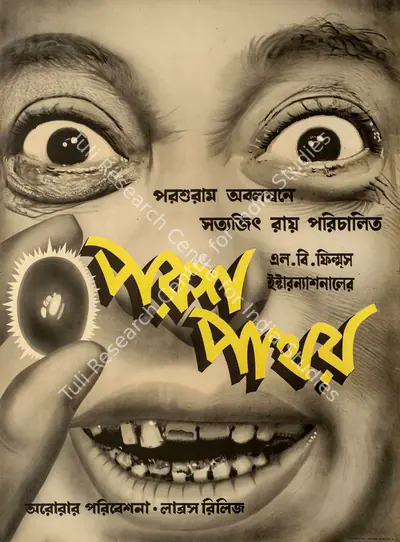
Parash Pathar, Music Director, Director, Script Writer, 1958
Parash Pathar | পরশ পাথর | Bengali | Music Director, Director, Script Writer
1958 | Feature | Fiction | Black and White | 111 mins | India
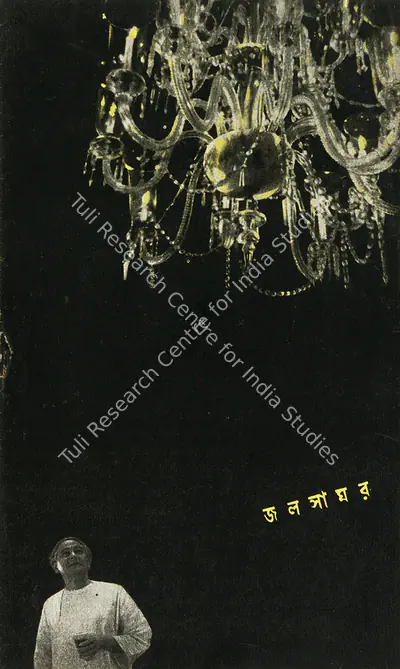
Jalsaghar, Poster Designer, Producer, Director, Script Writer, 1958
Jalsaghar | জলসাঘর | Bengali | Poster Designer, Producer, Director, Script Writer
1958 | Feature | Fiction | Black and White | 100 mins | India
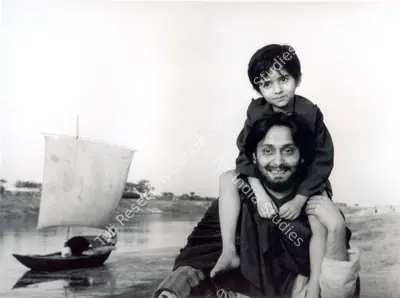
Apur Sansar, Poster Designer, Producer, Director, Script Writer, 1959
Apur Sansar | অপুর সংসার | Bengali | Poster Designer, Producer, Director, Script Writer
1959 | Feature | Fiction | Black and White | 106 mins | India
Devi, Screenplay Writer, Poster Designer, Producer, Director, Script Writer, Publicity Designer, 1960
Devi | দেবী | Bengali | Screenplay Writer, Poster Designer, Producer, Director, Script Writer, Publicity Designer
1960 | Feature | Fiction | Black and White | 99 mins | India
Teen Kanya, Screenplay Writer, Music Director, Producer, Director, Dialogue Writer, Script Writer, 1961
Teen Kanya | তিন কন্যা | Bengali | Screenplay Writer, Music Director, Producer, Director, Dialogue Writer, Script Writer
1961 | Feature | Fiction | Black and White | 56 mins | India
Rabindranath Tagore, Narrator, Director, Script Writer, 1961
Rabindranath Tagore | Bengali | English | Narrator, Director, Script Writer
1961 | Short | Documentary | Black and White | 54 mins | India
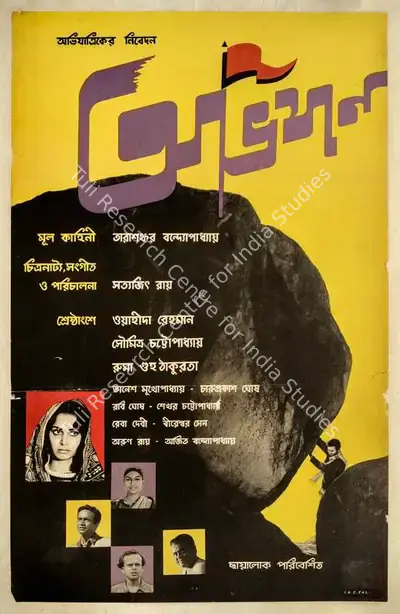
Abhijan, Screenplay Writer, Music Director, Poster Designer, Director, Dialogue Writer, Script Writer, 1962
Abhijan | অভিযান | Bengali | Screenplay Writer, Music Director, Poster Designer, Director, Dialogue Writer, Script Writer
1962 | Feature | Fiction | Black and White | 150 mins | India
Kanchanjungha, Music Director, Producer, Director, Script Writer, 1962
Kanchanjungha | কাঞ্চনজঙ্ঘা | Bengali | Music Director, Producer, Director, Script Writer
1962 | Feature | Fiction | Colour | 120 mins | India
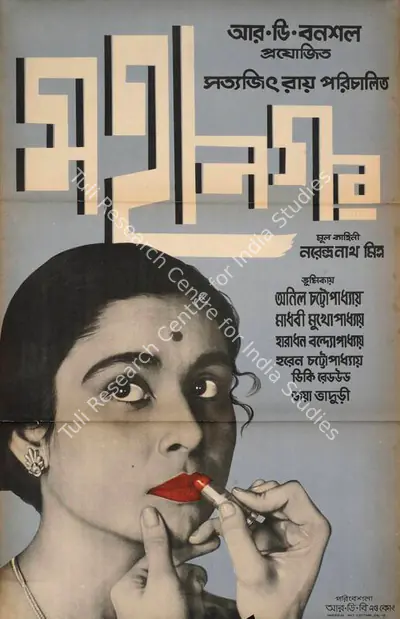
Mahanagar, Screenplay Writer, Music Director, Poster Designer, Director, Dialogue Writer, 1963
Mahanagar | মহানগর | Bengali | Screenplay Writer, Music Director, Poster Designer, Director, Dialogue Writer
1963 | Feature | Fiction | Black and White | 131 mins | India
Charulata, Screenplay Writer, Music Director, Poster Designer, Director, Script Writer, 1964
Charulata | চারুলতা | Bengali | Screenplay Writer, Music Director, Poster Designer, Director, Script Writer
1964 | Feature | Fiction | Black and White | 117 mins | India
Two
1964
Two | Screenplay Writer, Story Writer, Music Director, Director, Dialogue Writer, Script Writer
1964 | Short | Fiction | Black and White | 12 mins | India
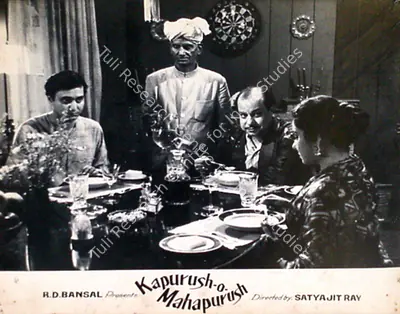
Ka Purush Maha Purush, Screenplay Writer, Music Director, Poster Designer, Director, Dialogue Writer, Script Writer, 1965
Ka Purush Maha Purush | কাপুরুষ | মহাপুরুষ | Bengali | Screenplay Writer, Music Director, Poster Designer, Director, Dialogue Writer, Script Writer
1965 | Feature | Fiction | India
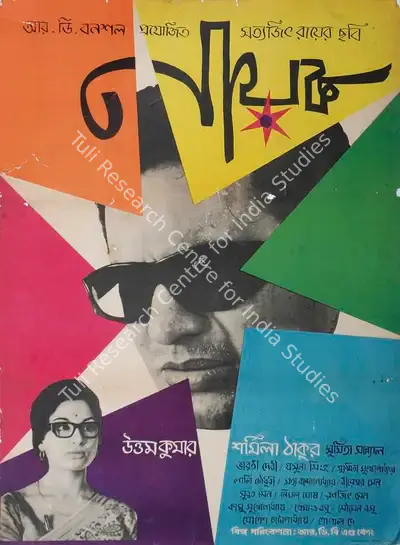
Nayak, Screenplay Writer, Story Writer, Music Director, Poster Designer, Director, Script Writer, 1966
Nayak | নায়ক | Bengali | Screenplay Writer, Story Writer, Music Director, Poster Designer, Director, Script Writer
1966 | Feature | Fiction | Black and White | 120 mins | India
Chidiakhana, Music Director, Poster Designer, Director, Script Writer, 1967
Chidiakhana | চিড়িয়াখানা | Bengali | Music Director, Poster Designer, Director, Script Writer
1967 | Feature | Fiction | Black and White | 125 mins | India
Goopy Gyne Bagha Byne, Screenplay Writer, Music Director, Lyricist, Director, Script Writer, 1969
Goopy Gyne Bagha Byne | গুপী গাইন বাঘা বাইন | Bengali | Screenplay Writer, Music Director, Lyricist, Director, Script Writer
1969 | Feature | Fiction | Black and White | 132 mins | India
Aranyer Din Ratri, Screenplay Writer, Music Director, Poster Designer, Director, Dialogue Writer, Script Writer, 1970
Aranyer Din Ratri | অরণ্যের দিনরাত্রি | Bengali | Screenplay Writer, Music Director, Poster Designer, Director, Dialogue Writer, Script Writer
1970 | Feature | Fiction | Black and White | 115 mins | India
Pratidwandi, Screenplay Writer, Music Director, Poster Designer, Director, Dialogue Writer, Script Writer, 1970
Pratidwandi | প্রতিদ্বন্দ্বী | Bengali | Screenplay Writer, Music Director, Poster Designer, Director, Dialogue Writer, Script Writer
1970 | Feature | Fiction | Black and White | 110 mins | India
Baksa Badal
1970
Baksa Badal | Bengali | Screenplay Writer, Music Director, Dialogue Writer
1970 | Feature | Fiction | Black and White | 106 mins | India
20 of 74

Integrated Timeline

67 entries

Economics of Cinema

  1. 1955

    1. Pather Panchali: Indian PremierePremiere

      Ordinance Club, Calcutta · 1955

    2. Pather Panchali: New York PremierePremiere

      New York · 03 May 1955

  2. 1956

    1. 9th Edinburgh International Film Festival: Pather PanchaliFilm Festival

      Edinburgh · 1956

    2. Rome Film Festival: Pather PanchaliFilm Festival

      Rome · 1956

    3. Manila Film Festival: Pather PanchaliFilm Festival

      Manila · 1956

    4. Pather PanchaliFilm Festival

      Cannes · 1956

  3. 1957

    1. 1st San Francisco International Film Festival: Pather PanchaliFilm Festival

      San Francisco · 1957

    2. Vancouver International Film Festival: Pather PanchaliFilm Festival

      Vancouver International · 1957

    3. 18th Venice International Film Festival: AparajithoFilm Festival

      Venice · 25 Aug 1957

    4. 7th Berlin International Film Festival: Pather PanchaliFilm Festival

      Berlin · 21 Jun 1957

    5. Stratford Film Festival: Pather PanchaliFilm Festival

      Stratford · 1957

  4. 1958

    1. USA Film Festival: AparajithoFilm Festival

      USA · 1958

    2. Cannes Film Festival: Parash PatharFilm Festival

      Cannes, Uruguay · 02 May 1958

    3. 2nd San Francisco International Film Festival: AparajithoFilm Festival

      San Francisco · 1958

  5. 1959

    1. Pather Panchali: New York PremierePremiere

      New York · 01 May 1959

    2. 1st Moscow International Film Festival: JalsagarFilm Festival

      Moscow · 03 Aug 1959

    3. New York Film Festival: Pather PanchaliFilm Festival

      New York · 1959

  6. 1960

    1. 10th Berlin International Film Festival: AparajithoFilm Festival

      Berlin · 24 Jun 1960

    2. 7th BFI London Film Festival: Apur SansarFilm Festival

      British Film Institute · 1960

    3. Jalsaghar, Devi: United States Premiere, Homage to Satyajit RayPremiere

      University fo California, Berkely · 1960

20 of 79
  1. 1956

    1. OCIC Catholic AwardInternational

      International Catholic Organization for Cinema and Audiovisual

    2. Golden CarbaoInternational

      Manila Film Festival

    3. Golden Gate AwardInternational

      Best Film · 1st San Francisco International Film Festival

    4. Vatican AwardInternational

      Rome Film Festival

    5. Diploma Of MeritInternational

      9th Edinburgh International Film Festival

    6. Golden Gate AwardInternational

      Best Direction · 1st San Francisco International Film Festival

    7. Palme d'Or, NominatedInternational

      9th Cannes Film Festival

    8. Best Human DocumentInternational

      9th Cannes Film Festival

  2. 1957

    1. Golden LionInternational

      Best Film · 18th Venice Film Festival

    2. Cinema Nuovo AwardInternational

      18th Venice Film Festival

    3. FIPRESCI Critics AwardInternational

      Best Film · FIPRESCI | 18th Venice Film Festival

    4. FIPRESCI Critics AwardInternational

      Best Film · FIPRESCI | BFI London Film Festival

    5. Selznick Golden LaurelInternational

      Best Film · 7th Berlin International Film Festival

  3. 1958

    1. International Critic' AwardInternational

      Best Film · 2nd San Francisco International Film Festival

    2. Padma Shri

      Government of India

    3. Golden Gate AwardInternational

      Best Film · 2nd San Francisco International Film Festival

    4. Golden Gate AwardInternational

      Best Direction · 2nd San Francisco International Film Festival

    5. Palme d'OrInternational

      Best Film · 11th Cannes Film Festival

    6. Best Film AwardInternational

      Best Film · Vancouver International Film Festival

    7. 11th British Academy Film AwardsInternational

      Best Film from Any Source · British Academy of Film and Television Arts

20 of 180

Research Centre
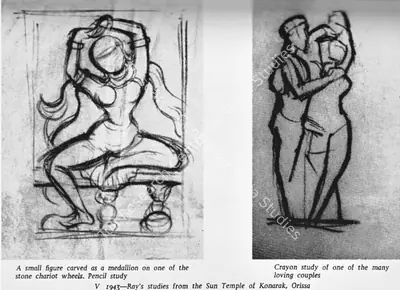
Satyajit Ray (Artist), Satyajit Ray's sketch of the 'Tribhanga' Pose of Indian sculpture from his Tour of India, 1940, Drawing
Ray, Satyajit (Artist). Satyajit Ray's sketch of the 'Tribhanga' Pose of Indian sculpture from his Tour of India, 1940 | Drawing
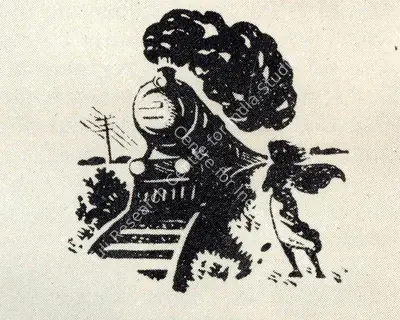
Satyajit Ray (Artist), Woodcut Illustration for an abridged edition of the novel Pather Panchali by Ray, 1944, Graphic Art
Ray, Satyajit (Artist). Woodcut Illustration for an abridged edition of the novel Pather Panchali by Ray, 1944 | Graphic Art
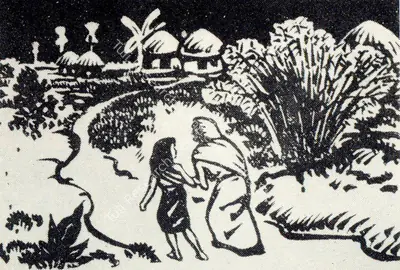
Satyajit Ray (Artist), Woodcut Illustration for an abridged edition of the novel Pather Panchali by Ray, 1944, Graphic Art
Ray, Satyajit (Artist). Woodcut Illustration for an abridged edition of the novel Pather Panchali by Ray, 1944 | Graphic Art
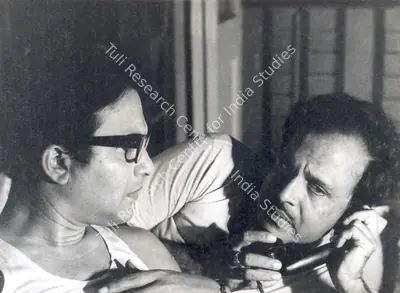
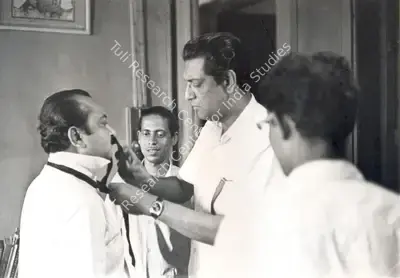
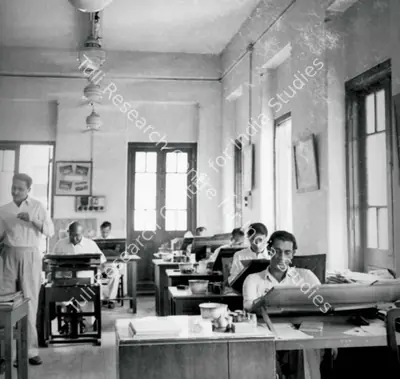
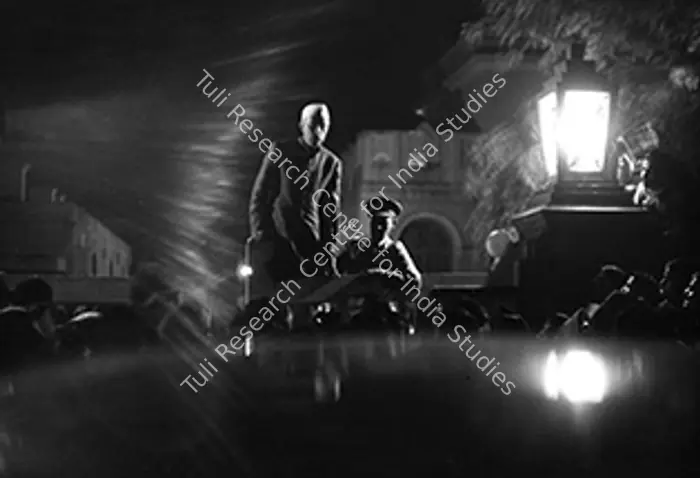
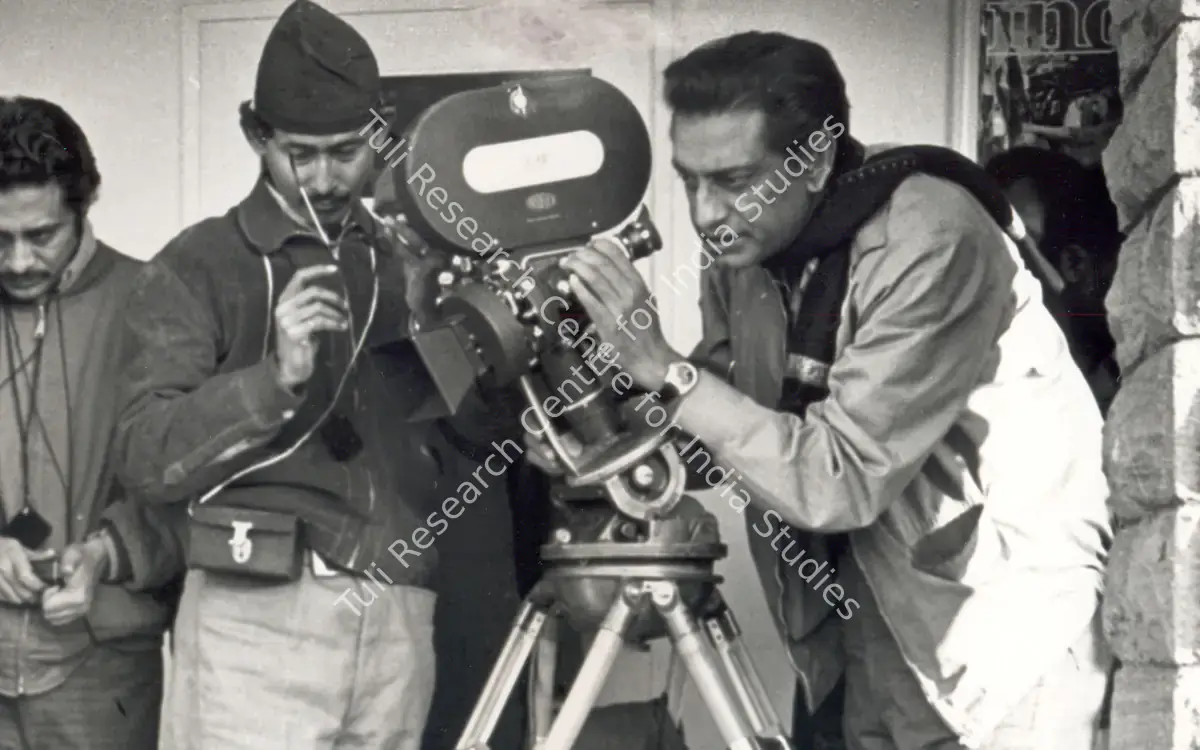
Unknown (Photographer), Ray at work in D. J. Keymer, 1945, Contemporary Photograph
Unknown (Photographer). Ray at work in D. J. Keymer, c.1945 | Contemporary Photograph
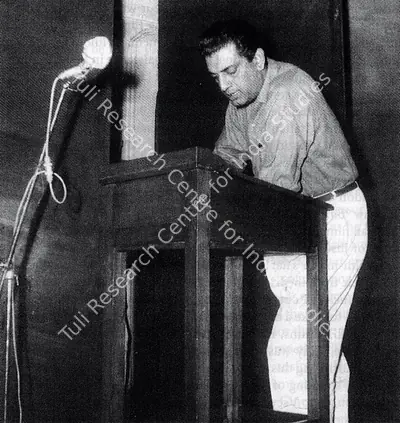
Unknown (Photographer), Ray at the inauguration of Calcutta Film Society, 1947, Contemporary Photograph
Unknown (Photographer). Ray at the inauguration of Calcutta Film Society, 1947 | Contemporary Photograph
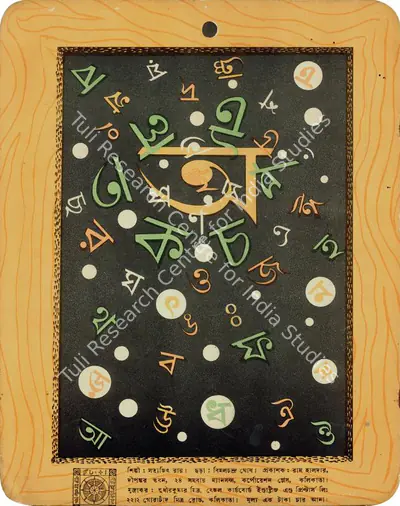
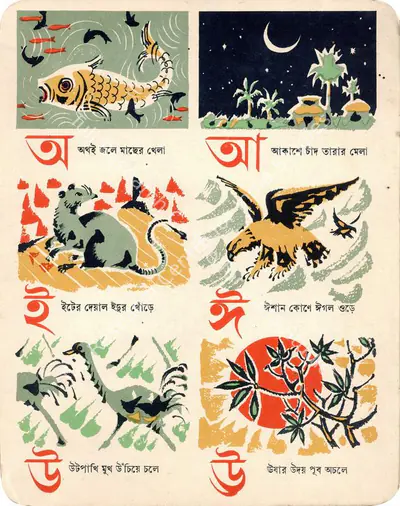
Satyajit Ray (Artist), Ray's cover design for the alphabet book, Hatekhadi made in 1948, 1948, Graphic Art
Ray, Satyajit (Artist). Ray's cover design for the alphabet book, Hatekhadi made in 1948, 1948 | Graphic Art
Satyajit Ray (Artist), Ray's cover design for the alphabet book, Hatekhadi made in 1948, 1948, Graphic Art
Ray, Satyajit (Artist). Ray's cover design for the alphabet book, Hatekhadi made in 1948, 1948 | Graphic Art
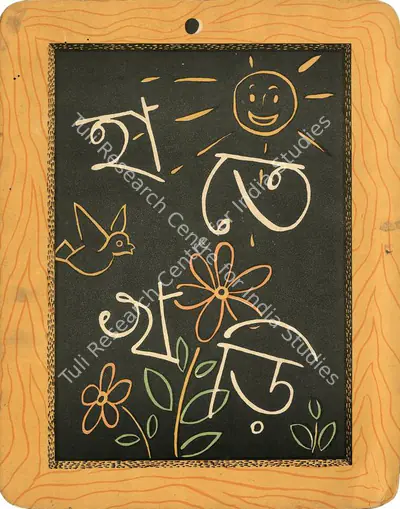
Satyajit Ray (Artist), Ray's illustrations for the alphabet book, Hatekhadi made in 1948, 1948, Graphic Art
Ray, Satyajit (Artist). Ray's illustrations for the alphabet book, Hatekhadi made in 1948, 1948 | Graphic Art
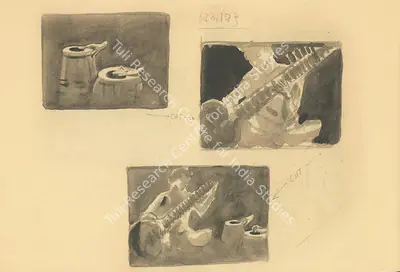
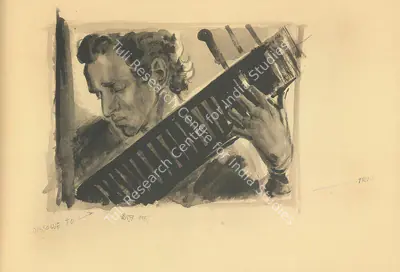
Satyajit Ray (Artist), Storyboard for the film Ray intended to make on Sitar Maestro Ravi Shankar, 1951, Drawing
Ray, Satyajit (Artist). Storyboard for the film Ray intended to make on Sitar Maestro Ravi Shankar, 1951 | Drawing
Satyajit Ray (Artist), Storyboard for the film Ray intended to make on Sitar Maestro Ravi Shankar, 1951, Drawing
Ray, Satyajit (Artist). Storyboard for the film Ray intended to make on Sitar Maestro Ravi Shankar, 1951 | Drawing
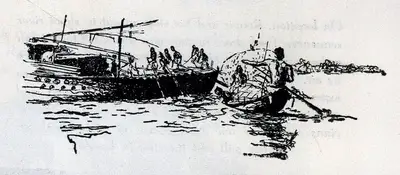
Satyajit Ray (Artist), Sketch for Renoir's The River, 1951, Drawing
Ray, Satyajit (Artist). Sketch for Renoir's The River, 1951 | Drawing
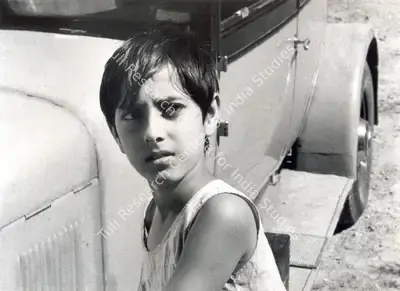
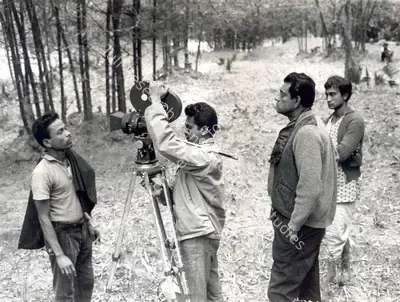
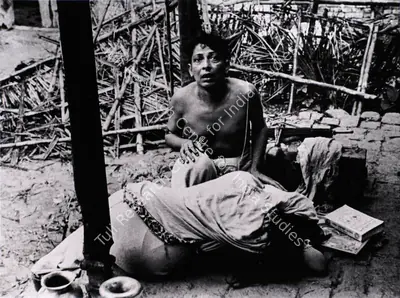
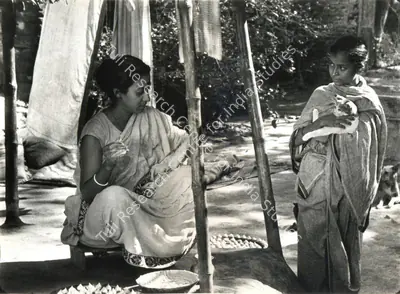
Subrata Mitra (Cinematographer), Pather Panchali, 1955, Photographic Still
Mitra, Subrata (Cinematographer), Pather Panchali, 1955 | Photographic Still
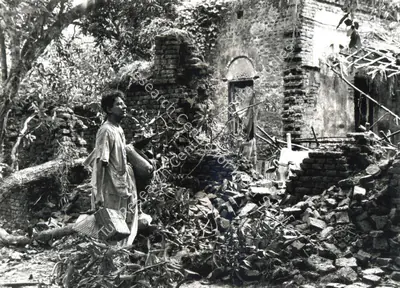
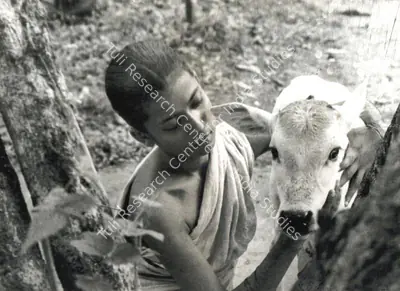
Subrata Mitra (Cinematographer), Pather Panchali, 1955, Photographic Still
Mitra, Subrata (Cinematographer), Pather Panchali, 1955 | Photographic Still
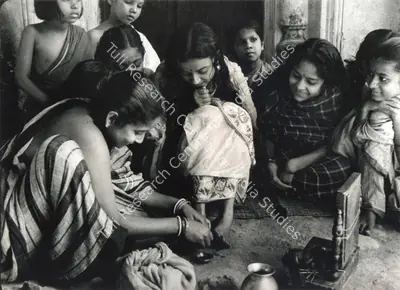
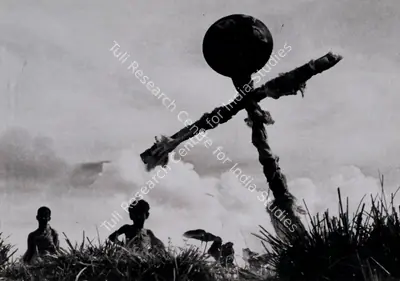
Subrata Mitra (Cinematographer), Pather Panchali, 1955, Photographic Still
Mitra, Subrata (Cinematographer), Pather Panchali, 1955 | Photographic Still
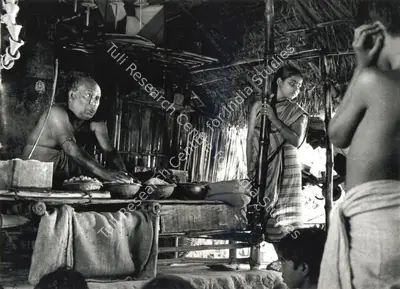
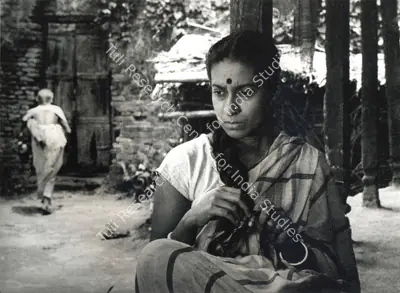
Subrata Mitra (Cinematographer), Pather Panchali, 1955, Photographic Still
Mitra, Subrata (Cinematographer), Pather Panchali, 1955 | Photographic Still
Subrata Mitra (Cinematographer), Pather Panchali, 1955, Photographic Still
Mitra, Subrata (Cinematographer), Pather Panchali, 1955 | Photographic Still
Subrata Mitra (Cinematographer), Pather Panchali, 1955, Photographic Still
Mitra, Subrata (Cinematographer), Pather Panchali, 1955 | Photographic Still
Subrata Mitra (Cinematographer), Pather Panchali, 1955, Photographic Still
Mitra, Subrata (Cinematographer), Pather Panchali, 1955 | Photographic Still
Subrata Mitra (Cinematographer), Pather Panchali, 1955, Photographic Still
Mitra, Subrata (Cinematographer), Pather Panchali, 1955 | Photographic Still
Subrata Mitra (Cinematographer), Pather Panchali, 1955, Photographic Still
Mitra, Subrata (Cinematographer), Pather Panchali, 1955 | Photographic Still
20 of 1,047
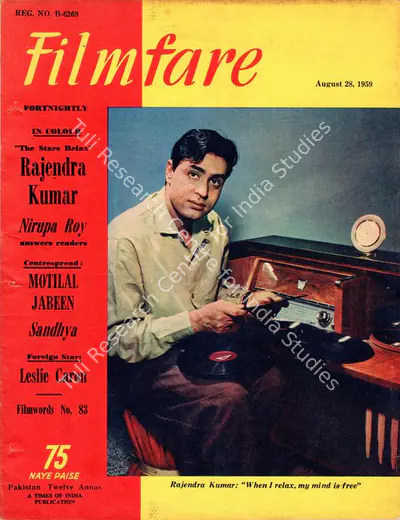
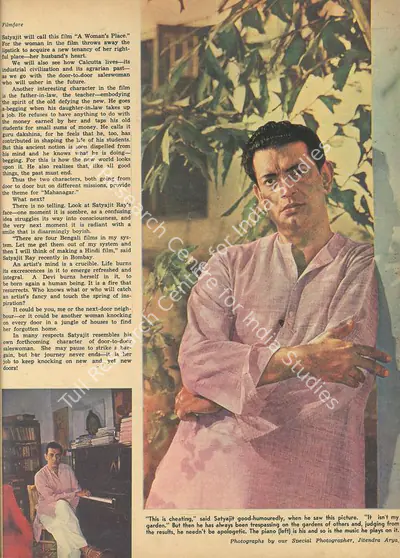
L.P. Rao (Editor), Filmfare, 1959, Magazine
Rao, L.P. (Editor). Filmfare, 28 August 1959 | Magazine | 00793241
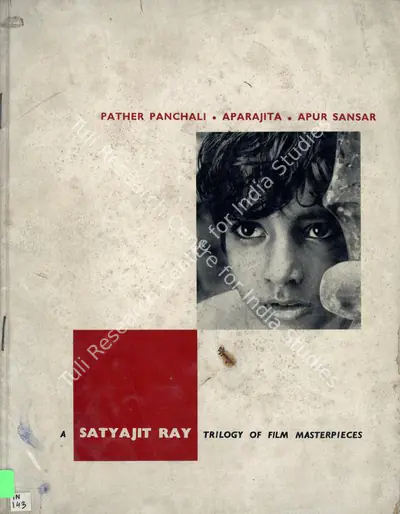
Dulal Dutta (Editor), A Satyajit Ray Trilogy of Film Masterpieces, 1960, Edited Book
Dutta, Dulal (Editor). A Satyajit Ray Trilogy of Film Masterpieces, n.d. | Edited Book | 00845823
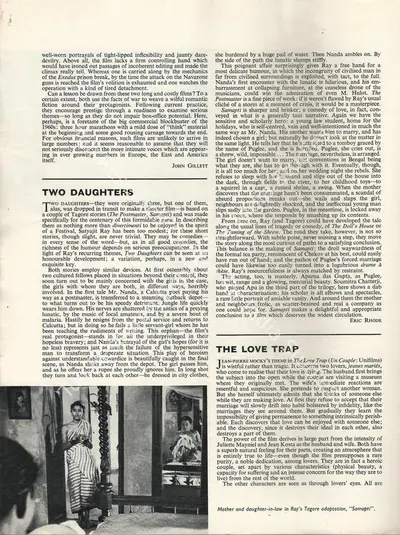
Eric Rhode (Essayist), Two Daughters, 1961, Essay
Rhode, Eric (Essayist). Two Daughters. 30(3). Summer 1961 | Essay | 00731614
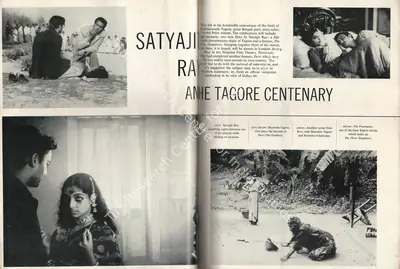
Satyajit Ray and Tagore Centenary, 1961, Essay
Satyajit Ray and Tagore Centenary. 30(2). Spring 1961 | Essay | 00731605
Eric Rhode (Essayist), Satyajit Ray, 1961, Essay
Rhode, Eric (Essayist). Satyajit Ray. 30(3). Summer 1961 | Essay | 00731613
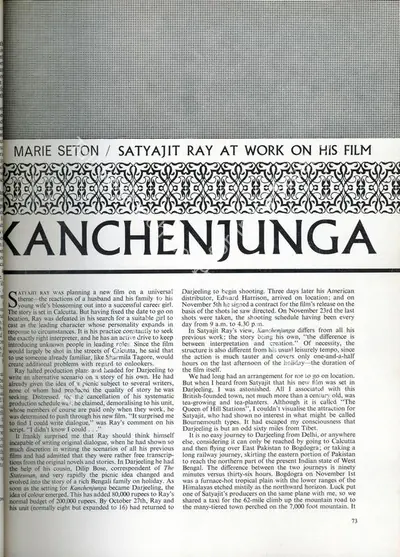
Marie Seton (Essayist), Satyajit Ray at Work on His Film, 1962, Essay
Seton, Marie (Essayist). Satyajit Ray at Work on His Film. 31(2). Spring 1962 | Essay | 00731606
Erik Barnouw (Joint Author), Indian Film, 1963, Authored Book
Barnouw, Erik (Joint Author) and S. Krishnaswamy. Indian Film, 1963 | Authored Book | 00845752
B.K. Karanjia (Editor), Filmfare, 1963, Magazine
Karanjia, B.K. (Editor). Filmfare, 25 January 1963 | Magazine | 00793279
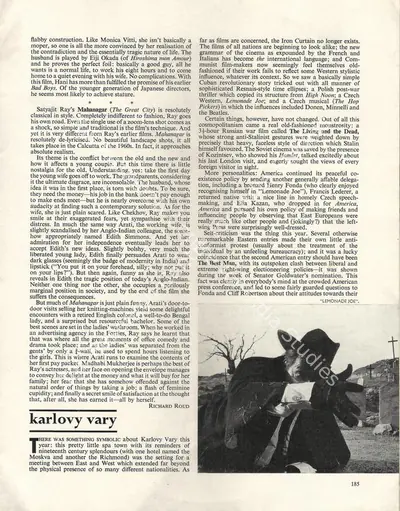
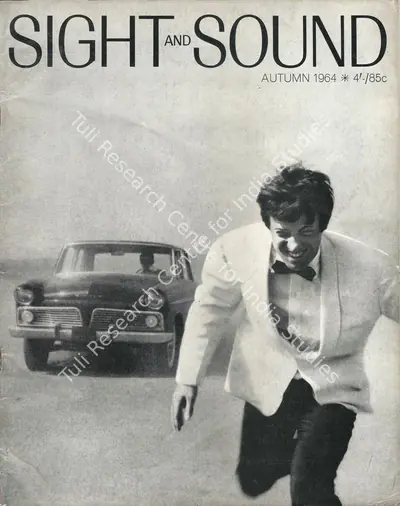
Richard Roud (Essayist), Festivals 64, 1964, Essay
Roud, Richard (Essayist). Festivals 64. 33(4). Autumn 1964 | Essay | 00731624
Eric Rhode (Essayist), Devi, 1964, Essay
Rhode, Eric (Essayist). Devi. 33(4). Autumn 1964 | Essay | 00731625
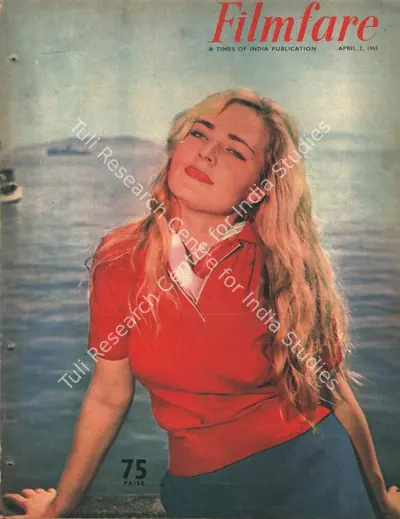
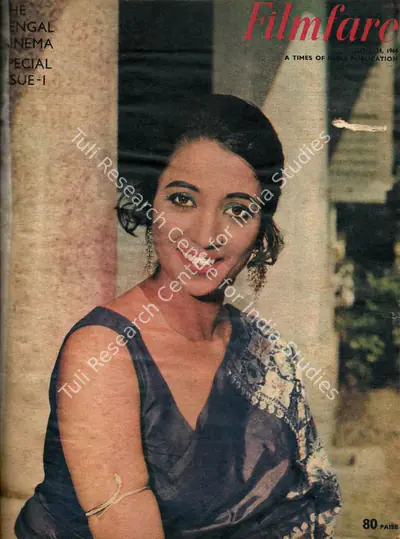
B.K. Karanjia (Editor), Filmfare, 1965, Magazine
Karanjia, B.K. (Editor). Filmfare, 02 April 1965 | Magazine | 00793302
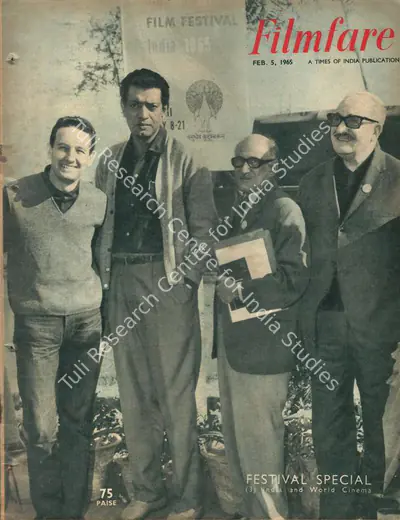
B.K. Karanjia (Editor), Filmfare, 1965, Magazine
Karanjia, B.K. (Editor). Filmfare, 05 February 1965 | Magazine | 00793298
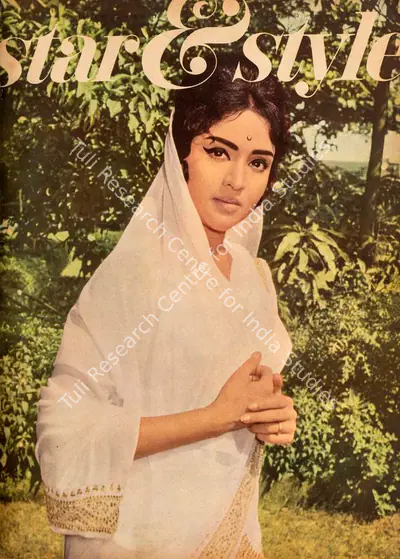
L.P. Rao (Editor), Star & Style, 1965, Magazine
Rao, L.P. (Editor), Maqbool Hosh Yar Jung and Devyani Chaubal (Editorial Assistant). Star & Style, 1 December 1965 | Magazine | 00808400
L.P. Rao (Editor), Star & Style, 1965, Magazine
Rao, L.P. (Editor), Maqbool Hosh Yar Jung and Devyani Chaubal (Editorial Assistant). Star & Style, 1 December 1965 | Magazine | 00808400
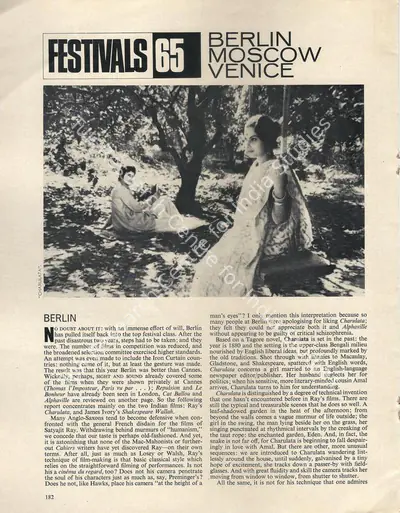
Richard Roud (Essayist), Festivals 65, 1965, Essay
Roud, Richard (Essayist). Festivals 65. 34(4). Autumn 1965 | Essay | 00731626
B.K. Karanjia (Editor), Filmfare, 1966, Magazine
Karanjia, B.K. (Editor). Filmfare, 24 June 1966 | Magazine | 00793334
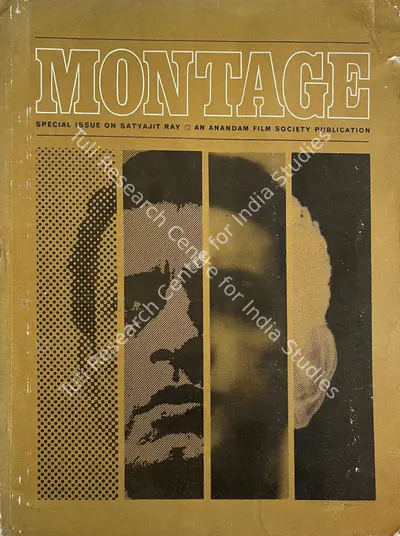
Uma Krupanidhi (Editor), Montage, 1966, Magazine
Krupanidhi, Uma (Editor). Montage, July 1966 | Magazine | 00530824
Amita Malik (Essayist), Reluctant God, 1966, Essay
Malik, Amita (Essayist). Reluctant God. 35(1). Winter 1966 | Essay | 00731618
Penelope Houston (Essayist), Ray's Charulata, 1966, Essay
Houston, Penelope (Essayist). Ray's Charulata. 35(1). Winter 1966 | Essay | 00731619
John Gillett (Essayist), Festivals 66, 1966, Essay
Gillett, John (Essayist). Festivals 66. 35(4). Autumn 1966 | Essay | 00731623
20 of 173
Satyajit Ray (Artist), Satyajit Ray's sketch of the 'Tribhanga' Pose of Indian sculpture from his Tour of India, 1940, Drawing
Ray, Satyajit (Artist). Satyajit Ray's sketch of the 'Tribhanga' Pose of Indian sculpture from his Tour of India, 1940 | Drawing
Satyajit Ray (Artist), Woodcut Illustration for an abridged edition of the novel Pather Panchali by Ray, 1944, Graphic Art
Ray, Satyajit (Artist). Woodcut Illustration for an abridged edition of the novel Pather Panchali by Ray, 1944 | Graphic Art
Satyajit Ray (Artist), Woodcut Illustration for an abridged edition of the novel Pather Panchali by Ray, 1944, Graphic Art
Ray, Satyajit (Artist). Woodcut Illustration for an abridged edition of the novel Pather Panchali by Ray, 1944 | Graphic Art
Unknown (Photographer), Ray at work in D. J. Keymer, 1945, Contemporary Photograph
Unknown (Photographer). Ray at work in D. J. Keymer, c.1945 | Contemporary Photograph
Unknown (Photographer), Ray at the inauguration of Calcutta Film Society, 1947, Contemporary Photograph
Unknown (Photographer). Ray at the inauguration of Calcutta Film Society, 1947 | Contemporary Photograph
Satyajit Ray (Artist), Ray's cover design for the alphabet book, Hatekhadi made in 1948, 1948, Graphic Art
Ray, Satyajit (Artist). Ray's cover design for the alphabet book, Hatekhadi made in 1948, 1948 | Graphic Art
Satyajit Ray (Artist), Ray's cover design for the alphabet book, Hatekhadi made in 1948, 1948, Graphic Art
Ray, Satyajit (Artist). Ray's cover design for the alphabet book, Hatekhadi made in 1948, 1948 | Graphic Art
Satyajit Ray (Artist), Ray's illustrations for the alphabet book, Hatekhadi made in 1948, 1948, Graphic Art
Ray, Satyajit (Artist). Ray's illustrations for the alphabet book, Hatekhadi made in 1948, 1948 | Graphic Art
Satyajit Ray (Artist), Storyboard for the film Ray intended to make on Sitar Maestro Ravi Shankar, 1951, Drawing
Ray, Satyajit (Artist). Storyboard for the film Ray intended to make on Sitar Maestro Ravi Shankar, 1951 | Drawing
Satyajit Ray (Artist), Storyboard for the film Ray intended to make on Sitar Maestro Ravi Shankar, 1951, Drawing
Ray, Satyajit (Artist). Storyboard for the film Ray intended to make on Sitar Maestro Ravi Shankar, 1951 | Drawing
Satyajit Ray (Artist), Sketch for Renoir's The River, 1951, Drawing
Ray, Satyajit (Artist). Sketch for Renoir's The River, 1951 | Drawing
Subrata Mitra (Cinematographer), Pather Panchali, 1955, Photographic Still
Mitra, Subrata (Cinematographer), Pather Panchali, 1955 | Photographic Still
Subrata Mitra (Cinematographer), Pather Panchali, 1955, Photographic Still
Mitra, Subrata (Cinematographer), Pather Panchali, 1955 | Photographic Still
Subrata Mitra (Cinematographer), Pather Panchali, 1955, Photographic Still
Mitra, Subrata (Cinematographer), Pather Panchali, 1955 | Photographic Still
Subrata Mitra (Cinematographer), Pather Panchali, 1955, Photographic Still
Mitra, Subrata (Cinematographer), Pather Panchali, 1955 | Photographic Still
Subrata Mitra (Cinematographer), Pather Panchali, 1955, Photographic Still
Mitra, Subrata (Cinematographer), Pather Panchali, 1955 | Photographic Still
Subrata Mitra (Cinematographer), Pather Panchali, 1955, Photographic Still
Mitra, Subrata (Cinematographer), Pather Panchali, 1955 | Photographic Still
Subrata Mitra (Cinematographer), Pather Panchali, 1955, Photographic Still
Mitra, Subrata (Cinematographer), Pather Panchali, 1955 | Photographic Still
Subrata Mitra (Cinematographer), Pather Panchali, 1955, Photographic Still
Mitra, Subrata (Cinematographer), Pather Panchali, 1955 | Photographic Still
Subrata Mitra (Cinematographer), Pather Panchali, 1955, Photographic Still
Mitra, Subrata (Cinematographer), Pather Panchali, 1955 | Photographic Still
20 of 871
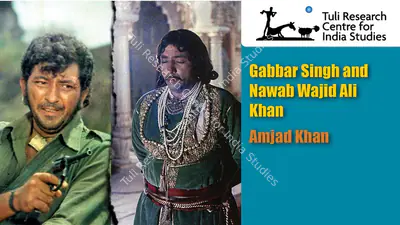
Tuli Research Centre for India Studies (Editor). Gabbar Singh and Nawab Wajid Ali Khan: Amjad Khan, 17 March 2025 | In-house Video, 2025 ·  1 min 21 sec · Short
▶
Tuli Research Centre for India Studies (Editor). Gabbar Singh and Nawab Wajid Ali Khan: Amjad Khan, 17 March 2025 | In-house Video
2025 · 1 min 21 sec · Short
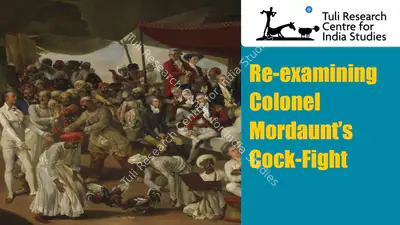
Tuli Research Centre for India Studies (Editor). Re-examining Colonel Mordaunt’s Cock-Fight, 22 February 2025 | In-house Video, 2025 · 2 min 40 sec · Short
▶
Tuli Research Centre for India Studies (Editor). Re-examining Colonel Mordaunt’s Cock-Fight, 22 February 2025 | In-house Video
2025 · 2 min 40 sec · Short
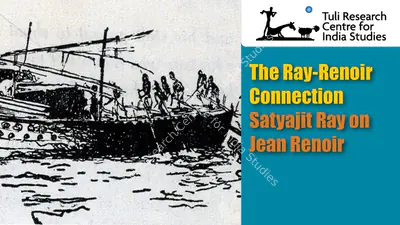
Tuli Research Centre for India Studies (Editor). The Ray-Renoir Connection: Satyajit Ray on Jean Renoir, 22 February 2025 | In-house Video, 2025 · 1 min 34 seconds · Short
▶
Tuli Research Centre for India Studies (Editor). The Ray-Renoir Connection: Satyajit Ray on Jean Renoir, 22 February 2025 | In-house Video
2025 · 1 min 34 seconds · Short
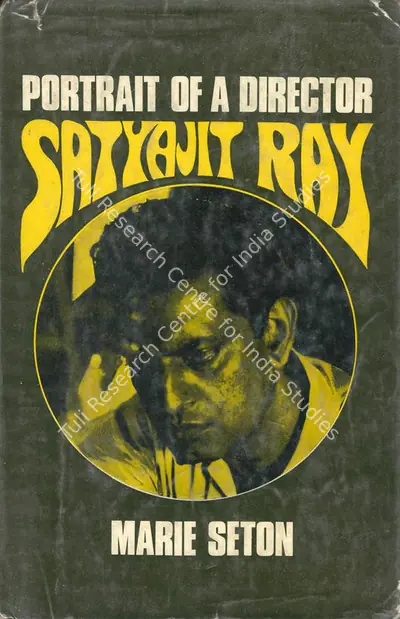
Marie Seton (Author), Portrait of a Director Satyajit Ray, 1971, Authored Book
Seton, Marie (Author). Portrait of a Director Satyajit Ray, 1971 | Authored Book | 00845609
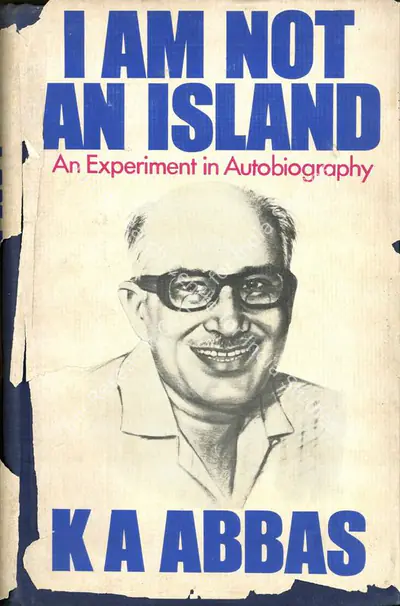
Khwaja Ahmad Abbas (Author), I am Not an Island, 1977, Authored Book
Abbas, Khwaja Ahmad (Author). I am Not an Island, 1977 | Authored Book | 00844031
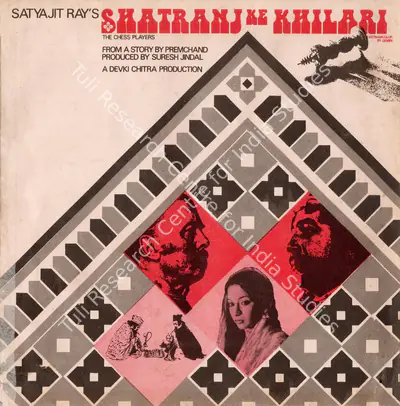
Suresh Jindal (Producer), Shatranj Ke Khilari, 1977, Song-Synopsis Booklet
Jindal, Suresh (Producer), Shatranj Ke Khilari, 1977 | Song-Synopsis Booklet
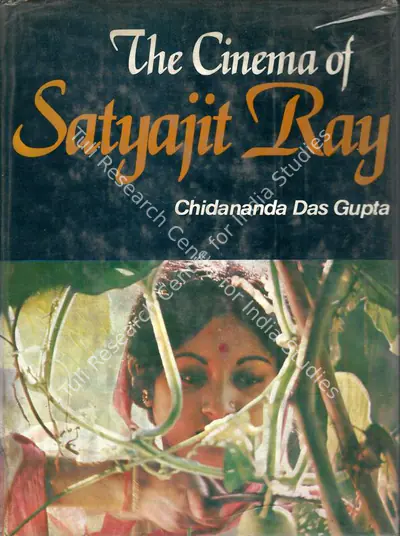
Chidananda Das Gupta (Author), The Cinema of Satyajit Ray, 1980, Authored Book
Das Gupta, Chidananda (Author). The Cinema of Satyajit Ray, 1980 | Authored Book | 00845599
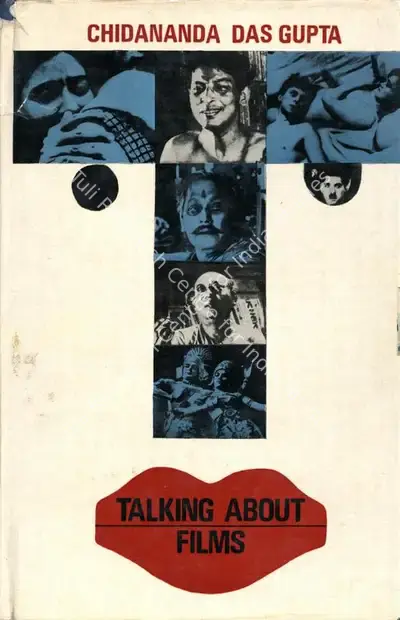
Chidananda Das Gupta (Author), Talking About Films, 1981, Authored Book
Das Gupta, Chidananda (Author). Talking About Films, 1981 | Authored Book | 00843971
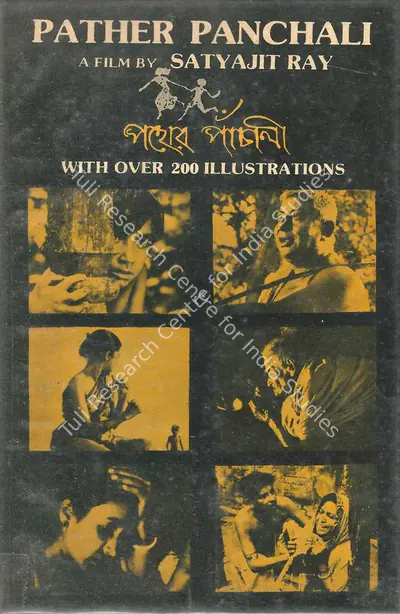
Parimal Mukhopadhyay (Editor), Pather Panchali, 1984, Edited Book
Mukhopadhyay, Parimal (Editor). Pather Panchali, 1984 | Edited Book | 00845988
Santi Das (Editor), Satyajit Ray, 1998, Edited Book
Das, Santi (Editor). Satyajit Ray, 1998 | Edited Book | 00846186
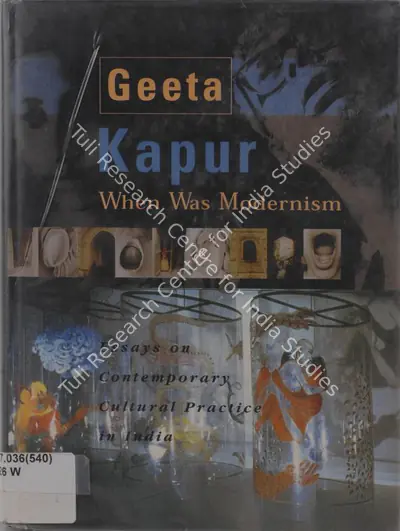
Geeta Kapur (Author), When was Modernism, 2000, Authored Book
Kapur, Geeta (Author). When was Modernism, 2000 | Authored Book | 00845438
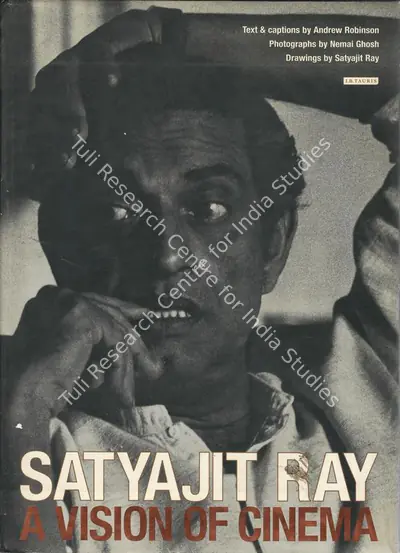
Andrew Robinson (Editor), Satyajit Ray, 2005, Edited Book
Robinson, Andrew (Editor). Satyajit Ray, 2005 | Edited Book | 00846315
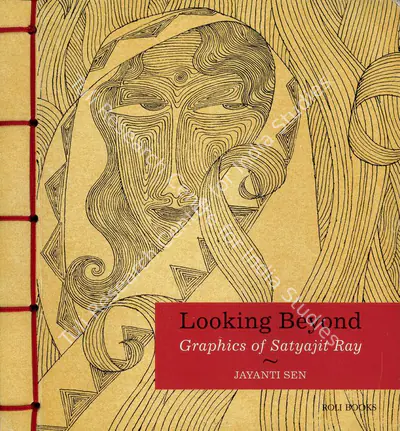
Jayanti Sen (Author), Looking Beyond, 2012, Authored Book
Sen, Jayanti (Author). Looking Beyond, 2012 | Authored Book | 00845681
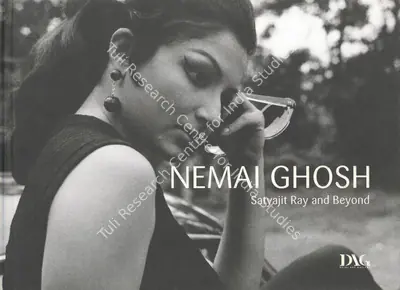
Nemai Ghosh (Author), Satyajit Ray and Beyond, 2013, Authored Book
Ghosh, Nemai (Author). Satyajit Ray and Beyond, 2013 | Authored Book | 00844523
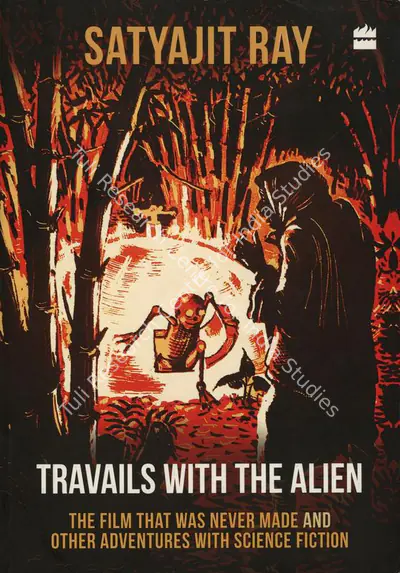
Sandip Ray (Editor), Travails With the Alien, 2018, Edited Book
Ray, Sandip (Editor). Travails With the Alien, 2018 | Edited Book | 00846456

Posts 1

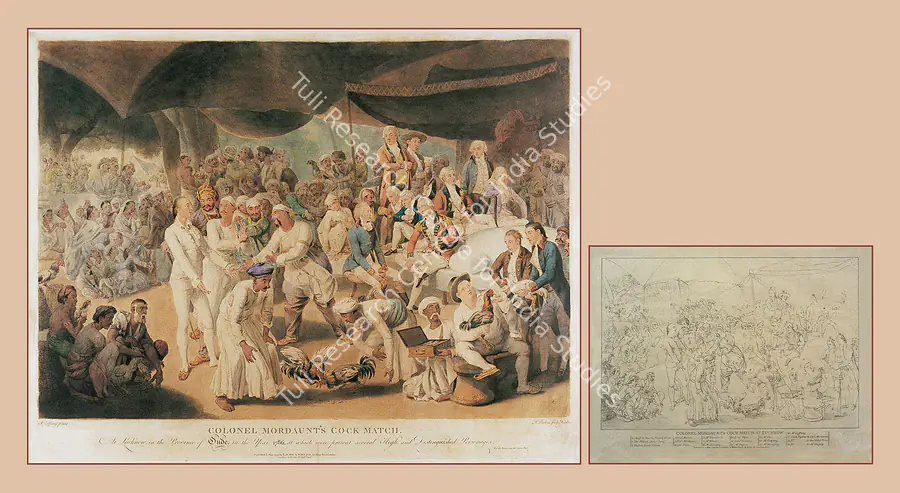
  1. Colonel Mordaunt's Cockfight
    Colonel Mordaunt's Cockfight
    Cockfights were a popular sport in India and other parts of the world in the late eighteenth-century. In 1786, the then Governor-General of India Warren Hastings commissioned German-born artist Johann Zoffany to paint the historic cockfight that had many British East India Company employees and Indian royalties in attendance. Several versions of the painting have thus been made and depicted in various mediums over the course of more than two centuries, including the cock-fight scene in Satyajit Ray's 1977 film Shatranj Ke Khilari.
    1_CinemaEducation2_FineArts4_PopCulture6_EconomicsArt
    Shatranj Ke KhilariSatyajit RayLucknowNemai Ghosh
    Read Post →

Calendar 5

View All →
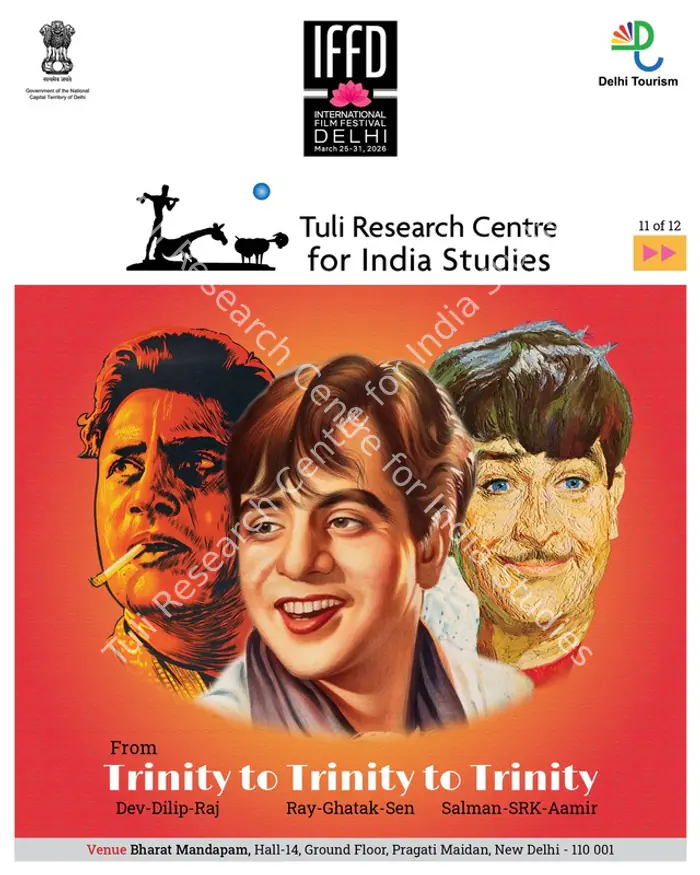
  1. From Trinity to Trinity to Trinity
    ArchivedExhibitionProject 76
    From Trinity to Trinity to Trinity
    Dev-Dilip-Raj | Ray-Ghatak-Sen | Salman-SRK-Aamir
    25th - 31st March 2026
    11:00am - 7:00pm
    Bharat Mandapam, Hall-14, Ground Floor, Pragati Maidan, New Delhi - 110011
    The Exhibition 'From Trinity to Trinity to Trinity | Dev-Raj-Dilip to Ray-Ghatak-Sen to Salman-Aamir-SRK', celebrates three iconic trios that have come to symbolize defining moments in Indian cinema and reflect the diverse heroic characteristics which the Indian public demands.
    Read More →
    1_CinemaEducation
    +4 more
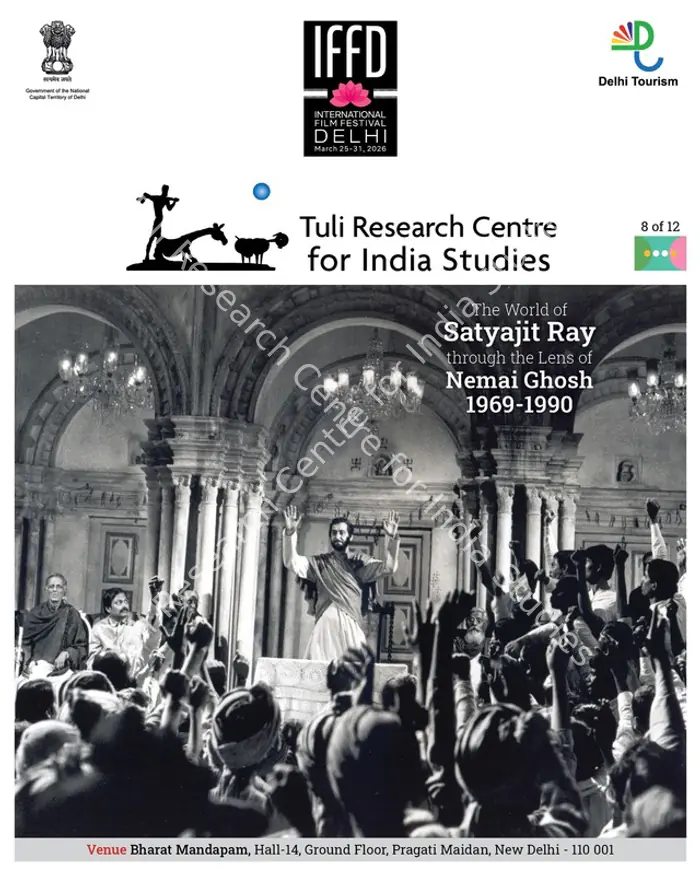
  2. The World of Satyajit Ray through the Lens of Nemai Ghosh | 1969-1990
    ArchivedExhibitionProject 73
    The World of Satyajit Ray through the Lens of Nemai Ghosh | 1969-1990
    25th - 31st March 2026
    11:00am - 7:00pm
    Bharat Mandapam, Hall-14, Ground Floor, Pragati Maidan, New Delhi - 110008
    The World of Satyajit Ray through the lens of Nemai Ghosh, 1969-1990, offers a rare glimpse into the life and work of one of cinema's greatest auteurs. Captured over decades, Ghosh's working stills offer a unique window into Ray's working process and artistry.
    Read More →
    1_CinemaEducation
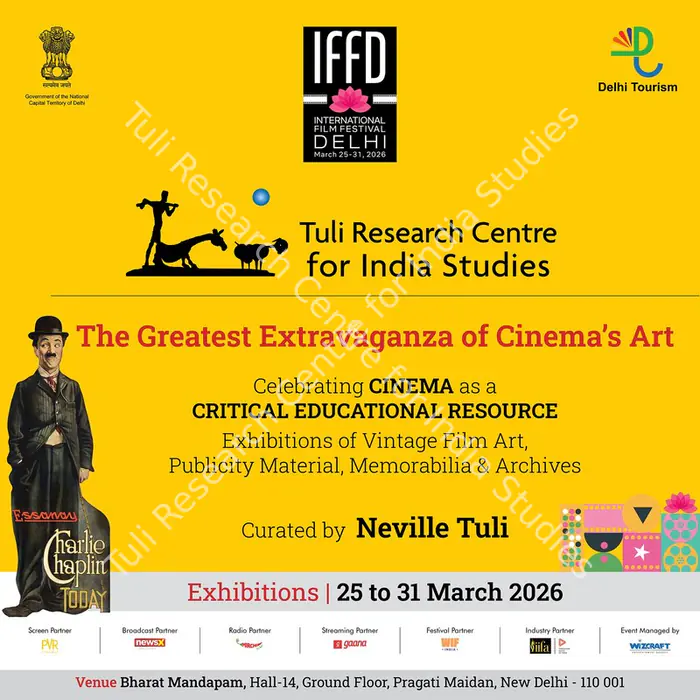
  3. The Greatest Extravaganza of Cinema's Art
    ArchivedExhibitionProject 65
    The Greatest Extravaganza of Cinema's Art
    25th - 31st March 2026
    11:00am - 7:00pm
    Bharat Mandapam, Hall-14, Ground Floor, Pragati Maidan, New Delhi - 110001
    As we near sharing the vast online India Studies knowledge base on tuliresearchcentre.org with the world, we end with our last grand archival Exhibition on the rare and vintage cinematic arts. The Expo covers over 110 years of cinematic art, created by some of the finest film directors, cinematographers, art directors, technicians and designers working in cinema from India, Hollywood, Japan, Germany, France, and Poland. It is also a key principle at the Tuli Research Centre for India Studies (TRIS) to support new and nascent International Film Festivals in whatever capacity possible. Hence it is our privilege to help the International Film Festival of Delhi (IFFD) successfully launch its first edition on 25th March 2026. In the pioneering tradition of IFFI, and as Head of the erstwhile and much respected Osian's-Cinefan Festival for Asian and Arab Cinema with my dearly departed friend and Founder of Cinefan - Aruna Vasudev - we know what energy, expertise and commitment is required to galvanise and inspire the cinematic fraternities of Delhi, India and the rest of the world. It is a very serious and difficult task. Our audiences are demanding and to attract the young and non-cinephile is also no easy task. I hope these exhibitions will help the public grasp how deeply history is living in the contemporary. That contemporary life or creativity cannot achieve its best version without knowing and respecting the work of the best who came before us, nurturing and guiding our path with their service and vision. We look forward to welcoming you to Bharat Mandapam Hall 14 in the days to come. Please register at https://www.iffdelhi.com for the films and other events, it is free to all.
    Read More →
    1_CinemaEducation
    +12 more
  4. Self-Discovery via Rediscovering India Series Part II India's Cinematic Heritage
    ArchivedExhibitionProject 2
    Self-Discovery via Rediscovering India Series Part II India's Cinematic Heritage
    12th - 24th August 2024
    Self-Discovery via Rediscovering India Series Part II
    Read More →
    1_CinemaEducation·The Worlds Greatest Mela Respecting Indias Cinematic Heritage 13 25 August 2024 Project 2 Cal
    +37 more
  5. Self-Discovery via Rediscovering India Series Inaugural Exhibition
    ArchivedExhibitionProject 1
    Self-Discovery via Rediscovering India Series Inaugural Exhibition
    14th - 29th March 2024
    Inaugural Exhibition
    Read More →
    14_IndoWorld·Self Discovery Via Rediscovering India Series 15 30 March 2024 Project 1 Cal
    +33 more

Related

55

Personalities

31

Amitabh BachchanComparable Artworks
Ashok KumarComparable Artworks
Charlie ChaplinComparable Artworks
Deepti NavalComparable Artworks
Dilip KumarComparable Artworks
Dimple KapadiaComparable Artworks
Geeta KapurComparable Artworks
Hema MaliniComparable Artworks
Jaya Bhaduri BachchanComparable Artworks
Khwaja Ahmad AbbasComparable Artworks
Lata MangeshkarComparable Artworks
M.F. HusainComparable Artworks
Meena KumariComparable Artworks
Mrinal SenComparable Artworks
Nemai GhoshComparable Artworks
Osian'sComparable Artworks
Raj KapoorComparable Artworks
Rajendra KumarComparable Artworks
Rajesh KhannaComparable Artworks
Ritwik GhatakComparable Artworks
Sanjeev KumarComparable Artworks
Shabana AzmiComparable Artworks
Shammi KapoorComparable Artworks
Sharmila TagoreComparable Artworks
Shashi KapoorComparable Artworks
Shatrughan SinhaComparable Artworks
Soumendu RoyComparable Artworks
Subrata MitraComparable Artworks
Suchitra SenComparable Artworks
VyjayanthimalaComparable Artworks
Zeenat AmanComparable Artworks

Films

21

Abhijan 1962Screenplay
Aparajito (1956)Screenplay
Aranyer Din Ratri (1970)Screenplay
Ashani Sanket (1973)Screenplay
Baksa Badal 1970Screenplay
Charulata (1964)Screenplay
Devi (1960)Screenplay
Goopy Gyne Bagha Byne (1969)Screenplay
Jana Aranya (1976)Screenplay
Ka Purush Maha Purush (1965)Screenplay
Mahanagar (1963)Screenplay
Nayak (1966)Screenplay
Parash Pathar 1958Comparable Artworks
Pather Panchali (1955)Screenplay
Pratidwandi (1970)Screenplay
Sadgati (1981)Screenplay
Seema Baddha (1971)Screenplay
Shatranj Ke Khilari (1977)Film Director
Sonar Kella (1974)Screenplay
Teen Kanya (1961)Screenplay
Two 1964Screenplay

Institutions

2

DAGComparable Artworks
Sotheby'sComparable Artworks

Themes

1

Journal of Arts & IdeasComparable Artworks
Tuli Research Centre for India Studies
Tuli Research Centre
for India Studies

A free and open knowledge base for the modern and contemporary Indian arts, cinema, photography and cultural heritage.

Support

Contact Us

Discover

Tuli Research Centre for India StudiesVisionManifestoArchive & LibraryVanraja Sanctuary & Hospice
Legal

Privacy PolicyTerms & Conditions

Follow us

Youtube

Youtube

Instagram

Instagram

Facebook

Facebook

© Tuli Research Centre for India Studies 2026
Tuli Research Centre for India Studies
Tuli Research Centre
for India Studies

A free and open knowledge base for the modern and contemporary Indian arts, cinema, photography and cultural heritage.

Tuli Research Centre for India StudiesVisionManifestoArchive & LibraryVanraja Sanctuary & Hospice
Contact Us
Privacy PolicyTerms & Conditions

Follow us

YoutubeInstagramFacebook

© Tuli Research Centre for India Studies 2026

                          Satyajit Ray and Tagore Centenary. 30(2), p. 3. London: Sight & Sound, Spring 1961 | Essay | CinemaEducation | 00731605
                          TitleSatyajit Ray and Tagore Centenary
                          Document TypeEssay
                          PublisherSight & Sound
                          Date of PublicationSpring 1961
                          Volume30,Issue2,Pagesp. 3
                          LanguageEnglish
                          Keywordssatyajit-ray | sharmila-tagore | essays-write-ups | book-ess | library

                          Research Categories

                          1_CinemaEducation
                          12_Scholarship

                          Related Links5

                          Masterlist3
                          Satyajit RaySharmila TagoreEssays Write Ups
                          Research Categories2
                          01Cinema as a Critical Educational Resource12The History & Historiography of Scholarship in the Arts, Humanities, and Social Sciences