

Rabindranath Tagore1961
Introduction
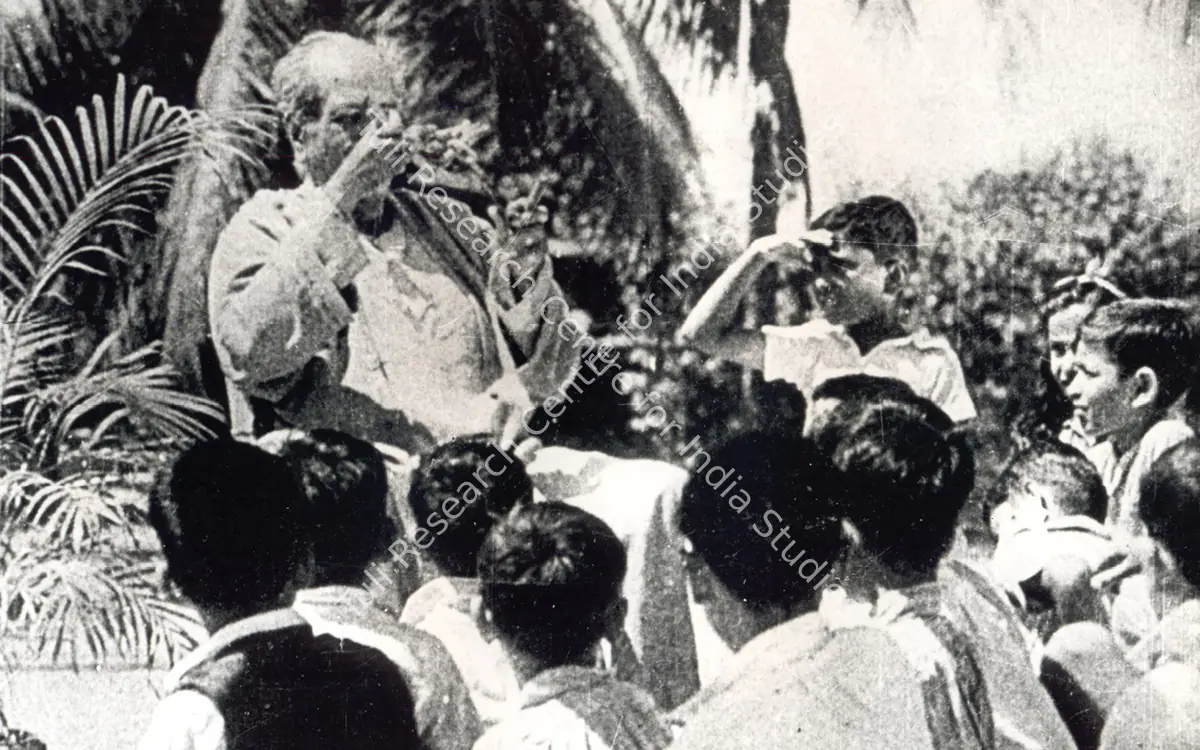
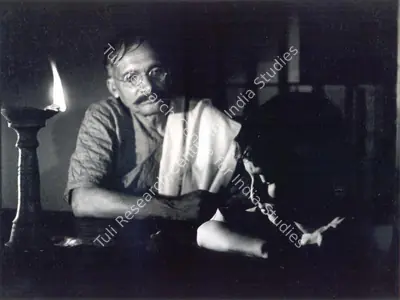
Rabindranath Tagore (1961): In 1961, as the world paused to celebrate the centenary of one of its most luminous minds, Satyajit Ray—India's cinematic auteur—crafted a black-and-white elegy to the life and legacy of Rabindranath Tagore. More than a documentary, Rabindranath Tagore is a meditative homage: a reverent exploration of the poet, philosopher, and cultural icon who not only redefined Indian literature but reshaped the intellectual contours of a nation awakening to modernity.
The film, featuring a cast that included Raya Chatterjee, Smaran Ghosal, Purnendu Mukherjee, Kallol Bose, Subir Bose, Phani Nan, and Norman Ellis, transcends biographical storytelling. It is, rather, an invocation of spirit—a solemn cinematic hymn that pays tribute to the man whose genius transcended both language and geography.
Ray began the project in early 1958, acutely aware of the sanctity and magnitude of his subject. With characteristic discernment, he chose to eschew the more controversial or obscure elements of Tagore's life. His vision was not investigative but commemorative—an official portrait rendered through light, shadow, silence, and subtlety. Although Tagore was, above all, a poet, Ray was reluctant to use his verse in translation, feeling that English renditions lacked the depth and cadence of the original Bengali. “It would not make the right impression,” he remarked, preferring to let the poet's life speak through images, narration, and mood. Still, Ray would later confess, “Ten or twelve minutes of it are among the most moving and powerful things that I have produced.”
The film opens with the solemn spectacle of a funeral—the final procession of Rabindranath Tagore winding through the sorrow-stricken streets of Kolkata. It is not merely the death of a man that the camera records, but the passing of an era. From this moment of collective mourning, the narrative travels back through time, retracing the luminous journey of a life that shaped the consciousness of a nation.
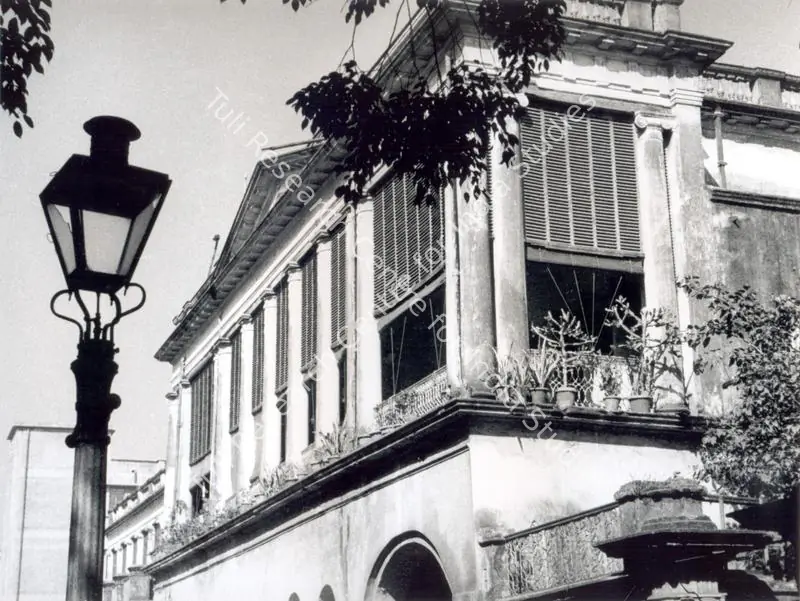
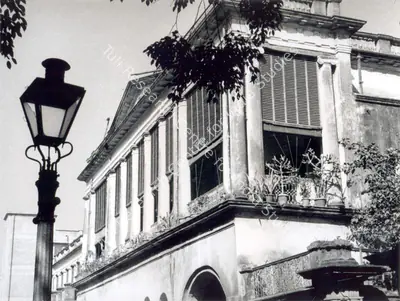
Set against the rich cultural tapestry of 19th-century Calcutta, the film presents the Tagore family as a remarkable lineage—at once aristocratic and iconoclastic. It begins with Dwarkanath Tagore, the visionary industrialist and social reformer, and continues through his son Debendranath, a philosopher whose spiritual alliance with Raja Rammohun Roy helped lay the foundations for the Brahmo Samaj and a reformed Indian identity.
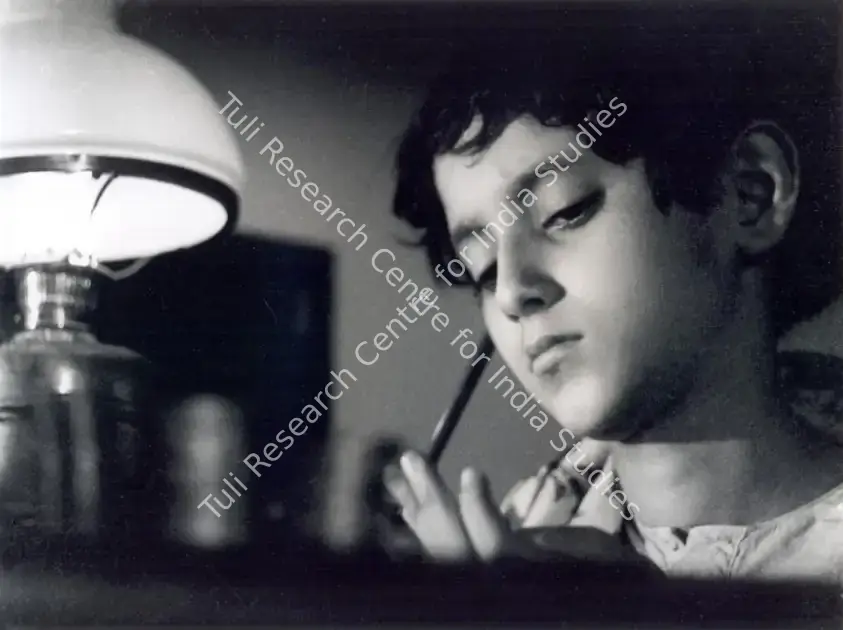
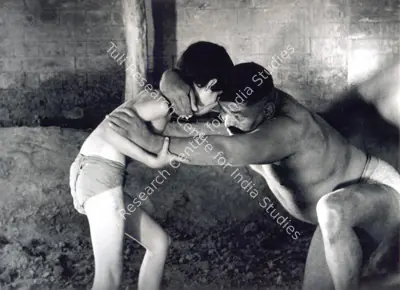
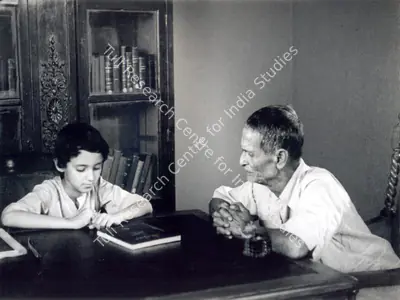
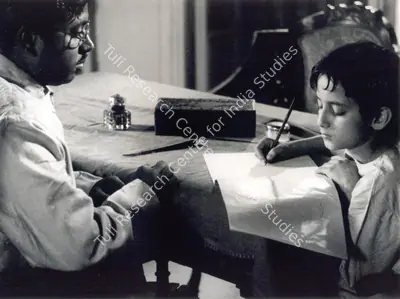
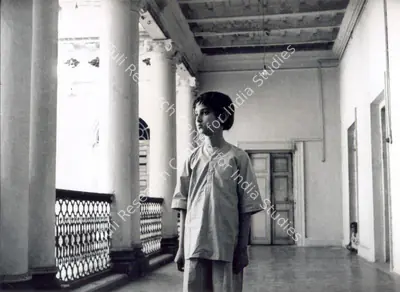
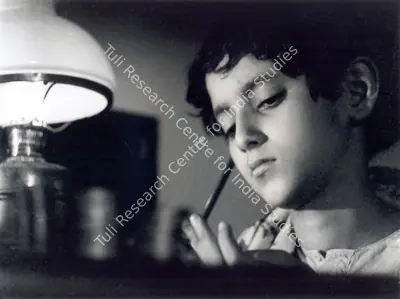
Among Debendranath's fourteen children, one emerged as a singular star—Rabindranath, or “Robi,” as he was affectionately known. Ray charts his early rejection of rote learning, his transformative journey through the Himalayas with his father, and his melancholy stint in England. These experiences, while awakening him to Western aesthetics, only deepened his commitment to Eastern ideals.
With poetic restraint, Ray reimagines Valmiki Pratibha, Tagore's first opera, where East met West in musical harmony, and the poet himself played the reformed sage. It was not merely youthful experimentation—it marked the beginning of a lifelong dialogue between tradition and innovation, form and freedom.
The film does not shy away from the personal tragedies that shaped Tagore's inner world. His marriage to Mrinalini Devi, and the subsequent deaths of her and several of their children, plunged the poet into profound grief. Yet, from this sorrow arose some of his most introspective and transcendent work.
Ray gently unfolds Tagore's engagement with nationalism—not through agitation or polemics, but as a thinker whose vision transcended borders. In 1912, Tagore's own translations of Gitanjali reached William Rothenstein, who introduced them to W.B. Yeats. The Irish poet, moved by their spiritual depth, wrote the introduction to the collection that earned Tagore the 1913 Nobel Prize in Literature—the first awarded to a non-European. In 1915, he was knighted by the British Crown, an honour he would later renounce in protest of the 1919 Jallianwala Bagh massacre—a gesture of moral resistance that echoed across continents.
The later years of Tagore's life are captured with tender reverence. His tireless efforts to raise funds for Santiniketan, his unexpected ventures into painting, and the global celebrations of his seventieth birthday—all find space in Ray's elegiac tapestry. The Golden Book of Tagore, a commemorative volume with tributes from the likes of Einstein, Rolland, Gandhi, and Bose, testifies to the breadth of his influence.
The film closes with a meditation on Crisis in Civilization, Tagore's final essay, written as World War II cast its long shadow. He passed away on 7 August 1941, at the age of eighty, in the ancestral home where his life's journey had begun. Yet, his legacy endures—not only in literature and philosophy but also in national identity. Three national anthems—India's Jana Gana Mana, Bangladesh's Amar Shonar Bangla, and Sri Lanka's Sri Lanka Matha (composed by his student Ananda Samarakoon)—bear witness to his undying resonance.
Rabindranath Tagore, as envisioned by Ray, is not merely a film—it is an elegy, an invocation, a cinematic benediction. It is Ray's tribute to a soul who lived, dreamed, and wrote as though eternity were his ink and humanity his parchment.
The film was duly recognized, receiving the President's Gold Medal for Best Documentary Film at the 9th National Film Awards (India) in 1961. That same year, it was honoured with the Golden Sail at the 14th Locarno International Film Festival in Switzerland. In 1962, it earned a Special Mention at the Montevideo Film Festival in Uruguay.
Following Ray's receipt of an honorary Academy Award in 1992, the Academy Film Archive initiated a restoration project of his works. Josef Lindner was appointed preservation officer, and by 2010, nineteen of Ray's films had been successfully restored. However, Rabindranath Tagore was found in a state of severe deterioration. Despite this, the film was eventually restored, its survival secured as part of global cinematic heritage. Its script, preserved in Original English Film Scripts: Satyajit Ray—edited by Sandip Ray—remains a lasting testament to the creative communion between two giants of Indian culture.
इस फ़िल्म में राया चटर्जी, स्मरण घोषाल, पूर्णेंदु मुखर्जी, कल्लोल बोस, सुबीर बोस, फणी नान और नॉर्मन एलिस जैसे कलाकार शामिल थे। यह फ़िल्म आत्मकथात्मक कहानी से कहीं बढ़कर है। यह दरअसल, यह आत्मा का एक आह्वान के साथ एक गंभीर सिनेमाई स्तुति, जो उस महान व्यक्ति को श्रद्धांजलि अर्पित करती है जिसकी प्रतिभा भाषा और भौगोलिक सीमाओं दोनों से परे थी।
रे ने 1958 की शुरुआत में इस परियोजना को शुरू किया, वे अपने विषय की पवित्रता और महानता के प्रति गहरी समझ रखते हुए। अपनी विशिष्ट सूझबूझ से उन्होंने टैगोर के जीवन के अधिक विवादास्पद या अस्पष्ट पहलुओं से परहेज़ किया। उनकी दृष्टि जाँच-पड़ताल की नहीं, बल्कि स्मरण करने वाली थी। प्रकाश, छाया, मौन और सूक्ष्मता के माध्यम से प्रस्तुत एक औपचारिक चित्र। हालांकि टैगोर सबसे पहले एक कवि थे, रे उनकी कविताओं का अनुवाद उपयोग करने में संकोच कर रहे थे, यह महसूस करते हुए कि अंग्रेज़ी अनुवाद में बांग्ला की स्पष्ट गहराई और लय नहीं आती। उन्होंने कहा, "इससे सही प्रभाव नहीं पड़ेगा," और उन्होंने कवि के जीवन को बिंबों, कथनों और भावों के माध्यम से व्यक्त करना पसंद किया। फिर भी, रे ने बाद में स्वीकार किया, "इसके दस या बारह मिनट मेरे द्वारा निर्मित सबसे मार्मिक और शक्तिशाली कार्यों में से हैं।"
फ़िल्म की शुरुआत एक गंभीर अंतिम संस्कार के दृश्य से होती है। रवींद्रनाथ टैगोर की अंतिम यात्रा कोलकाता की शोकग्रस्त सड़कों से होकर गुज़रती है। कैमरा केवल एक व्यक्ति की मृत्यु को ही नहीं, बल्कि एक युग के अंत को भी दर्शाता है। सामूहिक शोक के इस क्षण से, कथा समय में पीछे जाती है, उस उज्ज्वल जीवन यात्रा को दर्शाती है जिसने एक राष्ट्र की चेतना को आकार दिया।
19वीं सदी के कलकत्ता की समृद्ध सांस्कृतिक पृष्ठभूमि पर आधारित यह फ़िल्म टैगोर परिवार को एक यादगार वंश के रूप में प्रस्तुत करती है, जो एक साथ कुलीन और परंपरा-विरोधी दोनों है। इसकी शुरुआत दूरदर्शी उद्योगपति और समाज सुधारक द्वारकानाथ टैगोर से होती है और उनके पुत्र दार्शनिक देबेंद्रनाथ तक पहुँचती है, जिनका राजा राममोहन रॉय के साथ आध्यात्मिक संबंध ब्रह्म समाज और एक सुधारक भारतीय पहचान की नींव रखने में सहायक रहा।
देबेंद्रनाथ के चौदह बच्चों में से एक विलक्षण प्रतिभा के धनी बनकर उभरे रवींद्रनाथ, जिन्हें प्यार से "रोबी" कहा जाता था। रे ने उनकी प्रारंभिक शिक्षा के प्रति अरुचि दिखाई, जो रटने वाली शिक्षा थी। अपने पिता के साथ हिमालय की उनकी परिवर्तनकारी यात्रा और इंग्लैंड में उनके उदास समय को चित्रित किया। इन अनुभवों ने उन्हें पश्चिमी सौंदर्यशास्त्र से परिचित कराया और पूर्वी आदर्शों के प्रति उनकी प्रतिबद्धता को और भी गहरा कर दिया।
काव्यमय संयम के साथ, रे ने वाल्मीकि प्रतिभा, टैगोर के पहले ओपेरा की पुनर्कल्पना की, जहाँ संगीतमय सामंजस्य में पूर्व और पश्चिम का मिलन हुआ, और स्वयं कवि ने सुधरे हुए संत की भूमिका निभाई। यह महज युवावस्था का प्रयोग नहीं था। इसने परंपरा और नवीनता, रूप और स्वतंत्रता के बीच आजीवन संवाद की शुरुआत को चिह्नित किया।
यह फ़िल्म टैगोर के आंतरिक जगत को आकार देने वाली व्यक्तिगत त्रासदियों से मुंह नहीं मोड़ती। मृणालिनी देवी से उनका विवाह और उसके बाद उनकी तथा उनके कई बच्चों की मृत्यु ने कवि को गहरे दुःख में डुबो दिया। फिर भी, इसी दुःख से उनकी कुछ सबसे गहन और उत्कृष्ट रचनाएँ जन्मीं।
रे ने टैगोर के राष्ट्रवाद से जुड़ाव को बड़ी सहज़ता से उजागर किया है, एक ऐसे विचारक के रूप में जिनकी दृष्टि सीमाओं से परे थी। 1912 में, गीतांजलि के अपने अनुवाद को टैगोर ने विलियम रोथेनस्टीन तक पहुँचाए, जिन्होंने उन्हें डब्ल्यू.बी. येट्स से परिचित कराया। आयरिश कवि, इन अनुवादों की आध्यात्मिक गहराई से प्रभावित होकर, संग्रह की प्रस्तावना लिखी, जिसके लिए टैगोर को 1913 का साहित्य का नोबेल पुरस्कार मिला। यह पहला पुरस्कार था जो किसी गैर-यूरोपीय को दिया गया था। 1915 में, उन्हें ब्रिटिश राजघराने द्वारा नाइट की उपाधि से सम्मानित किया गया, एक ऐसा सम्मान जिसे उन्होंने बाद में 1919 के ज़लियांवाला बाग़ हत्याकांड के विरोध में वापस कर दिया। नैतिक प्रतिरोध का यह संकेत दुनिया भर में गूंज उठा।
फ़िल्म में टैगोर के जीवन के अंतिम वर्षों को श्रद्धा के साथ उकेरा गया है। शांतिनिकेतन के लिए धन जुटाने के उनके अथक प्रयास, चित्रकला में उनके अप्रत्याशित प्रयोग और उनके सत्तरवें जन्मदिन का वैश्विक उत्सव, ये सभी रे की भावपूर्ण रचना में समाहित हैं। द गोल्डन बुक ऑफ टैगोर, एक स्मारक पुस्तक जिसमें आइंस्टीन, रोलाँ, गांधी, और बोस जैसे व्यक्तियों के श्रद्धांजलि संदेश शामिल हैं, उनके प्रभाव की व्यापकता का प्रमाण प्रस्तुत करती है।
फ़िल्म का समापन टैगोर के अंतिम निबंध, 'सभ्यता का संकट' पर चिंतन के साथ होता है, जिसे उन्होंने द्वितीय विश्व युद्ध की भीषण छाया में लिखा था। 7 अगस्त 1941 को अस्सी वर्ष की आयु में उनका निधन उसी पैतृक घर में हुआ, जहाँ से उनके जीवन की यात्रा शुरू हुई थी। फिर भी, उनकी विरासत न केवल साहित्य और दर्शन में, बल्कि राष्ट्रीय पहचान में भी क़ायम है। तीन राष्ट्रगान—भारत का जन गण मन, बांग्लादेश का अमर सोनार बांग्ला और श्रीलंका का श्रीलंका मठ (उनके शिष्य आनंद समरकून द्वारा रचित) उनकी अमरता की गवाही देते हैं।
रे की कल्पना के अनुसार, रवींद्रनाथ टैगोर महज़ एक फ़िल्म नहीं है, यह एक शोकगीत है, एक आह्वान है, एक सिनेमाई आशीर्वाद है। यह उस आत्मा को रे की श्रद्धांजलि है जिसने ऐसे जीवन जिया, सपने देखे और लिखा मानो अनंत काल तक उसकी स्याही हो और मानवता उसका चर्मपत्र।
इस फ़िल्म को 1961 में 9वें राष्ट्रीय फ़िल्म पुरस्कार (भारत) में सर्वश्रेष्ठ डॉक्यूमेंट्री फ़िल्म के लिए राष्ट्रपति का स्वर्ण पदक प्राप्त हुआ। उसी वर्ष, इसे स्विट्जरलैंड के 14वें लोकार्नो अंतर्राष्ट्रीय फ़िल्म महोत्सव में गोल्डन सेल से सम्मानित किया गया। 1962 में, इसे उरुग्वे के मोंटेवीडियो फ़िल्म महोत्सव में स्पेशल मेंशन प्राप्त हुआ।
1992 में सत्यजीत रे को मानद अकादमी पुरस्कार मिलने के बाद, अकादमी फ़िल्म आर्काइव ने उनकी कृतियों के संरक्षण का कार्य शुरू किया। जोसेफ़ लिंडनर को संरक्षण अधिकारी नियुक्त किया गया और 2010 तक रे की उन्नीस फ़िल्मों का सफलतापूर्वक वापस लाया जा चुका था। हालांकि, रवींद्रनाथ टैगोर फ़िल्म बेहद ख़राब हालत में पाई गई। इसके बावजूद, फ़िल्म का अंततः पुन: वापस लाया गया और वैश्विक सिनेमाई विरासत के हिस्से के रूप में इसका संरक्षण सुनिश्चित किया गया। संदीप रे द्वारा संपादित 'ओरिजिनल इंग्लिश फ़िल्म स्क्रिप्ट्स: सत्यजीत रे की पुस्तक में संरक्षित इसकी पटकथा, भारतीय संस्कृति के दो दिग्गजों के बीच रचनात्मक सहयोग का एक अमिट प्रमाण है।
Body of Work
Research Centre
Related
2