


Introduction
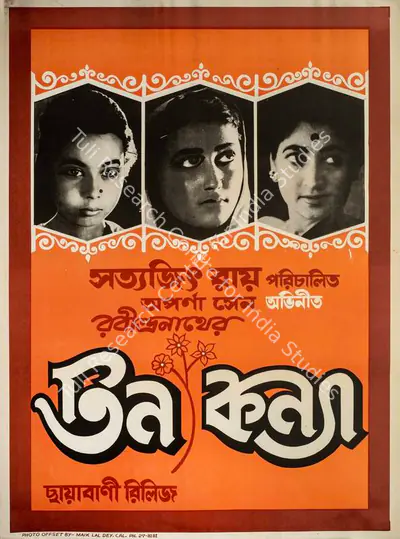
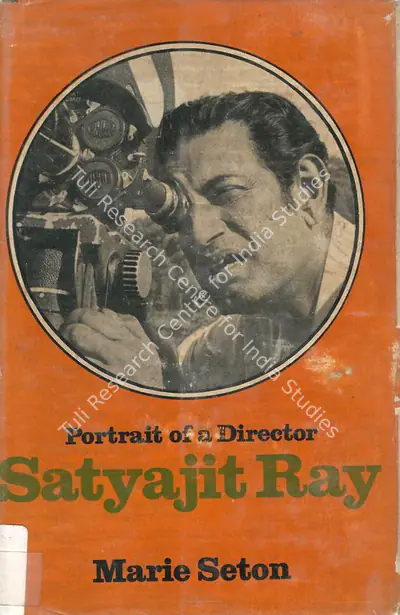
Teen Kanya (1961) was a Bengali-language anthology film directed by the legendary Satyajit Ray, and adapted from three short stories by Rabindranath Tagore. Conceived as a tribute to Tagore on the centenary of his birth, the film is an intimate meditation on love, loss, freedom, and social convention, rendered with Ray's characteristic humanism and cinematic restraint.
The original Indian release of Teen Kanya featured three stories—Postmaster, Monihara (The Lost Jewels), and Samapti (The Conclusion)—while the international version omitted Monihara and was retitled Two Daughters. This edited version was released on VHS in 1997 and has often been recommended by critics for offering a more cohesive and emotionally resonant experience.
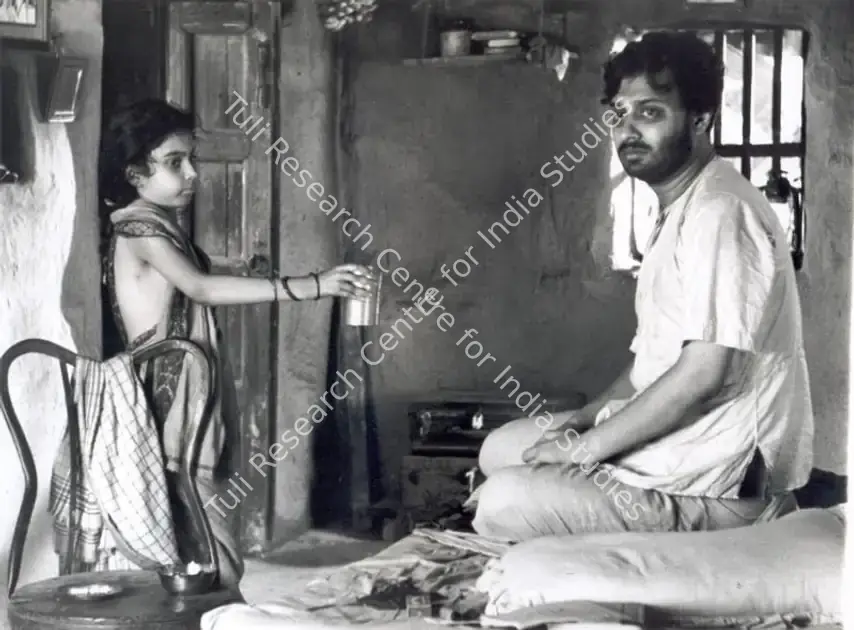
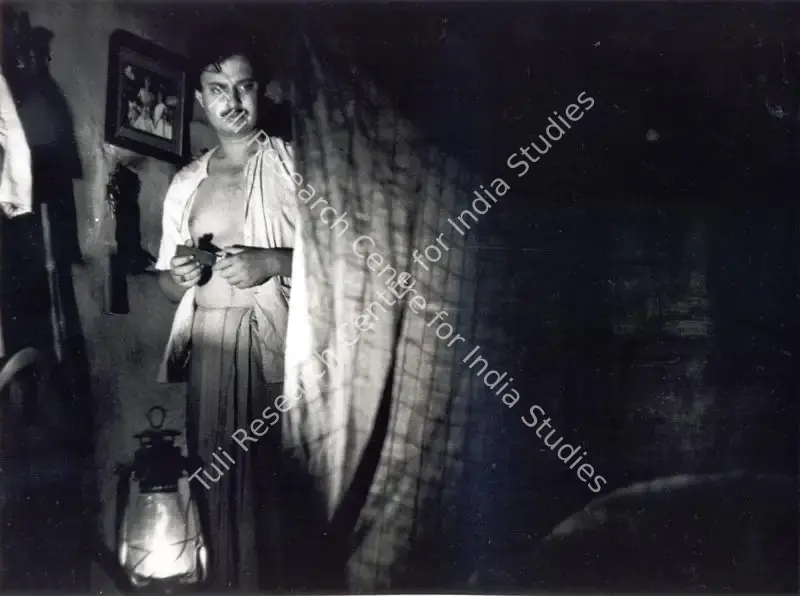
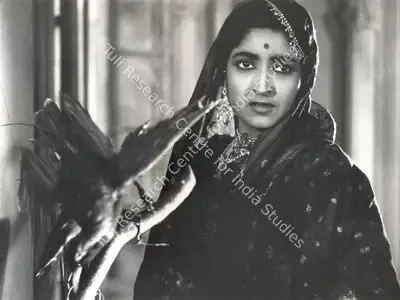
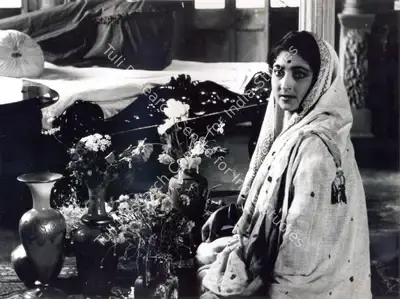
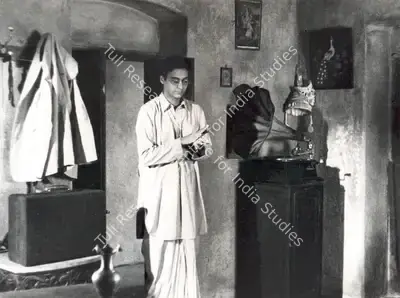
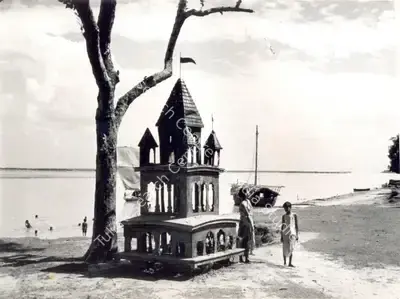
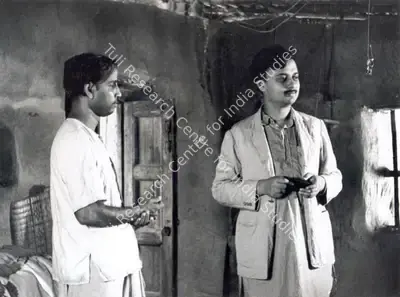
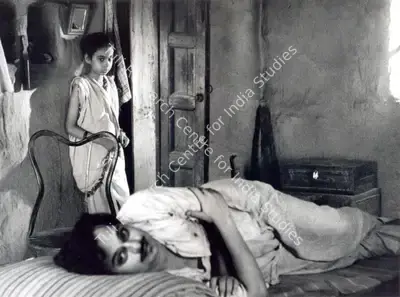
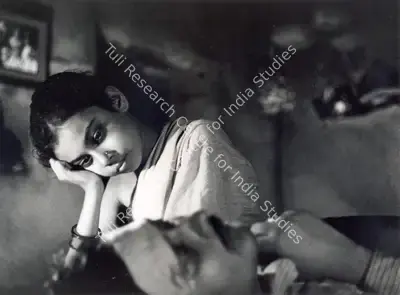
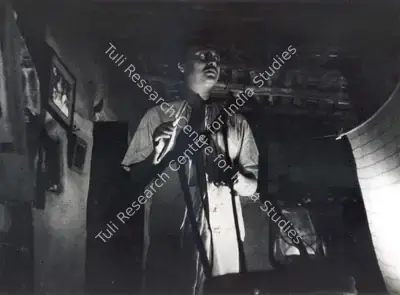
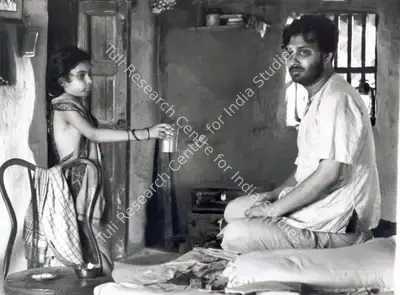
Postmaster The opening segment, Postmaster, is widely considered the most emotionally affecting of the trio. It stars Chandana Banerjee as Ratan, a young orphaned servant girl, and Anil Chatterjee as Nandal, a city-bred postmaster assigned to a remote rural village. Their tentative relationship—marked by moments of silent tenderness and deep social divide—forms the emotional core of the narrative.
Ray handles the story with profound delicacy, capturing not only the stark contrasts between urban sensibility and rural simplicity but also the unspoken emotional currents between master and servant. Critics lauded this segment as “heart-wrenching” and “poignant,” noting how Ray evokes sorrow not through dramatic flourishes, but through quiet, dignified restraint. Supporting performances by Nripati Chattopadhyay and Khagen Pathak further root the story in a vivid sense of place and community.
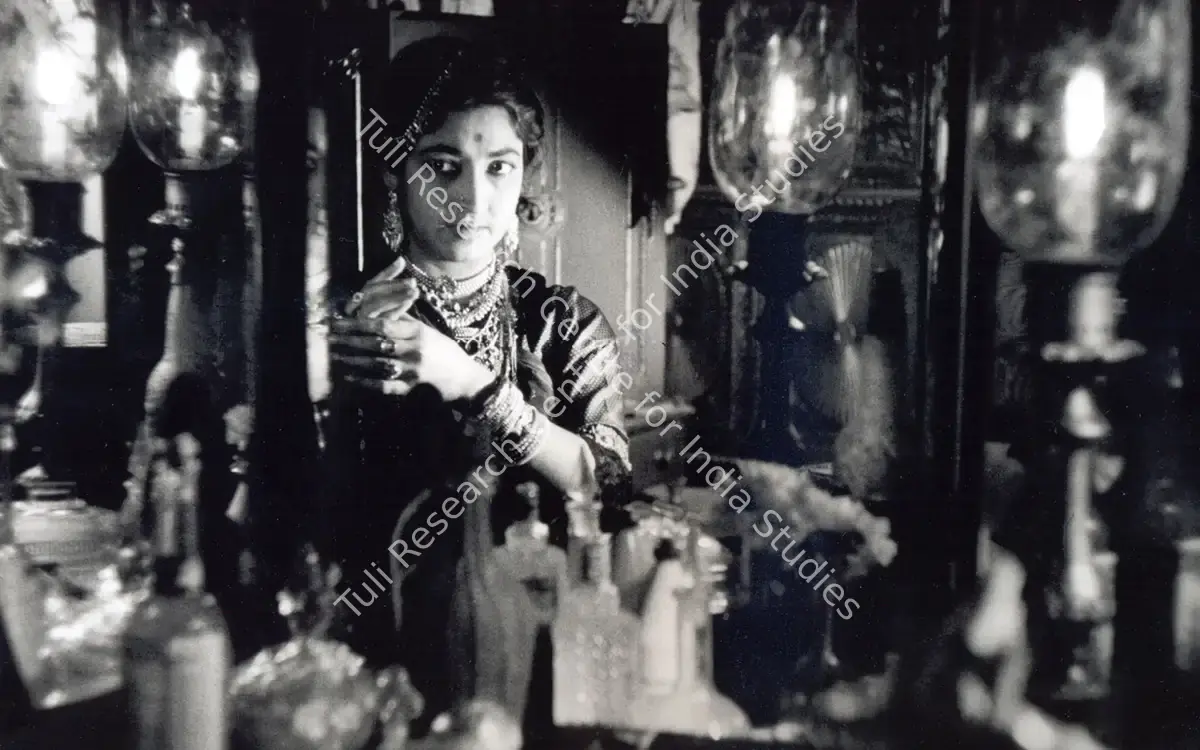
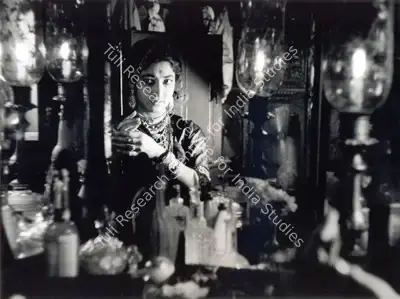
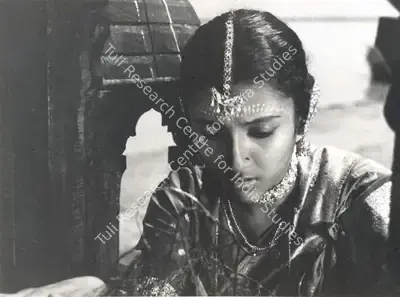
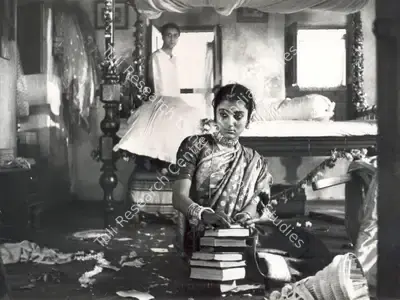
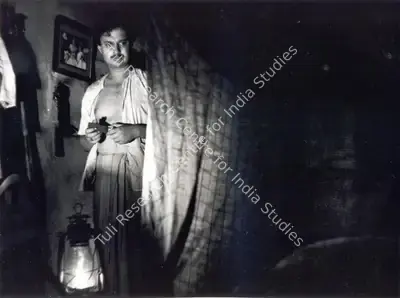
Monihara (The Lost Jewels) The second tale, Monihara, ventures into the supernatural, exploring themes of obsession and loss. Kali Banerjee plays Phanibhushan, a schoolteacher-turned-narrator, while Kanika Majumdar appears as Manimalika, a woman fatally attached to her jewels. Kumar Roy plays Madhusudhan, whose presence deepens the eerie tone of the story.
While visually compelling, Ray crafts a haunting, atmospheric aesthetic, Monihara was generally seen as the weakest of the three narratives. Critics described its plot as thin and its supernatural twist as underwhelming, even “silly.” Yet some still found its Gothic sensibilities intriguing. Due to its relatively lukewarm reception, this segment was excluded from the international release, which many argue results in a tighter and more effective film overall.
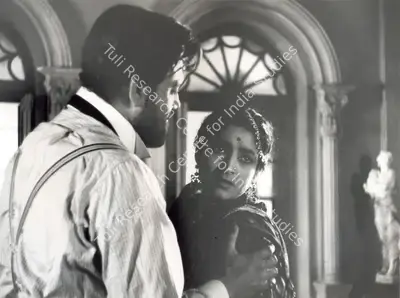
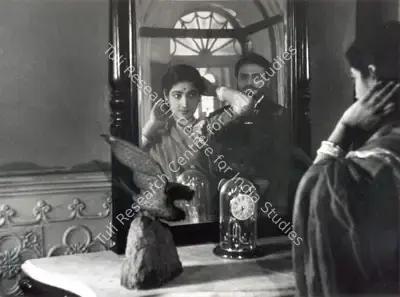
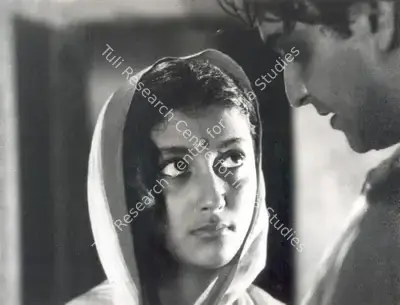
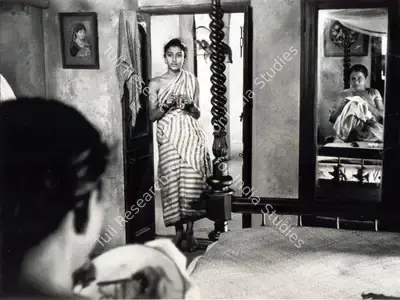
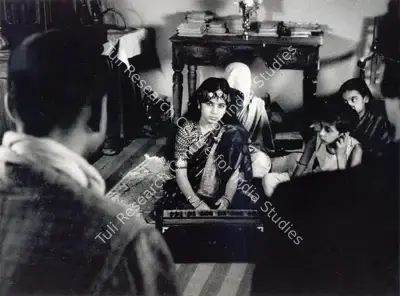
Samapti (The Conclusion) The final segment, Samapti, stands in tonal contrast to the earlier stories. It stars a young Soumitra Chatterjee as Amulya, a recent university graduate who returns to his village and becomes enchanted by Mrinmoyee, a free-spirited, tomboyish girl portrayed by Aparna Sen in one of her earliest and most memorable roles.
Filled with charm, humour, and youthful vitality, the story unfolds as a romantic comedy with unexpected emotional depth. Critics praised the film's nuanced exploration of gender roles and societal expectations. The irony is unmistakable: Amulya asserts his freedom in choosing a wife, yet resists granting the same agency to Mrinmoyee. Through this, Ray subtly critiques the prevailing norms around women's emancipation.
The supporting cast, Sita Mukherjee, Gita Dey, and Santosh Dutta, adds colour and texture to a narrative that is both tender and quietly subversive.
Though opinions varied regarding the individual segments, Teen Kanya was met with widespread critical acclaim. Ray's evocative rendering of rural Bengal, his masterful adaptation of Tagore's prose, and the restrained yet emotionally charged performances were universally praised. Of particular note was Aparna Sen's luminous debut, which heralded the arrival of a major talent in Indian cinema.
The film was celebrated for its neo-realist approach, capturing the struggles and joys of ordinary lives with quiet empathy and moral clarity. Ray's ability to illuminate Tagore's psychological subtleties, especially the internal lives of women, was seen as both faithful to the source material and deeply cinematic.
At the 1961 National Film Awards, Teen Kanya was honoured with the Best Feature Film in Bengali, a significant national recognition. Internationally, it won the Selznick Golden Laurel for Best Film at the 13th Berlin International Film Festival, and was named Best Indian Film of the Year and Best Director by the 25th Bengal Film Journalists' Association (BFJA). Decades later, its enduring legacy was reaffirmed at the 2019 Cult Critic Movie Awards.
In 1996, the Academy Film Archive preserved the international version of Teen Kanya, ensuring its continued availability to global audiences and securing its place among the classics of world cinema.
भारत में मूल रूप से प्रदर्शित हुई तीन कन्या शीर्षक फ़िल्म में गुरुदेव टैगोर की लिखी तीन कहानियाँ शामिल थीं जिनके शीर्षक थे 'पोस्टमास्टर', 'मणिहारा' और 'समाप्ति' जबकि फ़िल्म के अंतरराष्ट्रीय संस्करण से 'मणिहारा' को हटा दिया गया था और इसे 'टू डॉटर्स' शीर्षक से प्रदर्शित किया गया। यही वाला फ़िल्म का संक्षिप्त संस्करण सन् 1997 में वी.एच.एस. पर जारी हुआ और आलोचकों ने इसे अधिक सुसंगत और भावनात्मक रूप से अधिक प्रभावशाली कहा।
इसकी पहली कहानी 'पोस्टमास्टर' को तीनों कहानियों में सबसे अधिक हृदयस्पर्शी माना जाता है। इसमें अभिनेत्री चंदना बनर्जी एक अनाथ नौकरानी रतन का किरदार निभाया है और अभिनेता अनिल चटर्जी ने शहर से आये एक ऐसे पोस्टमार्टर नंदल की भूमिका निभाई है जिसे एक दूरदराज के सुदूर गाँव में नियुक्ति मिली है। इन दोनों किरदारों के बीच में पनपते संबंध में एक नाज़ुक कोमलता भी है और गहरे सामाजिक भेद भी। यही संबंध की डोर कहानी का भावनात्मक केंद्र गढ़ती है।
राय ने इस कथा को अत्यंत कोमलता के साथ प्रस्तुत किया जिसमें उन्होंने शहरी सौंदर्यबोध और ग्रामीण सादगी के बीच तीखे अन्तर को उजागर करते हुए मालिक और सेविका के बीच अनकहे भावनात्मक प्रवाह को दर्ज किया। आलोचकों ने इस कहानी को “हृदयविदारक” और “मर्मस्पर्शी” कहा और माना कि राय ने यहाँ भावनाओं को नाटकीयता के साथ नहीं बल्कि सौम्य गरिमा और संयम के साथ उभारा है। सहायक भूमिकाओं में नृपति चट्टोपाध्याय और खगेन पाठक के उम्दा अभिनय ने कहानी को स्थानीय परिवेश और समुदायगत जीवन्तता से जोड़ दिया।
दूसरी कहानी 'मणिहारा' अनोखे संसार में दर्शक को लेकर जाती है और आकर्षण व अभाव जैसे विषयों को टटोलती है। काली बनर्जी ने इस कहानी में फणिभूषण की भूमिका निभाई है जो पहले एक शिक्षक थे और अब कथा सुना रहे हैं। अभिनेत्री कनिका मजूमदार ने इस कथा में मणिमलिका का किरदार निभाया है जो अपने गहनों से अत्यधिक मोह रखती है। कुमार राय ने कहानी में मधुसूदन की भूमिका निभाई है जिनकी उपस्थिति कथा के रहस्यमय वातावरण को गहराती है। दृश्यात्मक रूप से यह खण्ड आकर्षक बन पड़ा है। राय यहाँ सिहरन पैदा करनेवाला वातावरण रचते हैं। फिर भी आलोचकों ने इसे फ़िल्म की तीनों कहानियों में सबसे कमज़ोर बताया। इसके कथानक को सतही और इसके अलौकिक ट्विस्ट को निराशाजनक, यहाँ तक कि “बचकाना” तक बताया गया। फिर भी कुछ लोगों ने इसकी गॉथिक किस्म की संवेदनाओं को रोचक पाया। इसे मिली ठंडी प्रतिक्रिया के कारण ही इस खण्ड को फ़िल्म के अंतरराष्ट्रीय संस्करण से हटा दिया गया और कई लोगों ने इसे फ़िल्म को सघन और प्रभावशाली बनाने वाला निर्णय करार दिया।
फ़िल्म की तीसरी और अन्तिम कहानी 'समाप्ति' का स्वर और मूड में पहली दोनों कहानियों से अलग है। इसमें युवा सौमित्र चटर्जी ने अमूल्य की भूमिका निभाई है। अमूल्य विश्वविद्यालय की पढ़ाई पूरी कर गाँव लौटा है और वहाँ वह मृणमयी पर मोहित हो जाता है। मृणमयी की भूमिका फ़िल्म में अपर्णा सेन ने निभाई है। यह उनकी शुरुआती और यादगार भूमिकाओं में से एक रही। यह एक निश्चिंत, चंचल और लड़कपन भरी लड़की की भूमिका है। कहानी में आकर्षण है, हास्य और तरुणाई से भरी ऊर्जा है, लेकिन यह कथा धीरे-धीरे भावनात्मक गहराई भी हासिल कर लेती है। आलोचकों ने इसे तयशुदा लैंगिक भूमिकाओं और समाज द्वारा थोपी गई अपेक्षाओं की बारीक़ पड़ताल करनेवाली कहानी के बतौर सराहा। कथानक में विडम्बना स्पष्ट दिखती है। एक ओर अमूल्य अपनी पत्नी के चयन में स्वतंत्रता जताता है, परंतु मृणमयी को वह वही अधिकार देने से कतराता है। इस तरह से राय महिलाओं की स्वतंत्रता के सवाल पर हावी रुढ़िवादी सामाजिक नज़रिये की आलोचना करते हैं। कहानी में सीता मुखर्जी, गीता डे और संतोष दत्ता का सहायक भूमिकाओं में अभिनय इस कथा को रंग और गहराई प्रदान करता है।
हालाँकि फ़िल्म के तीनों अलग-अलग हिस्सों को लेकर लोगों की राय भिन्न थी, कुल-मिलाकर तीन कन्या को व्यापक आलोचनात्मक सराहना मिली। ग्रामीण बंगाल के जीवन्त चित्रण, रवीन्द्रनाथ टैगोर गद्य शैली को सिनेमाई पर्दे पर उतारने की राय की कोशिश और कलाकारों के संयमित किंतु भावपूर्ण अभिनय को सभी जगह सराहा गया। विशेष रूप से अपर्णा सेन के शुरुआती काम के रूप में इसने भारतीय सिनेमा में एक बड़ी प्रतिभा के आगमन की घोषणा की। फ़िल्म की नव-यथार्थवादी दृष्टि को प्रशंसा मिली जो साधारण जीवन के संघर्षों और खुशियों को सहृदय बनकर और नैतिक भाव के साथ देखती है। टैगोर की कहानियों की मनोवैज्ञानिक बारीक़ियों, ख़ासकर स्त्रियों के आन्तरिक जीवन को समझने की उनकी क्षमता को राय ने स्रोत सामग्री के प्रति पूरी निष्ठा और गहरी सिनेमाई आभा के साथ प्रस्तुत किया।
सन् 1961 के राष्ट्रीय फ़िल्म पुरस्कारों में तीन कन्या को सर्वश्रेष्ठ बांग्ला फ़ीचर फ़िल्म का सम्मान हसिल हुआ। अंतरराष्ट्रीय स्तर पर इसे 13वें बर्लिन अंतरराष्ट्रीय फ़िल्म महोत्सव में सर्वश्रेष्ठ फ़िल्म का 'सेल्ज़निक गोल्डन लॉरेल' पुरस्कार मिला और बंगाल फ़िल्म जर्नलिस्ट्स एसोसिएशन (बीएफ़जेए) ने इसे उस वर्ष की सर्वश्रेष्ठ भारतीय फ़िल्म और सत्यजित राय को सर्वश्रेष्ठ निर्देशक घोषित किया। दशकों बाद सन् 2019 के 'कल्ट क्रिटिक मूवी अवॉर्ड्स' में भी इसकी विरासत को फिर से मान्यता मिली।
सन् 1996 में एकेडमी फ़िल्म आर्काइव ने तीन कन्या के अंतरराष्ट्रीय संस्करण को संरक्षित फ़िल्म घोषित किया जिससे यह वैश्विक दर्शकों के लिए सदा सुलभ बनी रहे और विश्व सिनेमा की क्लासिक कृतियों में गिनी जाती रहे।
Body of Work
Research Centre
Related
2