


Introduction
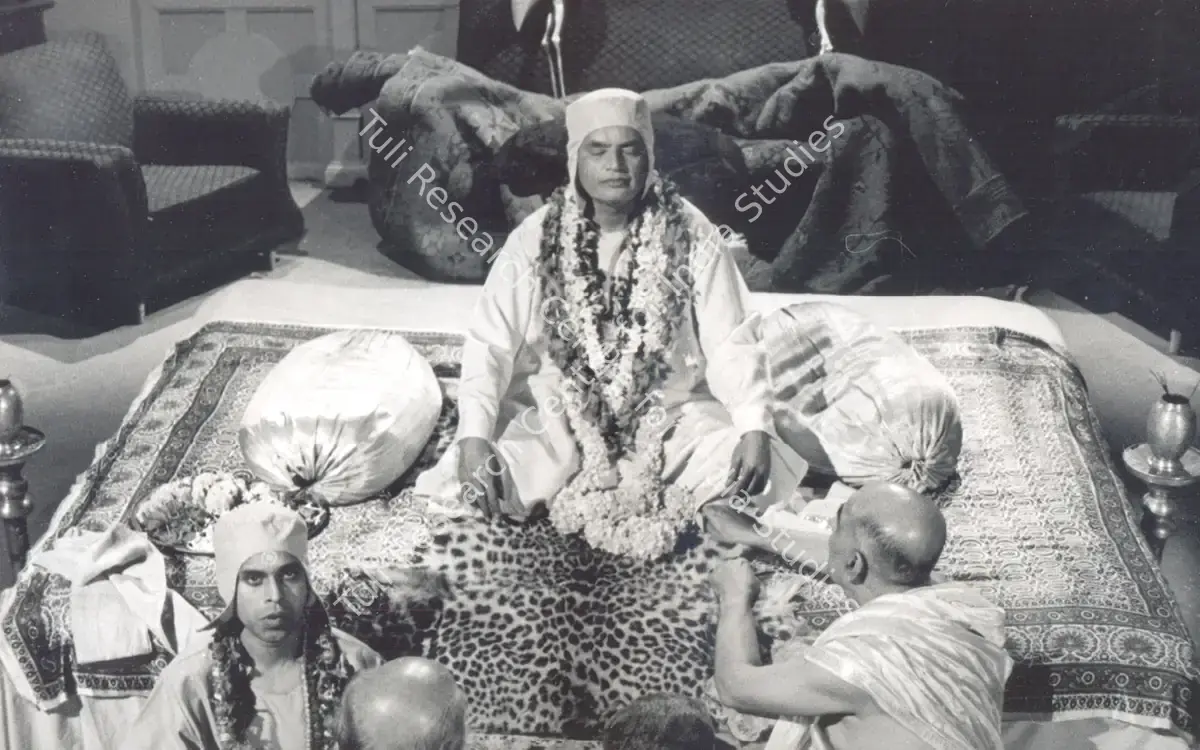
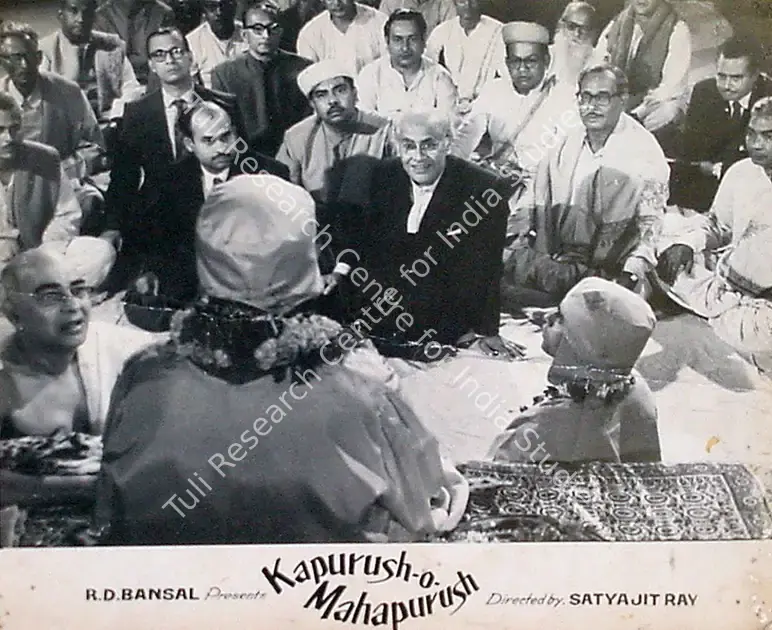
Mahapurush (The Holy Man, 1965), directed by Satyajit Ray and based on Birinchibaba, a short story by Rajshekhar Basu, is a nimble, incisive satire that dissects blind faith with gentle wit and razor-sharp intelligence. Though often overshadowed by Ray's more solemn works, Mahapurush endures as one of his most playful yet penetrating critiques of post-independence Indian society.
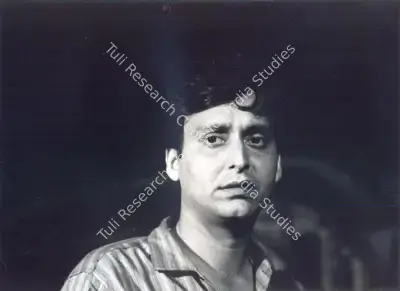
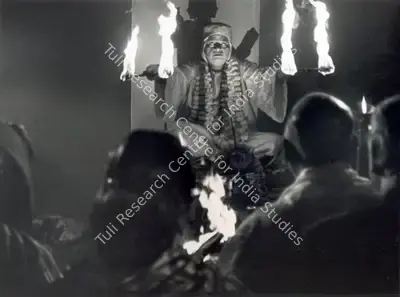
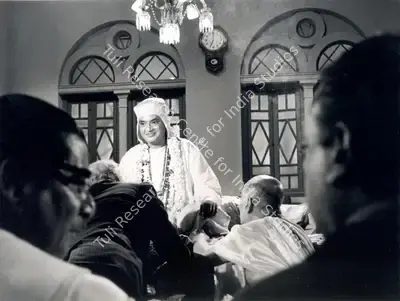
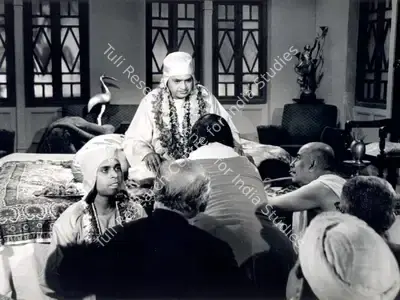
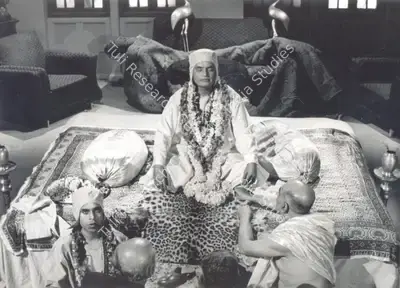
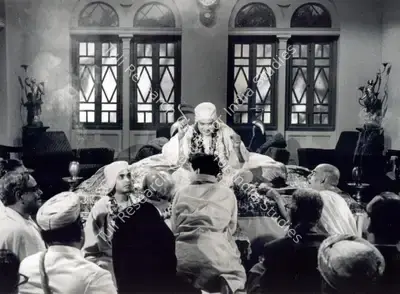
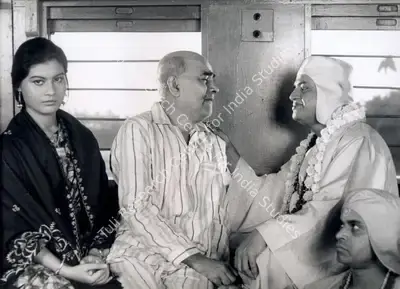
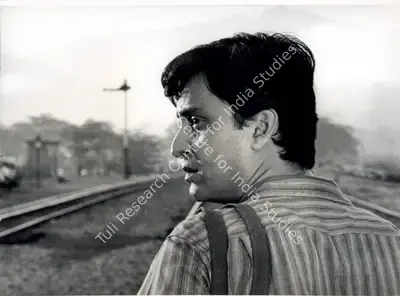
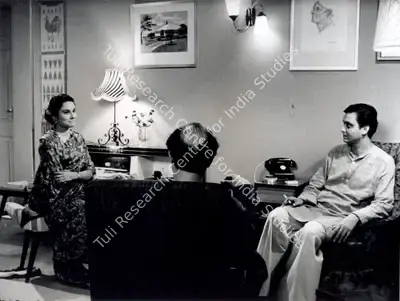
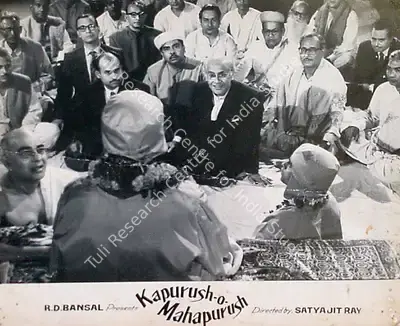
The film follows the story of Gurupada Mitter, a recently widowed, devout Hindu who becomes enthralled by a flamboyant godman, Birinchi Baba, played with unforgettable theatricality by Charuprakash Ghosh. With his eccentric declarations, claiming to have conversed with Plato, Buddha, and Einstein, Birinchi Baba charms the gullible elite, including Gurupada and his daughter Buchki (Gitali Roy). Meanwhile, Buchki's suitor Satya (Satindra Bhattacharya) and his skeptical friend Nibaran (Somen Bose) take it upon themselves to expose the fraud, aided by the absurdly comical Professor Nani (Santosh Dutta) and his bemused wife (Renuka Roy). Rabi Ghosh delivers a pitch-perfect performance as Birinchi Baba's sly and sycophantic assistant.
Beneath its seemingly lighthearted surface, Mahapurush presents a layered critique of how superstition and spiritual opportunism thrive even in modern, educated circles. The satire targets not religion itself, but the very human desire for certainty, comfort, and charismatic authority. Ray's lens is unflinching but never cruel, he observes the vulnerabilities of his characters with empathy, showing how grief, loneliness, or spiritual confusion can render anyone susceptible to illusion.
The film constructs a striking dichotomy between rational thought and irrational belief, capturing a nation at a cultural crossroads, caught between a reverence for tradition and an emerging faith in science and logic. The younger characters, especially Satya and Nibaran, embody this modern skepticism, using simple reasoning and staged illusions to unmask the baba's theatrics. Their methods may be humorous, but the implications are profound: truth need not be mystical, and salvation is not always found in saffron robes.
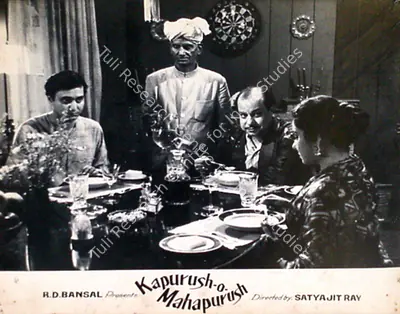
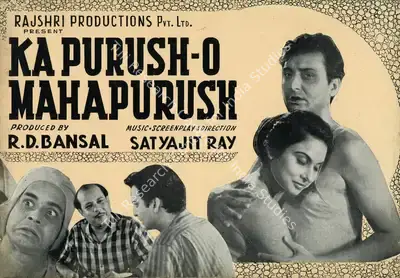
Critics have noted that Mahapurush, like its companion piece Kapurush, is concise and modest in scale. Its humor, rooted in wordplay, cultural nuance, and character-driven farce has sometimes eluded international audiences. Yet many regard this film as an essential testament to Ray's range, proof that he could wield comedy as deftly as he did tragedy. Where Kapurush is meditative and melancholic, Mahapurush is bright and biting, a comedy of manners with philosophical teeth.
Some reviewers suggest that while Mahapurush may lack the emotional heft or visual lyricism of the Apu Trilogy or Charulata, it compensates with its clarity of thought and satirical flair. Ray uses humour not as a distraction, but as a scalpel cutting through layers of social pretence and intellectual complacency without ever turning didactic.
In Mahapurush, Ray offers more than a simple farce. He holds up a mirror to a society in flux, exposing how modernity and mysticism often coexist in uneasy contradiction. With its effortless charm, brilliant ensemble cast, and enduring thematic relevance, the film remains a deceptively light but deeply resonant work, proof that laughter, in the hands of a master, can be the sharpest form of critique.
फ़िल्म की कहानी गुरुपद मित्र के किरदार के साथ आगे बढ़ती है। हाल ही में विधुर हुए गुरुपद एक विश्वासी हिंदू भक्त हैं। वे एक भड़कीले, धूर्त और ढोंगी संत बिरिंची बाबा के प्रभाव में आ जाते हैं। फ़िल्म में बिरिंची बाबा का यह किरदार चारुप्रकाश घोष ने अविस्मरणीय नाटकीयता के साथ निभाया है। अपने अजीबोगरीब दावों जिसमें वे प्लेटो, बुद्ध और आइंस्टाइन से बातचीत करने का दावा करते हैं, के ज़रिए वह भोलेभाले धनाड्य वर्ग को मोहित कर लेते हैं। उनके तमाशे पर मोहित होने वालों में गुरुपद और उनकी बेटी बुछकी (गीताली रॉय) भी शामिल हैं। लेकिन बुछकी का प्रेमी सत्य (सतींद्र भट्टाचार्य) और उसका शक करनेवाला मित्र निबारण (सोमन बोस) बाबा के छद्म की पोल खोलने का बीड़ा उठा लेते हैं। उन्हें इस कार्य में हास्यपूर्ण किरदार प्रोफेसर नानी (संतोष दत्ता) और उनकी हतप्रभ पत्नी (रेणुका रॉय) का सहयोग मिलता है। फ़िल्म में अभिनेता रबी घोष ने बिरिंची बाबा के धूर्त, चालाक और चापलूस सहायक की भूमिका में बेजोड़ अभिनय किया है।
अपने हल्के-फुल्के दिखते आवरण के पीछे महापुरुष धार्मिक छद्म की एक स्तरीय आलोचना प्रस्तुत करती है। कैसे अंधविश्वास और धर्म की आड़ लेकर अवसरवादी लोग आधुनिक, शिक्षित वर्गों को ठगते हैं। इसका व्यंग्य किसी धर्म पर नहीं बल्कि उस इंसानी प्रवृत्ति पर है जिसमें इंसान जीवन की अनिश्चितता से घबराकर करिश्माई चरित्रों के आगे नतमस्तक हो जाता है। राय की दृष्टि निर्भीक तो है लेकिन निर्मम नहीं है। वे अपने किरदारों की कमज़ोरियों को सहानुभूति भरी नज़र से दिखाते हैं। वे दिखाते हैं कि कैसे पीड़ा, अकेलापन या आध्यात्मिक संतुष्टि पाने की चाह किसी भी इंसान को छलावे का शिकार बना सकती है।
यह फ़िल्म तर्कशीलता और अंधविश्वास के बीच एक गहरा द्वंद्व रचती है। यह उस राष्ट्र की भी कहानी है जो स्वयं एक सांस्कृतिक दोराहे पर खड़ा है। परम्परा के प्रति श्रद्धा रखते हुए और विज्ञान-तर्क में उभरते विश्वास के बीच खुद को उलझा हुआ पाता है। कहानी के युवा पात्र जैसे सत्य और निबारण इस आधुनिक संशयवादी तर्कशीलता का प्रतिनिधित्व करते हैं। वे साधारण तर्क के माध्यम से मंचीय छल को उजागर कर ढोंगी बाबा की चालबाज़ियों का पर्दाफ़ाश करते हैं। उनकी यह पद्धति हास्यास्पद भले लगे लेकिन उससे निकलते निहितार्थ गहरे हैं। साफ़ है कि सत्य सदा रहस्य से घिरा नहीं होता और मुक्ति हमेशा भगवा चोले में नहीं आती।
आलोचकों ने माना कि महापुरुष अपने साथ रिलीज़ हुई दूसरी फ़िल्म कापुरुष की तरह ही संक्षिप्त फ़िल्म है और सीमित स्तर पर बनी है। इसका हास्य, शब्दों का खेल, सांस्कृतिक बारीकियाँ और किरदार आधारित हास्य और व्यंग्य कभी-कभी अंतरराष्ट्रीय दर्शक की समझ से इतर रह जाता है। फिर भी कई समीक्षकों ने इसे राय की बहुमुखी काबिलियत का अहम प्रमाण माना और कहा कि वे हास्य को भी उतनी ही कुशलता से साध सकते थे जितना त्रासदी को। जहाँ कापुरुष आत्मबोध की कथा है और उदास फ़िल्म है वहीं महापुरुष तीखा और चुभनेवाला व्यंग्य करती है। यह एक ऐसी सामाजिक कॉमेडी है जिसके पीछे तीखी दार्शनिक धार है।
कुछ समीक्षकों का यह भी मानना रहा कि हालाँकि महापुरुष में अपु त्रयी या चारुलता जैसी भावनात्मक गहराई या दृश्यात्मक काव्यात्मकता नहीं है लेकिन यह अपनी सटीक और साफ़ विचारधारा और व्यंग्य के तेज से उसकी भरपाई करती है। राय ने यहाँ हास्य का प्रयोग ध्यान भटकाने के लिए नहीं बल्कि किसी शल्य-चिकित्सक के उपकरण की तरह सावधानी से किया है। सामाजिक आडंबर और बौद्धिक आत्ममुग्धता की परतों को काटते हुए लेकिन बिना ज़रा भी उपदेशात्मक हुए।
महापुरुष में राय केवल एक हल्का-फुल्का हास्य ही नहीं प्रस्तुत करते बल्कि वे समाज को आईना दिखाते हैं। यह उजागर करते हैं कि आधुनिकता और रहस्यवादिता अक्सर असहज करनेवाले विरोधाभास में साथ मौजूद होती हैं। अपने सहज आकर्षण, उत्कृष्ट कलाकारों के समूह और आज भी प्रासंगिक विषय के चलते यह फिल्म हल्की लगने पर भी आज भी प्रासंगिक बनी हुई है। यह इसका भी प्रमाण है कि जब सिनेमा के किसी उस्ताद के हाथ में हास्य-व्यंग्य की तीखी छुरी आती है तो सबसे तीक्ष्ण आलोचनाएँ जन्म लेती हैं।
Body of Work
Research Centre
Related
2