Introduction
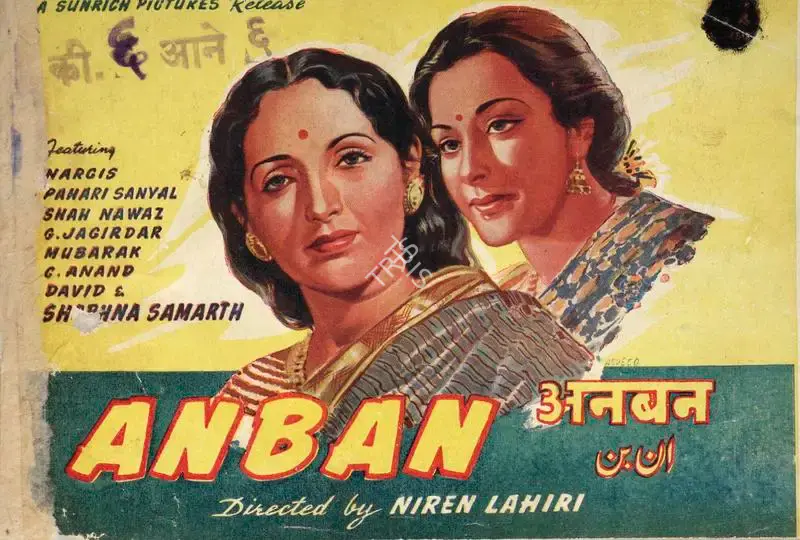
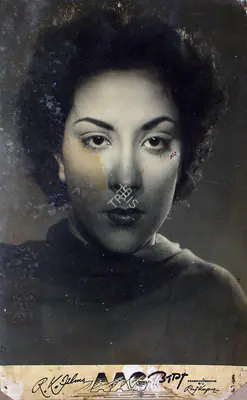
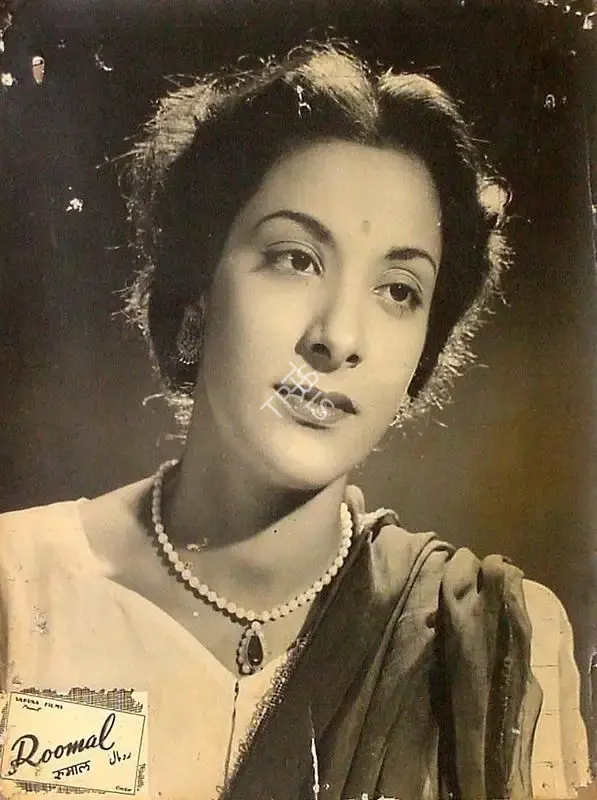
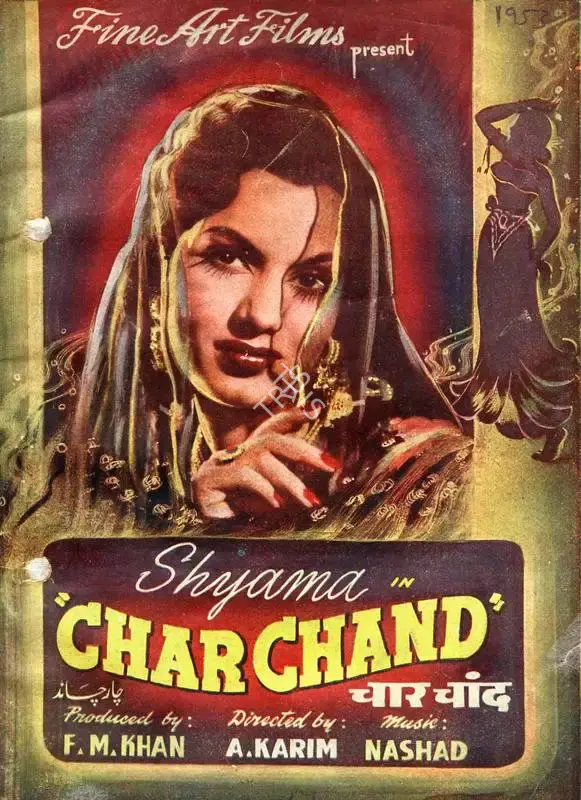
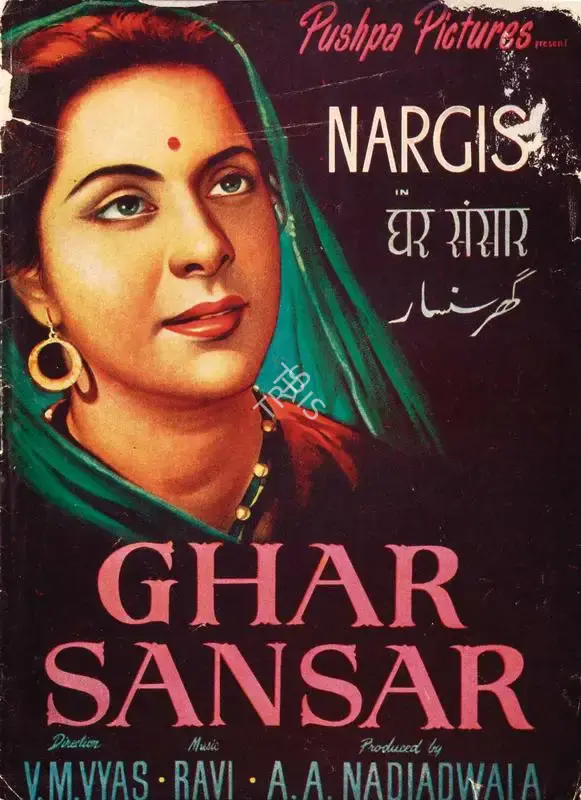
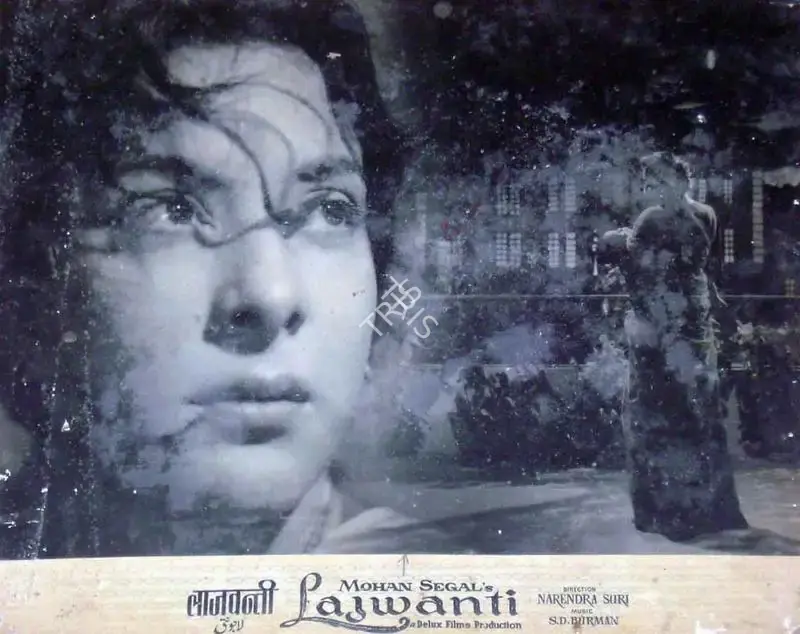
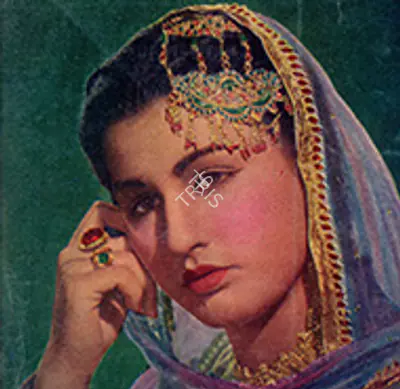
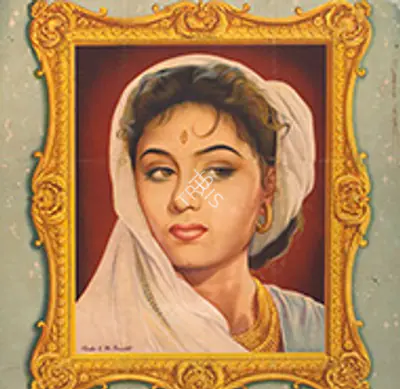
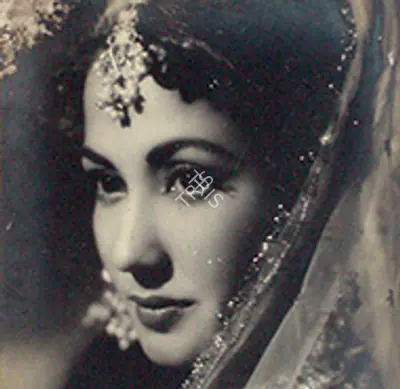
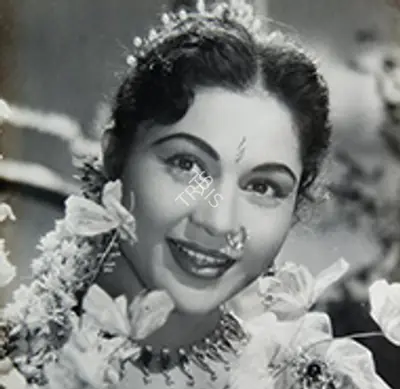
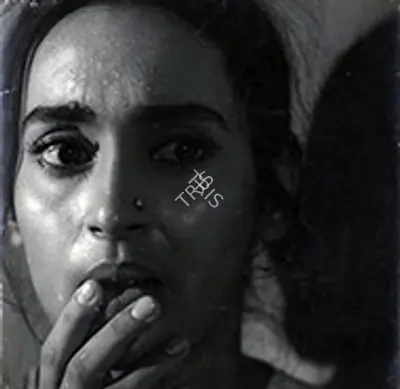
Nargis Dutt (born Fatima Rashid; 1 June 1929 – 3 May 1981) Revered simply as Nargis, she remains one of the most luminous figures in the history of Hindi cinema—an actress whose artistry fused emotional depth with striking modernity. Equally adept in screwball comedy and literary drama, she reshaped the representation of women on screen, embodying independence, dignity, and psychological complexity. At the height of her career through the 1950s and 1960s, she ranked among India's highest-paid actresses, dominating industry listings for nearly a decade.
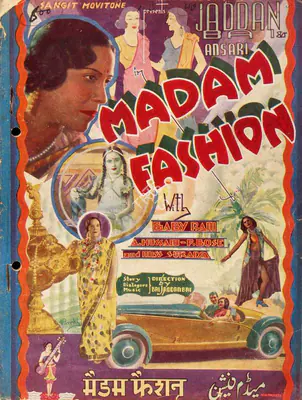
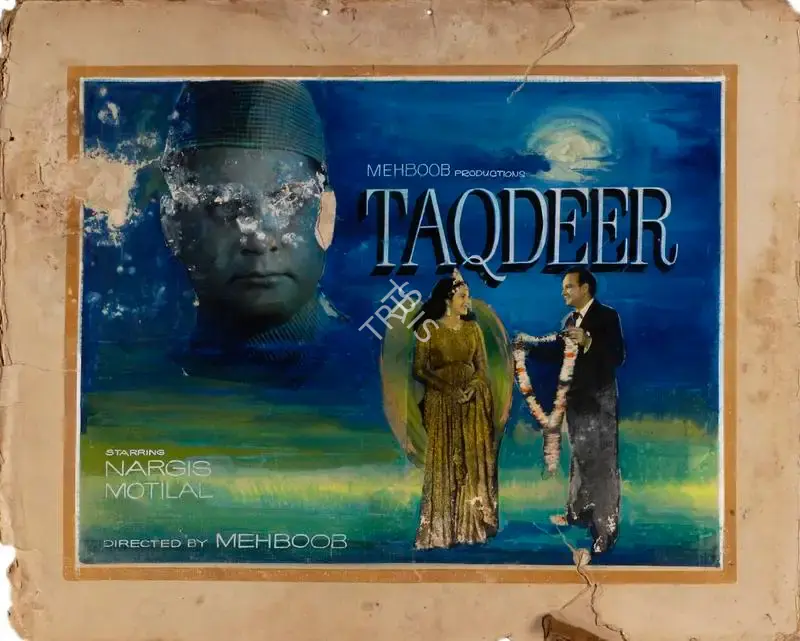
Born in Calcutta (now Kolkata), Nargis emerged from a richly cultured milieu. Her father, Abdul Rashid, traced his roots to Rawalpindi, while her mother, Jaddanbai, was a pioneering Hindustani classical vocalist and among the earliest women to leave an indelible mark on Indian cinema. Introduced to films as a child, she appeared as Baby Nargis in Talash-E-Haq (1935), later transitioning to adult roles with Tamanna (1942) and securing her first leading role in Taqdeer (1943). Beneath her cinematic rise lay a more private aspiration: a desire to pursue medicine, a dream left unrealised but one that would later find expression in her compassionate engagement with social and healthcare causes.
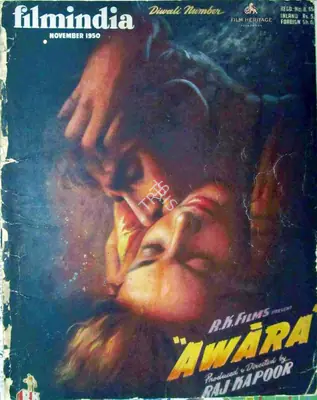
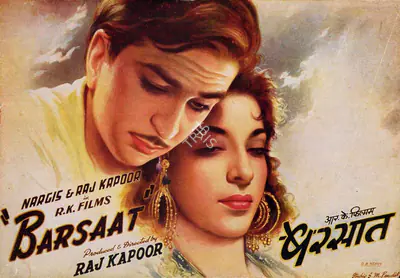
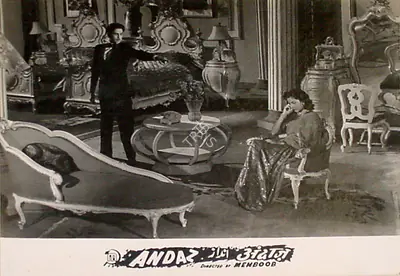
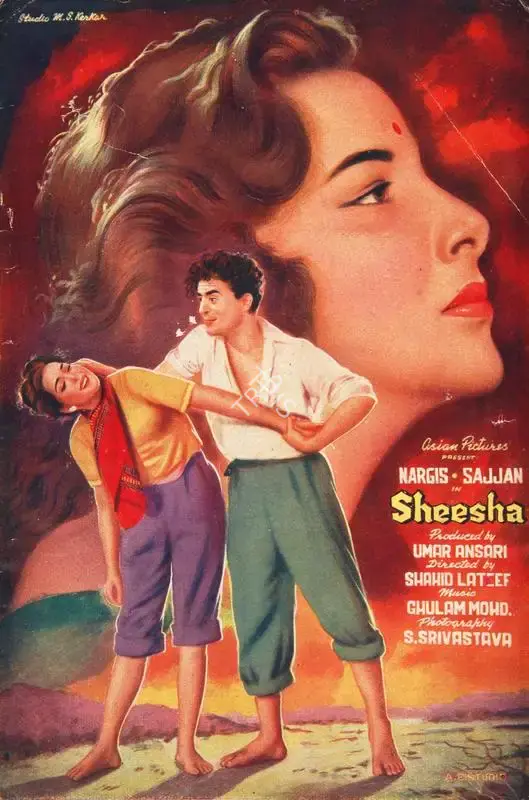
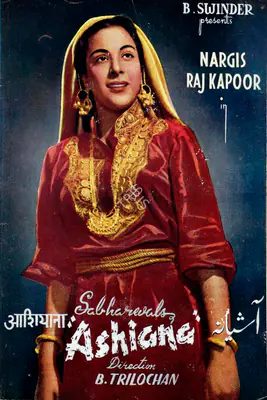
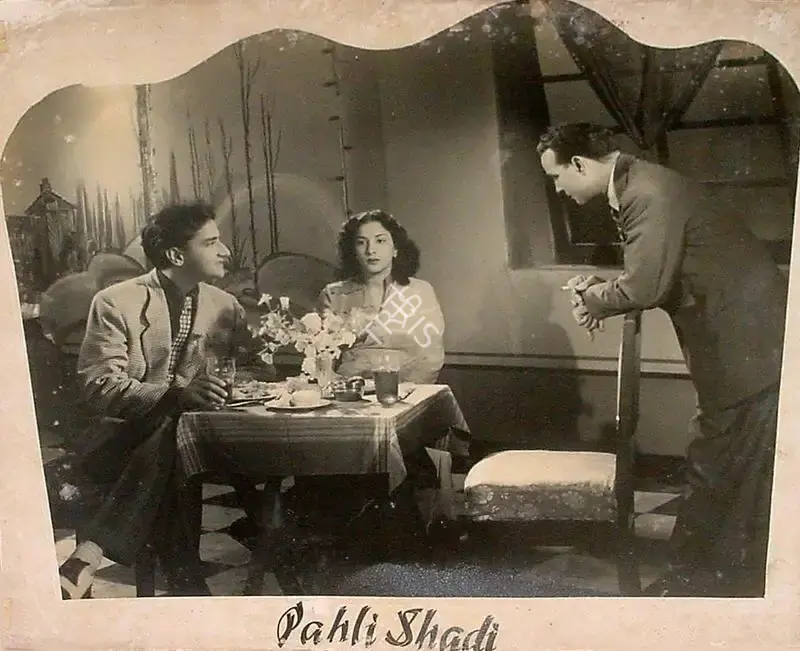
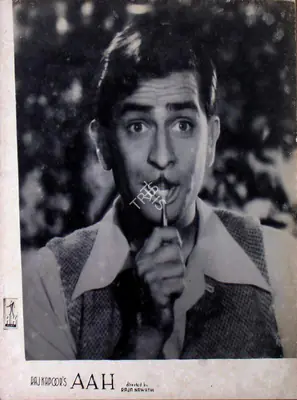
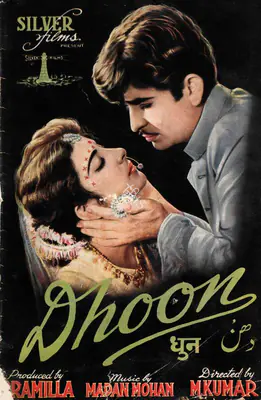
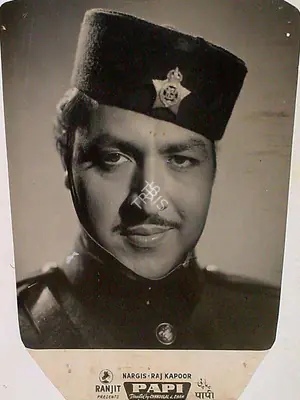
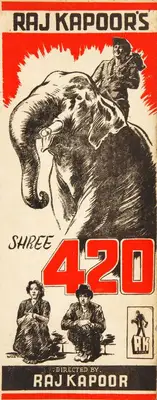
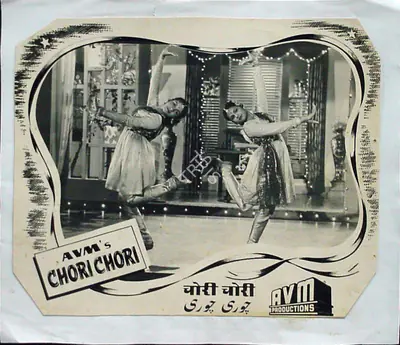
Her ascent to stardom was swift and decisive. Breakthrough successes such as Andaz (1949) and Barsaat (1949) established her as a leading figure of the era. Her collaborations with Raj Kapoor—notably Awaara (1951), Shree 420 (1955), and Chori Chori (1956)—cemented an iconic screen partnership. In these films, she consistently portrayed principled and resilient women, matching the dramatic intensity of her male counterparts while asserting a distinct moral authority.
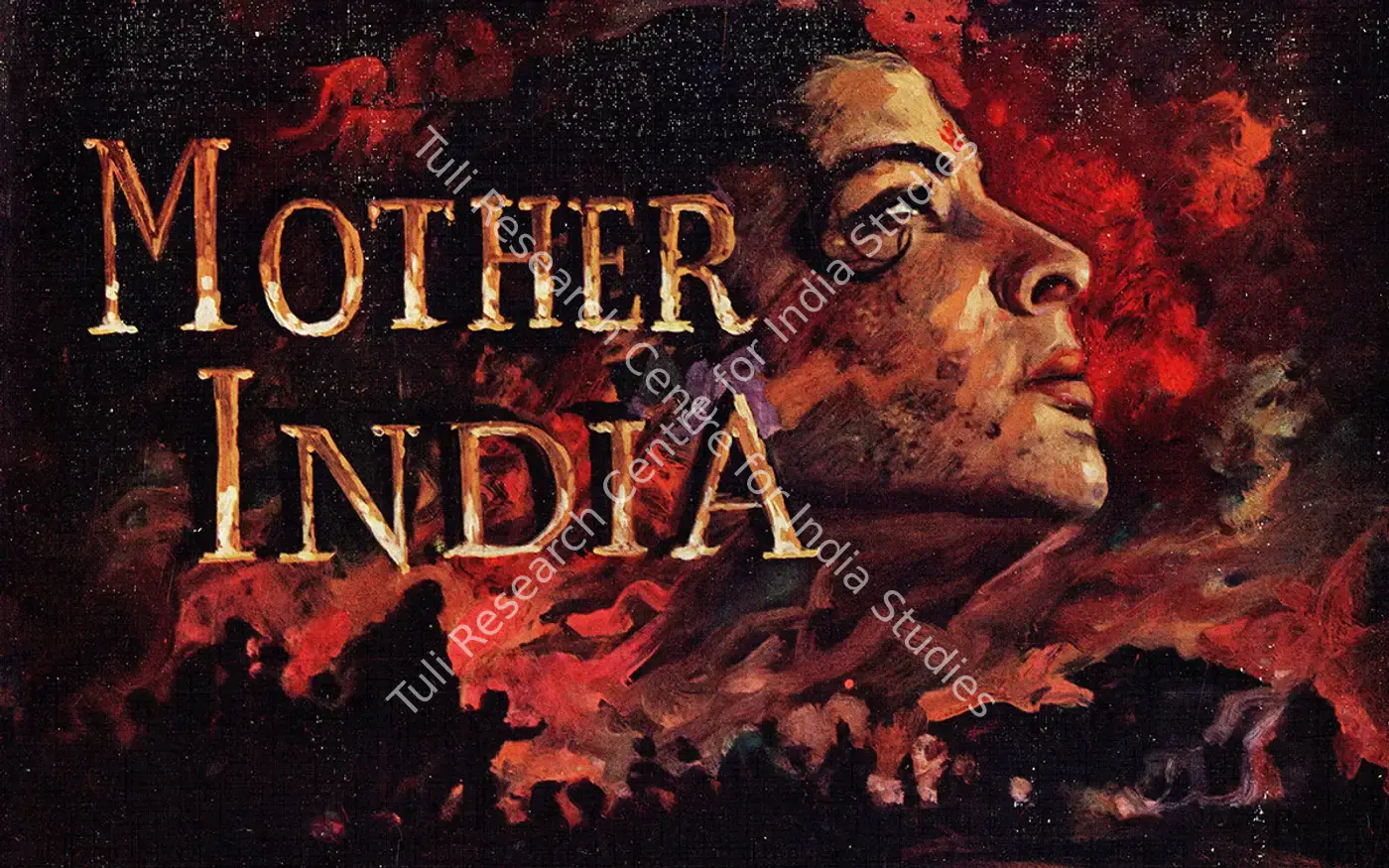
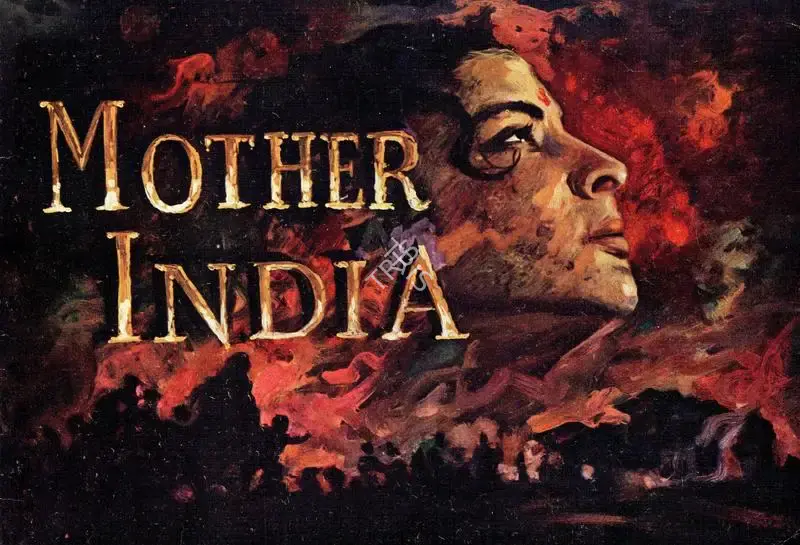
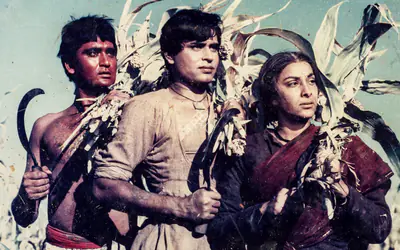
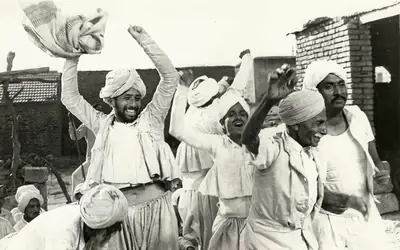
Nargis reached the zenith of her career with Mother India (1957), directed by Mehboob Khan. Her portrayal of Radha, the indomitable village matriarch, earned her the Filmfare Award for Best Actress and widespread international acclaim, including the Best Actress honour at the Karlovy Vary International Film Festival—making her the first Indian actress to receive the distinction. The film itself achieved historic significance as India's first submission to the Academy Awards in the Best Foreign Language Film category.
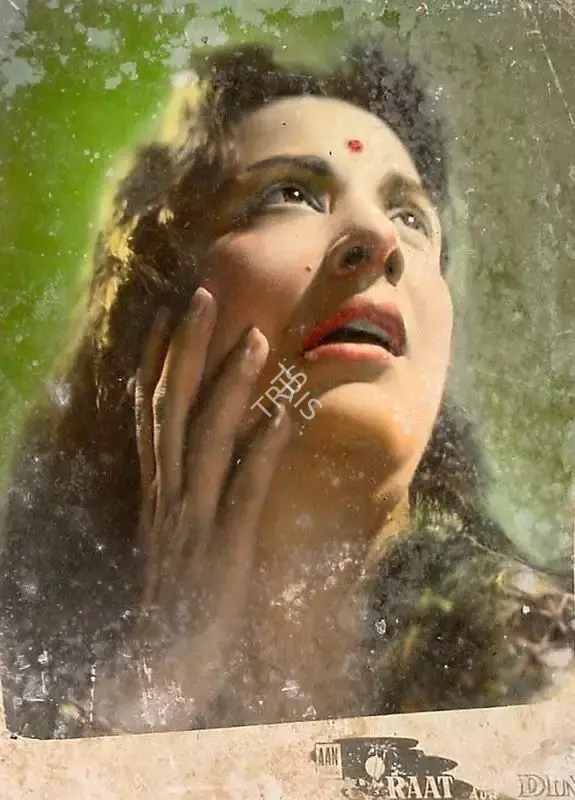
Her final cinematic triumph came with Raat Aur Din (1967), a psychologically intricate drama that won her the inaugural National Film Award for Best Actress in 1968. By then, she had already been honoured with the Padma Shri (1958), becoming the first film actress to receive the civilian award.
Off screen, Nargis shared a profound and widely chronicled relationship with Raj Kapoor, her frequent co-star. Their artistic collaboration evolved into a personal bond that endured for nearly nine years, making them one of Hindi cinema's most celebrated pairs. Yet Kapoor's existing marriage imposed an insurmountable boundary. When he declined to leave his family, Nargis chose to end the relationship—a decision that marked a decisive turning point in her life.
In 1958, she married her Mother India co-star Sunil Dutt and gradually withdrew from films. She thereafter dedicated herself to public life and social service, becoming associated with organisations such as the Spastics Society of India and later serving as a member of the Rajya Sabha in 1980.
Nargis passed away in 1981 after a battle with pancreatic cancer, just days before her son Sanjay Dutt debuted in Rocky (1981). Her legacy endures not only through her extraordinary body of work but also through the Nargis Dutt Award for Best Feature Film on National Integration—an enduring testament to a life that bridged cinema, compassion, and national consciousness.
Born in Calcutta (now Kolkata), Nargis emerged from a richly cultured milieu. Her father, Abdul Rashid, traced his roots to Rawalpindi, while her mother, Jaddanbai, was a pioneering Hindustani classical vocalist and among the earliest women to leave an indelible mark on Indian cinema. Introduced to films as a child, she appeared as Baby Nargis in Talash-E-Haq (1935), later transitioning to adult roles with Tamanna (1942) and securing her first leading role in Taqdeer (1943). Beneath her cinematic rise lay a more private aspiration: a desire to pursue medicine, a dream left unrealised but one that would later find expression in her compassionate engagement with social and healthcare causes.
Her ascent to stardom was swift and decisive. Breakthrough successes such as Andaz (1949) and Barsaat (1949) established her as a leading figure of the era. Her collaborations with Raj Kapoor—notably Awaara (1951), Shree 420 (1955), and Chori Chori (1956)—cemented an iconic screen partnership. In these films, she consistently portrayed principled and resilient women, matching the dramatic intensity of her male counterparts while asserting a distinct moral authority.
Nargis reached the zenith of her career with Mother India (1957), directed by Mehboob Khan. Her portrayal of Radha, the indomitable village matriarch, earned her the Filmfare Award for Best Actress and widespread international acclaim, including the Best Actress honour at the Karlovy Vary International Film Festival—making her the first Indian actress to receive the distinction. The film itself achieved historic significance as India's first submission to the Academy Awards in the Best Foreign Language Film category.
Her final cinematic triumph came with Raat Aur Din (1967), a psychologically intricate drama that won her the inaugural National Film Award for Best Actress in 1968. By then, she had already been honoured with the Padma Shri (1958), becoming the first film actress to receive the civilian award.
Off screen, Nargis shared a profound and widely chronicled relationship with Raj Kapoor, her frequent co-star. Their artistic collaboration evolved into a personal bond that endured for nearly nine years, making them one of Hindi cinema's most celebrated pairs. Yet Kapoor's existing marriage imposed an insurmountable boundary. When he declined to leave his family, Nargis chose to end the relationship—a decision that marked a decisive turning point in her life.
In 1958, she married her Mother India co-star Sunil Dutt and gradually withdrew from films. She thereafter dedicated herself to public life and social service, becoming associated with organisations such as the Spastics Society of India and later serving as a member of the Rajya Sabha in 1980.
Nargis passed away in 1981 after a battle with pancreatic cancer, just days before her son Sanjay Dutt debuted in Rocky (1981). Her legacy endures not only through her extraordinary body of work but also through the Nargis Dutt Award for Best Feature Film on National Integration—an enduring testament to a life that bridged cinema, compassion, and national consciousness.
नरगिस दत्त (जन्म फ़ातिमा राशिद; 1 जून 1929 – मृत्यु 3 मई 1981), जिन्हें केवल नरगिस के नाम से जाना जाता है, हिंदी सिनेमा के इतिहास की सबसे प्रतिभाशाली हस्तियों में से एक हैं। उनकी कला में भावनात्मक गहराई और आधुनिकता का अद्भुत संगम था। हास्य और साहित्यिक नाटक दोनों में समान रूप से निपुण, उन्होंने पर्दे पर महिलाओं के चित्रण को नया रूप दिया, स्वतंत्रता, गरिमा और मनोवैज्ञानिक जटिलता को मूर्त रूप दिया। 1950 और 1960 के दशक में अपने करियर के चरम पर, वह भारत की सबसे अधिक कमाई करने वाली अभिनेत्रियों में शुमार थीं और लगभग एक दशक तक उद्योग जगत में शीर्ष पर रहीं।
कलकत्ता (अब कोलकाता) में जन्मीं नरगिस उनका परवरिश एक समृद्ध सांस्कृतिक परिवेश में हुआ। उनके पिता अब्दुल राशिद का संबंध रावलपिंडी से था, जबकि उनकी माता जद्दनबाई हिंदुस्तानी शास्त्रीय संगीत की अग्रणी गायिका थीं और भारतीय सिनेमा पर अमिट छाप छोड़ने वाली प्रारंभिक महिलाओं में से एक थीं। बचपन से ही फ़िल्मों से परिचित नरगिस ने तलाश-ए-हक़ (1935) में बेबी नरगिस के रूप में अभिनय किया, बाद में तमन्ना (1942) से वयस्क भूमिकाओं में कदम रखा और तक़दीर (1943) में अपनी पहली मुख्य भूमिका हासिल की। सिनेमाई सफलता के पीछे एक निजी आकांक्षा छिपी थी: चिकित्सा के क्षेत्र में आगे बढ़ने की इच्छा, एक ऐसा सपना जो अधूरा रह गया, लेकिन बाद में सामाजिक और स्वास्थ्य संबंधी कार्यों में उनकी करुणापूर्ण भागीदारी में व्यक्त हुआ।
उनकी प्रसिद्धि का सफ़र बहुत ही तीव्र और निर्णायक था। अंदाज़ (1949) और बरसात (1949) जैसी सफल फ़िल्मों ने उन्हें उस दौर की एक प्रमुख हस्ती के रूप में स्थापित कर दिया। राज कपूर के साथ उनकी फ़िल्मों - विशेष रूप से आवारा (1951), श्री 420 (1955) और चोरी चोरी (1956) - ने एक यादगार जोड़ी को जन्म दिया। इन फ़िल्मों में उन्होंने लगातार सिद्धांतवादी और दृढ़ निश्चयी महिलाओं का किरदार निभाया, जो अपने पुरुष सह-कलाकारों की नाटकीय तीव्रता के बराबर थीं, साथ ही साथ एक विशिष्ट नैतिक अधिकार भी प्रदर्शित करती थीं।
महबूब ख़ान द्वारा निर्देशित फ़िल्म 'मदर इंडिया' (1957) से नरगिस अपने करियर के शिखर पर पहुंचीं। गांव की अदम्य मुखिया राधा के उनके किरदार ने उन्हें सर्वश्रेष्ठ अभिनेत्री का फ़िल्मफ़ेयर पुरस्कार और व्यापक अंतरराष्ट्रीय प्रशंसा दिलाई, जिसमें कार्लोवी वेरी अंतरराष्ट्रीय फ़िल्म महोत्सव में सर्वश्रेष्ठ अभिनेत्री का सम्मान भी शामिल है, जिससे वह यह सम्मान पाने वाली पहली भारतीय अभिनेत्री बनीं। यह फ़िल्म अपने आप में ऐतिहासिक महत्व रखती है क्योंकि यह सर्वश्रेष्ठ विदेशी भाषा फ़िल्म श्रेणी में अकादमी पुरस्कारों के लिए भारत की पहली प्रविष्टि थी।
उन्हें आख़िर में सिनेमाई सफलता 'रात और दिन' (1967) के साथ मिली, जो एक मनोवैज्ञानिक रूप से जटिल नाटक था और जिसने उन्हें 1968 में सर्वश्रेष्ठ अभिनेत्री का पहला राष्ट्रीय फ़िल्म पुरस्कार दिलाया। तब तक, उन्हें पद्म श्री (1958) से सम्मानित किया जा चुका था, जिससे वह यह नागरिक पुरस्कार प्राप्त करने वाली पहली फ़िल्म अभिनेत्री बन गईं।
पर्दे के बाहर, नरगिस का अपने साथ अक्सर काम करने वाले सह-कलाकार राज कपूर के साथ एक गहरा और चर्चित रिश्ता था। उनकी कलात्मक साझेदारी धीरे-धीरे एक व्यक्तिगत रिश्ते में बदल गई, जो लगभग नौ वर्षों तक चला, और उन्हें हिंदी सिनेमा की सबसे प्रसिद्ध जोड़ियों में से एक बना दिया। लेकिन कपूर की पहले से शादीशुदा ज़िंदगी ने एक ऐसी बाधा खड़ी कर दी जिसे पार करना नामुमकिन था। जब उन्होंने अपने परिवार को छोड़ने से इनकार कर दिया, तो नरगिस ने रिश्ता ख़त्म करने का फैसला किया और यह निर्णय उनके जीवन का एक निर्णायक मोड़ साबित हुआ।
1958 में, उन्होंने अपने फ़िल्म 'मदर इंडिया' के सह-कलाकार सुनील दत्त से शादी की और धीरे-धीरे फ़िल्मों से विमुख हो गईं। इसके बाद उन्होंने अपना जीवन सार्वजनिक जीवन और सामाजिक सेवा के लिए समर्पित कर दिया, और स्पैस्टिक सोसाइटी ऑफ़ इंडिया जैसे संगठनों से जुड़ गईं और बाद में 1980 में राज्यसभा सदस्य के रूप में कार्य किया।
नरगिस का निधन 1981 में पैंक्रियाटिक कैंसर से जूझते हुए हुआ, उनके बेटे संजय दत्त के रॉकी (1981) में पदार्पण से कुछ ही दिन पहले। उनकी विरासत न केवल उनके असाधारण कार्यों के माध्यम से बल्कि राष्ट्रीय एकता पर सर्वश्रेष्ठ फ़ीचर फ़िल्म के लिए नरगिस दत्त पुरस्कार के माध्यम से भी कायम है, जो सिनेमा, करुणा और राष्ट्रीय चेतना को जोड़ने वाले जीवन का एक स्थायी प्रमाण है।
कलकत्ता (अब कोलकाता) में जन्मीं नरगिस उनका परवरिश एक समृद्ध सांस्कृतिक परिवेश में हुआ। उनके पिता अब्दुल राशिद का संबंध रावलपिंडी से था, जबकि उनकी माता जद्दनबाई हिंदुस्तानी शास्त्रीय संगीत की अग्रणी गायिका थीं और भारतीय सिनेमा पर अमिट छाप छोड़ने वाली प्रारंभिक महिलाओं में से एक थीं। बचपन से ही फ़िल्मों से परिचित नरगिस ने तलाश-ए-हक़ (1935) में बेबी नरगिस के रूप में अभिनय किया, बाद में तमन्ना (1942) से वयस्क भूमिकाओं में कदम रखा और तक़दीर (1943) में अपनी पहली मुख्य भूमिका हासिल की। सिनेमाई सफलता के पीछे एक निजी आकांक्षा छिपी थी: चिकित्सा के क्षेत्र में आगे बढ़ने की इच्छा, एक ऐसा सपना जो अधूरा रह गया, लेकिन बाद में सामाजिक और स्वास्थ्य संबंधी कार्यों में उनकी करुणापूर्ण भागीदारी में व्यक्त हुआ।
उनकी प्रसिद्धि का सफ़र बहुत ही तीव्र और निर्णायक था। अंदाज़ (1949) और बरसात (1949) जैसी सफल फ़िल्मों ने उन्हें उस दौर की एक प्रमुख हस्ती के रूप में स्थापित कर दिया। राज कपूर के साथ उनकी फ़िल्मों - विशेष रूप से आवारा (1951), श्री 420 (1955) और चोरी चोरी (1956) - ने एक यादगार जोड़ी को जन्म दिया। इन फ़िल्मों में उन्होंने लगातार सिद्धांतवादी और दृढ़ निश्चयी महिलाओं का किरदार निभाया, जो अपने पुरुष सह-कलाकारों की नाटकीय तीव्रता के बराबर थीं, साथ ही साथ एक विशिष्ट नैतिक अधिकार भी प्रदर्शित करती थीं।
महबूब ख़ान द्वारा निर्देशित फ़िल्म 'मदर इंडिया' (1957) से नरगिस अपने करियर के शिखर पर पहुंचीं। गांव की अदम्य मुखिया राधा के उनके किरदार ने उन्हें सर्वश्रेष्ठ अभिनेत्री का फ़िल्मफ़ेयर पुरस्कार और व्यापक अंतरराष्ट्रीय प्रशंसा दिलाई, जिसमें कार्लोवी वेरी अंतरराष्ट्रीय फ़िल्म महोत्सव में सर्वश्रेष्ठ अभिनेत्री का सम्मान भी शामिल है, जिससे वह यह सम्मान पाने वाली पहली भारतीय अभिनेत्री बनीं। यह फ़िल्म अपने आप में ऐतिहासिक महत्व रखती है क्योंकि यह सर्वश्रेष्ठ विदेशी भाषा फ़िल्म श्रेणी में अकादमी पुरस्कारों के लिए भारत की पहली प्रविष्टि थी।
उन्हें आख़िर में सिनेमाई सफलता 'रात और दिन' (1967) के साथ मिली, जो एक मनोवैज्ञानिक रूप से जटिल नाटक था और जिसने उन्हें 1968 में सर्वश्रेष्ठ अभिनेत्री का पहला राष्ट्रीय फ़िल्म पुरस्कार दिलाया। तब तक, उन्हें पद्म श्री (1958) से सम्मानित किया जा चुका था, जिससे वह यह नागरिक पुरस्कार प्राप्त करने वाली पहली फ़िल्म अभिनेत्री बन गईं।
पर्दे के बाहर, नरगिस का अपने साथ अक्सर काम करने वाले सह-कलाकार राज कपूर के साथ एक गहरा और चर्चित रिश्ता था। उनकी कलात्मक साझेदारी धीरे-धीरे एक व्यक्तिगत रिश्ते में बदल गई, जो लगभग नौ वर्षों तक चला, और उन्हें हिंदी सिनेमा की सबसे प्रसिद्ध जोड़ियों में से एक बना दिया। लेकिन कपूर की पहले से शादीशुदा ज़िंदगी ने एक ऐसी बाधा खड़ी कर दी जिसे पार करना नामुमकिन था। जब उन्होंने अपने परिवार को छोड़ने से इनकार कर दिया, तो नरगिस ने रिश्ता ख़त्म करने का फैसला किया और यह निर्णय उनके जीवन का एक निर्णायक मोड़ साबित हुआ।
1958 में, उन्होंने अपने फ़िल्म 'मदर इंडिया' के सह-कलाकार सुनील दत्त से शादी की और धीरे-धीरे फ़िल्मों से विमुख हो गईं। इसके बाद उन्होंने अपना जीवन सार्वजनिक जीवन और सामाजिक सेवा के लिए समर्पित कर दिया, और स्पैस्टिक सोसाइटी ऑफ़ इंडिया जैसे संगठनों से जुड़ गईं और बाद में 1980 में राज्यसभा सदस्य के रूप में कार्य किया।
नरगिस का निधन 1981 में पैंक्रियाटिक कैंसर से जूझते हुए हुआ, उनके बेटे संजय दत्त के रॉकी (1981) में पदार्पण से कुछ ही दिन पहले। उनकी विरासत न केवल उनके असाधारण कार्यों के माध्यम से बल्कि राष्ट्रीय एकता पर सर्वश्रेष्ठ फ़ीचर फ़िल्म के लिए नरगिस दत्त पुरस्कार के माध्यम से भी कायम है, जो सिनेमा, करुणा और राष्ट्रीय चेतना को जोड़ने वाले जीवन का एक स्थायी प्रमाण है।
- Age
- 52
Filmography 62


Research Centre
160 of 642
160 of 564
Calendar 1
- ArchivedExhibitionProject 2Self-Discovery via Rediscovering India Series Part II India's Cinematic Heritage12th - 24th August 2024Self-Discovery via Rediscovering India Series Part IIRead More →
Related
58
Personalities
36
Films
20