Introduction
Dev Anand remains one of the most illustrious figures in the history of Indian cinema. Over a career spanning more than six decades, he established himself as a celebrated actor, writer, director, and producer, appearing in more than 100 films and playing a defining role in the golden era of Hindi cinema. Renowned for his distinctive charisma and remarkable versatility, Anand cultivated a screen persona marked by sophistication, idealism, and an enduring sense of optimism—qualities that made him one of the most enduring and beloved stars of Indian cinema.
A recipient of the Padma Bhushan (2001) and the Dadasaheb Phalke Award (2002), Anand also earned four Filmfare Awards, including two for Best Actor—for Kala Pani (1959) and Guide (1965). His career flourished between the late 1940s and the 1970s, a period during which he was consistently listed among Box Office India's “Top Actors.” He was frequently compared to Hollywood's Gregory Peck, though Anand famously asserted his individuality, remarking, “I don't want to be known as India's Gregory Peck—I am Dev Anand.”
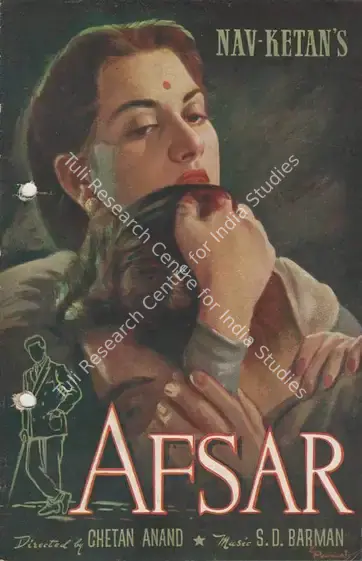
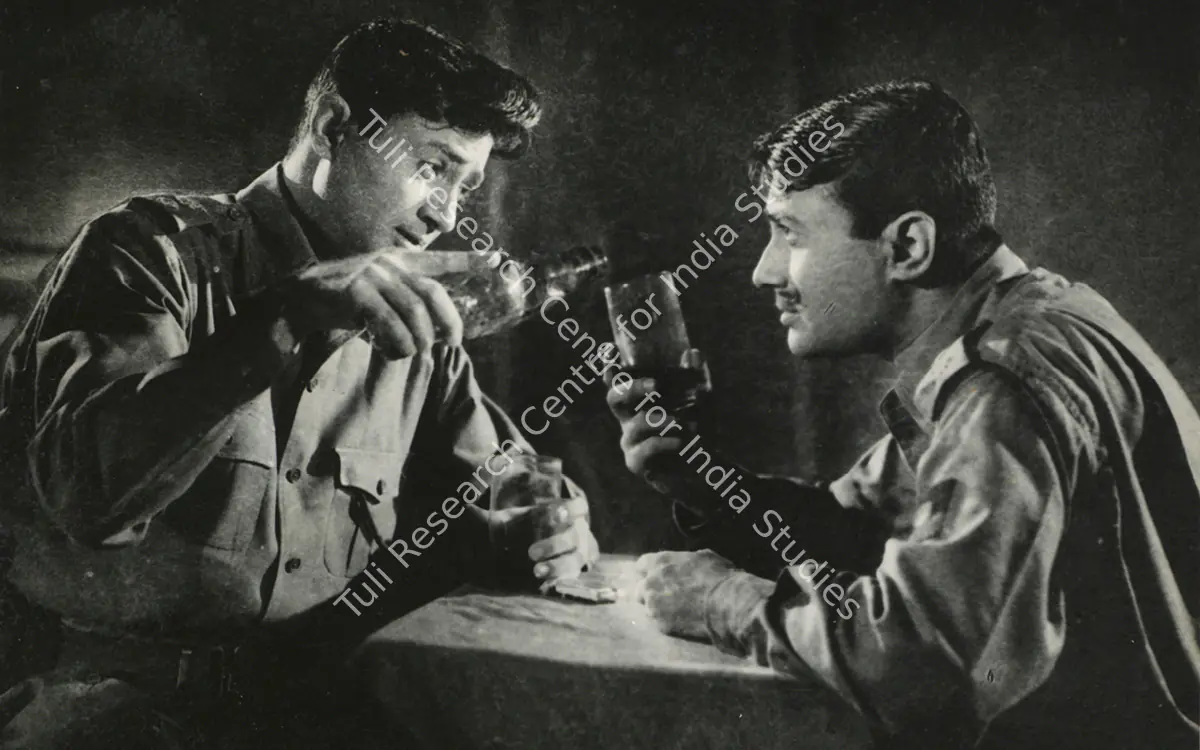
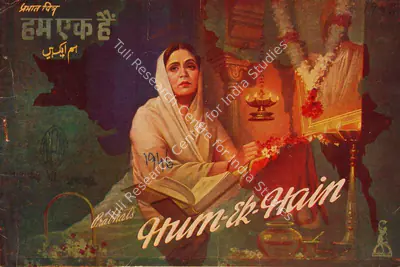
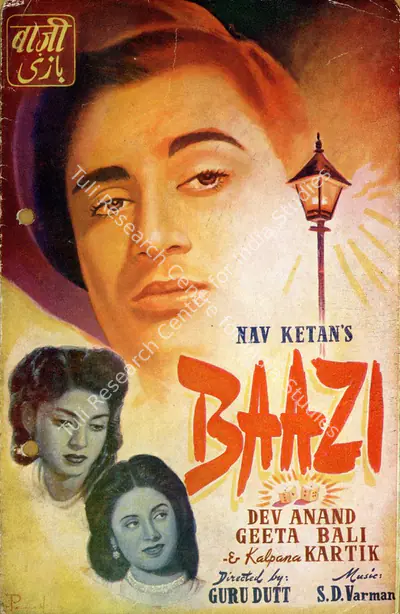
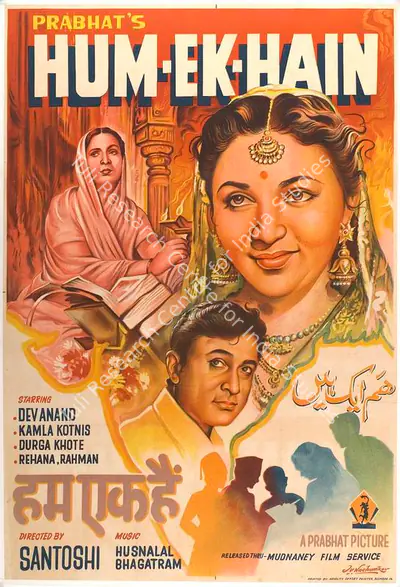
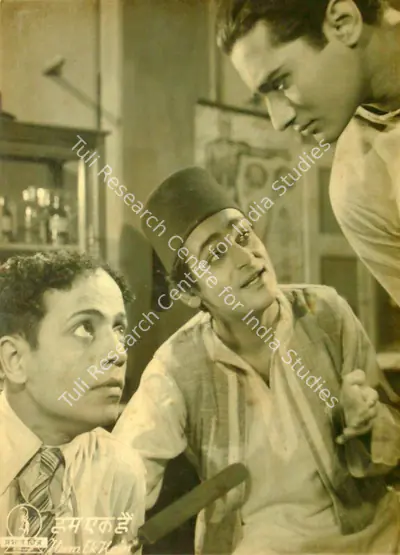
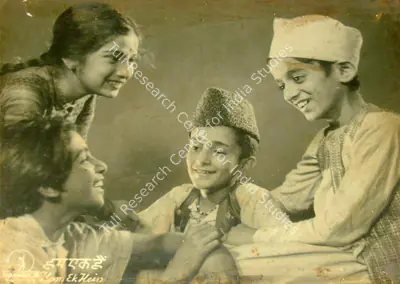
Born into a distinguished Punjabi family, Anand was the third of four sons of Pishori Lal Anand. His siblings included the noted filmmakers Chetan and Vijay Anand, with whom he later co-founded Navketan Films in 1949—a studio that became synonymous with innovation in Hindi cinema. After earning a B.A. in English Literature from Government College, Lahore, Anand moved to Bombay, initially working modest clerical jobs before securing his cinematic debut in Hum Ek Hain (1946). His first major success came with Ziddi (1948), followed by the landmark noir-inspired Baazi (1951), which inaugurated a new stylistic sensibility in Hindi films.
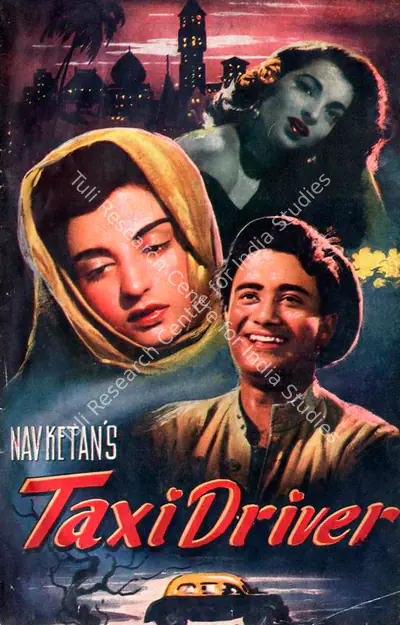
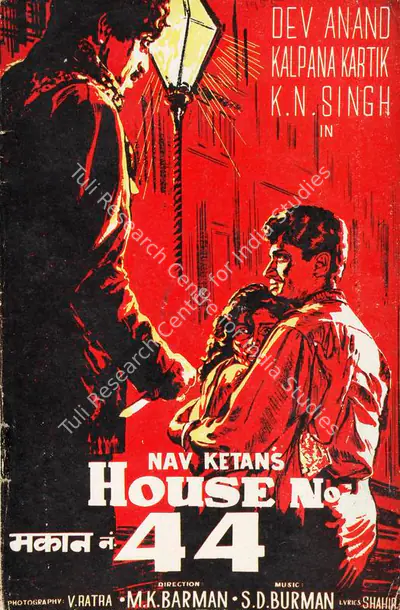
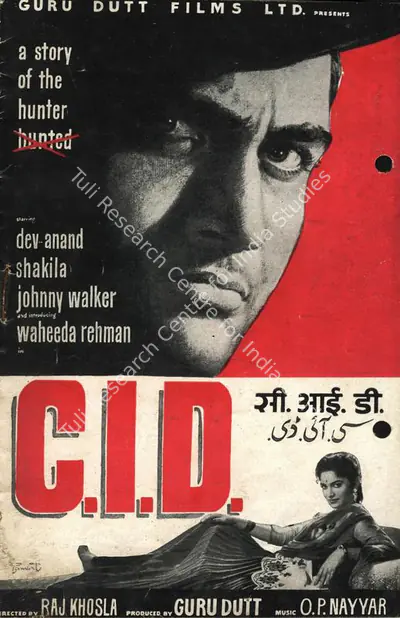
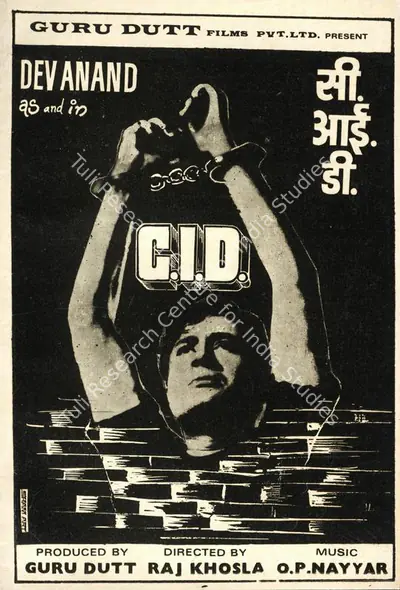
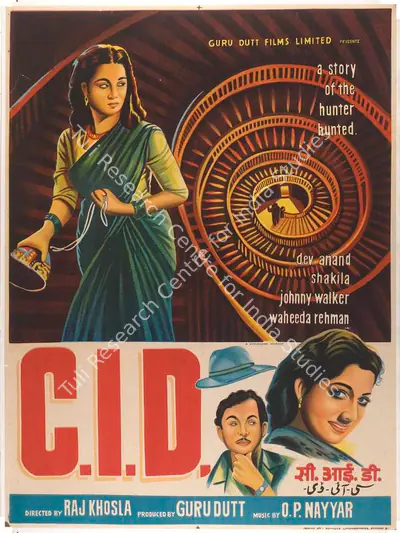
Anand's prolific oeuvre includes classics such as Taxi Driver (1954), CID (1956), Guide (1965), Jewel Thief (1967), and Johny Mera Naam (1970). As a director, he explored contemporary themes, most memorably in Hare Rama Hare Krishna (1971), which addressed the countercultural hippie movement and launched Zeenat Aman to stardom. His enduring appeal and youthful exuberance earned him the epithet “Evergreen Hero.”
Guide, is widely regarded as Vijay Anand finest work. Based on R. K. Narayan's acclaimed novel The Guide (1958), the film was written, directed, and edited by Vijay and featured Dev Anand and Waheeda Rehman in lead roles. Considered Dev Anand's finest performance, released to critical and commercial success, Guide went on to win three Filmfare Awards and became one of the most celebrated films of its era. It was also selected as India's official entry for the Academy Awards in 1966, further cementing its place in the history of Indian cinema.
Dev Anand belonged to the Golden Era of Hindi cinema, a period dominated by the celebrated triumvirate of Raj Kapoor, Dilip Kumar, and Dev Anand. Unlike later decades, when a single superstar could command the box office with remarkable consistency, the leading stars of this era coexisted at the pinnacle of their popularity, each possessing a distinct screen persona and an immense following. This landscape changed dramatically in the 1970s with the emergence of Amitabh Bachchan, whose unprecedented stardom ushered in a new age of the Hindi film superstar.
Beyond performance, Anand's creative vision shaped cinematic storytelling and music. His collaborations with eminent composers and lyricists—S.D. Burman, R.D. Burman, O.P. Nayyar, and Anand Bakshi—produced some of Hindi cinema's most celebrated melodies. A tireless innovator and eternal optimist, Dev Anand's legacy continues to symbolize the spirit, elegance, and timeless allure of Indian cinema.
Source:
https://theprint.in/theprint-profile/vijay-anand-the-guide-to-dev-anand-who-was-more-than-just-a-noir-filmmaker/181488/
https://en.wikipedia.org/wiki/Dev_Anand
https://pressinstitute.in/vidura/dev-anand-remembering-the-evergreen-romantic-star/
देव आनंद भारतीय सिनेमा के इतिहास की शानदार हस्तियों में से एक हैं। छह दशकों से भी लंबे अपने करियर में, उन्होंने ख़ुद को एक बेहतरीन अभिनेता, लेखक, निर्देशक और निर्माता के रूप में स्थापित किया। उन्होंने 100 से अधिक फ़िल्मों में काम किया और हिंदी सिनेमा के 'स्वर्ण युग' में एक अहम भूमिका निभाई। अपने ख़ास आकर्षण और बहुमुखी प्रतिभा के लिए मशहूर देव आनंद ने पर्दे पर एक ऐसी छवि बनाई, जिसमें नफ़ासत, आदर्शवाद और हमेशा सकारात्मक बने रहने का जज़्बा झलकता था। इन्हीं ख़ूबियों ने उन्हें भारतीय सिनेमा के सबसे लोकप्रिय और सदाबहार सितारों में से एक बना दिया।
उन्हें पद्म भूषण (2001) और दादा साहब फाल्के पुरस्कार (2002) से सम्मानित किया गया। इसके अलावा, उन्होंने चार फ़िल्मफ़ेयर पुरस्कार भी जीते, जिनमें 'काला पानी' (1959) और 'गाइड' (1965) के लिए मिले 'सर्वश्रेष्ठ अभिनेता' के दो पुरस्कार शामिल हैं। 1940 के दशक के आख़िर से लेकर 1970 के दशक तक उनका करियर ख़ूब फला-फूला और इस दौरान वे लगातार 'बॉक्स ऑफ़िस इंडिया' के 'टॉप एक्टर्स' की सूची में बने रहे। अक्सर उनकी तुलना हॉलीवुड अभिनेता ग्रेगरी पेक से की जाती थी, लेकिन देव आनंद ने हमेशा अपनी अलग पहचान पर जोर दिया। उन्होंने एक बार कहा था, "मैं भारत का ग्रेगरी पेक नहीं कहलाना चाहता, मैं देव आनंद हूँ।"
एक प्रतिष्ठित पंजाबी परिवार में जन्मे देव आनंद, पिशोरी लाल आनंद के चार बेटों में से तीसरे थे। उनके भाइयों में मशहूर फ़िल्म निर्माता चेतन आनंद और विजय आनंद शामिल थे। बाद में, 1949 में उन्होंने अपने भाइयों के साथ मिलकर 'नवकेतन फ़िल्म्स' की स्थापना की एक ऐसा स्टूडियो जो हिंदी सिनेमा में नए प्रयोगों और नवाचार का पर्याय बन गया। लाहौर के गवर्नमेंट कॉलेज से अंग्रेज़ी साहित्य में बी.ए. करने के बाद, देव आनंद बॉम्बे आ गए। यहाँ उन्होंने शुरुआत में कुछ साधारण क्लर्क जैसी नौकरियाँ कीं और फिर 1946 में 'हम एक हैं' फ़िल्म से सिनेमा की दुनिया में क़दम रखा। उन्हें पहली बड़ी सफलता 1948 की फ़िल्म 'ज़िद्दी' से मिली। इसके बाद आई 'बाज़ी' (1951), जो 'नॉयर' (noir) शैली से प्रेरित थी और जिसने हिंदी फ़िल्मों में एक नई शैली और सोच की शुरुआत की।
आनंद के बेहतरीन कामों में 'टैक्सी ड्राइवर' (1954), 'सीआईडी' (1956), 'गाइड' (1965), 'ज्वेल थीफ' (1967) और 'जॉनी मेरा नाम' (1970) जैसी क्लासिक फ़िल्में शामिल हैं। एक निर्देशक के तौर पर उन्होंने अपने समय के अहम विषयों को पर्दे पर उतारा। इनमें 'हरे रामा हरे कृष्णा' (1971) सबसे यादगार है, जिसमें उन्होंने हिप्पी संस्कृति (काउंटरकल्चरल हिप्पी मूवमेंट) को दिखाया और इसी फ़िल्म से ज़ीनत अमान स्टार बन गईं। उनकी सदाबहार अपील और युवाओं जैसा जोश देखकर ही उन्हें "एवरग्रीन हीरो" कहा जाने लगा।
'गाइड' को विजय आनंद का सबसे बेहतरीन काम माना जाता है। आर. के. नारायण के मशहूर उपन्यास 'द गाइड' (1958) पर आधारित इस फिल्म को विजय आनंद ने ही लिखा, निर्देशित किया और एडिट किया था। इसमें देव आनंद और वहीदा रहमान मुख्य भूमिकाओं में थे। इसे देव आनंद का सबसे बेहतरीन अभिनय माना जाता है। यह फिल्म क्रिटिक्स और बॉक्स ऑफिस, दोनों जगह सफल रही, इसने तीन फ़िल्मफ़ेयर अवॉर्ड जीते और अपने दौर की सबसे चर्चित फिल्मों में से एक बन गई। 1966 में इसे अकादमी अवॉर्ड्स (ऑस्कर) के लिए भारत की आधिकारिक प्रविष्टि (ऑफ़िशियल एंट्री) के तौर पर चुना गया, जिससे भारतीय सिनेमा के इतिहास में इसकी जगह और भी पक्की हो गई।
देव आनंद हिंदी सिनेमा के 'स्वर्ण युग' (गोल्डन एरा) का हिस्सा थे। इस दौर में राज कपूर, दिलीप कुमार और देव आनंद की तिकड़ी का दबदबा था। बाद के दशकों में अक्सर ऐसा होता था कि कोई एक सुपरस्टार लगातार बॉक्स ऑफ़िस पर छाया रहता था, लेकिन उस दौर के बड़े सितारे अपनी-अपनी लोकप्रियता के शिखर पर एक साथ मौजूद थे। हर एक की अपनी अलग स्क्रीन पर्सनैलिटी थी और उनके बहुत सारे प्रशंसक थे। 1970 के दशक में अमिताभ बच्चन के आने से यह माहौल पूरी तरह बदल गया। उनकी अभूतपूर्व लोकप्रियता ने हिंदी सिनेमा में सुपरस्टार के एक नए युग की शुरुआत की।
सिर्फ अभिनय ही नहीं, बल्कि आनंद की रचनात्मक सोच ने फिल्मों की कहानी कहने के तरीक़े और संगीत को भी एक नई दिशा दी। उन्होंने एस. डी. बर्मन, आर. डी. बर्मन, ओ. पी. नैय्यर और आनंद बख़्शी जैसे दिग्गज संगीतकारों और गीतकारों के साथ मिलकर हिंदी सिनेमा के कुछ सबसे यादगार गाने दिए। हमेशा कुछ नया करने की चाह रखने वाले और हर हाल में सकारात्मक रहने वाले देव आनंद की विरासत आज भी भारतीय सिनेमा के जोश, शालीनता और सदाबहार आकर्षण का प्रतीक बनी हुई है।
स्रोत
https://theprint.in/theprint-profile/vijay-anand-the-guide-to-dev-anand-who-was-more-than-just-a-noir-filmmaker/181488/
https://en.wikipedia.org/wiki/Dev_Anand
https://pressinstitute.in/vidura/dev-anand-remembering-the-evergreen-romantic-star/
- Date of Birth
- 26 Sep 1923
- Zodiac sign
- Libra`
- Date of Death
- 03 Dec 2011
- Age
- 88
- Nationality
- Indian
- Place of Birth
- Shakargarh, Punjab, Undivided India
- Place of Death
- Mumbai, India
- Spouse(s)
- Children
- Parent(s)
- Pishorimal Anand
- Siblings
- Chetan Anand03 Jan 1921 – 06 Jul 1997Vijay Anand22 Jan 1934 – 23 Feb 2004
- Government College, Lahore
Filmography 119
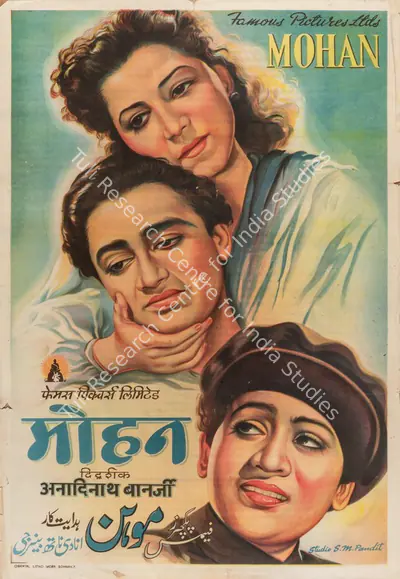
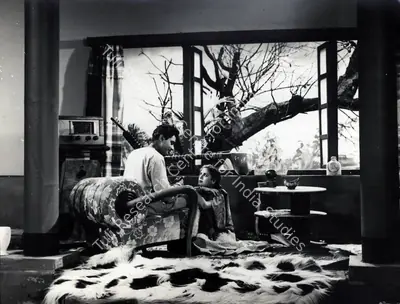
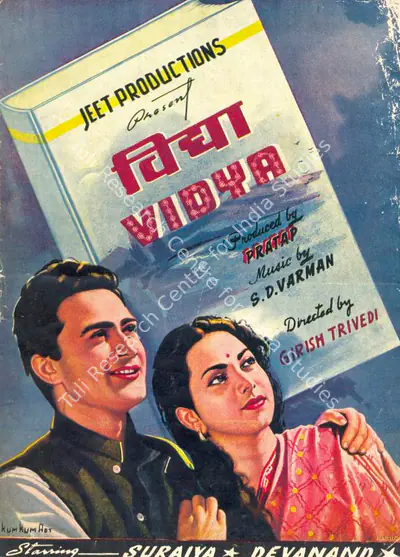
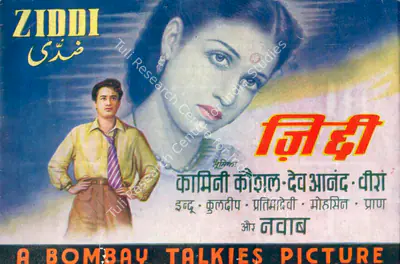
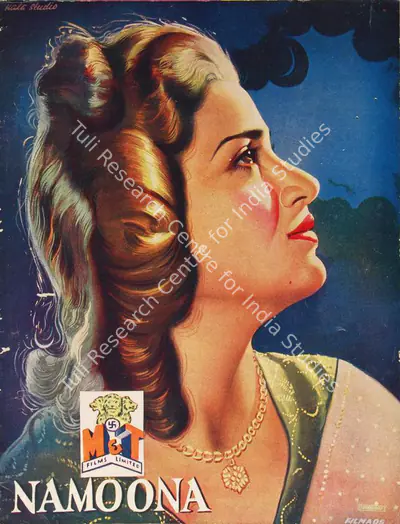
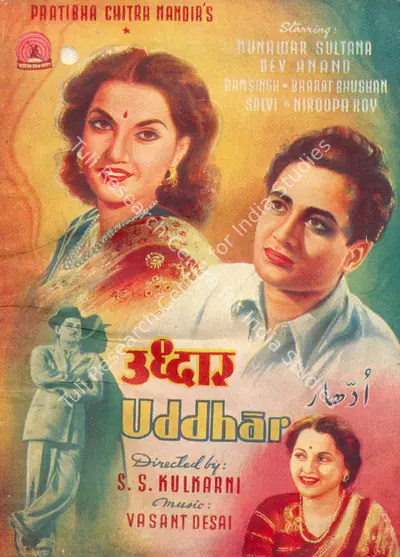
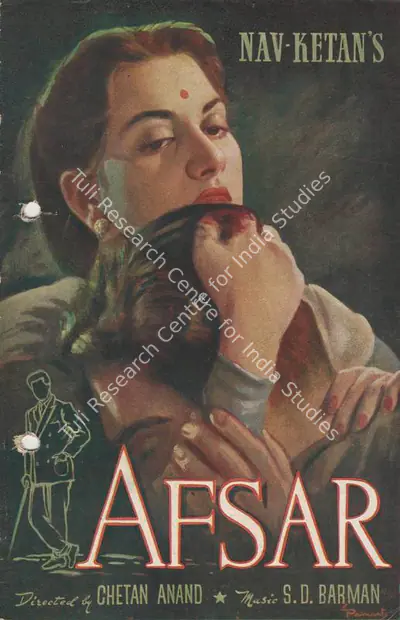
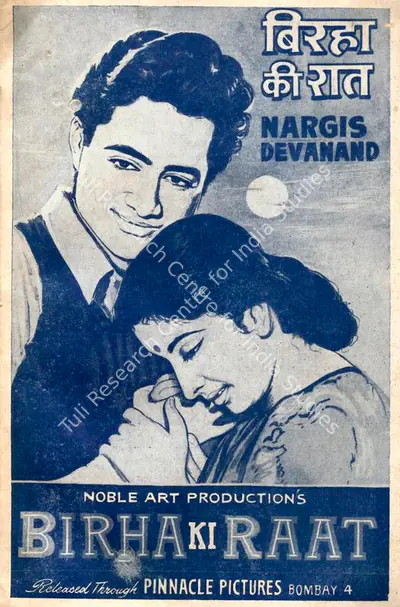
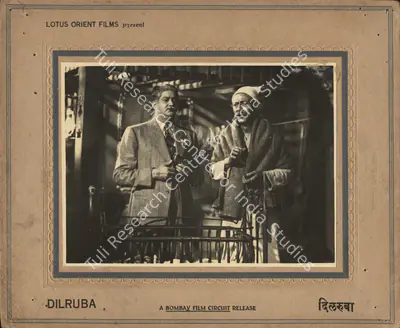
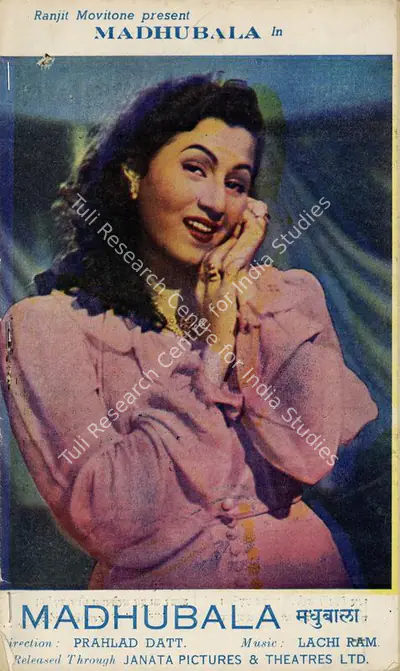
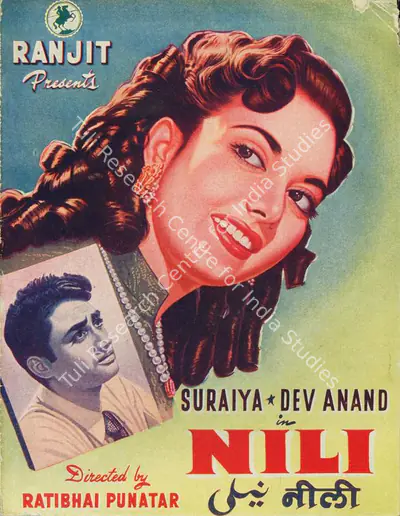
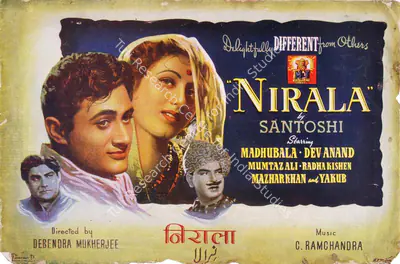
20 of 119
Integrated Timeline
38 entries
Economics of Cinema
1965
- National Film Awards
Certificate of Merit for the Third Best Feature Film · Directorate of Film Festivals India
2002
- National Film Awards
Dadasaheb Phalke Award · Directorate of Film Festivals India
Research Centre
20 of 762

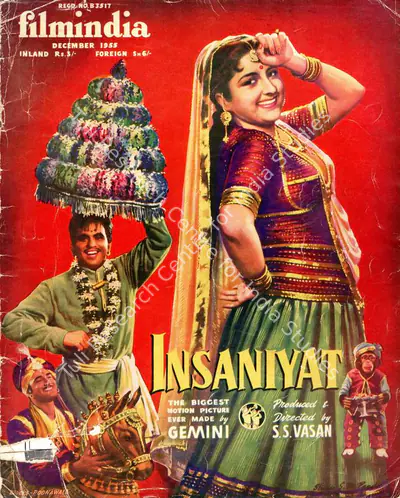
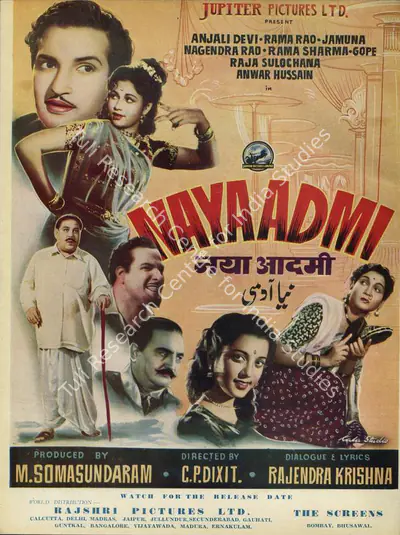
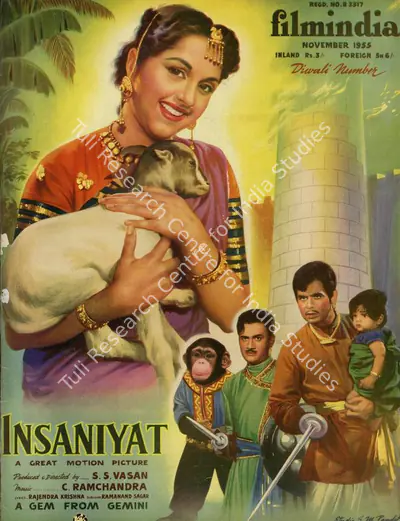
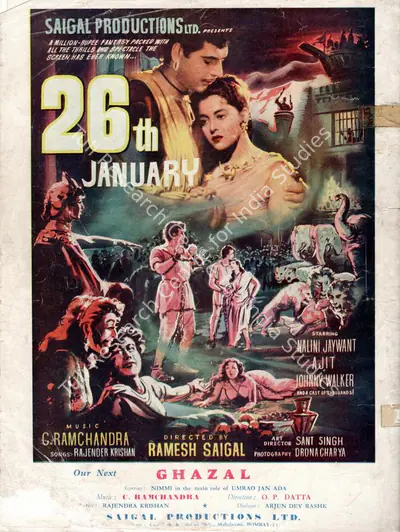
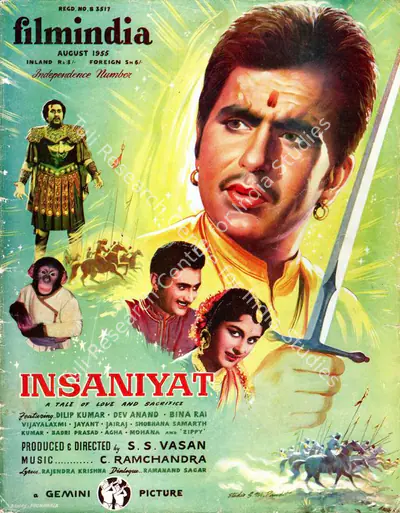
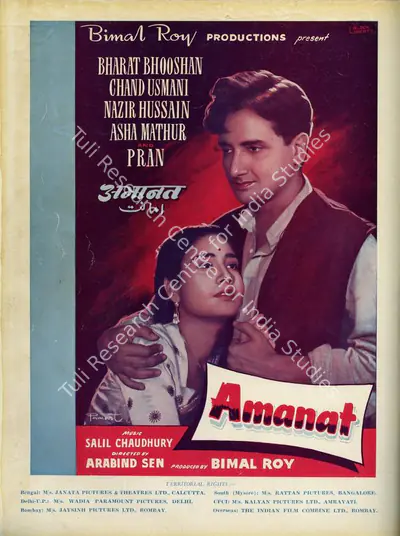
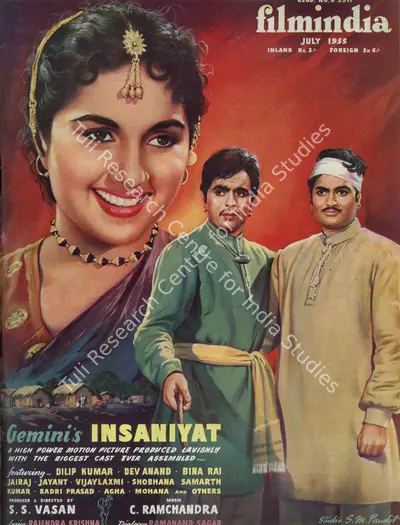
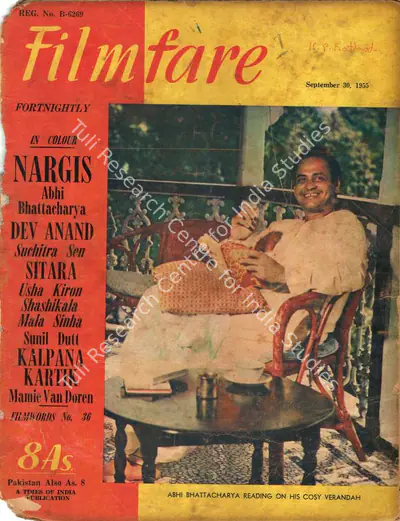
20 of 148
20 of 614
20 of 34
Calendar 2
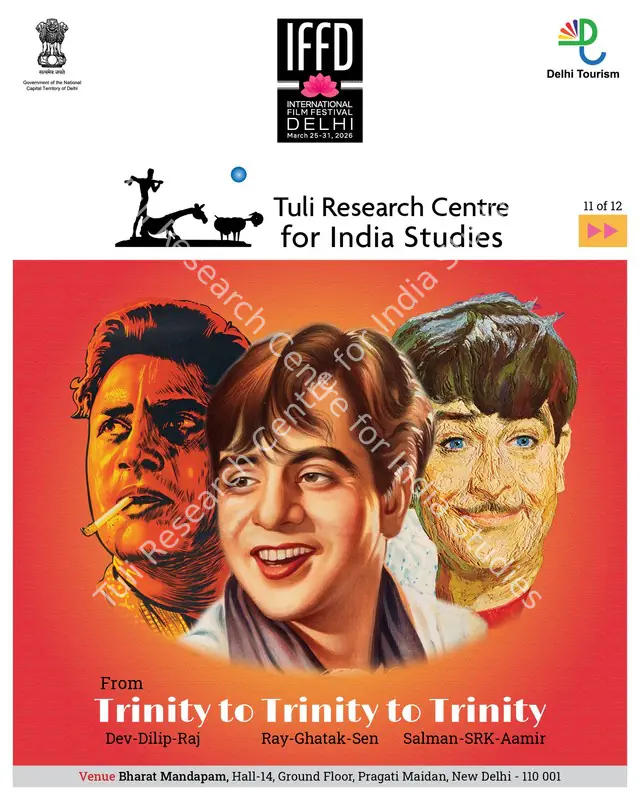
- ArchivedExhibitionProject 76From Trinity to Trinity to TrinityDev-Dilip-Raj | Ray-Ghatak-Sen | Salman-SRK-Aamir25th - 31st March 202611:00am - 7:00pmBharat Mandapam, Hall-14, Ground Floor, Pragati Maidan, New Delhi - 110011The Exhibition 'From Trinity to Trinity to Trinity | Dev-Raj-Dilip to Ray-Ghatak-Sen to Salman-Aamir-SRK', celebrates three iconic trios that have come to symbolize defining moments in Indian cinema and reflect the diverse heroic characteristics which the Indian public demands.Read More →
- ArchivedExhibitionProject 2Self-Discovery via Rediscovering India Series Part II India's Cinematic Heritage12th - 24th August 2024Self-Discovery via Rediscovering India Series Part IIRead More →
Related
62
Personalities
43
Films
16