Introduction
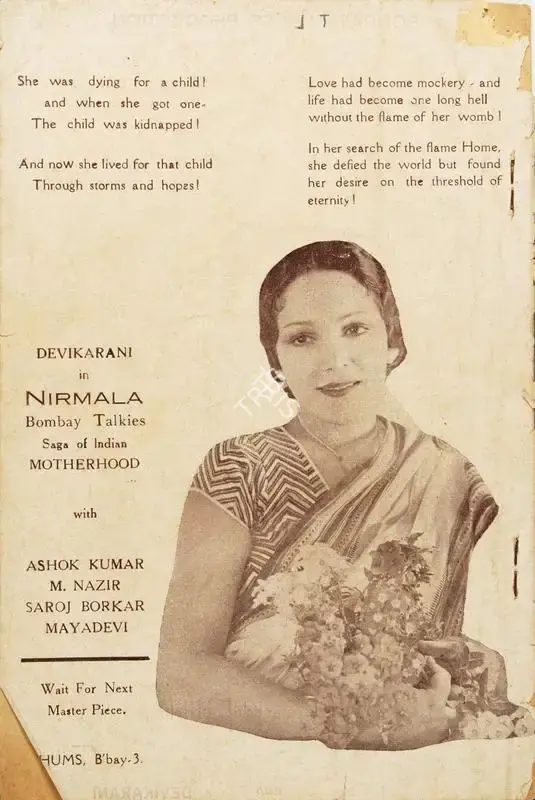
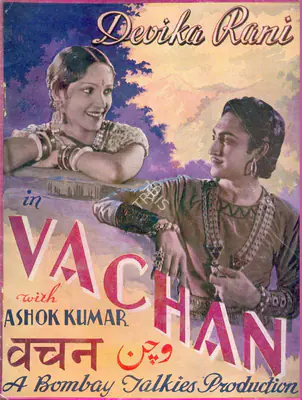
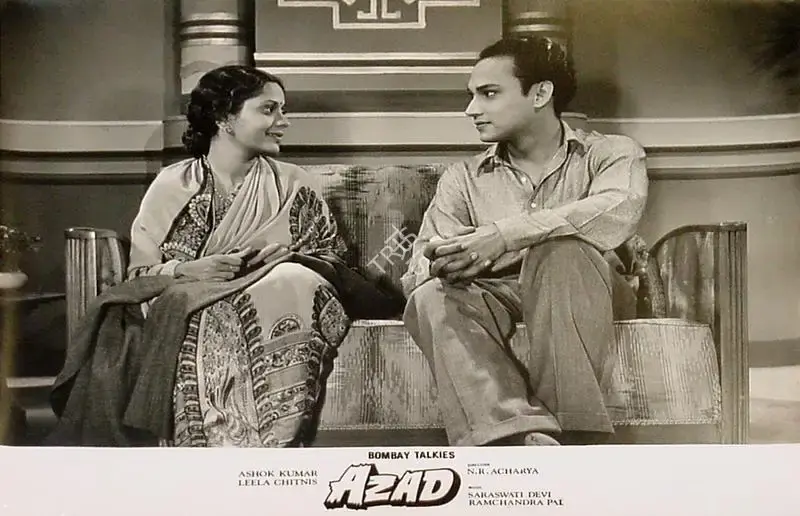
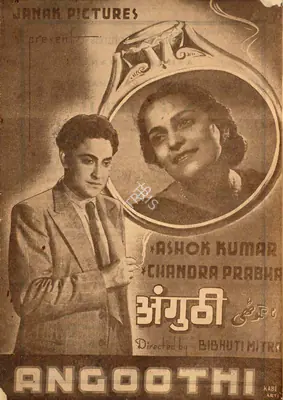
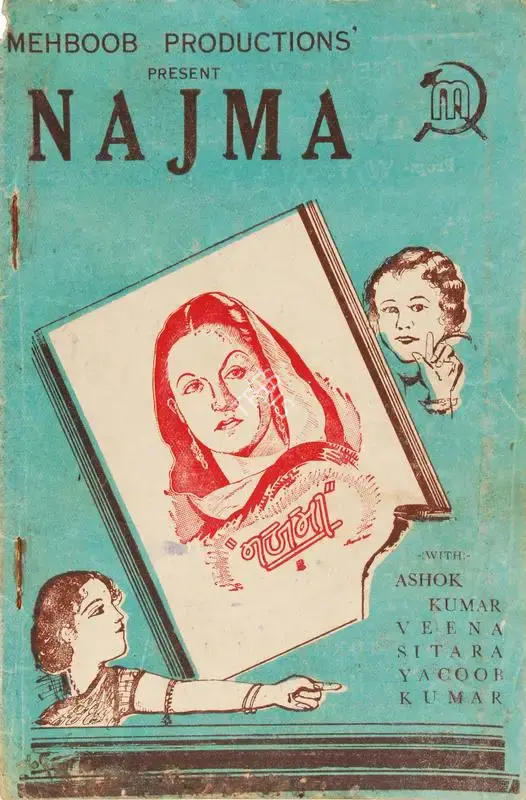
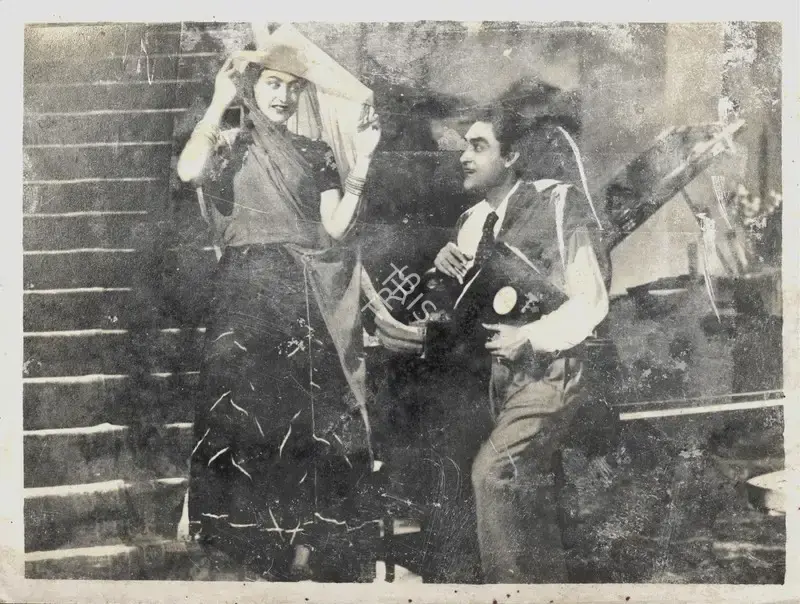
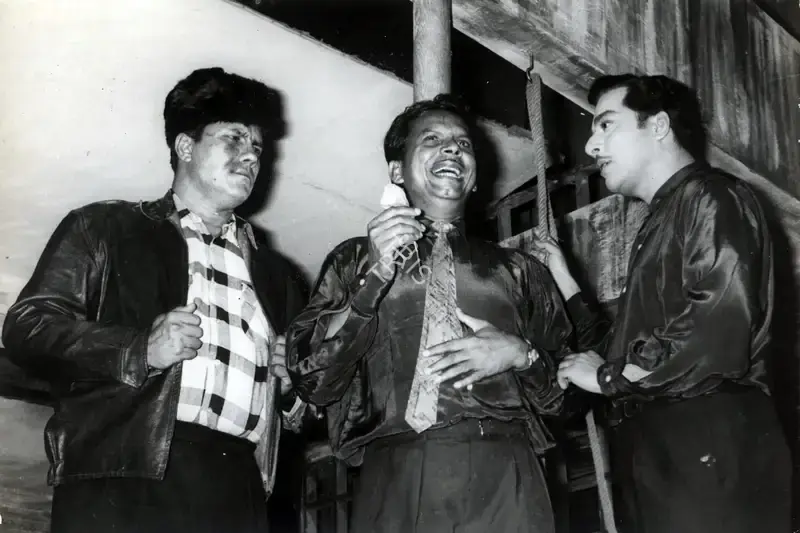
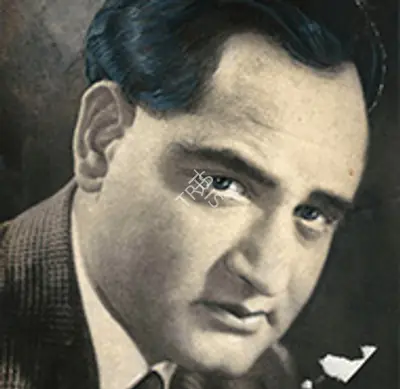
Ashok Kumar (13 October 1911 in Bhagalpur) He emerged as one of the foundational figures of Hindi cinema, a performer whose career traced the industry's evolution from studio-era melodrama to modern realism. Widely regarded as Indian cinema's first superstar, he pioneered a naturalistic acting style that departed from theatrical conventions, introducing a restrained, conversational mode of performance that would influence generations. Affectionately known as Dadamoni, he was also among the earliest leading men to embrace the anti-hero archetype and later reinvented himself as a distinguished character actor, sustaining a remarkable six-decade career. His contributions were recognized with the Padma Shri in 1962, the Dadasaheb Phalke Award in 1988, and the Padma Bhushan in 1999.
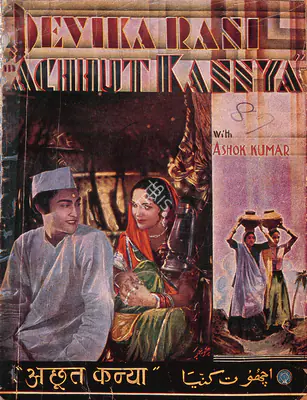
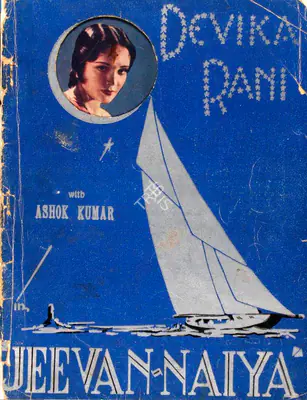
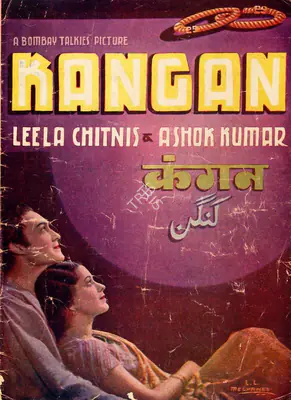
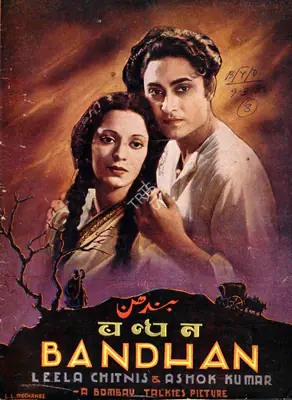
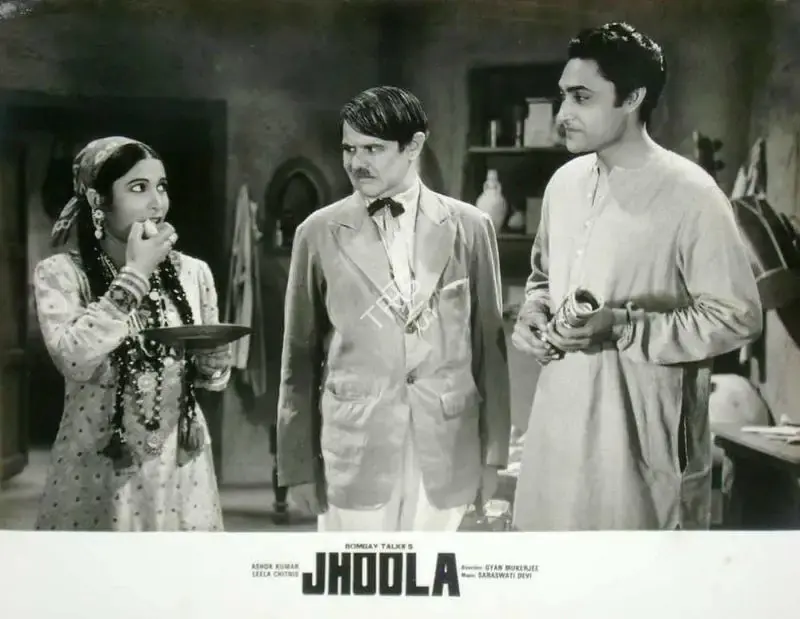
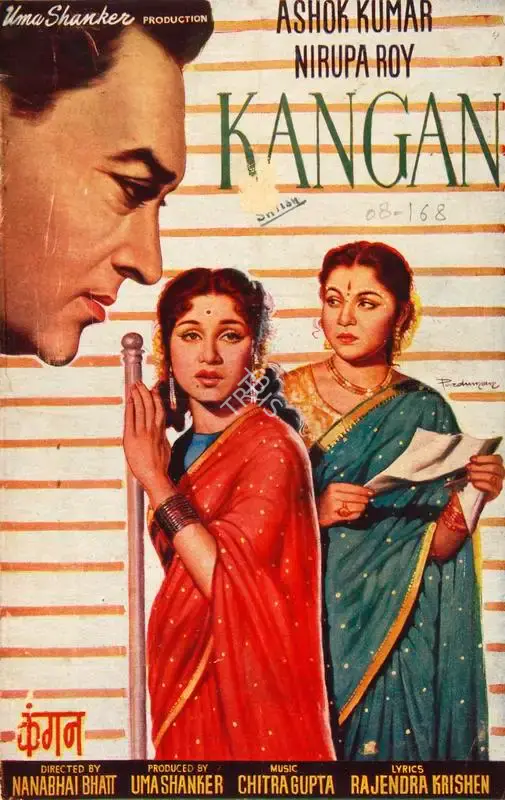
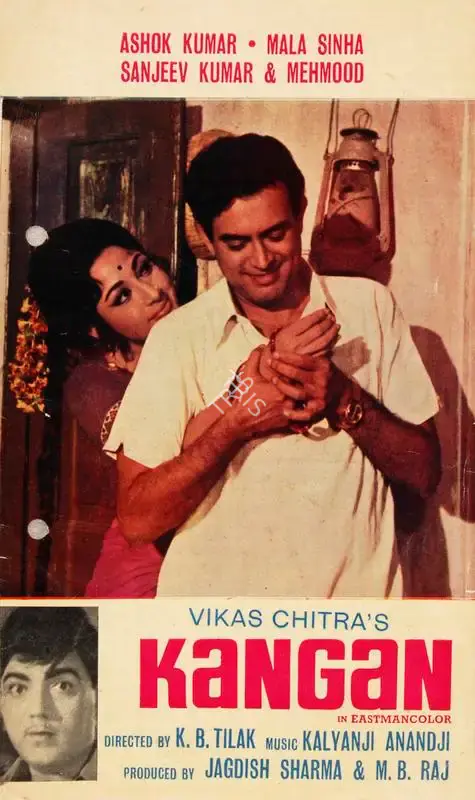
Raised in a Bengali Brahmin family, the son of lawyer Kunjlal Ganguly, Kumar was educated at Presidency College, Calcutta, where he initially pursued law before gravitating toward cinema. His entry into films was reluctant: he debuted in Jeevan Naiya (1936) and swiftly followed it with Achhut Kannya (1936), a socially reformist drama addressing caste prejudice that proved a major success. This early acclaim led to a string of popular films including Kangan (1939), Bandhan (1940), and Jhoola (1941), establishing him as a bankable star.
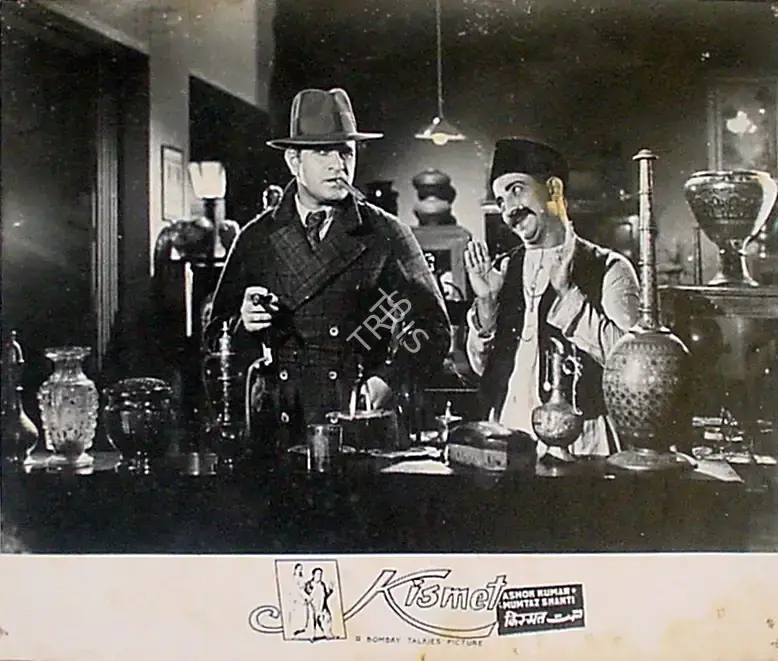
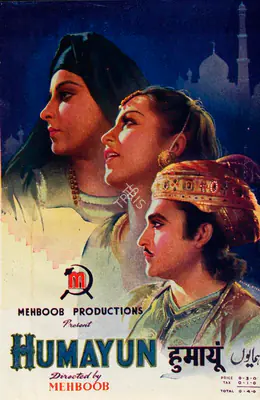
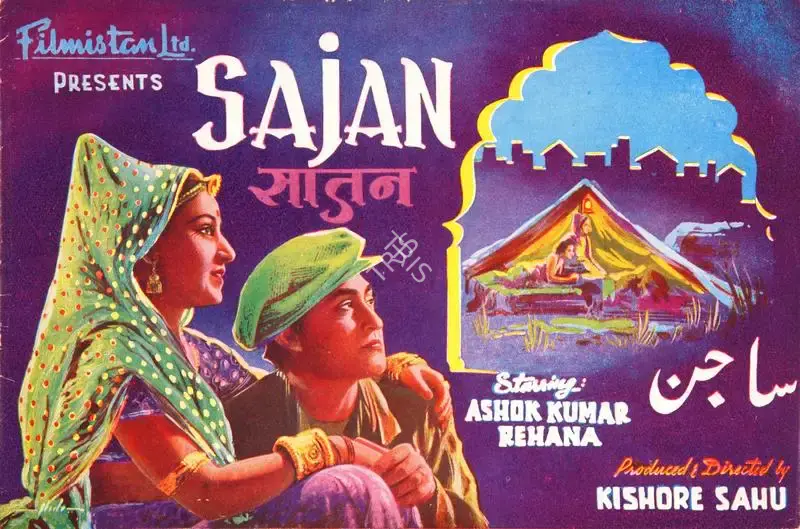
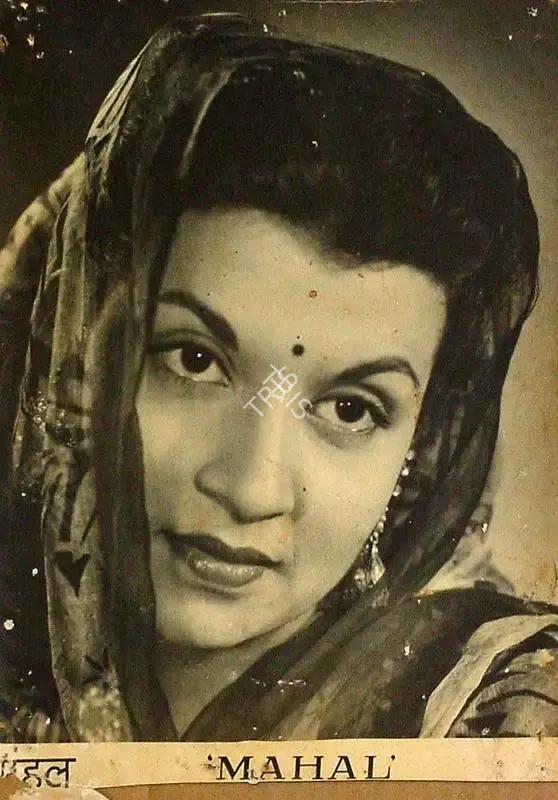
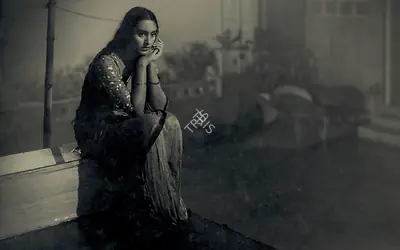
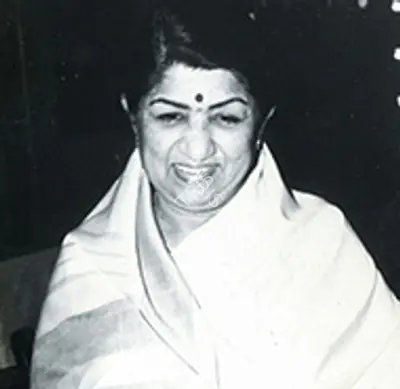
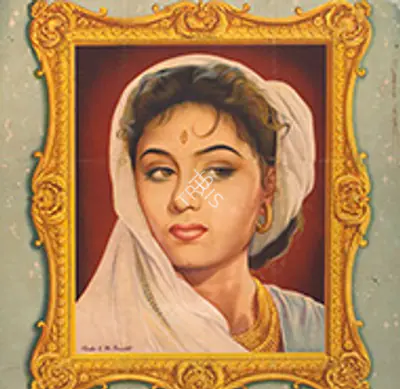
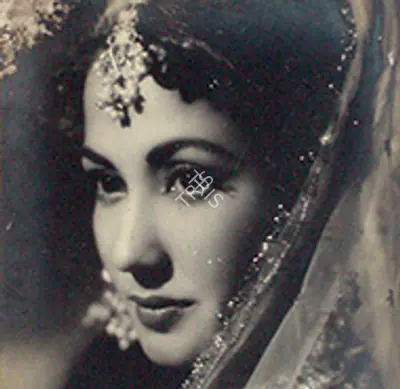
His definitive breakthrough came with Kismet (1943), a cultural watershed directed by Gyan Mukherjee. Playing a morally ambiguous protagonist, Kumar helped inaugurate the anti-hero in Indian cinema. The film's daring themes and extraordinary commercial success—running for years in theatres—transformed him into a national phenomenon. Its patriotic song Aaj Himalay Ki Choti Se (1943) further intensified its reach. The momentum continued with Chal Chal Re Naujawan (1944), Humayun (1945), and Sajan (1947). In Mahal (1949), a haunting gothic drama he produced and starred in, Kumar again reshaped cinematic idioms; the film introduced Madhubala as a star and immortalized the song Aayega Aanewala (1949), which announced Lata Mangeshkar's arrival.
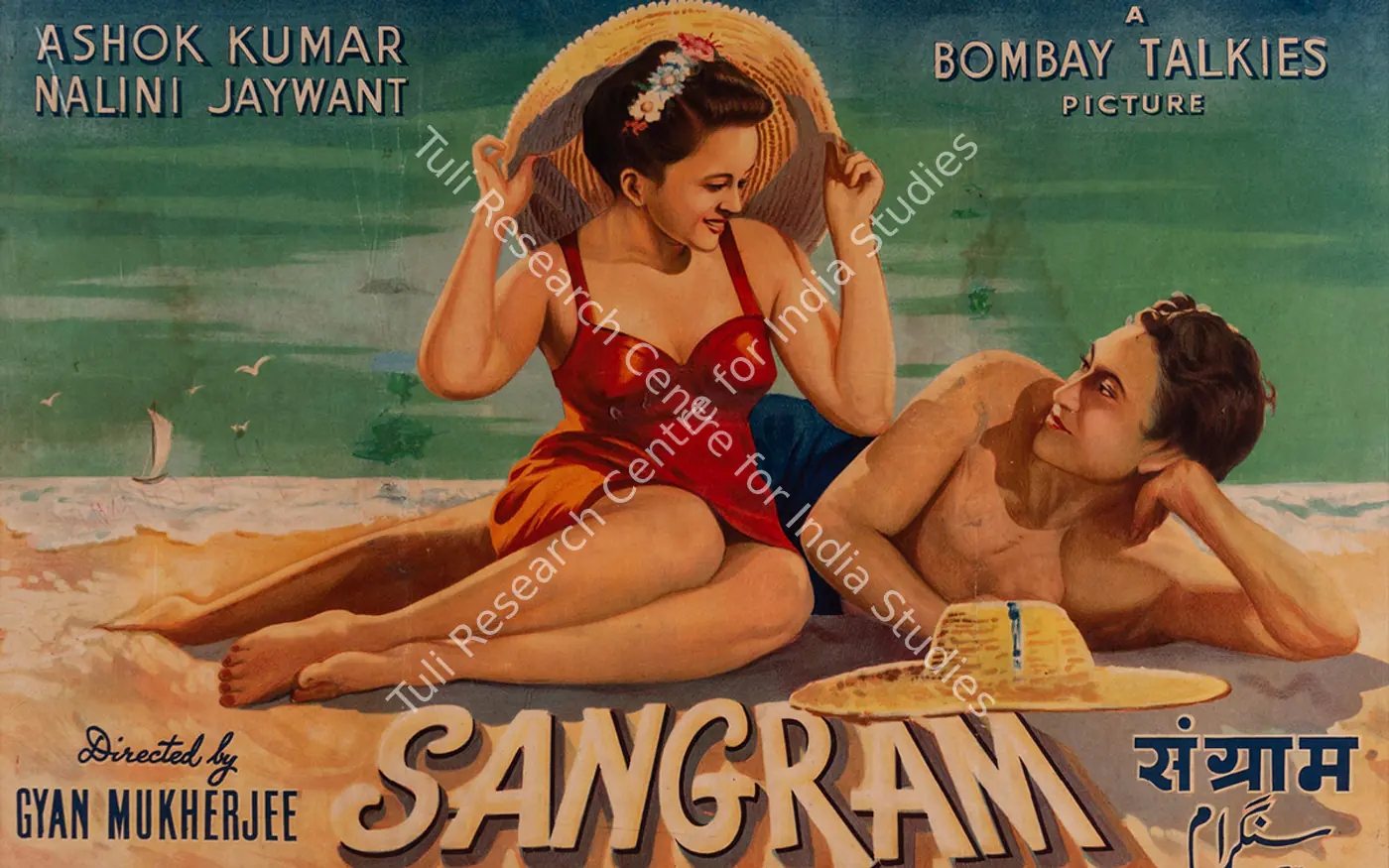
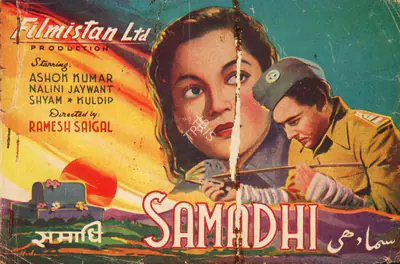
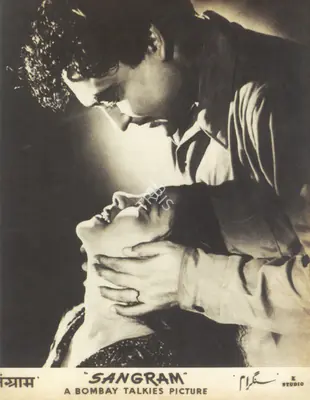
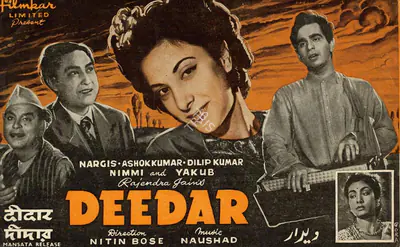
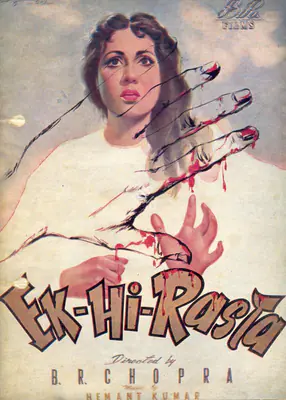
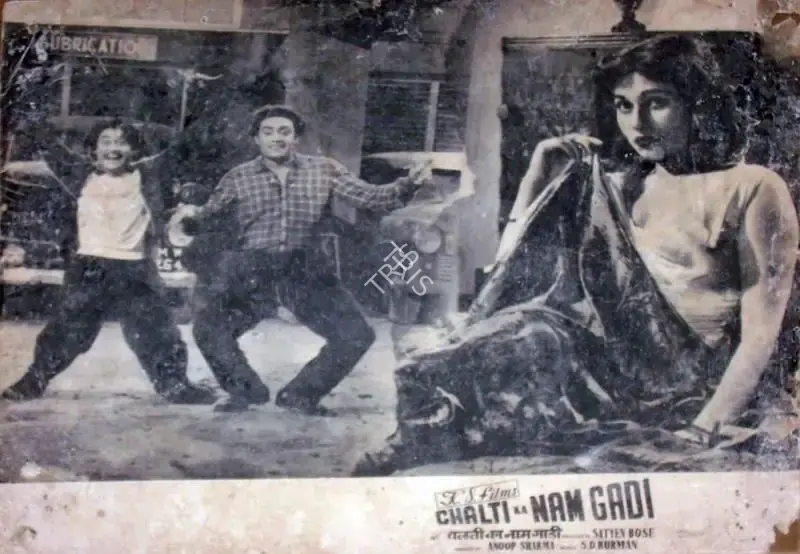
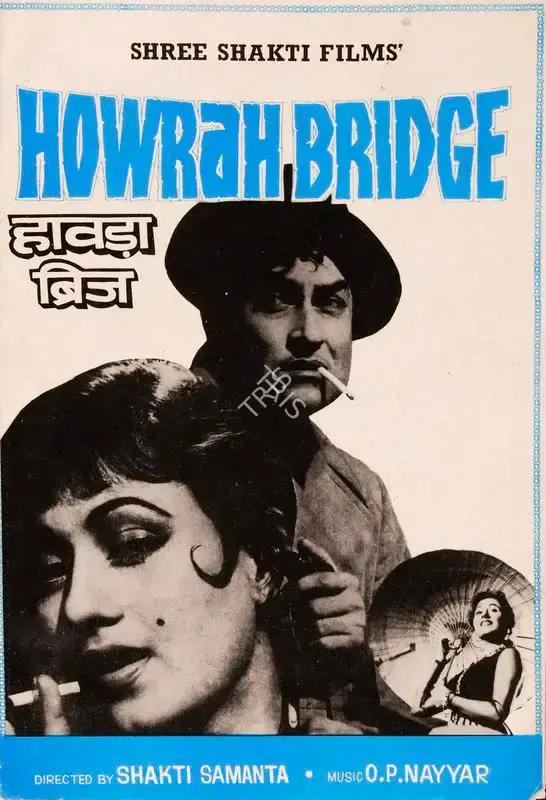
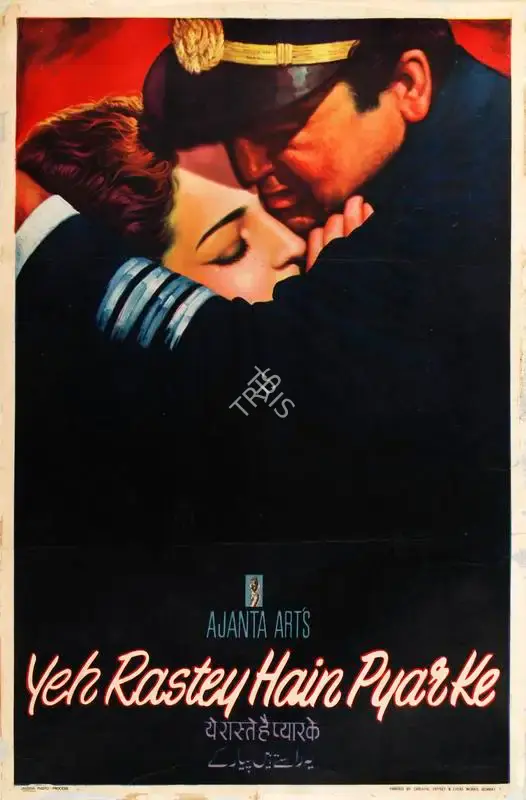
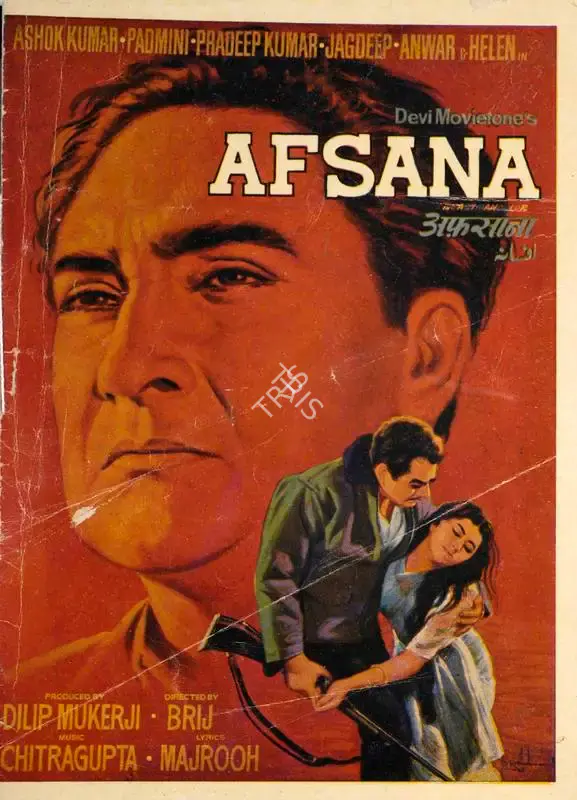
The 1950s saw Kumar hold his ground amid the rise of Dilip Kumar, Dev Anand, and Raj Kapoor. Films such as Samadhi (1950), Sangram (1950), Afsana (1951), Deedar (1951), and Parineeta (1953) demonstrated his versatility across genres. After a brief lull, he rebounded with Ek Hi Raasta (1956) and the enduringly popular Chalti Ka Naam Gaadi (1958), whose music, including Ek Ladki Bheegi Bhaagi Si (1958), became part of popular culture. The decade closed with notable successes like Howrah Bridge (1958) and Dhool Ka Phool (1959).
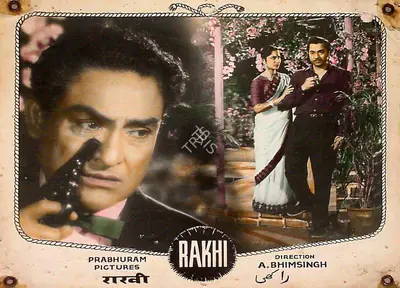
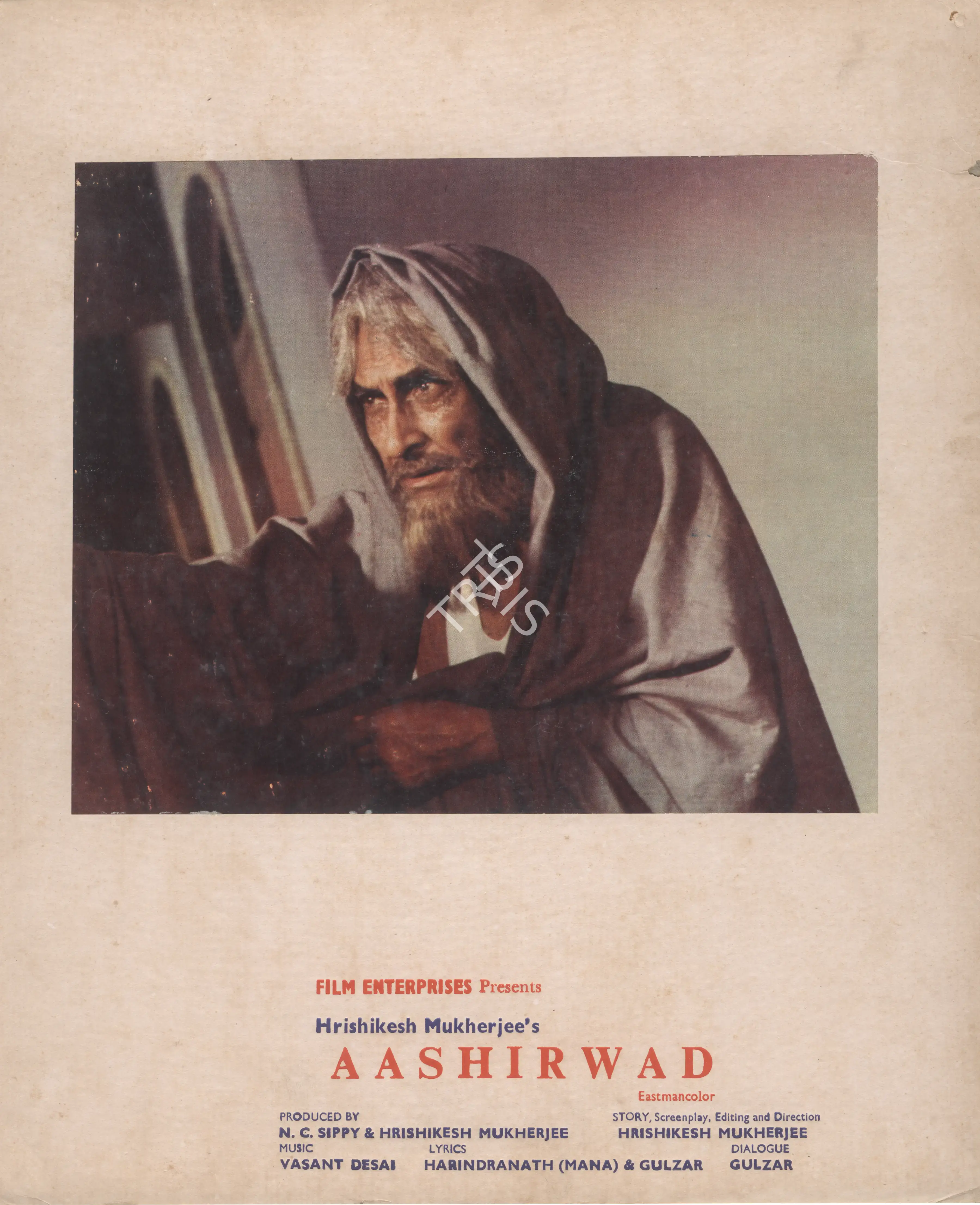
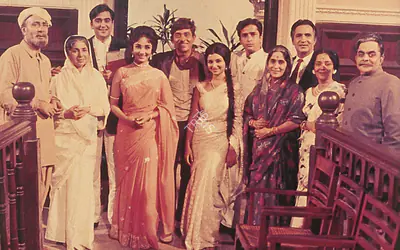
Kumar's later career was marked by critical acclaim and seamless adaptation to changing cinematic trends. His performance in Aashirwad (1968) earned him the National Film Award for Best Actor, while earlier he had won Filmfare Awards for Rakhi (1962) and later for Aashirwad (1968), alongside multiple honors from the Bengal Film Journalists' Association. Beyond cinema, he connected with audiences through television, notably as the narrator of Hum Log (1984), bringing social themes into Indian households.
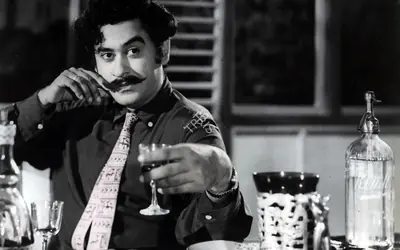
Off-screen, Kumar maintained a grounded personal life, married to Shobha in a traditional arranged union, and remained deeply connected to his family, which included siblings Anoop Kumar and Kishore Kumar. He passed away on 10 December 2001 in Mumbai at the age of 90. His legacy endures as a pioneer who reshaped performance in Indian cinema, leaving behind a body of work that continues to define its golden age.
Raised in a Bengali Brahmin family, the son of lawyer Kunjlal Ganguly, Kumar was educated at Presidency College, Calcutta, where he initially pursued law before gravitating toward cinema. His entry into films was reluctant: he debuted in Jeevan Naiya (1936) and swiftly followed it with Achhut Kannya (1936), a socially reformist drama addressing caste prejudice that proved a major success. This early acclaim led to a string of popular films including Kangan (1939), Bandhan (1940), and Jhoola (1941), establishing him as a bankable star.
His definitive breakthrough came with Kismet (1943), a cultural watershed directed by Gyan Mukherjee. Playing a morally ambiguous protagonist, Kumar helped inaugurate the anti-hero in Indian cinema. The film's daring themes and extraordinary commercial success—running for years in theatres—transformed him into a national phenomenon. Its patriotic song Aaj Himalay Ki Choti Se (1943) further intensified its reach. The momentum continued with Chal Chal Re Naujawan (1944), Humayun (1945), and Sajan (1947). In Mahal (1949), a haunting gothic drama he produced and starred in, Kumar again reshaped cinematic idioms; the film introduced Madhubala as a star and immortalized the song Aayega Aanewala (1949), which announced Lata Mangeshkar's arrival.
The 1950s saw Kumar hold his ground amid the rise of Dilip Kumar, Dev Anand, and Raj Kapoor. Films such as Samadhi (1950), Sangram (1950), Afsana (1951), Deedar (1951), and Parineeta (1953) demonstrated his versatility across genres. After a brief lull, he rebounded with Ek Hi Raasta (1956) and the enduringly popular Chalti Ka Naam Gaadi (1958), whose music, including Ek Ladki Bheegi Bhaagi Si (1958), became part of popular culture. The decade closed with notable successes like Howrah Bridge (1958) and Dhool Ka Phool (1959).
Kumar's later career was marked by critical acclaim and seamless adaptation to changing cinematic trends. His performance in Aashirwad (1968) earned him the National Film Award for Best Actor, while earlier he had won Filmfare Awards for Rakhi (1962) and later for Aashirwad (1968), alongside multiple honors from the Bengal Film Journalists' Association. Beyond cinema, he connected with audiences through television, notably as the narrator of Hum Log (1984), bringing social themes into Indian households.
Off-screen, Kumar maintained a grounded personal life, married to Shobha in a traditional arranged union, and remained deeply connected to his family, which included siblings Anoop Kumar and Kishore Kumar. He passed away on 10 December 2001 in Mumbai at the age of 90. His legacy endures as a pioneer who reshaped performance in Indian cinema, leaving behind a body of work that continues to define its golden age.
अशोक कुमार (जन्म 13 अक्टूबर 1911, भागलपुर) हिंदी सिनेमा के एक प्रमुख हस्ती थे। उनका करियर स्टूडियो युग के मेलोड्रामा से लेकर आधुनिक यथार्थवाद तक सिनेमा के विकास का गवाह रहा। भारतीय सिनेमा के पहले सुपरस्टार के रूप में व्यापक रूप से माने जाने वाले अशोक कुमार ने एक स्वाभाविक अभिनय शैली का नेतृत्व किया, जो नाट्य परंपराओं से हटकर थी। उन्होंने संयमित और संवादात्मक अभिनय शैली को अपनाया, जिसने कई पीढ़ियों को प्रभावित किया। प्रेम से दादामोनी के नाम से जाने जाने वाले अशोक कुमार, खलनायक की भूमिका निभाने वाले शुरुआती अभिनेताओं में से एक थे। बाद में उन्होंने एक चरित्र अभिनेता के रूप में अपनी पहचान बनाई और छह दशकों तक चले अपने शानदार करियर को क़ायम रखा। उनके योगदान को 1962 में पद्म श्री, 1988 में दादासाहेब फाल्के पुरस्कार और 1999 में पद्म भूषण से सम्मानित किया गया।
एक बंगाली ब्राह्मण परिवार में पले-बढ़े, वकील कुंजलाल गांगुली के पुत्र कुमार ने कलकत्ता के प्रेसिडेंसी कॉलेज़ में शिक्षा प्राप्त की, जहाँ उन्होंने शुरू में कानून की पढ़ाई की, लेकिन बाद में सिनेमा की ओर रुख़ किया। फ़िल्मों में उनका प्रवेश कोई विशेष रूचि से नहीं हुआ था। उन्होंने जीवन नैया (1936) से पदार्पण किया और इसके तुरंत बाद अछूत कन्या (1936) में काम किया, जो जातिगत भेदभाव को संबोधित करने वाला एक सामाजिक सुधारवादी नाटक था और फ़िल्म बड़ी सफलता साबित हुआ। इस शुरुआती सफलता ने उन्हें कंगन (1939), बंधन (1940) और झूला (1941) जैसी कई लोकप्रिय फ़िल्मों में काम करने का मौका दिया, जिससे वे एक सफल सितारे के रूप में स्थापित हो गए।
उनको महत्वपूर्ण सफलता 1943 में मिली फ़िल्म 'क़िस्मत' से मिली, जिसका निर्देशन ज्ञान मुखर्जी ने किया था और फ़िल्म एक तरह से सांस्कृतिक मील का पत्थर साबित हुई। नैतिक रूप से अस्पष्ट नायक की भूमिका निभाते हुए, कुमार ने भारतीय सिनेमा में खलनायक की अवधारणा को स्थापित करने में महत्वपूर्ण भूमिका निभाई। फ़िल्म के साहसिक विषय और असाधारण व्यावसायिक सफलता—जो कई वर्षों तक सिनेमाघरों में चली और जिसने राष्ट्रीय स्तर पर प्रसिद्धि हासिल की। इसके देशभक्ति गीत 'आज हिमालय की चोटी से' (1943) ने इसकी लोकप्रियता को और भी बढ़ा दिया। 'चल चल रे नौजवान' (1944), 'हुमायूं' (1945) और 'साजन' (1947) के साथ यह सिलसिला जारी रहा। 'महल' (1949) में जो एक मार्मिक गॉथिक ड्रामा था और जिसका उन्होंने निर्माण और अभिनय किया था। कुमार ने एक बार फ़िर सिनेमाई शैली को नया रूप दिया। इस फ़िल्म ने मधुबाला को एक स्टार के रूप में पहचान दिलाई और 'आएगा आनेवाला' (1949) गीत को अमर कर दिया, जिसने लता मंगेशकर के आगमन की घोषणा की।
1950 के दशक में दिलीप कुमार, देव आनंद और राज कपूर जैसे दिग्गजों के उदय के बावजूद अशोक कुमार ने अपनी जगह बनाए रखी। समाधि (1950), संग्राम (1950), अफ़साना (1951), दीदार (1951) और परिणीता (1953) जैसी फ़िल्मों ने विभिन्न शैलियों में उनकी बहुमुखी प्रतिभा को प्रदर्शित किया। कुछ समय के ठहराव के बाद, उन्होंने एक ही रास्ता (1956) और सदाबहार लोकप्रिय फ़िल्म चलती का नाम गाड़ी (1958) से वापसी की, जिसका संगीत, जिसमें विशेषकर एक लड़की भीगी भागी सी (1958) भी शामिल है, जो लोकप्रिय संस्कृति का हिस्सा बन गया। यह दशक हावड़ा ब्रिज (1958) और धूल का फूल (1959) जैसी महत्वपूर्ण सफलताओं के साथ समाप्त हुआ।
कुमार के बाद के करियर को आलोचकों ने ख़ूब सराहा और उन्होंने सिनेमाई रुझानों को सहजता से अपनाया। आशीर्वाद (1968) में उनके अभिनय के लिए उन्हें सर्वश्रेष्ठ अभिनेता का राष्ट्रीय फ़िल्म पुरस्कार मिला, जबकि इससे पहले उन्हें राखी (1962) और बाद में आशीर्वाद (1968) के लिए फ़िल्मफ़ेयर पुरस्कार मिले थे, साथ ही बंगाल फ़िल्म पत्रकार संघ से भी उन्हें कई सम्मान प्राप्त हुए थे। सिनेमा से परे उन्होंने टेलीविज़न के माध्यम से दर्शकों से जुड़ाव बनाया, विशेष रूप से हम लोग (1984) में कथावाचक के रूप में, जिससे सामाजिक विषय भारतीय घरों तक पहुंचे।
पर्दे से दूर, कुमार ने एक संयमित निजी जीवन व्यतीत किया, शोभा से पारंपरिक रूप से विवाह किया और अपने परिवार से गहरे रूप से जुड़े रहे, जिसमें उनके भाई अनूप कुमार और किशोर कुमार शामिल थे। 10 दिसंबर 2001 को मुंबई में 90 वर्ष की आयु में उनका निधन हो गया। भारतीय सिनेमा में अभिनय को नया रूप देने वाले एक प्रमुख अभिनेता के रूप में उनकी विरासत अमर है, और उन्होंने अपने पीछे ऐसी फ़िल्मी रचनाएँ छोड़ी हैं जो आज भी सिनेमा के स्वर्ण युग को परिभाषित करती हैं।
एक बंगाली ब्राह्मण परिवार में पले-बढ़े, वकील कुंजलाल गांगुली के पुत्र कुमार ने कलकत्ता के प्रेसिडेंसी कॉलेज़ में शिक्षा प्राप्त की, जहाँ उन्होंने शुरू में कानून की पढ़ाई की, लेकिन बाद में सिनेमा की ओर रुख़ किया। फ़िल्मों में उनका प्रवेश कोई विशेष रूचि से नहीं हुआ था। उन्होंने जीवन नैया (1936) से पदार्पण किया और इसके तुरंत बाद अछूत कन्या (1936) में काम किया, जो जातिगत भेदभाव को संबोधित करने वाला एक सामाजिक सुधारवादी नाटक था और फ़िल्म बड़ी सफलता साबित हुआ। इस शुरुआती सफलता ने उन्हें कंगन (1939), बंधन (1940) और झूला (1941) जैसी कई लोकप्रिय फ़िल्मों में काम करने का मौका दिया, जिससे वे एक सफल सितारे के रूप में स्थापित हो गए।
उनको महत्वपूर्ण सफलता 1943 में मिली फ़िल्म 'क़िस्मत' से मिली, जिसका निर्देशन ज्ञान मुखर्जी ने किया था और फ़िल्म एक तरह से सांस्कृतिक मील का पत्थर साबित हुई। नैतिक रूप से अस्पष्ट नायक की भूमिका निभाते हुए, कुमार ने भारतीय सिनेमा में खलनायक की अवधारणा को स्थापित करने में महत्वपूर्ण भूमिका निभाई। फ़िल्म के साहसिक विषय और असाधारण व्यावसायिक सफलता—जो कई वर्षों तक सिनेमाघरों में चली और जिसने राष्ट्रीय स्तर पर प्रसिद्धि हासिल की। इसके देशभक्ति गीत 'आज हिमालय की चोटी से' (1943) ने इसकी लोकप्रियता को और भी बढ़ा दिया। 'चल चल रे नौजवान' (1944), 'हुमायूं' (1945) और 'साजन' (1947) के साथ यह सिलसिला जारी रहा। 'महल' (1949) में जो एक मार्मिक गॉथिक ड्रामा था और जिसका उन्होंने निर्माण और अभिनय किया था। कुमार ने एक बार फ़िर सिनेमाई शैली को नया रूप दिया। इस फ़िल्म ने मधुबाला को एक स्टार के रूप में पहचान दिलाई और 'आएगा आनेवाला' (1949) गीत को अमर कर दिया, जिसने लता मंगेशकर के आगमन की घोषणा की।
1950 के दशक में दिलीप कुमार, देव आनंद और राज कपूर जैसे दिग्गजों के उदय के बावजूद अशोक कुमार ने अपनी जगह बनाए रखी। समाधि (1950), संग्राम (1950), अफ़साना (1951), दीदार (1951) और परिणीता (1953) जैसी फ़िल्मों ने विभिन्न शैलियों में उनकी बहुमुखी प्रतिभा को प्रदर्शित किया। कुछ समय के ठहराव के बाद, उन्होंने एक ही रास्ता (1956) और सदाबहार लोकप्रिय फ़िल्म चलती का नाम गाड़ी (1958) से वापसी की, जिसका संगीत, जिसमें विशेषकर एक लड़की भीगी भागी सी (1958) भी शामिल है, जो लोकप्रिय संस्कृति का हिस्सा बन गया। यह दशक हावड़ा ब्रिज (1958) और धूल का फूल (1959) जैसी महत्वपूर्ण सफलताओं के साथ समाप्त हुआ।
कुमार के बाद के करियर को आलोचकों ने ख़ूब सराहा और उन्होंने सिनेमाई रुझानों को सहजता से अपनाया। आशीर्वाद (1968) में उनके अभिनय के लिए उन्हें सर्वश्रेष्ठ अभिनेता का राष्ट्रीय फ़िल्म पुरस्कार मिला, जबकि इससे पहले उन्हें राखी (1962) और बाद में आशीर्वाद (1968) के लिए फ़िल्मफ़ेयर पुरस्कार मिले थे, साथ ही बंगाल फ़िल्म पत्रकार संघ से भी उन्हें कई सम्मान प्राप्त हुए थे। सिनेमा से परे उन्होंने टेलीविज़न के माध्यम से दर्शकों से जुड़ाव बनाया, विशेष रूप से हम लोग (1984) में कथावाचक के रूप में, जिससे सामाजिक विषय भारतीय घरों तक पहुंचे।
पर्दे से दूर, कुमार ने एक संयमित निजी जीवन व्यतीत किया, शोभा से पारंपरिक रूप से विवाह किया और अपने परिवार से गहरे रूप से जुड़े रहे, जिसमें उनके भाई अनूप कुमार और किशोर कुमार शामिल थे। 10 दिसंबर 2001 को मुंबई में 90 वर्ष की आयु में उनका निधन हो गया। भारतीय सिनेमा में अभिनय को नया रूप देने वाले एक प्रमुख अभिनेता के रूप में उनकी विरासत अमर है, और उन्होंने अपने पीछे ऐसी फ़िल्मी रचनाएँ छोड़ी हैं जो आज भी सिनेमा के स्वर्ण युग को परिभाषित करती हैं।
- Age
- 90
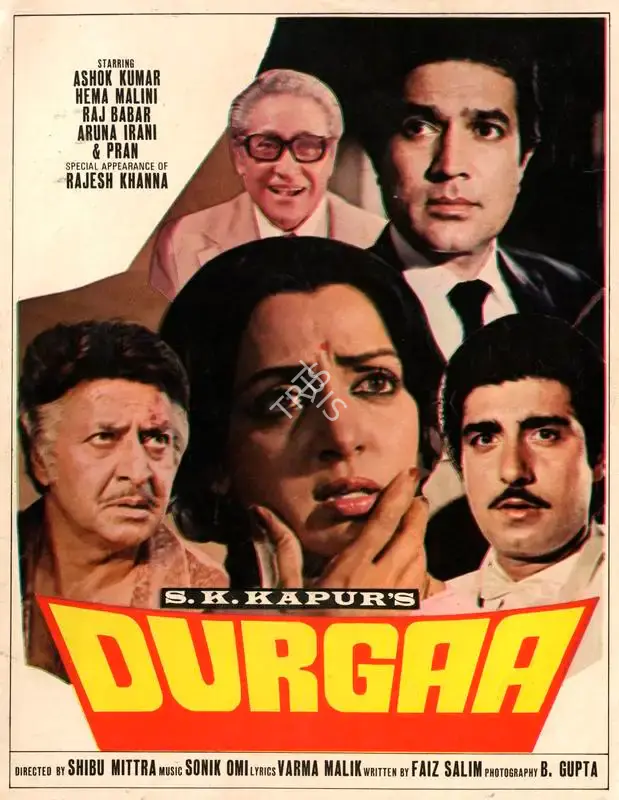
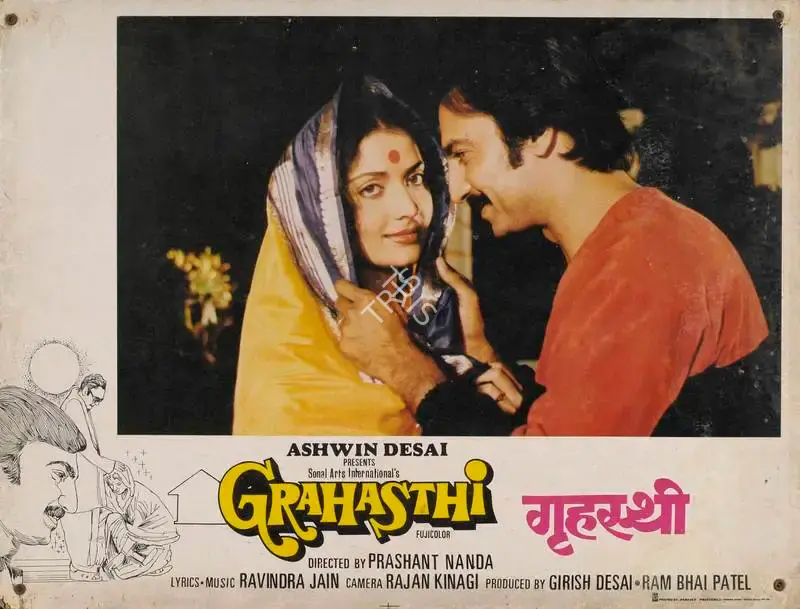
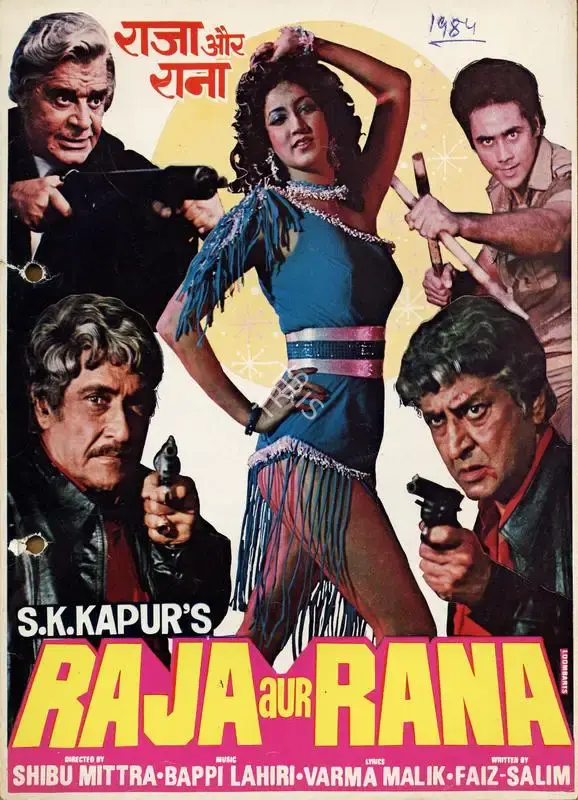
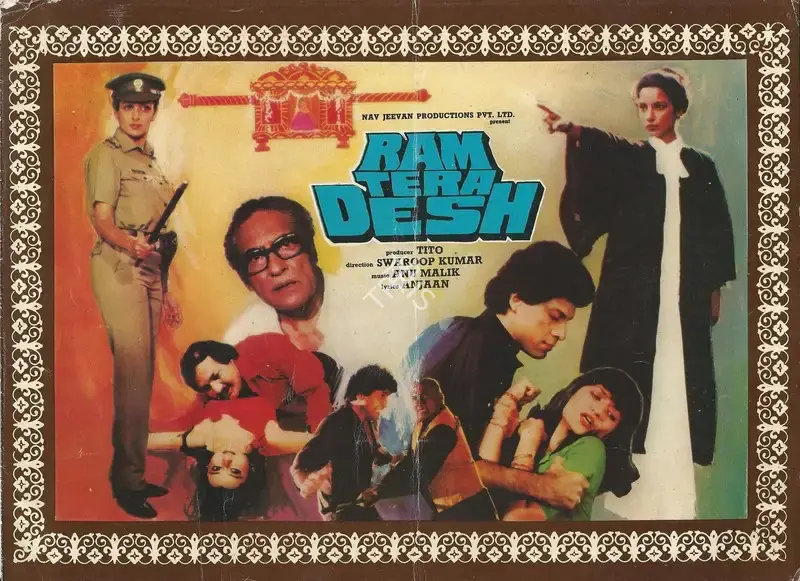
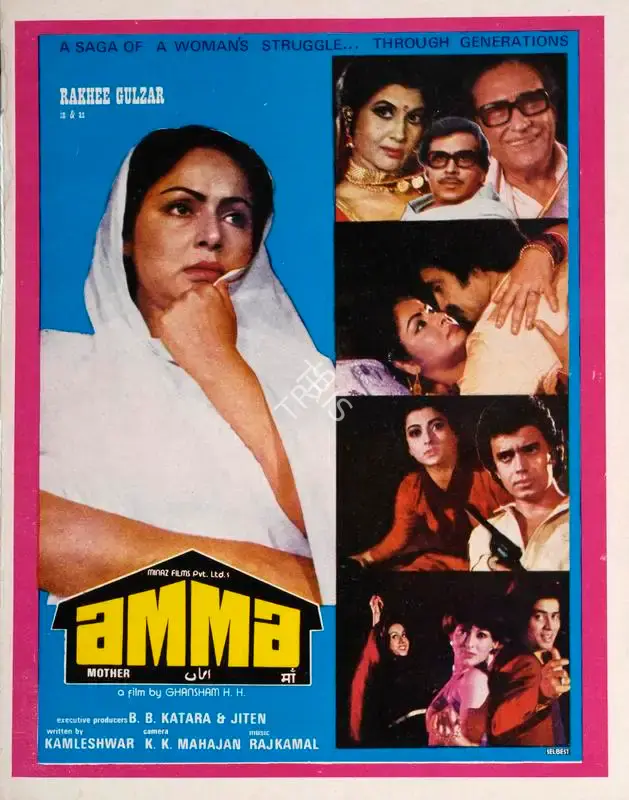
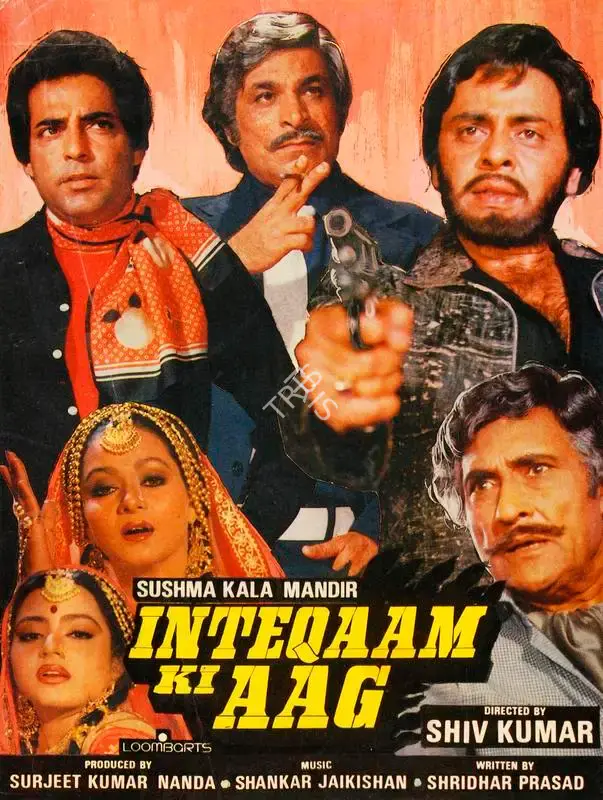
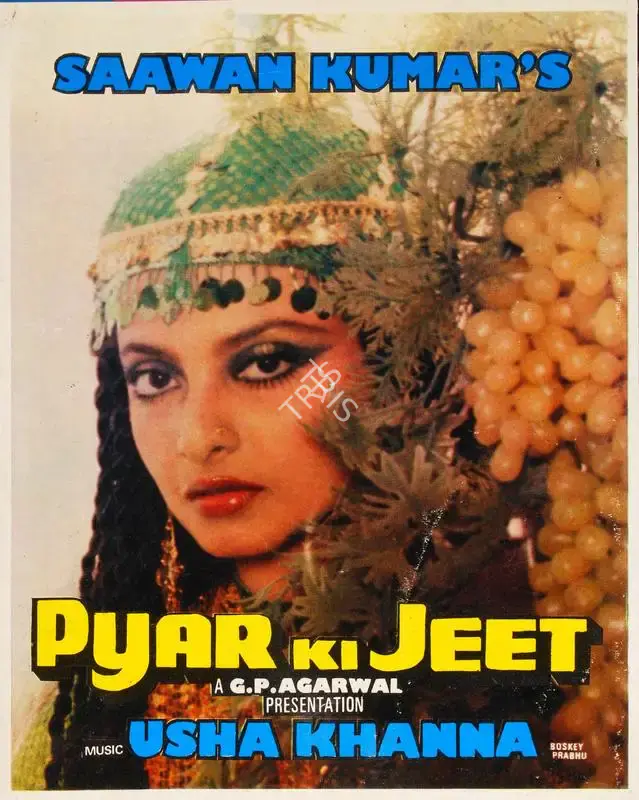
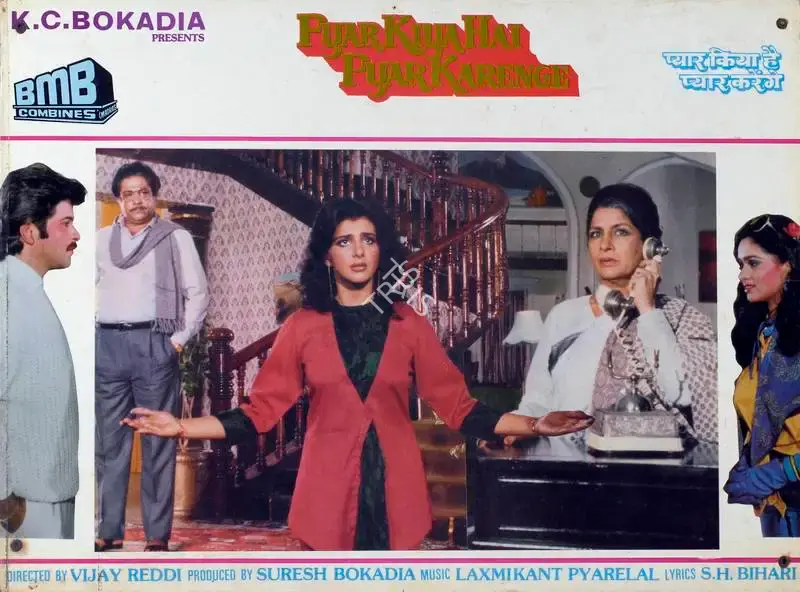
Filmography 284

Research Centre
Related
67
Personalities
45


Films
21
Themes
1