
Satyakam1969
Introduction
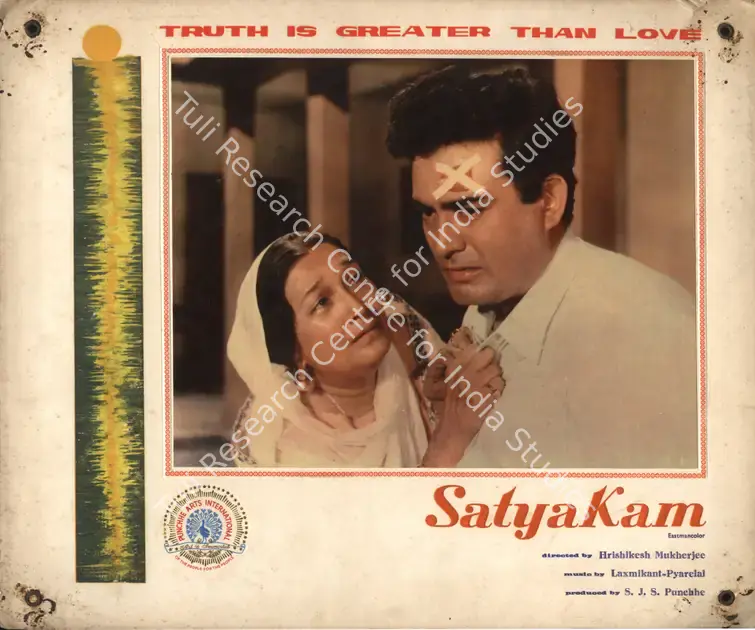
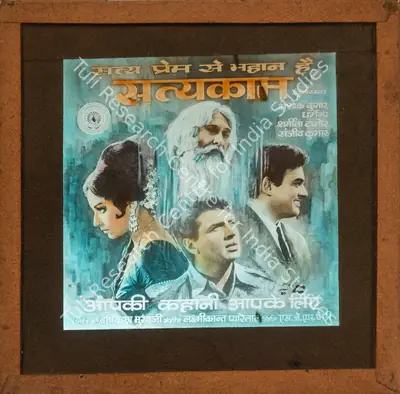
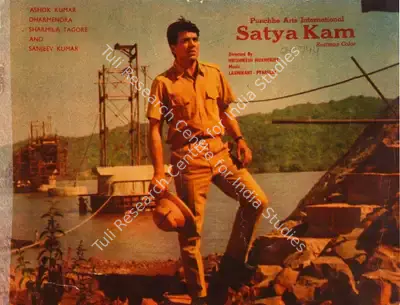
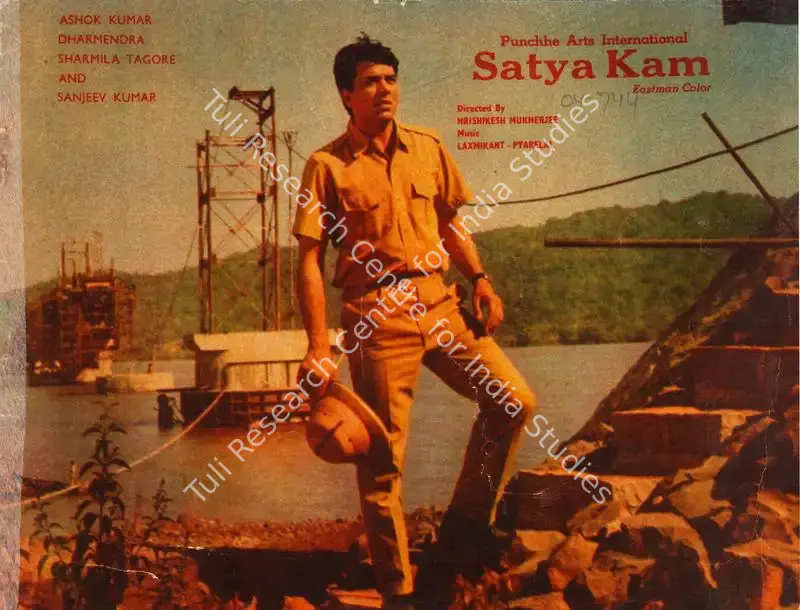
Satyakam (1969) Directed by Hrishikesh Mukherjee, this film is widely regarded as one of the most profound moral and philosophical dramas in Indian cinema. Adapted from the Bengali novel of the same name by Narayan Sanyal, the film derives its title from the ancient Vedic sage Satyakama Jabala, a figure associated with truthfulness and spiritual integrity. The film stars Dharmendra and Sharmila Tagore in the lead roles, with notable supporting performances by Ashok Kumar, Sanjeev Kumar, and Robi Ghosh. Its music was composed by Laxmikant–Pyarelal, while the lyrics were written by Kaifi Azmi.
Set during the final years of British rule and the early decades of independent India, the narrative follows two engineering graduates, Satyapriya Acharya and Narendra, played respectively by Dharmendra and Sanjeev Kumar. Idealistic and uncompromising in his commitment to truth, Satyapriya enters professional life determined to uphold ethical principles in a society increasingly compromised by corruption and moral decay. While working in Bhawanigarh, he marries Ranjana, portrayed by Sharmila Tagore, a decision that provokes tension within his conservative family and further complicates his already difficult life.
The film evolves into a poignant examination of the conflict between idealism and pragmatism in post-independence India. Satyapriya's unwavering honesty repeatedly places him at odds with employers, contractors, and social expectations, resulting in financial instability and emotional strain for his family. Unlike conventional cinematic heroes, he is not romanticised as invincible; instead, the film presents him as a deeply human figure whose moral convictions come at immense personal cost. His struggles intensify when he contracts throat cancer, an incurable illness that leaves him hospitalised and unable to speak.
In one of the film's most powerful narrative arcs, a corrupt contractor approaches the dying Satyapriya with an offer: approval of a poorly executed civil project in exchange for a substantial sum of money that would secure the future of his wife and child after his death. For the first time in his life, overwhelmed by concern for his family's survival, Satyapriya appears willing to compromise. He silently hands the signed approval papers to Ranjana. Yet Ranjana, despite years of hardship caused by her husband's rigid idealism, refuses to allow him to betray his principles at the end of his life. She tears up the papers, and Satyapriya responds with a faint smile, suggesting a final moment of spiritual vindication and emotional triumph. Though unable to speak, he recognises that his ideals have ultimately transformed another human being.
Dharmendra's portrayal of Satyapriya is frequently cited among the greatest performances in Indian cinematic history, remarkable for its emotional restraint, moral intensity, and psychological depth. The film received the National Film Awards for Best Feature Film in Hindi and also earned the Filmfare Awards for Best Dialogue, awarded to Rajinder Singh Bedi in 1971. The film was later remade in Tamil as Punnagai by K. Balachander.
The soundtrack complements the film's philosophical and introspective tone. Songs such as Do Din Ki Zindagi and Abhi Kya Sunoge, sung by Lata Mangeshkar, evoke themes of impermanence and emotional tenderness, while Zindagi Hai Kya Bolo, rendered by Kishore Kumar, Mukesh, and Mahendra Kapoor, reflects the existential and philosophical concerns at the heart of the narrative. Together, the film's performances, writing, and music established Satyakam as one of the defining moral dramas of Indian cinema.
ब्रिटिश शासन के अंतिम वर्षों और स्वतंत्र भारत के शुरुआती दशकों के दौरान घटित यह कहानी दो इंजीनियरिंग स्नातकों, सत्यप्रिया आचार्य और नरेंद्र के इर्द-गिर्द घूमती है, जिनके किरदार क्रमशः धर्मेंद्र और संजीव कुमार ने निभाए हैं। आदर्शवादी और सत्य के प्रति अटूट प्रतिबद्धता रखने वाले सत्यप्रिया, भ्रष्टाचार और नैतिक पतन से ग्रस्त समाज में नैतिक सिद्धांतों को क़ायम रखने के दृढ़ संकल्प के साथ पेशेवर जीवन में क़दम रखते हैं। भवानीगढ़ में काम करते हुए, उनकी शादी रंजना से हो जाती है, जिनका किरदार शर्मिला टैगोर ने निभाया है। यह विवाह उनके रूढ़िवादी परिवार में तनाव पैदा करता है और उनके पहले से ही कठिन जीवन को और भी पेचीदा बना देता है।
यह फ़िल्म स्वतंत्रता के बाद के भारत में आदर्शवाद और व्यावहारिकता के बीच संघर्ष की मार्मिक पड़ताल करती है। सत्यप्रिया की अटूट ईमानदारी बार-बार उसे आक़ाओं', ठेकेदारों और सामाजिक अपेक्षाओं के विरुद्ध खड़ा कर देती है, जिसके परिणामस्वरूप उसके परिवार को आर्थिक अस्थिरता और भावनात्मक तनाव का सामना करना पड़ता है। पारंपरिक फ़िल्मी नायकों के बजाय, उसे अजेय के रूप में चित्रित नहीं किया गया है; बल्कि, फ़िल्म उसे एक गहरे मानवीय व्यक्तित्व के रूप में प्रस्तुत करती है, जिसके नैतिक विश्वासों की उसे भारी कीमत चुकानी पड़ती है। उसके संघर्ष तब और भी बढ़ जाते हैं जब उसे गले का कैंसर हो जाता है, एक लाइलाज बीमारी जिसके कारण उसे अस्पताल में भर्ती होना पड़ता है और वह बोलने में असमर्थ हो जाता है।
फ़िल्म के सबसे प्रभावशाली कथानकों में से एक में, एक भ्रष्ट ठेकेदार मरणासन्न सत्यप्रिया के पास एक प्रस्ताव लेकर आता है, जो एक घटिया और बेकार सिविल परियोजना को मंजूरी देने के बदले में एक बड़ी रक़म, जिससे उसकी मृत्यु के बाद उसकी पत्नी और बच्चे का भविष्य सुरक्षित हो जाएगा। अपने जीवन में पहली बार अपने परिवार के भरण-पोषण की चिंता से व्याकुल सत्यप्रिया समझौता करने को तैयार दिखाई देता है। वह चुपचाप हस्ताक्षरित मंज़ूरी पत्र रंजना को सौंप देता है। फ़िर भी, रंजना, अपने पति के कठोर आदर्शवाद के कारण वर्षों की कठिनाइयों के बावजूद, उसे अपने जीवन के अंत में अपने सिद्धांतों से विश्वासघात करने की अनुमति नहीं देती है। वह काग़ज़ों को फाड़ देती है, और सत्यप्रिया एक हल्की मुस्कान के साथ जवाब देता है, जो आध्यात्मिक समाधान और भावनात्मक विजय के अंतिम क्षण का संकेत देती है। हालांकि वह बोल नहीं सकता, वह यह महसूस करता है कि उसके आदर्शों ने अंततः एक और इंसान को बदल दिया है।
धर्मेंद्र द्वारा सत्यप्रिया का किरदार निभाना भारतीय सिनेमा के इतिहास में सर्वश्रेष्ठ प्रदर्शनों में गिना जाता है, जो भावनात्मक संयम, नैतिक तीव्रता और मनोवैज्ञानिक गहराई के लिए उल्लेखनीय है। इस फ़िल्म को हिंदी में सर्वश्रेष्ठ फ़ीचर फ़िल्म का राष्ट्रीय फ़िल्म पुरस्कार मिला और साथ ही सर्वश्रेष्ठ संवाद के लिए फ़िल्मफेयर पुरस्कार भी मिला, जो 1971 में राजिंदर सिंह बेदी को दिया गया था। बाद में के. बालाचंदर द्वारा निर्देशित इस फ़िल्म का तमिल में 'पुन्नागई' नाम से रीमेक बनाया गया।
फ़िल्म का संगीत इसके दार्शनिक और जागरूक भाव को और भी निखारता है। लता मंगेशकर द्वारा गाए गए गीत 'दो दिन की जिंदगी' और 'अभी क्या सुनोगे' क्षणभंगुरता और कोमल भावनाओं को दर्शाते हैं, वहीं किशोर कुमार, मुकेश और महेंद्र कपूर द्वारा गाया गया गीत 'जिंदगी है क्या बोलो' कहानी के मूल में निहित अस्तित्ववादी और दार्शनिक चिंताओं को प्रतिबिंबित करता है। फ़िल्म के अभिनय, लेखन और संगीत ने मिलकर 'सत्यकाम' को भारतीय सिनेमा के सबसे प्रभावशाली नैतिक नाटकों में से एक बना दिया।