Majnoon
Introduction
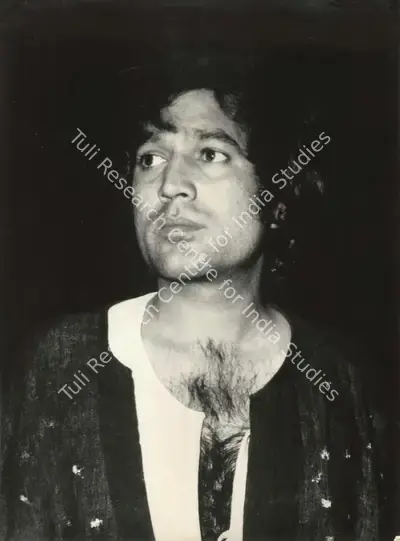
Majnoon (1979) The unreleased Magnum Opus was conceived and directed by the legendary auteur Kamal Amrohi, and remains one of Indian cinema's most enigmatic unrealised projects—a film enveloped in myth, ambition, and artistic grandeur. With a star-studded cast headlined by Rajesh Khanna and Rakhee Gulzar, the film was widely anticipated to be a cinematic milestone, often compared in scale and vision to K Asif's earlier masterpieces Mughal-e-Azam (as a contemporary parallel) and Amrohi's Pakeezah. Yet, despite its potential to redefine the romantic epic within the Hindi film canon, Majnoon was tragically shelved after the completion of merely six reels, primarily due to financial constraints.
The film assembled an extraordinary ensemble cast, including legendary figures such as Ashok Kumar, Raj Kapoor, Pradeep Kumar, Shammi Kapoor, Parveen Babi, and Simple Kapadia. With Amrohi at the creative helm—not only as director, but also as screenwriter and lyricist—the project bore the hallmarks of his meticulous cinematic vision.
One of the most evocative remnants of Majnoon is a hauntingly beautiful song rendered by Lata Mangeshkar, composed by the eminent music director Khayyam. This musical fragment stands as a poignant testament to the film's unrealised emotional depth. Such was Rajesh Khanna's admiration for Khayyam's composition that he is said to have gifted the maestro a car in appreciation—an anecdote that underscores the reverence the film commanded even during its incomplete production phase.
The narrative arc of Majnoon remains shrouded in ambiguity. While it has been speculated that the film drew upon the timeless legend of Layla and Majnun, specific details regarding Amrohi's adaptation are scant, lost perhaps to time and cinematic silence. However, what is known is that the film centred on a romantic saga between the lead characters portrayed by Khanna and Gulzar, envisioned with the director's signature lyrical sensitivity. Archival reports suggest that a grand muhurat scene—a ceremonial first shot—featuring the principal pair was successfully filmed, followed by a celebratory feast, indicating the significance accorded to the film's launch.
Majnoon was also a family endeavour of sorts: it was to be produced by Chunnibhai Kapadia, Rajesh Khanna's father-in-law, which further amplified expectations surrounding the film. Yet, despite its luminous constellation of talent and its aspirational scope, the project remained incomplete—an unfinished symphony in the annals of Indian cinema.
Today, Majnoon endures not through reels or screens, but as a tantalising cinematic phantom—an opulent dream envisioned by one of India's most visionary filmmakers, and remembered as one of the greatest "what ifs" in the history of Hindi film.
The film assembled an extraordinary ensemble cast, including legendary figures such as Ashok Kumar, Raj Kapoor, Pradeep Kumar, Shammi Kapoor, Parveen Babi, and Simple Kapadia. With Amrohi at the creative helm—not only as director, but also as screenwriter and lyricist—the project bore the hallmarks of his meticulous cinematic vision.
One of the most evocative remnants of Majnoon is a hauntingly beautiful song rendered by Lata Mangeshkar, composed by the eminent music director Khayyam. This musical fragment stands as a poignant testament to the film's unrealised emotional depth. Such was Rajesh Khanna's admiration for Khayyam's composition that he is said to have gifted the maestro a car in appreciation—an anecdote that underscores the reverence the film commanded even during its incomplete production phase.
The narrative arc of Majnoon remains shrouded in ambiguity. While it has been speculated that the film drew upon the timeless legend of Layla and Majnun, specific details regarding Amrohi's adaptation are scant, lost perhaps to time and cinematic silence. However, what is known is that the film centred on a romantic saga between the lead characters portrayed by Khanna and Gulzar, envisioned with the director's signature lyrical sensitivity. Archival reports suggest that a grand muhurat scene—a ceremonial first shot—featuring the principal pair was successfully filmed, followed by a celebratory feast, indicating the significance accorded to the film's launch.
Majnoon was also a family endeavour of sorts: it was to be produced by Chunnibhai Kapadia, Rajesh Khanna's father-in-law, which further amplified expectations surrounding the film. Yet, despite its luminous constellation of talent and its aspirational scope, the project remained incomplete—an unfinished symphony in the annals of Indian cinema.
Today, Majnoon endures not through reels or screens, but as a tantalising cinematic phantom—an opulent dream envisioned by one of India's most visionary filmmakers, and remembered as one of the greatest "what ifs" in the history of Hindi film.
मजनूँ (1979) यह अधूरी रह गई भव्य कृति महान फ़िल्मकार कमाल अमरोही की कल्पना थी और उन्हीं के निर्देशन में बन रही थी। इसे भारतीय सिनेमा के सबसे महत्वाकाँक्षी अधूरे रह गए प्रोजेक्ट्स में से एक गिना जाता है। एक ऐसी फिल्म जो मिथक, महत्वाकाँक्षा और कलात्मक वैभव के आवरण में छिपी रह गई। राजेश खन्ना और राखी गुलज़ार जैसे सितारों की मुख्य भूमिकाओं से सजी यह फ़िल्म अपने समय की सबसे बहुप्रतीक्षित फ़िल्मों में से एक थी। अक्सर इसकी तुलना इसके भव्य पैमाने और विहंगम दृष्टि के चलते के. आसिफ की मुग़ल-ए-आज़म (1960) तथा खुद अमरोही की ही पाकीज़ा (1972) से की जाती है। लेकिन हिन्दी सिनेमा इतिहास में रोमांटिक फ़िल्म शैली को नए सिरे से परिभाषित करने की महत्वाकाँक्षा के बावजूद यह फ़िल्म महज़ छह रील की शूटिंग के बाद आर्थिक कठिनाइयों के चलते अधूरी रह गई।
कहना होगा कि इस फ़िल्म में काम कर रहे अभिनेताओं की सूची असाधारण थी जिसमें अशोक कुमार, राज कपूर, प्रदीप कुमार, शम्मी कपूर, परवीन बाबी और सिंपल कपाड़िया जैसे दिग्गज नाम शामिल थे। अमरोही इस फ़िल्म से न सिर्फ़ निर्देशक की भूमिका में जुड़े थे बल्कि फ़िल्म के पटकथा लेखक और गीतकार भी वही थे। पूरी परियोजना के पीछे उनकी बारीक़ नज़र और भव्य दृष्टि स्पष्ट झलकती थी।
मजनूँ की बाक़ी रह गई सबसे यादगार निशानियों में से एक है लता मंगेशकर की आवाज़ में रिकॉर्ड किया गया ख़य्याम के संगीत से सजा एक गीत जो आज भी अपनी गहनता और करुणा से इस अधूरी फ़िल्म के जज़्बाती कथानक को जीवित कर देता है। कहा जाता है कि राजेश खन्ना इस गाने की धुन से इतने प्रभावित हुए कि उन्होंने ख़य्याम को एक कार भेंट कर दी थी। यह प्रसंग इस अधूरी रह गई फ़िल्म के प्रति उससे जुड़े लोगों आकर्षण और सम्मान को भी दिखाता है।
फ़िल्म की कहानी हालाँकि रहस्य में डूबी रह गई। यह अनुमान लगाया जाता है कि कथानक लैला-मजनूँ की कालजयी प्रेमकहानी से प्रेरित था, लेकिन अमरोही ने उसे अपनी पटकथा में ढालते हुए उसमें क्या और कैसे बदलाव किये इसका ठोस विवरण बहते समय की रेत में कहीं खो गया। हाँ जो बात निश्चित रूप से कही जा सकती है वह यह कि राजेश खन्ना और राखी गुलज़ार के किरदारों के बीच रची गई प्रेमकहानी ही इस कथानक के केंद्र में थी। अमरोही ने इसे काव्यात्मक संवेदनशीलता के साथ रचा था। फ़िल्म से जुड़ी पुरानी रपटें बताती हैं कि इस फ़िल्म का भव्य मुहूर्त शॉट सफलतापूर्वक फ़िल्माया गया था और उसके बाद एक शानदार दावत का आयोजन भी हुआ था। इससे इस फ़िल्म को शुभारंभ पर ही मिली गंभीरता और महत्व पता चलता है।
मजनूँ एक क़िस्म की पारिवारिक परियोजना भी बन गई थी क्योंकि इसका निर्माण राजेश खन्ना के ससुर चुन्नीभाई कपाड़िया करने वाले थे। इसके चलते भी इस फ़िल्म से जुड़ी अपेक्षाओं को और बढ़ावा मिला था। लेकिन अपनी चमकदार स्टारकास्ट और महत्त्वाकाँक्षी विस्तार के बावजूद यह परियोजना अधूरी रह गई। जैसे भारतीय सिनेमा के इतिहास की एक अधूरी छूटी सरगम।
आज मजनूँ फ़िल्म की रील या पर्दे पर नहीं बल्कि एक रहस्यमय सिनेमाई किस्से के रूप में जीवित है। किस्सा भारत के सबसे दूरदर्शी फ़िल्मकारों में से एक का देखा वो भव्य सपना जिसे हिन्दी सिनेमा के इतिहास की सबसे प्रमुख “यूँ होता तो क्या होता” वाली सूची में गिना जाता है।
कहना होगा कि इस फ़िल्म में काम कर रहे अभिनेताओं की सूची असाधारण थी जिसमें अशोक कुमार, राज कपूर, प्रदीप कुमार, शम्मी कपूर, परवीन बाबी और सिंपल कपाड़िया जैसे दिग्गज नाम शामिल थे। अमरोही इस फ़िल्म से न सिर्फ़ निर्देशक की भूमिका में जुड़े थे बल्कि फ़िल्म के पटकथा लेखक और गीतकार भी वही थे। पूरी परियोजना के पीछे उनकी बारीक़ नज़र और भव्य दृष्टि स्पष्ट झलकती थी।
मजनूँ की बाक़ी रह गई सबसे यादगार निशानियों में से एक है लता मंगेशकर की आवाज़ में रिकॉर्ड किया गया ख़य्याम के संगीत से सजा एक गीत जो आज भी अपनी गहनता और करुणा से इस अधूरी फ़िल्म के जज़्बाती कथानक को जीवित कर देता है। कहा जाता है कि राजेश खन्ना इस गाने की धुन से इतने प्रभावित हुए कि उन्होंने ख़य्याम को एक कार भेंट कर दी थी। यह प्रसंग इस अधूरी रह गई फ़िल्म के प्रति उससे जुड़े लोगों आकर्षण और सम्मान को भी दिखाता है।
फ़िल्म की कहानी हालाँकि रहस्य में डूबी रह गई। यह अनुमान लगाया जाता है कि कथानक लैला-मजनूँ की कालजयी प्रेमकहानी से प्रेरित था, लेकिन अमरोही ने उसे अपनी पटकथा में ढालते हुए उसमें क्या और कैसे बदलाव किये इसका ठोस विवरण बहते समय की रेत में कहीं खो गया। हाँ जो बात निश्चित रूप से कही जा सकती है वह यह कि राजेश खन्ना और राखी गुलज़ार के किरदारों के बीच रची गई प्रेमकहानी ही इस कथानक के केंद्र में थी। अमरोही ने इसे काव्यात्मक संवेदनशीलता के साथ रचा था। फ़िल्म से जुड़ी पुरानी रपटें बताती हैं कि इस फ़िल्म का भव्य मुहूर्त शॉट सफलतापूर्वक फ़िल्माया गया था और उसके बाद एक शानदार दावत का आयोजन भी हुआ था। इससे इस फ़िल्म को शुभारंभ पर ही मिली गंभीरता और महत्व पता चलता है।
मजनूँ एक क़िस्म की पारिवारिक परियोजना भी बन गई थी क्योंकि इसका निर्माण राजेश खन्ना के ससुर चुन्नीभाई कपाड़िया करने वाले थे। इसके चलते भी इस फ़िल्म से जुड़ी अपेक्षाओं को और बढ़ावा मिला था। लेकिन अपनी चमकदार स्टारकास्ट और महत्त्वाकाँक्षी विस्तार के बावजूद यह परियोजना अधूरी रह गई। जैसे भारतीय सिनेमा के इतिहास की एक अधूरी छूटी सरगम।
आज मजनूँ फ़िल्म की रील या पर्दे पर नहीं बल्कि एक रहस्यमय सिनेमाई किस्से के रूप में जीवित है। किस्सा भारत के सबसे दूरदर्शी फ़िल्मकारों में से एक का देखा वो भव्य सपना जिसे हिन्दी सिनेमा के इतिहास की सबसे प्रमुख “यूँ होता तो क्या होता” वाली सूची में गिना जाता है।
Body of Work
Director
Lead Cast
Lead Cast Rest
Producer
Script Writer