Raakhee
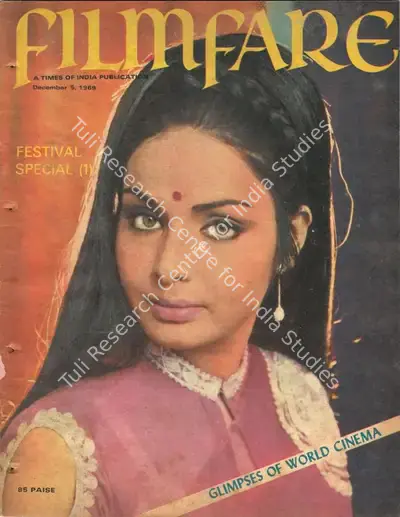
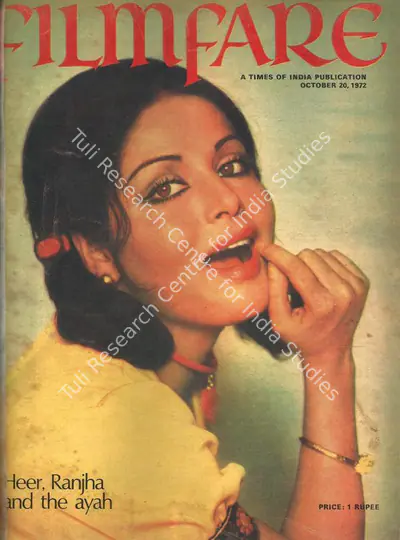
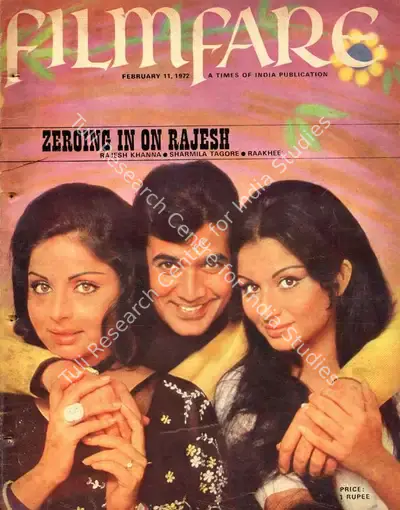
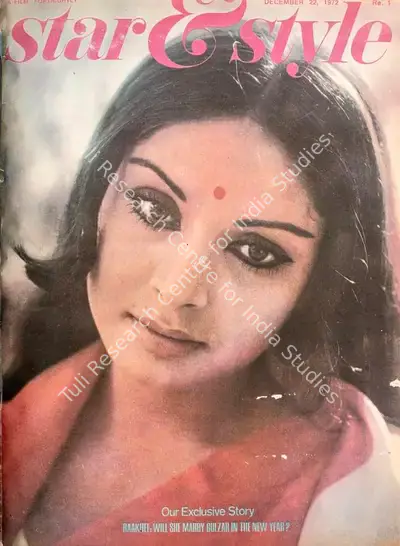
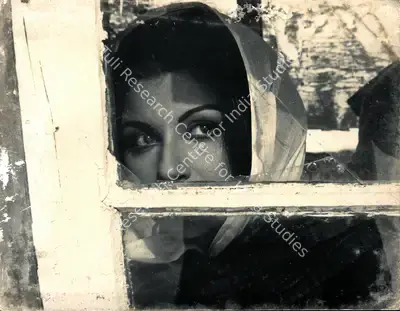
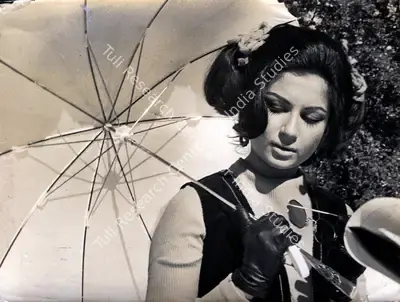
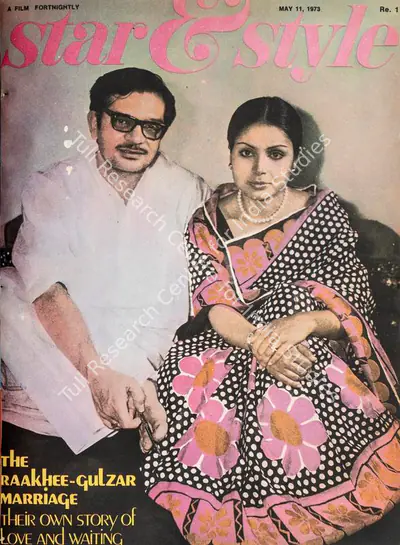
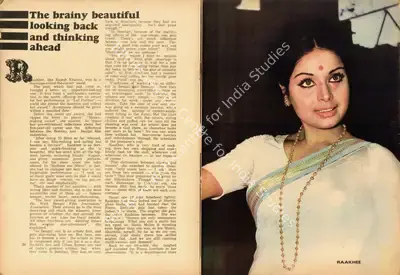
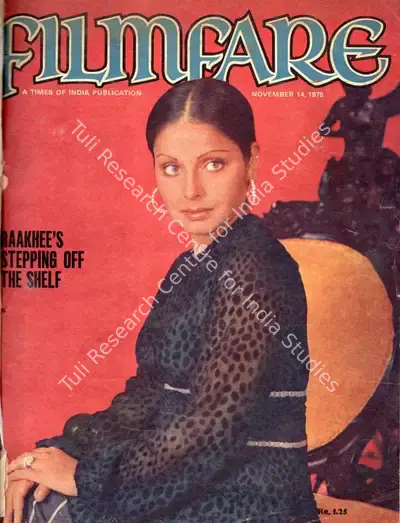
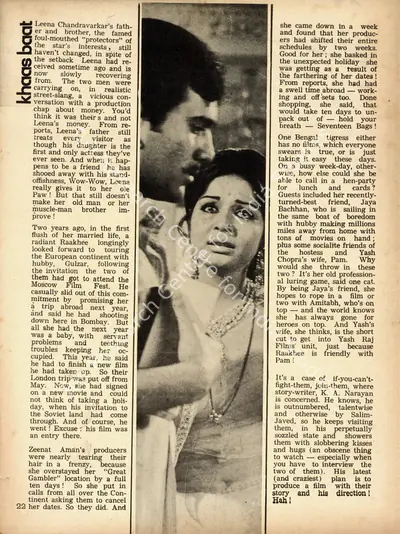
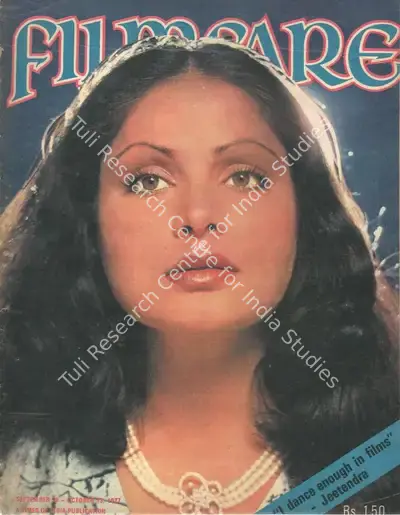
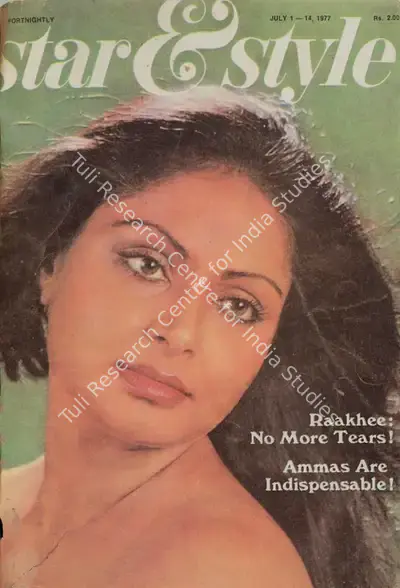
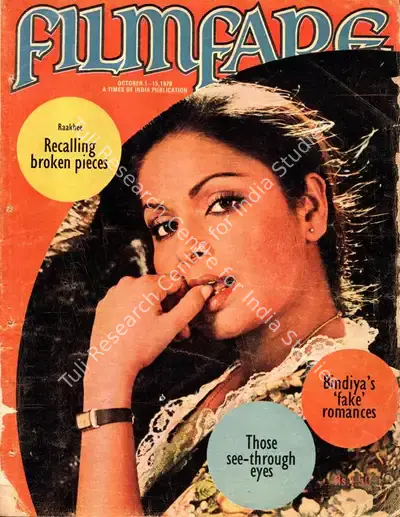
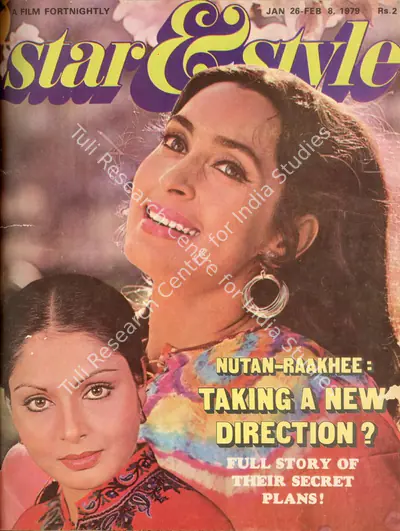
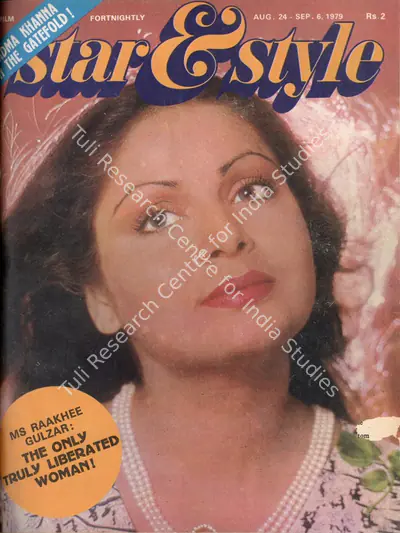
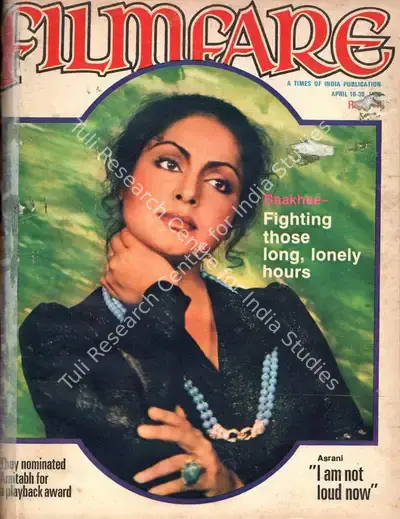
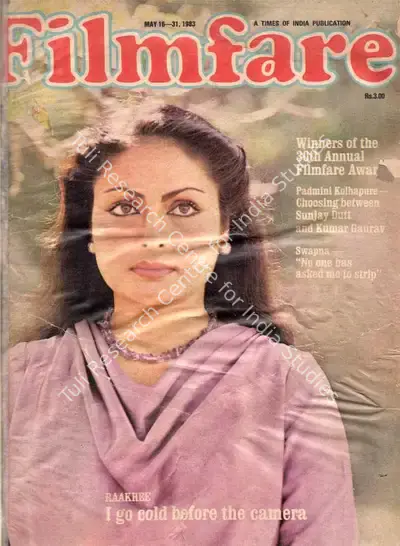
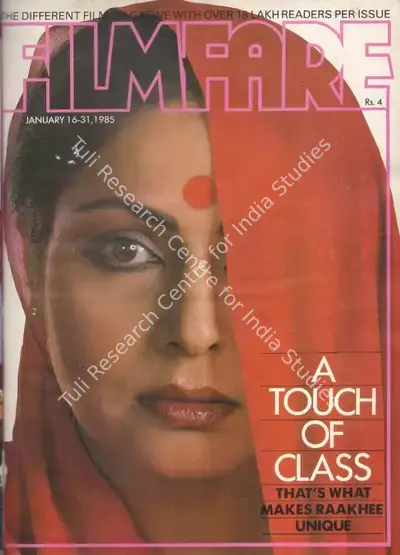
Rakhee (Born on 15 August 1947 in Ranaghat, West Bengal, Raakhee Gulzar — née Majumdar — ) is an Indian actress who works primarily in Hindi films, she rose from modest Bengali roots to become one of the most luminous presences in Indian cinema. Her father, once a prosperous shoemaker in what is now Bangladesh, resettled in West Bengal after Partition, and it was from this quietly uprooted world that one of Hindi cinema's greatest actresses would emerge.
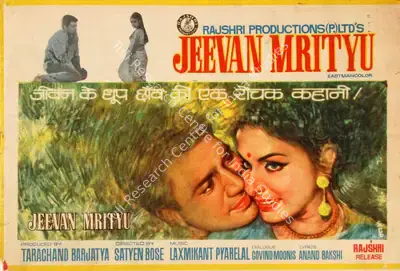
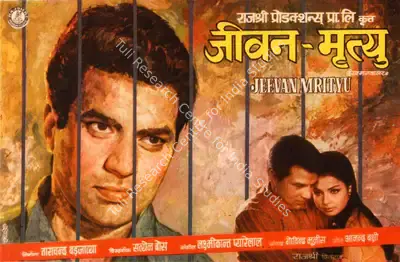
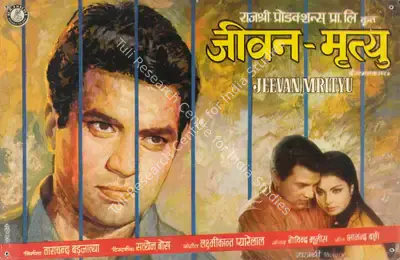
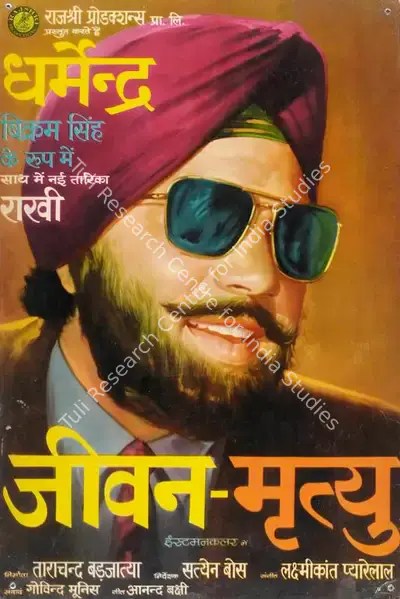
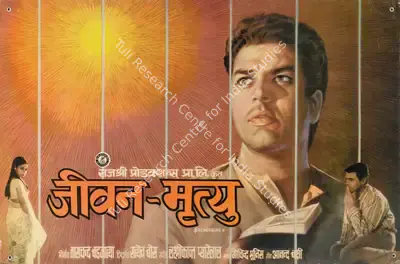
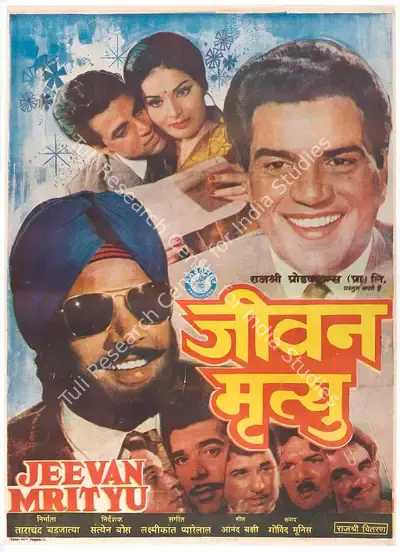
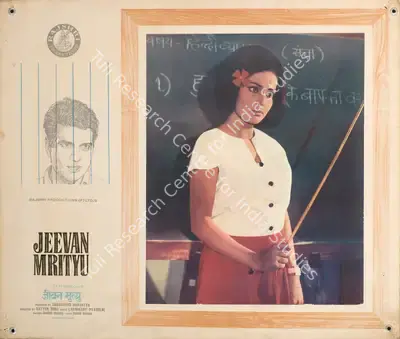
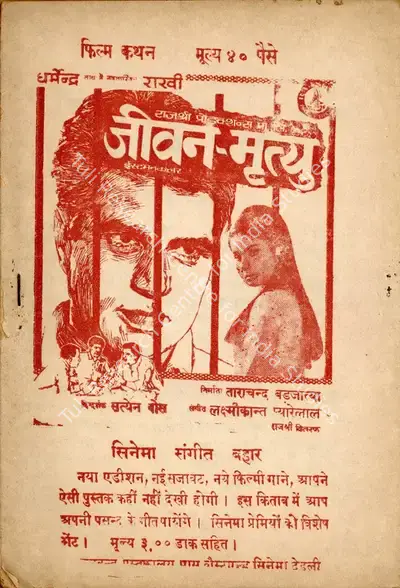
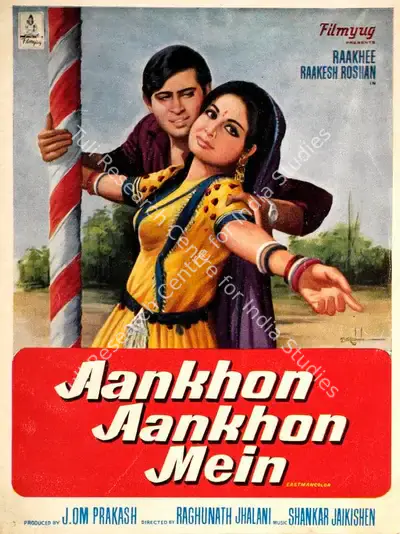
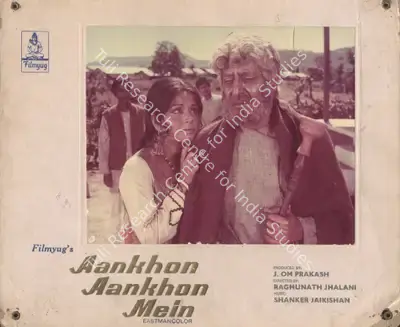
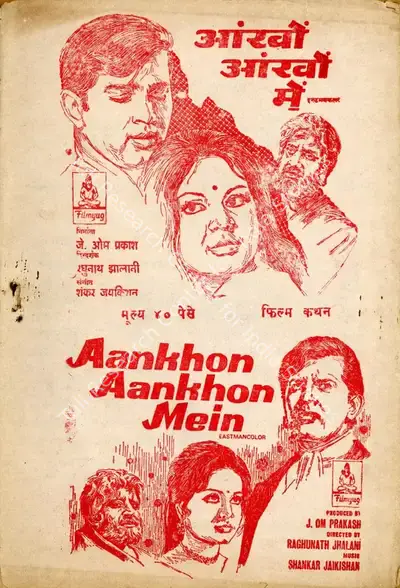
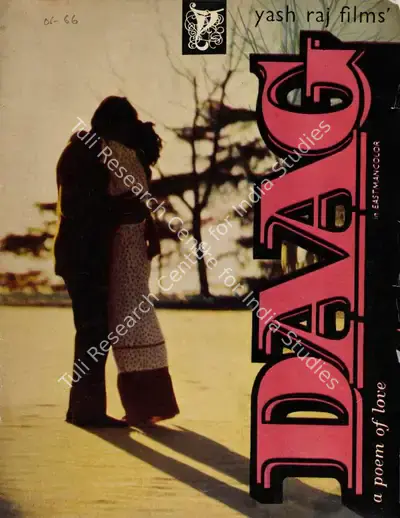
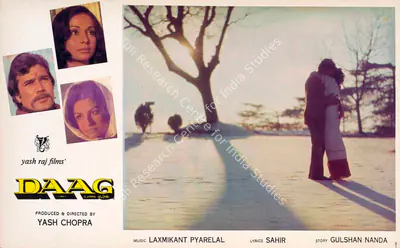
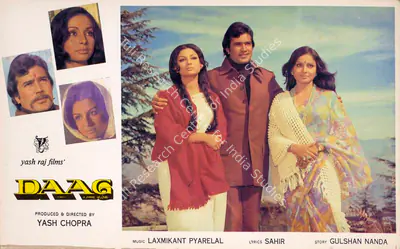
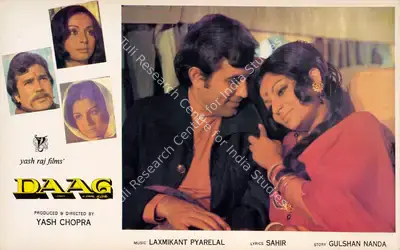
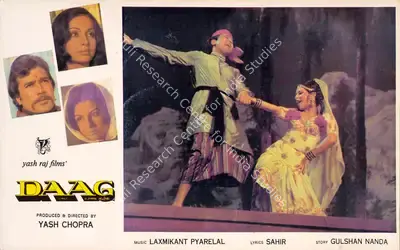
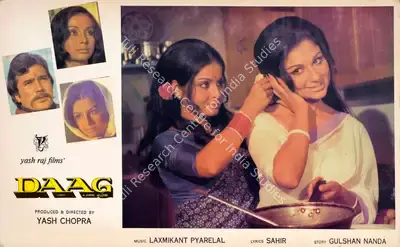
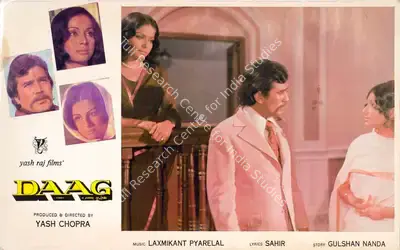
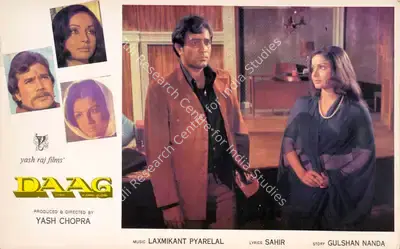
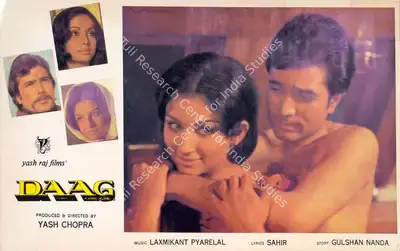
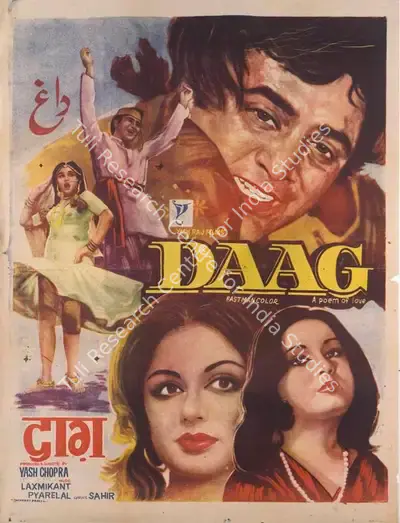
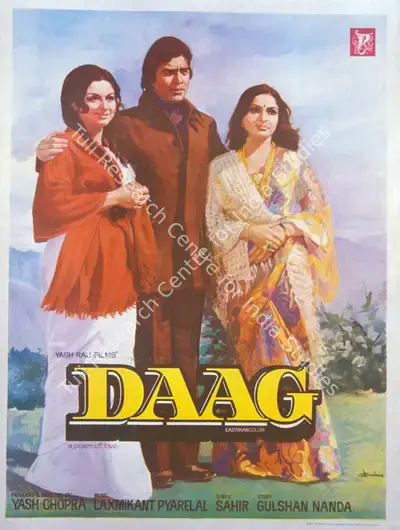
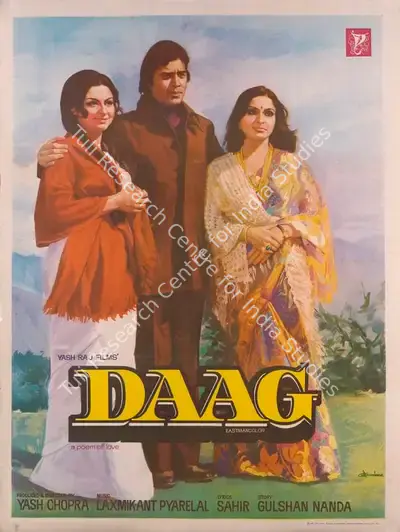
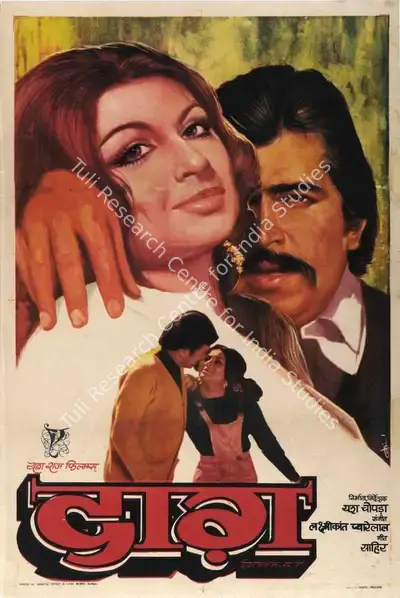
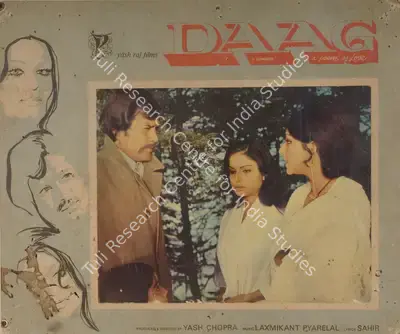
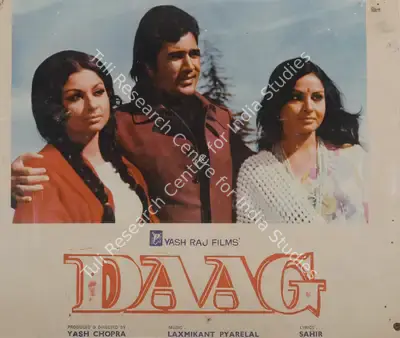
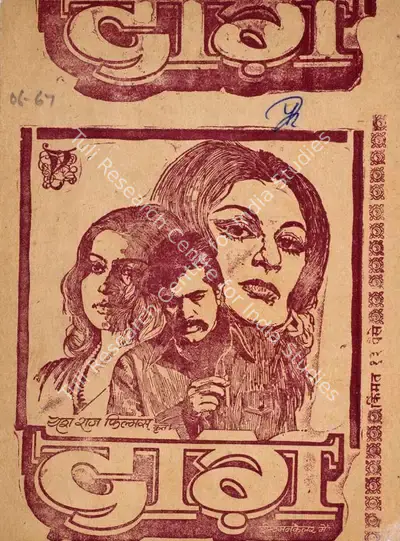
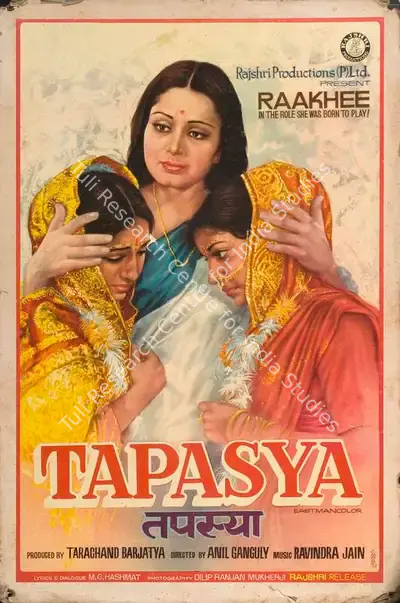
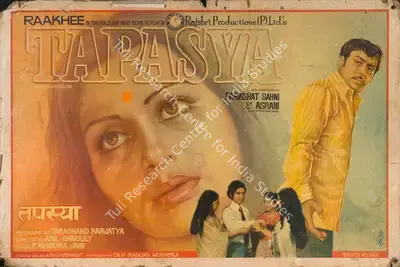
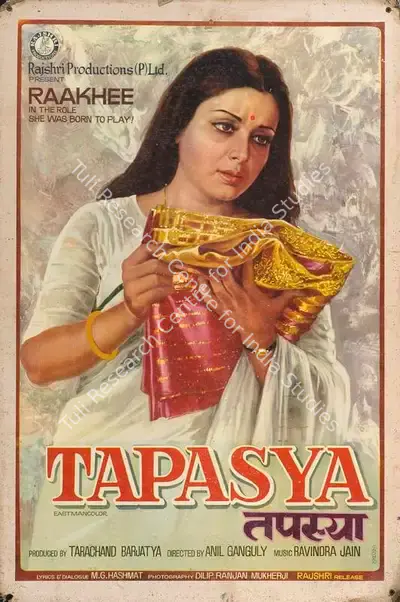
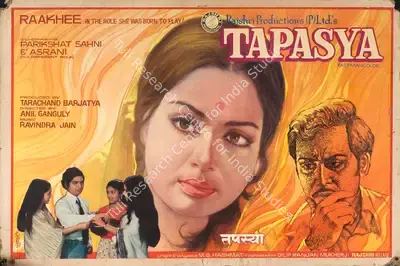
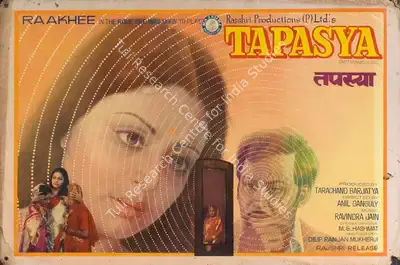
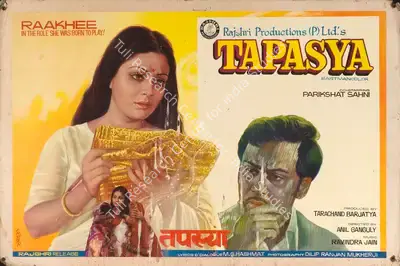
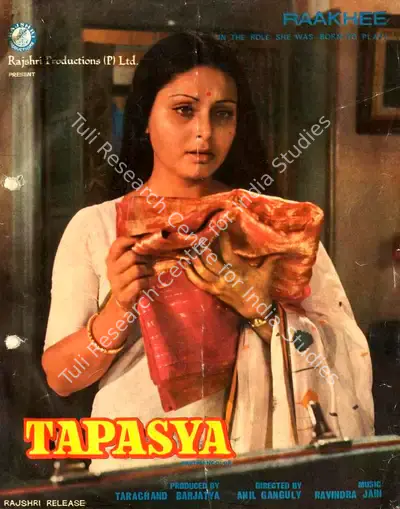
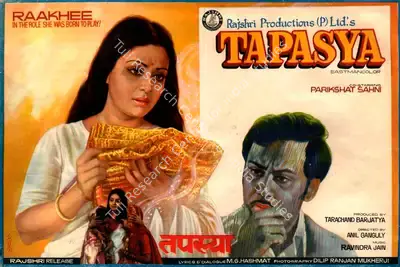
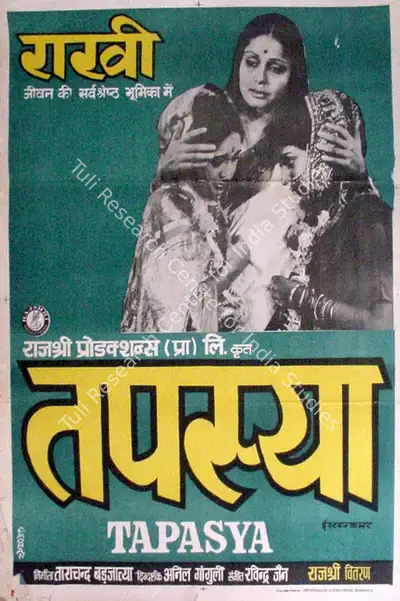
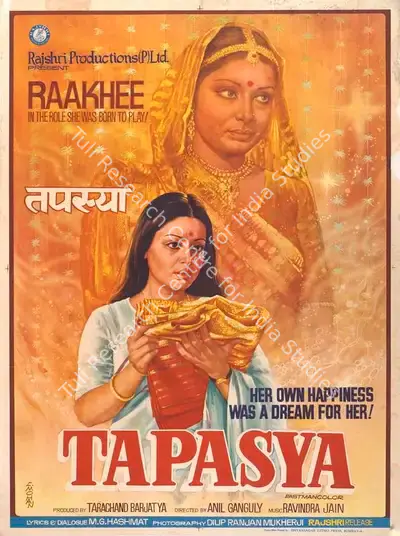
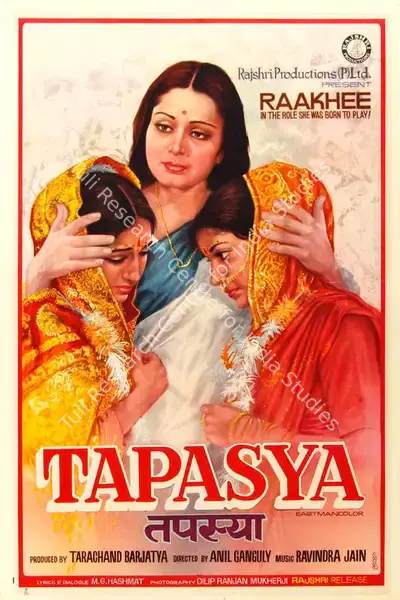
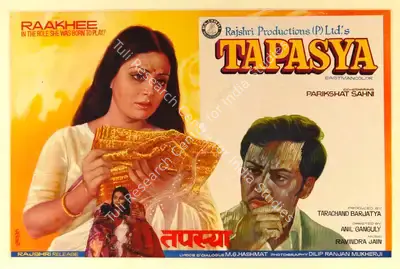
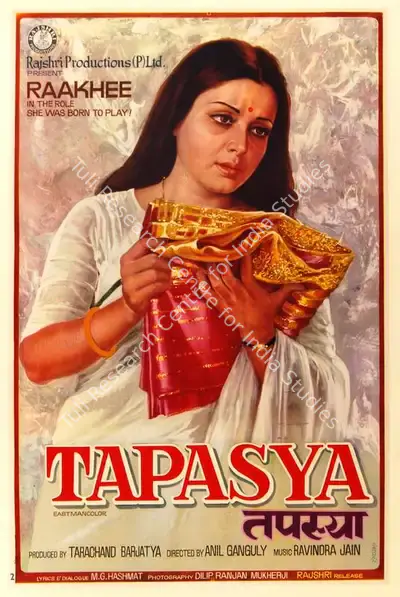
Raakhee made her screen debut in the Bengali film Badhu Bharan in 1967, crossing over to Hindi cinema three years later with Jeevan Mrityu. Her trajectory quickened sharply with Aankhon Aankhon Mein (1972) and Daag: A Poem of Love (1973), the latter earning her a Filmfare Award for Best Supporting Actress. It was, however, Rajshri Productions' Tapasya (1976) that cemented her stature as a box-office force in her own right. Portraying a woman who sacrifices her own ambitions for her siblings, Raakhee brought what The Hindu described as remarkable restraint and conviction to a role that demanded emotional maturity well beyond her years — earning her the Filmfare Award for Best Actress, her sole win in that category.
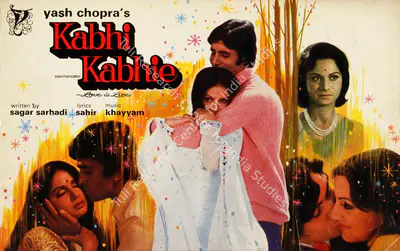
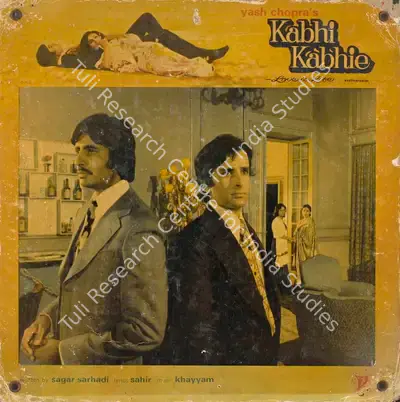
That same year, Yash Chopra's Kabhi Kabhie further burnished her credentials. Where earlier critics had compared her to Nimmi for her hazel eyes, or to Meena Kumari for her facility with tragedy, Raakhee ultimately transcended both comparisons, carving out a screen identity entirely her own.
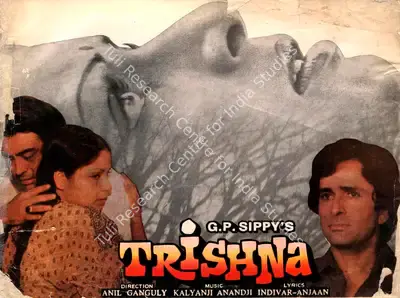
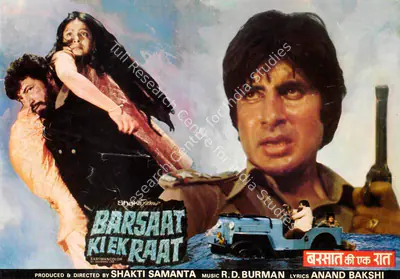
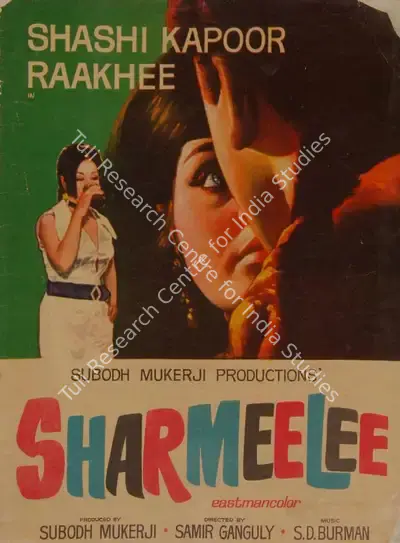
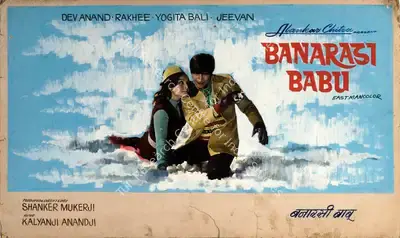
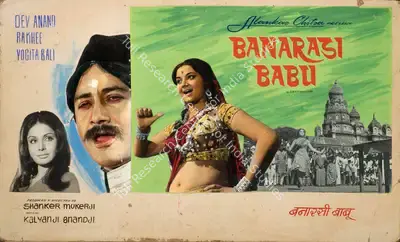
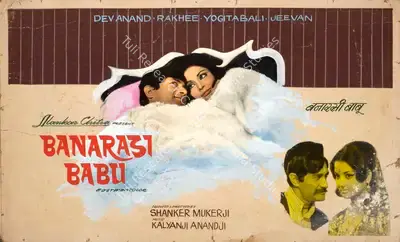
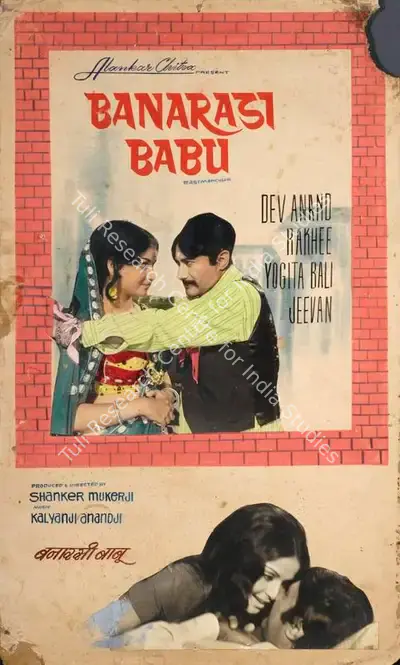
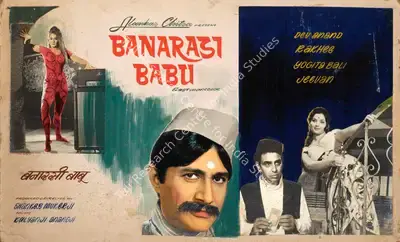
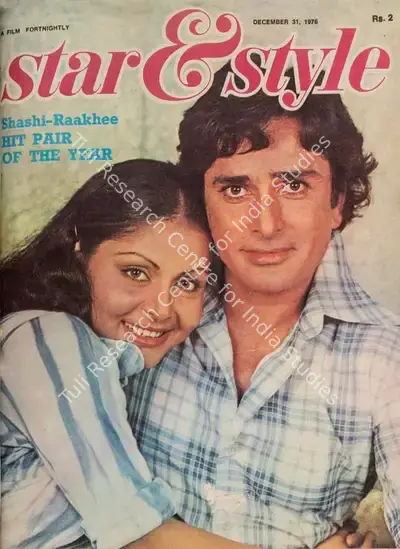
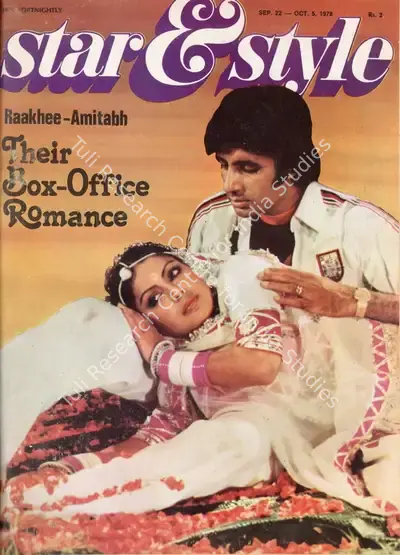
Her chemistry with Amitabh Bachchan, across eight films including Muqaddar Ka Sikandar, Trishul and Kaala Patthar, became the stuff of cinematic legend, as did her celebrated pairing with Shashi Kapoor across a decade of releases. She proved equally magnetic opposite Sanjeev Kumar and Dev Anand, the breadth of her partnerships a testament to her rare versatility.
As the 1980s progressed, Raakhee pivoted seamlessly into character roles — playing mother to Amitabh Bachchan in Shakti and to Rishi Kapoor in Yeh Vaada Raha — without surrendering an iota of her authority on screen. Her later work in Ram Lakhan, Baazigar and Karan Arjun reinforced that authority across generations of audiences.
The recognition of the Indian state eventually followed: a Padma Shri in 2003, and a National Film Award for Best Supporting Actress for her role in Rituparno Ghosh's Shubho Mahurat the same year. It was, for a career of such sustained brilliance, a fittingly distinguished close to her formal honours.
Raakhee made her screen debut in the Bengali film Badhu Bharan in 1967, crossing over to Hindi cinema three years later with Jeevan Mrityu. Her trajectory quickened sharply with Aankhon Aankhon Mein (1972) and Daag: A Poem of Love (1973), the latter earning her a Filmfare Award for Best Supporting Actress. It was, however, Rajshri Productions' Tapasya (1976) that cemented her stature as a box-office force in her own right. Portraying a woman who sacrifices her own ambitions for her siblings, Raakhee brought what The Hindu described as remarkable restraint and conviction to a role that demanded emotional maturity well beyond her years — earning her the Filmfare Award for Best Actress, her sole win in that category.
That same year, Yash Chopra's Kabhi Kabhie further burnished her credentials. Where earlier critics had compared her to Nimmi for her hazel eyes, or to Meena Kumari for her facility with tragedy, Raakhee ultimately transcended both comparisons, carving out a screen identity entirely her own.
Her chemistry with Amitabh Bachchan, across eight films including Muqaddar Ka Sikandar, Trishul and Kaala Patthar, became the stuff of cinematic legend, as did her celebrated pairing with Shashi Kapoor across a decade of releases. She proved equally magnetic opposite Sanjeev Kumar and Dev Anand, the breadth of her partnerships a testament to her rare versatility.
As the 1980s progressed, Raakhee pivoted seamlessly into character roles — playing mother to Amitabh Bachchan in Shakti and to Rishi Kapoor in Yeh Vaada Raha — without surrendering an iota of her authority on screen. Her later work in Ram Lakhan, Baazigar and Karan Arjun reinforced that authority across generations of audiences.
The recognition of the Indian state eventually followed: a Padma Shri in 2003, and a National Film Award for Best Supporting Actress for her role in Rituparno Ghosh's Shubho Mahurat the same year. It was, for a career of such sustained brilliance, a fittingly distinguished close to her formal honours.
Research Centre










120 of 432



120 of 356