TRIS logo image
Search275,000+ actors, artists, objects, artworks, films, exhibitions, archives

EN

EN

English

HI

Hindi

EN

EN

English

HI

Hindi

Tuli Research Centre for India Studies

Tuli Research Centre for India Studies

Vision

Manifesto

Archive & Library

Vanraja Sanctuary & Hospice

Home

Research Categories

Browse All

ICore

1_CinemaEducation_Cinema as a Critical Educational Resource

2_FineArts_Modern and Contemporary Indian Fine Arts

3_Photography_Photography in India

4_PopCulture_The Printed Image, Popular Arts, and Crafts

IIMaterial

5_ArcHeritage_India's Architectural Heritage as Inspiration

6_EconomicsArt_Economics of Art & Cultural Industry

7_Travel_Automobile, Transport and Travel Heritage

8_Uncertainty_Uncertainty

IIICritical

9_SocialDuty_Social Responsibility of the Creative Mind

10_Childhood_The Changing Smile of Childhood & Its Second Coming

11_Sensuality_The Sensual Discipline within Creativity

12_Scholarship_The History & Historiography of Scholarship in the Arts, Humanities, and Social Sciences

IVMeaningful

13_SeekJustice_Seeking Justice and Political Integrity

14_IndoWorld_India and her Relationship with the World

15_SpiritualPoetics_The Religious-Spiritual-Poetic-Philosophical Framework

16_Continuum_The Animal-Human-Nature Continuum

Explore

All

Posts

Masterlists

Calendar

Live | Upcoming

All Events

Timetable

Search275,000+ actors, artists, objects, artworks, films, exhibitions, archives

EN

EN

English

HI

Hindi

Majnoon

Majnoon

Film.Indian Cinema
DirectorKamal Amrohi
LanguageHindi
ReleasedUnreleased, incomplete Film (1979)
On this Page
Introduction
Body of Work
Research Centre1
Home/1_CinemaEducation/Film/Majnoon

Majnoon

Majnoon: featured artwork

Introduction

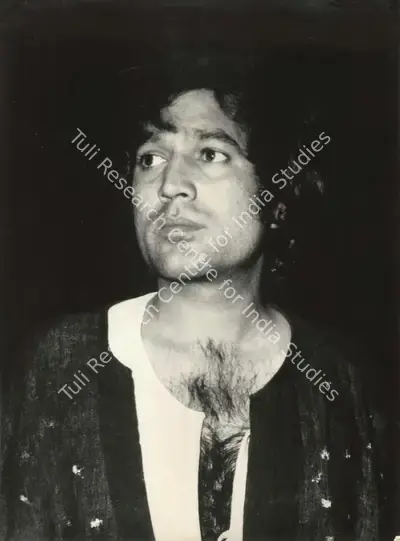
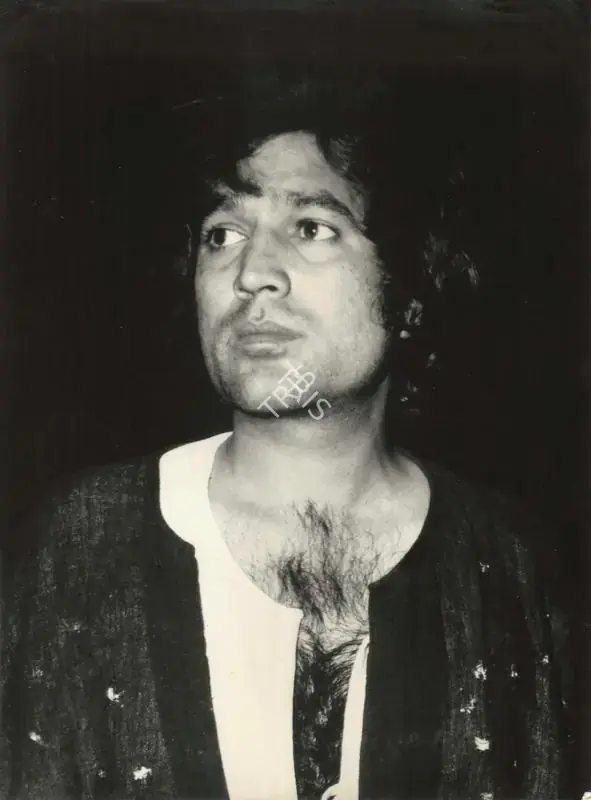
Majnoon (1979) The unreleased Magnum Opus was conceived and directed by the legendary auteur Kamal Amrohi, and remains one of Indian cinema's most enigmatic unrealised projects—a film enveloped in myth, ambition, and artistic grandeur. With a star-studded cast headlined by Rajesh Khanna and Rakhee Gulzar, the film was widely anticipated to be a cinematic milestone, often compared in scale and vision to K Asif's earlier masterpieces Mughal-e-Azam (as a contemporary parallel) and Amrohi's Pakeezah. Yet, despite its potential to redefine the romantic epic within the Hindi film canon, Majnoon was tragically shelved after the completion of merely six reels, primarily due to financial constraints.

The film assembled an extraordinary ensemble cast, including legendary figures such as Ashok Kumar, Raj Kapoor, Pradeep Kumar, Shammi Kapoor, Parveen Babi, and Simple Kapadia. With Amrohi at the creative helm—not only as director, but also as screenwriter and lyricist—the project bore the hallmarks of his meticulous cinematic vision.

One of the most evocative remnants of Majnoon is a hauntingly beautiful song rendered by Lata Mangeshkar, composed by the eminent music director Khayyam. This musical fragment stands as a poignant testament to the film's unrealised emotional depth. Such was Rajesh Khanna's admiration for Khayyam's composition that he is said to have gifted the maestro a car in appreciation—an anecdote that underscores the reverence the film commanded even during its incomplete production phase.

The narrative arc of Majnoon remains shrouded in ambiguity. While it has been speculated that the film drew upon the timeless legend of Layla and Majnun, specific details regarding Amrohi's adaptation are scant, lost perhaps to time and cinematic silence. However, what is known is that the film centred on a romantic saga between the lead characters portrayed by Khanna and Gulzar, envisioned with the director's signature lyrical sensitivity. Archival reports suggest that a grand muhurat scene—a ceremonial first shot—featuring the principal pair was successfully filmed, followed by a celebratory feast, indicating the significance accorded to the film's launch.

Majnoon was also a family endeavour of sorts: it was to be produced by Chunnibhai Kapadia, Rajesh Khanna's father-in-law, which further amplified expectations surrounding the film. Yet, despite its luminous constellation of talent and its aspirational scope, the project remained incomplete—an unfinished symphony in the annals of Indian cinema.

Today, Majnoon endures not through reels or screens, but as a tantalising cinematic phantom—an opulent dream envisioned by one of India's most visionary filmmakers, and remembered as one of the greatest "what ifs" in the history of Hindi film.

मजनूँ (1979) यह अधूरी रह गई भव्य कृति महान फ़िल्मकार कमाल अमरोही की कल्पना थी और उन्हीं के निर्देशन में बन रही थी। इसे भारतीय सिनेमा के सबसे महत्वाकाँक्षी अधूरे रह गए प्रोजेक्ट्स में से एक गिना जाता है। एक ऐसी फिल्म जो मिथक, महत्वाकाँक्षा और कलात्मक वैभव के आवरण में छिपी रह गई। राजेश खन्ना और राखी गुलज़ार जैसे सितारों की मुख्य भूमिकाओं से सजी यह फ़िल्म अपने समय की सबसे बहुप्रतीक्षित फ़िल्मों में से एक थी। अक्सर इसकी तुलना इसके भव्य पैमाने और विहंगम दृष्टि के चलते के. आसिफ की मुग़ल-ए-आज़म (1960) तथा खुद अमरोही की ही पाकीज़ा (1972) से की जाती है। लेकिन हिन्दी सिनेमा इतिहास में रोमांटिक फ़िल्म शैली को नए सिरे से परिभाषित करने की महत्वाकाँक्षा के बावजूद यह फ़िल्म महज़ छह रील की शूटिंग के बाद आर्थिक कठिनाइयों के चलते अधूरी रह गई।
कहना होगा कि इस फ़िल्म में काम कर रहे अभिनेताओं की सूची असाधारण थी जिसमें अशोक कुमार, राज कपूर, प्रदीप कुमार, शम्मी कपूर, परवीन बाबी और सिंपल कपाड़िया जैसे दिग्गज नाम शामिल थे। अमरोही इस फ़िल्म से न सिर्फ़ निर्देशक की भूमिका में जुड़े थे बल्कि फ़िल्म के पटकथा लेखक और गीतकार भी वही थे। पूरी परियोजना के पीछे उनकी बारीक़ नज़र और भव्य दृष्टि स्पष्ट झलकती थी।
मजनूँ की बाक़ी रह गई सबसे यादगार निशानियों में से एक है लता मंगेशकर की आवाज़ में रिकॉर्ड किया गया ख़य्याम के संगीत से सजा एक गीत जो आज भी अपनी गहनता और करुणा से इस अधूरी फ़िल्म के जज़्बाती कथानक को जीवित कर देता है। कहा जाता है कि राजेश खन्ना इस गाने की धुन से इतने प्रभावित हुए कि उन्होंने ख़य्याम को एक कार भेंट कर दी थी। यह प्रसंग इस अधूरी रह गई फ़िल्म के प्रति उससे जुड़े लोगों आकर्षण और सम्मान को भी दिखाता है।
फ़िल्म की कहानी हालाँकि रहस्य में डूबी रह गई। यह अनुमान लगाया जाता है कि कथानक लैला-मजनूँ की कालजयी प्रेमकहानी से प्रेरित था, लेकिन अमरोही ने उसे अपनी पटकथा में ढालते हुए उसमें क्या और कैसे बदलाव किये इसका ठोस विवरण बहते समय की रेत में कहीं खो गया। हाँ जो बात निश्चित रूप से कही जा सकती है वह यह कि राजेश खन्ना और राखी गुलज़ार के किरदारों के बीच रची गई प्रेमकहानी ही इस कथानक के केंद्र में थी। अमरोही ने इसे काव्यात्मक संवेदनशीलता के साथ रचा था। फ़िल्म से जुड़ी पुरानी रपटें बताती हैं कि इस फ़िल्म का भव्य मुहूर्त शॉट सफलतापूर्वक फ़िल्माया गया था और उसके बाद एक शानदार दावत का आयोजन भी हुआ था। इससे इस फ़िल्म को शुभारंभ पर ही मिली गंभीरता और महत्व पता चलता है।
मजनूँ एक क़िस्म की पारिवारिक परियोजना भी बन गई थी क्योंकि इसका निर्माण राजेश खन्ना के ससुर चुन्नीभाई कपाड़िया करने वाले थे। इसके चलते भी इस फ़िल्म से जुड़ी अपेक्षाओं को और बढ़ावा मिला था। लेकिन अपनी चमकदार स्टारकास्ट और महत्त्वाकाँक्षी विस्तार के बावजूद यह परियोजना अधूरी रह गई। जैसे भारतीय सिनेमा के इतिहास की एक अधूरी छूटी सरगम।
आज मजनूँ फ़िल्म की रील या पर्दे पर नहीं बल्कि एक रहस्यमय सिनेमाई किस्से के रूप में जीवित है। किस्सा भारत के सबसे दूरदर्शी फ़िल्मकारों में से एक का देखा वो भव्य सपना जिसे हिन्दी सिनेमा के इतिहास की सबसे प्रमुख “यूँ होता तो क्या होता” वाली सूची में गिना जाता है।
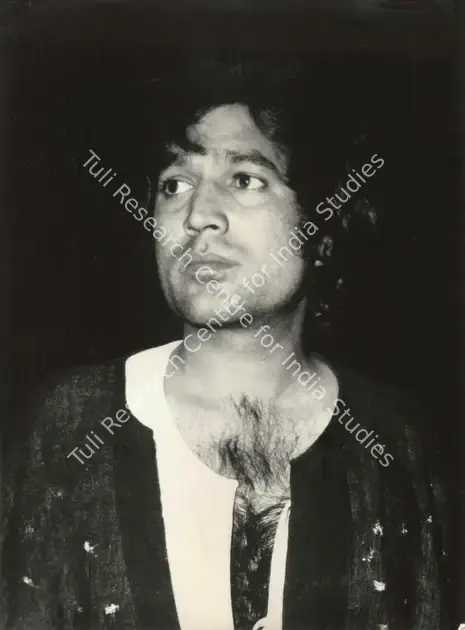
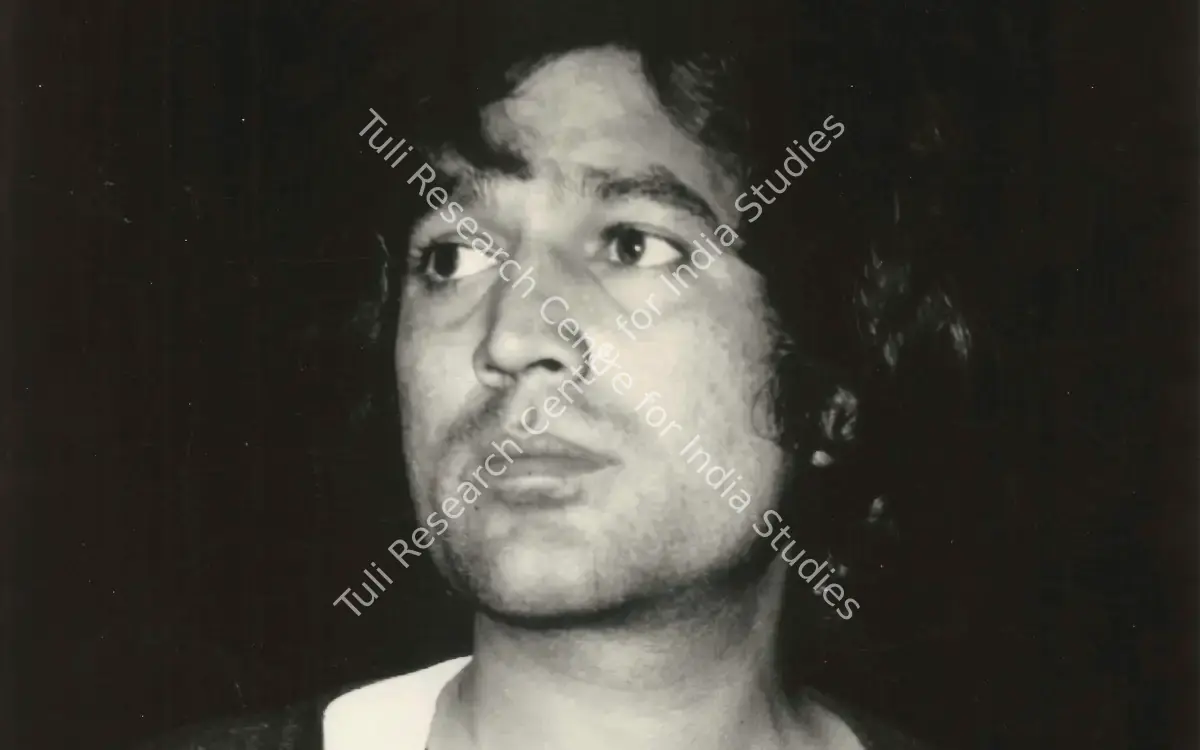
Kapadia, Chunnibai (Producer), Majnoon, 0 | Photographic Still | CinemaEducation | 00890878

Body of Work

Director
Kamal Amrohi
Lead Cast
Parveen Babi, Rajesh Khanna, Pradeep Kumar, Raakhee
Lead Cast Rest
Simple Kapadia, Raj Kapoor, Ashok Kumar, Shammi Kapoor
Producer
Chunnibai Kapadia
Script Writer
Kamal Amrohi

Research Centre

Chunnibai Kapadia (Producer), Majnoon, Photographic Still
Kapadia, Chunnibai (Producer), Majnoon, 0 | Photographic Still
Chunnibai Kapadia (Producer), Majnoon, Photographic Still
Kapadia, Chunnibai (Producer), Majnoon, 0 | Photographic Still
Chunnibai Kapadia (Producer), Majnoon, Photographic Still
Kapadia, Chunnibai (Producer), Majnoon, 0 | Photographic Still

Related

5

Personalities

5

Ashok KumarLead Cast
Kamal AmrohiFilm Director · Screenplay
Raj KapoorLead Cast
Rajesh KhannaLead Cast
Shammi KapoorLead Cast
Tuli Research Centre for India Studies

Tuli Research Centre

for India Studies

A free and open knowledge base for the modern and contemporary Indian arts, cinema, photography and cultural heritage.

Support

Contact Us

Discover

Tuli Research Centre for India StudiesVisionManifestoArchive & LibraryVanraja Sanctuary & Hospice

Legal

Privacy PolicyTerms & Conditions

Follow us

Youtube

Youtube

Instagram

Instagram

Facebook

Facebook

© Tuli Research Centre for India Studies 2026

Tuli Research Centre for India Studies

Tuli Research Centre

for India Studies

A free and open knowledge base for the modern and contemporary Indian arts, cinema, photography and cultural heritage.

Tuli Research Centre for India StudiesVisionManifestoArchive & LibraryVanraja Sanctuary & Hospice
Contact Us
Privacy PolicyTerms & Conditions

Follow us

YoutubeInstagramFacebook

© Tuli Research Centre for India Studies 2026

                          Kapadia, Chunnibai (Producer), Majnoon, 0 | Photographic Still | CinemaEducation | 00890878

                          Kapadia, Chunnibai (Producer), Majnoon, 0 | Photographic Still

                          ProducerChunnibai Kapadia
                          Document TypePhotographic Still
                          Film TitleMajnoon, 0, India, Hindi
                          DirectorKamal Amrohi
                          CastParveen Babi, Rajesh Khanna, Pradeep Kumar, Raakhee, Simple Kapadia, Raj Kapoor, Ashok Kumar, Shammi Kapoor
                          Script WriterKamal Amrohi
                          Copyright of ImageWith Producer | Archive Object

                          Research Categories

                          1_CinemaEducation3_Photography6_EconomicsArt

                          Related Links9

                          Masterlist6
                          Cinema Photographic StillsKamal AmrohiRajesh KhannaRaj KapoorAshok KumarShammi Kapoor
                          Research Categories3
                          01Cinema as a Critical Educational Resource03Photography in India06Economics of Art & Cultural Industry