

Introduction
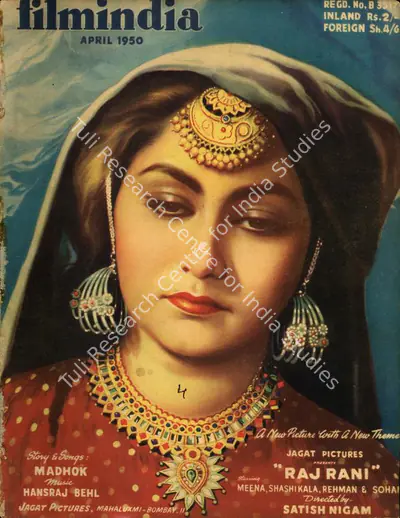
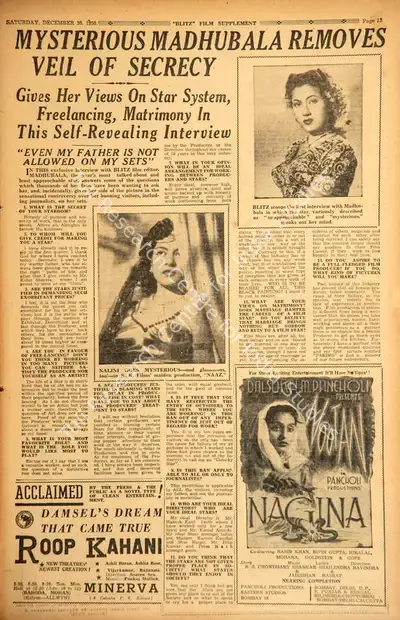
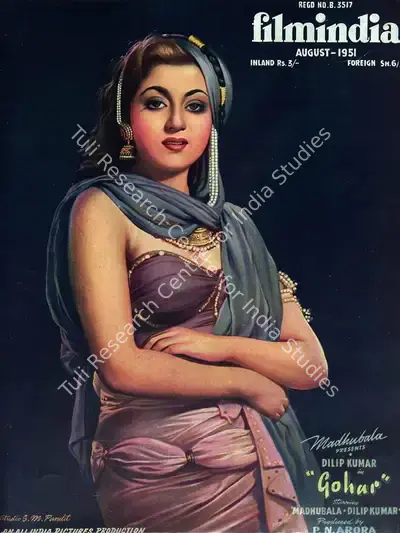
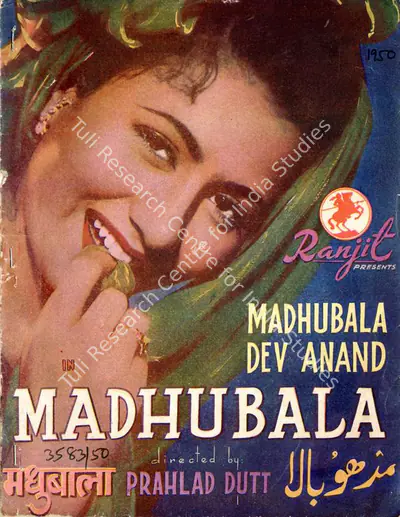
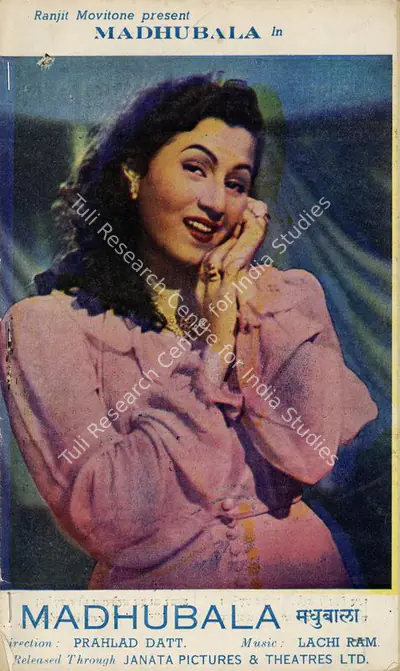
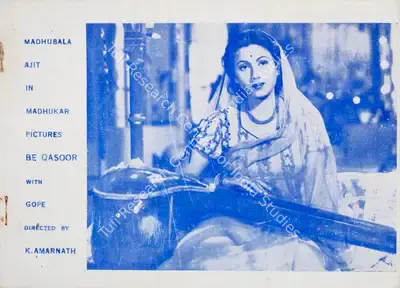
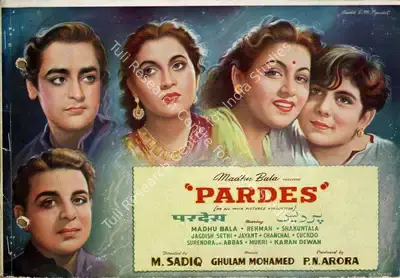
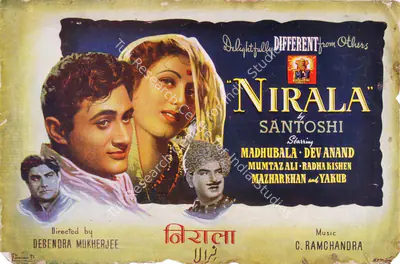
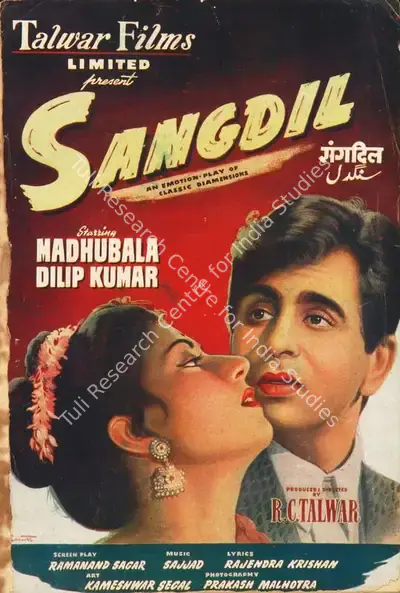
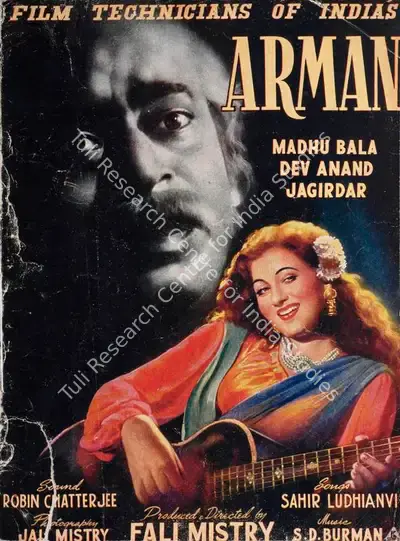
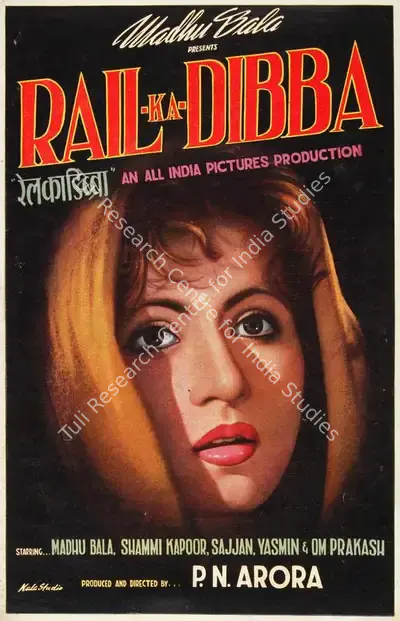
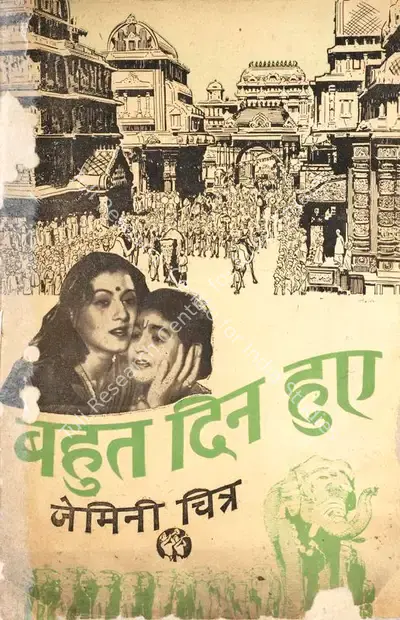
Madhubala (born Mumtaz Jehan Begum Dehlavi; 14 February 1933 – 23 February 1969) She remains one of the most celebrated figures in the history of Hindi cinema. Widely admired for her beauty, expressive performances and versatile screen presence, she appeared in more than seventy films during a career that spanned two decades. At the height of her fame in the 1950s she was among the highest-paid actresses in India. Long after her death, she continues to be remembered as a cultural icon, frequently described by the media as “The Venus of Indian cinema.”
Born in Delhi during the era of British India, Madhubala was the fifth of eleven children of Ataullah Khan and Aayesha Begum. Her father, a Pashtun of the Yusufzai tribe originally from the Peshawar Valley, worked for the Imperial Tobacco Company. Unknown to her family, she was born with a ventricular septal defect—an incurable congenital heart condition that would later shape the course of her life. Raised in a conservative household, she and most of her sisters were not formally educated. Nevertheless, she learned Urdu, Hindi and Pashto at home, and from an early age developed a fascination with films, often recreating scenes and dances she had watched on screen.
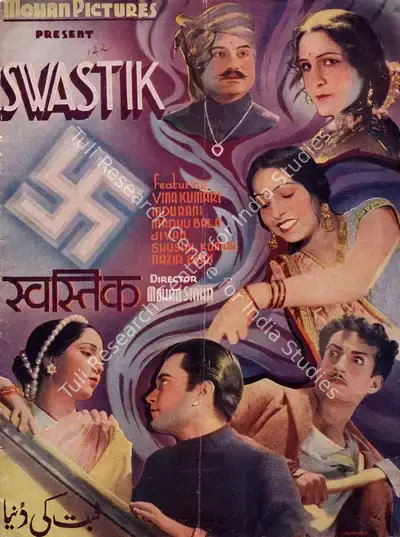
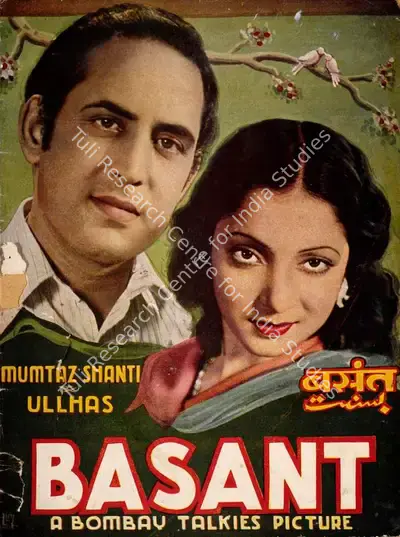
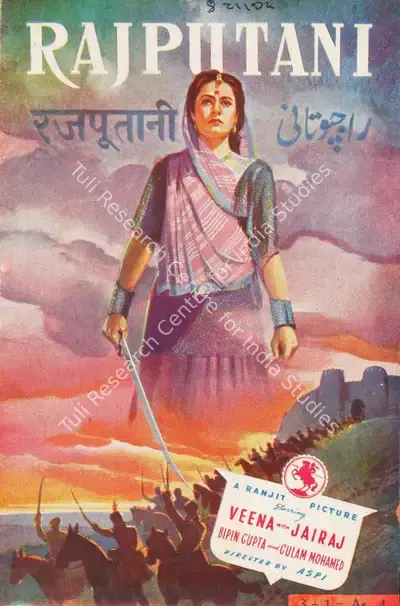
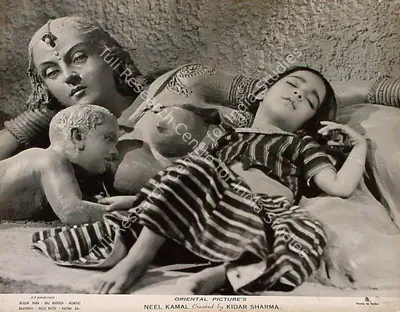
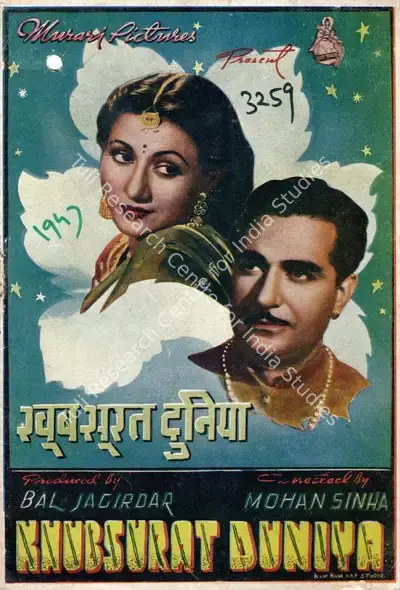
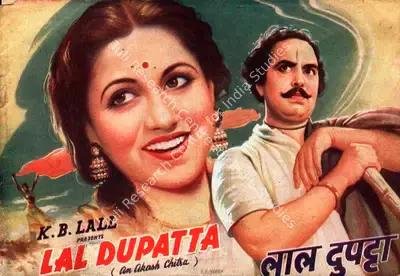
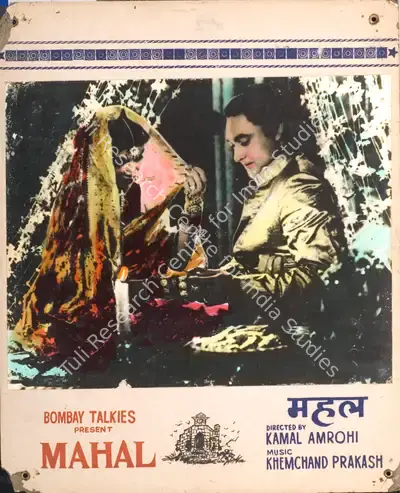
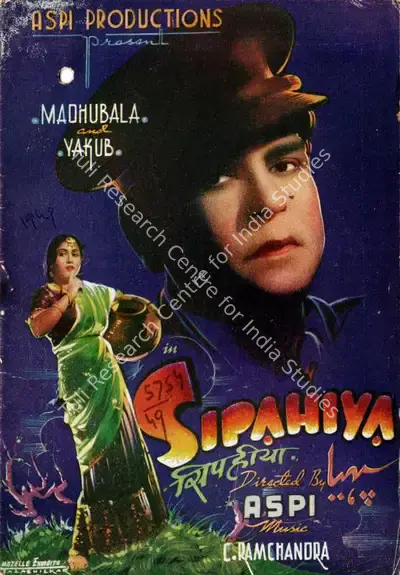
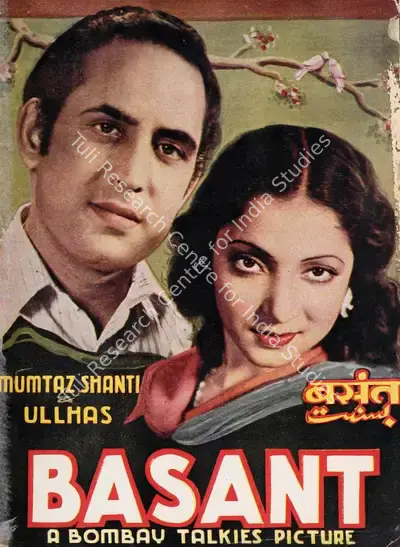
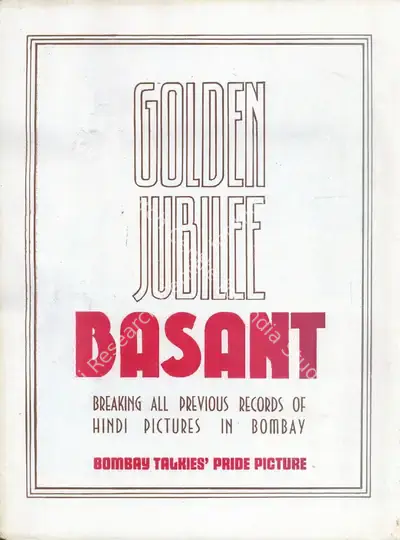
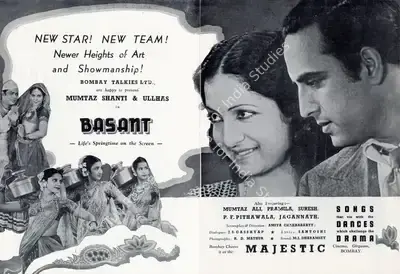
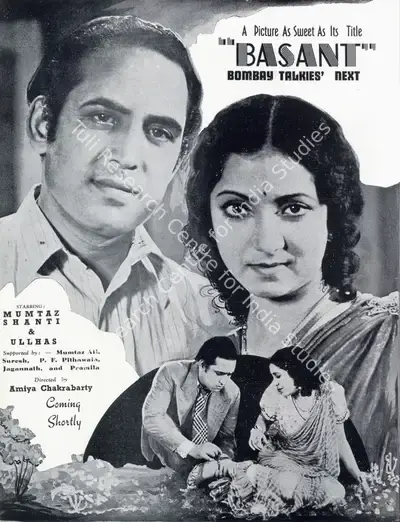
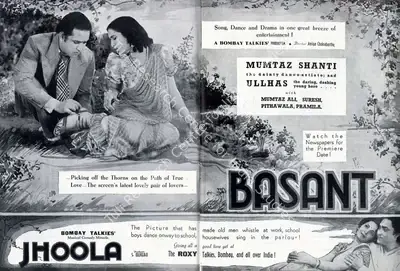
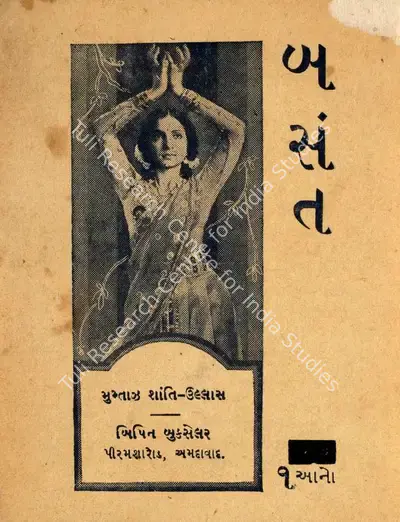
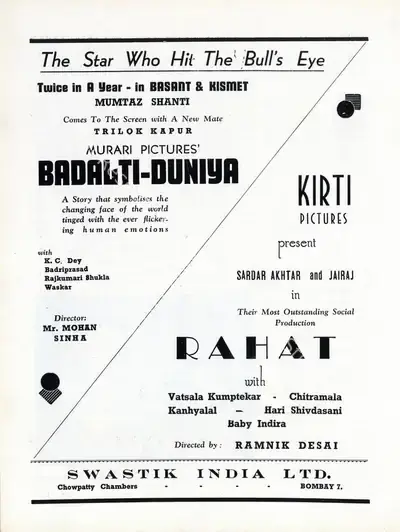
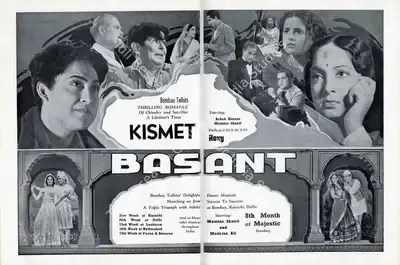
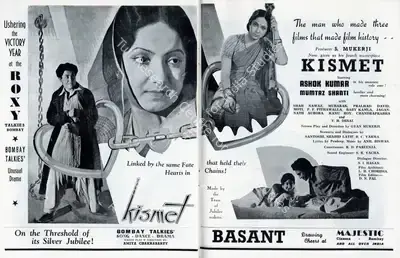
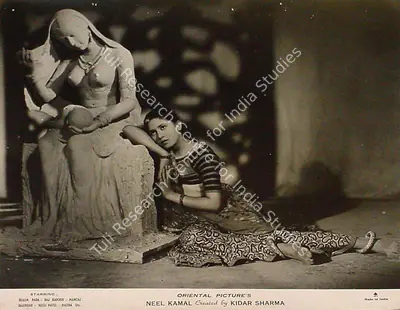
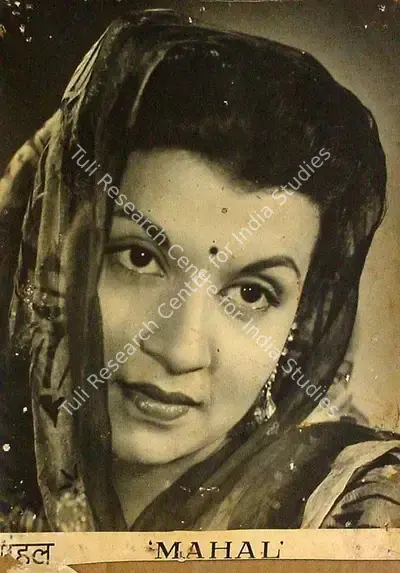
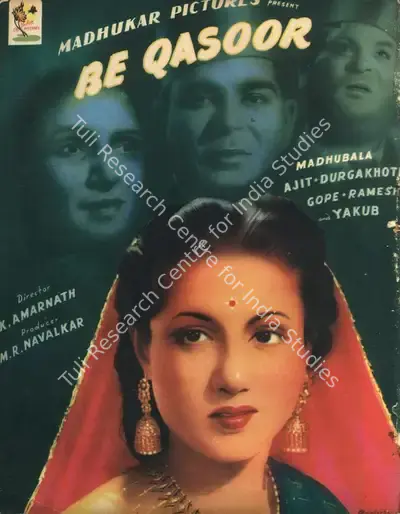
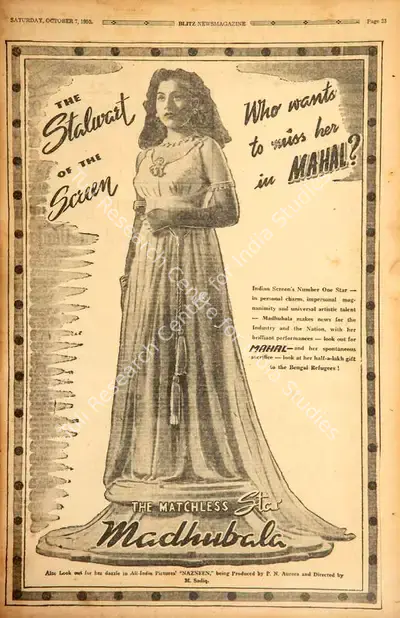
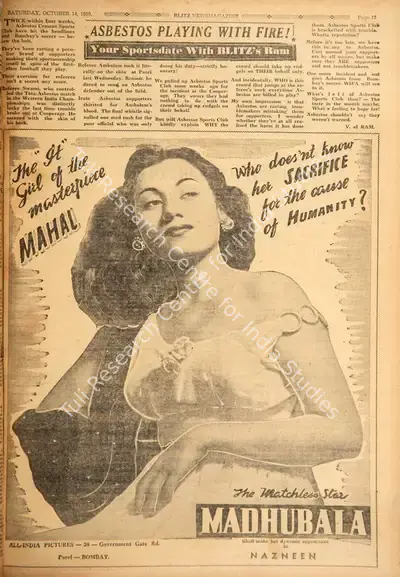
Financial difficulties forced the family to move to Bombay (now Mumbai) in 1941 in search of better opportunities. Madhubala soon entered the film industry as a child artist, beginning with Basant (1942). Credited as “Baby Mumtaz,” she appeared in several minor roles before gaining recognition as a leading actress with Neel Kamal (1947) opposite Raj Kapoor. Her star status was cemented with Mahal (1949), directed by Kamal Amrohi, one of the earliest horror films in Indian cinema.
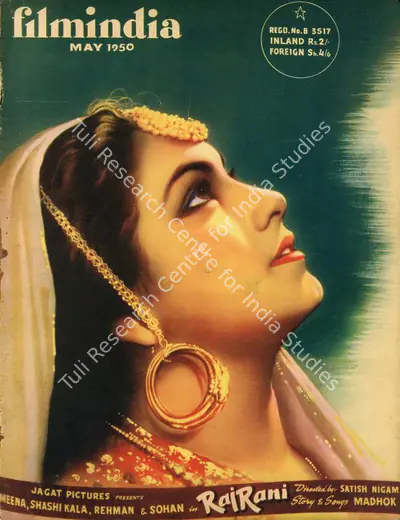
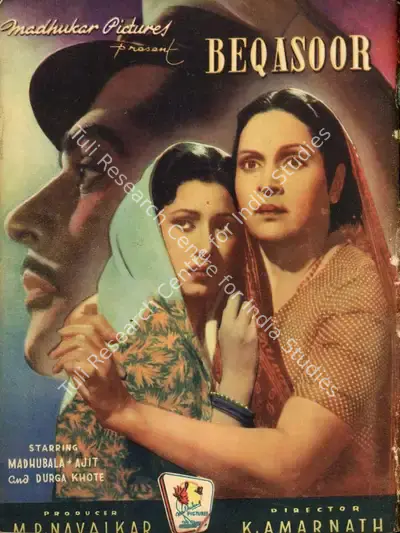
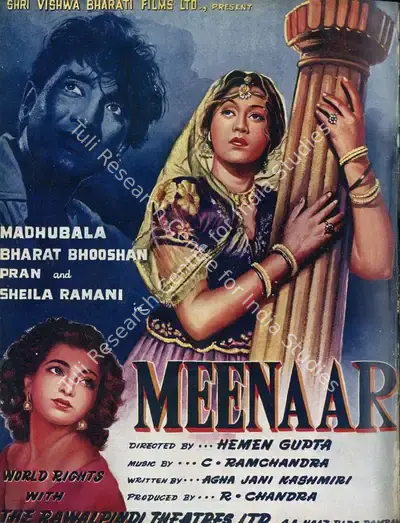
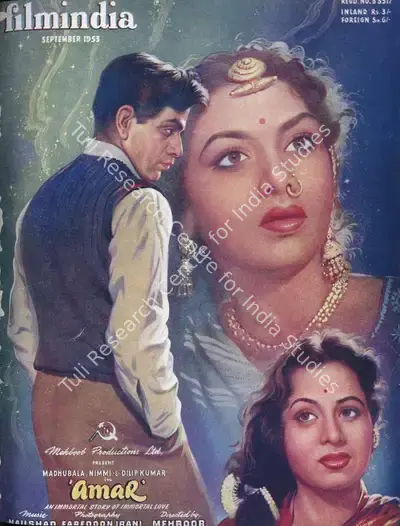
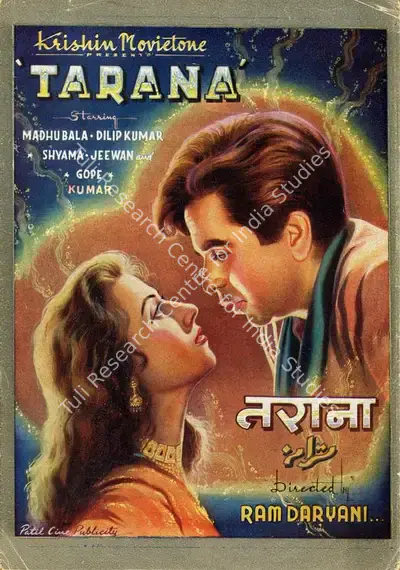
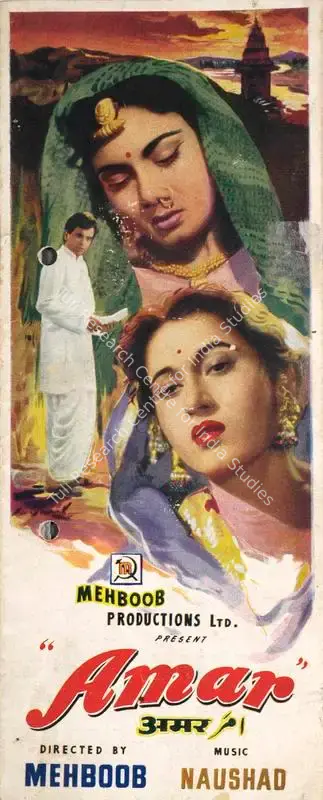
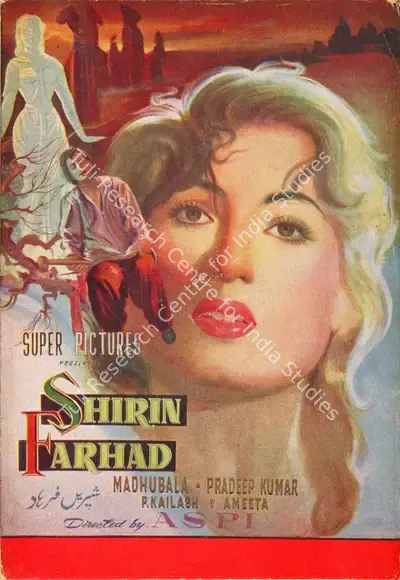
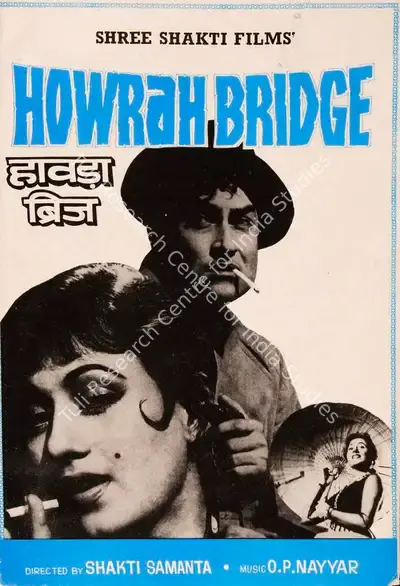
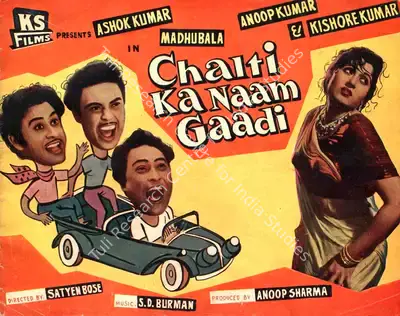
Through the 1950s she emerged as one of Bollywood's most sought-after stars, delivering memorable performances in films such as Badal (1951), Tarana (1951), Amar (1954), and Mr. & Mrs. '55 (1955), the latter directed by Guru Dutt. She demonstrated equal skill in comedy, romance and drama, later appearing in popular titles including Chalti Ka Naam Gaadi (1958), Howrah Bridge (1958), Kala Pani (1958), and Barsaat Ki Raat (1960).
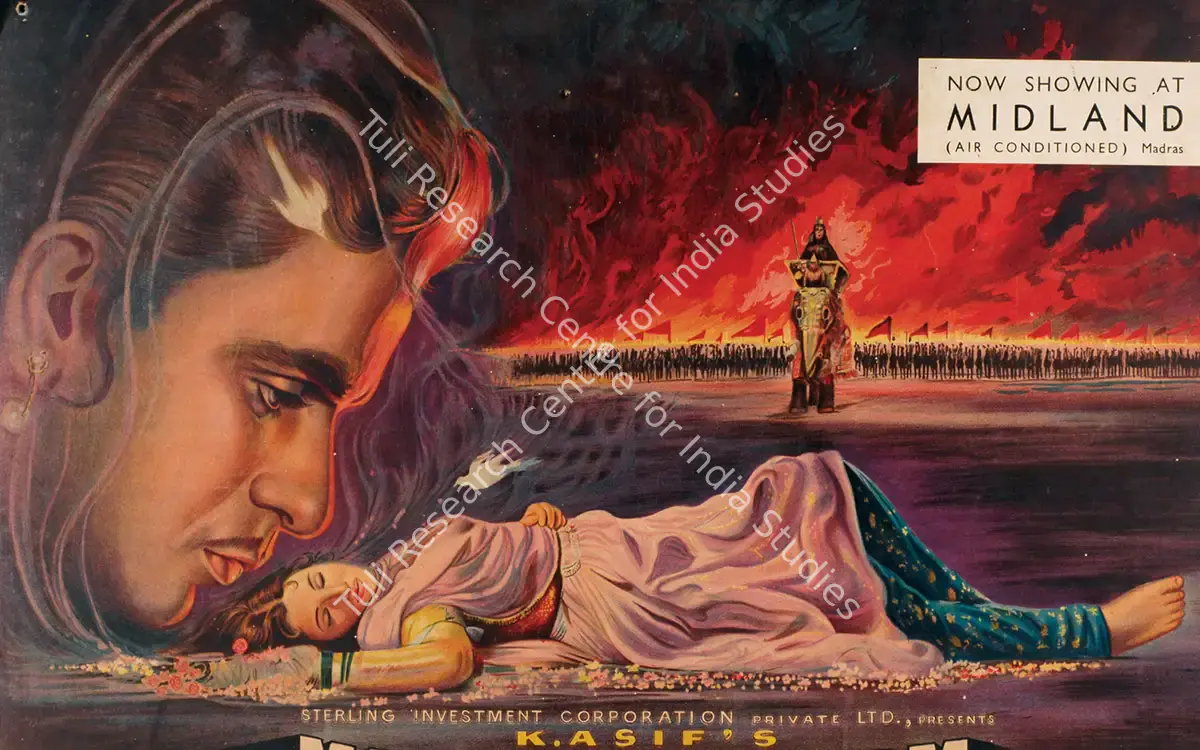
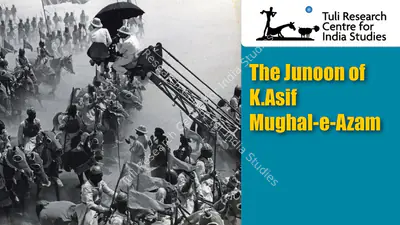
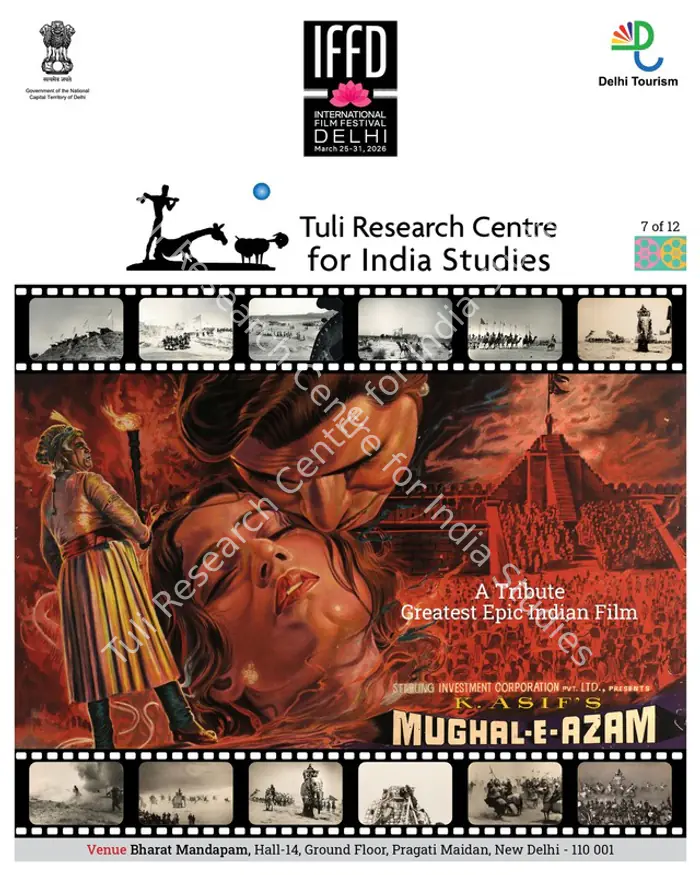
Her most celebrated performance came in Mughal-e-Azam (1960), where she portrayed Anarkali opposite Dilip Kumar. The historical epic became the highest-grossing Indian film of its time and earned her a nomination for the Filmfare Award for Best Actress. Critics have since regarded her portrayal as one of the most remarkable performances in Indian cinematic history.
Beyond her work on screen, Madhubala was known for her generosity. Film editor Baburao Patel famously called her the “queen of charity” after she donated substantial sums to polio patients, refugees and national relief funds. She also founded a production company, Madhubala Private Ltd., in 1953.
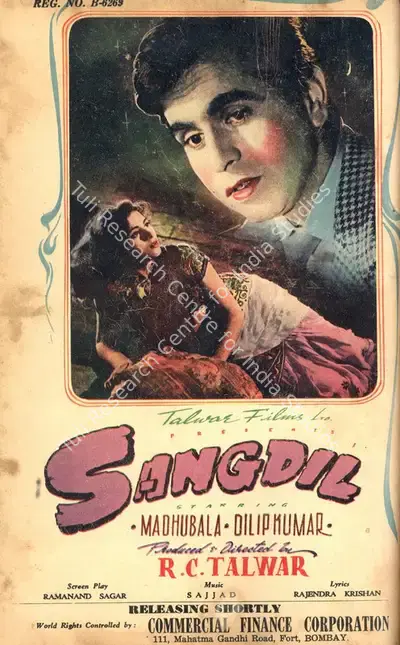
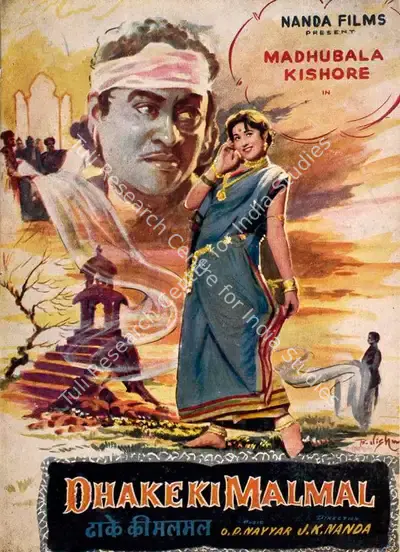
Her personal life often attracted public attention. She was briefly involved with actor Prem Nath before entering a widely discussed relationship with Dilip Kumar that ended in 1957. In 1960 she married actor-singer Kishore Kumar despite opposition from both families.
Throughout her adult life Madhubala struggled with her heart condition, which caused recurring bouts of breathlessness and internal bleeding. Her health deteriorated sharply in early 1969, and she died on 23 February that year at the age of 36 in Bombay. She was buried at the Juhu Muslim Cemetery, leaving behind a legacy that continues to captivate generations of film lovers and historians alike.
ब्रिटिश भारत के दिल्ली में जन्मीं मधुबाला, अताउल्लाह ख़ान और आयशा बेगम की ग्यारह संतानों में से पाँचवीं थीं। उनके पिता, जो मूल रूप से पेशावर घाटी के यूसुफजई कबीले के पश्तून थे और इंपीरियल टोबैको कंपनी में काम करते थे। उनके परिवार को इस बात की जानकारी नहीं थी कि मधुबाला जन्म से ही वेंट्रिकुलर सेप्टल डिफेक्ट से ग्रसित थीं। यह एक लाइलाज जन्मजात हृदय रोग था, जिसने बाद में उनके जीवन की दिशा तय की। एक रूढ़िवादी परिवार में पली-बढ़ीं मधुबाला और उनकी अधिकांश बहनों को औपचारिक शिक्षा नहीं मिली। फिर भी, उन्होंने घर पर ही उर्दू, हिंदी और पश्तो भाषाएँ सीखीं और बचपन से ही फ़िल्मों के प्रति उनका गहरा लगाव था, वे अक्सर स्क्रीन पर देखे गए दृश्यों और नृत्यों को दोहराती थीं।
आर्थिक तंगी के चलते परिवार को बेहतर अवसरों की तलाश में 1941 में बॉम्बे (अब मुंबई) जाना पड़ा। मधुबाला ने जल्द ही बाल कलाकार के रूप में फ़िल्म उद्योग में कदम रखा और इसकी शुरुआत बसंत (1942) से की। "बेबी मुमताज़" के नाम से मशहूर मधुबाला ने राज कपूर के साथ नील कमल (1947) में मुख्य अभिनेत्री के रूप में पहचान बनाने से पहले कई छोटी भूमिकाएँ निभाईं। कमाल अमरोही द्वारा निर्देशित महल (1949) से उनकी स्टारडम और भी पक्की हो गई, जो भारतीय सिनेमा की शुरुआती हॉरर फ़िल्मों में से एक थी।
1950 के दशक में वे बॉलीवुड की सबसे लोकप्रिय सितारों में से एक बनकर उभरीं और उन्होंने बादल (1951), तराना (1951), अमर (1954) और मिस्टर एंड मिसेज '55 (1955) जैसी फ़िल्मों में यादगार भूमिकाएं निभाईं, जिनमें से आखिरी फ़िल्म का निर्देशन गुरु दत्त ने किया था। उन्होंने कॉमेडी, रोमांस और ड्रामा तीनों शैलियों में समान रूप से निपुणता दिखाई और बाद में चलती का नाम गाड़ी (1958), हावड़ा ब्रिज (1958), काला पानी (1958) और बरसात की रात (1960) जैसी लोकप्रिय फ़िल्मों में भी नज़र आईं।
उनकी सबसे चर्चित फ़िल्म मुग़ल-ए-आज़म (1960) थी, जिसमें उन्होंने दिलीप कुमार के साथ अनारकली का किरदार निभाया था। यह ऐतिहासिक महाकाव्य उस समय की सबसे अधिक कमाई करने वाली भारतीय फ़िल्म बनी और इसके लिए उन्हें सर्वश्रेष्ठ अभिनेत्री के फ़िल्मफेयर पुरस्कार के लिए नामांकित किया गया। समीक्षकों ने तभी उनके इस अभिनय को भारतीय सिनेमा के इतिहास के सबसे उल्लेखनीय प्रदर्शनों में से एक माना है।
फ़िल्मी दुनिया में अपने काम के अलावा, मधुबाला अपनी उदारता के लिए भी जानी जाती थीं। फ़िल्म संपादक बाबूराव पटेल ने उन्हें पोलियो रोगियों, शरणार्थियों और राष्ट्रीय राहत कोषों में बड़ी रकम दान करने के बाद "दान की रानी" का नाम दिया था। उन्होंने 1953 में मधुबाला प्राइवेट लिमिटेड नामक एक प्रोडक्शन कंपनी की स्थापना भी की थी।
उनका निजी जीवन अक्सर सार्वजनिक ध्यान आकर्षित करता था। अभिनेता प्रेम नाथ के साथ उनके संक्षिप्त संबंध के बाद, दिलीप कुमार के साथ उनका एक चर्चित रिश्ता शुरू हुआ जो 1957 में समाप्त हो गया। 1960 में उन्होंने दोनों परिवारों के विरोध के बावजूद अभिनेता-गायक किशोर कुमार से शादी कर ली।
मधुबाला अपने पूरे वयस्क जीवन में हृदय रोग से जूझती रहीं, जिसके कारण उन्हें बार-बार सांस लेने में तकलीफ और आंतरिक रक्तस्राव होता था। 1969 की शुरुआत में उनका स्वास्थ्य अचानक बिगड़ गया और उसी वर्ष 23 फ्ररवरी को 36 वर्ष की आयु में बॉम्बे में उनका निधन हो गया। उन्हें जुहू मुस्लिम क़ब्रिस्तान में दफ़नाया गया, और वे अपने पीछे एक ऐसी विरासत छोड़ गईं जो फ़िल्म प्रेमियों और इतिहासकारों की पीढ़ियों को समान रूप से मोहित करती रहती है।
- Age
- 36
Filmography 68
Research Centre

Calendar 1
- ArchivedExhibitionProject 72A Tribute to the Greatest Epic Indian FilmMughal-e-Azam25th - 31st March 202611:00am - 7:00pmBharat Mandapam, Hall-14, Ground Floor, Pragati Maidan, New Delhi - 110007A Tribute to the Greatest Epic Indian Film - Mughal-e-Azam - brings alive the classic film through a diverse range of memorabilia especially its world class black-and-white cinematography and still photography by masters such as R.D. Mathur, A.L. Syed and others.Read More →
Related
64
Personalities
41
Films
21