

Introduction
Hasrat Jaipuri (born Iqbal Hussain; 15 April 1922 – 17 September 1999) occupies a distinguished place in the cultural history of Indian cinema as well as in modern Hindi–Urdu poetic expression. Writing with equal fluency in Hindi and Urdu, he emerged as one of the most celebrated lyricists of Hindi film music. Over a prolific career spanning five decades (1949–1999), his lyrical sensibility became closely associated with romantic expression, earning him the enduring epithet King of Romance. His contribution to Indian cinema was formally recognised with the Filmfare Award for Best Lyricist on two occasions, in 1966 and 1972, alongside multiple nominations for notable compositions including Aji Rooth Kar Ab Kahan Jaiyega from Arzoo (1965), Aai Gulbadan from Professor (1962), and Teri Pyari Pyari Surat Ko from Sasural (1961).
Born in Jaipur, Jaipuri received his early education in English before undertaking formal training in Urdu and Persian under the tutelage of his maternal grandfather, the poet Fida Husain 'Fida'. He began composing verse in his early twenties, a formative period marked by a deeply personal romantic experience that would later inspire the iconic lyric Yeh Mera Prem Patra Padh Kar, immortalised in Sangam. This autobiographical emotional register, rooted in an interfaith affection, was later embraced by Raj Kapoor and transformed into one of Hindi cinema's most enduring romantic songs.
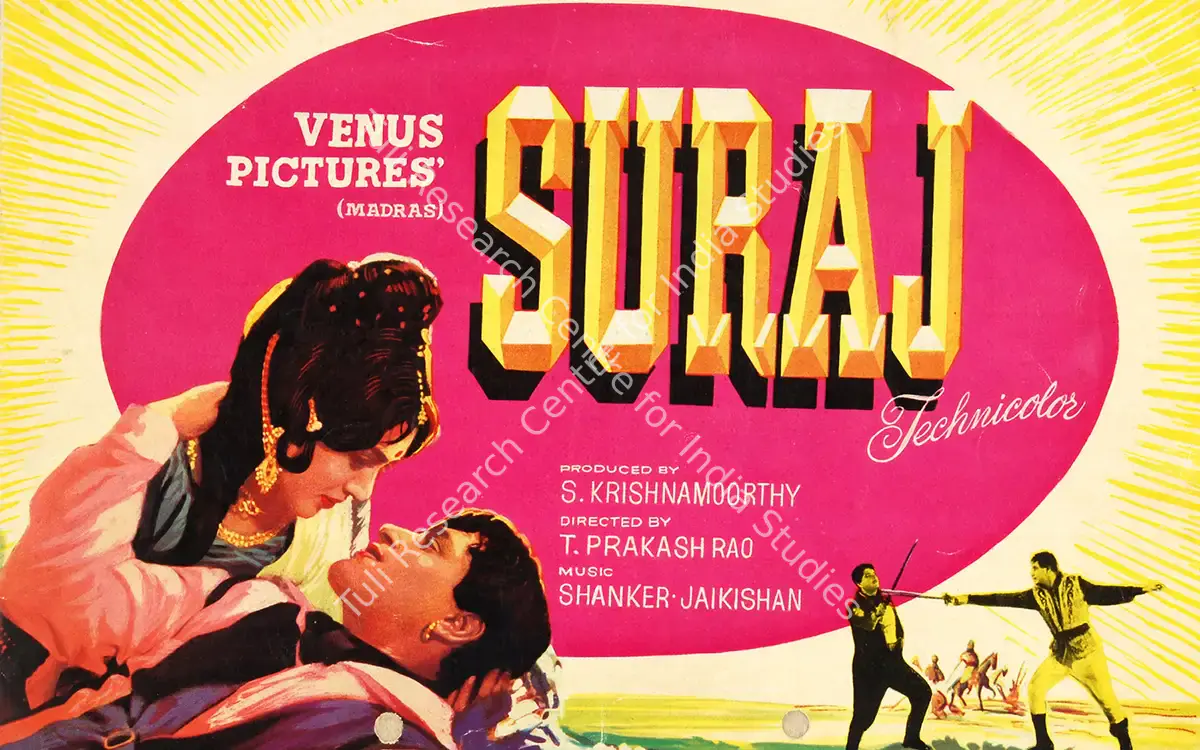
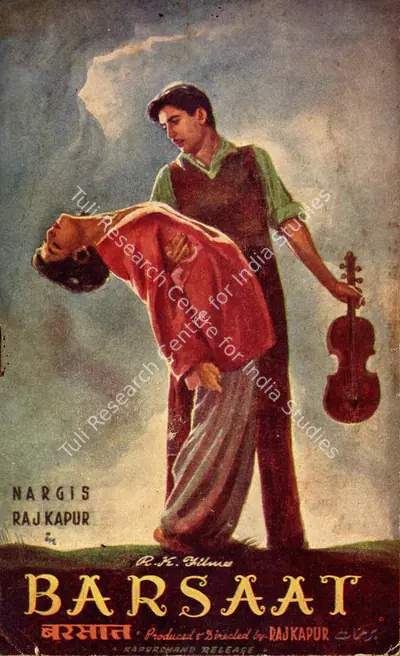
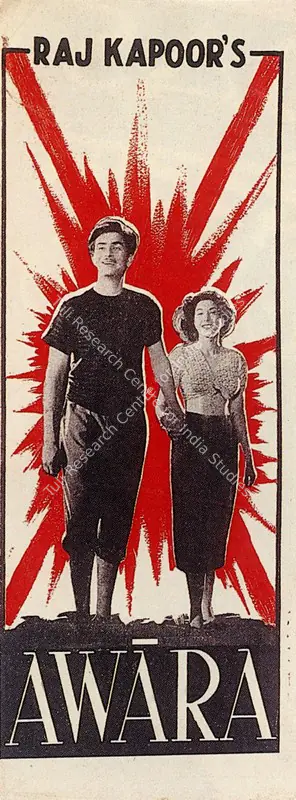
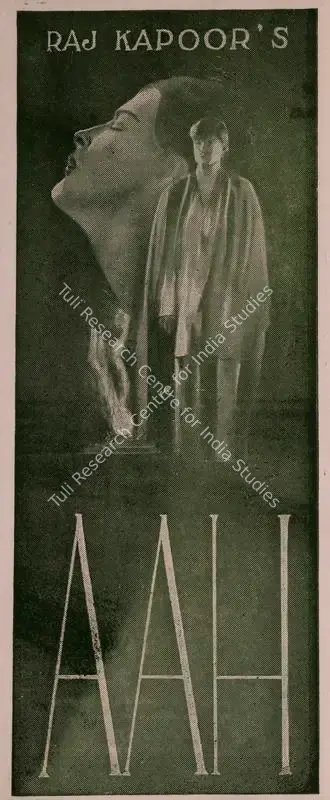
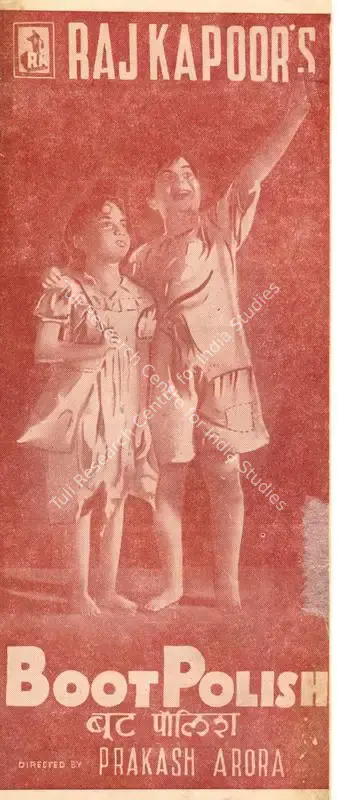
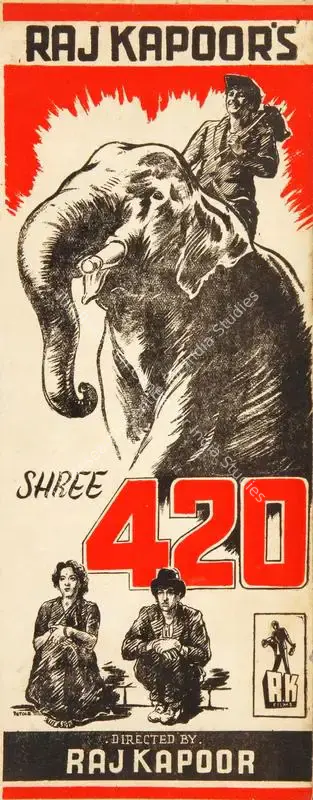
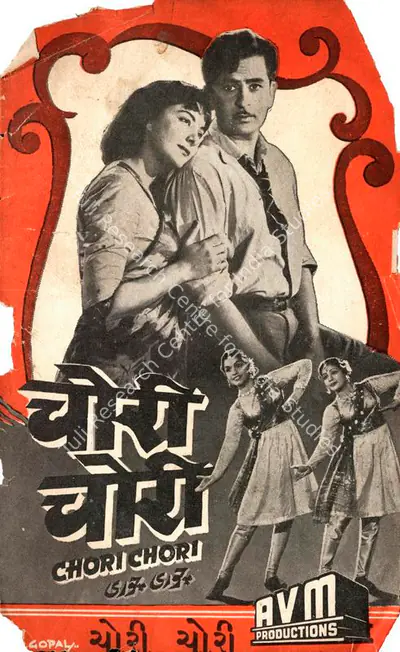
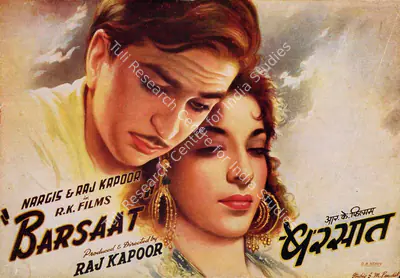
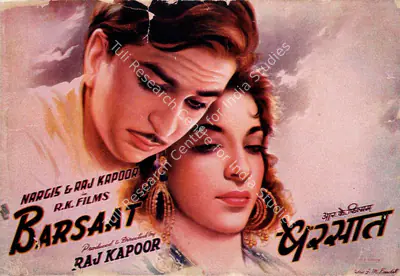
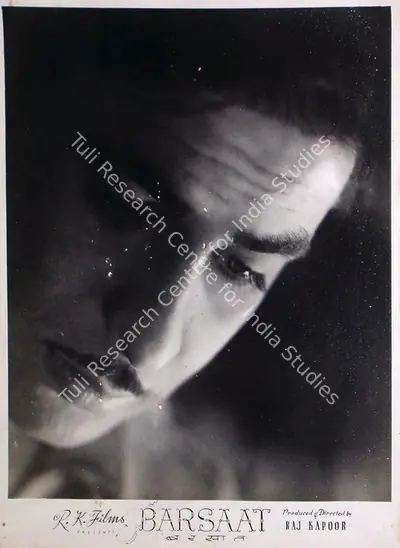
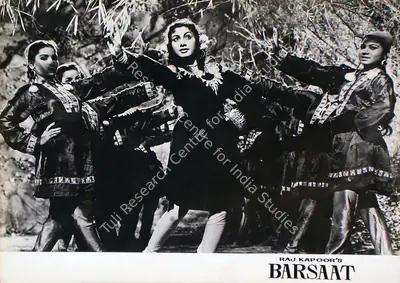
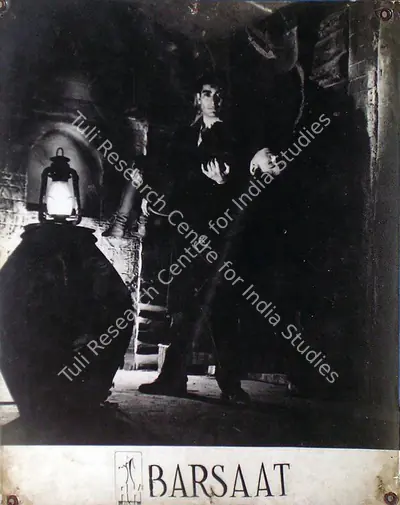
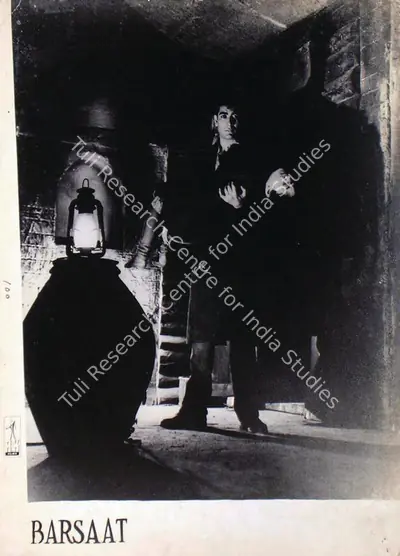
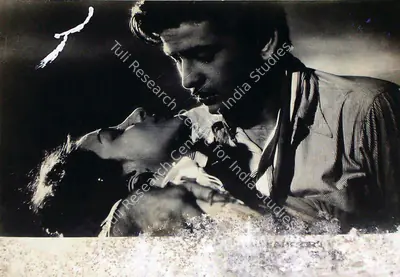
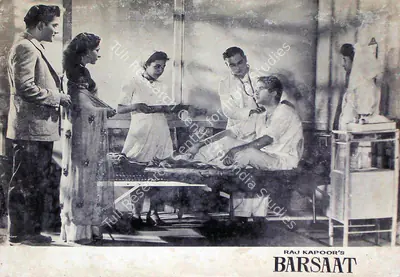
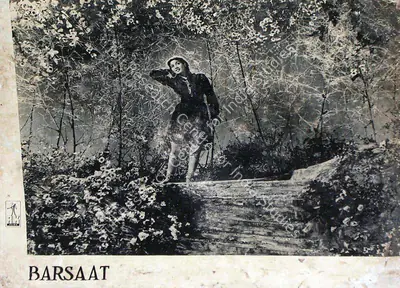
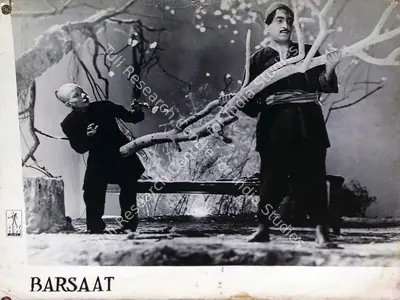
In 1940, Jaipuri migrated to Mumbai, where he initially worked as a bus conductor while actively participating in mushairas, the traditional poetic symposiums that shaped his early public recognition. It was at one such gathering that Prithviraj Kapoor discerned his literary potential and introduced him to Raj Kapoor. This encounter proved decisive, leading to Jaipuri's cinematic debut with Barsaat (1949), for which he penned the unforgettable songs Jiya Beqarar Hai and Chhod Gaye Balam. Over the subsequent decades, he contributed extensively to Hindi cinema's musical canon through films such as Awaara (1951), Shree 420 (1955), Chori Chori (1956), Anari (1959), Dil Apna Aur Preet Parai (1960), Junglee (1961), Professor (1962), Sasural (1961), Sangam (1964), Arzoo (1965), Suraj (1966), Teesri Kasam (1966), Brahmachari (1968), Prince (1969), Pagla Kahin Ka (1970), and Andaz (1971). Alongside Shailendra, he formed an integral component of Raj Kapoor's creative lyricist partnership, helping define the emotional and poetic identity of Kapoor's cinema until the early 1970s.
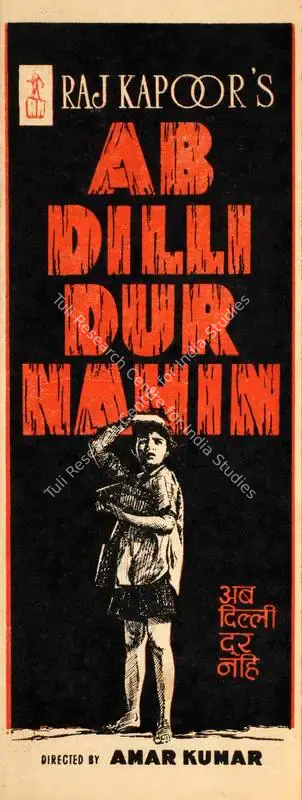
Following shifts in Raj Kapoor's cinematic trajectory after Mera Naam Joker (1970) and Kal Aaj Aur Kal (1971), Jaipuri's collaboration with the filmmaker diminished. Nevertheless, he later returned to contribute to Ram Teri Ganga Maili (1985) and was also associated with Henna (1991), reaffirming the enduring nature of their creative association. Beyond romantic lyricism, his repertoire encompassed philosophical depth and folk-inflected expression, most notably in Teesri Kasam (1966), which remains one of his most critically acclaimed works.
Beyond the realm of cinema, Jaipuri authored several collections of poetry, including Abshaar-E-Ghazal, and consistently articulated a cultural philosophy that regarded Hindi and Urdu as inseparable linguistic sisters, united by shared aesthetic and emotional traditions. Financially secure through prudent investments in real estate, he maintained a stable personal life and left behind a family with continuing ties to the film and music industry, including his nephew, composer Anu Malik.
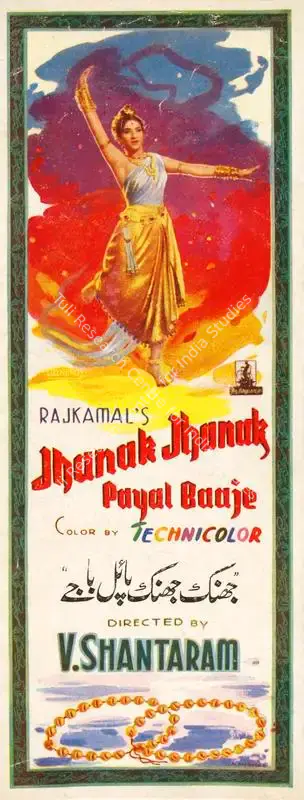
His contributions were further recognised through honours beyond Filmfare, including the Josh Malihabadi Award and the Dr. Ambedkar Award for Jhanak Jhanak Tori Baaje Payaliya from Mere Huzoor (1968), as well as an honorary doctorate from the World University Round Table, collectively affirming his enduring impact on both literary and cinematic traditions.
जयपुर में जन्मे जयपुरी ने अपनी शुरुआती पढ़ाई अंग्रेज़ी में की और बाद में अपने नाना, कवि फ़िदा हुसैन 'फ़िदा' से उर्दू और फ़ारसी की औपचारिक ट्रेनिंग ली। उन्होंने अपनी जवानी के शुरुआती दिनों में कविताएँ लिखना शुरू किया। यह दौर उनके लिए बहुत अहम था क्योंकि इसी समय उन्हें एक गहरा और निजी रोमांटिक अनुभव हुआ, जिसने बाद में 'संगम' फ़िल्म के मशहूर गाने 'यह मेरा प्रेम पत्र पढ़कर' को प्रेरित किया। अलग-अलग धर्मों के लोगों के बीच पनपे इस प्यार और उससे जुड़े जज़्बाती अनुभव को बाद में राज कपूर ने अपनाया और इसे हिंदी सिनेमा के सबसे यादगार रोमांटिक गानों में से एक बना दिया।
1940 में जयपुरी मुंबई चले गए, जहाँ उन्होंने शुरुआत में बस कंडक्टर के तौर पर काम किया और साथ ही मुशायरों (पारंपरिक काव्य गोष्ठियों) में भी हिस्सा लेते रहे, जिनसे उन्हें शुरुआती पहचान मिली। ऐसी ही एक महफ़िल में पृथ्वीराज कपूर ने उनकी साहित्यिक प्रतिभा को पहचाना और उन्हें राज कपूर से मिलवाया। यह मुलाक़ात बहुत अहम साबित हुई और इसके बाद जयपुरी ने 'बरसात' (1949) फ़िल्म से सिनेमा की दुनिया में कदम रखा। इस फ़िल्म के लिए उन्होंने 'जिया बेक़रार है' और 'छोड़ गए बालम' जैसे यादगार गाने लिखे। इसके बाद के दशकों में, उन्होंने 'आवारा' (1951), 'श्री 420' (1955), 'चोरी चोरी' (1956), 'अनाड़ी' (1959), 'दिल अपना और प्रीत पराई' (1960), 'जंगली' (1961), 'प्रोफ़ेसर' (1962), 'ससुराल' (1961), 'संगम' (1964), 'आरज़ू' (1965), 'सूरज' (1966), 'तीसरी कसम' (1966), 'ब्रह्मचारी' (1968), 'प्रिंस' (1969), 'पगला कहीं का' (1970) और 'अंदाज़' (1971) जैसी फ़िल्मों के ज़रिए हिंदी सिनेमा के संगीत में बड़ा योगदान दिया। शैलेंद्र के साथ मिलकर, वे राज कपूर की रचनात्मक गीतकार जोड़ी का एक अहम हिस्सा बने और 1970 के दशक की शुरुआत तक कपूर के सिनेमा की भावनात्मक और काव्यात्मक पहचान बनाने में मदद की।
'मेरा नाम जोकर' (1970) और 'कल आज और कल' (1971) के बाद राज कपूर की फ़िल्मी सफ़र में आए बदलावों के कारण, जयपुरी का इस फ़िल्ममेकर के साथ काम करना कम हो गया। फ़िर भी, वे बाद में 'राम तेरी गंगा मैली' (1985) के लिए लौटे और 'हिना' (1991) से भी जुड़े रहे, जिससे उनके क्रिएटिव साथ की मज़बूती फ़िर से साबित हुई। रोमांटिक गीतों के अलावा, उनके काम में दार्शनिक गहराई और लोक-शैली की झलक भी मिलती थी, खासकर 'तीसरी कसम' (1966) में, जिसे आलोचकों ने बहुत सराहा और जो आज भी उनके सबसे बेहतरीन कामों में से एक मानी जाती है।
सिनेमा की दुनिया से अलग, जयपुरी ने कविता के कई संग्रह लिखे, जिनमें 'आबशार-ए-ग़ज़ल' भी शामिल है। उन्होंने हमेशा एक ऐसी सांस्कृतिक सोच को सामने रखा जिसमें हिंदी और उर्दू को एक-दूसरे से जुड़ी हुई भाषाई बहनें माना गया, जो साझा कलात्मक और भावनात्मक परंपराओं से एक-दूसरे से जुड़ी हैं। रियल एस्टेट में समझदारी से निवेश करके आर्थिक रूप से सुरक्षित होने के साथ-साथ, उन्होंने एक स्थिर निजी जीवन जिया। उनके परिवार के सदस्य आज भी फ़िल्म और संगीत उद्योग से जुड़े हुए हैं, जिनमें उनके भतीजे और संगीतकार अनु मलिक भी शामिल हैं।
फ़िल्मफ़ेयर के अलावा उन्हें कई और सम्मान भी मिले, जिनमें 'जोश मलीहाबादी अवॉर्ड' और फ़िल्म 'मेरे हुज़ूर' (1968) के गाने 'झनक-झनक तोरी बाजे पायलिया' के लिए 'डॉ. अंबेडकर अवॉर्ड' शामिल हैं। साथ ही, 'वर्ल्ड यूनिवर्सिटी राउंड टेबल' से उन्हें मानद डॉक्टरेट की उपाधि भी मिली। इन सभी सम्मानों से साहित्य और सिनेमा की परंपराओं पर उनके गहरे और स्थायी प्रभाव की पुष्टि होती है।
Filmography 87
Research Centre
Calendar 1
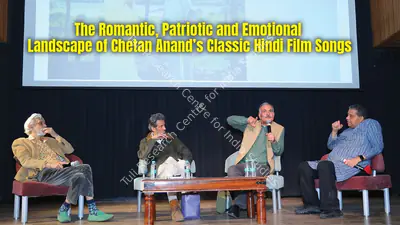
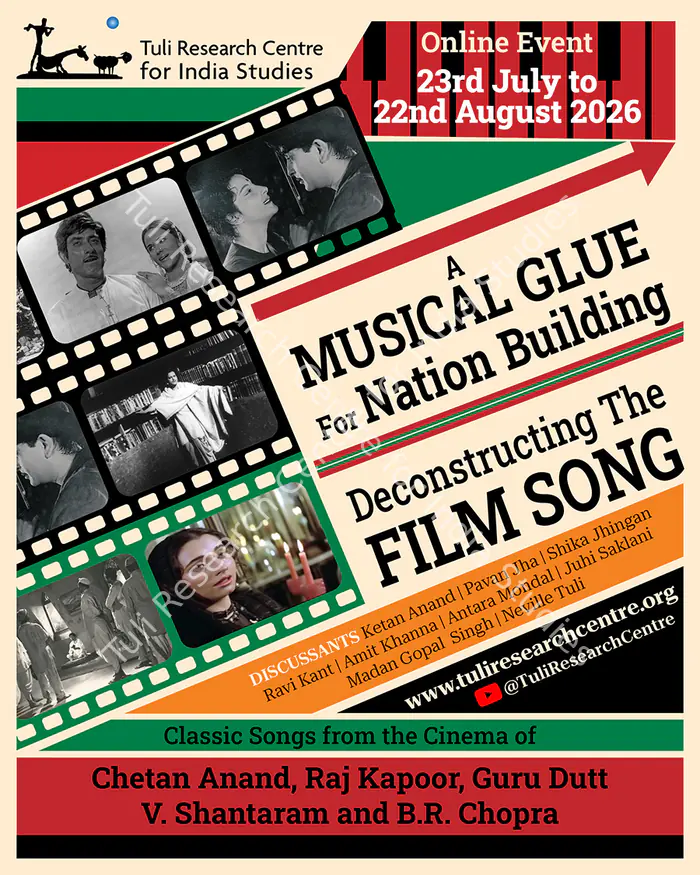
- ArchivedOffline-Online EventProject 80A Musical Glue for Nation-BuildingDeconstructing the Film Song23rd July - 22nd August 2026Ketan Anand | Ravikant | Pavan Jha | Madan Gopal Singh | Amit Khanna | Juhi Saklani | Antara Mondal | Shikha Jhingan | Neville TuliA key section of the India Studies framework at The Tuli Research Centre for India Studies (T.R.I.S.) is “Deconstructing the Film Song”. It began with a series of four workshops during our Self-Discovery via Rediscovering India Festival Series that brought together leading scholars & academics, film practitioners & students, along with fans of the Hindi film song. The objective of these workshops was to deconstruct iconic Hindi film songs to examine their formation across music, lyrics, playback, choreography, directorial visualisation, as they fuse into sites where aesthetics, ideology, and performance intersect, so as to help clarify the nature of India and her relationship to the film song. The Hindi Film Song functions as a narrative device, conveying myriad textures of emotion through melody, voice and poetry. As cultural texts that encode memory, desire, and ideology, songs are integral to the circulation and resonance of films in the public realm. Over time they have become autonomous bundles of creative energy - the glue that binds us over time, articulating and perhaps even defining the idea of Indianness. These first Workshops were an attempt to understand the nature and power of this glue, while contemplating the ways to situate it within TRIS' academic framework for Contemporary India Studies.Read More →
Related
39
Films
22
Personalities
17