
Satta Bazaar1959
Introduction
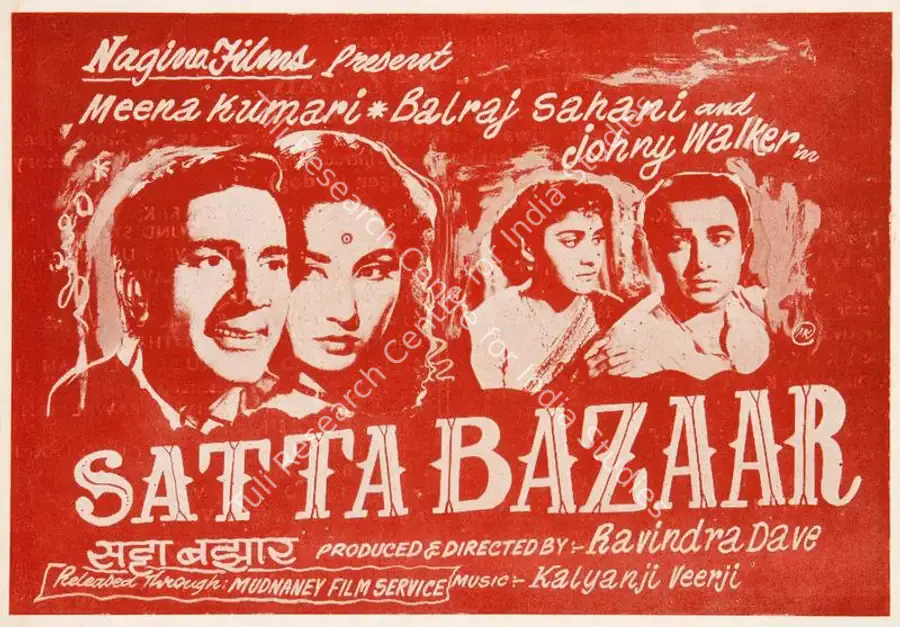
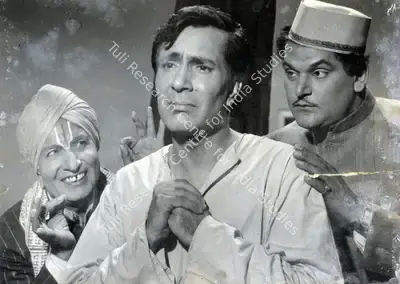
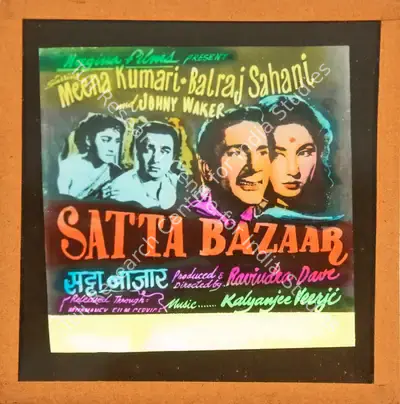
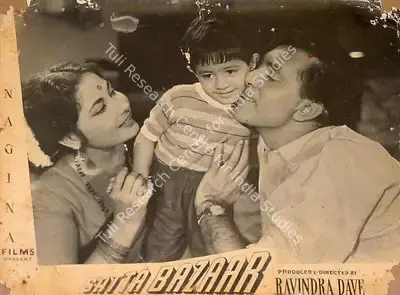
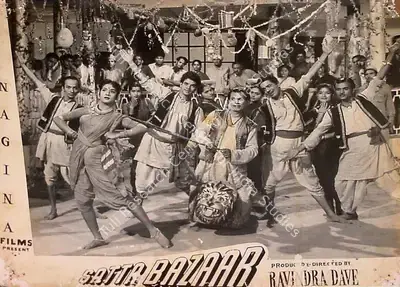
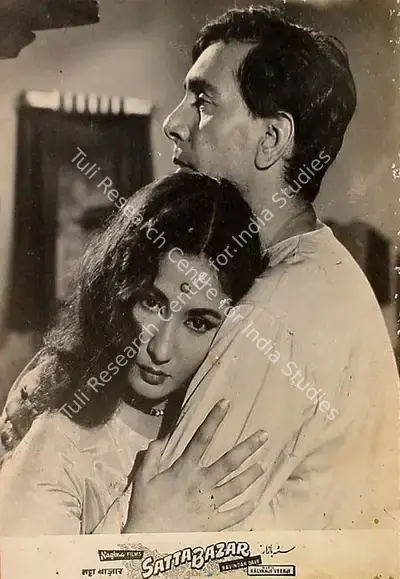
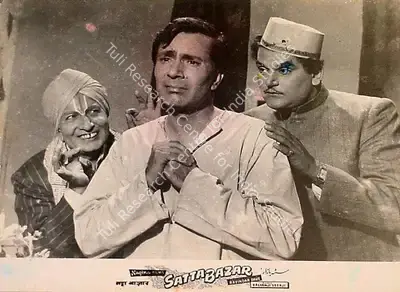
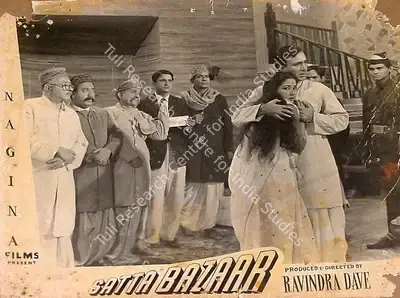
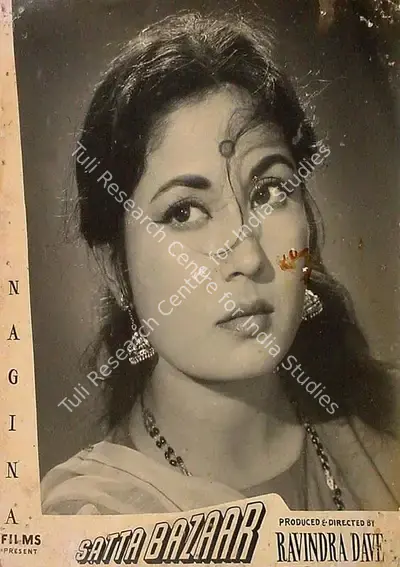
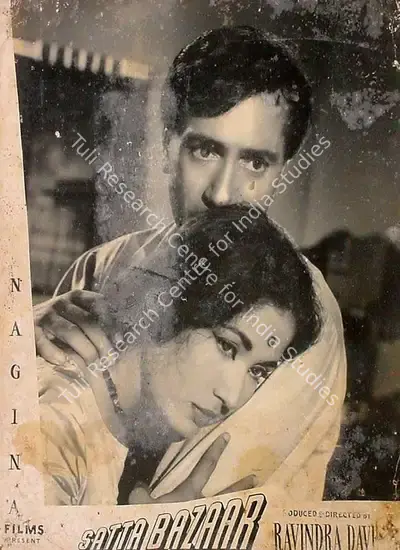
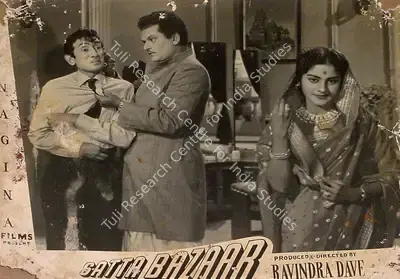
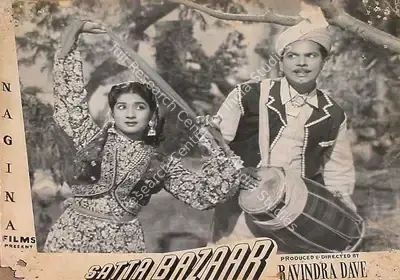
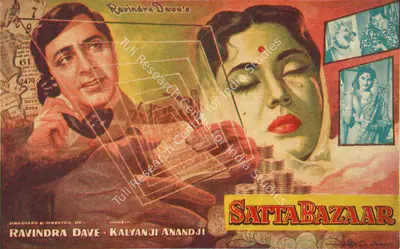
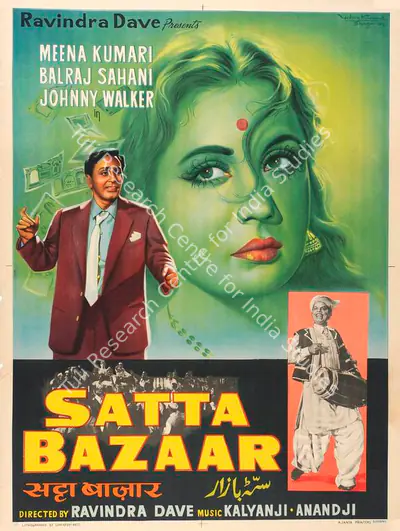
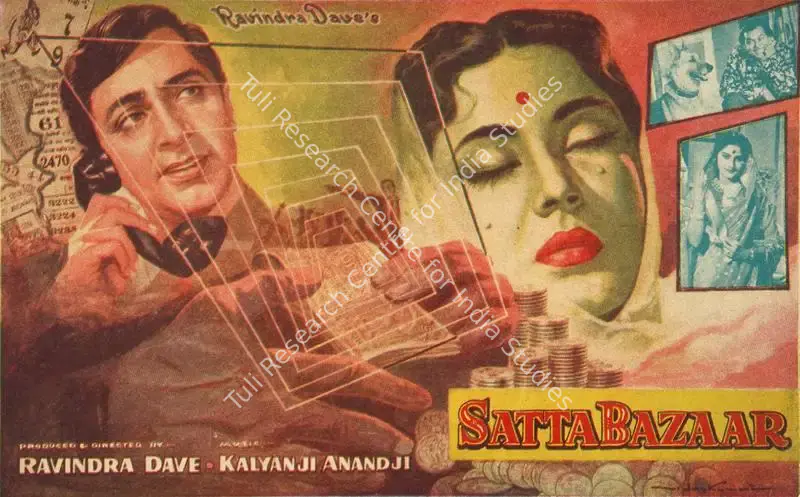
Satta Bazaar (1959): Produced and directed by Ravindra Dave, this socially conscious family drama weaves together themes of love, loss, and moral conflict against the backdrop of a volatile stock market. With a compelling narrative penned by Mohanlal G. Dave and screenplay by the legendary Khwaja Ahmad Abbas, the film stars the powerhouse duo Meena Kumari and Balraj Sahni, supported by a talented ensemble cast including Asit Sen, Ramayan Tiwari, Vijaya Chowdhary, Suresh, Moolchand, and Johnny Walker.
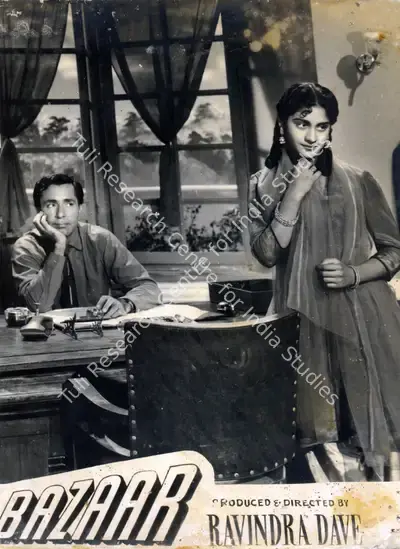
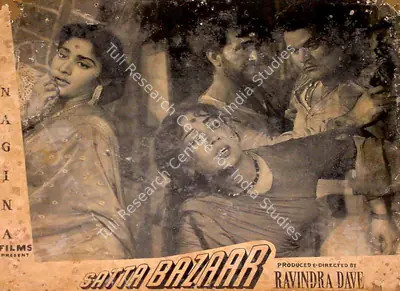
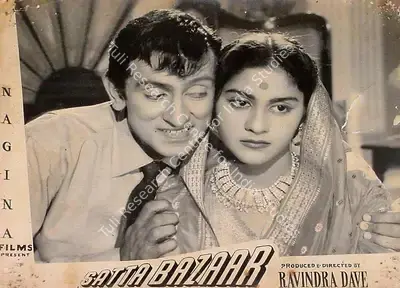
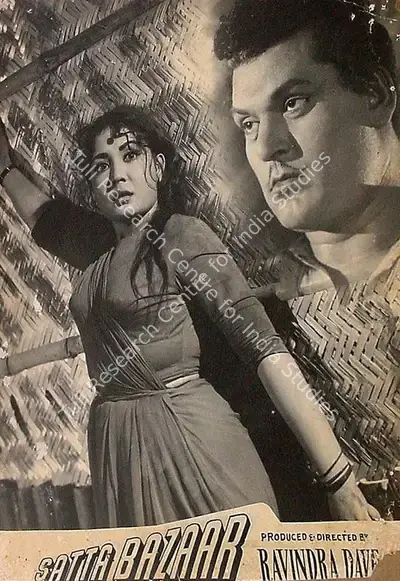
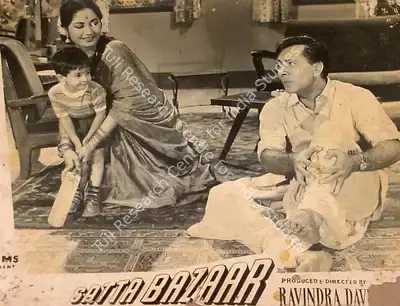
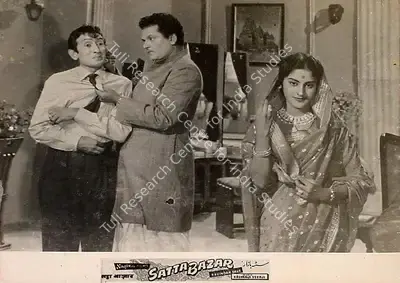
At the heart of the story is Ramesh (Balraj Sahni), a principled widower who remarries for the sake of his young daughter, Kala. His new wife, Jamuna (Meena Kumari), brings warmth and quiet strength to the household, striving to win over her stepdaughter even after the birth of her own child. Years pass, and the now-grown Kala (Vijaya Chowdhary) falls in love with Shyam (Suresh), the son of Ramesh's business partner Bholanath (Asit Sen). However, Shyam belongs to a different caste—a hurdle that places Kala's happiness at odds with social norms and Ramesh's initial disapproval.
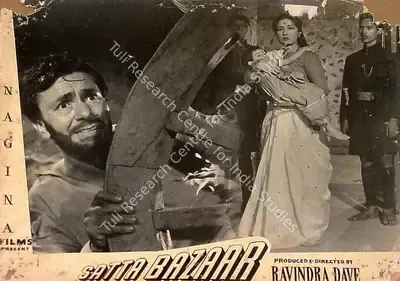
The film deepens as Ramesh is lured into the world of stock market speculation. His financial gambles threaten to unravel everything he has worked for. When facing ruin, he is offered a lifeline—on the condition that Kala marries Pritam, the son of the wealthy and opportunistic Badri Prasad (Ramayan Tiwari). Torn between paternal duty and personal ethics, Ramesh stands at a crossroads.
Satta Bazaar boldly tackles multiple layers of social tension—inter-caste marriage, economic aspiration, stepfamily dynamics, and the seductive yet destructive lure of quick wealth—offering a nuanced critique of contemporary Indian society.
Despite its ambitious themes and stellar cast, the film faced fierce box office competition in a year crowded with major Hindi releases. Though it did not emerge as a commercial hit, Satta Bazaar remains a notable entry in the canon of socially relevant Hindi cinema.The film's soundtrack, composed by the emerging duo Kalyanji-Anandji, features lyrics by some of Hindi cinema's most revered poets—Shailendra, Hasrat Jaipuri, Indeevar, and Gulshan Bawra. Tumhen Yaad Hoga Kabhi Hum Mile The, a hauntingly beautiful duet by Lata Mangeshkar and Hemant Kumar, with lyrics, by Gulshan Bawra, remains a cherished romantic classic, Ja Ja Na Chhed Maan Bhi Ja, a playful and melodious exchange between Mohammed Rafi and Suman Kalyanpur, captures the charm of Shailendra's lyrical finesse, Kya Kehti Hai Meri Aankhen and Raha Jaane Ko", both solos by Lata Mangeshkar, continue to resonate with listeners for their emotional depth and poetic nuance. In addition, a lesser-known but sometimes included track, Yeh Duniya Rang Badalti Hai, reflects the film's underlying message of changing fortunes and fickle morality.
Repositioned as a culturally and thematically rich film deserving of scholarly attention—the film was an evocative snapshot of India's socio-economic tensions in the late 1950s, framed through the lens of family, love, and human compromise.
कहानी रमेश (बलराज साहनी) के इर्द-गिर्द घूमती है, जो उसूलों वाला एक विधुर है और अपनी छोटी बेटी काला की ख़ातिर दूसरी शादी करता है। उसकी नई पत्नी जमुना (मीना कुमारी) घर में अपनापन, शांति और मज़बूती लाती है। वह अपने खुद के बच्चे के जन्म के बाद भी अपनी सौतेली बेटी का दिल जीतने की कोशिश करती है। कई साल बीत जाने के बाद बड़ी हो चुकी काला (विजया चौधरी) को श्याम (सुरेश) से प्यार हो जाता है, जो रमेश के बिज़नेस पार्टनर भोलानाथ (असित सेन) का बेटा है। लेकिन श्याम दूसरी जाति का है। यह एक ऐसी रुकावट है जिससे काला की ख़ुशी सामाजिक रीति-रिवाजों और रमेश की शुरुआती असहमति के बीच उलझ जाती है।
फ़िल्म की कहानी तब और गहरी हो जाती है जब रमेश शेयर बाज़ार में सट्टेबाज़ी की दुनिया में फंस जाता है। उसके वित्तीय दांव-पेच उसकी अब तक की सारी मेहनत पर पानी फेरने की कगार पर ले आते हैं। जब वह बर्बादी के कगार पर होता है, तो उसे एक उम्मीद की किरण दिखाई देती है, लेकिन एक शर्त पर की काला की शादी अमीर और मौकापरस्त बद्री प्रसाद (रामायण तिवारी) के बेटे प्रीतम से होनी चाहिए। पिता के फ़र्ज़ और अपने उसूलों के बीच रमेश एक मुश्किल दोराहे पर खड़ा हो जाता है।
'सट्टा बाज़ार' सामाजिक तनाव के कई पहलुओं जैसे अंतर-जातीय विवाह, आर्थिक महत्वाकांक्षा, सौतेले परिवार के रिश्ते और जल्दी अमीर बनने का आकर्षक लेकिन विनाशकारी लालच को बेबाकी से उठाता है और समकालीन भारतीय समाज की बारीकी से आलोचना करता है।
बड़े विषयों और शानदार कलाकारों के बावजूद, यह फ़िल्म ऐसे साल में रिलीज़ हुई जब कई बड़ी हिंदी फ़िल्में आ रही थीं, इसलिए इसे बॉक्स ऑफ़िस पर कड़ी टक्कर का सामना करना पड़ा। भले ही यह कमर्शियल तौर पर हिट नहीं हो पाई, लेकिन 'सट्टा बाज़ार' सामाजिक रूप से अहम हिंदी सिनेमा में एक ख़ास फ़िल्म मानी जाती है। फ़िल्म का संगीत उभरती हुई जोड़ी कल्याणजी-आनंदजी ने तैयार किया था और इसके गाने हिंदी सिनेमा के कुछ सबसे सम्मानित कवियों शैलेन्द्र, हसरत जयपुरी, इंदीवर और गुलशन बावरा ने लिखे थे। लता मंगेशकर और हेमंत कुमार का गाया और गुलशन बावरा का लिखा गाना 'तुम्हें याद होगा कभी हम मिले थे' एक बेहद ख़ूबसूरत और यादगार रोमांटिक गाना है। मोहम्मद रफ़ी और सुमन कल्याणपुर का गाया 'जा जा ना छेड़ मान भी जा' एक चंचल और सुरीला गाना है जो शैलेन्द्र की बेहतरीन गीतकारी का जादू दिखाता है। लता मंगेशकर के गाए दो सोलो गाने 'क्या कहती हैं मेरी आँखें' और 'रहा जाने को' अपनी भावनात्मक गहराई और काव्यात्मक बारीकियों की वजह से आज भी सुनने वालों के दिलों में बसे हुए हैं। इसके अलावा, एक कम मशहूर लेकिन कभी-कभी शामिल किया जाने वाला गाना 'यह दुनिया रंग बदलती है', क़िस्मत के बदलने और नैतिकता के अस्थिर होने जैसे फ़िल्म के मुख्य संदेश को दिखाता है।
इसे सांस्कृतिक और विषय-वस्तु के लिहाज़ से समृद्ध और विद्वानों के ध्यान के क़ाबिल फ़िल्म के तौर पर देखा गया। यह फ़िल्म 1950 के दशक के आख़िर में भारत के सामाजिक-आर्थिक तनावों की एक असरदार झलक थी, जिसे परिवार, प्यार और इंसानी समझौतों के नज़रिए से दिखाया गया था।