
Introduction
His ascendancy during the 1970s and 1980s transformed him into the defining cinematic presence of his generation. In an era marked by social disillusionment and political uncertainty, he gave unforgettable form to the archetype of the angry young man—the alienated yet morally resolute protagonist who challenged corruption, injustice, and entrenched authority. His extraordinary screen presence and ability to inhabit characters of strikingly different temperaments established a new grammar of Hindi-film stardom.
His voice, now as recognisable as his face, has been an equally distinctive part of his public persona. Blessed with a naturally deep, resonant baritone and an accomplished command of English and Hindustani, Bachchan has lent his voice to films, television, advertising, documentaries, narration, and voice-over work, often adding a distinctive sense of gravitas to the productions in which it appears.
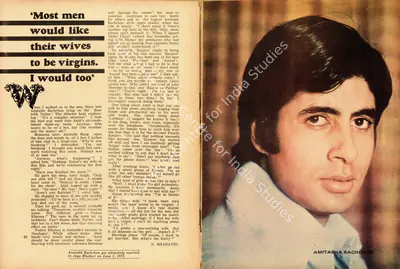
There is a remarkable irony in the history of that celebrated voice. Long before it became one of the most recognisable sounds in Indian popular culture, a young Bachchan was told that his baritone was unsuitable for broadcasting. When he auditioned for a position as a radio presenter at All India Radio, the legendary broadcaster Ameen Sayani rejected him, reportedly finding his unusually deep voice too heavy for radio at the time. What was once considered a liability would ultimately become one of the defining signatures of his career. His commanding baritone enhanced his performances, established him as a sought-after narrator, and became inseparable from his association with Kaun Banega Crorepati.
Such was the scale of Bachchan's influence during his cinematic zenith that the French filmmaker François Truffaut famously described him as a “one-man industry”—a phrase that captured more than commercial success. His characters entered the popular vocabulary, his mannerisms became instantly recognisable, and his persona acquired a cultural resonance rarely achieved by any performer.
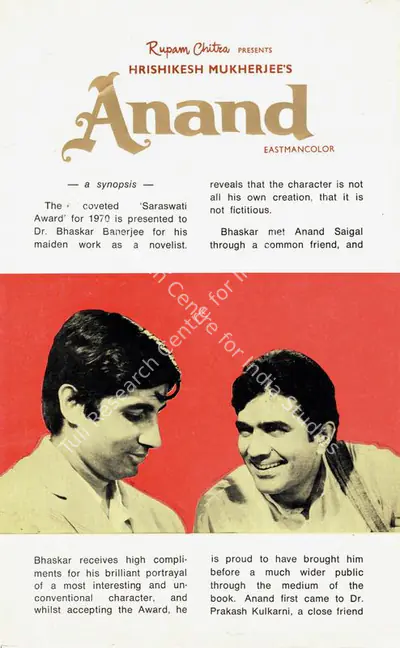
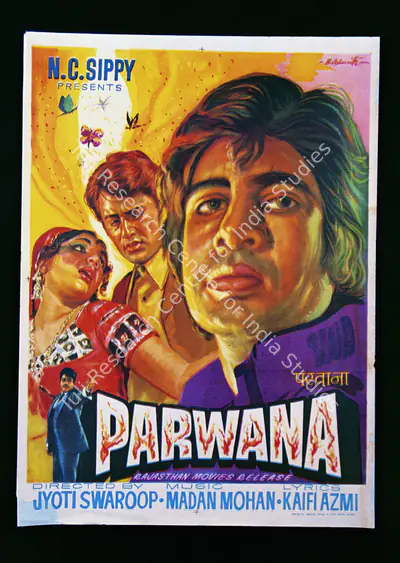
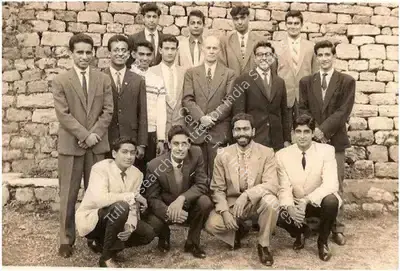
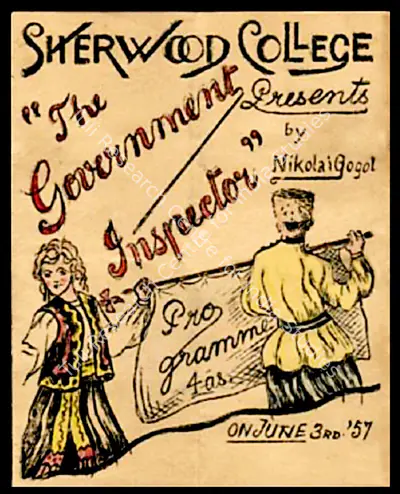
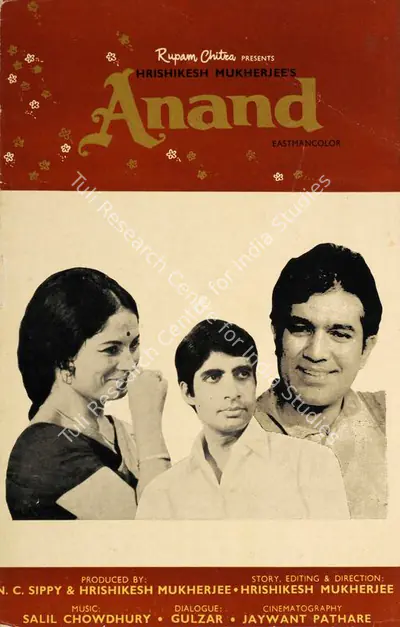
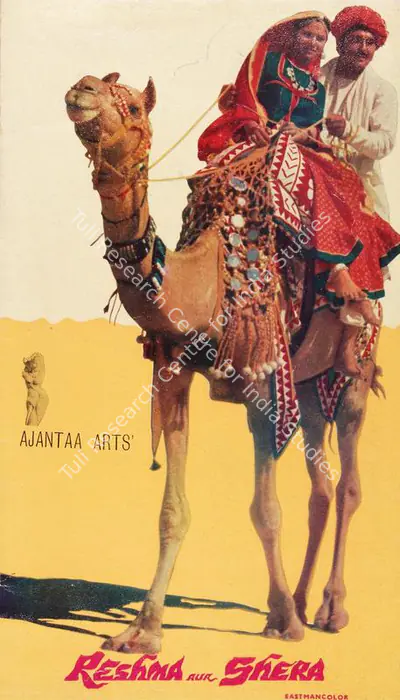
Born into a distinguished literary family, Bachchan was educated at Sherwood College, Nainital, and later at Kirori Mal College, University of Delhi, from which he graduated in 1962. He initially worked in Kolkata before turning towards theatre and cinema. His first association with the film world came as a narrator in Bhuvan Shome (1969), followed that same year by his acting debut in Saat Hindustani. Early performances in Anand (1971), Parwana (1971), and Reshma Aur Shera (1971) revealed his potential, although commercial success remained intermittent.
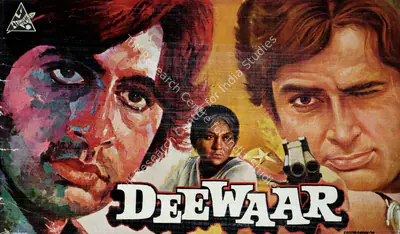
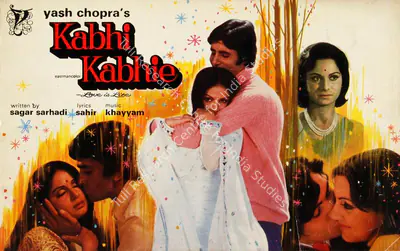
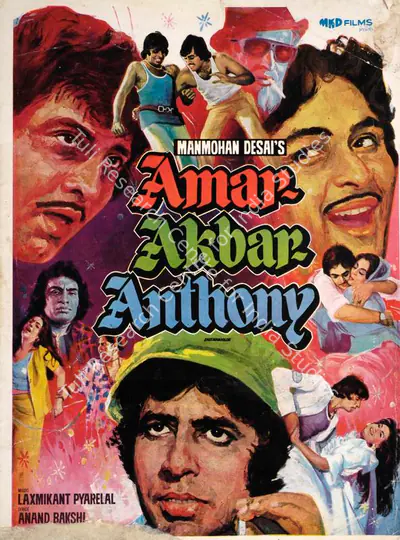
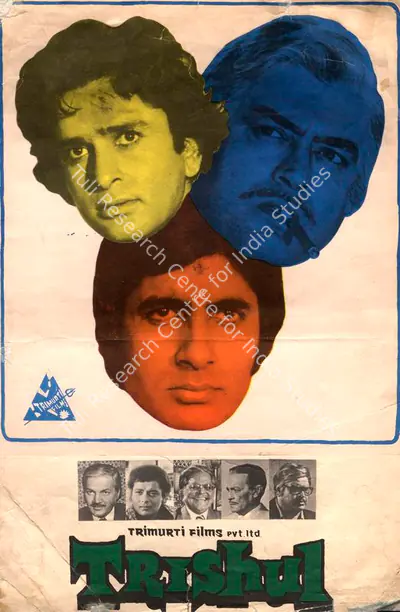
The decisive turning point arrived with Zanjeer (1973), which transformed Bachchan into the archetypal “angry young man.” The momentum continued with Deewaar (1975) and Sholay (1975), which cemented his position among the most formidable stars of Indian cinema. A remarkable succession of commercially successful films followed, including Kabhi Kabhie (1976), Amar Akbar Anthony (1977), Don (1978), Trishul (1978), Muqaddar Ka Sikandar (1978), Kaala Patthar (1979), Dostana (1980), Laawaris (1981), Coolie (1983), and Mard (1985). Yet his achievement extended beyond box-office dominance: he demonstrated an exceptional ability to move between intensity, comedy, romance, menace, vulnerability, and emotional drama without losing his unmistakable individuality.
After a period of relative uncertainty in the 1990s, Bachchan returned to the centre of mainstream Hindi cinema with Mohabbatein (2000), embracing roles that drew upon his maturity and authority. His subsequent performances in Kabhi Khushi Kabhie Gham (2001), Baghban (2003), Black (2005), Sarkar (2005), Paa (2009), Piku (2015), Brahmāstra: Part One – Shiva (2022), and Kalki 2898 AD (2024) demonstrated an extraordinary capacity for reinvention.
His critical achievements are equally formidable. Bachchan has received seven National Film Awards and seventeen Filmfare Awards, in addition to a South Filmfare Award, and has accumulated more than forty nominations in acting categories. His four Filmfare Critics Awards for Best Actor further attest to the breadth of his critical esteem. His National Award-winning performances, including Agneepath, Black, Paa, and Piku, represent distinctly different stages of his artistic evolution.
Beyond acting, Bachchan has worked as a playback singer and producer and has become one of India's most recognisable television personalities. His association with Kaun Banega Crorepati, beginning in 2000, expanded his reach across generations, with his voice, wit, composure, and distinctive manner of engaging contestants becoming central to the programme's enduring appeal.
His public life has also extended beyond entertainment, including a brief political career in the mid-1980s and continued involvement in philanthropic initiatives. His honours include the Padma Shri (1984), Padma Bhushan (2001), Padma Vibhushan (2015), Dadasaheb Phalke Award (2018), and France's Legion of Honour (2007).
Amitabh Bachchan's legacy ultimately lies beyond statistics and accolades. It resides in the extraordinary convergence of voice, presence, versatility, endurance, and cultural authority. The voice once rejected by radio became one of the most recognisable in India; the actor who initially struggled to establish himself became the defining star of an era; and that star subsequently reinvented himself for generations born long after his first appearance on screen. Few careers in Indian cinema possess such remarkable continuity, and fewer still have left so indelible a mark on the cultural consciousness of modern India.
References:
https://www.sugandh.com/seema/amitabhji/stardust.html
https://en.wikipedia.org/wiki/Amitabh_Bachchan
1970 और 1980 के दशक में उनकी क़ामयाबी ने उन्हें अपनी पीढ़ी का सबसे अहम फ़िल्मी चेहरा बना दिया। सामाजिक निराशा और राजनीतिक अनिश्चितता के दौर में, उन्होंने 'एंग्री यंग मैन' (गुस्सैल नौजवान) की छवि को यादगार रूप दिया। एक ऐसा हीरो जो समाज से कटा हुआ तो था लेकिन नैतिक रूप से मज़बूत था और भ्रष्टाचार, अन्याय और जमी-जमाई सत्ता को चुनौती देता था। उनकी ज़बरदस्त स्क्रीन प्रेज़ेंस और बिल्कुल अलग-अलग मिज़ाज वाले किरदारों को निभाने की क़ाबिलियत ने हिंदी फ़िल्म स्टारडम का एक नया व्याकरण गढ़ा।
उनकी आवाज़, जिसे अब उनके चेहरे की तरह ही आसानी से पहचाना जा सकता है, उनकी पब्लिक पर्सनैलिटी का एक ख़ास हिस्सा रही है। क़ुदरती तौर पर गहरी, गूंजती हुई बैरिटोन आवाज़ और अंग्रेज़ी व हिंदुस्तानी भाषाओं पर बेहतरीन पकड़ के साथ, बच्चन ने फ़िल्मों, टेलीविज़न, विज्ञापनों, डॉक्यूमेंट्रीज़, नरेशन और वॉइस-ओवर के काम में अपनी आवाज़ दी है। अक्सर उन्होंने जिन भी प्रोडक्शंस में काम किया, उनमें अपनी आवाज़ से एक ख़ास गंभीरता और वज़न जोड़ा।
उस मशहूर आवाज़ के इतिहास में एक दिलचस्प विरोधाभास है। भारतीय पॉपुलर कल्चर में सबसे पहचानी जाने वाली आवाज़ों में से एक बनने से बहुत पहले, युवा बच्चन से कहा गया था कि उनकी बैरिटोन आवाज़ ब्रॉडकास्टिंग के लिए ठीक नहीं है। जब उन्होंने ऑल इंडिया रेडियो में रेडियो प्रेजेंटर की नौकरी के लिए ऑडिशन दिया, तो मशहूर ब्रॉडकास्टर अमीन सयानी ने उन्हें रिजेक्ट कर दिया था और कहा जाता है कि उन्हें उनकी बहुत गहरी आवाज़ उस समय रेडियो के लिए बहुत भारी लगी थी। जिसे कभी एक कमी माना जाता था, वही आख़िरकार उनके करियर की सबसे बड़ी पहचान बन गई। उनकी दमदार बैरिटोन आवाज़ ने उनकी परफ़ॉर्मेंस को और बेहतर बनाया, उन्हें एक पसंदीदा नैरेटर के तौर पर स्थापित किया और 'कौन बनेगा करोड़पति' के साथ उनकी पहचान का एक प्रमुख हिस्सा बन गई।
अपने फ़िल्मी करियर के सबसे ऊँचे दौर में बच्चन का असर इतना ज़्यादा था कि फ़्रेंच फ़िल्ममेकर फ़्रांस्वा त्रुफ़ो ने उन्हें "वन-मैन इंडस्ट्री" कहा था। एक ऐसा फ़्रेज़ जो सिर्फ़ कमर्शियल सफलता से कहीं ज़्यादा कुछ बयां करता था। उनके किरदार आम लोगों की बातचीत का हिस्सा बन गए, उनके अंदाज़ तुरंत पहचाने जाने लगे, और उनकी पर्सनैलिटी ने ऐसी सांस्कृतिक पहचान बनाई जो शायद ही किसी और कलाकार को मिली हो।
एक जाने-माने साहित्यिक परिवार में जन्मे बच्चन ने नैनीताल के शेरवुड कॉलेज और बाद में दिल्ली यूनिवर्सिटी के किरोड़ीमल कॉलेज से पढ़ाई की, जहाँ से उन्होंने 1962 में ग्रेजुएशन किया। थिएटर और सिनेमा की तरफ़ बढ़ने से पहले उन्होंने शुरुआत में कोलकाता में काम किया। फ़िल्मों की दुनिया से उनका पहला जुड़ाव 'भुवन शोम' (1969) में नैरेटर के तौर पर हुआ, और उसी साल 'सात हिंदुस्तानी' से उन्होंने एक्टिंग में डेब्यू किया। 'आनंद' (1971), 'परवाना' (1971) और 'रेशमा और शेरा' (1971) में उनकी शुरुआती परफ़ॉर्मेंस ने उनकी क़ाबिलियत दिखाई, हालांकि कमर्शियल सफलता कभी-कभी ही मिल रही थी।
उनकी ज़िंदगी में अहम मोड़ 'ज़ंजीर' (1973) से आया, जिसने बच्चन को "एंग्री यंग मैन" की पहचान दी। यह सिलसिला 'दीवार' (1975) और 'शोले' (1975) के साथ जारी रहा, जिसने उन्हें भारतीय सिनेमा के सबसे बड़े स्टार्स में से एक के तौर पर स्थापित कर दिया। इसके बाद कई कमर्शियल रूप से सफल फ़िल्में आईं, जिनमें 'कभी-कभी' (1976), 'अमर अकबर एंथनी' (1977), 'डॉन' (1978), 'त्रिशूल' (1978), 'मुक़द्दर का सिकंदर' (1978), 'काला पत्थर' (1979), 'दोस्ताना' (1980), 'लावारिस' (1981), 'कुली' (1983) और 'मर्द' (1985) शामिल थीं। फिर भी उनकी क़ामयाबी सिर्फ़ बॉक्स-ऑफ़िस पर दबदबे तक सीमित नहीं थी। उन्होंने अपनी ख़ास पहचान बनाए रखते हुए गंभीरता, कॉमेडी, रोमांस, डरावनेपन, कमज़ोरी और इमोशनल ड्रामा के बीच आसानी से ढलने की ज़बरदस्त क़ाबिलियत दिखाई।
1990 के दशक में कुछ समय तक अनिश्चितता के दौर के बाद, बच्चन 'मोहब्बतें' (2000) के साथ मेनस्ट्रीम हिंदी सिनेमा के केंद्र में लौटे और ऐसे रोल अपनाए जिनमें उनकी मैच्योरिटी और रुतबा झलकता था। कभी खुशी कभी गम (2001), बाग़बान (2003), ब्लैक (2005), सरकार (2005), पा (2009), पीकू (2015), ब्रह्मास्त्र: पार्ट वन - शिवा (2022), और कल्कि 2898 ईस्वी (2024) में उनके बाद के प्रदर्शनों ने खुद को नए सिरे से गढ़ने की असाधारण क्षमता का प्रदर्शन किया।
उनकी अहम उपलब्धियाँ भी बेहद शानदार हैं। बच्चन को सात नेशनल फ़िल्म अवॉर्ड और सत्रह फ़िल्मफ़ेयर अवॉर्ड मिले हैं, साथ ही एक साउथ फ़िल्मफ़ेयर अवॉर्ड भी मिला है और एक्टिंग कैटेगरी में उन्हें चालीस से ज़्यादा बार नॉमिनेट किया गया है। बेस्ट एक्टर के लिए उनके चार फ़िल्मफ़ेयर क्रिटिक्स अवॉर्ड उनकी तारीफ़ और सम्मान के दायरे को और भी पुख़्ता करते हैं। उनके नेशनल अवॉर्ड जीतने वाले रोल जैसे अग्निपथ, ब्लैक, पा और पीकू उनके आर्टिस्टिक सफ़र के अलग-अलग पड़ावों को दिखाते हैं।
एक्टिंग के अलावा, बच्चन ने प्लेबैक सिंगर और प्रोड्यूसर के तौर पर भी काम किया है और वे भारत के सबसे जाने-माने टेलीविज़न चेहरों में से एक बन गए हैं। साल 2000 में 'कौन बनेगा करोड़पति' से जुड़ने के बाद उनकी पहुँच अलग-अलग पीढ़ियों तक बढ़ी। उनकी आवाज़, हाज़िरजवाबी, संयम और कंटेस्टेंट के साथ जुड़ने का अनोखा अंदाज़ इस शो की लगातार बनी हुई लोकप्रियता की मुख्य वजह बन गया।
मनोरंजन की दुनिया से हटकर भी उनका पब्लिक जीवन रहा है, जिसमें 1980 के दशक के बीच में उनका छोटा सा राजनीतिक करियर और समाज-सेवा के कामों में लगातार भागीदारी शामिल है। उन्हें मिले सम्मानों में पद्म श्री (1984), पद्म भूषण (2001), पद्म विभूषण (2015), दादा साहब फाल्के अवॉर्ड (2018) और फ्रांस का लीजन ऑफ़ ऑनर (2007) शामिल हैं।
आख़िरकार, अमिताभ बच्चन की विरासत आँकड़ों और सम्मानों से कहीं आगे की चीज़ है। यह उनकी आवाज़, मौजूदगी, अलग-अलग तरह के रोल करने की क़ाबिलियत, लंबे समय तक टिके रहने की क्षमता और सांस्कृतिक प्रभाव के अद्भुत मेल में बसी है। जिस आवाज़ को कभी रेडियो ने ठुकरा दिया था, वह भारत की सबसे पहचानी जाने वाली आवाज़ों में से एक बन गई, जिस एक्टर को शुरू में अपनी पहचान बनाने के लिए संघर्ष करना पड़ा, वह एक दौर का सबसे बड़ा स्टार बन गया और बाद में उस स्टार ने ख़ुद को उन पीढ़ियों के लिए फिर से ढाला जो स्क्रीन पर उनकी पहली मौजूदगी के बहुत बाद पैदा हुई थीं। भारतीय सिनेमा में बहुत कम करियर ऐसे रहे हैं जिनमें इतनी ज़बरदस्त निरंतरता रही हो और उससे भी कम लोगों ने आधुनिक भारत की सांस्कृतिक सोच पर इतनी गहरी छाप छोड़ी है।
स्रोत:
https://www.sugandh.com/seema/amitabhji/stardust.html
https://en.wikipedia.org/wiki/Amitabh_Bachchan
- Date of Birth
- 11 Oct 1942
- Zodiac sign
- Libra
- Age
- 84
- Nationality
- Indian
- Place of Birth
- Allahabad
- Spouse(s)
- Jaya bachchan
- Year Marriage Registered
- 1973
- Children
- Parent(s)
- Grandparent(s)
- Pratap Narayan Srivastav, Saraswati Devi
- Siblings
- Ajitabh Bachchan (b. 18 May 1947)
1948
- Boys High School and College, Allahabad
1948 – 1956
1956
- Sherwood College, Nainital
1956 – 1959
1959
- Government College, Chandigarh
- Kirori Mal College, University of Delhi
1959 – 1962
1994
- Amitabh Bachchan Corporation LtdAssociated Institution
Filmography 225

Integrated Timeline
Economics of Cinema
1970
- Saraswati Award
1972
- Filmfare Award
Best Supporting Actor · The Times Group
1974
- Filmfare Award
Best Supporting Actor · The Times Group
1976
- BFJA Awards
Best Actor (Hindi) · Bengal Film Journalists Association
1978
- Filmfare Award
Best Actor · The Times Group
1979
- Filmfare Award
Best Actor · The Times Group
1980
- Awadh Samman
Government of Uttar Pradesh
1984
- Padma Shri
Government of India
1989
- Lifetime Achievement Award
Rotary Club Bombay
1990
- National Film Award
Best Actor · Government of India
1991
- Order of AfghanistanInternational
Government of Afghanistan
- Filmfare Award
Lifetime Achievement Award · The Times Group
1992
- Filmfare Award
Best Actor · The Times Group
1994
- Yash Bharti
Government of Uttar Pradesh
1997
- Distinguished Alumni
Central University
1998
- Omega Award for Excellence
Lifetime Achievement Award
1999
- BBC Online Poll
Greatest Star of Stage or Screen of the Millennium · BBC Network
2000
- Filmfare Award
Superstar of the Millenium · The Times Group
- International Indian Film Academy Awards
IIFA Special Honorary Award · Wizcraft International Entertainment Pvt Ltd
- Stardust Award
Best Artist of Millenium · Stardust Magazine
Research Centre




Posts 2
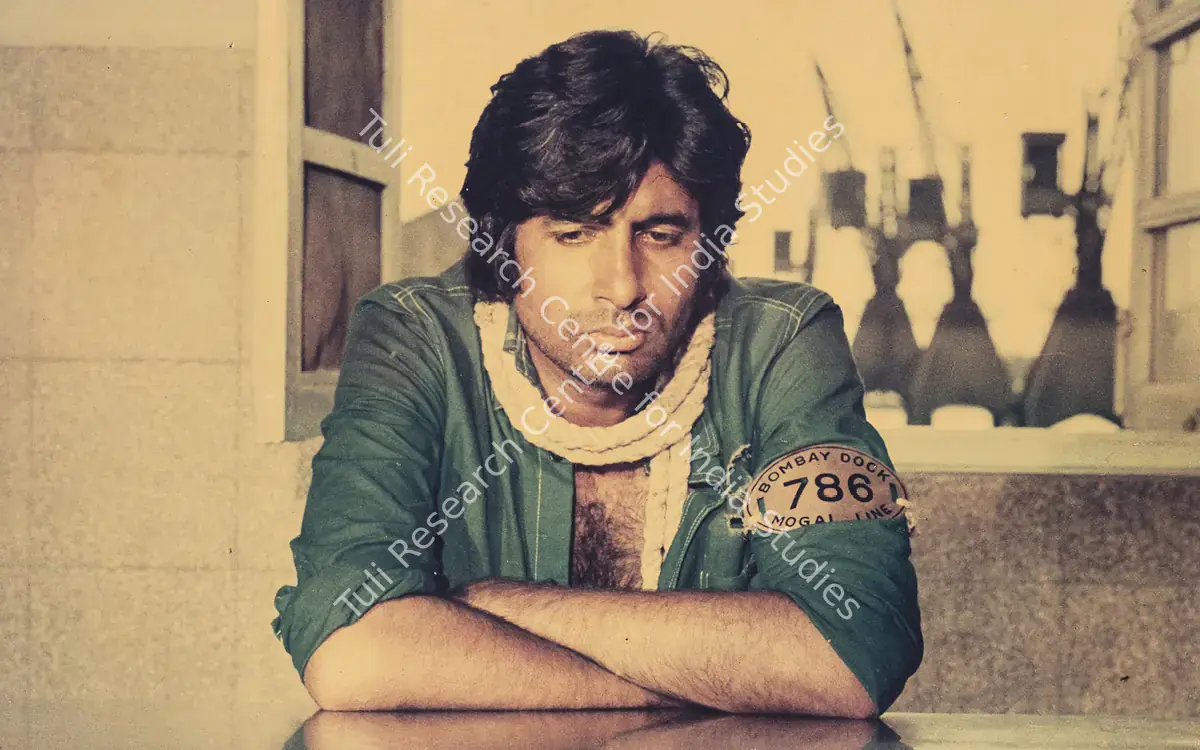
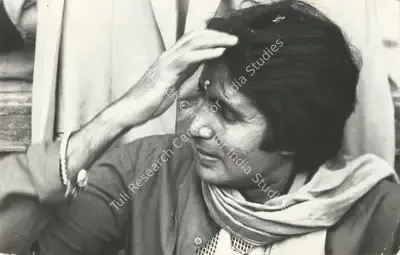
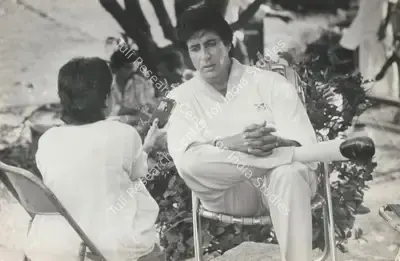
- A working still from Manmohan Desai's 1983 film Coolie, produced under the banner M.K.D. Films Combine and Aasia Films Pvt. Ltd., was captured on Amitabh Bachchan's return to the shooting of the film after his prolonged stay in hospital. Coolie remains an integral part of the illustrious filmography of Amitabh Bachchan and one of the landmark films of the collaboration between Bachchan and Desai. A classic example of the masala films, Coolie was a blockbuster hit. The film bore all the famous tropes of lost and found family members, romance and a trusted animal coming to the aid of the hero. The film was also spotlit for the near fatal accident that occurred on the sets of the film during a fight scene between Bachchan and Puneet Issar, leaving the former hospitalised for two months at Breach Candy Hospital, Bombay, while the entire nation prayed for the superstar's recovery. Kader Khan, who played the role of the main antagonist in the film also served as its writer, incorporating several references to Sufi mysticism in the script. The sacred number 786, served as the badge number of the coolie Iqbal (played by Bachchan), his falcon named Allah Rakha (meaning in God's protection), and a shroud from the Haji Ali Dargah which landed on Iqbal's shoulder during the final scenes of the film, as he took his revenge from Zafar, killing him at the end while nearly surviving multiple injuries himself. The climax of the film was changed and re-shot after Bachchan's return from hospital capitulating to audience sentiment, which had feverishly prayed for their hero's safe recovery. Prayag Raaj, a trusted collaborator of Desai, directed and co-wrote the script of the film along with some songs. Desai's name was later added as the co-director of the film to get better distribution price; he was originally the producer of the film. Coolie went on to become one of the ten highest grossing films of the decade and the biggest hit of 1983, exceeding 75 weeks in several regional centres with people sleeping overnight at theatres to secure a place in next morning's booking queues.
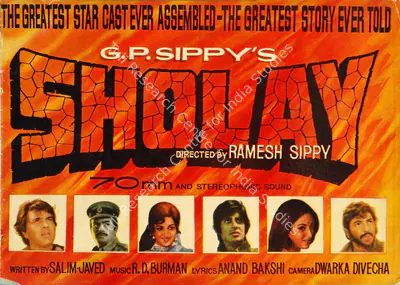
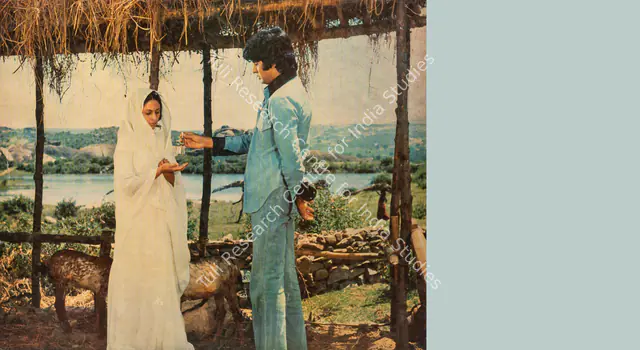
- The iconic mouth-organ scene from the 1975 Ramesh Sippy film Sholay was performed by Bhanu Gupta, an integral part of the film's music composer R.D. Burman's team. Primarily a dacoit film, also referred to as a Dacoit Western, combining tropes of Hollywood Curry Westerns and Indian dacoit films, this scene was a rare moment of expression of outward calm, inner loneliness and an unspoken connection, portrayed beautifully by Amitabh and Jaya Bachchan (née Bhaduri). A review in the popular film magazine of the time Star & Style (12 September 1975) noted that, “Jaya conveys almost everything with her face…we have hardly any other Hindi actress who can do such a feat, of expressing sadness and hope.” In the scene, filmed at dusk, Radha, the young widow of the Thakur's son, lights the lamp of the house while Jai is sitting downstairs playing a melancholic tune on his mouth organ. The sadness of Radha and the longing that Jai feels for her is portrayed beautifully establishing a moment of tranquillity between the two characters with a doomed ending. Ramesh Sippy in an interview recounted how the scene took several days to be satisfactorily filmed as he wanted to capture the perfect lighting and mood for the shot. Termed as a non-starter upon its release and panned by the critics, the film went on to become a cult classic, remembered for its story, acting, music and overall production values, drawing audiences in droves to the theatres. Sholay, has been revered by many film critics and enthusiasts over the years gaining accolades such as the “Top 10 Indian Films” of all time by the British Film Institute in 2002 and the “Best Film of 50 Years” by the Filmfare Awards in 2005.
Calendar 1
- ArchivedExhibitionProject 2Self-Discovery via Rediscovering India Series Part II India's Cinematic Heritage12th - 24th August 2024Self-Discovery via Rediscovering India Series Part IIRead More →
Related
55
Personalities
34
Films
19
Institutions
1
