
Introduction
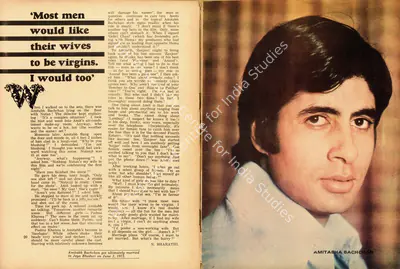
Amitabh Bachchan (born Amitabh Srivastava on 11 October 1942 in Allahabad, now Prayagraj) He is one of the most eminent figures in Hindi cinema, distinguished by an unparalleled career spanning more than two hundred films. Revered for his commanding screen presence and remarkable versatility, he has long occupied a preeminent position within the cultural imagination of India and the global South Asian diaspora. His towering influence during the 1970s and 1980s, when he came to embody the archetype of the disaffected yet morally resolute protagonist, rendered him a defining force in popular cinema.
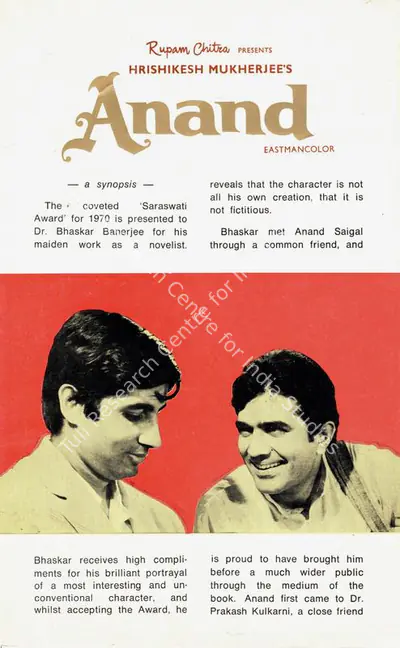
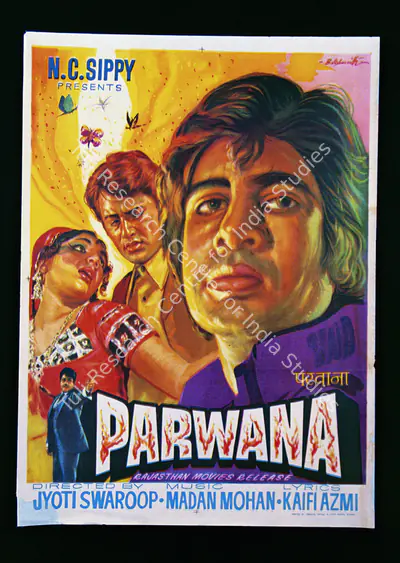
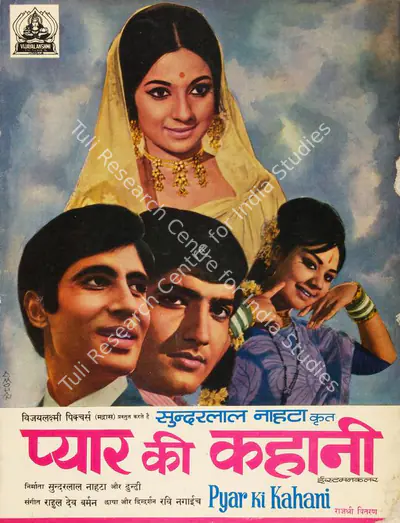
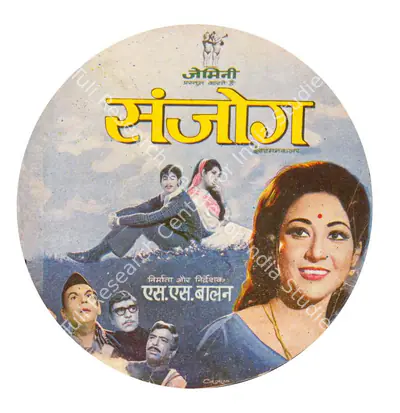
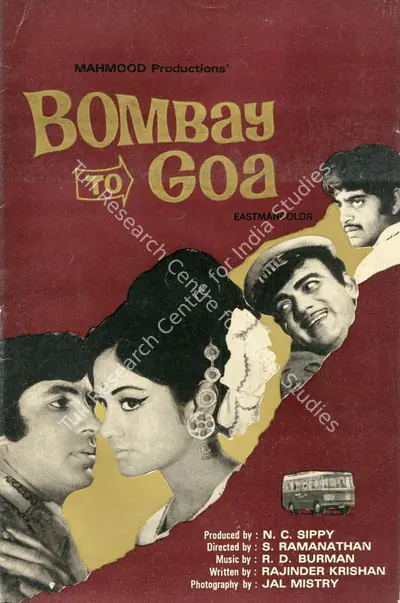
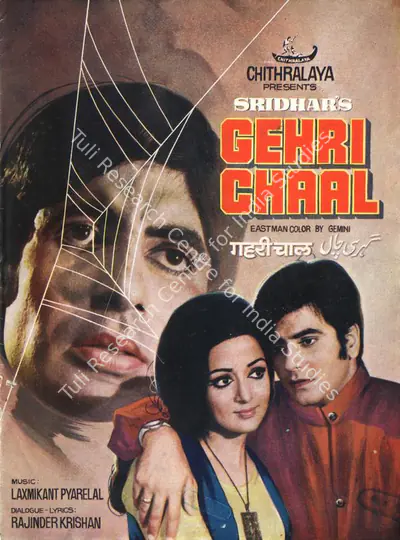
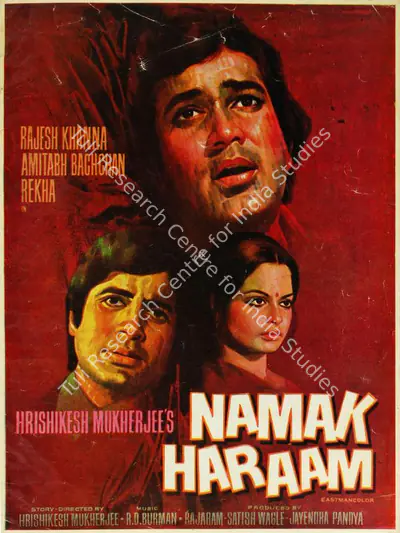
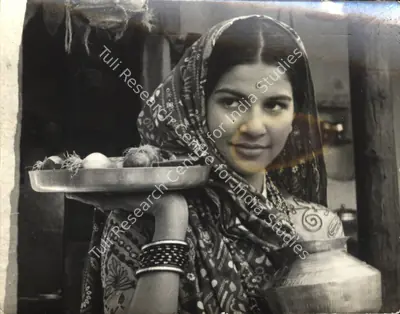
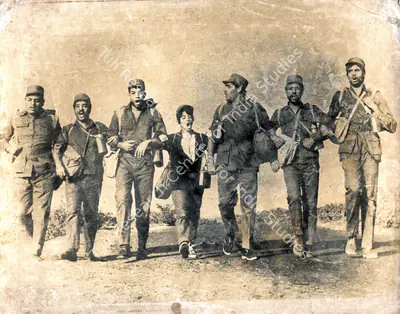
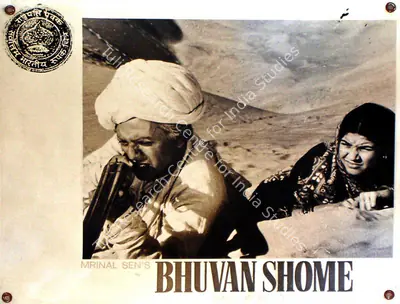
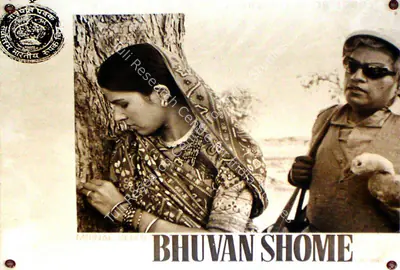
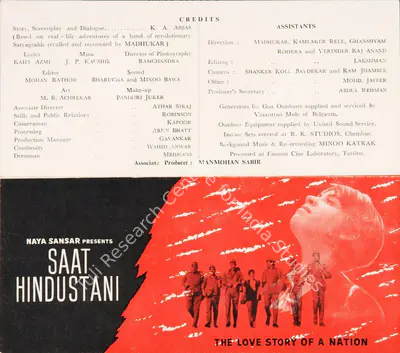
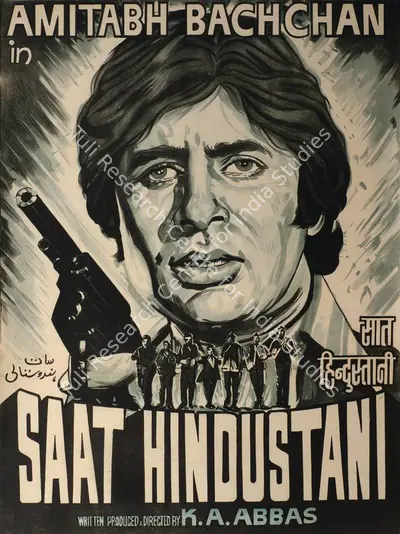
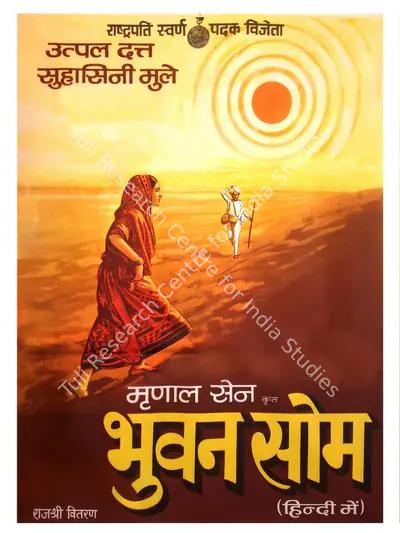
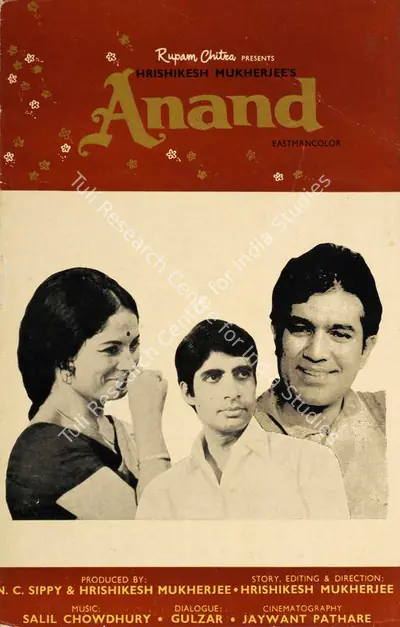
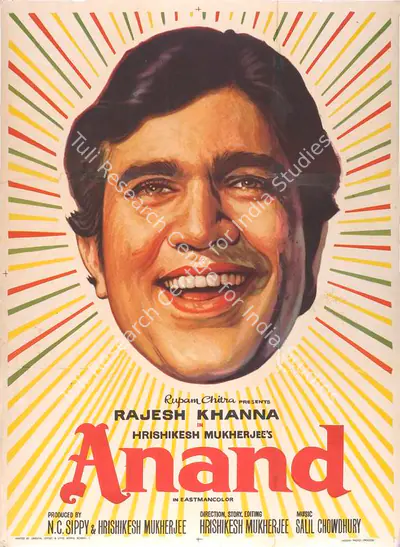
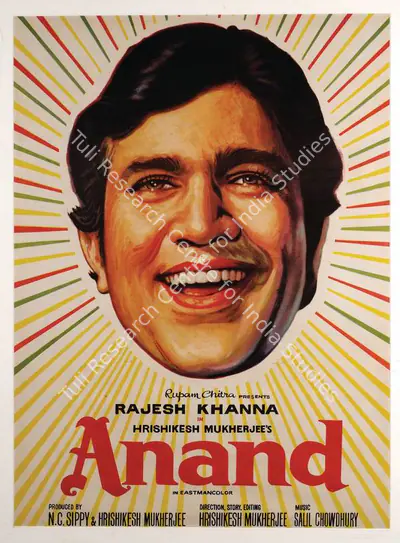
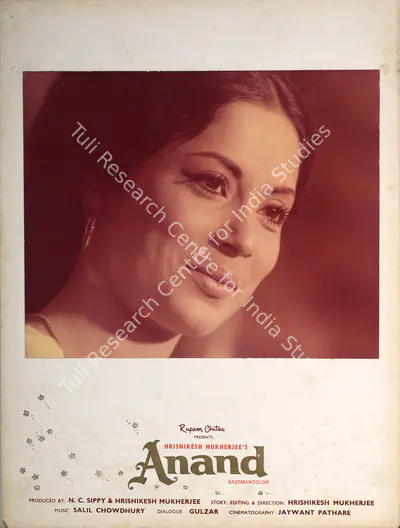
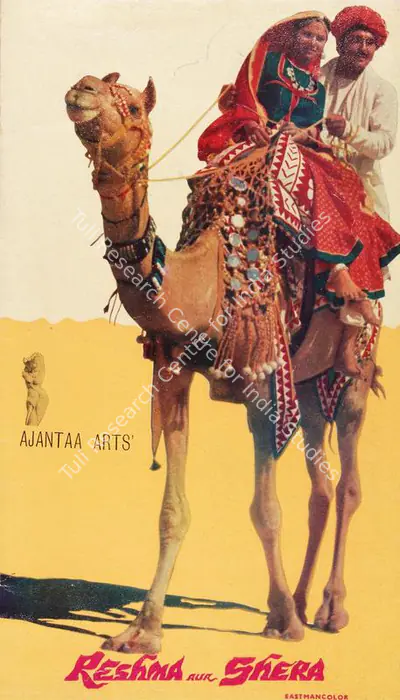
Educated at Sherwood College, Nainital, and Kirori Mal College, University of Delhi, from which he graduated in 1962, Bachchan initially ventured into professional life in Kolkata before turning to theatre and eventually cinema. His cinematic debut occurred as a narrator in Bhuvan Shome (1969), followed by his first acting role in Saat Hindustani (1969). Early performances in Anand (1971), for which he received the Filmfare Award for Best Supporting Actor, Parwana (1971), and Reshma Aur Shera (1971) revealed his potential, though commercial success remained intermittent, as seen in Bombay to Goa (1972) and Sanjog (1972).
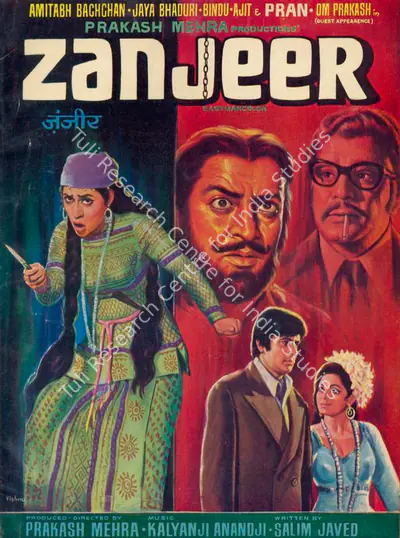
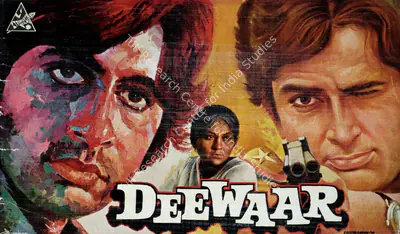
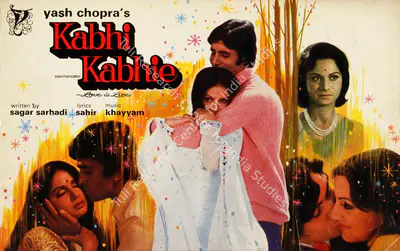
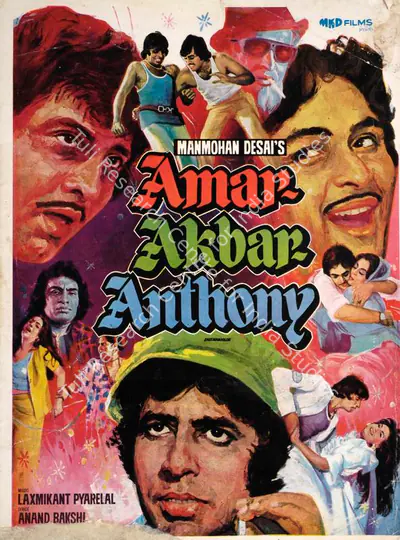
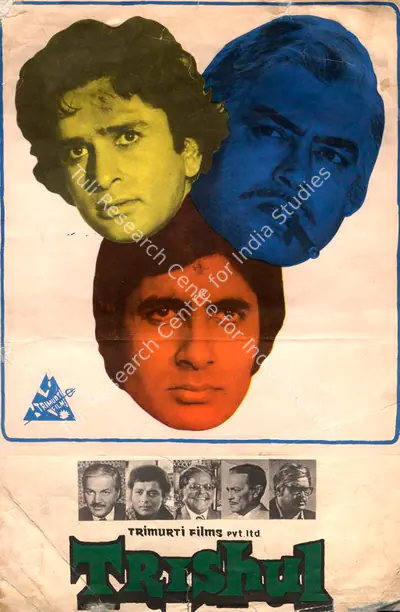
The transformative phase of his career began with Zanjeer (1973), which inaugurated a series of iconic performances in Deewaar (1975) and Sholay (1975), consolidating his image as the angry young man. This period also witnessed a succession of commercially successful films, including Kabhi Kabhie (1976), Hera Pheri (1976), Amar Akbar Anthony (1977), Don (1978), Trishul (1978), Muqaddar Ka Sikandar (1978), Kaala Patthar (1979), Dostana (1980), Laawaris (1981), Coolie (1983), and Mard (1985). His sustained dominance during these decades led observers to characterise the Hindi film industry as revolving singularly around his persona.
After a relative hiatus in the 1990s, Bachchan reasserted his prominence with Mohabbatein (2000), followed by notable performances in Kabhi Khushi Kabhie Gham (2001), Baghban (2003), Black (2005), Sarkar (2005), Kabhi Alvida Naa Kehna (2006), Paa (2009), Piku (2015), Brahmāstra Part One Shiva (2022), Kalki 2898 AD (2024). His performances in Agneepath (1990), Black (2005), Paa (2009), and Piku (2015) earned him multiple National Film Awards for Best Actor, marking an extraordinary achievement in Indian cinema.
Beyond acting, Bachchan has contributed as a playback singer, producer, and television host, most notably through Kaun Banega Crorepati (2000), which significantly expanded his reach across generations.
His brief political career in the mid-1980s and enduring engagement in philanthropic initiatives further attest to his multifaceted public life. Honoured with the Padma Shri in 1984, Padma Bhushan in 2001, Padma Vibhushan in 2015, and the Dadasaheb Phalke Award in 2018, along with France's Legion of Honour in 2007, Bachchan's legacy transcends cinema, embodying a rare synthesis of artistic excellence, cultural authority, and enduring public esteem.
नैनीताल के शेरवुड कॉलेज और दिल्ली विश्वविद्यालय के किरोड़ी मल कॉलेज से शिक्षा प्राप्त करने के बाद, जहाँ से उन्होंने 1962 में स्नातक की उपाधि प्राप्त की, बच्चन ने प्रारंभ में कोलकाता में पेशेवर जीवन में कदम रखा, फ़िर रंगमंच और अंततः सिनेमा की ओर रुख किया। उनकी सिनेमाई शुरुआत 1969 में आई फ़िल्म भुवन शोम में एक कथावाचक के रूप में हुई, जिसके बाद उन्होंने 1969 में ही सात हिंदुस्तानी में अपनी पहली अभिनय भूमिका निभाई। 1971 में आई फ़िल्म आनंद (जिसके लिए उन्हें सर्वश्रेष्ठ सहायक अभिनेता का फ़िल्मफ़ेयर पुरस्कार मिला), 1971 में आई फ़िल्म परवाना और 1971 में आई फ़िल्म रेशमा और शेरा में उनके शुरुआती प्रदर्शनों ने उनकी प्रतिभा को उजागर किया, हालांकि 1972 में आई फ़िल्म बॉम्बे टू गोवा और 1972 में ही आई फ़िल्म संजोग से पता चलता है कि व्यावसायिक सफलता ठीक नहीं रही।
उनके करियर का परिवर्तनकारी दौर 1973 में आई फ़िल्म 'ज़ंजीर' (1973)से शुरू हुआ, जिसने 'दीवार' (1975) और 'शोले' (1975) जैसी फ़िल्मों में उनके यादगार अभिनय की श्रृंखला आरम्भ किया और उन्हें एक गुस्सैल नौजवान के रूप में स्थापित किया। इसी अवधि में उन्होंने कई व्यावसायिक रूप से सफल फ़िल्में भी दीं, जिनमें 'कभी कभी' (1976), 'हेरा फेरी' (1976), 'अमर अकबर एंथोनी' (1977), 'डॉन' (1978), 'त्रिशूल' (1978), 'मुक़द्दर का सिकंदर' (1978), 'काला पत्थर' (1979), 'दोस्ताना' (1980), 'लावारिस' (1981), 'कुली' (1983) और 'मर्द' (1985) शामिल हैं। इन दशकों में उनके लगातार प्रभाव ने आलोचकों को यह कहने पर मजबूर किया कि हिंदी फ़िल्म उद्योग मूलतः उनके व्यक्तित्व के इर्द-गिर्द घूमता है।
1990 के दशक में अपेक्षाकृत विराम के बाद, बच्चन ने मोहब्बतें (2000) के साथ अपनी प्रमुखता फ़िर से स्थापित की, इसके बाद कभी खुशी कभी ग़म (2001), बाग़बान (2003), ब्लैक (2005), सरकार (2005), कभी अलविदा ना कहना (2006), पा (2009), पिकू (2015), ब्रह्मास्त्र पार्ट वन: शिवा (2022), और कल्कि 2898 एडी (2024) जैसी उल्लेखनीय प्रस्तुतियाँ दीं। अग्निपथ (1990), ब्लैक (2005), पा (2009), और पिकू (2015) में उनके अभिनय ने उन्हें कई बार सर्वश्रेष्ठ अभिनेता के राष्ट्रीय फ़िल्म पुरस्कार दिलाए, जो भारतीय सिनेमा में एक असाधारण उपलब्धि के रूप में दर्ज है।
अभिनय के अलावा, बच्चन ने पार्श्व गायक, निर्माता और टेलीविजन होस्ट के रूप में भी योगदान दिया है, विशेष रूप से कौन बनेगा करोड़पति (2000) के माध्यम से, जिसने पीढ़ियों के बीच उनकी पहुंच को काफी बढ़ाया।
1980 के दशक के मध्य में उनका संक्षिप्त राजनीतिक जीवन और परोपकारी पहलों में उनका निरंतर जुड़ाव उनके बहुआयामी सार्वजनिक जीवन का प्रमाण है। 1984 में पद्म श्री, 2001 में पद्म भूषण, 2015 में पद्म विभूषण और 2018 में दादासाहेब फाल्के पुरस्कार के साथ-साथ 2007 में फ्रांस के लीजन ऑफ़ ऑनर से सम्मानित बच्चन की विरासत सिनेमा से परे भी है, जो कलात्मक उत्कृष्टता, सांस्कृतिक अधिकार और स्थायी जन सम्मान का एक दुर्लभ संगम है।
- Date of Birth
- 11 Oct 1942
- Zodiac sign
- Libra
- Age
- 84
- Nationality
- Indian
- Place of Birth
- Allahabad
- Spouse(s)
- Jaya bachchan
- Year Marriage Registered
- 1973
- Children
- Abhishek Bachchanb. 05 Feb 1976Shweta Bachchanb. 17 Mar 1974
- Parent(s)
- Harivansh Rai Bachchan27 Nov 1907 – 18 Jan 2003Teji Bachchan12 Aug 1914 – 21 Dec 2007
- Grandparent(s)
- Pratap Narayan Srivastav
- Siblings
- Ajitabh Bachchanb. 18 May 1947
1948
- Boys High School and College, Allahabad
1948 – 1956
1956
- Sherwood College, Nainital
1956 – 1959
1959
- Government College, Chandigarh
- Kirori Mal College, University of Delhi
1959 – 1962
1994
- Amitabh Bachchan Corporation LtdAssociated Institution
Filmography 225

Integrated Timeline
Economics of Cinema
1970
- Saraswati Award
1972
- Filmfare Award
Best Supporting Actor · The Times Group
1974
- Filmfare Award
Best Supporting Actor · The Times Group
1976
- BFJA Awards
Best Actor (Hindi) · Bengal Film Journalists Association
1978
- Filmfare Award
Best Actor · The Times Group
1979
- Filmfare Award
Best Actor · The Times Group
1980
- Awadh Samman
Government of Uttar Pradesh
1984
- Padma Shri
Government of India
1989
- Lifetime Achievement Award
Rotary Club Bombay
1990
- National Film Award
Best Actor · Government of India
1991
- Order of AfghanistanInternational
Government of Afghanistan
- Filmfare Award
Lifetime Achievement Award · The Times Group
1992
- Filmfare Award
Best Actor · The Times Group
1994
- Yash Bharti
Government of Uttar Pradesh
1997
- Distinguished Alumni
Central University
1998
- Omega Award for Excellence
Lifetime Achievement Award
1999
- BBC Online Poll
Greatest Star of Stage or Screen of the Millennium · BBC Network
2000
- Filmfare Award
Superstar of the Millenium · The Times Group
- International Indian Film Academy Awards
IIFA Special Honorary Award · Wizcraft International Entertainment Pvt Ltd
- Stardust Award
Best Artist of Millenium · Stardust Magazine
Research Centre

Posts 2
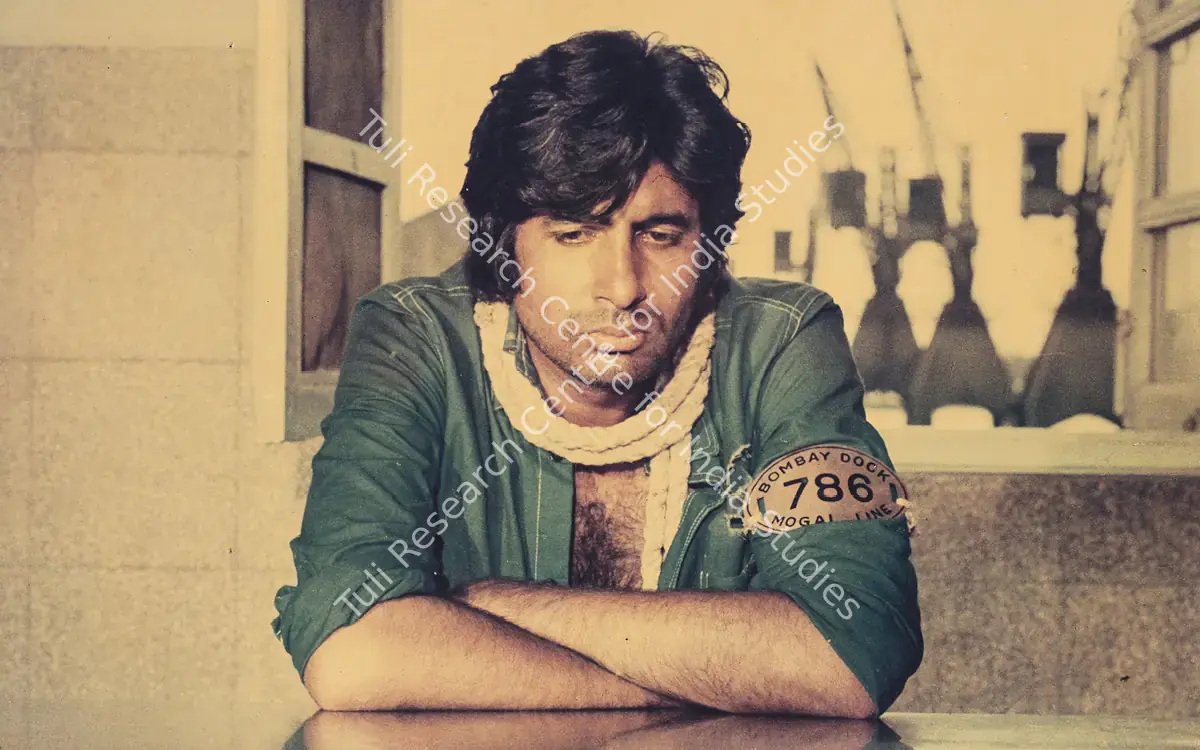
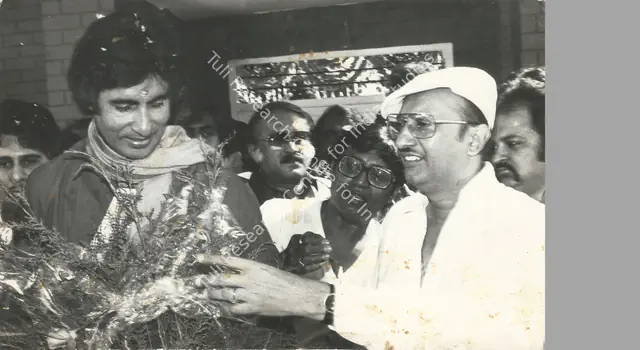
- A working still from Manmohan Desai's 1983 film Coolie, produced under the banner M.K.D. Films Combine and Aasia Films Pvt. Ltd., was captured on Amitabh Bachchan's return to the shooting of the film after his prolonged stay in hospital. Coolie remains an integral part of the illustrious filmography of Amitabh Bachchan and one of the landmark films of the collaboration between Bachchan and Desai. A classic example of the masala films, Coolie was a blockbuster hit. The film bore all the famous tropes of lost and found family members, romance and a trusted animal coming to the aid of the hero. The film was also spotlit for the near fatal accident that occurred on the sets of the film during a fight scene between Bachchan and Puneet Issar, leaving the former hospitalised for two months at Breach Candy Hospital, Bombay, while the entire nation prayed for the superstar's recovery. Kader Khan, who played the role of the main antagonist in the film also served as its writer, incorporating several references to Sufi mysticism in the script. The sacred number 786, served as the badge number of the coolie Iqbal (played by Bachchan), his falcon named Allah Rakha (meaning in God's protection), and a shroud from the Haji Ali Dargah which landed on Iqbal's shoulder during the final scenes of the film, as he took his revenge from Zafar, killing him at the end while nearly surviving multiple injuries himself. The climax of the film was changed and re-shot after Bachchan's return from hospital capitulating to audience sentiment, which had feverishly prayed for their hero's safe recovery. Prayag Raaj, a trusted collaborator of Desai, directed and co-wrote the script of the film along with some songs. Desai's name was later added as the co-director of the film to get better distribution price; he was originally the producer of the film. Coolie went on to become one of the ten highest grossing films of the decade and the biggest hit of 1983, exceeding 75 weeks in several regional centres with people sleeping overnight at theatres to secure a place in next morning's booking queues.
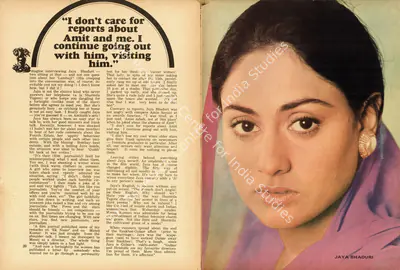
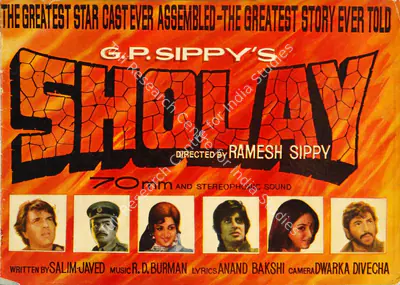
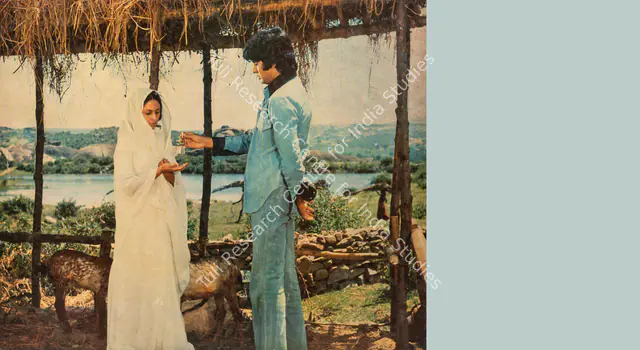
- The iconic mouth-organ scene from the 1975 Ramesh Sippy film Sholay was performed by Bhanu Gupta, an integral part of the film's music composer R.D. Burman's team. Primarily a dacoit film, also referred to as a Dacoit Western, combining tropes of Hollywood Curry Westerns and Indian dacoit films, this scene was a rare moment of expression of outward calm, inner loneliness and an unspoken connection, portrayed beautifully by Amitabh and Jaya Bachchan (née Bhaduri). A review in the popular film magazine of the time Star & Style (12 September 1975) noted that, “Jaya conveys almost everything with her face…we have hardly any other Hindi actress who can do such a feat, of expressing sadness and hope.” In the scene, filmed at dusk, Radha, the young widow of the Thakur's son, lights the lamp of the house while Jai is sitting downstairs playing a melancholic tune on his mouth organ. The sadness of Radha and the longing that Jai feels for her is portrayed beautifully establishing a moment of tranquillity between the two characters with a doomed ending. Ramesh Sippy in an interview recounted how the scene took several days to be satisfactorily filmed as he wanted to capture the perfect lighting and mood for the shot. Termed as a non-starter upon its release and panned by the critics, the film went on to become a cult classic, remembered for its story, acting, music and overall production values, drawing audiences in droves to the theatres. Sholay, has been revered by many film critics and enthusiasts over the years gaining accolades such as the “Top 10 Indian Films” of all time by the British Film Institute in 2002 and the “Best Film of 50 Years” by the Filmfare Awards in 2005.
Calendar 1
- ArchivedExhibitionProject 2Self-Discovery via Rediscovering India Series Part II India's Cinematic Heritage12th - 24th August 2024Self-Discovery via Rediscovering India Series Part IIRead More →
Related
56
Personalities
36
Films
19