TRIS logo image
Search275,000+ actors, artists, objects, artworks, films, exhibitions, archives

EN

EN

English

HI

Hindi

EN

EN

English

HI

Hindi

Tuli Research Centre for India Studies

Tuli Research Centre for India Studies

Vision

Manifesto

Archive & Library

Vanraja Sanctuary & Hospice

Home

Research Categories

Browse All

ICore

1_CinemaEducation_Cinema as a Critical Educational Resource

2_FineArts_Modern and Contemporary Indian Fine Arts

3_Photography_Photography in India

4_PopCulture_The Printed Image, Popular Arts, and Crafts

IIMaterial

5_ArcHeritage_India's Architectural Heritage as Inspiration

6_EconomicsArt_Economics of Art & Cultural Industry

7_Travel_Automobile, Transport and Travel Heritage

8_Uncertainty_Uncertainty

IIICritical

9_SocialDuty_Social Responsibility of the Creative Mind

10_Childhood_The Changing Smile of Childhood & Its Second Coming

11_Sensuality_The Sensual Discipline within Creativity

12_Scholarship_The History & Historiography of Scholarship in the Arts, Humanities, and Social Sciences

IVMeaningful

13_SeekJustice_Seeking Justice and Political Integrity

14_IndoWorld_India and her Relationship with the World

15_SpiritualPoetics_The Religious-Spiritual-Poetic-Philosophical Framework

16_Continuum_The Animal-Human-Nature Continuum

Explore

All

Posts

Masterlists

Calendar

Live | Upcoming

All Events

Timetable

Search275,000+ actors, artists, objects, artworks, films, exhibitions, archives

EN

EN

English

HI

Hindi

Talat Mahmud

Talat Mahmud

Personality.Playback Singer
On this Page
Introduction
Filmography69
Research Centre393
All393Library5
Archive388
Highlights1
Home/1_CinemaEducation/Personality · Actor/Talat Mahmud
Talat Mahmud — featured artwork

Introduction

Talat Mahmood (24 February 1924 – 9 May 1998) He occupies a distinguished place in the history of Indian music as one of the most celebrated male playback singers and ghazal vocalists of the twentieth century. Renowned for his exceptionally smooth, melancholic, and delicately expressive voice, he became an influential figure who shaped the aesthetic direction of Hindi film music and modern ghazal singing during the 1950s and 1960s. Although he ventured into acting, his achievements as a performer on screen remained modest in comparison with his extraordinary success as a playback singer. He appeared in approximately sixteen films, including productions from both the Calcutta and Bombay film industries. Three of his starring films achieved regional success in Calcutta. During his early years in Calcutta, he also recorded numerous Bengali songs under the adopted name of Tapan Kumar.

Born in Lucknow into a conservative Muslim family, Talat Mahmood demonstrated a profound inclination towards music from childhood. He was fascinated by classical performances and frequently attended all-night musical gatherings, which played a significant role in nurturing his artistic sensibilities. He received classical music training under Pandit S.C.R. Bhat at Marris College of Music, Lucknow, now known as Bhatkhande Music Institute, during the late 1930s. His early exposure to classical traditions provided the foundation for the refined vocal style that later distinguished him from his contemporaries.

At the age of sixteen, Talat began his professional singing journey in 1939 by performing ghazals by renowned poets such as Daagh Dehlvi, Mir Taqi Mir, and Jigar Moradabadi on All India Radio, Lucknow. His voice possessed a unique combination of tenderness, emotional depth, and tonal richness, which soon attracted the attention of His Master's Voice. In 1941, he recorded his first disc, featuring songs such as Sab Din Ek Samaan Nahin Tha, Bun Jaoonga Kya Se Kya Main, and Iska To Kuch Dhyan Nahin Tha. Over the course of a career spanning four decades, he recorded nearly 750 songs in twelve languages, leaving an enduring legacy across Indian musical traditions.

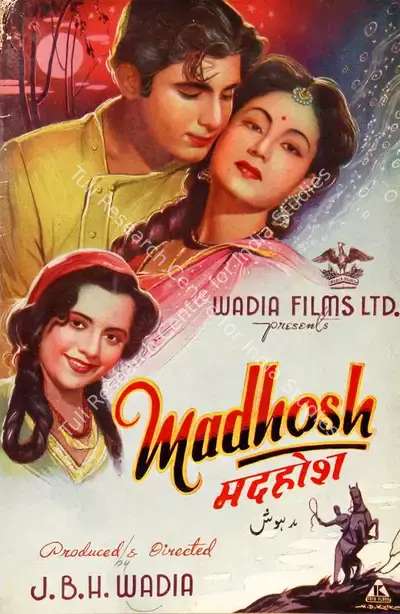
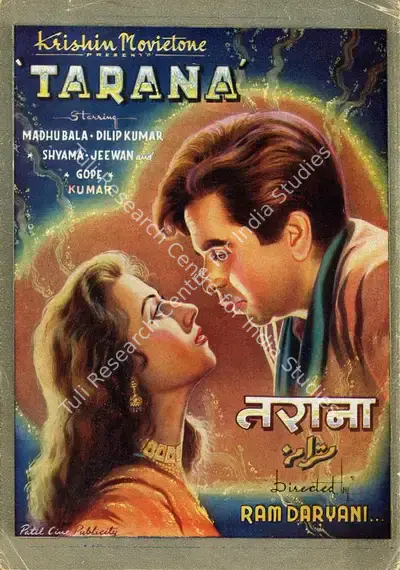
Talat Mahmood's greatest distinction lay in his ability to communicate profound emotions through his characteristic trembling yet velvety voice. He became especially admired for romantic and sorrowful compositions, bringing a rare sensitivity and sophistication to both film songs and ghazals. His unforgettable contributions to Indian cinema include Sham-E-Gham Ki Kasam from Footpath (1953), Jayen To Jayen Kahan from Taxi Driver (1954), and Tasveer Banata Hoon from Baradari (1955). His deeply expressive rendering of Humse Aaya Na Gaya from Dekh Kabira Roya (1957) remains one of his most cherished performances. Other timeless melodies include Itna Na Mujhse Tu Pyar Badha from Chhaya (1961), Seene Mein Sulagte Hain Armaan from Tarana (1951), Jalte Hain Jiske Liye from Sujata (1959), Meri Yaad Mein Tum Na Aansu Bahana from Madhosh (1951), Phir Wohi Shaam Wohi Gham from Jahan Ara (1964), and Ae Mere Dil Kahin Aur Chal from Daag (1952).

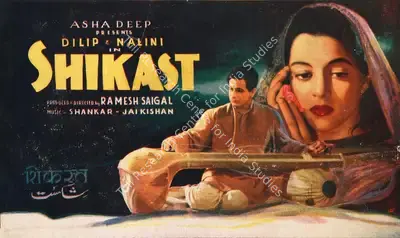
Talat's reputation as a master of ghazal singing extended far beyond Lucknow and reached Calcutta, a major cultural centre of Indian music and cinema during the 1940s. His performances placed him among the finest vocalists of his era, alongside legendary figures such as K.L. Saigal and other celebrated ghazal artists. His classical compositions, including Sapnon Ki Suhaani Duniya Ko from Shikast (1953) and Laage Tose Naina from Chaandi Ki Deewar(1964), further demonstrated his versatility as a singer.

The song Tasveer Teri Dil Mera Behela Na Sakegi, released in 1944, became a landmark recording that brought him nationwide recognition and opened the doors of the Calcutta film industry. In 1949, Talat moved to Bombay, where he established himself in Hindi cinema. His major breakthrough came with Ae Dil Mujhe Aisi Jagah Le Chal, composed by Anil Biswas for the film Arzoo (1950), a song that cemented his position as a leading playback singer.

Beyond his own illustrious career, Talat also contributed to the growth of other artists. In 1953, he helped introduce Suman Kalyanpur to the music industry by recommending her to His Master's Voice after hearing her perform. Their duet Ek Dil Do Hain Talabgaar from Darwaza (1954) became one of their notable collaborations.

Talat Mahmood received the Padma Bhushan in 1992 for his outstanding contribution to cinematic and ghazal music. India Post honoured him with a commemorative postage stamp in 2016, recognising his immense influence on Indian musical heritage. His final Hindi film song was a duet with Lata Mangeshkar, composed by Laxmikant–Pyarelal for Woh Din Yaad Karo (1971). He later appeared in the Urdu film Wali-E-Azam (1987) alongside Hemlata. He passed away on 9 May 1998, leaving behind a timeless musical legacy whose elegance, emotional resonance, and artistic refinement continue to inspire generations of listeners.

तलत महमूद (24 फरवरी 1924 – 9 मई 1998) बीसवीं सदी के मशहूर पुरुष प्लेबैक सिंगर्स और ग़ज़ल गायकों में से एक के तौर पर भारतीय संगीत के इतिहास में एक ख़ास जगह रखते हैं। अपनी बेहद सुरीली, दर्द भरी और भावपूर्ण आवाज़ के लिए मशहूर, वे एक प्रभावशाली हस्ती हैं, जिन्होंने 1950 और 1960 के दशक में हिंदी फ़िल्म संगीत और आधुनिक ग़ज़ल गायकी की दिशा तय की। हालाँकि उन्होंने एक्टिंग में भी हाथ आज़माया, लेकिन एक प्लेबैक सिंगर के तौर पर मिली ज़बरदस्त क़ामयाबी के मुकाबले स्क्रीन पर एक कलाकार के तौर पर उनकी उपलब्धियाँ कम ही रहीं। उन्होंने लगभग सोलह फ़िल्मों में काम किया, जिनमें कलकत्ता और बॉम्बे फ़िल्म इंडस्ट्री की फ़िल्में शामिल थीं। उनकी मुख्य भूमिका वाली तीन फ़िल्मों को कलकत्ता में क्षेत्रीय सफलता मिली। कलकत्ता में अपने शुरुआती दिनों में, उन्होंने 'तपन कुमार' नाम से कई बंगाली गाने भी रिकॉर्ड किए।
लखनऊ के एक रूढ़िवादी मुस्लिम परिवार में जन्मे तलत महमूद की बचपन से ही संगीत में गहरी रुचि थी। वे शास्त्रीय संगीत की प्रस्तुतियों से बहुत प्रभावित थे और अक्सर रात भर चलने वाली संगीत महफ़िलों में जाते थे, जिसने उनकी कलात्मक समझ को निखारने में अहम भूमिका निभाई। 1930 के दशक के आख़िर में उन्होंने लखनऊ के मैरिस कॉलेज़ ऑफ़ म्यूज़िक (जिसे अब भातखंडे म्यूज़िक इंस्टीट्यूट के नाम से जाना जाता है) में पंडित एस.सी.आर. भट्ट से शास्त्रीय संगीत की ट्रेनिंग ली। शास्त्रीय परंपराओं से शुरुआती जुड़ाव ने उनकी गायकी की उस बेहतरीन शैली की नींव रखी, जिसने बाद में उन्हें अपने समकालीन गायकों से अलग पहचान दिलाई।
सोलह साल की उम्र में, 1939 में तलत ने ऑल इंडिया रेडियो, लखनऊ पर दाग़ देहलवी, मीर तक़ी मीर और जिगर मुरादाबादी जैसे मशहूर शायरों की ग़ज़लें गाकर अपने पेशेवर गायन सफ़र की शुरुआत की। उनकी आवाज़ में कोमलता, भावनाओं की गहराई और सुरों की समृद्धि का एक अनोखा संगम था, जिसने जल्द ही 'हिज़ मास्टर्स वॉयस' (HMV) का ध्यान अपनी ओर खींचा। 1941 में, उन्होंने अपनी पहली डिस्क रिकॉर्ड की, जिसमें 'सब दिन एक समान नहीं था', 'बन जाऊँगा क्या से क्या मैं' और 'इसका तो कुछ ध्यान नहीं था' जैसे गाने शामिल थे। चार दशकों के अपने करियर के दौरान, उन्होंने बारह भाषाओं में लगभग 750 गाने रिकॉर्ड किए और भारतीय संगीत परंपराओं में एक अमिट छाप छोड़ी।
तलत महमूद की सबसे बड़ी विशिष्टता उनकी विशिष्ट कांपती लेकिन मख़मली आवाज़ के माध्यम से गहरी भावनाओं को व्यक्त करने की उनकी क्षमता में थी। वह विशेष रूप से रोमांटिक और विरह से भरे गीतों के लिए अत्यंत लोकप्रिय हुए, जिन्होंने फ़िल्मी गीतों और ग़ज़लों दोनों में एक दुर्लभ संवेदनशीलता और सुधार लाया। भारतीय सिनेमा में उनके अविस्मरणीय योगदान में फ़ुटपाथ (1953) को 'शाम-ए-ग़म की क़सम', टैक्सी ड्राइवर (1954) का 'जाएं तो जाएं कहां' और बारादरी (1955) का 'तस्वीर बनाता हूं' शामिल हैं। देख कबीरा रोया (1957) का 'हमसे आया ना गया' की उनकी गहरी प्रस्तुति उनके सबसे पसंदीदा प्रदर्शनों में से एक बनी है। अन्य सदाबहार धुनों में छाया (1961) का 'इतना ना मुझसे तू प्यार बढ़ा', तराना (1951) का 'सीने में सुलगते हैं अरमान', सुजाता (1959) का 'जलते हैं जिसके लिए', मदहोश (1951) का 'मेरी याद में तुम ना आंसू बहाना', जहां आरा (1964) का 'फ़िर वही शाम वही ग़म और दाग (1952) का 'ऐ मेरे दिल कहीं और चल' शामिल हैं।
ग़ज़ल गायन के उस्ताद के रूप में तलत की प्रतिष्ठा लखनऊ से कहीं आगे तक फैली और 1940 के दशक के दौरान भारतीय संगीत और सिनेमा के एक प्रमुख सांस्कृतिक केंद्र कलकत्ता तक पहुँच गई। उनके प्रदर्शन ने उन्हें के.एल. जैसी महान शख़्सियतों के साथ अपने युग के बेहतरीन गायकों में शामिल कर दिया। सहगल और अन्य प्रसिद्ध ग़ज़ल कलाकार। उनके गायकी के अन्य शैलियों में शिकस्त (1953) का 'सपनों की सुहानी दुनिया को' और चाँदी की दीवार (1964) का 'लागे तोसे नैना' जैसे शास्त्रीय शैली के गीतों ने उनकी गायकी की विविधता और प्रतिभा को और प्रमाणित किया।
1944 में रिलीज़ हुआ गाना 'तस्वीर तेरी दिल मेरा बहेला ना बनेगी' एक ऐतिहासिक रिकॉर्डिंग बन गया, जिसने उन्हें देश भर में पहचान दिलाई और कलकत्ता फ़िल्म उद्योग के दरवाज़े खोल दिए। 1949 में तलत बंबई चले गए, जहां उन्होंने ख़ुद को हिंदी सिनेमा में स्थापित किया। उन्हें बड़ी क़ामयाबी फ़िल्म 'आरज़ू' (1950) के गाने 'ऐ दिल मुझे ऐसी जगह ले चल' से मिली, जिसे अनिल बिस्वास ने कंपोज़ किया था। इस गाने ने एक बेहतरीन प्लेबैक सिंगर के तौर पर उनकी जगह पक्की कर दी।
अपने शानदार करियर के अलावा, तलत ने दूसरे कलाकारों को आगे बढ़ाने में भी मदद की। 1953 में सुमन कल्याणपुर की गायकी सुनने के बाद उन्होंने 'हिज़ मास्टर्स वॉयस' को उनकी सिफ़ारिश की और उन्हें म्यूज़िक इंडस्ट्री से जुड़ने में मदद की। फ़िल्म 'दरवाज़ा' (1954) का उनका डुएट गाना 'एक दिल दो हैं तलबगार' उनके यादगार सहयोगी कामों में से एक बन गया।
तलत महमूद को सिनेमा और ग़ज़ल संगीत में उनके बेहतरीन योगदान के लिए 1992 में पद्म भूषण से सम्मानित किया गया। भारतीय संगीत की विरासत पर उनके गहरे प्रभाव को देखते हुए, इंडिया पोस्ट ने 2016 में उनके सम्मान में डाक टिकट जारी किया। उनका आख़िरी हिंदी फ़िल्मी गाना लता मंगेशकर के साथ एक डुएट था, जिसे लक्ष्मीकांत-प्यारेलाल ने फ़िल्म 'वो दिन याद करो' (1971) के लिए तैयार किया था। बाद में, वे उर्दू फ़िल्म 'वली-ए-आज़म' (1987) में हेमलता के साथ नज़र आए। 9 मई 1998 को उनका निधन हो गया, लेकिन वे संगीत की एक ऐसी कालजयी विरासत छोड़ गए, जिसकी सुंदरता, भावनाओं को छूने की क्षमता और कलात्मक बारीकियां आज भी सुनने वालों की कई पीढ़ियों को प्रेरित करती हैं।
No personalia records available yet.

Filmography 69

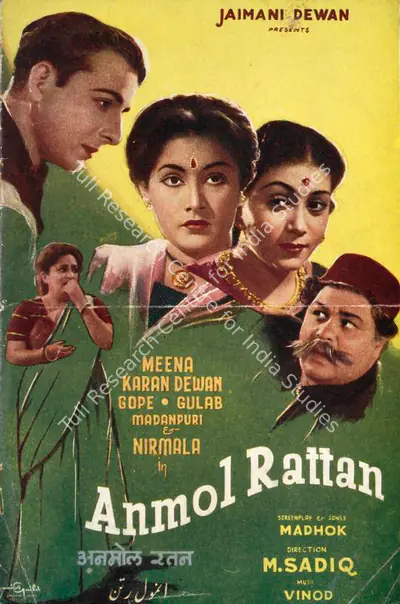
Anmol Rattan, Playback Singer, 1950
Anmol Rattan | Hindi | Playback Singer
1950 | Feature | Fiction | Black and White | India
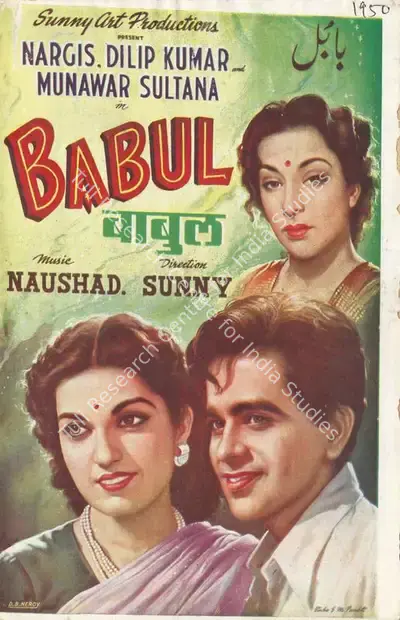
Babul, Playback Singer, 1950
Babul | Hindi | Playback Singer
1950 | Feature | Fiction | Black and White | India
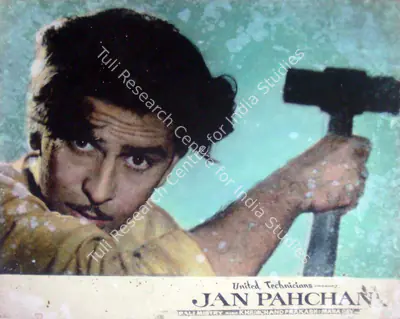
Jan Pehchan, Playback Singer, 1950
Jan Pehchan | Hindi | Playback Singer
1950 | Feature | Fiction | Black and White | India
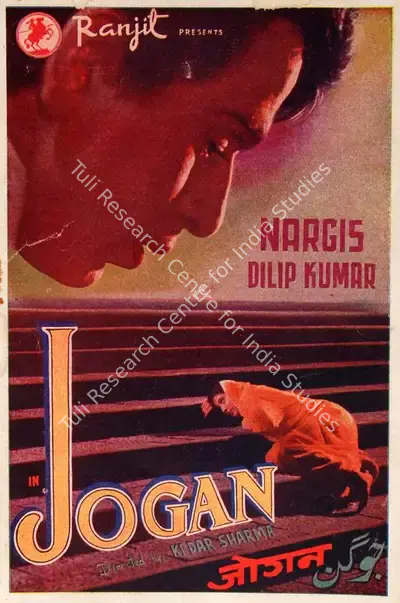
Jogan, Playback Singer, 1950
Jogan | Hindi | Playback Singer
1950 | Feature | Fiction | Black and White | India
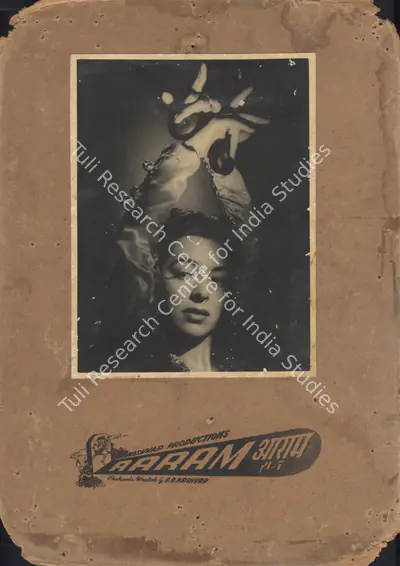
Aaram, Actor, 1951
Aaram | Hindi | Actor
1951 | Feature | Black and White | India
Madhosh, Playback Singer, 1951
Madhosh | Hindi | Playback Singer
1951 | Feature | Fiction | India
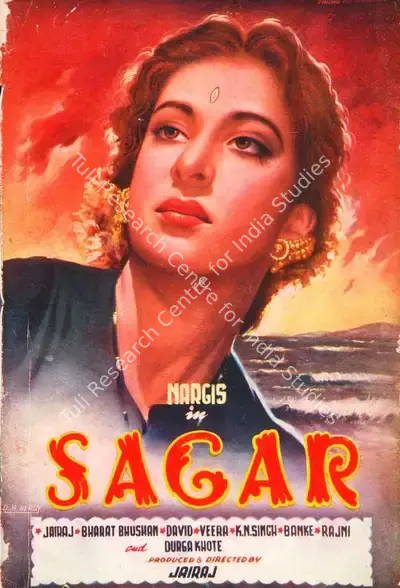
Sagar, Playback Singer, 1951
Sagar | Hindi | Playback Singer
1951 | Feature | Fiction | Black and White | India
Tarana, Playback Singer, 1951
Tarana | Hindi | Playback Singer
1951 | Fiction | India
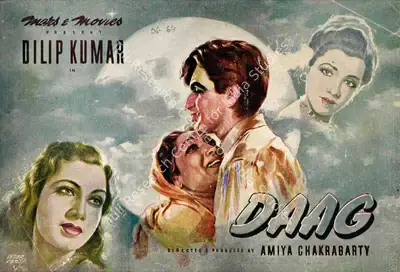
Daag, Playback Singer, 1952
Daag | Hindi | Playback Singer
1952 | Feature | Fiction | India
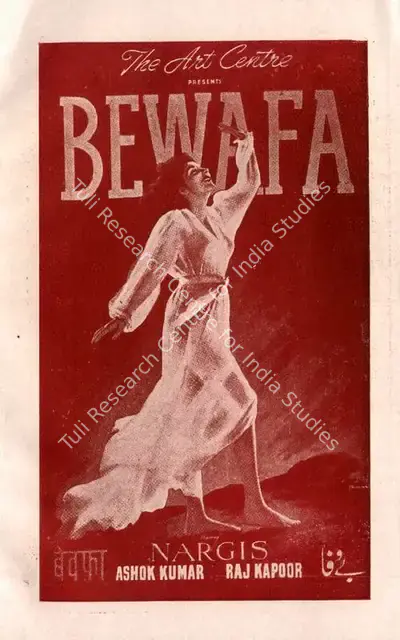
Bewafa, Playback Singer, 1952
Bewafa | Hindi | Playback Singer
1952 | Feature | Fiction | Black and White | India
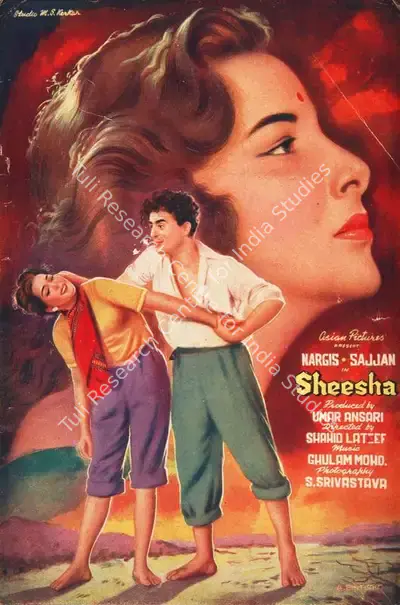
Sheesha, Playback Singer, 1952
Sheesha | Hindi | Playback Singer
1952 | Feature | Fiction | Black and White | India
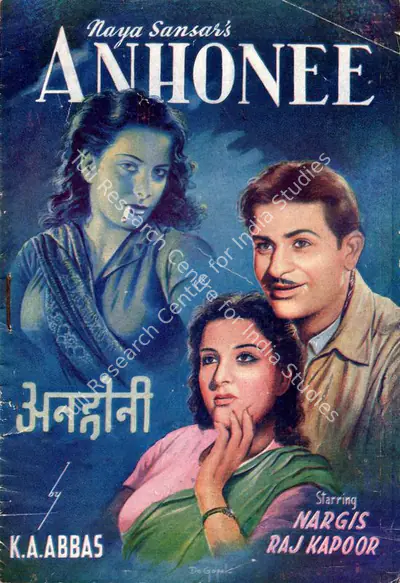
Anhonee, Playback Singer, 1952
Anhonee | Hindi | Playback Singer
1952 | Feature | Fiction | Black and White | India
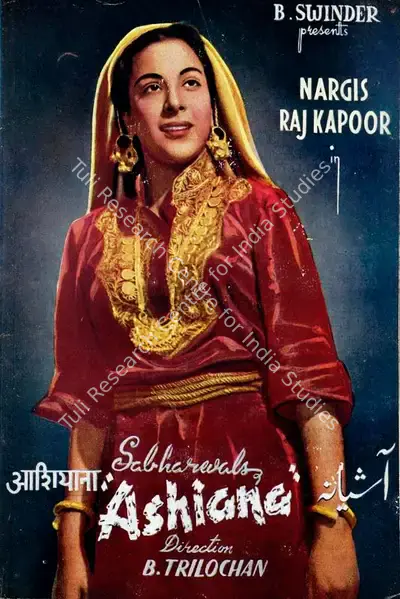
Ashiana, Playback Singer, 1952
Ashiana | Hindi | Playback Singer
1952 | Feature | Fiction | Black and White | India
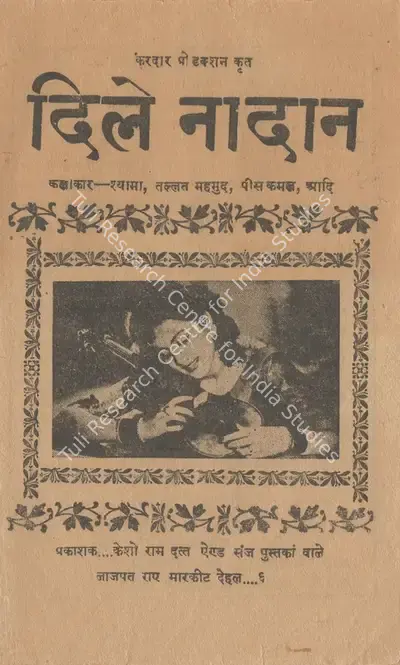
Dil E Nadaan, Actor, Playback Singer, 1953
Dil E Nadaan | Hindi | Actor, Playback Singer
1953 | Feature | Fiction | Black and White | India
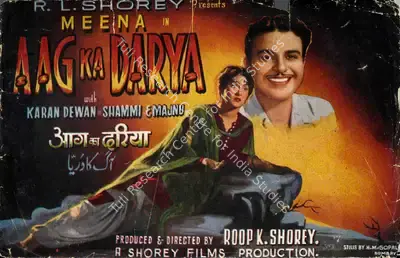
Aag Ka Darya, Playback Singer, 1953
Aag Ka Darya | Hindi | Playback Singer
1953 | Feature | Fiction | Black and White | India
Baaz, Playback Singer, 1953
Baaz | Hindi | Playback Singer
1953 | Feature | Fiction | Black and White | India
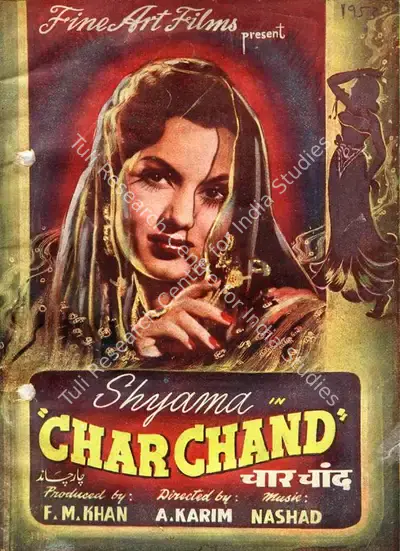
Char Chand, Playback Singer, 1953
Char Chand | Hindi | Playback Singer
1953 | Feature | Fiction | Black and White | India
Daaera, Playback Singer, 1953
Daaera | Hindi | Playback Singer
1953 | Feature | Fiction | Black and White | India
Pahli Shadi, Playback Singer, 1953
Pahli Shadi | Hindi | Playback Singer
1953 | Feature | Fiction | Black and White | India
Shikast, Playback Singer, 1953
Shikast | Hindi | Playback Singer
1953 | Feature | Fiction | Black and White | India
20 of 69

Research Centre
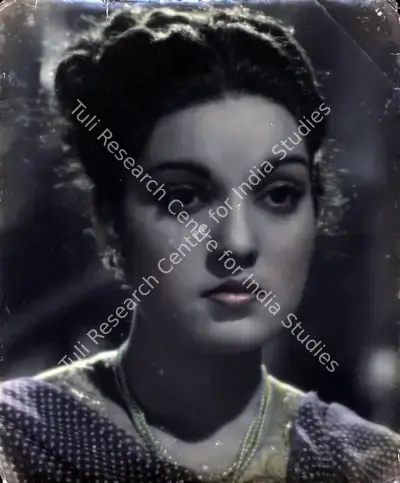
Fali Mistry (Cinematographer), Babul, 1950, Photographic Still
Mistry, Fali (Cinematographer), Babul, 1950 | Photographic Still
View full record
Fali Mistry (Cinematographer), Babul, 1950, Photographic Still
Mistry, Fali (Cinematographer), Babul, 1950 | Photographic Still
View full record
Fali Mistry (Cinematographer), Babul, 1950, Photographic Still
Mistry, Fali (Cinematographer), Babul, 1950 | Photographic Still
View full record
Fali Mistry (Cinematographer), Babul, 1950, Photographic Still
Mistry, Fali (Cinematographer), Babul, 1950 | Photographic Still
View full record
Fali Mistry (Cinematographer), Babul, 1950, Photographic Still
Mistry, Fali (Cinematographer), Babul, 1950 | Photographic Still
View full record
Fali Mistry (Cinematographer), Babul, 1950, Photographic Still
Mistry, Fali (Cinematographer), Babul, 1950 | Photographic Still
View full record
Chandulal J. Shah (Producer), Jogan, 1950, Song-Synopsis Booklet
Shah, Chandulal J. (Producer), Jogan, 1950 | Song-Synopsis Booklet
View full record
Jaimani Dewan (Producer), Anmol Rattan, 1950, Song-Synopsis Booklet
Dewan, Jaimani (Producer), Anmol Rattan, 1950 | Song-Synopsis Booklet
View full record
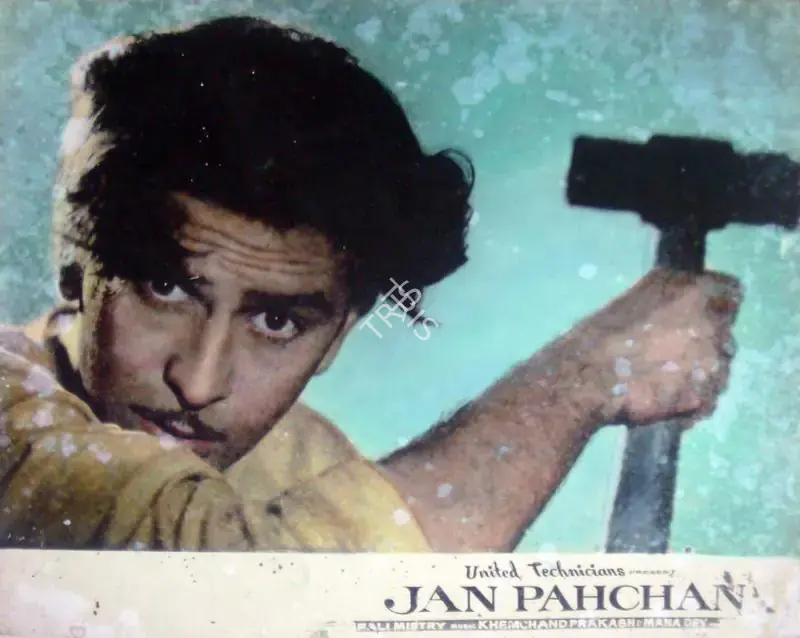
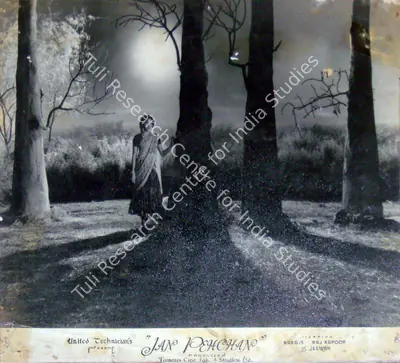
Jal Mistry (Cinematographer), Jan Pehchan, 1950, Lobby Card
Mistry, Jal (Cinematographer), Jan Pehchan, 1950 | Lobby Card
View full record
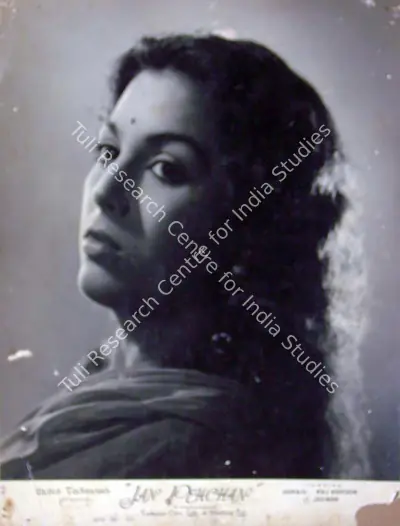
Jal Mistry (Cinematographer), Jan Pehchan, 1950, Lobby Card
Mistry, Jal (Cinematographer), Jan Pehchan, 1950 | Lobby Card
View full record
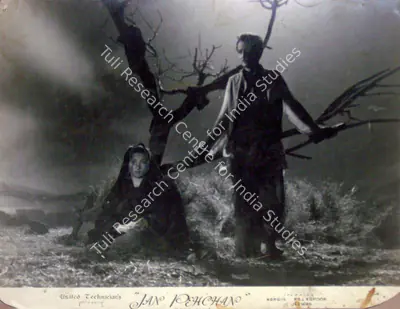
Jal Mistry (Cinematographer), Jan Pehchan, 1950, Lobby Card
Mistry, Jal (Cinematographer), Jan Pehchan, 1950 | Lobby Card
View full record
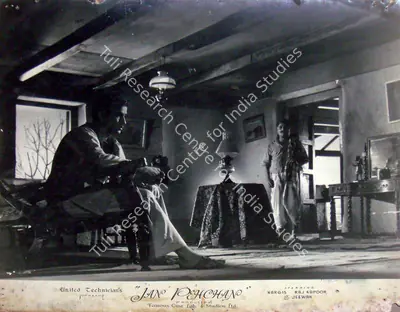
Jal Mistry (Cinematographer), Jan Pehchan, 1950, Lobby Card
Mistry, Jal (Cinematographer), Jan Pehchan, 1950 | Lobby Card
View full record
Jal Mistry (Cinematographer), Jan Pehchan, 1950, Lobby Card
Mistry, Jal (Cinematographer), Jan Pehchan, 1950 | Lobby Card
View full record
Jal Mistry (Cinematographer), Jan Pehchan, 1950, Lobby Card
Mistry, Jal (Cinematographer), Jan Pehchan, 1950 | Lobby Card
View full record
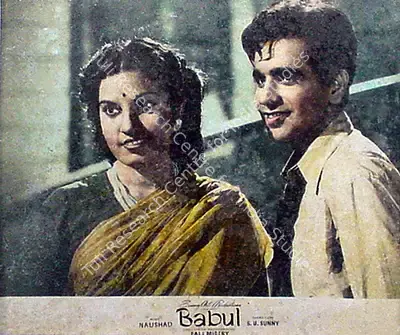
Fali Mistry (Cinematographer), Babul, 1950, Lobby Card
Mistry, Fali (Cinematographer), Babul, 1950 | Lobby Card
View full record
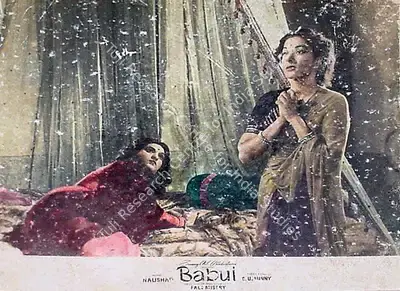
Fali Mistry (Cinematographer), Babul, 1950, Lobby Card
Mistry, Fali (Cinematographer), Babul, 1950 | Lobby Card
View full record
Fali Mistry (Cinematographer), Babul, 1950, Lobby Card
Mistry, Fali (Cinematographer), Babul, 1950 | Lobby Card
View full record
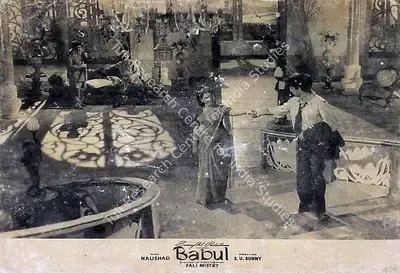
Fali Mistry (Cinematographer), Babul, 1950, Lobby Card
Mistry, Fali (Cinematographer), Babul, 1950 | Lobby Card
View full record
Fali Mistry (Cinematographer), Babul, 1950, Lobby Card
Mistry, Fali (Cinematographer), Babul, 1950 | Lobby Card
View full record
Fali Mistry (Cinematographer), Babul, 1950, Lobby Card
Mistry, Fali (Cinematographer), Babul, 1950 | Lobby Card
View full record
20 of 393
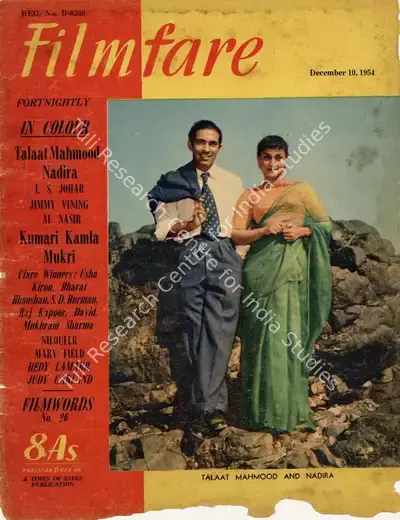
J.C. Jain (Editor), Filmfare, 1954, Magazine
Jain, J.C. (Editor). Filmfare, 10 December 1954 | Magazine | 00793165
View full record
J.C. Jain (Editor), Filmfare, 1954, Magazine
Jain, J.C. (Editor). Filmfare, 10 December 1954 | Magazine | 00793165
View full record
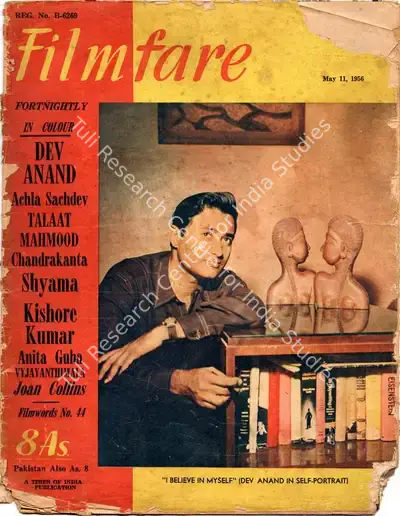
C.R. Mandy (Editor), Filmfare, 1956, Magazine
Mandy, C.R. (Editor). Filmfare, 11 May 1956 | Magazine | 00793199
View full record
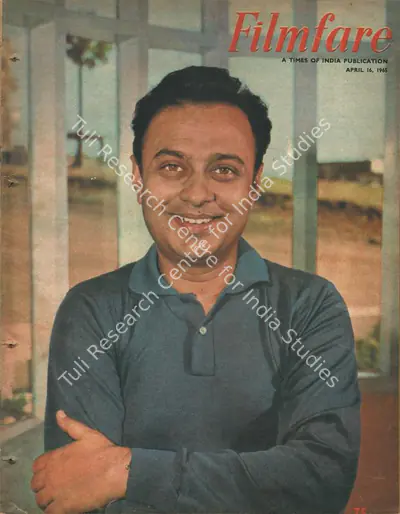
B.K. Karanjia (Editor), Filmfare, 1965, Magazine
Karanjia, B.K. (Editor). Filmfare, 16 April 1965 | Magazine | 00793303
View full record
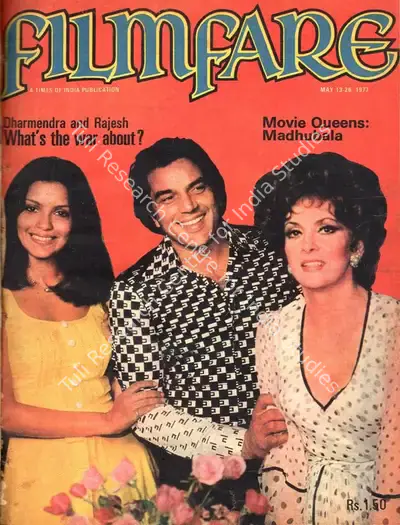
B.K. Karanjia (Editor), Filmfare, 1977, Magazine
Karanjia, B.K. (Editor). Filmfare, 13 May 1977 | Magazine | 00793605
View full record
Fali Mistry (Cinematographer), Babul, 1950, Photographic Still
Mistry, Fali (Cinematographer), Babul, 1950 | Photographic Still
View full record
Fali Mistry (Cinematographer), Babul, 1950, Photographic Still
Mistry, Fali (Cinematographer), Babul, 1950 | Photographic Still
View full record
Fali Mistry (Cinematographer), Babul, 1950, Photographic Still
Mistry, Fali (Cinematographer), Babul, 1950 | Photographic Still
View full record
Fali Mistry (Cinematographer), Babul, 1950, Photographic Still
Mistry, Fali (Cinematographer), Babul, 1950 | Photographic Still
View full record
Fali Mistry (Cinematographer), Babul, 1950, Photographic Still
Mistry, Fali (Cinematographer), Babul, 1950 | Photographic Still
View full record
Fali Mistry (Cinematographer), Babul, 1950, Photographic Still
Mistry, Fali (Cinematographer), Babul, 1950 | Photographic Still
View full record
Chandulal J. Shah (Producer), Jogan, 1950, Song-Synopsis Booklet
Shah, Chandulal J. (Producer), Jogan, 1950 | Song-Synopsis Booklet
View full record
Jaimani Dewan (Producer), Anmol Rattan, 1950, Song-Synopsis Booklet
Dewan, Jaimani (Producer), Anmol Rattan, 1950 | Song-Synopsis Booklet
View full record
Jal Mistry (Cinematographer), Jan Pehchan, 1950, Lobby Card
Mistry, Jal (Cinematographer), Jan Pehchan, 1950 | Lobby Card
View full record
Jal Mistry (Cinematographer), Jan Pehchan, 1950, Lobby Card
Mistry, Jal (Cinematographer), Jan Pehchan, 1950 | Lobby Card
View full record
Jal Mistry (Cinematographer), Jan Pehchan, 1950, Lobby Card
Mistry, Jal (Cinematographer), Jan Pehchan, 1950 | Lobby Card
View full record
Jal Mistry (Cinematographer), Jan Pehchan, 1950, Lobby Card
Mistry, Jal (Cinematographer), Jan Pehchan, 1950 | Lobby Card
View full record
Jal Mistry (Cinematographer), Jan Pehchan, 1950, Lobby Card
Mistry, Jal (Cinematographer), Jan Pehchan, 1950 | Lobby Card
View full record
Jal Mistry (Cinematographer), Jan Pehchan, 1950, Lobby Card
Mistry, Jal (Cinematographer), Jan Pehchan, 1950 | Lobby Card
View full record
Fali Mistry (Cinematographer), Babul, 1950, Lobby Card
Mistry, Fali (Cinematographer), Babul, 1950 | Lobby Card
View full record
Fali Mistry (Cinematographer), Babul, 1950, Lobby Card
Mistry, Fali (Cinematographer), Babul, 1950 | Lobby Card
View full record
Fali Mistry (Cinematographer), Babul, 1950, Lobby Card
Mistry, Fali (Cinematographer), Babul, 1950 | Lobby Card
View full record
Fali Mistry (Cinematographer), Babul, 1950, Lobby Card
Mistry, Fali (Cinematographer), Babul, 1950 | Lobby Card
View full record
Fali Mistry (Cinematographer), Babul, 1950, Lobby Card
Mistry, Fali (Cinematographer), Babul, 1950 | Lobby Card
View full record
Fali Mistry (Cinematographer), Babul, 1950, Lobby Card
Mistry, Fali (Cinematographer), Babul, 1950 | Lobby Card
View full record
20 of 388
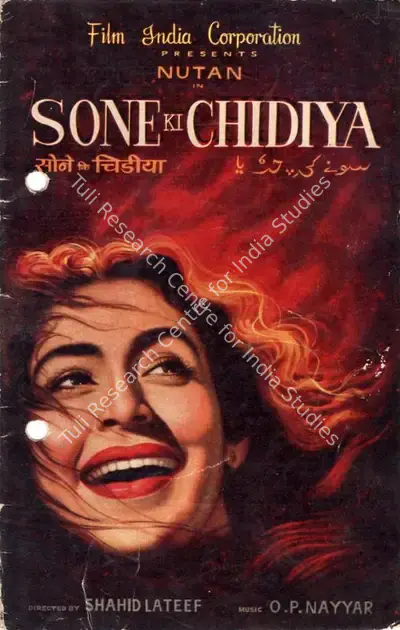
Ismat Chughtai (Producer), Sone Ki Chidiya, 1958, Song-Synopsis Booklet
Chughtai, Ismat (Producer), Sone Ki Chidiya, 1958 | Song-Synopsis Booklet
View full record

Related

41

Films

22

Aag Ka Darya 1953Playback Singer
Aaram 1951Lead Cast
Anmol Rattan 1950Playback Singer
Babul 1950Playback Singer
Bewafa 1952Playback Singer
Boot Polish (1954)Playback Singer
Daaera 1953Comparable Artworks
Daag (1952)Playback Singer
Dak Babu 1954Lead Cast
Dil E Nadaan 1953Lead Cast
Jan Pehchan 1950Playback Singer
Jogan 1950Playback Singer
Kinare Kinare 1963Comparable Artworks
Lala Rookh 1958Lead Cast
Maalik 1958Lead Cast
Madhosh (1951)Playback Singer
Raftar 1955Lead Cast
Sagar 1951Playback Singer
Sheesha 1952Playback Singer
Sone Ki Chidiya 1958Lead Cast
Tarana (1951)Playback Singer
Waris 1954Lead Cast

Personalities

19

A.R. KardarComparable Artworks
Bimal RoyComparable Artworks
Chetan AnandComparable Artworks
Dev AnandComparable Artworks
DharmendraComparable Artworks
Dilip GuptaComparable Artworks
Dwarka DivechaComparable Artworks
Fali MistryComparable Artworks
G.P. SippyComparable Artworks
Guru DuttComparable Artworks
Homi WadiaComparable Artworks
J.B.H. WadiaComparable Artworks
Jal MistryComparable Artworks
Kamal BoseComparable Artworks
Khwaja Ahmad AbbasComparable Artworks
NadiraComparable Artworks
R.D. MathurComparable Artworks
Sohrab ModiComparable Artworks
Zeenat AmanComparable Artworks
Tuli Research Centre for India Studies
Tuli Research Centre
for India Studies

A free and open knowledge base for the modern and contemporary Indian arts, cinema, photography and cultural heritage.

Support

Contact Us

Discover

Tuli Research Centre for India StudiesVisionManifestoArchive & LibraryVanraja Sanctuary & Hospice
Legal

Privacy PolicyTerms & Conditions

Follow us

Youtube

Youtube

Instagram

Instagram

Facebook

Facebook

© Tuli Research Centre for India Studies 2026
Tuli Research Centre for India Studies
Tuli Research Centre
for India Studies

A free and open knowledge base for the modern and contemporary Indian arts, cinema, photography and cultural heritage.

Tuli Research Centre for India StudiesVisionManifestoArchive & LibraryVanraja Sanctuary & Hospice
Contact Us
Privacy PolicyTerms & Conditions

Follow us

YoutubeInstagramFacebook

© Tuli Research Centre for India Studies 2026
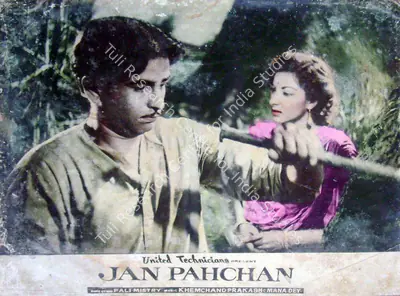
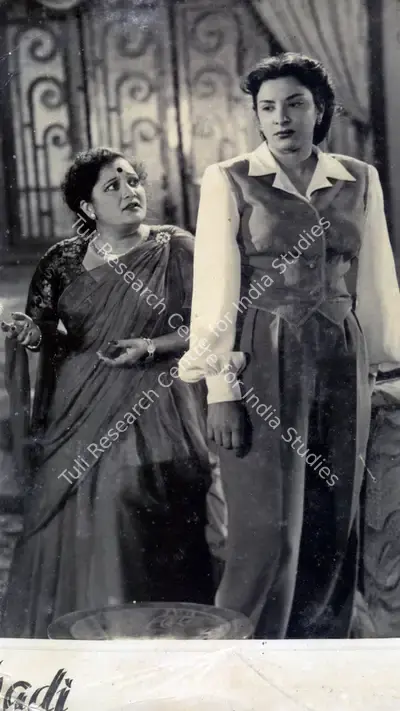
              Mistry, Jal (Cinematographer), Jan Pehchan, 1950 | Lobby Card | CinemaEducation | 00818161

              Mistry, Jal (Cinematographer), Jan Pehchan, 1950 | Lobby Card

              CinematographerJal Mistry
              Document TypeLobby Card
              Film TitleJan Pehchan (Jan Pahchan), 1950, India, Hindi
              ProducerRobin Chatterjee, Fali MistryDirectorFali MistryBannerFamous Cine Lab & Studios Ltd., United Technicians
              Art DirectorV. Jadhav
              CastRaj Kapoor, Jeevan, Nargis, Shyama, Amar, Dulari, Mukri
              EditingManilal Gupta
              LyricistShakeel Badayuni
              Music DirectorManna Dey, Khemchand Prakash
              Copyright of ImageWith Producer | Archive Object

              Research Categories

              1_CinemaEducation

              Related Links4

              Masterlist3
              Raj KapoorCinema Lobby CardsJal Mistry
              Research Categories
              01Cinema as a Critical Educational Resource